Tesla(TSLA)

Search documents
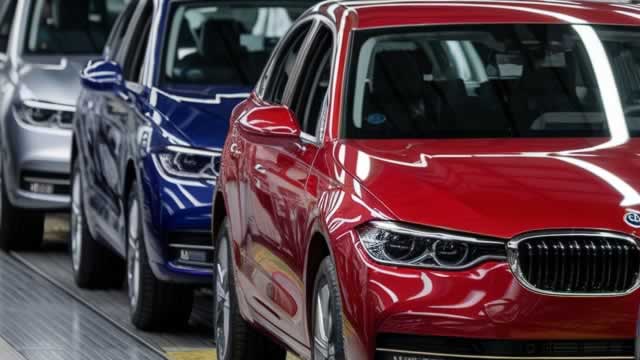
车长五米四,新能源车还能再大点吗?
远川研究所· 2026-02-05 13:13
Core Viewpoint - The article discusses the trend of larger SUVs in the Chinese automotive market, highlighting the shift towards three-row SUVs that cater to family needs and the growing consumer preference for spacious vehicles [5][10][30]. Group 1: Market Trends - The introduction of the Tesla Model YL and the success of large three-row SUVs have significantly impacted Tesla's delivery volumes, indicating a strong consumer preference for larger vehicles [5][7]. - The trend of larger vehicles is evident, with new models like the Denza N9 and N8L showcasing lengths exceeding 5 meters, which aligns with the growing demand for spacious SUVs [7][10]. - The market share of mid-to-large SUVs has seen a notable increase, with mid-large SUVs maintaining a market share of 3%-4% since September 2022, while large SUVs remain below 2% [12][13]. Group 2: Consumer Preferences - The demand for larger SUVs is driven by family-oriented needs, where consumers prioritize space and comfort for both daily use and family outings [26][30]. - The average vehicle ownership in China is projected to reach 52.9 vehicles per 100 households by 2025, indicating a strong market for family-sized vehicles [28]. - The article emphasizes that the preference for larger vehicles is not unique to China, as similar trends are observed globally, particularly in the U.S. and Europe [33]. Group 3: Technological Factors - The increase in vehicle size is attributed to the design of electric vehicles, which require more space for battery placement, leading to wider and longer vehicle dimensions [20][21]. - Advances in battery technology have allowed for larger battery capacities in SUVs, with many new models featuring batteries exceeding 80 kWh, enhancing their range and appeal [23][24]. - The integration of battery technology into vehicle design has improved the overall space within the cabin, allowing for more comfortable seating arrangements and features [30].




Tesla (TSLA) stock analysis: Buy, Sell, or Hold in 2026?
Finbold· 2026-02-05 12:57
Core Viewpoint - Tesla stock has experienced a significant downturn in early 2026, with a year-to-date decline of 9.58% as of the latest price of $406.62, raising questions about its investment potential for the year ahead [1][3]. Stock Performance and Analyst Ratings - Wall Street analysts generally rate Tesla stock as a 'Hold,' with an average price target of $393.51 for the next 12 months, indicating a bearish outlook [4]. - Recent revisions show two analysts, Philip Securities and JPMorgan, recommending a 'Sell' with targets of $215 and $145 respectively, while RBC Capital maintains a 'Buy' rating with a target of $500 [6]. Business Performance and Market Trends - Tesla reported a decline in annual deliveries in 2025 compared to 2024, with total sales dropping from $97.7 billion to $94.8 billion, despite beating analyst expectations in Q4 earnings [8]. - January vehicle shipments in Europe showed a significant decline, with Norway experiencing an 88% drop and France only registering 661 vehicles despite a population of 69 million [8]. - The anticipated Cybertruck has underperformed, with actual deliveries ranging between 20,000 to 40,000, far below the initial forecast of 250,000 [9]. - The broader electric vehicle market is also struggling, as Tesla's main competitor, BYD, reported a 30% drop in sales of new energy vehicles [9]. Challenges in AI and Robotics Sector - Tesla's pivot towards artificial intelligence is facing industry-wide challenges, including diminishing margins and a slowdown in growth, raising concerns about the viability of this strategy [10]. - Major tech companies like Microsoft and AMD have reported strong results but still faced stock market declines, indicating potential issues within the AI sector [11]. Potential for Future Growth - Despite current challenges, there is a contrarian bullish case for Tesla, particularly with the implementation of autonomous driving technology and a new subscription model for Full Self-Driving (FSD) that could generate significant revenue [12][13]. - If FSD becomes widely adopted, it could lead to nearly $160 million in monthly revenue, translating to approximately $1.9 billion annually [13]. Corporate Developments - Recent mergers involving Elon Musk's companies, such as SpaceX and xAI, suggest a potential reduction in administrative burdens, although concerns remain about the financial implications of these consolidations [14][15][16].
This Stock Could Be the First Big Winner of the Robotaxi Race
Yahoo Finance· 2026-02-05 12:42
Autonomous driving and fully driverless robotaxis could be the future of automotive transportation -- and that future is coming fast. A recent report from McKinsey predicts that 2030 could be the year when robotaxis achieve mass deployment around the world. McKinsey defines a robotaxi as a "vehicle on demand" operating in urban areas with autonomous driving capabilities of Level 4 (able to function without a human driver ready to take over) or Level 5 (fully autonomous in any environment and conditions). ...

Will Tesla and SpaceX Merge? How to Bet on Another Musk Megamerger.
Barrons· 2026-02-05 12:26
The idea of Musk combining his tech empire into an AI conglomerate has picked up steam in recent months. ...
但斌最新分享:下一场革命是光子革命,自动驾驶的iPhone时刻已出现
Xin Lang Cai Jing· 2026-02-05 12:18
炒股就看金麒麟分析师研报,权威,专业,及时,全面,助您挖掘潜力主题机会! 来源:六里投资报 2月4日,著名投资人但斌在一场对话中,就2026年资本市场的投资逻辑,以及未来趋势给出了最新的见 解。 但斌这几年通过重仓美股科技巨头,使得其业绩在百亿私募中数一数二, 但也正因为其ALL IN AI的表态,以及在组合中运用杠杆进一步下注的操作也引发一些争议。但斌的具 体持仓可点此查看。 回顾2025年,但斌认为,这是人工智能从开始到勃发的重要一年, 而2026年马年,很可能是AI应用"万马奔腾"的一年; 包括年初看到的这些热门方向,包括去年底特斯拉全程无人驾驶穿越美国,它是自动驾驶的iPhone时 刻。 但斌强调,投资应把钱投到拉动经济增长的方向, 如人工智能、生物制药等新质生产力行业,赢的概率才大。 从金融史看,过去100年,美国的所有上市公司加起来,3%贡献了绝大部分的盈利,97%其实是不行 的, 少数公司在创造价值,多数公司在毁灭价值。 但斌认为,这一规律在中国最终可能也会适用。 此外,但斌指出,投资中"价值和成长一定是共生的关系",二者相辅相成,且成长更为重要。 他提及巴菲特晚年投资科技股,强调这个时代中"自 ...



但斌:目前仍处于人工智能大发展的一年 泡沫只是噪音
智通财经网· 2026-02-05 12:07
2月4日晚,东方港湾董事长但斌做客央视财经《投资大趋势》节目,分享了关于人工智能时代下的市场 投资见解。 投资作业本课代表整理了要点如下: 1、不学习,很可能错过一个时代。 回顾我们经历的电子硬件、互联网、移动互联网时代,每个时代都有重大机会。......腾讯,涨了六百多 (倍),网易涨了几千倍,这只是个案。从全球看,每个时代都涌现出许多上涨几千倍的公司。 从金融史看,过去100年,美国上市公司中,仅3%贡献了绝大部分利润,97%并不突出。 这个过程注定是少数公司创造价值,多数公司在毁灭价值。 2、当前对中国和全球经济而言,其实美国也一样,主要依靠人工智能、生物制药这类行业,比如商业 航天、即将上市的星链等。 这些新增长能否弥补其他领域的负向反馈?若能,经济就会蓬勃发展。因此,将资金投向这些方向,理 论上赢面更大。 3、对普通人和一般机构而言,错过一个时代的风险,远大于担心泡沫的风险。回顾过去几个时代,真 正赚到钱的人不多,很多人是错过了时代。 4、我个人判断,目前仍处于大发展之年。但为何很多人错失?因为存在泡沫的噪音。我视之为噪音,即 便今年下跌,也是噪音。 因为放在更长的周期里,今年可能只是蓄势之年。 5 ...


低首付低利息低月供 “7年低息购车”的诱惑你受得了吗?
Xin Jing Bao· 2026-02-05 12:05
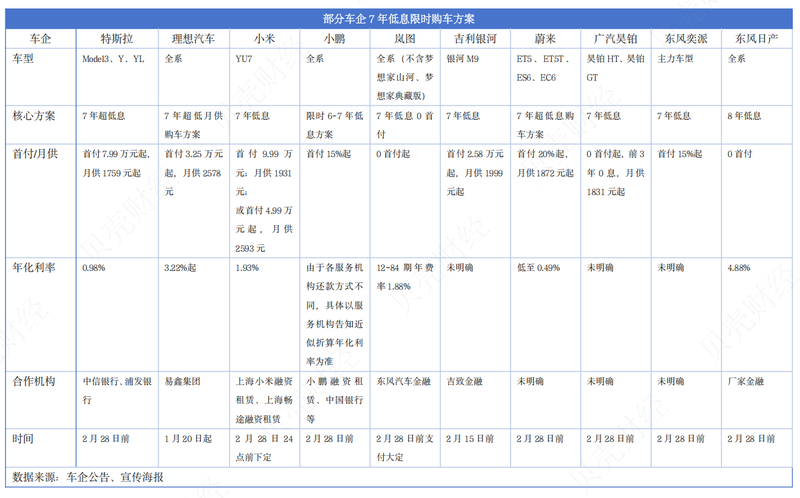
Core Insights - The automotive industry is experiencing a promotional wave centered around "7-year low-interest" financing options, initiated by Tesla and followed by at least 10 other companies, including Xiaomi, Li Auto, and Xpeng [1][3][4] - The promotional strategies focus on low down payments and monthly payments, with many plans keeping monthly payments around 2000 yuan [1][3] - Different automakers are collaborating with various financial institutions, with Tesla and NIO partnering with banks, while others rely on automotive financing leasing companies or third-party financial institutions [1][7] Group 1: Promotional Strategies - The "7-year low-interest" financing has become a key term in the current promotional measures, with low down payment amounts and monthly payments generally around 2000 yuan [3] - Tesla's Model 3 offers a down payment of 79,900 yuan and a monthly payment of 1,918 yuan over 84 months, with a total interest of approximately 5,512 yuan [4] - Li Auto offers a 7-year financing option across all models, with a minimum down payment of 15% and a monthly payment of 3,846 yuan for the i8 model [6] Group 2: Financial Institutions and Models - The financing options are primarily provided by automotive financing leasing companies or third-party financial institutions, rather than banks [7][10] - The differences in ownership and cost structures between bank loans and leasing models are significant, with leasing companies retaining ownership during the lease period [9][10] - Consumers are advised to understand the differences between loan and leasing models, including ownership rights and potential hidden costs associated with long-term financing [10][11]


Volkswagen overtook Tesla as Europe's top EV seller in 2025
Reuters· 2026-02-05 12:04
Core Viewpoint - Volkswagen has surpassed Tesla in sales of fully-electric cars in Europe in 2025, marking a significant shift in the electric vehicle market dynamics [1] Group 1: Sales Performance - Volkswagen's sales of fully-electric cars in Europe have outpaced those of Tesla, indicating a growing competitive landscape in the electric vehicle sector [1] - This development follows BYD's earlier achievement of overtaking Tesla as the world's largest electric vehicle manufacturer, highlighting the increasing competition from Chinese automakers [1]
【AI智能汽车2月投资策略】北美L4或松绑,第三方智驾供应商多点开花,看好智能化
东吴汽车黄细里团队· 2026-02-05 11:37
Core Viewpoint - The article emphasizes the potential for L4 autonomous driving commercialization in North America, with regulatory changes allowing for a significant increase in vehicle deployment limits from 2,500 to 90,000 units. It highlights Tesla's launch of a no-safety-driver Robotaxi service in Austin and the advancements in L2-L3 autonomous driving technologies by various companies [3][10]. Investment Highlights - January's summary indicates that L4 commercialization in North America may be relaxed, with discussions on increasing the annual deployment cap for vehicles without traditional controls. Tesla has launched a no-safety-driver Robotaxi in Austin and plans to eliminate the FSD buyout model. In the L2-L3 segment, Nvidia has released an open-source autonomous driving model, Alpamayo, while companies like WeRide and Qianli Technology are launching or upgrading end-to-end solutions [3][10]. - February's focus is on monitoring the implementation of overseas L4 policies and the user experience of domestic L2-L3 intelligent vehicles. The results of the U.S. hearings are crucial, as they may lead to unified federal and state regulations. Tesla's no-safety-driver service will be closely observed for safety and reliability during this critical period [4][10]. Investment Recommendations - The company maintains a strong outlook for the L4 RoboX theme by 2026, favoring B-end software companies over C-end hardware firms. Preferred H-shares include Xpeng Motors, Horizon Robotics, WeRide, Cao Cao Mobility, and Black Sesame Intelligence, while A-shares include Qianli Technology, Desay SV, and Jingwei Hirain [5][10]. - Downstream application-related stocks are categorized into three perspectives: - Robotaxi perspective includes integrated models like Tesla and Xpeng Motors, and technology providers with revenue-sharing models such as Horizon Robotics and Baidu [5][10]. - Robovan perspective includes Desay SV and other emerging companies [6][10]. - Other autonomous vehicle perspectives cover mining trucks, ports, sanitation vehicles, and buses [6][10]. Supply Chain Insights - The upstream supply chain includes B-end autonomous vehicle OEMs like BAIC BluePark, GAC Group, and Jiangling Motors, as well as core suppliers for testing services, chips, domain controllers, sensors, and other components [6][10]. - Key suppliers for chips include Horizon Robotics and Black Sesame Intelligence, while domain controllers involve Desay SV and other companies [6][10]. Key Events Summary - Significant events in January include Nvidia's release of the open-source autonomous driving model Alpamayo and discussions in the U.S. regarding regulatory changes for autonomous vehicles. Tesla's FSD v14.2 achieved a milestone of 2 days and 20 hours of zero intervention driving across the U.S. [46][10].

概念股暴涨后遇冷!马斯克带火的“太空光伏”,前景几何?谁已入局?
Da Zhong Ri Bao· 2026-02-05 10:30
Core Viewpoint - The recent surge and subsequent decline in the space photovoltaic concept stocks were triggered by news of Elon Musk's team conducting research on solar energy companies, raising questions about the viability and market potential of space photovoltaics [1][2][3]. Group 1: Market Reaction - On February 4, space photovoltaic concept stocks experienced significant gains, with companies like Zhonglai Co. hitting a 20% limit up, while others like Guosheng Technology saw consecutive gains [3]. - Following the initial excitement, by February 5, the Wind Space Photovoltaic Index dropped by 4.86%, with several stocks, including Junda Co. and Jincheng Co., hitting their daily limit down [4]. Group 2: Company Responses - Multiple companies, including TCL Zhonghuan and Jinko Solar, confirmed interactions with Musk's team but clarified that no formal agreements or collaborations had been established [2][3]. - Jinko Solar stated that while they had contact with Musk's team, they had not signed any contracts or received orders related to space photovoltaics [3]. Group 3: Industry Insights - The concept of space photovoltaics involves harnessing solar energy in outer space and transmitting it back to Earth, which is seen as a potential solution for energy supply in commercial space endeavors [8]. - Industry experts, including the Secretary-General of the China Photovoltaic Industry Association, indicated that space photovoltaic technology is still in the exploratory phase, with significant uncertainties regarding its commercialization [3][8]. - The Ministry of Industry and Information Technology emphasized the need for high standards and quality regulation in the photovoltaic industry, aiming to address challenges such as supply-demand mismatches and promote innovation [8]. Group 4: Future Outlook - Analysts from Zhongyuan Securities noted that space photovoltaics are currently in the early stages, requiring validation across various technical and economic dimensions for large-scale commercial application [9]. - Huaxi Securities highlighted that emerging applications in space photovoltaics could drive growth across the entire photovoltaic industry, benefiting equipment, materials, and battery manufacturers [9].