
Yageo (YAGOY)

Search documents
跨国巨头重拾内燃机
Zhong Guo Qi Che Bao Wang· 2025-06-03 02:17
Core Viewpoint - The shift of multinational automakers towards internal combustion engines is driven by ongoing losses in electric vehicle (EV) businesses and the impact of U.S. tariffs under President Trump, leading companies like General Motors and Honda to refocus on more profitable segments like trucks and SUVs [2][4]. Group 1: General Motors - General Motors announced an investment of $888 million to produce a new generation of V8 engines at its Tonawanda plant, marking the largest single investment in its engine facilities [3]. - The new V8 engine is set to be deployed in various full-size trucks and SUVs starting in 2027, with improvements in performance, fuel efficiency, and emissions [3]. - This investment reflects GM's commitment to U.S. manufacturing and job creation, as stated by CEO Mary Barra [3]. Group 2: Honda - Honda plans to reduce its investment in electrification from 10 trillion yen to 7 trillion yen due to a slowdown in the EV market and trade uncertainties, pausing its Canadian EV and battery factory plans [4][6]. - The company aims to focus on hybrid vehicles, targeting global sales of 3.6 million units by 2030, with 2.2 million being hybrid models [5]. - Honda's decision is influenced by a significant drop in net profit, which fell by 24.5% year-on-year for the fiscal year 2024 [6]. Group 3: Other Automakers - Toyota, Mazda, and Subaru have committed to continuing investments in internal combustion engine technology, integrating it with electrification and green fuels [7]. - European automakers like Mercedes-Benz, Ford, and Volkswagen are adjusting their electric strategies while maintaining investments in internal combustion engines [10][11]. - Stellantis plans to invest $6 billion in South America for new vehicle development, including flexible fuel engines, indicating a broader trend among automakers to balance electrification with traditional fuel technologies [11].


跨国巨头飞利浦,为何沦为了“贴牌大王”?
3 6 Ke· 2025-05-19 11:18
Core Viewpoint - Philips has transitioned from a leading global brand known for innovation to a company primarily engaged in brand licensing and outsourcing production, leading to a significant decline in revenue and market presence [1][5][27]. Business Model and Revenue Decline - Philips has increasingly relied on a business model that involves licensing its brand to other manufacturers, resulting in a loss of direct control over product quality and innovation [19][21][47]. - The company's revenue has decreased from $40.14 billion in 1996 to approximately $19.49 billion in 2024, which is less than half of its peak revenue [5][6][27]. - Philips' ranking in the Fortune 500 has dropped from 53rd in 1996 to 423rd in 2018, and it completely fell off the list by 2019 [6][27]. Historical Context and Business Strategy - Founded in 1891, Philips initially thrived by producing carbon filament light bulbs and expanded into various consumer electronics over the decades, earning the title "King of Small Appliances" [3][5]. - The company has undergone significant restructuring, including the divestiture of its semiconductor business, which was once a key area of growth, to focus on healthcare and consumer products [27][30]. - Philips has sold off several business units, including its lighting division, which was integral to its origins, and has shifted its focus to high-margin sectors like healthcare [15][30]. Brand Licensing and Quality Control Issues - Philips has engaged in extensive brand licensing, allowing other companies to produce and sell products under the Philips name, which has led to concerns about product quality and brand integrity [21][45][47]. - The company has licensed its brand for various products, including air conditioners and water purifiers, which are manufactured by third parties without direct involvement from Philips [22][26][45]. - This strategy has raised questions about the long-term sustainability of the Philips brand, as the quality of licensed products may not meet consumer expectations, potentially harming the brand's reputation [46][47]. Conclusion - Philips' shift towards a licensing model and the divestiture of core business units reflect a broader strategy to focus on high-growth areas, but this has come at the cost of brand strength and market presence [27][30][47].


除了美国,还有3个国家欠中国巨额债务,中国为什么不急着讨债?
Sou Hu Cai Jing· 2025-05-04 18:05
Group 1: China's Role as a Creditor - China, as the world's second-largest economy, is increasingly seen as a creditor rather than a traditional debtor, raising questions about its role in global debt dynamics [2] - The article highlights the significant debts owed to China by various countries, including Pakistan, Venezuela, and Japan, which collectively reflect China's growing influence in global economic relations [2][23] Group 2: Pakistan's Debt Situation - Pakistan owes over $30 billion to China, a staggering amount considering its GDP is less than $70 billion, representing nearly 10% of its GDP [4] - The debt is primarily linked to China's support in military, infrastructure, and energy projects, with significant investments in the development of Gwadar Port and other infrastructure [5][7] - Pakistan's ongoing economic struggles, exacerbated by political instability and high military spending, have led to a worsening debt situation, raising concerns about the sustainability of its financial obligations to China [7][9] Group 3: Venezuela's Economic Crisis - Venezuela, despite having the largest oil reserves globally, is facing severe economic challenges, largely due to U.S. sanctions and internal mismanagement, leading to an increasing debt to China that has surpassed $50 billion [11][14] - The country has resorted to pledging its oil and mineral resources as collateral for loans from China, highlighting the precarious nature of its financial situation [14][15] - The instability in Venezuela poses significant risks for China, as the potential for default on these debts could impact China's strategic interests in the region [17] Group 4: Japan's Debt Dynamics - Japan's debt to China has exceeded $85 billion, raising concerns about its reliance on external borrowing despite being the world's third-largest economy [19] - The structural dependency on Chinese resources for its industrial needs has made Japan vulnerable, as it lacks abundant natural resources [21] - The relationship between China and Japan is characterized by a complex interplay of trade and debt, with potential risks for China if Japan's economic situation deteriorates [21][23] Group 5: Global Implications of Debt Relationships - The article emphasizes that China's role as a major creditor is reshaping global economic dynamics, with implications for its strategic positioning in international relations [23] - The ongoing debt issues with countries like Pakistan, Venezuela, and Japan reflect broader trends in global finance and the potential for future economic challenges for China [23]
国巨冲并购 扩大规模
Jing Ji Ri Bao· 2025-04-28 23:31
Core Viewpoint - The company aims to achieve annual revenue and profit growth targets while managing costs and inventory, expanding through acquisitions, and increasing its presence in high-end markets and niche products [1][2] Group 1: Operational Strategies - The company has outlined four main operational strategies for 2025, focusing on achieving annual revenue and profit goals, expanding in high-end markets, and deepening long-term customer relationships [1] - Effective cost control and inventory management are prioritized, with strategies aligned to revenue targets and flexible procurement and capacity planning to enhance inventory efficiency [1] Group 2: Market Expansion and Acquisitions - The company plans to integrate recent acquisitions in high-end temperature sensors and continue pursuing organic growth and strategic acquisitions to expand its platform scale [2] - There is a focus on expanding high-end markets and increasing the proportion of niche products, optimizing product mix and customer structure, and enhancing global strategic partnerships [2]
美国巨头发声:坚定不移服务中国市场!
Sou Hu Cai Jing· 2025-04-18 16:15
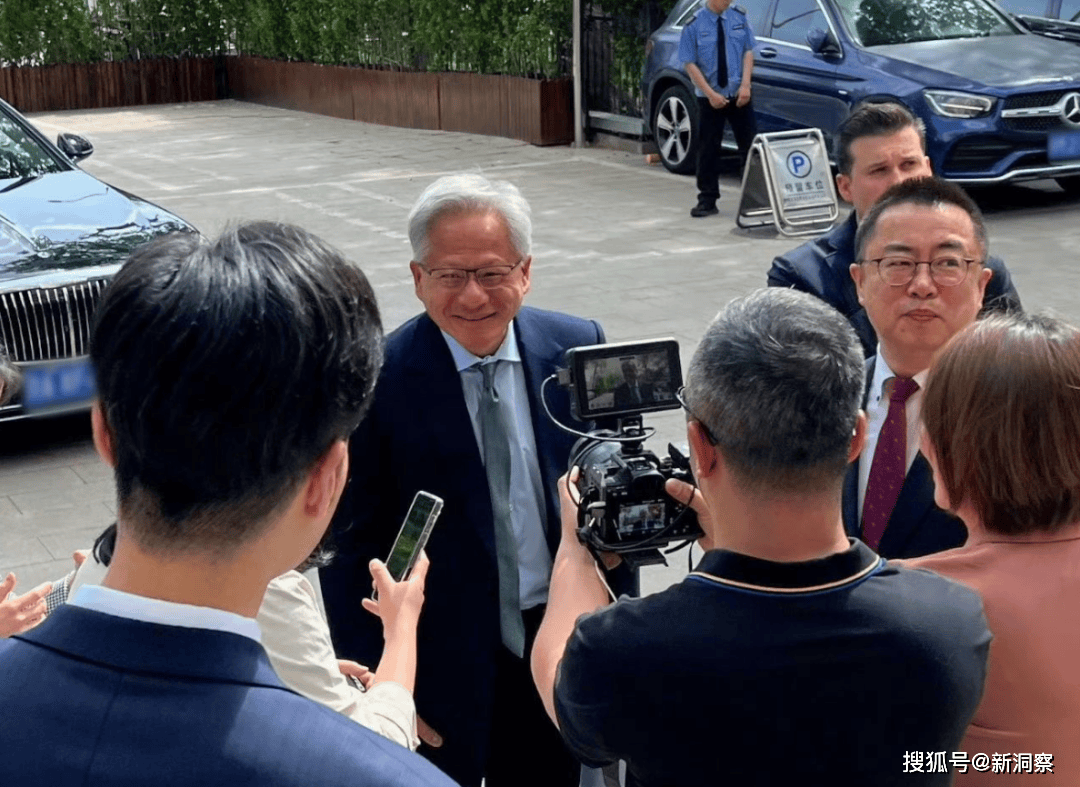
黄仁勋时隔3个月再次到访北京。 并且在会谈中表示,中国是英伟达非常重要的市场,希望将继续与中国合作。 这一次他是不再穿他常穿的皮衣,而是换了非常正式的西装领带,见了贸促会的领导人。 中国对黄仁勋多重要? 中国内地的营收占英伟达整个营收盘子的15.4% 是对英伟达是很大一块营收,也是很难舍弃的"蛋糕"。 但就在4月9日,美国特朗普政府突然宣布对英伟达H20芯片实施出口管制,这一下可把英伟达坑惨了。 黄仁勋手里现在压着一堆"阉割版"H20芯片,全是卖给中国市场的。 结果特朗普上来一刀,限制发牌不许卖给中国,几十亿美元的库存变废铁,他能不急? 公司不仅得取消订单,还得计提55亿美元的损失,股价也跟着暴跌了6.9% ,市值一夜之间就蒸发了超万亿人民币。 H20芯片作为英伟达在中国市场的核心产品,给该区域贡献了80%以上的收入,差不多有45亿美元。 这禁令一出来,就相当于直接切断了英伟达在中国的主要收入来源。 有类似困扰的还有苹果。 为了减少损失,苹果几天前做了一件让很多人震惊的事情: 苹果公司租用货运航班从印度向美国紧急运送600吨 iPhone(或多达150万部),以应对美国的关税政策。 他可能没想到,8年之后,他 ...

法国巨头施耐德,靠什么跨越189年?
Hu Xiu· 2025-04-17 05:43
Core Viewpoint - Schneider Electric has evolved through various industrial revolutions, showcasing resilience and adaptability in the face of changing market dynamics and technological advancements [7][65]. Group 1: Historical Evolution - Founded in 1836, Schneider Electric transitioned from a small steel foundry to a major player in the arms and electrical sectors, marking significant milestones in French industrial history [2][5]. - The company played a crucial role in the development of France's first train and the world's first steam warship, linking its name to numerous industrial achievements [4][65]. - Schneider's influence extended through two centuries, adapting to the demands of war and peace, ultimately emerging as a leader in the electrical industry [5][6]. Group 2: Business Strategy and Growth - Schneider Electric's workforce exceeds 160,000, with annual revenue projected at 290 billion RMB by the end of 2024 [6]. - The company has embraced a strategy of "evolution rather than revolution," focusing on gradual improvements and adaptations to maintain its competitive edge [7][67]. - Significant investments in technology and human resources have allowed Schneider to navigate labor movements and economic challenges effectively [13][18]. Group 3: Mergers and Acquisitions - The company has a history of strategic acquisitions, including the purchase of TE Connectivity in 1988 and other key players in the electrical sector, which helped solidify its market position [50][51]. - Schneider Electric's aggressive expansion into the Chinese market has been characterized by a strategy of joint ventures and acquisitions, enhancing its global supply chain [52][53]. - The company is currently in discussions for a potential acquisition of Bentley Systems, which would mark one of its largest deals to date [59]. Group 4: Challenges and Future Outlook - Despite its successes, Schneider Electric faces challenges from competitors in high-automation sectors, such as Siemens and ABB, as well as emerging threats from Chinese manufacturers [60][62]. - Recent cybersecurity incidents have raised concerns about the company's data security and operational integrity, necessitating a renewed focus on technological innovation [63][64]. - The company must leverage its historical strengths in technology and workforce management to address the challenges posed by Industry 4.0 and maintain its leadership position [64][67].
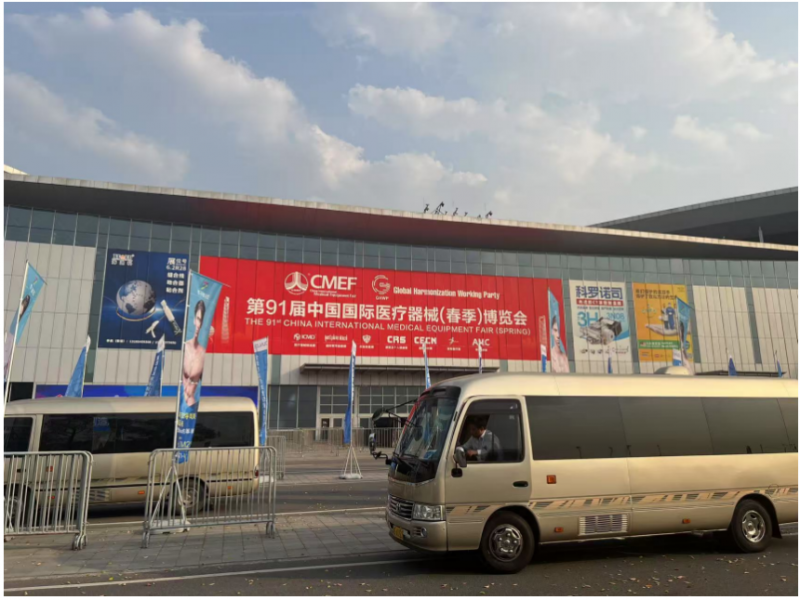
因美纳缺席CMEF背后:一家美国巨头在中国“消失”样本
Hua Xia Shi Bao· 2025-04-11 13:08
Core Viewpoint - The dominance of Illumina in the Chinese gene sequencing market is rapidly diminishing due to its inclusion in China's "unreliable entity list," which has led to significant sanctions and a sharp decline in market share and revenue [2][5][12]. Group 1: Market Dynamics - Illumina was officially listed on China's "unreliable entity list" on February 4, 2025, due to accusations of disrupting normal cooperation with Chinese companies [4]. - Following this designation, China imposed multiple sanctions on Illumina, including restrictions on exports of gene sequencing instruments, effectively severing its core business operations in the Chinese market [5]. - Illumina's market share in China has decreased from 59% in 2020 to 26.5% in 2023, indicating a significant loss of competitive position [12]. Group 2: Financial Impact - Illumina's stock price fell nearly 40% from February 5 to April 9, 2025, reflecting investor pessimism regarding its future in the Chinese market [9][11]. - Revenue from the Greater China region dropped from $384 million in 2023 to $308 million in 2024, a decline of approximately 19.8% [13]. - This marks the second consecutive year of revenue decline for Illumina in China, with a previous drop from $472 million in 2022 to $384 million in 2023 [13]. Group 3: Competitive Landscape - Domestic competitors, particularly BGI Genomics, have rapidly gained market share, with BGI's market share increasing to 56.41% by the third quarter of 2024 [15]. - BGI Genomics accounted for 47.3% of new equipment sales in the domestic gene sequencing market in 2023, solidifying its position as a market leader [15]. - Illumina faces intensified competition from local firms that offer strong performance, pricing, and service advantages [15]. Group 4: Strategic Shifts - Illumina had previously announced plans to establish a manufacturing base in Shanghai and invest in local innovation, but these initiatives may now be jeopardized due to the recent sanctions [7][8]. - The Chinese government has prioritized gene sequencing as a core industry in its "14th Five-Year Plan," with increased financial support for domestic sequencing instruments, further accelerating the shift towards local alternatives [15].
英国巨头携手苹果!加码中国清洁能源
Zhong Guo Ji Jin Bao· 2025-04-03 10:15
除了助力中国电网清洁化转型之外,该策略还将助力苹果公司实现"碳中和"目标。苹果致力于在2030年 实现全价值链的"碳中和",即在供应链和产品生命周期实现"碳中和"。 该策略的顾问施罗德绿衣(Schroders Greencoat)是全球最大的专注可再生能源和能源转型基础设施的管 理团队之一。施罗德资本基础设施亚洲部门在中国可再生能源投资方面拥有丰富经验,已投资1.2吉瓦 (GW)的可再生能源基建资产,包括47个风能或太阳能项目。 【导读】英国巨头施罗德投资旗下公司携手苹果!加码中国清洁能源 4月3日,英国巨头施罗德投资旗下施罗德资本基础设施亚洲部门宣布,第二期中国可再生能源策略启 动,苹果公司已承诺向该策略投入约1亿美元作为锚定投资。该策略计划投向中国风能和太阳能资产的 后期开发和建设。 施罗德资本表示,基于苹果公司的锚定投资,该策略每年可为中国电网新增约55万兆瓦时(MW)的风能 和太阳能发电量。随着更多投资者的加入,该数值有望进一步增长。 蒂姆·库克:苹果中国供应链已有三分之二使用可再生能源 "中国的供应商在智能制造和绿色制造领域的进展领先世界。"苹果公司首席运营官杰夫·威廉姆斯对深 化与中国供应商的合作 ...

李嘉诚暂缓港口交易,还有145天议价期,过期将赔付美国巨额罚金
Sou Hu Cai Jing· 2025-04-02 08:17
Group 1 - The investor known for quick and decisive decisions has paused a significant transaction, indicating underlying tensions in the international business landscape [1] - The ports involved control 12% of Asia's container throughput, with key terminals like Singapore's Pasir Panjang and Malaysia's Port Klang handling goods worth $2.3 trillion annually, equivalent to 40% of Japan's GDP [1][3] - The strategic importance of these ports is underscored by their location at critical maritime routes, impacting global shipping significantly [3] Group 2 - The agreement includes a 145-day critical window for renegotiation, with a deadline of July 23, which is pivotal for both parties in the capital game [3][5] - Delays in similar transactions have led to significant price increases, exemplified by a 27% rise in the price of a port acquisition due to a three-month delay [3] - The investor is leveraging market changes, such as the restructuring of energy routes due to the Russia-Ukraine conflict and the anticipated 15% annual growth in ASEAN cargo throughput from the RCEP free trade area [5] Group 3 - A "poison pill" clause in the agreement stipulates a 20% penalty on the transaction price if the deal is not finalized by the deadline, which could amount to HKD 21 billion, a substantial figure compared to the company's net profit [7] - The penalty is to be settled in USD, raising the stakes further due to potential currency fluctuations amid the current interest rate environment [7] - Observers suggest the possibility of the ports being sold to the state, referencing past successful acquisitions that alleviated debt crises and boosted throughput [7] Group 4 - If China were to acquire these ports, it could enhance logistics connectivity between China, ASEAN, the Middle East, and Europe, significantly reducing shipping costs [9] - The geopolitical context, particularly the U.S.-China tensions, could lead to retaliatory measures against foreign investments if the deal faces prolonged disputes [9] - The pause in the transaction reflects broader implications for global trade order restructuring, with the ports serving as both leverage and potential catalysts for change [11]

2025中国发展高层论坛|中国科技创新吸引外企加大投资 跨国巨头解码“创新共赢链”
2 1 Shi Ji Jing Ji Bao Dao· 2025-03-24 13:24
2025中国发展高层论坛|中国科技创新吸引外企加 大投资 跨国巨头解码"创新共赢链" 21世纪经济报道记者缴翼飞 北京报道在当下全球经济格局中,科技创新无疑是最强劲的引擎。3月23日 至24日,于北京召开的中国发展高层论坛2025年年会成为见证这一趋势的重要舞台。在此次盛会上,中 国凭借DeepSeek、人形机器人等一系列科技创新成果以及超大规模市场,正吸引着外资企业纷纷加大 投资,看好中国发展。 工业和信息化部党组书记李乐成在会上表示,产业科技创新这一"关键变量"正加速转化为新质生产力 的"最大增量"。外资企业成为我国产业科技创新体系的重要力量,也为畅通国内国际双循环发挥了重要 的桥梁纽带作用。 AI成果引发外资关注 今年春节前后,DeepSeek(深度求索)在全球掀起"中国智慧"热潮,今年政府工作报告也再次提及"人 工智能+",这也使得"AI创新"成为本次论坛提及最多的词汇。 论坛开幕式上,作为本次论坛外方主席,西门子股份公司董事会主席、总裁兼首席执行官博乐仁 (Roland Busch)表示,当前世界经济正处于深刻转型之中,技术,尤其AI技术,是一大关键驱动力, 对于中国经济而言同样如此。 "中国的创新 ...