元气森林

Search documents
一周新消费NO.341|蒙牛纯甄上新「冻梨口味风味酸奶」;刘昊然亮相VICUTU新年衣橱以马上行系列开启新年叙事
新消费智库· 2025-12-28 13:03
New Products - Mengniu launched "Frozen Pear Flavor Yogurt" which uses French imported dual-strain fermentation, suitable for various scenarios like breakfast and outdoor activities [8] - Shuanghui and Tmall Supermarket introduced "Spicy Beef Strips" with ≥90% beef content and ≥27g protein per 100g [8] - Bawang Tea Ji launched the "Return to Yunnan" series with three flavors, using a blend of 65% Menghai Pu'er and 35% Mengku Ice Island ripe Pu'er [11] - Heytea collaborated with Pop Mart to introduce a new product line featuring custom star-shaped drinks and themed stores [11] - Watsons launched a limited edition "Biquan Sweet Apricot Jasmine Green Tea" using high-quality apricot puree [12] Industry Events - McDonald's opened its first stores in Ningxia and Qinghai, completing its presence in all provincial-level administrative regions in China [16] - Anta officially joined Taobao Flash Sale, with plans to cover over 4,000 stores by 2026 [18] - JD Health and Ganhe Group signed a strategic cooperation agreement to enhance supply chain efficiency and user health management [18] Investment Trends - Zhongyan Alkali Industry received a strategic investment of 3.92 billion RMB for green mining expansion [22] - Safilo acquired 25% of Inspecs Group for £21.7 million [22] - Qianjue Technology completed a Pre-A++ round financing of nearly 100 million RMB for technology development [22] - Sequoia China acquired a controlling stake in Golden Goose [22] Food Industry Developments - Mixue Ice City opened its first flagship store in Hangzhou, featuring a wide range of drinks and cultural products [28] - Haidilao introduced a small portion menu with prices starting from 3.8 RMB [28] - Mengniu launched "Soft Milk" using EHT enzyme hydrolysis technology for better nutrient absorption [28] - Nestlé completed the sale of its remaining 40% stake in Herta Foods to Casa Tarradelas [32]


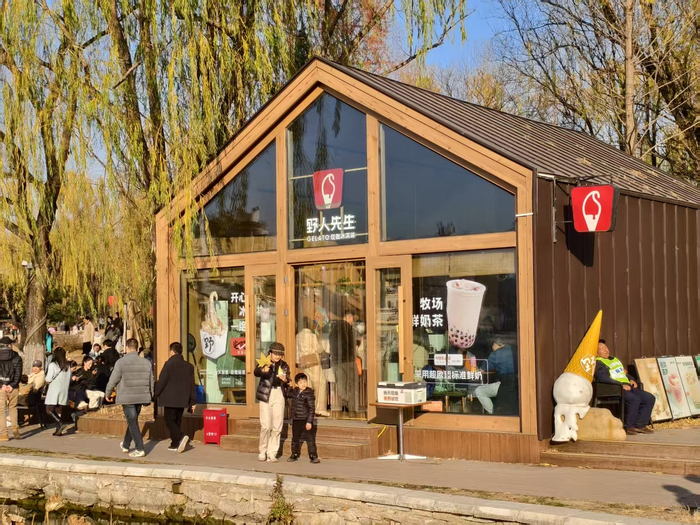
死磕“冰冷”赛道15年,野人先生接棒星巴克成为新“多巴胺放大器” | 穿越周期的消费品
Tai Mei Ti A P P· 2025-12-27 03:12
Core Insights - The article highlights the rapid growth of the ice cream brand "Mr. Wildman," which has expanded from 431 stores in 2024 to over 1,200 stores by 2025, surpassing Haagen-Dazs in mainland China [1][4][9] - The brand's founder, Cui Jianwei, emphasizes the need for market education regarding fresh ice cream, as traditional views on health and diet still pose challenges [1][2] - Mr. Wildman differentiates itself by using fresh ingredients and a "made on the same day" principle, competing against established brands like DQ and Haagen-Dazs [2][4] Company Growth and Strategy - Mr. Wildman started as a small shop in Beijing in 2011, leveraging social media to attract young customers [5][6] - The brand initially faced challenges with rapid expansion, leading to a retreat and a more cautious approach to growth [7][8] - After a three-year period of stabilization, the brand successfully re-entered the market, focusing on major cities like Shanghai [8][9] Market Position and Consumer Engagement - The brand has developed a unique customer engagement strategy, including a trial system that encourages potential customers to sample products without pressure [9][10] - Mr. Wildman aims to create a strong emotional connection with consumers, positioning ice cream as a lifestyle product rather than just a dessert [11][17] - The brand's innovative flavors, such as the Five常大米 (Wuchang rice) ice cream, reflect a commitment to local ingredients and cultural relevance [12][13] Founder’s Vision and Market Perspective - Cui Jianwei, with a background in investment, has chosen not to seek external funding, focusing instead on organic growth and a solid supply chain [14][16] - The founder believes in the potential for the fresh ice cream market to grow independently, without the intense competition seen in coffee and tea sectors [17] - The brand's success is attributed to the overall improvement in consumer spending power and a shift towards premium lifestyle products [17]
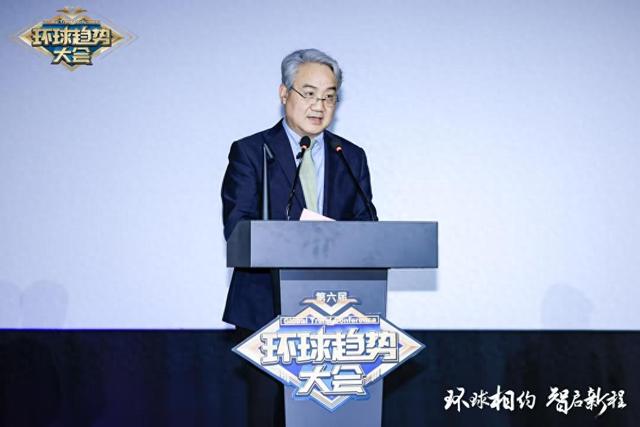
环球相约 智启新程——第六届环球趋势大会在京成功举行
Huan Qiu Wang· 2025-12-26 14:41
Group 1: Core Themes of the Conference - The conference focused on two key areas: "Going Global" and "New Quality Consumption," exploring trends and new development paths in these domains [1][22] - The concept of "Chinese-style modernization" is presented as a new opportunity for global development, emphasizing the importance of Chinese enterprises going global as a strategic choice for growth [1][7] Group 2: Going Global - The "Going Global" segment highlighted the evolution of Chinese enterprises' international strategies from mere trade expansion to comprehensive integration involving technology, branding, and supply chain [7][11] - JD Industrial's representative emphasized the importance of stable supply chains over rapid expansion, sharing insights on overcoming challenges in cross-border supply chains [7][9] - Xiaopeng Motors has expanded its global presence, delivering 39,773 vehicles overseas in the first 11 months of 2025, marking a 95% year-on-year increase [11] Group 3: New Quality Consumption - New quality consumption is characterized by a shift towards integrating green, health, digital, cultural, and experiential values, driving innovation and new business models [22][24] - Mengniu Group's vice president discussed the need for innovation in dairy production, focusing on research, digital transformation, and sustainable development [24] - The health service model presented by Taikang Home integrates healthcare and wellness services across 47 community projects in 37 cities [26] Group 4: Strategic Collaborations and Innovations - A strategic partnership was formed between Hanyi Font Library and Global Network to promote Chinese brands globally through effective visual communication [20][33] - The conference concluded with the release of the "2025 Global Trend Cases," showcasing exemplary practices that lead industry development and reflect contemporary trends [35][37]
果子熟了拿下无糖茶排位赛后怎么打?
Xin Lang Cai Jing· 2025-12-26 11:19
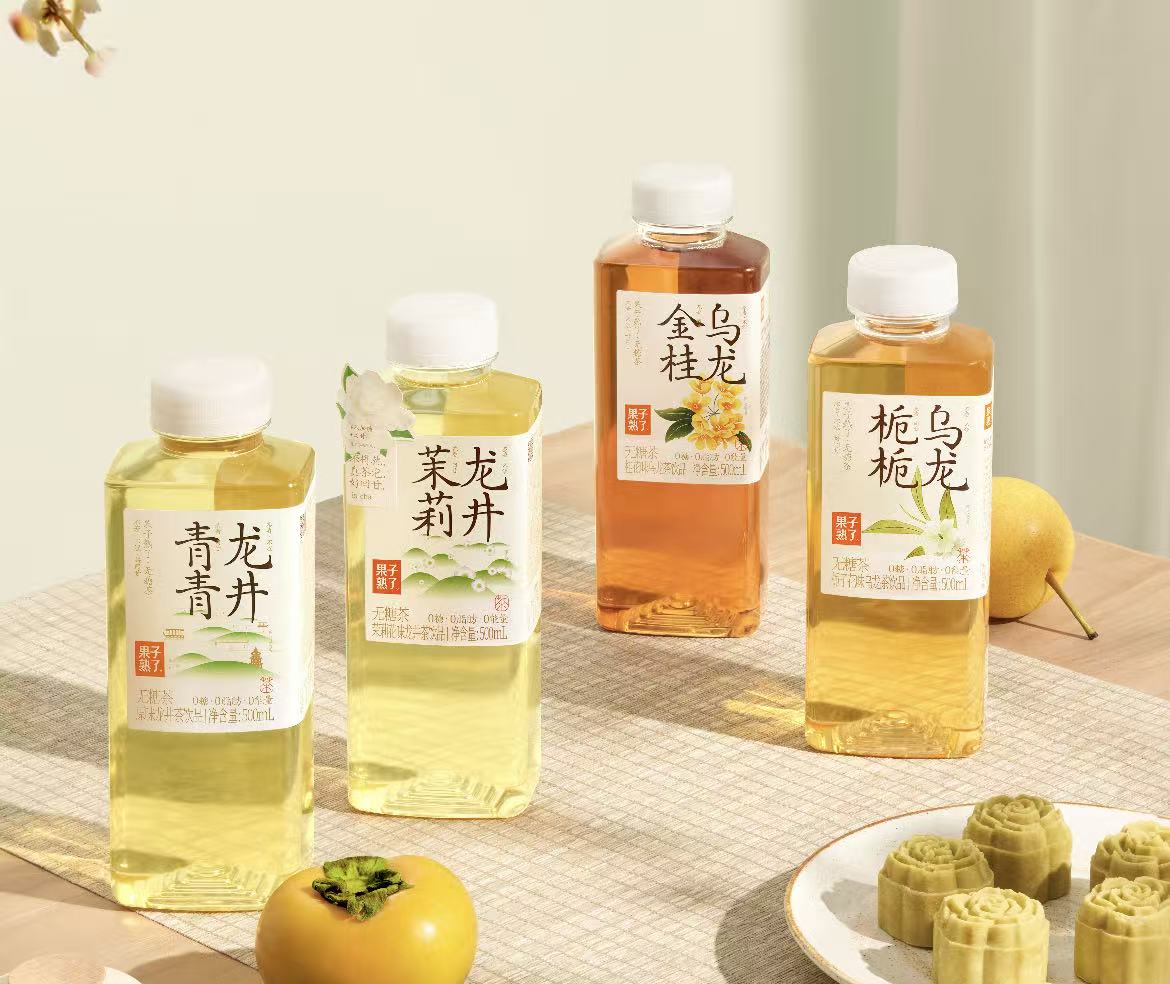
Core Insights - The beverage brand "Guo Zi Shu Liao" has stabilized its position in the sugar-free tea market and is expected to rank among the top three by mid-2025 [1] - The brand is exploring new product categories while maintaining its focus on sugar-free tea, with plans to introduce electrolyte water and other products in 2026 [1] Product Development - In 2025, the pace of new product launches for the sugar-free tea series has slowed, with approximately 14 new products introduced since January, including 4 fruit tea variants and 3 vitamin drinks [2] - The brand has launched a new sugar-free tea product, "White Peach Guanyin Fruit Tea," in December [2] Market Position and Strategy - "Guo Zi Shu Liao" has differentiated itself in the competitive sugar-free tea market through frequent product launches and a youthful brand positioning, offering over 20 floral-flavored tea variants [3] - The overall growth rate of the sugar-free tea industry has slowed, but "Guo Zi Shu Liao" has maintained a stable market share ranking [3] Channel Expansion - The brand is expanding into new channels such as restaurants and sports venues, as well as emerging channels like snack stores and instant retail [5] - The 970ml bottle has achieved a doubling in sales despite a competitive market environment [5] New Product Categories - The brand has introduced electrolyte water, with four flavors launched in May, priced competitively between similar products [5] - The electrolyte drink category is experiencing rapid growth, with sales growth rates exceeding 40% since April 2024 [6] Competitive Landscape - The beverage market in China is transitioning from a focus on blockbuster products to full-category competition, with established brands like "Yuanqi Forest" and "Dongpeng" expanding into multiple categories [10] - "Guo Zi Shu Liao" has adopted a multi-category strategy from its inception, supported by a flexible supply chain and R&D system [10] Future Outlook - The brand aims to enhance its product offerings in sugar-free tea and electrolyte drinks while also exploring new flavors and specifications [7] - The ability of "Guo Zi Shu Liao" to establish a differentiated advantage against established competitors will significantly influence its long-term position in the Chinese beverage market [14]
凌晨两点排队抢金,老铺黄金们正在抢爱马仕的顾客
Sou Hu Cai Jing· 2025-12-26 03:29
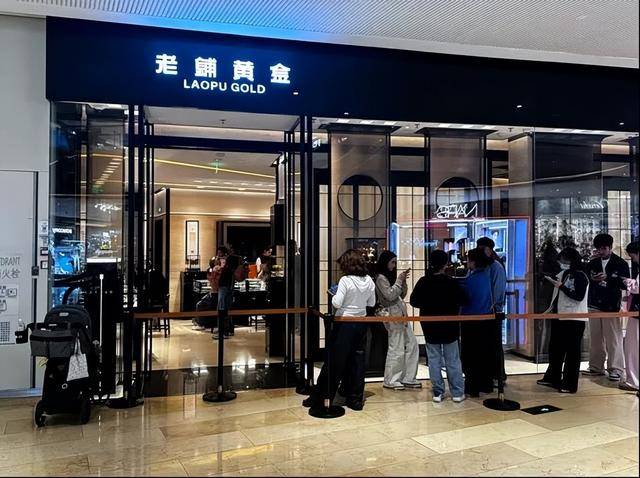
Core Insights - The article discusses the rise of traditional gold brands in China, particularly focusing on Laopu Gold, which has successfully entered the high-end luxury market, achieving a market valuation in the hundreds of billions [2][7][10]. Market Performance - Laopu Gold has seen significant growth, with revenue exceeding 123.5 billion yuan in the first half of 2025, marking a 251% year-on-year increase, and a net profit of 22.7 billion yuan, up 286% [6]. - The brand's market share in the high-end jewelry segment has surged from 10% in 2023 to 26% in 2024, while traditional luxury brands like Tiffany and Cartier have experienced declines [7]. Consumer Behavior - Laopu Gold has attracted a growing customer base, with membership increasing to 480,000 by mid-2025, up from 36,000 in 2021 [6]. - The brand's clientele overlaps significantly with consumers of luxury brands such as Louis Vuitton and Hermès, with a 77.3% overlap rate [6]. Retail Expansion - Laopu Gold has expanded its retail presence, opening five new stores in the first half of 2025, bringing the total to 41 locations in high-end shopping centers [10]. - Other brands in the traditional gold sector, such as Lin Chao and Bao Lan, are also expanding, indicating a trend towards increased competition in the luxury gold market [8][10]. Investment Trends - The success of Laopu Gold has sparked interest from investors, with Lin Chao and Bao Lan securing significant funding in late 2025 [8]. - Laopu Gold's stock performance has been remarkable, with its share price increasing over 2500% since its IPO, reflecting strong market confidence [9]. Brand Positioning - Despite its success, Laopu Gold is still perceived as not fully reaching the status of a luxury brand, lacking the emotional value and pricing power associated with established luxury brands like Hermès [11]. - The brand's gross margin is around 40%, significantly lower than the 70-80% margins of top luxury brands, indicating room for improvement in brand positioning and pricing strategy [11]. Future Outlook - The traditional gold jewelry market in China is projected to grow significantly, with an expected market size of approximately 421.4 billion yuan by 2028, indicating a robust future for brands like Laopu Gold [13]. - The challenge remains for these brands to transition from high-quality gold products to luxury items with cultural significance, requiring a focus on brand development and consumer loyalty [14].
剥离、坚守、卷上游:新势力的“三盘棋”
Xin Lang Cai Jing· 2025-12-25 17:24
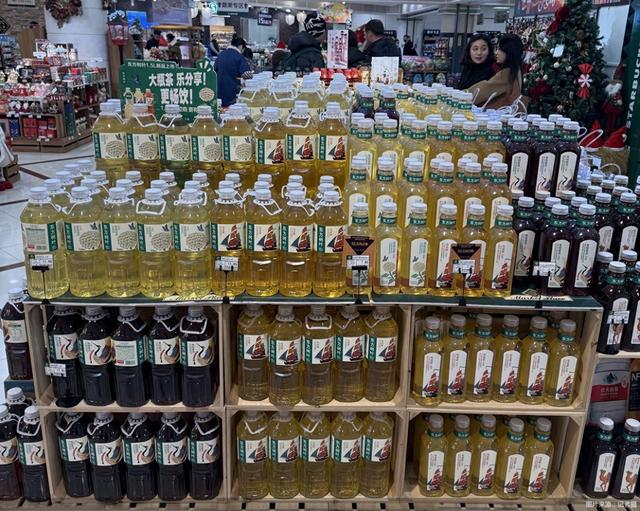
Core Insights - The Chinese food and beverage industry is undergoing significant transformation in 2025, with traditional companies facing challenges such as channel restructuring and product upgrades, while emerging brands leverage differentiated positioning and digital marketing to rise rapidly [1] Group 1: Yuanqi Forest - Yuanqi Forest has completed a strategic "slimming" by spinning off its dairy brand Beihai Pasture to focus on its core beverage categories, including sparkling water and herbal tea, thus avoiding competition in the low-temperature yogurt segment [3][4] - In 2025, Yuanqi Forest reported a 26% year-on-year increase in overall performance, maintaining double-digit growth for three consecutive years, significantly outperforming the industry average growth rate of 4.8% [4] - The company has invested heavily in production capabilities, establishing six major factories with a total investment of 7.25 billion yuan, achieving an annual production capacity of 6.5 billion bottles [5] Group 2: Guozi Shule - Guozi Shule has announced its commitment to the sugar-free tea segment, focusing resources on this area despite a slowdown in growth, with market share reaching third place in the domestic market [7][8] - The brand's strategy involves leveraging existing channels and brand strength to capture market share from underperforming competitors, as the sugar-free tea market enters a phase of consolidation [8][9] - Guozi Shule has diversified its product offerings, including electrolyte water, and has adopted a multi-brand strategy to adapt to market changes [8][9] Group 3: Rely on a Cow - Rely on a Cow is innovating in the dairy sector by launching differentiated products aimed at children and families, including A2 milk and flavored fermented milk, while maintaining a focus on quality through its proprietary breeding system [10][11] - The company has established a robust supply chain with over 100,000 dairy cows and a self-sufficiency rate of 95%, ensuring stable milk supply and quality [11] - The dairy industry is experiencing a slowdown in growth, with a 7.5% decline in liquid milk sales from January to May 2025, highlighting the need for continuous product innovation to meet evolving consumer demands [12]
乳饮2025 | 剥离、坚守、卷上游 新势力的“三盘棋”
Bei Jing Shang Bao· 2025-12-25 14:10
Core Insights - The Chinese food and beverage industry is undergoing significant transformation in 2025, with traditional companies facing challenges such as channel restructuring, product upgrades, and public opinion crises, while emerging brands are rapidly rising through differentiated positioning, digital marketing, and supply chain strategies [1] Group 1: Yuanqi Forest - Yuanqi Forest has completed a strategic "slimming" by spinning off its dairy brand Beihai Pasture to focus on its core beverage categories, including sparkling water, electrolyte water, health water, iced tea, and milk tea [2] - In 2025, Yuanqi Forest achieved a 26% year-on-year growth in overall performance, significantly outpacing the fast-moving consumer goods (FMCG) industry average growth rate of 4.8% [3] - The company has invested 7.25 billion yuan in building six major factories, achieving an annual production capacity of 6.5 billion bottles of beverages by the end of 2024 [3] Group 2: Guozi Shule - Guozi Shule has announced its commitment to focus on the no-sugar tea segment and electrolyte water, despite a slowdown in the growth of the no-sugar tea market [5] - The brand has achieved a market share of approximately 3rd place in the no-sugar tea segment in China as of the first half of the year [6] - Guozi Shule has launched a new electrolyte water product line, which has quickly gained market share, reaching about 1.25% in September [7] Group 3: Renyang Yitou Niu - Renyang Yitou Niu is leveraging product innovation and deep market penetration to create a multi-tiered product matrix targeting children, families, and young consumers [9] - The company has established ten modern dairy farms and has a self-sufficiency rate of over 95% for its milk supply, ensuring stable quality and availability [10] - The overall liquid milk sales in China have seen a decline of 7.5% year-on-year from January to May 2025, with a further drop to 9.6% in June, indicating a challenging market environment [10]
乳饮2025|剥离、坚守、卷上游,新势力的“三盘棋”
Bei Jing Shang Bao· 2025-12-25 13:37
Core Insights - The Chinese food and beverage industry is undergoing significant transformation in 2025, with traditional companies facing challenges such as channel restructuring, product upgrades, and public opinion crises, while emerging brands are rapidly rising through differentiated positioning and digital marketing [1] Group 1: Yuanqi Forest - Yuanqi Forest has completed a strategic "slimming" by spinning off its dairy brand Beihai Pasture to focus on its core beverage categories, including sparkling water, electrolyte water, health water, iced tea, and milk tea [3][4] - In 2025, Yuanqi Forest achieved a 26% year-on-year growth in overall performance, significantly exceeding the fast-moving consumer goods (FMCG) industry average growth rate of 4.8% [4] - The company has invested 7.25 billion yuan in building six large factories, achieving an annual production capacity of 6.5 billion bottles of beverages by the end of 2024 [6] Group 2: Guozi Shule - Guozi Shule has maintained "resilient growth" in the competitive no-sugar tea market and plans to focus on this segment while also promoting electrolyte water starting in 2026 [9][10] - The no-sugar tea market has shown a slowdown in growth, with sales growth rates declining compared to the previous year, indicating a shift towards a more mature market phase [9][10] - Guozi Shule has diversified its product offerings, including no-sugar tea, electrolyte drinks, and various other beverage categories, supported by its self-built factories [11] Group 3: Renyang Yitou Niu - Renyang Yitou Niu is leveraging product innovation and deep market penetration to build a multi-layered product matrix targeting children, families, and young consumers [13] - The company has launched differentiated products, including lychee-flavored fermented milk and A2-type children's milk, while maintaining a high self-sufficiency rate of 95% for its milk sources [14] - The dairy industry is experiencing a structural adjustment, with a decline in liquid milk sales, highlighting the need for continuous product innovation to meet evolving consumer demands [15]
我为什么不投中国的软件公司?
虎嗅APP· 2025-12-25 12:30
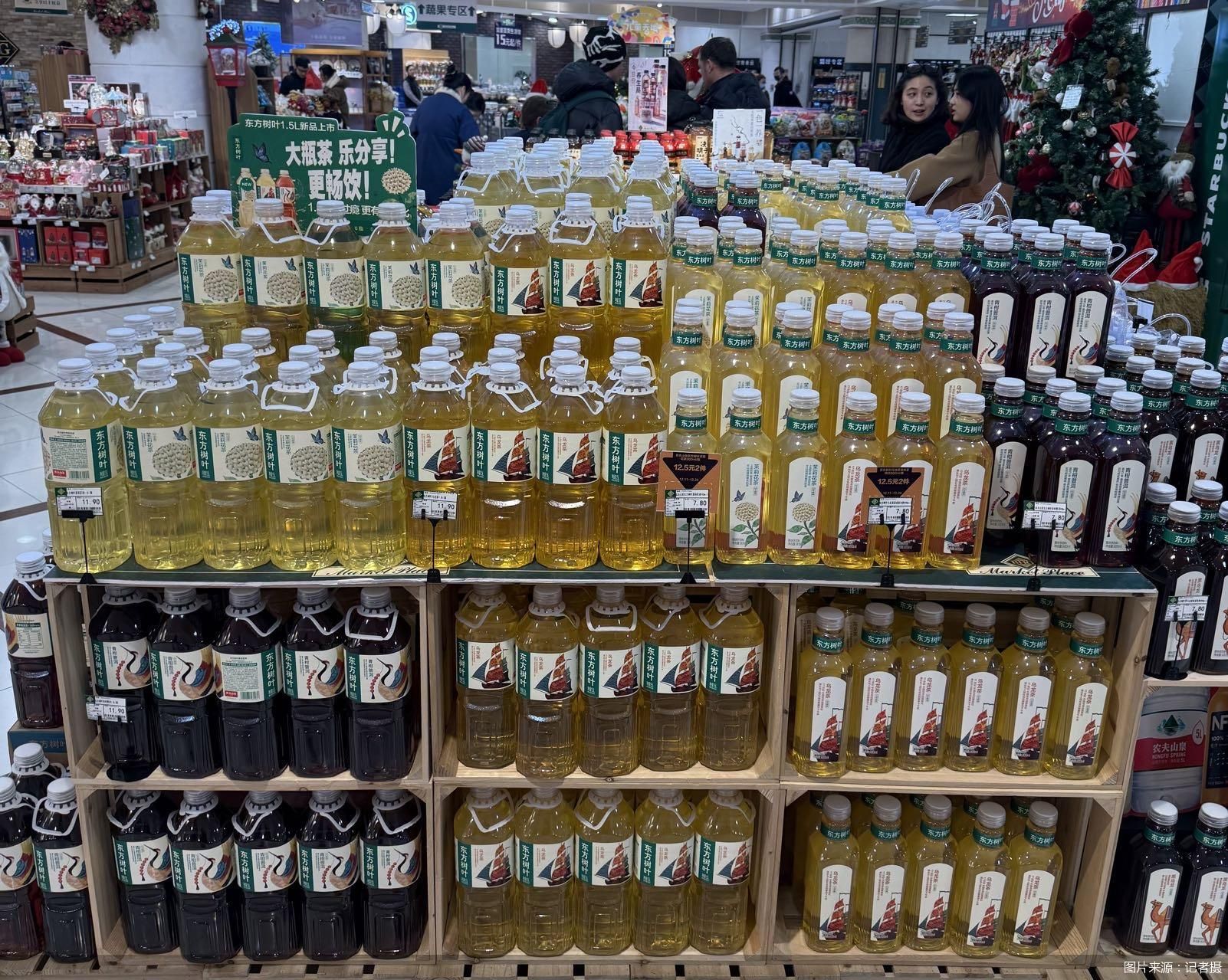
Core Viewpoint - The article emphasizes the importance of having a competitive moat in business, arguing that industries with low barriers to entry and high competition are difficult to succeed in, as profits can be easily eroded by new entrants [6][12]. Group 1: Industry Analysis - The distinction between software companies and internet companies is highlighted, with software companies typically providing B2B services (SaaS) and internet companies focusing on B2C services [7]. - The profitability of China's SaaS industry is discussed, noting that while gross margins are around 55%-60%, net profit margins have been nearly negative over the past three years [11]. - The article points out that the software industry has high fixed costs and low marginal costs, leading to initial losses, while internet companies can achieve higher net profit margins due to customer retention [11][12]. Group 2: Competitive Landscape - The article mentions that industries like retail and soft drinks can produce billionaires due to their ability to monopolize the market, while sectors like restaurants and fashion struggle to generate significant wealth [8][9]. - It is noted that the Chinese SaaS market is characterized by intense competition, which drives down profits, making it difficult for companies to maintain high net profit margins [17]. - The article argues that the entry barriers in the software industry are relatively low, leading to a flood of competitors that can erode profits [12][13]. Group 3: Market Dynamics - The article discusses the difference in demand between B2C and B2B products, stating that B2C internet products thrive on fulfilling enjoyment needs, while B2B software products must demonstrate significant efficiency improvements to be adopted by businesses [16]. - It is highlighted that the Chinese SaaS market is only 1%-5% of the global market, indicating limited growth potential compared to more mature markets [15]. - The article concludes that the essence of successful business models lies in having a strong competitive moat, rather than merely being labeled as high-tech [19].




武汉商学院市场营销专升本模拟卷
Sou Hu Cai Jing· 2025-12-24 13:55
Core Viewpoint - The marketing major in Hubei's higher education emphasizes the need for students to possess strong marketing thinking, a cutting-edge knowledge background, and familiarity with consumer-centered marketing activities and strategies [1] Group 1: Marketing Concepts - The market, from a marketing perspective, is a collection of ________ of a certain product or service [3] - The essence of marketing management is ________ [3] - In the microenvironment of enterprise marketing, entities that compete with the enterprise are ________ [3] - The purchase behavior of notebook computers typically falls under the ________ type of buying behavior based on consumer involvement and brand differentiation [3] - The market that procures goods and services to execute government functions is called the ________ market [3] - Market research can be classified by purpose into exploratory research, descriptive research, and ________ research [3] Group 2: Marketing Strategies - The undifferentiated marketing strategy is opposed to the ________ marketing strategy [4] - In the overall product concept, installation and warranty belong to the ________ product level [4] - When launching new high-end electronic products, a high price ________ pricing strategy is often adopted [4] - Among promotional tools, those characterized by public display and strong penetration are ________ [4] Group 3: Marketing Environment and Analysis - The characteristics of the marketing environment should be briefly described [5] - The macro marketing environment (PEST) analysis includes which aspects? [5] - The main characteristics of organizational markets compared to consumer markets should be outlined [5] - Effective conditions for market segmentation should be briefly described [5] Group 4: Product Lifecycle and Distribution - The characteristics of the growth stage of the product lifecycle and the focus of marketing strategies should be summarized [6] - The main internal factors affecting enterprise pricing should be outlined [6] - The differences among intensive distribution, selective distribution, and exclusive distribution strategies should be summarized [6] Group 5: Marketing Management Evolution - The evolution of marketing management concepts should be discussed, comparing the fundamental differences between the selling concept and the marketing concept [7] - The cultural and social factors influencing consumer buying behavior and their marketing implications should be elaborated [7] - The steps and common strategies for market positioning by enterprises should be discussed with examples [7] Group 6: Case Studies - Case study one discusses how the "Yuanqi Forest" brand successfully identified the trend of young consumers seeking "healthy, low-sugar" beverages, launching "0 sugar, 0 fat, 0 calories" soda water, and utilizing bright Japanese packaging design along with social media platforms for promotion [8] - The macro environmental factors that contributed to Yuanqi Forest's successful market entry should be analyzed [8] - The characteristics of the promotional mix strategy employed by Yuanqi Forest should be examined [8] - Case study two highlights a traditional domestic sports shoe brand facing declining market share due to outdated product design and brand image perceived as "old-fashioned" by young consumers [8] - A SWOT analysis for the traditional sports shoe brand should be conducted [9] - Recommendations for brand repositioning should be provided for the traditional sports shoe brand [9]