
奔驰

Search documents
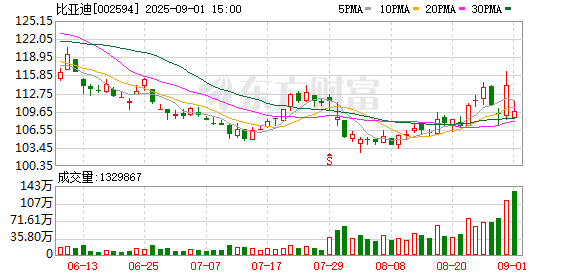
比亚迪上半年营收3713亿元 研发投入同比增53%
Zhong Guo Jing Ying Bao· 2025-09-01 07:12
Core Viewpoint - BYD has demonstrated strong financial performance in the first half of 2025, achieving a revenue of 371.3 billion yuan, a year-on-year increase of 23%, and a net profit of 15.5 billion yuan, up 14% year-on-year, despite increasing market competition [2] Financial Performance - The company's R&D investment reached 30.9 billion yuan, a significant increase of 53% year-on-year, outpacing profit growth [2][4] - Cash reserves rose to 156.1 billion yuan, enhancing financial stability [2] Automotive Sales - Revenue from the automotive and related products segment was 302.5 billion yuan, a year-on-year growth of 32.49%, accounting for 81.48% of total revenue [2] - New energy vehicle sales increased by over 33% year-on-year, solidifying BYD's leading position in the domestic market and maintaining its status as the global sales champion in the new energy vehicle market [2] R&D and Innovation - Continuous high R&D investment is key to BYD's competitive advantage, allowing the company to launch innovative products in battery technology, autonomous driving, and smart connectivity [3][4] - BYD has introduced several groundbreaking technologies, including the "Tian Shen Zhi Yan" driver assistance system and the "Super e-platform" for fast charging [4][5] Global Expansion - BYD's overseas sales doubled in the first half of 2025, with a total of 550,000 units sold, representing a year-on-year growth of over 130% [7][8] - The company has entered over 112 countries and regions, with significant sales achievements in Italy, Turkey, Spain, and Brazil [7][8] Market Position - BYD's high-end brands, including Fangchengbao, Tengshi, and Yangwang, collectively sold 160,000 units in the first half of 2025, a year-on-year increase of over 75% [7] - The company has become the second-largest exporter among Chinese vehicle manufacturers, with a rapid growth rate among the top ten exporters [8]


含华量狂飙,车企如何重塑灵魂叙事?
Zhong Guo Qi Che Bao Wang· 2025-09-01 01:09
Core Insights - The increasing adoption of Huawei's QianKun intelligent driving system, surpassing 1 million units, has made "Huawei content" a key marketing highlight for many new car launches [2] - As the performance of vehicles with similar systems becomes increasingly homogeneous, car manufacturers must focus on maintaining brand differentiation to stand out in a competitive market [2][5] Brand Core Value - The core value of a brand is fundamental to its existence, influencing technology choices, product design, and target demographics [3] - For instance, Mercedes-Benz emphasizes "elegance and comfort" in its collaboration with Huawei, focusing on user experience rather than just technical specifications [3] Brand Differentiation - The ultimate goal of brand differentiation is for users to choose a brand based on its identity rather than its offerings [4] - Companies like Audi exemplify long-term strategic brand positioning by integrating digital and mechanical elements, maintaining their status as a luxury car technology benchmark [4] Value Creation - In the era of standardized technology, the essence of brand differentiation lies in "value competition," where companies must translate core values into user-perceptible experiences [5][15] - The shift from "technology stacking" to "value creation" indicates that future competition will focus on user experience rather than just technical specifications [15][16] User-Centric Development - Car manufacturers need to develop scenario-based features that address specific user pain points, enhancing the emotional connection with the brand [12][13] - For example, BYD's "family travel mode" caters to parents by providing features that ensure children's comfort and safety during travel [12] Emotional Connection - The ultimate goal of smart vehicles is to become a "third living space" for users, with emotional connections being crucial for creating a sense of belonging [13] - Features that simulate experiences, such as sound effects during off-road driving, enhance user engagement and brand loyalty [13] Data Utilization - Companies must leverage data not just for algorithm improvement but also for enhancing user experience through personalized services [9] - The integration of user behavior analysis into vehicle systems can create unique user experiences, as seen in GAC's collaboration with Huawei [9] Ecosystem Building - The future of smart vehicles lies in building ecosystems that connect technology with user lifestyles, transforming cars into "mobile life hubs" [16] - Collaborative efforts, such as GAC's "car-home integration" feature, exemplify how technology can enhance daily living beyond transportation [16]

星宇股份20250829
2025-08-31 16:21
Summary of Key Points from the Conference Call Company Overview - **Company**: 星宇股份 (Xingyu Co., Ltd.) - **Industry**: Automotive lighting and components Core Insights and Arguments 1. **Customer Dynamics**: In Q2 2025,赛力斯 (Seres) became the largest customer, but for the first half of the year, 奇瑞 (Chery) remained the largest customer with a share of approximately 19%-20% while Seres accounted for 18%-19% [1][2][3] 2. **Sales Projections**: Chery plans to list in Hong Kong in H2 2025 with a target of 1.8 million units sold, aiming for a total of 3 million units for the year. Sales are expected to grow in the second half of the year [1][6] 3. **Revenue Composition**: Over 40% of the company's revenue in H1 2025 came from new energy vehicles, with a sequential increase in gross margin due to economies of scale and high-value product mass production [1][10][11] 4. **New Model Expectations**: Anticipated new models in Q3 include 极氪 9X (Zeekr 9X), 理想 I6 (Li Auto I6), and a long version of Tesla, although these are not expected to disrupt overall revenue significantly [1][9] 5. **International Expansion**: The company has made significant strides in overseas markets, securing projects with major brands like Mercedes-Benz, Skoda, and BMW, with expectations for revenue growth from Europe and overseas starting in 2026 [1][13][14] 6. **Technological Advancements**: The company is focusing on ADB (Adaptive Driving Beam) and DLP (Digital Light Processing) technologies, with revenue contributions exceeding 20%-30% from these segments [1][15] 7. **R&D and Production Plans**: The company has initiated plans for new factories in 常州 (Changzhou) and is exploring partnerships with 长安汽车 (Changan Automobile) [1][26][28] Additional Important Insights 1. **Accounts Receivable Improvement**: There was an improvement in accounts receivable in Q2 2025, attributed to government policy support and better management practices [1][7] 2. **Cash Management**: The company has seen relief in cash and bill management, with foreign and joint venture clients adhering to contracts, while domestic brands have shown some delays [1][8] 3. **Profitability Outlook**: The company expects to maintain confidence in gross and net profit margins over the next two to three years, despite competitive pressures in the automotive industry [1][21][22] 4. **Market Trends**: The average selling price (ASP) is expected to rise as automakers transition from LED to ADB and HD technologies, driven by the need for differentiation in a competitive market [1][37] 5. **Future Production Capacity**: Plans for production capacity expansion in Europe are underway, with a focus on cost control and efficiency improvements [1][19][20] This summary encapsulates the key points discussed in the conference call, highlighting the company's strategic direction, market positioning, and financial outlook.

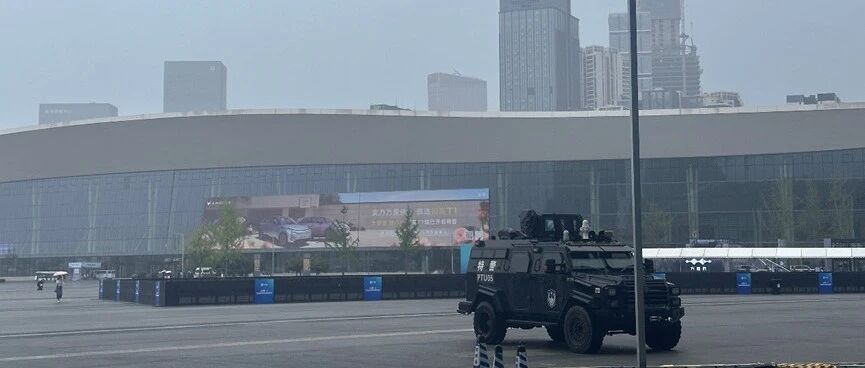
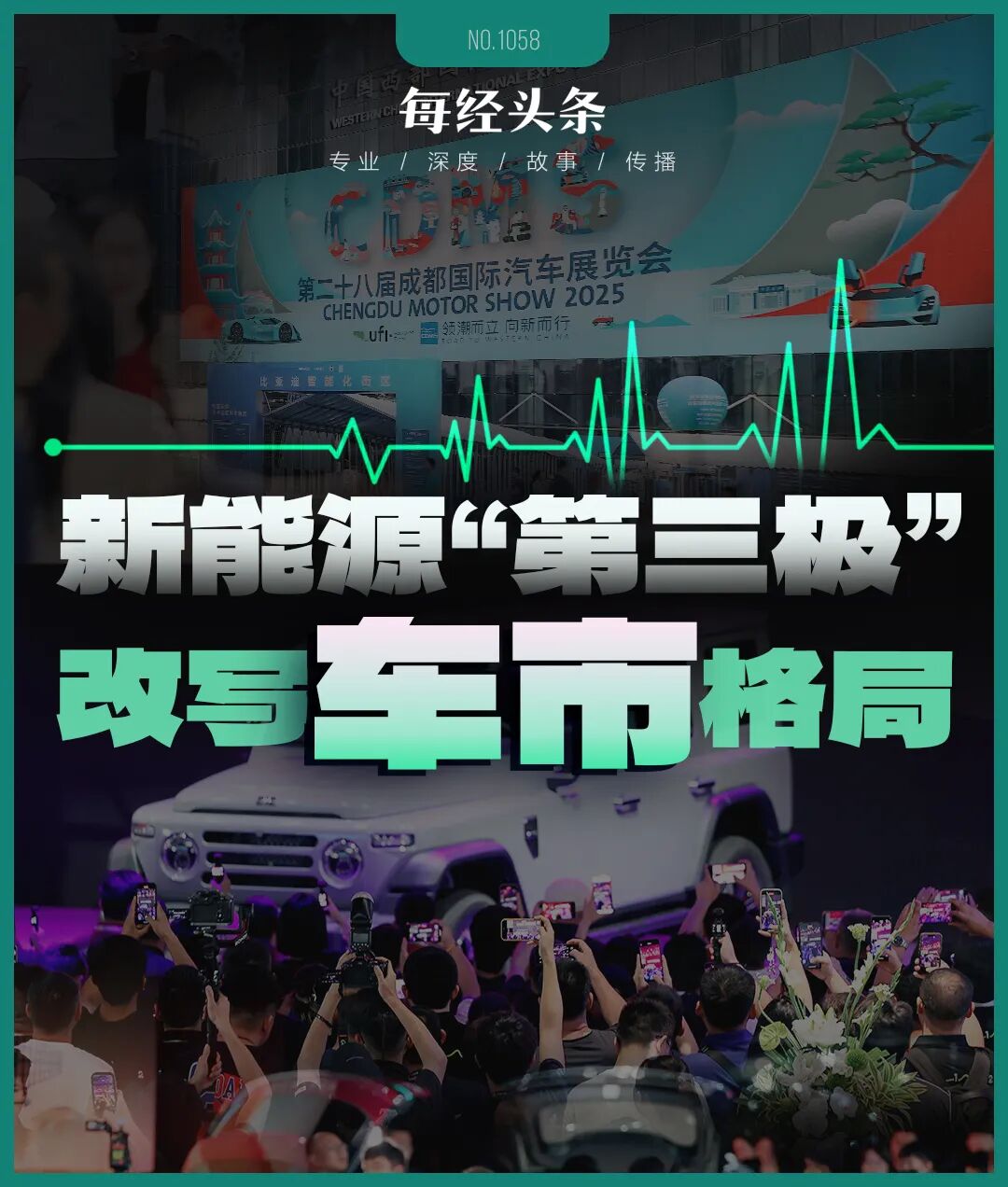
近120个品牌、1600辆车逐鹿西南,下半年国内首个A级车展开幕:新能源“第三极”将改写车市格局
3 6 Ke· 2025-08-30 16:35
Core Insights - The Chengdu Auto Show has become a pivotal event for the automotive industry in China, showcasing the latest models and technologies, particularly in the context of smart driving and new energy vehicles [2][3][7] - The launch of the Huawei-backed model "Shangjie H5" at a starting price of 169,800 yuan has generated significant interest, with over 25,000 pre-orders within an hour, indicating strong market demand [1][6] - Chengdu is positioned as a key hub for the commercialization of intelligent driving technologies, with a focus on the mainstream price range of 150,000 to 200,000 yuan, which aligns with the growing penetration of advanced driving assistance systems [5][6][10] Group 1: Smart Driving Developments - Chengdu is redefining its strategic value as a core testing ground for smart driving technologies, transitioning from technical competition to practical application [3][7] - The city has become a launch platform for major automotive brands to debut their latest intelligent driving systems, making it a barometer for industry trends [5][6] - The penetration rate of L2-level assisted driving in China has surpassed 50%, positioning the country as a global leader in this technology [3][10] Group 2: New Energy Vehicle Growth - Chengdu has emerged as a significant player in the new energy vehicle market, with a total of 1.08 million electric vehicles, making it the leading non-restricted city in terms of electric vehicle ownership [8][10] - The production of new energy vehicles in Sichuan province has surged, with a notable increase in market share, indicating a robust growth trajectory for the region [10][11] - The city is expected to become a critical pillar in China's new energy vehicle landscape, with projections indicating that the southwest region will produce over 3 million new energy vehicles by 2025 [10][11] Group 3: Technological Adaptation for Local Markets - Automotive companies are increasingly customizing their technologies to meet the unique demands of the southwestern market, addressing local road conditions and climate challenges [14][16] - The development of charging infrastructure is crucial, with plans to significantly increase the number of charging stations in the region to support the growing number of electric vehicles [17][19] - Innovations in battery technology and charging solutions are being showcased at the Chengdu Auto Show, reflecting the industry's response to regional needs and consumer preferences [19]
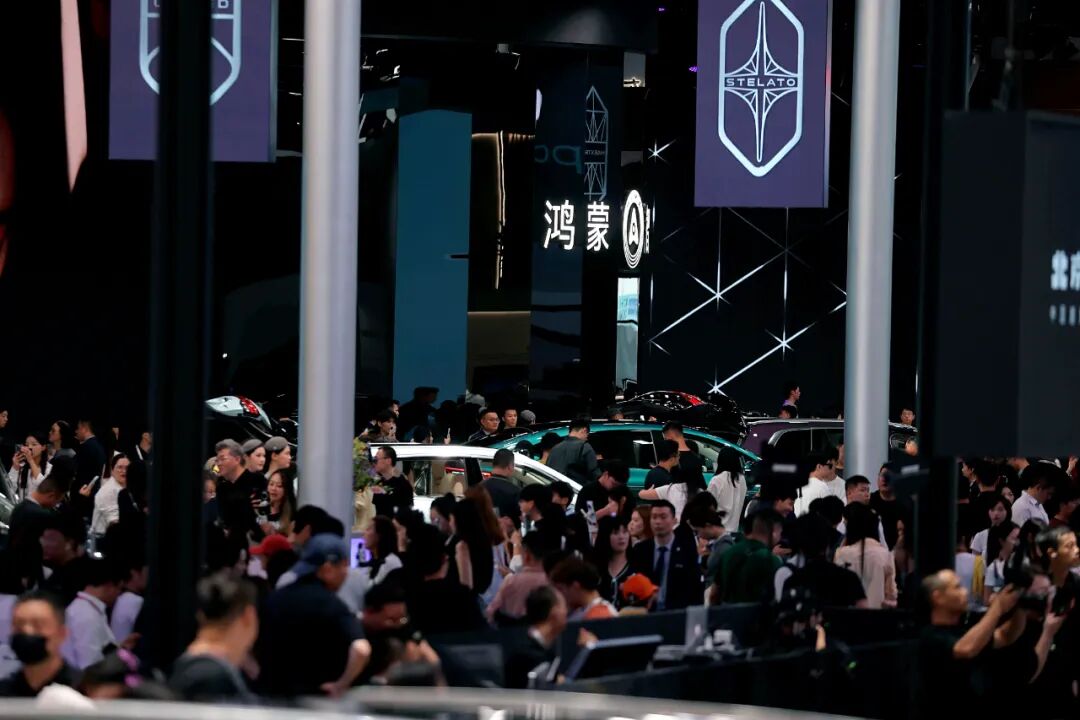
成都车展,一个时代的转折
汽车商业评论· 2025-08-30 00:50
Core Viewpoint - The 2025 Chengdu Auto Show highlights a significant shift in the automotive industry, with luxury brands absent and domestic brands taking center stage, reflecting changing consumer preferences and market dynamics [11][12][13]. Group 1: Industry Trends - The absence of luxury brands like Rolls-Royce and Porsche at the Chengdu Auto Show indicates a decline in their market presence, with Porsche's sales in China dropping 28% year-on-year in the first seven months of 2025 [12][11]. - Domestic brands such as Chery and BYD are gaining prominence, with Chery showcasing its four brands at the show, reflecting a strong push for local innovation and market capture [6][11]. - The automotive industry is facing a price war that has lasted for 32 months, leading to a significant drop in profits, with the industry's total profit in July 2025 reported at 29.3 billion yuan, down 17% year-on-year [8][11]. Group 2: Consumer Behavior - Consumers in Chengdu are increasingly favoring domestic luxury brands over traditional foreign luxury brands, as evidenced by the sales of 125,000 luxury cars in the first seven months of 2025, a slight increase of 1.7% [11][12]. - The Chengdu Auto Show has transformed into a more practical event, focusing on product experience rather than extravagant displays, with live streaming replacing traditional car models [9][11]. Group 3: Brand Strategies - Domestic brands are not only focusing on product experience but also on emotional value, as seen with Lantu's collaboration with Peppa Pig to enhance brand engagement [25][27]. - Companies like Volvo and Cadillac are adapting their marketing strategies to emphasize brand value and emotional connection, with Volvo's XC70 achieving over 5,000 pre-orders within 85 minutes of its launch [16][28]. - The competition among domestic brands is intensifying, with companies like Great Wall Motors and NIO focusing on unique product offerings and brand differentiation strategies [28][30].


谁在重新定义豪华车?赛力斯盈利背后的品牌向上之路
Ge Long Hui· 2025-08-29 16:00
Core Viewpoint - The financial report of Seres for the first half of 2025 highlights significant growth in revenue and profit, marking a milestone for domestic high-end brands in the automotive market [1][2][4]. Financial Performance - In the first half of 2025, Seres achieved a total revenue of 62.402 billion yuan and a net profit attributable to shareholders of 2.941 billion yuan, representing a year-on-year increase of 81.03% [1][4]. - The company's R&D investment reached 5.198 billion yuan, up 154.9% year-on-year, indicating a strong commitment to innovation [1][19]. Market Position and Strategy - Seres has successfully established itself in the high-end market, breaking the long-standing dominance of foreign brands in the luxury automotive sector [2][12]. - The collaboration with Huawei to create the AITO brand has led to impressive sales, with over 750,000 units delivered by August 2025, including the AITO M9, which has become the best-selling model in the 500,000 yuan luxury car segment [2][8]. Product Development and Sales Growth - The introduction of new models, such as the AITO M5 Ultra and AITO M9 2025, has optimized Seres' product structure and expanded its market coverage [6][8]. - The sales of new energy vehicles reached a record high of 46,086 units in June 2025, showcasing the strong competitive position of Seres' products [8][9]. Profitability and Cost Management - The gross margin for Seres' new energy vehicles increased to 28.93%, up 3.89 percentage points year-on-year, significantly higher than competitors like XPeng and Leap Motor [9]. - The scale effect from increased production has allowed Seres to reduce fixed costs per vehicle, enhancing profit margins [11][12]. Technological Innovation - Seres has focused on technological advancements, such as the Magic Cube technology platform, which supports multiple powertrain configurations and reduces R&D costs [15][19]. - The introduction of the new generation of Seres Super Range Extender system has addressed consumer concerns about range anxiety, achieving industry-leading efficiency [16][19]. Customer Experience and Service - Seres emphasizes user experience with comprehensive service offerings, including 24-hour roadside assistance and regular vehicle maintenance, which enhance customer loyalty and brand reputation [22][23]. - The brand's Net Promoter Score (NPS) ranks highly in the industry, indicating strong customer satisfaction and potential for repeat purchases [23]. Supply Chain Efficiency - Seres has optimized its supply chain by reducing the number of suppliers and integrating world-class partners, which enhances production efficiency and quality [24]. - The "factory within a factory" model allows for rapid response to production needs, significantly lowering costs and improving operational efficiency [24]. Market Outlook - Analysts view Seres' growth positively, highlighting its successful positioning in the mid-to-high-end market and the effectiveness of its partnership with Huawei [25][26]. - The shift in valuation logic in the automotive industry towards technology barriers and product premium capabilities positions Seres favorably for future growth [21].

赵崇甫:“南极人”商标使用者看过来,懂商业规律且商业向善才可持久
Sou Hu Cai Jing· 2025-08-29 15:08
Group 1 - The core idea is that brands that attempt to cover too many categories become weak and lose consumer appeal, as they fail to represent any specific category effectively [1][3][4] - The article emphasizes that established brands like Mercedes, BMW, and Audi struggle in the electric vehicle market because they are primarily associated with traditional fuel vehicles, which limits their relevance in the new category [3][4] - It argues that successful branding requires a focus on a specific category, and that aspiring entrepreneurs should build their own brands from the ground up rather than relying on existing brands that lack integrity [4][5] Group 2 - The text critiques the practice of brands like "南极人" (Nanji Ren) that expand into multiple categories without a solid foundation, suggesting that this approach leads to a narrow path for success [5] - It highlights the importance of genuine brand development and warns against opportunistic strategies that exploit consumer hopes and fears for profit [6][7] - The article concludes that successful branding and marketing should be rooted in authenticity and a clear understanding of category representation, rather than manipulation of consumer emotions [6][7]

国泰海通|新能源:再读固态电池投资机会——固态电池工艺与设备
国泰海通证券研究· 2025-08-29 12:07
Core Viewpoint - Solid-state batteries are expected to become a key development direction for high-performance batteries due to their advantages in safety and energy density, with significant market potential in consumer batteries, new energy vehicles, and low-altitude applications [1][2]. Group 1: Industry Development - The solid-state battery industry is currently experiencing a competitive rush among equipment, materials, and battery companies, with expected phased progress in 2025-2026 [1]. - The production of solid-state batteries requires specialized equipment to achieve large-scale commercialization, with the equipment sector likely to benefit first [1][2]. - The semi-solid-state battery has already been mass-produced and installed in vehicles, with expectations for full solid-state battery mass production by 2027 [2]. Group 2: Technology and Equipment - The production process of full solid-state batteries differs significantly from existing technologies, presenting high technical barriers, with various stages focusing on different equipment types [2]. - As companies enter the pilot testing phase and technology matures, new equipment is expected to accelerate production [2].

近120个品牌、1600辆车逐鹿西南!下半年国内首个A级车展开幕:新能源“第三极”将改写车市格局
Mei Ri Jing Ji Xin Wen· 2025-08-29 10:47
Core Insights - The Chengdu Auto Show has become a critical platform for the automotive industry, showcasing new models and technologies, particularly in the context of smart driving and electric vehicles [2][3][4][5][6][7]. Group 1: Smart Driving and Technology - Chengdu is emerging as a key hub for smart driving commercialization, with a significant focus on the practical application of advanced driving technologies [4][5]. - The Chengdu Auto Show features major automotive brands unveiling their latest smart driving systems, indicating a shift from technology validation to large-scale implementation [5][6]. - The price range of 150,000 to 200,000 yuan is identified as a critical segment for the penetration of advanced driving technologies, aligning with the market's demand for affordable smart vehicles [5][6]. Group 2: Electric Vehicle Market Dynamics - The city of Chengdu has become a central player in China's electric vehicle market, with a significant increase in the production and sales of new energy vehicles [7][9][10]. - As of mid-2023, Chengdu's electric vehicle ownership reached 1.08 million, making it the leading non-restricted city in terms of electric vehicle penetration [10][11]. - The region is projected to become a "third pole" for new energy vehicles in China, with expectations of producing over 3 million units by 2025 [10][11]. Group 3: Industry Ecosystem and Infrastructure - Chengdu's automotive ecosystem includes over 500 supporting enterprises, creating a comprehensive supply chain from manufacturing to component production [14]. - The city is addressing challenges related to charging infrastructure, with plans to significantly increase the number of charging stations by 2030 [18]. - Innovations in charging technology, such as high-voltage fast charging, are being showcased at the Chengdu Auto Show, reflecting the industry's response to infrastructure challenges [19].
德国高福利时代,即将终结?
Jin Tou Wang· 2025-08-29 10:01
从1933年到1941年,德国不仅建立了全国性的福利网,而且超过了当时被认为社会福利最好的英国,连 德国家庭妇女都有免费的健身课、音乐课、舞蹈课。冬天、夏天还有不同的度假项目。 但是高福利说白了是国家掏钱给人花,现在德国挣钱能力再严重下滑,高福利就成了高压力。 最近,德国总理就放话说,按现在的经济产出,德国确实是顶不住了,不仅是经济疲软,而且面临结构 性经济危机,没有办法再维持现有的福利国家体系。 首先,德国福利有多烧钱,众所周知,作为全球第一个把社会保障制度写进宪法里的国家,德国福利被 称为是"从摇篮到坟墓"的躺平式撒钱。出生给发钱,奶粉有补贴,儿童金一直发到25岁,教育基本全免 费,医保基本全覆盖,打工族每年40天的带薪假期。 今年二季度,德国GDP环比是下滑了0.3%,已经连续3年滑坡,2024年比前一年,又掉了0.2%;甚至和 2019年相比,德国的GDP,不但没涨,反而"缩水"5%! 德国的工业生产跌到了5年来最低水平,破产的企业数量创了近20年新高。甚至它还下调了去年和前年 的GDP数据,被法国媒体称为是严重的经济衰退。 长期的高福利让欧洲错过了互联网浪潮,又在AI时代慢了半拍,百年老厂连续倒下的 ...