长安汽车

Search documents
GDP五年连跨四个百亿台阶 广安如何打造产业新版图?
Mei Ri Jing Ji Xin Wen· 2025-12-31 06:36
Core Insights - Guang'an's GDP is projected to exceed 170 billion yuan during the 14th Five-Year Plan period, marking a significant growth from 130.16 billion yuan, with a growth rate of 6.5% expected in 2024, positioning it back among the top economic performers in the province since 2018 [1] Group 1: Economic Development - Guang'an is leveraging the strategic opportunity of the Chengdu-Chongqing economic circle, aiming to develop as a northern sub-center of the Chongqing metropolitan area [1] - The establishment of the first cross-provincial co-built new area, the Chuan-Yu Gaozhu New Area, has facilitated the integration of Guang'an into the Chengdu-Chongqing economic circle [2] - The Gaozhu New Area has received 174 administrative powers from the governments of Sichuan and Chongqing, leading to a remarkable industrial investment growth rate of 98.2% [2] Group 2: Industrial Transformation - Guang'an is implementing the "331" modern industrial system, focusing on three major industries: green chemical, equipment manufacturing, and pharmaceutical health, while also developing electronic information, advanced materials, and food textiles [4] - The city has seen a shift from "single-point breakthroughs" to "cluster symbiosis" in industrial development, particularly in the green chemical sector, with multiple billion-level projects emerging [4] - Traditional industries are undergoing "intelligent transformation and digital upgrade," with 335 enterprises having implemented such upgrades, including significant projects like the Daqing Oilfield natural gas purification plant [5] Group 3: New Industry Development - Guang'an is actively cultivating new production capacities, with initiatives like the Moja Bio's innovative enzyme technology and the establishment of the Times Chang'an battery project in the smart connected vehicle sector [6] - The city has nurtured 83 provincial-level "specialized, refined, distinctive, and innovative" enterprises and three provincial-level academician workstations, which are crucial for transitioning Guang'an's industry from a follower to a leader [6]
2025汽车行业年鉴 | 出海篇:时隔40年的历史呼应:中国汽车开启“技术换市场”时代
Jing Ji Guan Cha Wang· 2025-12-31 06:28
Core Insights - The Chinese automotive export sector has shown resilience and exceeded expectations in 2025, with a projected total export volume of 8 million vehicles, driven primarily by a 62% increase in new energy vehicle exports [2][4] - The export landscape is evolving, with a shift towards emerging markets and innovative export models, including local resource integration and technology transfer [2][4][6] Group 1: Export Performance - In the first eleven months of 2025, cumulative automotive exports reached 7.33 million units, marking a 25.7% year-on-year increase [2] - The strong performance in exports has prompted a reassessment of earlier predictions, which anticipated only a 10% growth rate due to geopolitical challenges and tariff pressures [2][4] Group 2: Market Dynamics - The export market is witnessing a reconfiguration, with Chinese automakers aggressively targeting Europe while simultaneously expanding into emerging markets such as Southeast Asia, Africa, and Latin America [4][5] - Mexico is emerging as a key overseas market for Chinese vehicles, with brands like BYD and Xpeng establishing a presence [4][5] Group 3: Strategic Shifts - The export strategy is transitioning from merely selling vehicles to a more integrated approach involving technology, standards, and supply chain collaboration [6] - Localized production is becoming a focal point, with several Chinese automakers establishing factories in Europe to enhance their market presence [5][6] Group 4: Future Challenges - The upcoming years will present significant challenges, particularly in navigating stringent European regulations and establishing brand credibility [7][8] - The 2026 landscape will see a focus on smart technology exports, with L3 autonomous driving expected to become commercially viable, further enhancing the value proposition of Chinese automotive brands [7][9] Group 5: Collaborative Approaches - Companies are exploring innovative models to mitigate risks associated with entering the European market, including partnerships with established suppliers and local entities [9] - The trend of "technology for market access" is resurfacing, as some European nations seek collaboration with Chinese firms in the face of their own technological challenges [9]


飞荣达:消费电子客户包括H公司、三星、荣耀、联想、戴尔、Meta及其他重要客户等
Xin Lang Cai Jing· 2025-12-31 06:23
Core Viewpoint - The company Feirongda (300602.SZ) has a diverse range of applications for its products across various sectors, including consumer electronics, network communication, data centers, servers, new energy vehicles, photovoltaic energy storage, artificial intelligence, medical devices, and home appliances [1][4]. Group 1: Client Segments - Data center and server clients include major companies such as H Company, ZTE, Cisco, Inspur, Datang Mobile, Yonghong Super Micro, H3C, Super Fusion, Lenovo, Wistron, Wistron NeWeb, Compal, Asus, Oriental Communication, and Shenzhou Kuntai [1][4]. - Consumer electronics clients feature prominent names like H Company, Samsung, Honor, Lenovo, Dell, HP, Xiaomi, and Meta, among others [1][4]. - Other consumer clients include GoerTek and Sony [1][4]. Group 2: New Energy and Automotive Clients - New energy vehicle battery manufacturers include CATL, BYD, Xinwangda, LG New Energy, Zhongchuang Xinhang, Ruipu Lanjun, Guoxuan High-Tech, and Funeng Technology [1][4]. - Automotive clients consist of GAC, BAIC, Changan, Geely, Li Auto, NIO, Xiaopeng, and Seres [1][4]. Group 3: Inverter and Control Clients - Inverter clients include H Company, GoodWe, and Solis, among other significant customers [1][6]. - Control system clients comprise Huichuan and Weimais [1][6].


2025,车企跨界造“人”
Tai Mei Ti A P P· 2025-12-31 06:22
Core Insights - The rise of humanoid robots has become a significant trend in the tech industry, with automotive companies increasingly investing in humanoid robot development as a new growth avenue amidst slowing market growth in traditional automotive sectors [2][20][26] - Tesla's humanoid robot, Optimus, is positioned as a key product for the company's future, with expectations that it will contribute significantly to Tesla's overall value [3][4][20] - Chinese automakers, including Xpeng and BYD, are also making strides in humanoid robotics, with Xpeng's IRON robot showcasing advanced capabilities and aiming for mass production by the end of 2026 [8][10][26] Industry Trends - The automotive sector is witnessing a collective push towards humanoid robotics, with nearly all major car manufacturers increasing their involvement in this field [2][7] - Companies are adopting various strategies, including full-stack self-research and partnerships with established robotics firms, to accelerate their entry into the humanoid robot market [10][11] - The market is expected to see a significant increase in humanoid robot deployment, with projections suggesting a market size of $5 trillion by 2050 [27] Technological Challenges - The development of humanoid robots faces significant technical hurdles, particularly in achieving stability and functionality in real-world environments [12][13][15] - Key challenges include the complexity of creating dexterous hands, stable locomotion, and advanced AI capabilities for real-time decision-making [14][16][17] - Current production methods are still largely manual, limiting the scalability of humanoid robot manufacturing [18] Market Dynamics - The entry of automotive companies into humanoid robotics is seen as a strategic move to diversify and mitigate risks associated with traditional automotive business cycles [20][21] - The overlap in technology and components between electric vehicles and humanoid robots provides automotive companies with a competitive advantage in this new market [21][22] - The industry is at a critical juncture, with the potential for significant breakthroughs or the risk of stagnation due to unresolved challenges [27]


北部湾港:数据变化标注区域开放发展新刻度
Xin Hua Wang· 2025-12-31 04:30
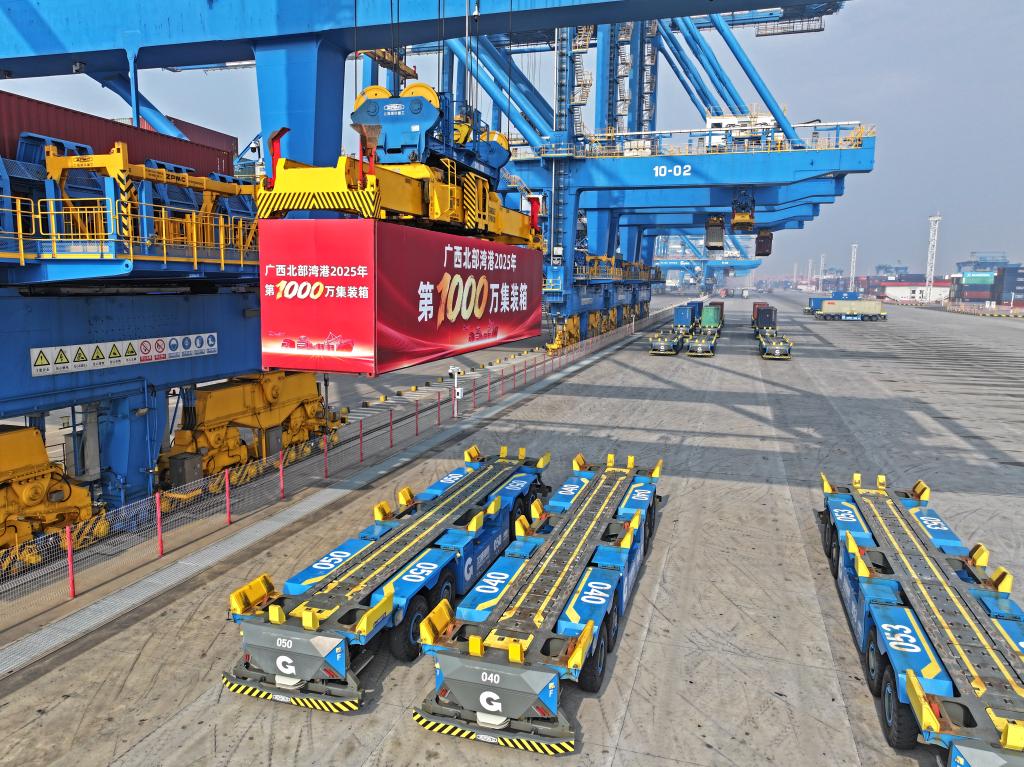
Core Viewpoint - The North Bay Port is experiencing significant growth in container throughput, with projections to exceed 10 million TEUs by 2025, reflecting the increasing efficiency and connectivity of the new logistics corridor [1][6]. Group 1: Container Throughput and Infrastructure - The North Bay Port has achieved a milestone of handling its 10 millionth container this year, with a total of 100 container shipping routes currently operational [3][6]. - Container throughput has surged from 2.28 million TEUs in 2017 to over 10 million TEUs, representing an annual growth rate exceeding 20% [6]. Group 2: Economic Impact and Trade Facilitation - The new logistics corridor has facilitated the export of over 1,300 types of goods to 18 provinces, enhancing trade connections with Central Asia and Europe [3][4]. - Long-term partnerships have been established, such as Longan Automobile utilizing the new corridor to reduce transportation costs by nearly 10% when exporting vehicles to the UAE [3][4]. Group 3: Industry Development and Efficiency - Companies like Tyre New Materials and COFCO Oils are leveraging the port's capabilities to enhance operational efficiency, with COFCO reporting a 43% improvement in overall efficiency [4]. - The port's infrastructure improvements are attracting foreign investments and increasing the speed and reliability of goods transportation, particularly for perishable items like durians from Southeast Asia [4][6]. Group 4: Future Developments - Ongoing construction at the port aims to expand its capacity to accommodate 200,000-ton container vessels, with significant progress on related inland canal projects expected to be completed by 2026 [6].

2025:25个关键词里的中国与世界
第一财经· 2025-12-31 04:11
Core Insights - The article summarizes key developments in China and the world in 2025, focusing on economic policies, market trends, and significant events that shaped various industries. Group 1: Economic Policies and Reforms - The main theme of 2025's economic work is the comprehensive rectification of "involution" in competition, with government reports emphasizing the need to regulate low-price competition and improve product quality [4] - The year marks the conclusion of the deepening reform of state-owned enterprises, with significant progress in strategic restructuring and improved governance [6] - The implementation of the "Private Economy Promotion Law" aims to create a fair business environment and protect the rights of private enterprises [7] Group 2: Debt Management and Fiscal Policies - A plan to replace 10 trillion yuan of hidden local government debt over five years was launched, with nearly 6 trillion yuan replaced by the end of 2025, significantly reducing debt risks [8] - The issuance of ultra-long special government bonds reached 1.3 trillion yuan, supporting major projects and expanding policies to boost consumption [9] Group 3: Consumer and Market Trends - A special action plan to boost consumption was introduced, focusing on increasing residents' income and improving consumer confidence [10] - The A-share market saw the Shanghai Composite Index reach 4,000 points for the first time in ten years, with total trading volume exceeding 400 trillion yuan [13] Group 4: Industry Developments - The gold market experienced a historic surge, with prices rising from $2,625 to a peak of $4,550 per ounce, driven by macroeconomic factors and central bank purchases [14] - The introduction of the "Science and Technology Innovation Growth Layer" on the STAR Market accelerated the IPO process for unprofitable companies, marking a significant shift in capital market dynamics [19] Group 5: Corporate Events and Challenges - The external delivery market saw increased competition with new entrants like JD and Taobao, reshaping the landscape and enhancing consumer choices [22] - The controversy surrounding Wahaha highlighted family disputes and governance issues within the company, affecting its market position [23] - The restaurant industry faced challenges as the crisis at Xibei over pre-made dishes prompted a reevaluation of consumer trust and operational practices [29]



千万标箱背后的跃升密码
Guang Xi Ri Bao· 2025-12-31 02:19
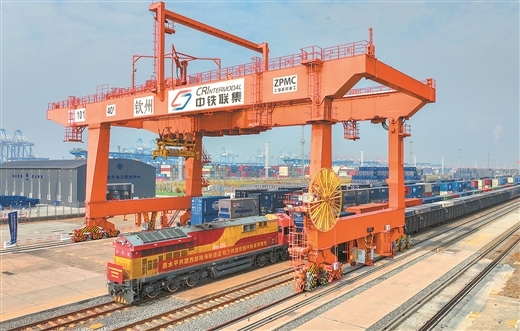
Core Insights - The North Bay Port has achieved significant milestones, including handling its 10 millionth container and launching its 100th container shipping route, marking its entry into the ranks of major container ports [5][10] - The port's container throughput capacity has increased nearly fourfold from 241,000 TEUs in 2017 to 1,104,000 TEUs by 2025, reflecting substantial infrastructure development [5][6] - The port's automation and digital transformation have enhanced operational efficiency, with a 30% improvement in comprehensive operational efficiency due to integrated data systems [7][8] Infrastructure Development - Since 2017, the North Bay Port has constructed and put into operation 18 new berths, with 44 berths now open for use, including 11 new berths added in 2025, setting a historical record [6] - The port's annual throughput capacity has risen from 291 million tons in 2017 to 450 million tons by 2025, showcasing a robust growth trajectory [5][6] - The port's container shipping routes have expanded from 42 in 2017 to 100 currently, with a 58% increase in bulk cargo handling efficiency and a 27% improvement in average shipping times [6] Technological Advancements - The North Bay Port has implemented advanced automation technologies, including remote-controlled operations and automated guided vehicles, significantly improving operational workflows [7][8] - The establishment of a digital platform for real-time data exchange has reduced data processing time from 30 minutes to under 1 minute, enhancing the efficiency of sea-rail intermodal operations [8] Regional Cooperation and Economic Impact - The collaboration between Guangxi and Chongqing has streamlined logistics through the Western Land-Sea New Corridor, reducing transportation times for automotive exports by 7-10 days [10] - The port's sea-rail intermodal services now cover 18 provinces and cities, with a total of 190 routes and over 1,300 types of goods transported, reflecting a significant expansion since 2017 [10][11] - Exports of new energy vehicles, lithium batteries, and photovoltaic products have seen remarkable growth, with increases of 7%, 258%, and 1401% respectively [11]
2026国补来了!汽车消费补贴由“定额”改为“按比例”
Mei Ri Jing Ji Xin Wen· 2025-12-31 01:42
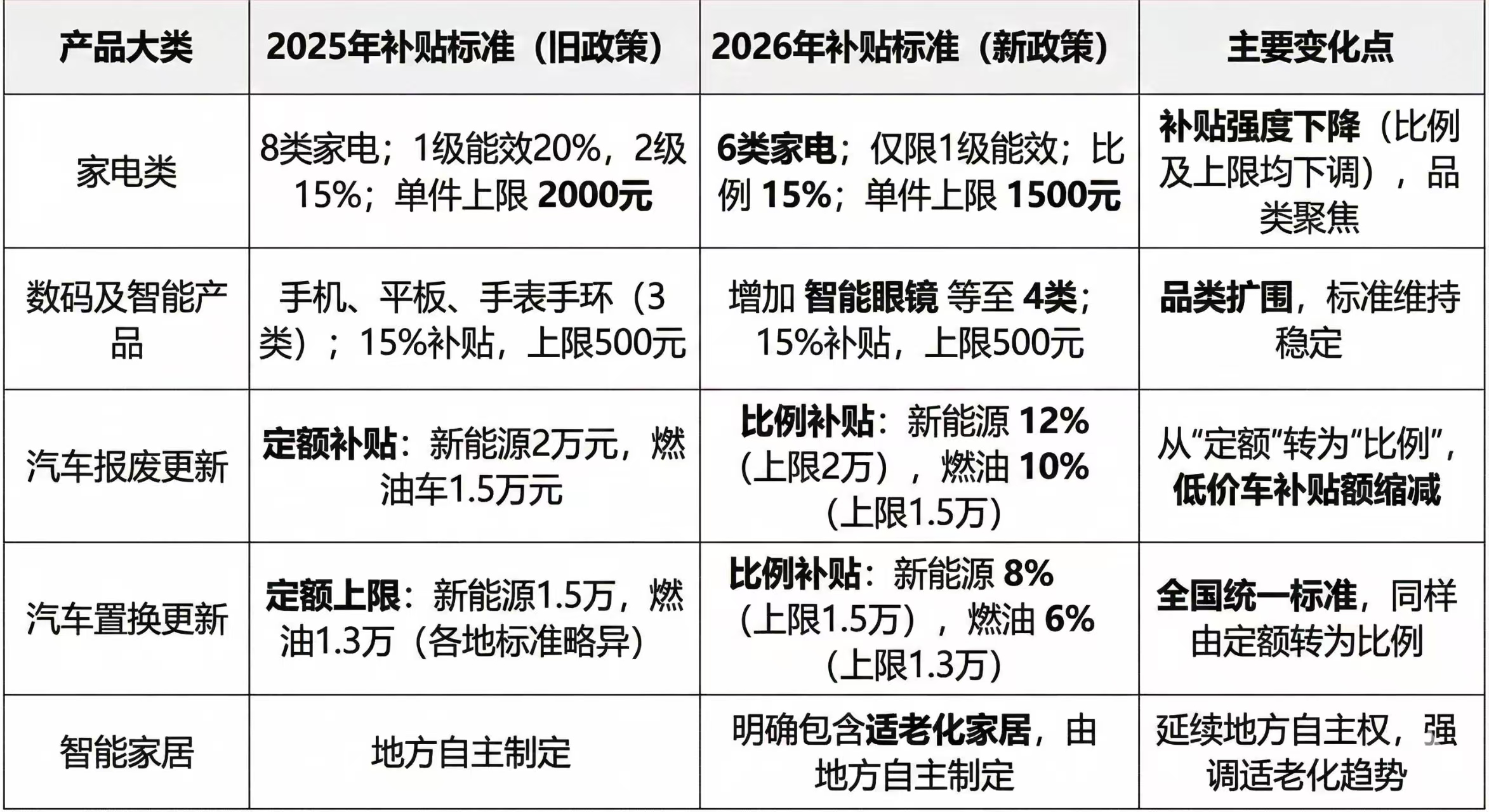
Group 1 - The core viewpoint of the news is the announcement of the 2026 national subsidy policy, which includes subsidies for smart products like AR glasses and emphasizes the importance of expanding domestic demand as a key task for the upcoming year [1][2] - The new subsidy policy for automobiles shifts from a fixed amount to a proportional subsidy, with electric vehicle scrappage subsidies set at 12% of the vehicle price (up to 20,000) and fuel vehicle scrappage subsidies at 8% (up to 15,000) [1][3] - The focus on expanding domestic demand is framed as a strategic deployment to address external shocks and enhance domestic circulation, highlighting the growth potential of discretionary consumption sectors such as retail, new energy vehicles, and smart home appliances [1][2] Group 2 - The optional consumption ETF primarily covers sectors closely related to service consumption and the unified market, with significant weightings in automobiles (46%) and home appliances (34%) [2] - The top ten weighted stocks in the optional consumption ETF include major companies such as Midea Group, BYD, Gree Electric, and Haier Smart Home, indicating a strong representation of leading firms in the consumer sector [2]
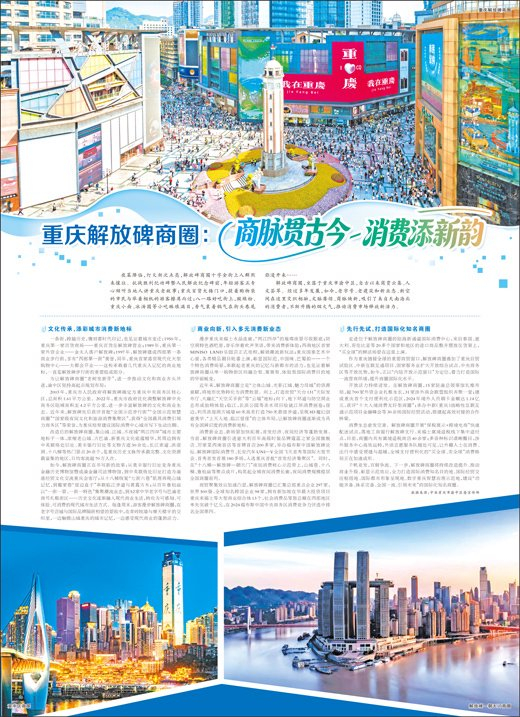
重庆解放碑商圈:商脉贯古今 消费添新韵
Ren Min Wang· 2025-12-31 01:13
Core Viewpoint - The Liberation Monument business district in Chongqing is evolving into a vibrant cultural and commercial hub, blending historical significance with modern consumer experiences, thereby driving new vitality in the consumption market [3][5][6]. Group 1: Historical Significance and Development - The Liberation Monument area has a rich history, with significant commercial milestones such as the opening of Chongqing's first department store in 1950 and the establishment of the first foreign enterprise in 1989 [4]. - The area has been recognized as a national demonstration pedestrian street and a national-level night cultural and tourism consumption gathering area, highlighting its importance in Chongqing's economic landscape [5]. Group 2: Cultural and Commercial Integration - Recent developments have transformed historical sites into modern attractions, such as the Chongqing Financial History Museum and cultural exchange venues, integrating history into contemporary commercial life [6]. - The area features over 30 cultural relics and more than 20 popular tourist attractions, making it a rich cultural resource and a key area for historical preservation [5]. Group 3: New Consumption Trends - The business district is diversifying its offerings with new consumption formats, including unique bars, entertainment venues, and flagship stores of international brands, enhancing the consumer experience [7][8]. - The introduction of over 200 flagship stores and hosting of numerous international events have positioned the area as a key player in the "first release economy" and night economy [8]. Group 4: Internationalization and Economic Growth - The Liberation Monument area serves as a vital trade window for Chongqing, leveraging its status as a free trade zone and aiming to create a world-class business environment [9][10]. - The district has attracted over 700 foreign enterprises and is recognized for its consumer-friendly environment, with significant international engagement through various economic activities [10]. Group 5: Future Development Plans - Future initiatives aim to enhance the area's commercial upgrade and international appeal, establishing it as a leading destination for global commerce and cultural exchange [10].
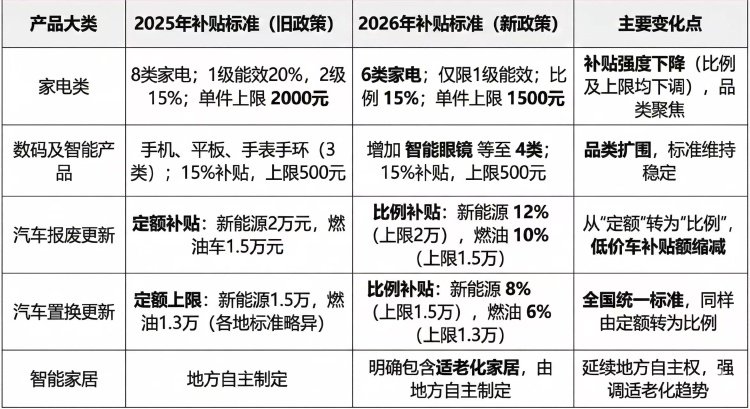
2026国补来了!汽车消费补贴由“定额”改为“按比例”(附对照表)
Mei Ri Jing Ji Xin Wen· 2025-12-31 01:11
Group 1 - The core viewpoint of the news is the announcement of the 2026 "National Subsidy" policy by the National Development and Reform Commission (NDRC) and the Ministry of Finance, which includes subsidies for smart products like AR glasses and emphasizes the importance of expanding domestic demand as a key task for the upcoming year [1] - The subsidy for scrapping and updating vehicles has shifted from a fixed amount to a proportional method, with new energy vehicle scrapping subsidies set at 12% of the vehicle price (up to 20,000 yuan), and fuel vehicle scrapping subsidies at 8% (up to 15,000 yuan) [1] - The NDRC's strategy to expand domestic demand is aimed at addressing external shocks and declining external demand, and is seen as crucial for strengthening the domestic circulation and stimulating market vitality [1] Group 2 - The optional consumption ETF primarily covers sectors closely related to service consumption and the unified market, including automobiles (46%), home appliances (34%), and commercial retail (6%) [2] - The top ten weighted stocks in the optional consumption ETF include Midea Group, BYD, Gree Electric, Fuyao Glass, Haier Smart Home, Seres, Sanhua Intelligent Control, China Duty Free Group, SAIC Motor, and Changan Automobile [2] Group 3 - The previous subsidy standards for 2025 included a fixed subsidy for home appliances (up to 2,000 yuan), digital and smart products (up to 500 yuan), and specific amounts for scrapping and updating vehicles [3] - The old policy provided a fixed subsidy of 20,000 yuan for new energy vehicles and 15,000 yuan for fuel vehicles for scrapping, and 15,000 yuan for new energy vehicles and 13,000 yuan for fuel vehicles for replacement [3]