华润啤酒

Search documents
涨价后,百威在中国的销量还在跌
Sou Hu Cai Jing· 2025-05-16 12:39
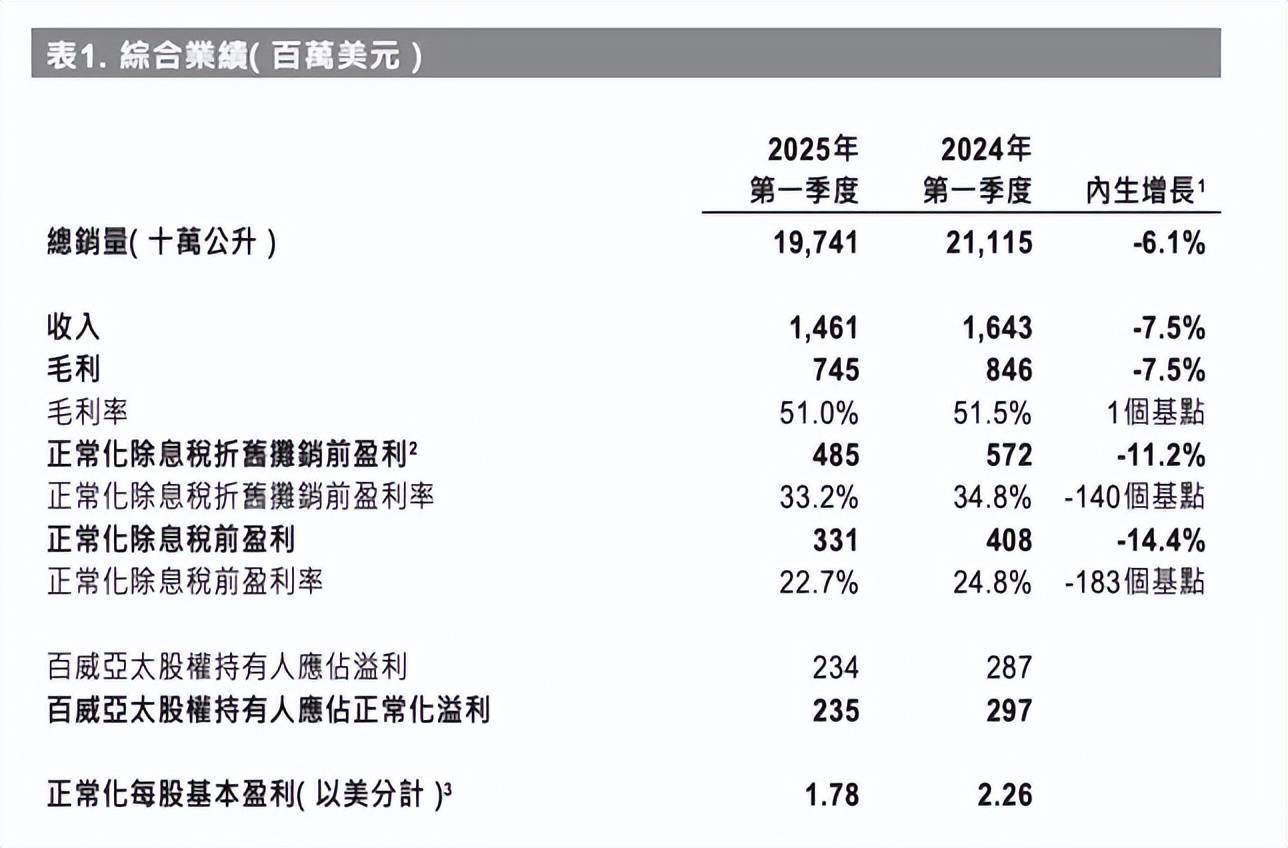
Core Viewpoint - Budweiser APAC is facing significant challenges in the Chinese market, as evidenced by its recent Q1 2025 financial report, which shows declines in revenue and net profit compared to market expectations and previous year figures [1][3][4]. Financial Performance - In Q1 2025, Budweiser APAC reported revenue of $1.461 billion, below the market estimate of $1.52 billion, representing a year-on-year decline of 7.5% [1][3]. - The net profit for the same period was $234 million, slightly below the market expectation of $235 million, marking an 18.47% decrease year-on-year [1][3]. - Total sales volume in Q1 2025 was 19.741 million liters, down from 21.115 million liters in Q1 2024, reflecting a 9.2% decline [2][3]. Market Dynamics - The decline in sales volume in China is attributed to poor performance in business layout and on-the-go channels, as well as inventory management measures impacting approximately 25% of the sales drop [3][12]. - Budweiser APAC's market share and revenue per hectoliter have also decreased, with a 3.9% drop in revenue per hectoliter in the Chinese market [10][12]. Cost Management - To alleviate pressure from the Chinese market, Budweiser APAC has been actively reducing operational costs, with a 7.5% decrease in sales costs in Q1 2025 [5][6]. - The company has also reduced its workforce, cutting approximately 4,000 employees over the past year, from over 25,000 in 2023 to around 21,000 in 2024 [7][8]. Strategic Adjustments - Budweiser APAC is shifting its channel strategy to include mid-range dining channels and promoting sub-premium products to adapt to changing consumer preferences [15][16]. - The company has expanded its distribution network, increasing the number of cities where its products are available from 220 in 2023 to 235 in 2024 [18][19]. Competitive Landscape - Budweiser APAC's leading position is being challenged by domestic competitors like Tsingtao Brewery and China Resources Beer, which are also enhancing their high-end product offerings [23][24]. - The overall beer production in China has been declining, with a reported decrease of 0.6% in 2024, leading to a concentration of market share among national brands [22][23].


海伦司“小酒馆第一股”背后,一场短暂的繁华
新消费智库· 2025-05-16 12:34
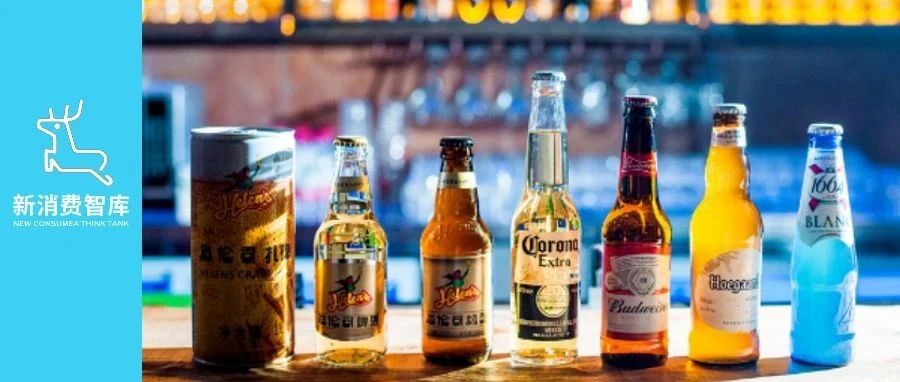
Core Viewpoint - The article discusses the challenges and potential of the small bar industry in China, particularly focusing on the case of Helen's, which has seen a significant decline in store numbers and profitability since its IPO in 2021 [4][9][19]. Group 1: Industry Overview - The alcohol consumption market is becoming increasingly vibrant, with new entrants like light alcohol and small bars enriching the industry landscape [4]. - In 2021, Helen's became the first small bar stock in Hong Kong, leading to expectations of a flourishing market [5][8]. - However, the reality has diverged from these expectations, with Helen's store count dropping from 767 in 2022 to 479 in 2023, a decrease of 37.55% [9]. Group 2: Helen's Business Model and Strategy - Helen's initially attracted young consumers with a low-price strategy, offering beers at 10 yuan [8]. - The company has shifted its focus to lower-tier markets for growth, with a significant reduction in stores in first and second-tier cities [10]. - The number of Helen's direct-operated and franchised stores decreased by 60.95% and 19.3% respectively from 2022 to 2023 [10]. Group 3: Market Potential and Challenges - The potential for bar consumption in lower-tier markets is substantial, with projections indicating that the domestic bar industry revenue could reach 183.9 billion yuan by 2025, with a compound annual growth rate of 18.8% [11]. - Despite the promising market potential, the small bar business model remains largely unproven, with many brands entering the market but few succeeding [16][17]. - The competitive landscape is intensifying, with major beer brands also entering the small bar space, further complicating the market dynamics [17][18]. Group 4: Future Considerations - The article raises questions about the viability of the small bar business, suggesting that while it may be a good market, it is not necessarily easy to operate successfully [19]. - The industry is still in its early stages, with a high level of fragmentation and a low market penetration rate, indicating significant growth opportunities for leading players like Helen's [19].
我在钱塘织“绿色动脉” 新能源重卡让物流实现“快跑”
Mei Ri Shang Bao· 2025-05-15 22:24
Core Viewpoint - The logistics industry is undergoing a significant transformation towards green development, driven by the "dual carbon" goals and increasing market demand for sustainable transportation solutions [4]. Group 1: Company Overview - Hangzhou Changqiang Logistics Co., Ltd. is led by General Manager Ma Qiang, who has successfully integrated traditional management practices with innovative approaches since taking over the company in 2012 [2]. - The company has a strong track record in road transportation, having served major clients such as China Resources Snow Beer and Nongfu Spring [2]. - Under Ma Qiang's leadership, the company emphasizes efficient resource utilization, implementing strict rules to avoid empty return trips for vehicles, which has significantly improved vehicle utilization rates and annual output value [2]. Group 2: Strategic Decisions - In October 2024, the company made a bold decision to order 100 units of new energy heavy trucks, despite the market's hesitance and the higher cost compared to traditional fuel vehicles [3]. - This decision aligns with the industry's shift from fuel to electric vehicles, particularly for logistics companies focused on domestic transportation [4]. Group 3: Operational Achievements - The company successfully won a bid for a new energy transportation route from Nongfu Spring, leveraging its extensive experience in fast-moving consumer goods logistics and a detailed procurement plan for new energy heavy trucks [4]. - The introduction of new energy trucks has led to significant cost reductions in fuel and maintenance, while an intelligent scheduling system has enhanced transportation efficiency [4]. Group 4: Support and Future Outlook - The company benefits from supportive policies established by the Qiantang District and Hangzhou Transfar Highway Port, aimed at fostering the development of productive service enterprises [5]. - Looking ahead, the company aims to solidify its foundation while accelerating its smart transformation and embracing new technologies to stay competitive in the rapidly changing logistics landscape [5].

青啤6.6亿“喝”黄酒,能否酿出“第二春”?
3 6 Ke· 2025-05-15 01:29
Core Viewpoint - Qingdao Beer is acquiring 100% of Jimo Yellow Wine for 665 million yuan to optimize its seasonal losses and diversify its business, leveraging the complementary seasonal sales of beer and yellow wine [1][3][5] Group 1: Acquisition Details - The acquisition price of 6.65 billion yuan represents a premium of over 200% compared to Jimo Yellow Wine's net assets of 203 million yuan [1] - Jimo Yellow Wine reported a revenue of 166 million yuan in 2024, a year-on-year increase of 13.5%, and a net profit of 30.47 million yuan, up 38% [2] Group 2: Market Context - Qingdao Beer has faced declining sales, with a 5.3% drop in revenue to 32.138 billion yuan in 2024, marking the lowest growth rates for net profit since 2017 [5] - The beer industry in China is experiencing a downturn, with a 0.6% decrease in production among major breweries in 2024 [6] Group 3: Strategic Implications - The acquisition aims to address Qingdao Beer’s seasonal losses, as the fourth quarter is a peak season for yellow wine, contrasting with beer's summer peak [3][6] - Analysts express caution regarding the acquisition, highlighting challenges in integrating the two distinct product lines and the need for effective market education for yellow wine [8]

平替、贵替、体验替,从3个行业看消费者的“花钱理由”
Hu Xiu· 2025-05-14 14:46
Group 1: Consumer Sentiment and Market Trends - The overall retail sales in the first quarter of 2025 showed a year-on-year growth of 4.6%, with service retail sales increasing by 5% [1] - Despite positive signals like the release of "Nezha 2" and a 7% increase in Spring Festival tourism spending, consumer price index (CPI) and producer price index (PPI) are both declining, indicating a drop in product and raw material prices [1] - Personal short-term and long-term loans are decreasing, suggesting that consumer spending power remains insufficient [1] Group 2: Sportswear Industry Insights - The sportswear market is experiencing a dual challenge from both "affordable alternatives" and "premium alternatives," with consumers becoming more selective about their spending [2] - The sneaker culture is perceived as losing its appeal, and brands are struggling to innovate and attract the new generation of consumers [2][3] - The market for traditional sports like basketball and soccer is stagnating, while new sports such as climbing and boxing are emerging but not yet fully capitalized on by brands [3] Group 3: Beer Industry Recovery - Beer sales showed a slight recovery in early 2025, with optimism among companies due to reduced inventory pressure compared to the previous year [8] - High-end beer segments are witnessing growth, with brands like Heineken and new premium offerings gaining traction [10] - The beer market is shifting towards younger consumers, with brands needing to better understand and connect with this demographic [12] Group 4: Outdoor Products Market Dynamics - The outdoor products sector continues to thrive, with growth comparable to previous years, despite a general retail downturn [15] - Consumer interest is shifting from status-driven luxury purchases to fulfilling personal interests, which benefits the outdoor segment [15] - There is significant growth potential in the outdoor market, particularly as more consumers engage in activities like hiking and camping [16] Group 5: Brand Positioning and Future Outlook - Foreign brands face challenges in the Chinese market, with local brands gaining an advantage and opportunities for growth [18] - The outdoor market's penetration rate is still low compared to developed countries, indicating room for expansion [16] - Companies are adopting a long-term strategy, focusing on genuine consumer interest rather than fleeting trends [17]
中华酒载誉2025世界品牌莫干山大会 战略签约新华社瞭望智库
Sou Hu Wang· 2025-05-14 07:15
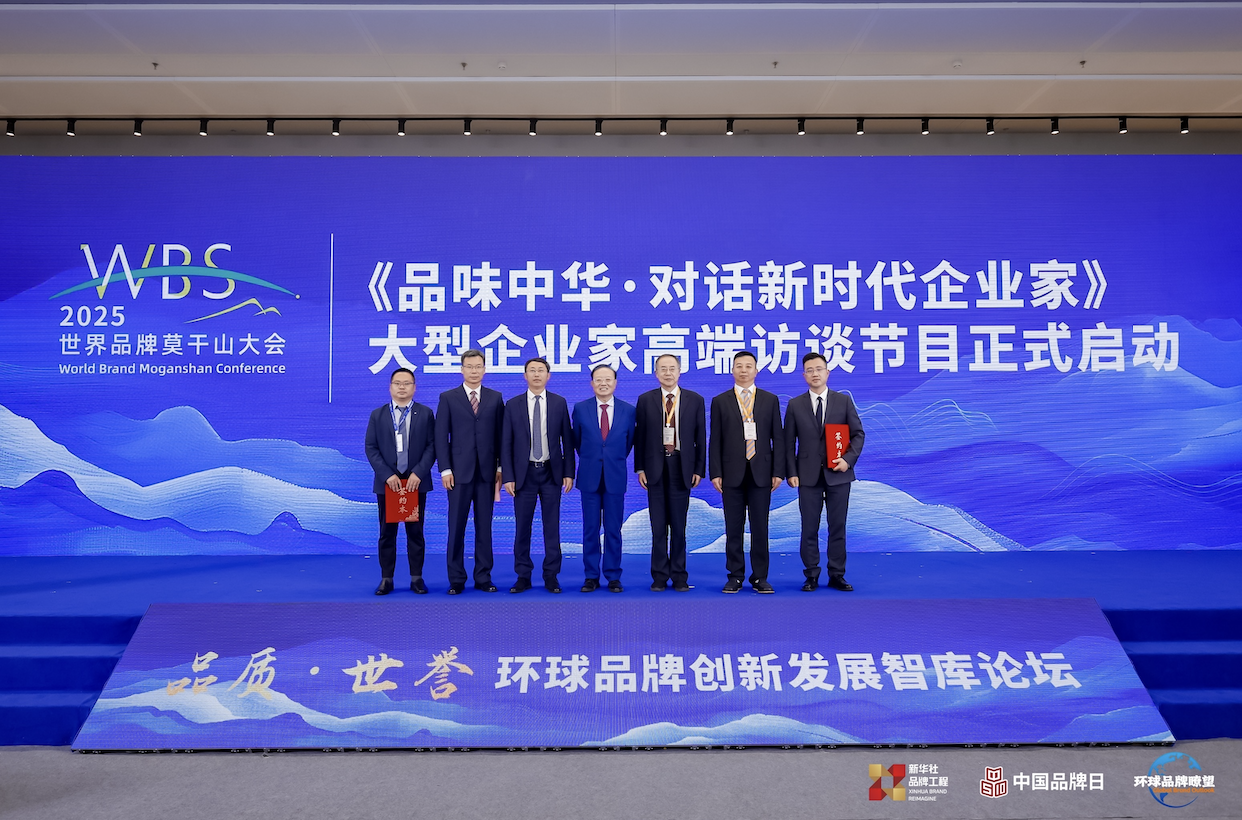
Core Insights - The 2025 World Brand Moganshan Conference was held in Deqing, Zhejiang, focusing on the theme "Brands Make the World Better" [1] - The "Quality • World Reputation" Global Brand Innovation Development Think Tank Forum was successfully held as a key event of the conference [1] Group 1: Strategic Collaborations - China National Wine and Xinhua News Agency's Outlook Think Tank signed a strategic cooperation agreement to launch a high-end interview program and a large-scale research project on the business environment and brand creation [3][12] - The collaboration aims to highlight the mission of national brands and includes notable brands like China Agricultural Bank, China Construction International, Mengniu Group, China Resources Group, and Gree Electric among the "2025 New Quality Brand Creation" excellent cases [3][18] Group 2: Brand Development Insights - Over 200 guests from government, academia, think tanks, international organizations, and various industries gathered to discuss the cultivation and development of new quality brand power [4] - The forum emphasized that innovation is driving the rapid enhancement of Chinese brand influence, with a shift from "cost-performance" to "value output" expected in the next five years [9] Group 3: Brand Building Strategies - The Secretary-General of the China Enterprise Confederation highlighted the need for new perspectives in brand building to stimulate domestic demand and consumption [11] - The forum showcased various practical experiences from Chinese enterprises and local governments, providing rich case studies for brand innovation [11] Group 4: Recognition and Future Plans - The "2025 New Quality Brand Creation" excellent cases were announced, with 20 brands, including China National Wine, recognized for their innovative practices in brand building [18] - Future collaborations between China National Wine and Outlook Think Tank will focus on cultural empowerment, brand upgrading, and global expansion [22]
天风证券:白酒预计表现平稳 顺周期下大众品板块迎来投机会
智通财经网· 2025-05-14 00:10
Group 1: Core Insights - The report from Tianfeng Securities indicates a positive performance in the liquor sector during the May Day banquet scene, with companies generally seeking stability in 2025, suggesting potential valuation recovery opportunities from upcoming consumer stimulus policies [1][4] - The beer and beverage sectors saw better-than-expected travel data during the May Day holiday, with notable growth in Q1 for companies like Uni-President, driving market performance [1][5] - The health supplement sector showed significant gains, with a focus on three major investment opportunities in a potential cyclical recovery [1][6] Group 2: Market Performance Review - The food and beverage sector and the CSI 300 index experienced increases of +1.76% and +1.92% respectively during the week of May 2 to May 9, with health supplements (+5.09%) and baked goods (+4.25%) leading the gains [3] - The liquor sector outperformed the overall food and beverage market and the CSI 300 index, with a weekly increase of +2.34%, attributed to the easing of performance pressure following Q1 earnings reports [4] Group 3: Sector Recommendations - Recommended stocks in the liquor sector include leading companies with strong alpha and beta benefits, such as Shanxi Fenjiu, Guizhou Moutai, and Luzhou Laojiao [1][4] - In the consumer goods sector, the report highlights opportunities in snack foods, dairy products, and companies with overseas expansion potential, such as Yili and Anqi Yeast [2][6]

动态 | 青岛啤酒将整合旗下饮料业务;贵州茅台称目前没有港股上市的相关计划
Sou Hu Cai Jing· 2025-05-13 14:27
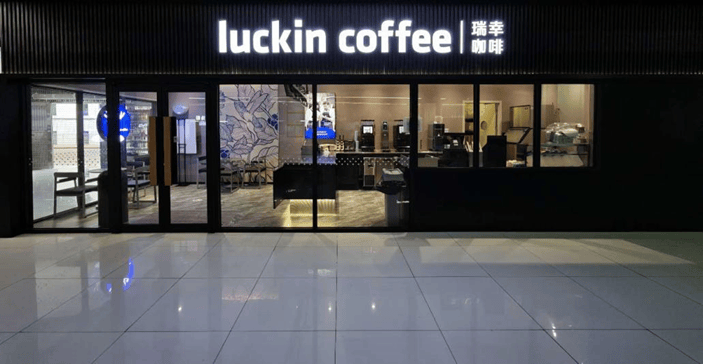
Company Developments - Luckin Coffee has launched a new round of franchise recruitment, targeting over 800 specific locations across 186 cities in China, with more than 500 locations already approved and over 400 stores opened as of April this year [1] - Three Squirrels has acknowledged a reduction in the number of distributors, with a 20% decrease over the past two years, and plans to optimize distributor management services to enhance cooperation and satisfaction [3] - BR Foods from Brazil plans to open a factory in China on May 15, focusing on producing hamburgers, chicken nuggets, and bacon using Brazilian meat [4] - Qingdao Beer Group will integrate its beverage business after merging with Qingdao Beverage Group, ensuring no competition among similar products [4] - Kweichow Moutai has stated there are currently no plans for a Hong Kong stock listing [5] - Anheuser-Busch announced a $300 million investment plan in its U.S. factories, equivalent to approximately 2.1 billion RMB, as part of a broader strategy to enhance operations and meet consumer demands [5] Industry Trends - The Chinese beverage industry is undergoing significant changes, with five major shifts identified: global upheaval, China's rise, a new industrial cycle, technological advancements, and changes in the new generation [3][4] - Nestlé Italy is focusing on the silver economy, with 35%-38% of sales coming from consumers aged 50-65, and plans to invest 1.5%-2% of revenue in R&D to improve product quality for older consumers [6] - Ferrero North America is set to launch its largest innovation initiative, introducing new square-shaped Ferrero Rocher chocolates and a new peanut flavor of Nutella [6] Regulatory and Economic Developments - The U.S. and China have made significant progress in trade talks, with the U.S. canceling 91% of tariffs and China reciprocating, which is expected to benefit producers and consumers in both countries [8]





破局卡脖子难题,国产啤麦产业链不断延伸
Hua Xia Shi Bao· 2025-05-13 11:16
Core Viewpoint - The "2025 Domestic Barley Industry Integration Development Forum and Social Responsibility Theme Event" held in Yangzhou aims to address the challenges faced by the domestic barley industry, focusing on achieving self-sufficiency in the beer barley supply chain and promoting the integration of the entire industry chain from breeding to consumption [2][3]. Group 1: Industry Challenges and Initiatives - China's beer industry has a high dependence on imported barley, with an import dependency rate of 90%, which poses challenges for cost control and brand competitiveness [3]. - China Resources Beer has taken the lead in promoting the "National Barley Revitalization" strategy, focusing on standardizing planting bases, malt processing, beer production, and brand marketing to enhance the domestic barley supply chain [3][4]. - The company aims to complete 20,000 acres of standardized domestic barley planting in Inner Mongolia, Northwest China, and Jiangsu by 2025 [3]. Group 2: Achievements and Innovations - Over the past three years, significant progress has been made in increasing the application ratio of domestic malt, expanding planting areas, and improving varieties and planting techniques [5]. - The domestic barley has undergone multiple generations of improvement since 1995, with modern breeding techniques being gradually adopted since 2020 [5]. - The "Yangnong Pi 14" variety is expected to achieve a yield of 767.5 kg per acre in 2024, setting a new record for barley yield in Jiangsu [5][6]. Group 3: Industry Collaboration and Ecosystem - The relationship between the beer and barley industries has evolved into a collaborative ecosystem, focusing on technology co-research, risk-sharing, and value-sharing [9]. - The "National Barley Revitalization" plan has facilitated cooperation between upstream and downstream sectors of the beer industry [9][10]. - A comprehensive collaboration model has been established, where research institutions work closely with farmers to provide technical guidance, ensuring high-quality barley production [10]. Group 4: Sustainability and Future Prospects - The integration of local production and sales in the barley supply chain is seen as a significant step towards reducing carbon emissions [11]. - The innovative branding of products like "Ken 14" reflects a commitment to local culture and quality, enhancing consumer perception of domestic products [12].
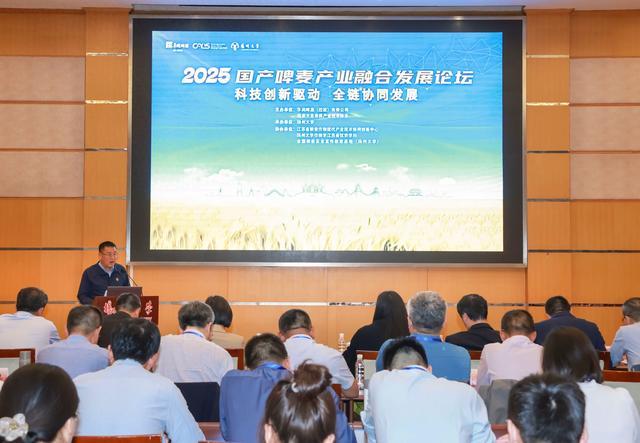
从“卡脖子”到“中国酿”,华润啤酒解码“国麦自主”背后的产业蝶变
Hua Xia Shi Bao· 2025-05-13 09:30
Core Viewpoint - The article emphasizes the importance of domestic barley production for the beer industry in China, highlighting the efforts of China Resources Beer to establish a self-sufficient supply chain for high-quality beer production [3][4][6]. Group 1: Industry Background - China has been heavily reliant on imports for over 90% of its beer barley, which has constrained cost control and supply chain security [4]. - The domestic barley self-sufficiency rate has been below 10%, indicating a significant gap in local production capabilities [3]. Group 2: Company Initiatives - China Resources Beer has initiated the "National Barley Revitalization" plan to boost domestic barley production, establishing standardized planting bases across various regions [4][8]. - The company has expanded its standardized barley planting area from 3,000 acres to over 16,000 acres, with plans to reach 20,000 acres by 2025 [7][8]. Group 3: Quality Improvement - The "Yangnong Barley 14" variety has achieved a new record yield of 767.5 kg per acre, showcasing advancements in domestic barley quality [6][7]. - The quality of domestic barley has improved, with metrics such as extraction rate and clarity showing significant enhancements, narrowing the gap with imported barley [7][8]. Group 4: Economic and Social Impact - The initiative has led to over a 20% increase in income for local farmers, contributing to the implementation of national rural revitalization strategies [8]. - The project aims to create a sustainable model that integrates leading enterprises, research institutions, and planting bases, fostering a collaborative ecosystem [8][12]. Group 5: Future Vision - The company envisions a replicable and sustainable model for domestic barley production that enhances the value of local barley and supports the entire supply chain from breeding to consumption [12]. - The successful launch of the "Keng Shisi" beer, made entirely from domestic ingredients, marks a significant milestone in changing perceptions of Chinese beer quality [10].