极氪

Search documents
保价为何孤掌难鸣?
Zhong Guo Qi Che Bao Wang· 2025-06-16 01:05
Core Viewpoint - The automotive market is experiencing renewed price competition, with Deep Blue Automotive's S09 model introducing a "one-year price guarantee" policy, aiming to build consumer trust amidst the price war [2] Group 1: Price Guarantee Policy - Deep Blue S09 is priced between 239,900 to 309,900 yuan and offers a price guarantee for orders placed before June 30, 2025, for 365 days [2] - Few brands have followed suit with short-term price guarantees, with the longest being 90 days, contrasting sharply with the price guarantee trend seen at the end of 2022 [2] - The automotive industry's price guarantee strategy faces inherent contradictions, as it consumes future price adjustment space, especially in a rapidly evolving market [2][5] Group 2: Legal and Consumer Behavior Challenges - Legal risks are significant, as price guarantees have unilateral legal effects, and companies face compensation and reputation risks if they breach these promises [3] - Despite 83% of consumers welcoming price guarantees, only 27% consider them a crucial factor in purchasing decisions, indicating a preference for absolute low prices over relative value [3] Group 3: Industry Profitability and Competition - The automotive industry's profit margin has dropped to 3.5% in Q1 2023, down from a peak of 8.99% in 2014, leading to a cycle of increased sales but stagnant profits [5] - Price guarantees lock in profit margins, which can be detrimental for companies with low margins, as they may lead to significant profit reductions [5] Group 4: Supply Chain and Systemic Risks - Supply chain pressures complicate price guarantees, as manufacturers often transfer price competition costs to suppliers, creating a risk of unilateral price guarantees [6] - The collapse of the second-hand car residual value system highlights systemic risks associated with price guarantees, as consumer confidence in long-term value diminishes [8] Group 5: Technological Evolution and Market Dynamics - Rapid technological advancements weaken the foundation of price guarantees, as consumers face obsolescence of hardware, leading to a shift in focus towards software subscription services [9] - The automotive industry is undergoing a transformation from one-time transactions to lifecycle services, suggesting that traditional price guarantees may not be sustainable [9]



科学评估体系构筑行业公信力 2025年一季度汽车品牌影响力指数正式发布
Zheng Quan Ri Bao Wang· 2025-06-15 12:44
Core Insights - The report highlights a significant shift in the automotive brand influence landscape in China, particularly in the passenger vehicle sector, where domestic brands have made historic breakthroughs, with six out of the top ten positions occupied by Chinese brands [1][3][5] Passenger Vehicle Market - BYD leads the passenger vehicle market with verified sales of 623,400 units, surpassing Volkswagen by 180,000 units, indicating a strong market dominance driven by its advancements in new energy technology [3] - Aito (问界) has established a new benchmark in brand reputation with an impressive 89.67% netizen voice share and only 29 complaints, showcasing its quality management as a model for high-end market strategies [3] - New entrants like Li Auto and Xpeng maintain a strong presence in the mid-market segment, while Xiaomi's vehicle has not yet matched its high media presence with corresponding sales figures [3] Commercial Vehicle Market - Jiangling Motors stands out in the light commercial vehicle sector, ranking first with a score of 684.22, despite having only 44% of the second-place competitor's media voice, demonstrating effective conversion of positive sentiment into sales [4] - The pickup truck market continues to see a concentration of market share, with Great Wall Motors dominating 47% of the total sales in the top ten, while Jiangling maintains a strong second position [4] - In the light truck segment, Foton leads with 91,900 units sold, capturing 34% of the market share, while the new energy player, Dongfeng, leads in electric vehicle discussions with a 72.18% netizen voice share [5] Industry Trends - The report indicates a core trend of transformation within the automotive industry, with domestic brands reshaping competitive dynamics in the passenger vehicle sector and local companies establishing dominance in the commercial vehicle market [5] - The upcoming data collection for the second quarter will continue to provide authoritative references for policy-making, corporate strategy, and investment decisions, reflecting the ongoing evolution of the Chinese automotive industry [5]




国内芯片企业加速入局车规级UWB市场
Di Yi Cai Jing Zi Xun· 2025-06-15 12:19
Core Insights - The automotive industry is undergoing a transformation driven by the "new four modernizations," with increasing semiconductor content in vehicles, projected to rise from under $500 for traditional fuel vehicles to over $1,500 for smart electric vehicles [1] - The introduction of the "Dubhe" UWB SoC chip by Gateron aligns with the growing demand for high-precision, bidirectional positioning in smart vehicles, marking a significant opportunity in the automotive semiconductor market [1] Industry Trends - UWB technology, initially introduced in 1989, gained mainstream attention in 2019 with Apple's UWB chip, and has since penetrated the automotive sector, starting with BMW's digital key feature in 2021 [1] - The adoption of UWB technology is expanding among mid to high-end vehicles, with brands like BYD, Mercedes-Benz, and others incorporating UWB as standard or optional features [2] - The penetration rate of UWB digital keys was only 2.1% in 2022, with a market size of $0.96 million, but is expected to exceed 50% penetration and reach a market size of $22.56 million by 2027 due to technological advancements and cost reductions [2] Company Developments - Gateron has established a dedicated UWB development team of over 100 experts, including 50 specialists in wireless communication, to capitalize on the growing UWB market [2] - The company has filed over 60 patents in the UWB field, including two essential patents, indicating a strong commitment to innovation and market leadership [2] - The domestic UWB chip market is still in its early stages, with companies like NXP and Qorvo previously dominating, but local firms are now entering the space, aiming for domestic substitution opportunities [3] - Gateron's UWB chip, "Dubhe," is expected to begin mass production by the end of this year, following sample delivery in July [3]
淡季不淡,槐荫惠民车展“1+1+1”优惠力度空前
Qi Lu Wan Bao· 2025-06-15 03:06
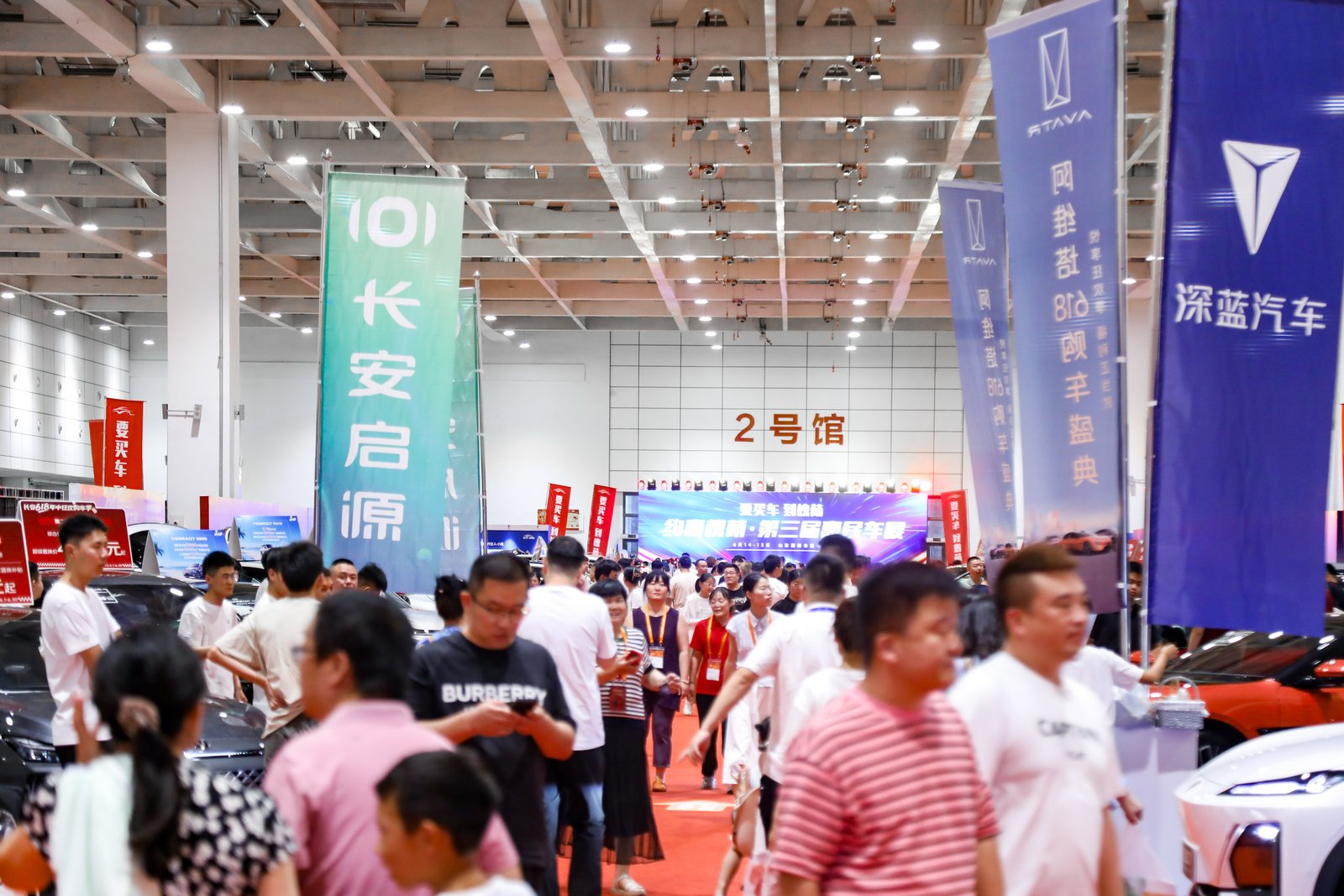
Core Insights - The "Third Hui Min Auto Show" in Shandong has opened, featuring significant discounts and multiple subsidies for consumers, creating a favorable purchasing environment [1][3]. Group 1: Event Overview - The auto show is taking place at the Shandong International Exhibition Center, with major car manufacturers offering substantial discounts [1]. - Brands like Jetta, Geely, and Changan are presenting fixed prices, with models like Jetta VS5 starting at 69,600 yuan and Geely Galaxy Starship at 87,800 yuan [3]. Group 2: Industry Trends - The automotive industry is experiencing a normalization of "price wars," with increased promotional efforts during mid-year rather than seasonal fluctuations [3]. - Consumers are benefiting from multiple layers of subsidies, including national scrapping subsidies, local purchase vouchers, and direct manufacturer discounts, leading to unprecedented discount levels [3]. Group 3: Consumer Insights - Consumers are actively seeking out the auto show for the opportunity to combine various discounts, particularly for electric vehicles [4]. - For instance, a BYD Song PLUS EV can be purchased for around 120,000 yuan after applying multiple subsidies, highlighting the financial advantages available to buyers [4].
激光雷达:AEBS新规催化标配预期,割草机+无人城配快速放量
2025-06-12 15:07
Summary of Key Points from Conference Call Industry and Company Involved - The conference call focuses on the **LiDAR (Light Detection and Ranging)** technology industry, particularly its applications in the automotive sector and emerging markets like smart lawn mowers and unmanned urban delivery vehicles. Core Insights and Arguments 1. **Impact of AEBS Regulations**: The release of the AEBS (Advanced Emergency Braking System) regulation draft is expected to catalyze the adoption of LiDAR in L2 and below vehicles, enhancing basic safety and perception functions [3][12][10]. 2. **Market Growth in Smart Lawn Mowers**: The demand for LiDAR in smart lawn mowers and unmanned urban delivery is rapidly increasing, with expected shipment volumes to expand significantly by 2025, potentially reaching a market size of **5 to 6 billion** [5][17]. 3. **High Potential in LiDAR Market**: The global automotive-grade LiDAR market is projected to cultivate companies with a market value of **hundreds of billions** of RMB, although current valuations of leading companies like Hesai and RoboSense do not fully reflect their growth potential [6][9]. 4. **Concentration of Supply and Demand**: The supply side is highly concentrated with strong certainty, while the pricing and valuation have not yet fully captured the accelerating demand, indicating a high potential for returns [8][7]. 5. **Trends in LiDAR Technology**: LiDAR technology is trending towards downscaling, diffusion, and high-end applications, with prices rapidly decreasing, making it more accessible for various vehicle types [4][14][16]. 6. **Unmanned Delivery Vehicles**: The use of LiDAR in unmanned delivery vehicles (RoboVan) is justified by significant cost savings in last-mile delivery, with potential reductions in delivery costs by **67%** [19][20]. 7. **Growth of Unmanned Freight Vehicles**: The unmanned freight vehicle market is expanding quickly, with major companies planning substantial deliveries in 2025, indicating a market potential of **200 to 400 billion** [21][23]. 8. **Technological Advancements**: The latest models of unmanned freight vehicles are equipped with multiple LiDAR units, with costs decreasing significantly, enhancing their commercial viability [22][23]. 9. **Future Market Dynamics**: The future of the unmanned delivery vehicle market is promising, with a focus on cost control and the need for stricter automotive-grade requirements as speeds increase [24][25]. Other Important but Possibly Overlooked Content 1. **LiDAR's Role in Technology**: LiDAR is crucial for simulating human interaction with the environment, serving as a key technology in various sectors including smart driving and safety monitoring [2]. 2. **Market Penetration of LiDAR in Smart Lawn Mowers**: The penetration rate of LiDAR in smart lawn mowers is expected to rise significantly, with a notable increase from **10% to 30%** in just one year [18]. 3. **Regulatory Changes**: The shift of AEBS from a recommended to a mandatory standard will require M1 and N1 class vehicles to install AEBS systems, directly impacting the adoption of LiDAR technology [12]. 4. **Long-term Investment Opportunities**: Companies like Hesai and RoboSense are positioned for long-term growth, with the potential for significant returns in the high-risk, high-reward segments of the market [26].
特斯拉“光环”褪色:在华销量八连降背后的四重“围城”
3 6 Ke· 2025-06-12 12:14
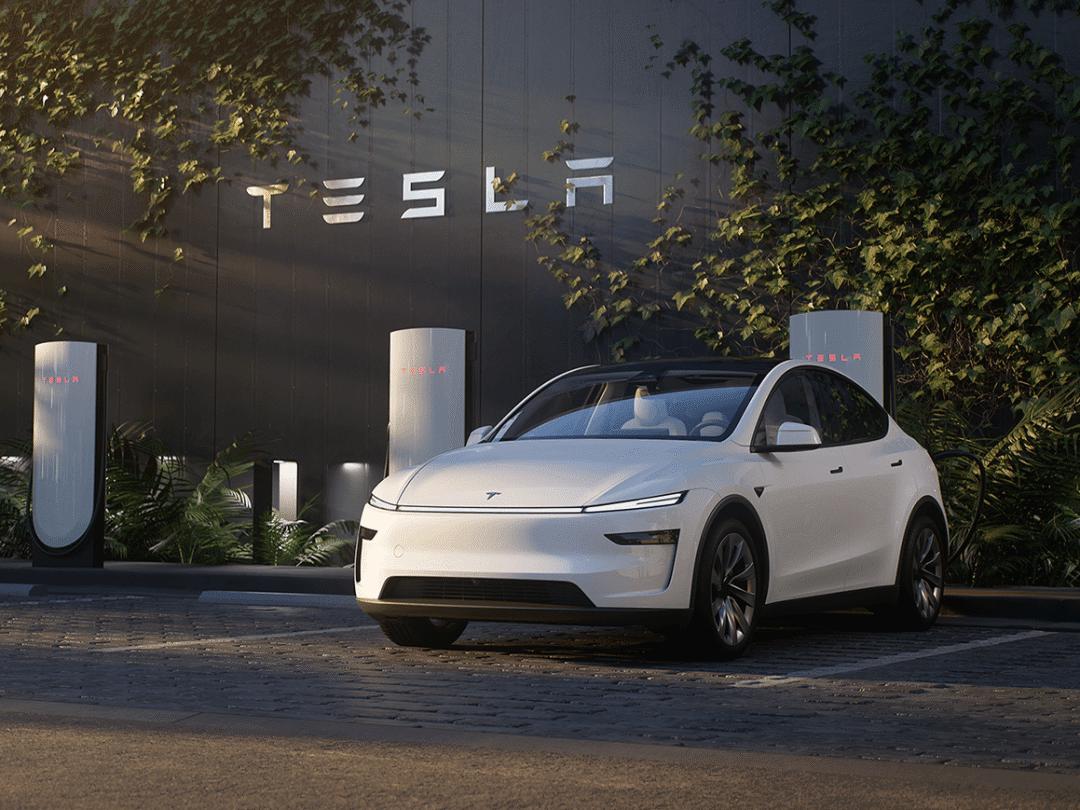
Core Viewpoint - Tesla is facing significant challenges in its key markets, including China, Europe, and North America, with declining sales and market share, indicating a loss of its once-dominant position in the electric vehicle industry [1][16]. Group 1: Market Challenges - In China, Tesla's sales are being heavily impacted by the rise of local brands that are aggressively competing in the same price segments, particularly in the 200,000 to 300,000 RMB range, which is crucial for Tesla's Model 3 and Model Y [2][4]. - In Europe, Tesla's total sales in the first four months of 2025 dropped to 62,000 units, a nearly 40% year-on-year decrease, with market share falling from 1.8% to 1% [1]. - In North America, Tesla's sales also saw a rare decline of nearly 20% year-on-year in April 2025, indicating a broader trend of losing market dominance to traditional automakers transitioning to electric vehicles [1]. Group 2: Product Challenges - Tesla's product lineup is perceived as outdated, with the Model 3 and Model Y being the only significant offerings, leading to a lack of fresh appeal among consumers [6][9]. - The anticipated launch of the "Model 2" has been delayed, preventing Tesla from competing effectively in the lower price segments where competitors like BYD are gaining traction [5][17]. - The design language of Tesla's vehicles, once revolutionary, is now seen as simplistic and outdated compared to the rapid iterations of competitors [7][9]. Group 3: Consumer Perception - Tesla's brand image as a technological leader is diminishing as local competitors like Huawei and Xpeng have established strong reputations for their advanced technologies [10][12]. - Negative public relations incidents, such as the "brake failure" controversy and issues at the Shanghai Auto Show, have contributed to a decline in consumer trust [12]. Group 4: Strategic Challenges - The rollout of Tesla's Full Self-Driving (FSD) technology in China has faced significant hurdles, limiting its potential as a competitive advantage [13][15]. - The competitive landscape has shifted, with local brands having already educated the market and established data advantages, making it difficult for Tesla to regain its former status [15][17]. - Tesla must adopt a more localized approach and improve communication with global markets to rebuild brand trust and relevance [17].

“右舵”市场集体秀肌肉,内地11家车企亮相香港国际车博会
Di Yi Cai Jing· 2025-06-12 11:46
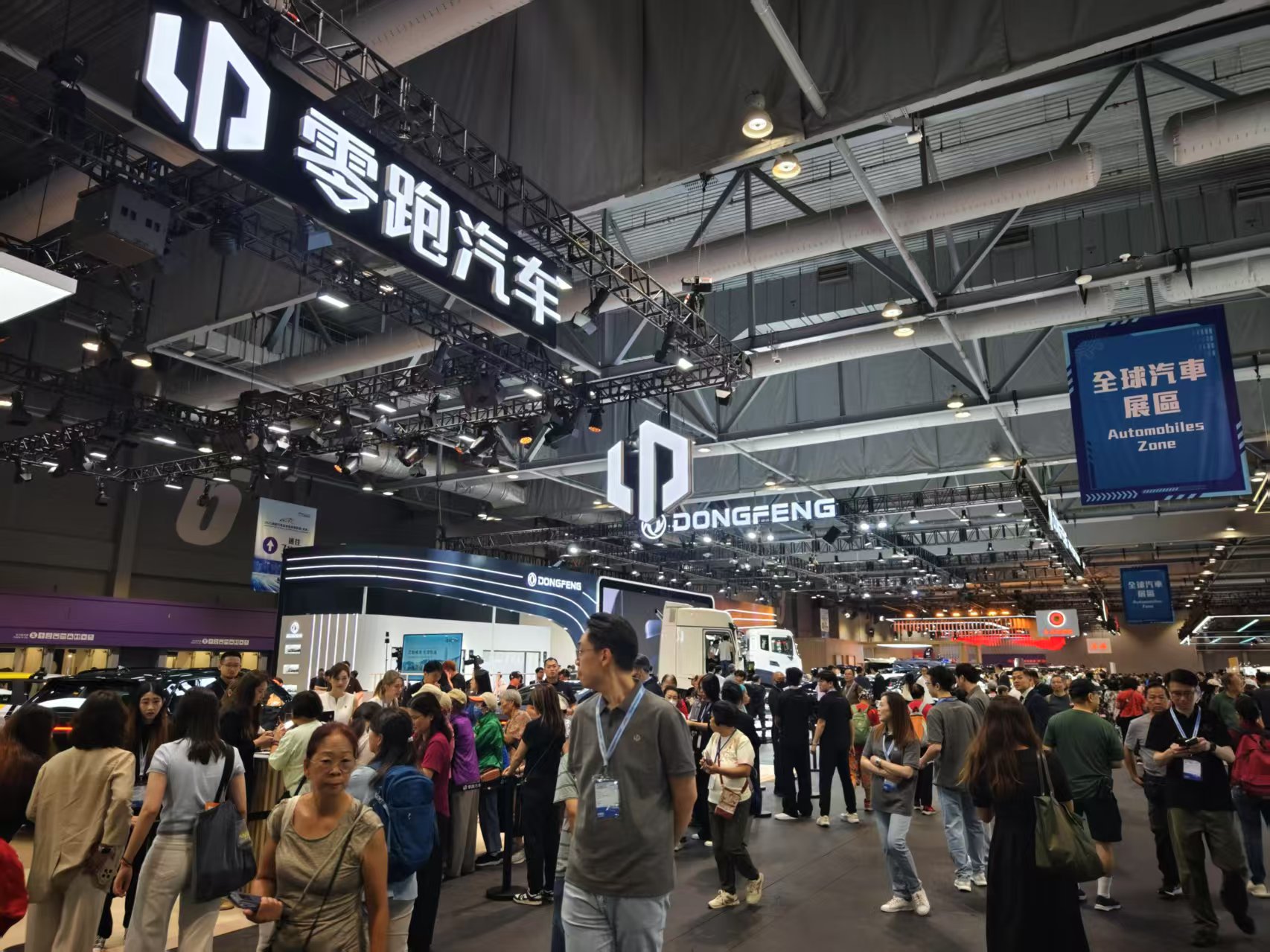
Core Viewpoint - The auto expo in Hong Kong showcases the strength of Chinese automakers, highlighting their advancements in electric vehicles and technology, while also serving as a strategic platform for global expansion [1][8]. Group 1: Event Overview - The auto expo, themed "New Cars, New Journey," covers over 55,000 square meters with seven core exhibition areas, including global automotive, supply chain, and innovation technology [2]. - Eleven major Chinese automakers, including SAIC, BYD, and Dongfeng, participated, alongside new entrants like Leap Motor and Xpeng [1][4]. Group 2: Featured Vehicles and Technologies - BYD showcased popular models such as SEALION 7, SEAL, and ATTO 3, while Changan presented its new energy brands [4]. - Chery Group made a significant impact with its largest-ever exhibition outside mainland China, focusing entirely on new energy vehicles and showcasing advanced technologies like high-efficiency engines and intelligent solutions [4][5]. Group 3: Market Trends and Government Policies - The Hong Kong government has implemented tax reduction policies for electric vehicles under HKD 500,000, significantly boosting sales [6]. - From January to April 2023, the registration of electric vehicles in Hong Kong reached 8,916, with a penetration rate of 68%, led by BYD's SEALION 07 EV [6]. Group 4: Strategic Importance of Hong Kong - Hong Kong is positioned as a crucial gateway for Chinese automakers to enter international markets, leveraging its unique geographical and financial advantages [8][9]. - The city aims to become a hub for innovation and technology, connecting local enterprises with global capital and resources [9][10]. Group 5: Future Aspirations - Companies like Chery and Xpeng express intentions to utilize Hong Kong as a launchpad for international capital markets and advanced technology deployment [10].




马斯克的后悔速度,远超Robotaxi的商业化首测
汽车商业评论· 2025-06-12 09:51
Core Viewpoint - Elon Musk has softened his stance towards Donald Trump, indicating a desire to repair their relationship, likely driven by business interests [5][7]. Group 1: Tesla's Robotaxi Initiative - Tesla's Robotaxi project, referred to as "Project Rodeo," is set to begin trial operations on June 22, 2025, with an initial fleet of 10-20 Model Y autonomous taxis [8]. - The project aims to expand to approximately 1,000 vehicles in the coming months, targeting cities like San Francisco and San Antonio [8]. - The Robotaxi initiative represents a significant test of Tesla's long-term autonomous driving strategy, with a focus on system safety, regulatory attitudes, and remote supervision mechanisms [12]. Group 2: Competitive Landscape - Tesla faces increasing competition from Chinese electric vehicle manufacturers such as BYD, Xpeng, and Leap Motor, which are launching cost-effective models with urban and highway capabilities [14][15]. - Chinese companies are rapidly advancing in autonomous driving technology, with Huawei and others entering the market and showcasing L3-level autonomous driving developments [18]. - The cost of sensors in China is significantly lower than in Europe and the U.S., with an average reduction of 40% for cameras, radars, and ultrasonic sensors, and 20% for LiDAR, allowing local manufacturers to penetrate the market aggressively [20]. Group 3: Market Dynamics - Tesla's global sales have been declining, prompting Musk to reassess his business strategy amidst rising tensions with the Trump administration [15]. - The shift in focus towards the Robotaxi concept is critical for Tesla, as it now serves as a core support for its market valuation of approximately $1 trillion [16]. - The competitive pressure from Chinese automakers is intensifying, particularly in the autonomous driving sector, where Tesla is being challenged by companies it previously outperformed [22].

宁波前湾新区11家企业上榜省独角兽企业系列榜单
Xin Hua Wang· 2025-06-12 02:05
Core Insights - Ningbo Qianwan New Area is emerging as a hub for "unicorn" companies, with 11 enterprises listed in the 2025 Zhejiang Province unicorn company rankings, accounting for nearly one-third of Ningbo's total of 37 listed companies [1] - The total valuation of the 11 listed companies in Qianwan is approximately 25.25 billion yuan, driven by strong technological research and development capabilities [4] Unicorn Companies - The unicorn companies in Qianwan are primarily focused on "hard technology," with all 11 companies listed being categorized as such [1] - Kanglong Huacheng (Ningbo) Biopharmaceutical Co., Ltd. is the only unicorn in the life sciences sector, aiming to establish a world-class CGT (cell and gene therapy) drug R&D and production platform [2] Semiconductor Industry - Six of the listed companies in Qianwan are from the semiconductor industry, which is known for housing many unicorns and gazelles [2] - Qingchun Semiconductor, incubated by Fudan University Ningbo Research Institute, launched its first car-grade silicon carbide diode and MOSFET products within a year, filling domestic gaps [3] R&D Investment - Qianwan's total R&D expenditure surpassed 5 billion yuan for the first time in 2023, reaching 5.098 billion yuan, with an average growth rate of nearly 30% over the past three years [4] Digital Economy and Innovation - The Qianwan Digital Economy Industrial Park hosts over 40 companies engaged in R&D and production, with a total valuation exceeding 15 billion yuan [5] - The area has implemented forward-looking development policies for smart connected vehicles, digital economy, and biomedicine to attract potential projects [6] Financial Ecosystem - The financial ecosystem in Qianwan is continuously optimized to support the growth of unicorn companies, with nearly 100 capital matching events arranged annually [7] - Qianwan has established a leading capital market policy package, ensuring that companies receive necessary support at every growth stage [8] Investment and Collaboration - Qianwan has formed 31 sub-funds in collaboration with social capital, with a total scale approaching 25 billion yuan [9] - The region is focusing on AI and big data sectors, seeking professional fund collaboration teams to build an AI innovation industry cluster [9]
李书福拼了
虎嗅APP· 2025-06-11 23:59
Core Viewpoint - Geely Automobile has shown impressive growth in revenue and net profit, yet its market valuation remains low compared to competitors, raising questions about its future potential and challenges in the automotive industry [3]. Group 1: Financial Performance - In Q1 2025, Geely reported revenue of 72.5 billion, a year-on-year increase of 25%, and a net profit of 2.28 billion, excluding 3.59 billion in other income, representing a 134% increase [3]. - The company delivered 704,000 vehicles in the quarter, marking a 47.6% year-on-year growth [3]. - Geely's market valuation is under pressure, with a P/E ratio of less than 10, while some competitors have P/E ratios close to 30 [3]. Group 2: Sales Growth - Geely's sales target for 2023 was 1.65 million vehicles, with actual sales reaching nearly 1.69 million, achieving its goal [7]. - For 2024, Geely set a sales target of 1.9 million vehicles, and by mid-year, it had already surpassed 50% of this target [7]. - In the first five months of 2025, Geely's cumulative sales reached 1.173 million vehicles, a 48.6% increase year-on-year, which is 85% of BYD's sales in the same period [9]. Group 3: New Energy Vehicle Strategy - Geely's new energy vehicle (NEV) sales have seen significant growth, with a penetration rate approaching 50% by Q1 2025 [11][16]. - In 2022, NEV sales reached 354,000 units, accounting for 24.7% of total sales, and this figure increased to 28% in 2023 [13]. - The company has adopted a "two-legged" approach to NEVs, focusing on both pure electric and plug-in hybrid models [17]. Group 4: ZEEKR and Lynk & Co - ZEEKR, Geely's premium electric vehicle brand, has faced challenges, with sales growth slowing down significantly in Q1 2025 [35][36]. - Geely acquired 51% of Lynk & Co to bolster its competitive position in the market, as Lynk's sales also showed modest growth [38]. - ZEEKR's sales in 2024 were projected to reach 222,000 units, but the brand's performance has been inconsistent [35][36]. Group 5: New Product Lines - The Galaxy series, launched in 2023, has become a key driver of Geely's sales growth, with significant contributions to total sales in 2024 and early 2025 [45][48][50]. - The Galaxy brand focuses on long-range pure electric and plug-in hybrid models, targeting the 100,000 to 200,000 yuan price range [45]. Group 6: Capital Operations - Geely's capital operations are highlighted by significant income from the sale of subsidiaries, which accounted for 54.7% of net profit in 2024 [51]. - The company has shown a strong ability to leverage its assets for financial gain, indicating robust capital management strategies [51].