
三星

Search documents
一天一个价,涨幅远超黄金!业内人士:还会涨
Xin Lang Cai Jing· 2026-01-08 11:44
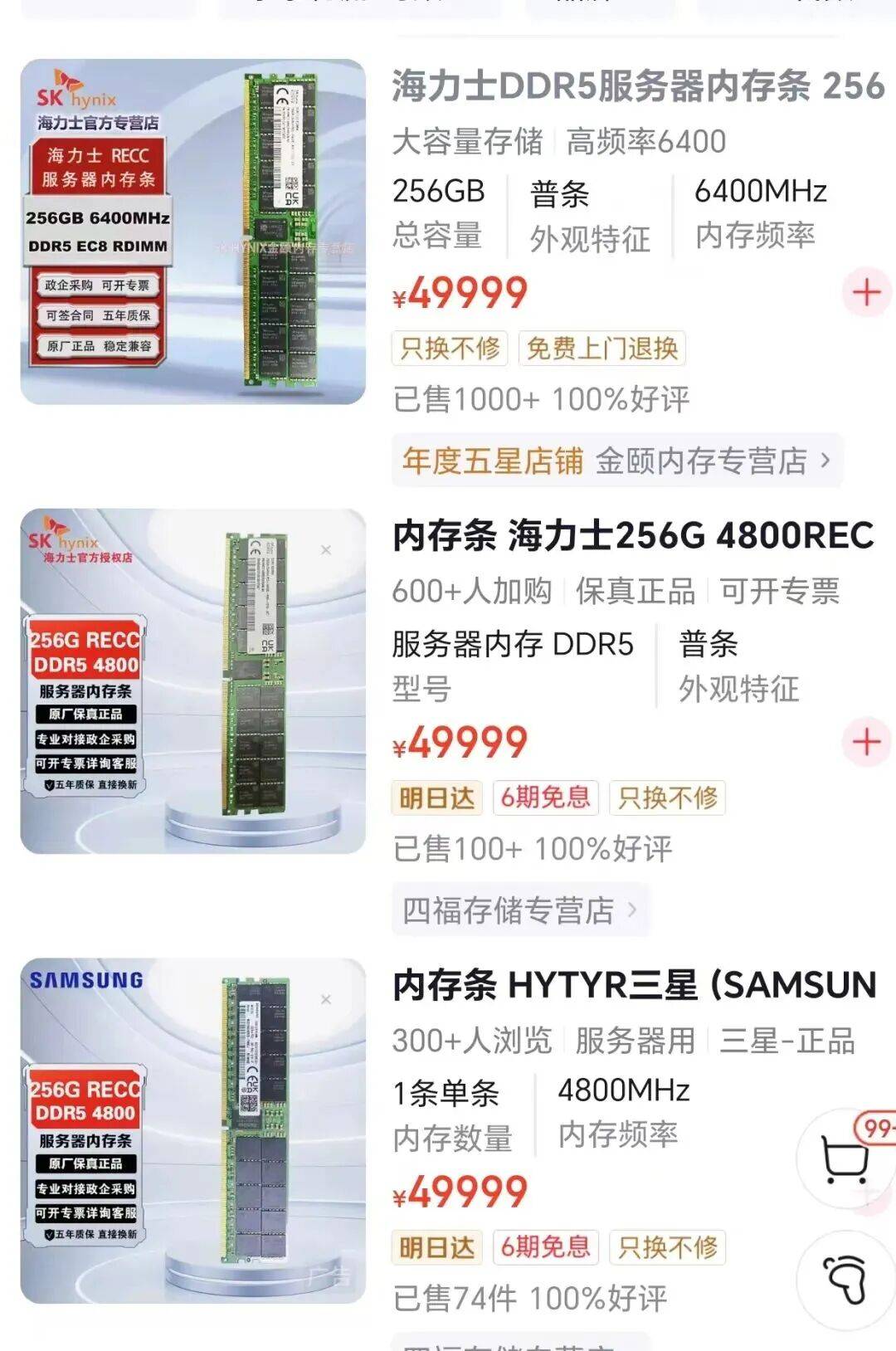
Core Insights - The global DRAM market is experiencing an unprecedented price surge, with most categories seeing price increases exceeding 100% since July 2025 [2][10] - The price of DDR4 and DDR5 memory has increased by 2-3 times within a year, and the trend is expected to accelerate into 2026 [2][10] - The price of a single 256GB DDR5 server memory module has surpassed 40,000 yuan, equating its value to that of several properties in Shanghai [2][10] Price Trends - The current market has entered a "super bull market" phase, surpassing historical highs from 2018, with forecasts indicating a 40%-50% price increase in Q4 2025 and Q1 2026, followed by a 20% increase in Q2 2026 [11][12] - Retail prices for mainstream dual-channel 2×16GB memory have risen to around 1,600 yuan, doubling from approximately 800 yuan during the 2025 618 shopping festival [11][12] Demand Drivers - The explosive growth of the AI industry in 2025 is a primary driver of the current supply-demand imbalance, with AI servers requiring 8-10 times more storage chips than standard servers [12][13] - High-end storage demand is significantly impacting the allocation of consumer-grade memory production [12] Supply Constraints - Major manufacturers like Samsung, SK Hynix, and Micron are reallocating resources towards high-margin products such as HBM and DDR5, leading to a strategic reduction in DDR4 production [13] - These companies have halted capital investments and technological advancements in DDR4, planning to significantly reduce its production share between 2025 and 2026 [13] Impact on Other Industries - The rising memory prices are expected to affect smartphone costs, with memory accounting for 10%-20% of the bill of materials (BoM) for flagship models like the iPhone 17 Pro Max [14] - Counterpoint forecasts a 2.1% decline in global smartphone shipments in 2026 due to increased storage costs, leading to potential price hikes or reduced specifications for smartphones [14]

苹果 2026 年迎战略转折:折叠屏与错峰发布能否破解营收波动与高估值困局?
美股研究社· 2026-01-08 11:27
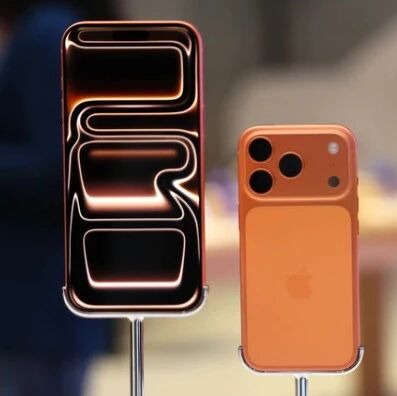
Core Viewpoint - For Apple (AAPL) shareholders, 2025 is not expected to be a fruitful year, with stock price increases of over 9% falling short compared to most industry peers. However, 2026 may mark a pivotal point in the company's history with significant changes on the horizon [1]. Product Launches - In 2026, Apple is expected to launch over ten new products across various business segments. Devices like the MacBook Pro and entry-level iPad are likely to see only routine annual or biennial hardware upgrades. The anticipated iPhone Fold, Apple's first foldable smartphone, is expected to debut in 2026, with a screen size of approximately 7.6 inches and a price tag starting at $2,000, potentially reaching $2,500 [2]. iPhone Release Strategy - A major focus for 2026 will be the timing of iPhone releases. Apple is expected to adopt a staggered release schedule, with the iPhone Pro series and the new iPhone Fold launching in the fall, while more budget-friendly models will be delayed until spring 2027. This strategy aims to smooth revenue curves and improve supply chain management [3][4][6]. Revenue Estimates - Market predictions indicate a nearly 50% revenue gap between the June and December quarters of 2026. For instance, the revenue estimate for FQ1 2026 (December 2025) is projected at $138.20 billion, reflecting an 11.18% year-over-year growth, while FQ3 2026 (June 2026) is estimated at $99.41 billion, with a 5.72% growth [7][8]. Valuation Concerns - If Apple finalizes the staggered release strategy, Wall Street may need to adjust earnings expectations. The revenue impact from the absence of entry-level iPhones in fall 2026 could be significant, with billions potentially deferred to the following year. As of the last closing, Apple's stock price corresponds to a projected P/E ratio of slightly over 31 times for 2026, representing a 14.6% premium compared to peers like Amazon, Google, Microsoft, and META [9][11]. Analyst Sentiment - Current market sentiment among analysts is generally optimistic, with 29 out of 49 analysts rating Apple as a "buy," 16 as "hold," and only 4 as "sell." While 2026 is not expected to bring major changes to most products, the introduction of the foldable iPhone and the staggered release strategy could significantly alter the product line. However, analysts maintain a "long-term hold" rating due to concerns over the company's high valuation [12][13].

最新确定!美豁免令落地 两中企遭续封!
是说芯语· 2026-01-08 11:11
当地时间1月7日,美国联邦通讯委员会(FCC)宣布豁免部分新型外国制无人机及关键零组件的进口限制,给去年12月刚出台的全面进口禁令踩了脚"刹 车"。 按照国防部的建议,这次豁免期直接延长到2026年12月31日,涵盖了Parrot、Teledyne FLIR等多家海外厂商,以及英伟达、索尼等企业的关键零部件。这 种看似矛盾的政策转向,并不是美国放弃了对中国无人机技术的打压,而是在产业现实和政治诉求之间的无奈折中,全球无人机市场中美竞争的真实局面 可见一斑。 回头看这波政策的来龙去脉,美国的打压逻辑一直绕着"国家安全"打转,但明眼人都能看出贸易保护的底色。 2025年12月,FCC以"存在不可接受的安全风险"为借口,把所有外国制无人机及关键零组件都拉进了"受管制清单", 大疆、道通智能 等中国企业直接被 划在门外,没法拿到在美国销售新型号产品的FCC许可。 FCC主席布伦丹·卡尔还特意渲染"犯罪分子、恐怖分子和敌对外国势力会把无人机技术当武器用"的风险,想给禁令找个说得过去的理由。但这一指控从 头到尾都没拿出实质证据,大疆之前也多次说明,自家产品能断网操作、数据本地存储,安全性早就过了全球多家权威机构的验证,美 ...

涨得比黄金还猛!“一盒堪比上海一套房”,业内人士:几乎一天一个价,还会涨
Sou Hu Cai Jing· 2026-01-08 11:05
Group 1 - The price of memory modules has surged significantly, with some DDR5 server memory modules exceeding 40,000 yuan each, and prices have increased by 2-3 times within the year for both DDR4 and DDR5 [1][7] - TrendForce reported a dramatic increase in the spot prices of memory chips since September 2025, with DDR5 memory prices rising by 307% and DDR4 by 158% [7] - The demand for DRAM from AI servers is 8-10 times higher than that of regular servers, consuming 53% of global monthly production capacity, leading to a shift in production focus towards server storage [10][11] Group 2 - Major memory manufacturers like Samsung, SK Hynix, and Micron are adjusting their production strategies, focusing on high-margin products like HBM and DDR5, while reducing investments in DDR4 [11] - The price increases are expected to continue throughout 2026, with significant profit growth projected for companies like Samsung and SK Hynix, with expected operating profits increasing by 253% and 224% respectively [11] - The rising memory prices are impacting various sectors, including smartphones and the automotive industry, with companies like NIO highlighting memory price increases as a major cost pressure [12]

紧抓稀缺性
Hua Xia Shi Bao· 2026-01-08 10:32
Core Viewpoint - Scarcity is defined as the limitation in obtaining resources needed by people, with a focus on time as a crucial factor in both enhancing and destroying scarcity [2][4]. Group 1: Definition of Scarcity - Scarcity in investment refers to a situation where demand for a product remains stable or grows while supply cannot keep pace, often due to a lack of adequate substitutes [2][3][4]. - The definition emphasizes limited supply and the absence of sufficient substitutes [2]. Group 2: Types of Scarcity - Geographic scarcity occurs when a product is unique to a specific location, making it irreplaceable, such as Moutai liquor, which can only be produced in Maotai Town, Guizhou [4]. - Technological scarcity is characterized by monopolistic advantages, as seen with companies like NVIDIA, which have maintained a strong market position through innovation [5][6]. - Non-renewable scarcity refers to resources that are inherently limited and diminish with use, such as indium, which has a very low natural reserve [11]. Group 3: Impact of Time on Scarcity - Scarcity is not constant and can be altered by supply factors; for example, cocoa has seen increasing scarcity due to rising demand and limited production areas [13][14]. - The cocoa market is particularly sensitive to environmental conditions, which can drastically affect supply and prices [14][15]. Group 4: Market Dynamics and Investment Implications - The investment value of certain products can fluctuate significantly over time, influenced by market conditions and consumer behavior [4][17]. - Companies must adapt to changing market dynamics, especially during periods of consumer downgrading, to maintain their competitive edge [17].




灵心巧手亮相CES 2026:高自由度灵巧手月量产千台 筑牢灵巧手产业基座
Zheng Quan Ri Bao Wang· 2026-01-08 10:22
本报讯 (记者梁傲男)当具身智能行业还在"卷"双足步态时,灵心巧手(北京)科技有限公司(以下 简称"灵心巧手")正在回答一个更为迫切的产业命题:"机器人如何真正产生价值?" 1月6日至9日,灵心巧手Linkerbot携Linker Hand全系产品及"灵心巧匠"工作台亮相CES 2026。面对具身 智能产业对于操作终端的苛刻需求,灵心巧手展示了覆盖11-42自由度的全系矩阵,囊括直驱、连杆、 腱绳全传动方案,不仅适配全场景应用,更以绝对的技术实力击碎了性能、成本与可靠性的"不可能三 角",为具身智能补齐了落地的最后一块拼图。 在人头攒动的演示现场,Linker Hand上演了"刚柔并济"的一幕:它既能完成亚毫米级的穿针引线,又能 瞬间切换模式,稳稳提起重型工业负载。 更具颠覆性的是,通过独有的"以塑代钢"材料创新(采用PEEK工程塑料)及全栈自研的微米级减速 器,Linker Hand O6在仅重370g的情况下,能实现50kg的惊人抓握负载。这一效能比达到了行业传统水 平的两倍,而售价仅为同类竞品的十分之一。 Linker Hand不仅能"提",更能"造"。本届CES上,"灵心巧匠"工作台成为焦点。该工作台 ...
涨疯了,一盒内存条堪比上海一套房!
Jin Tou Wang· 2026-01-08 09:35
Core Viewpoint - The rising cost pressure in the automotive industry is primarily driven by memory prices rather than metal raw materials, with significant price increases in memory components impacting the overall cost of smartphones, computers, and cars [1][4]. Group 1: Memory Price Increases - The price of a 265G DDR5 server memory module has reached 40,000, with a box of 100 costing 4 million, comparable to the price of a house in some areas of Shanghai [4]. - The price of 16GB DDR4 memory modules surged by 1800% last year, while DDR5 modules increased by over 500% [1][5]. - The demand for memory in AI applications is significantly higher, with a single AI server requiring 8-10 times more memory than a standard server, leading to a supply shortage [5][7]. Group 2: Impact on Consumer Electronics - The increase in memory prices is expected to lead to higher prices for smartphones and computers, with memory accounting for 10%-20% of hardware costs [4]. - Smartphone manufacturers like Xiaomi, OPPO, and others have already raised prices by 100 to 600 yuan for new models since last October due to rising costs [7]. - The global smartphone shipment volume is projected to decline by 2.1% in 2026 due to these price increases [7]. Group 3: PC Market Dynamics - Major PC manufacturers such as Dell and Lenovo are planning price increases ranging from 10% to 30% for commercial PCs [9]. - The domestic memory manufacturers like Yangtze Memory Technologies and ChangXin Memory are gaining market share due to their price advantages of 15%-20% [9]. Group 4: AI Infrastructure and Market Competition - Tech giants like Apple, Google, and Amazon are aggressively competing for memory supply, with procurement teams stationed in South Korea to secure long-term contracts [11]. - Samsung and SK Hynix are maintaining a strong stance on pricing, opting for quarterly pricing rather than long-term contracts, which has led to significant price increases [11]. - The current memory price surge is expected to persist until 2026, with predictions of price hikes of up to 70% from major manufacturers [9][11].
海信的CES答卷:从RGB引领者到AI生态构建者的全球跃迁
2 1 Shi Ji Jing Ji Bao Dao· 2026-01-08 08:28
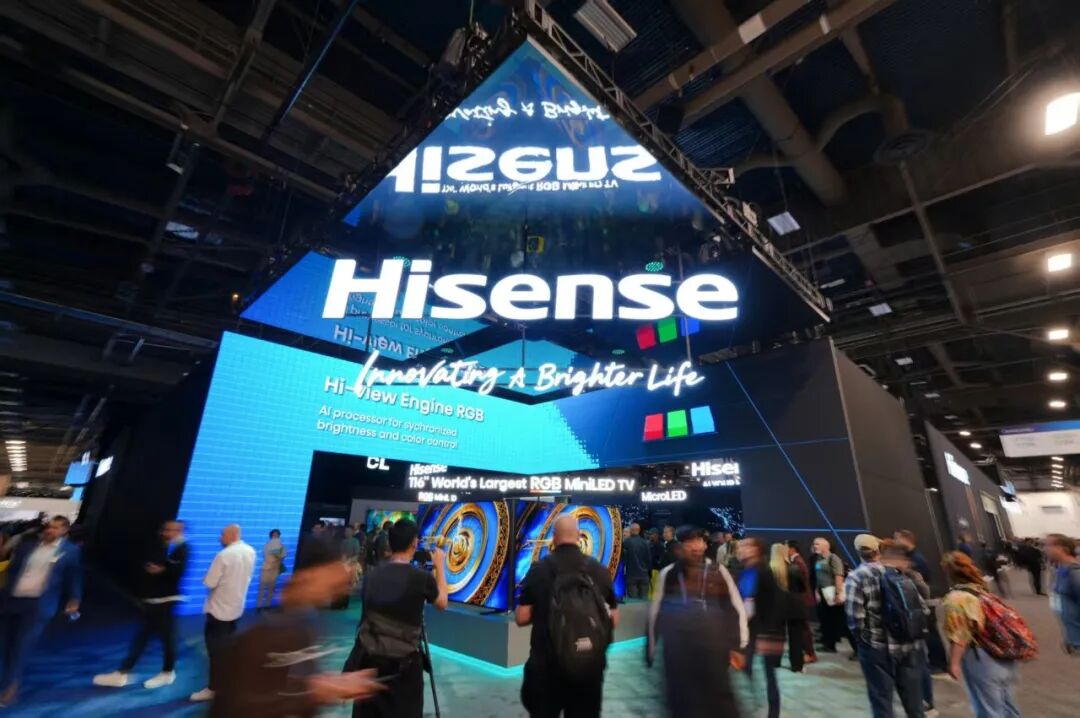
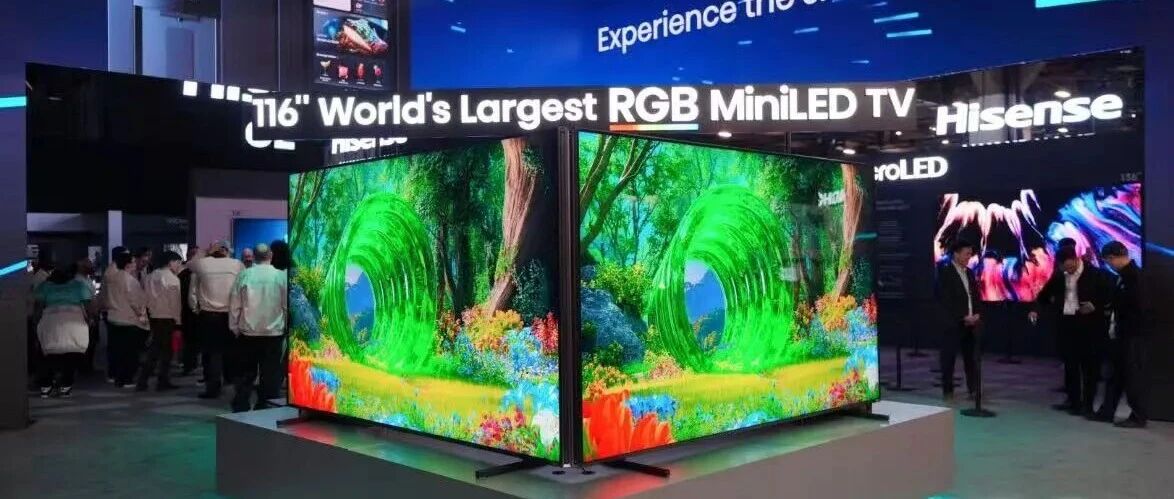
Core Viewpoint - The 2026 CES showcased intense competition in the black appliance sector, particularly with the introduction of RGB-Mini LED televisions, where Hisense maintained a leading position through innovation and strategic marketing [3][4][6]. Group 1: Product Innovation - Hisense launched the world's first RGB-Mini LED television at CES 2025, significantly improving color gamut and precision while maintaining cost efficiency [4][6]. - The new generation of Hisense RGB-Mini LED products features advanced backlighting and AI image quality chips, enhancing color range and reducing energy consumption [3][8]. - Hisense's RGB-Mini LED technology utilizes a four-color chip structure, achieving a color coverage leap from 100% BT.2020 to 110% BT.2020, with over 40,000 control zones, doubling the industry standard [9]. Group 2: Market Position and Strategy - Hisense's early entry into the RGB market has allowed it to establish a strong brand presence, with a significant market share in large-screen televisions, particularly during major sporting events [10][12]. - The company is leveraging its sponsorship of the 2026 FIFA World Cup to enhance its brand visibility and market penetration in North America and Europe [10][13]. - Hisense's strategic focus on high-end RGB products aligns with the growing demand for premium black appliances in mature markets, potentially accelerating its overseas expansion [13]. Group 3: AI and Smart Ecosystem - Hisense is integrating AI technology across its product range, enhancing user experience through features like AI motion mode and AI gaming mode, which optimize settings automatically [14][16]. - The company is developing a comprehensive AI ecosystem that connects various home appliances, improving energy efficiency and user interaction [16][17]. - Hisense's introduction of AI-powered home robots aims to address specific needs in smart home environments, enhancing the overall user experience and brand loyalty [16][17].

海信的CES答卷:从RGB引领者到AI生态构建者的全球跃迁
21世纪经济报道· 2026-01-08 08:25
Core Viewpoint - The article highlights the competitive landscape of the black appliance industry, particularly focusing on the advancements in RGB-Mini LED technology, with Hisense leading the charge in innovation and market share expansion [3][4][6]. Group 1: Industry Competition and Innovation - The 2026 CES showcased intense competition among black appliance brands, with Hisense, Samsung, Sony, and LG all presenting their RGB-Mini LED television products [3]. - Hisense has established a strong market presence by being the first to commercialize RGB-Mini LED technology, launching various screen sizes including 75, 85, 100, and 116 inches [3]. - The global RGB shipment is projected to surge to 500,000 units in 2026, marking a 25-fold increase, indicating a significant market expansion for RGB technology [6]. Group 2: Technological Advancements - Hisense's RGB-Mini LED technology improves color accuracy and display quality by replacing traditional monochrome backlighting with red, green, and blue light sources [8]. - The new Hisense products feature advanced AI capabilities, enhancing color control and display performance, with a color control precision upgrade from 108 bits to 134 bits [9]. - Hisense's proprietary AI technology supports various modes for different viewing experiences, such as AI sports mode and AI movie mode, enhancing user interaction [15]. Group 3: Marketing and Brand Positioning - Hisense's sponsorship of the 2026 FIFA World Cup is a strategic move to enhance its brand visibility in overseas markets, particularly among consumers who prefer large-screen televisions for sports viewing [10][12]. - The company has successfully linked its brand with major sporting events, creating a strong marketing presence that resonates with consumers in regions with a culture of watching sports at home [13]. - Hisense's brand positioning as a leader in RGB technology is expected to be a key factor in the competitive landscape of black appliances in 2026 [9]. Group 4: AI Integration and Smart Home Ecosystem - Hisense is building a comprehensive AI ecosystem that integrates various home appliances, enhancing the overall user experience and functionality of smart home devices [15][17]. - The introduction of AI-powered home robots and smart appliances aims to improve household efficiency and safety, addressing specific needs such as elderly care and child monitoring [17][18]. - The development of a robust AI ecosystem is anticipated to elevate Hisense's market competitiveness and brand strength in the smart home sector [18].
中邮证券:英伟达(NVDA.US)Vera Rubin重构AI存储层级 NAND有望成为通胀品
智通财经网· 2026-01-08 08:13
Core Insights - Nvidia's new AI supercomputing platform, Vera Rubin, has officially entered full production, aiming to address the "memory wall" issue by restructuring the HBM-DRAM-NAND storage architecture [1][2] - The platform features significant upgrades, including the integration of HBM4 memory, which enhances bandwidth and processing capabilities, potentially leading to improved profit margins for manufacturers [1][3] Group 1: Storage Architecture - Vera Rubin redefines the storage pyramid by introducing a new memory architecture that significantly increases the processing capacity of context memory, allowing for a fivefold increase in token processing per second [2] - The integration of BlueField-4 processors within the Vera Rubin platform is designed to manage KVCache effectively, enhancing overall system performance [5] Group 2: HBM and DRAM Upgrades - The Rubin GPU is equipped with HBM4, which has doubled the interface width compared to HBM3e, achieving a bandwidth of 22TB/s, nearly tripling that of the previous generation [3] - Vera CPU has been upgraded to LPDDR5X, providing a high bandwidth of 1.2TB/s while maintaining low power consumption, which supports efficient multi-model execution and reduces data movement costs [4] Group 3: NAND Market Outlook - The introduction of the BlueField-4 driven context memory storage platform is expected to correlate linearly with GPU quantities, indicating a potential inflationary trend in NAND prices due to rising demand from cloud service providers and AI applications [5] - The industry anticipates a double-digit percentage increase in NAND prices throughout 2026, driven by the growing needs of cloud services and AI applications [5] Group 4: Investment Recommendations - The report suggests focusing on key players in the storage supply chain, including major overseas companies like SK Hynix, Samsung, Micron, SanDisk, and Kioxia, as well as domestic firms such as Shannon Semiconductor, Demingli, Zhaoyi Innovation, Purun Co., and Tongyou Technology [6]