奔驰

Search documents
【忠阳车评】大众上汽提前续约彰显中国信心
Jing Ji Ri Bao· 2025-05-27 09:38
Group 1 - Volkswagen Group and SAIC Motor Corporation signed an agreement to extend their joint venture until 2040, making it the longest-running joint venture between a multinational corporation and a Chinese company in the automotive sector [2] - The joint venture, SAIC Volkswagen, was established in 1984 and has played a significant role in the development of China's automotive parts industry and modernization of the automotive sector [2] - The extension reflects the recognition of the achievements from 40 years of cooperation and highlights the importance of the Chinese market in the global strategies of multinational automotive companies [2] Group 2 - The European and American automotive markets have reached saturation, while China's automotive market continues to grow, maintaining its position as the world's largest automotive market since 2009 [3] - In 2022, China's automotive production and sales both exceeded 30 million units, showcasing the resilience and potential of the Chinese automotive industry [3] - The rise of electric and intelligent vehicles in China has led to unprecedented innovation, with the country becoming a global center for technological innovation in the new energy vehicle sector [3] Group 3 - Major multinational automotive companies like BMW and Mercedes-Benz are increasing their investments in the Chinese market, indicating their commitment and confidence in the future of the Chinese automotive industry [4] - BMW announced an investment of 20 billion yuan in its Shenyang production base, while Mercedes-Benz plans to invest 14 billion yuan to enhance its local product offerings [4] - The investments from these companies reflect their belief in the growth potential of the Chinese automotive market despite challenges faced by joint ventures [4] Group 4 - The Chinese automotive market is becoming increasingly competitive, with domestic brands gaining market share, particularly in the new energy vehicle segment [5] - Multinational companies are experiencing declining profits due to challenges in sales and performance in China, as the market shifts towards electric vehicles [5] - The transition to electric vehicles is a necessary but painful process for traditional automakers, emphasizing the need for collaboration with local partners to accelerate the transition [5]


蓝思科技(300433):平台型精密制造厂商 业务布局多点开花
Xin Lang Cai Jing· 2025-05-27 06:33
Core Viewpoint - The company is positioned as a one-stop precision manufacturing solution provider for smart terminals, focusing on vertical integration and horizontal expansion in the industry chain [1] Group 1: Business Development - The company has expanded its product lines by establishing subsidiaries for new materials such as ceramics and sapphire, and has entered the smartphone mid-frame processing business through acquisitions [2] - The company has initiated a smart terminal assembly project, achieving a full industry chain layout from raw material production to complete assembly, which supports revenue growth [2] Group 2: Automotive Electronics - Since 2015, the company has been deeply involved in the new energy vehicle market, establishing long-term partnerships with major manufacturers like Tesla, BMW, and BYD [3] - The company produces a variety of automotive electronic products, including vehicle-mounted glass and components, which are expected to become a significant growth driver [3] Group 3: Emerging Businesses - The company has developed core manufacturing processes for foldable screens and supplies key components to major clients [4] - A strategic partnership with Rokid for AI/XR glasses has been established, covering the entire production chain from design to assembly [4] - The company has launched smart retail terminals in collaboration with Alipay, showcasing its rapid production capabilities [4] - The company has been involved in the robotics sector since 2016, successfully delivering humanoid robots in partnership with Zhiyuan Robotics [4] Group 4: Financial Projections - Revenue projections for 2025-2027 are estimated at 92.16 billion, 113.24 billion, and 132.63 billion yuan, with year-on-year growth rates of 31.85%, 22.88%, and 17.12% respectively [5] - Net profit forecasts for the same period are 5.03 billion, 6.40 billion, and 7.57 billion yuan, with growth rates of 38.91%, 27.05%, and 18.35% [5] - Earnings per share (EPS) are projected to be 1.01, 1.28, and 1.52 yuan for 2025, 2026, and 2027 respectively [5]

车企为何集体“隐藏”门把手?
第一财经· 2025-05-27 02:18
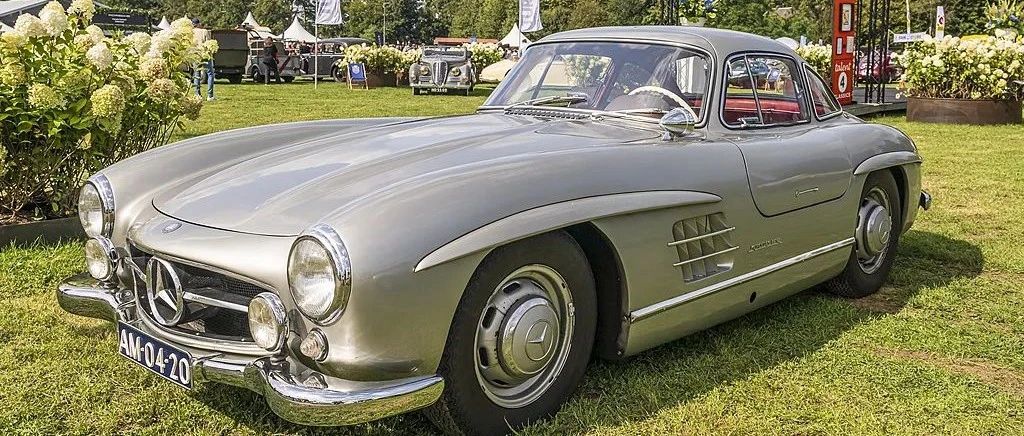
Core Viewpoint - The article discusses the recent move by the Ministry of Industry and Information Technology (MIIT) in China to solicit opinions on the mandatory national standards for automotive door handle safety, highlighting the growing importance of safety regulations in the rapidly evolving electric vehicle (EV) market [3][10]. Group 1: Historical Context and Design Evolution - The hidden door handle design is not exclusive to EVs, with its origins tracing back to the 1952 Mercedes-Benz 300SL, which featured a unique gullwing door design [4]. - Tesla adopted hidden door handles starting with its first car, the Roadster, in 2008, initially to emphasize a futuristic design and luxury positioning, but later continued this design for brand recognition in mass-market models like Model 3 and Model Y [4][5]. Group 2: Economic and Performance Benefits - Hidden door handles can reduce the drag coefficient by up to 12%, which is significant for improving energy efficiency and extending the driving range of EVs, especially as battery costs account for nearly 40% of total vehicle costs [5]. - The cost of a hidden door handle is approximately 100 yuan, while the equivalent increase in battery costs to achieve the same range improvement could be several hundred to over a thousand yuan, making hidden handles a more economical choice [5][6]. Group 3: Market Trends and Consumer Preferences - Not all EVs utilize hidden door handles; for example, BYD's lower-priced models still use traditional mechanical handles, indicating a strategic choice based on market segment and cost considerations [6][8]. - As battery technology improves, the need for minor range increases (5-10 km) becomes less critical, revealing the drawbacks of hidden handles, such as their complexity and potential durability issues [6][8]. Group 4: Safety and Regulatory Implications - The MIIT's proposed regulations aim to address safety concerns related to hidden door handles, which have been criticized for their lack of redundancy in safety features, particularly in scenarios where power is lost [9][10]. - The previous standards established in 2014 did not adequately cover the unique challenges posed by hidden door handles, necessitating updated regulations to enhance safety and reliability [9][10]. Group 5: Future Considerations - As the market for EVs matures, the novelty of hidden door handles as a distinguishing feature may diminish, prompting manufacturers to reassess their value and practicality in consumer preferences [11]. - The evolving regulatory landscape may lead to increased costs for hidden door handles, compelling manufacturers to evaluate their design choices in light of safety, cost, and consumer demand [10][11].

大额消费要慎重,中年同事花70万买车后悔不已
集思录· 2025-05-26 14:24
Core Viewpoint - The article emphasizes the importance of careful consideration before making large purchases, particularly in the context of consumer loans and the financial burden they can create [3][12]. Group 1: Personal Financial Decisions - A former colleague regrets purchasing two cars, spending a total of 700,000 yuan, which has become a financial burden due to decreased income and high depreciation rates [2]. - The colleague's current income is approximately 200,000 yuan per year, leading to increased pressure from loan repayments and impacting his investment mindset [2]. - The article suggests that large expenditures should be justified as necessities rather than for appearances, especially in a challenging economic environment [3]. Group 2: Consumer Behavior Insights - There is a trend of high-income families struggling with credit issues, indicating that financial management is not solely dependent on income levels [12]. - The article highlights a shift in consumer behavior where individuals prioritize image over financial prudence, leading to unnecessary debt [12][14]. - It discusses the notion that many people are willing to take on debt for luxury items, which can lead to long-term financial stress [3][12]. Group 3: Investment Mindset - The pressure of debt can lead to a short-term investment approach, where individuals focus on quick gains rather than long-term strategies [2]. - The article suggests that maintaining a balanced approach to spending and investing is crucial for financial health [16]. - It advocates for using investment profits for discretionary spending rather than relying on loans for large purchases [7].

宁德时代300亿投向匈牙利
起点锂电· 2025-05-26 11:12
Core Viewpoint - CATL's recent listing on the Hong Kong Stock Exchange marks a significant step in its global strategy, with a focus on expanding its production capacity in Europe, particularly through its Hungarian projects [1][2]. Group 1: Financial and Operational Highlights - CATL's stock opened at HKD 296 per share, a 12.55% increase from the issue price, leading to a market capitalization of HKD 1.43 trillion by May 26 [1]. - The company raised approximately HKD 353 billion, with 90% of the funds allocated to the construction of its Hungarian projects [1]. - The first phase of the Hungarian battery factory has seen an investment of around EUR 700 million, with expectations to complete the factory and production lines within the year [2]. Group 2: Project Details and Capacity - The Hungarian factory, with a planned total capacity of 100 GWh, is crucial for supplying battery products to major European automakers like BMW and Volkswagen [1]. - The project is divided into three phases, with the first two phases targeting a combined capacity of 72 GWh, requiring an investment of approximately EUR 4.9 billion [1]. - By 2026, CATL aims to employ around 3,000 people in Hungary, contributing to the creation of 9,000 jobs overall [5]. Group 3: Challenges and Competitive Landscape - CATL faces significant challenges in Europe, including high construction costs, regulatory hurdles, and competition from South Korean manufacturers who dominate the market [3][6]. - The construction cost for the Hungarian project is reported to be over twice that of domestic facilities in China, with environmental compliance costs exceeding EUR 1,500 per ton of battery produced [3]. - As of early 2024, CATL has achieved a market share of 38% in Europe, increasing to 43% in the first two months of 2025 [7]. Group 4: Strategic Initiatives - To address EU regulations, CATL is investing in local supply chains and forming strategic partnerships with local suppliers to enhance efficiency and reduce costs [4]. - The company is positioning itself as a "zero-carbon technology company," aiming to reshape perceptions of Chinese firms in the global market [4]. - The establishment of a local supply chain has reportedly led to a 20% reduction in raw material procurement costs and a 30% decrease in delivery times [4].


奔驰多款车打五折?记者实探:叠加补贴综合优惠超10万
Bei Ke Cai Jing· 2025-05-26 09:10
Core Viewpoint - The claim of "50% off on seven Mercedes models" is misleading, as various models are offered with significant discounts, but not to the extent of half-price sales [1][2]. Group 1: Discounts and Promotions - Multiple Mercedes models currently have varying degrees of discounts, with cash discounts and additional subsidies available, leading to substantial overall savings [1][2]. - For example, the GLA model has a cash discount of 120,000 yuan, and when combined with trade-in or scrapping subsidies, the total discount can exceed 150,000 yuan [2][3]. - Other models like the GLB and CLA also have significant discounts, with the CLA 200 series offering around 120,000 yuan in discounts, plus additional subsidies [2][3]. Group 2: Market Trends - The trend of increasing discounts is not limited to Mercedes; other luxury brands like BMW and Audi are also offering substantial promotions, with discounts reaching up to 180,000 yuan on certain models [4][5]. - The luxury car market is experiencing pressure on sales, with Mercedes' delivery volume down 7% year-on-year in Q1, and similar declines observed for BMW and Audi [5]. - The rise of new energy vehicles is contributing to the increased promotional efforts for traditional luxury fuel vehicles, as they face competition from emerging luxury brands [6].
小城车市洞察报告:资本下沉与人口回流正提振小城车市(2025版)2025
易车· 2025-05-26 06:45
Investment Rating - The report indicates a positive outlook for the small city car market, highlighting a resurgence in sales and market share [3][6][12]. Core Insights - The small city car market in China is experiencing a rapid resurgence from 2023 to 2024, with sales approaching 10 million units and a market share rebounding to 44.66% in Q1 2025 [6][15]. - The resurgence is attributed to a combination of government stimulus policies and a potential return of young labor to small cities, which could reshape the market dynamics [12][51]. - Major brands like Geely and BYD are expected to compete fiercely in the small city market, with their sales heavily reliant on this segment [6][71]. Summary by Sections Market Dynamics - The small city car market has seen a rollercoaster trajectory over the past two decades, with sales rising from under 2 million units in 2007 to nearly 12 million units by 2017, before declining sharply after 2018 [6][15]. - The market share of small cities grew from under 40% to nearly 50% during its peak, but fell back to just over 40% by 2022 [6][55]. Government Policies - A series of government policies from 2022 to 2025, including purchase subsidies and tax reductions, have significantly stimulated demand in the small city car market [15][25]. - The average income of car-buying families in small cities is lower than in larger cities, making them more sensitive to price changes and government incentives [15][18]. Consumer Trends - The demographic profile of car buyers in small cities is shifting, with an increasing proportion of middle-aged and elderly consumers, while the youth segment remains uncertain due to potential out-migration [51][59]. - The middle-aged demographic is becoming the primary consumer group, with their purchasing power and preferences driving market trends [59][64]. Competitive Landscape - BYD has emerged as a leading brand in the small city market, with a market share of 16.43% in 2024, surpassing traditional competitors like Volkswagen [71]. - Geely is also positioning itself to challenge BYD's dominance with new product launches aimed at the small city consumer base [71][72]. Future Outlook - The small city car market is expected to continue evolving, with a focus on more diverse and higher-quality vehicle offerings to meet the changing preferences of consumers [66][71]. - The competition is likely to intensify as brands adapt their strategies to capture the growing middle-aged consumer segment while addressing the needs of returning youth and elderly populations [71][72].


德尔股份(300473) - 德尔股份投资者关系管理信息20250523
2025-05-26 01:10
Group 1: Company Overview - Del Automotive Parts Co., Ltd. is a global automotive parts supplier focusing on NVH, thermal insulation, lightweight products, electric pumps, motors, and automotive electronics [1] - Approximately 70% of the company's revenue comes from its wholly-owned subsidiary, KakuSi, which has over 20 years of experience in the automotive parts industry [1][2] Group 2: Product Development and Innovation - KakuSi has established a New Energy Vehicle (NEV) division to develop products like battery flame retardant covers and electromagnetic shielding for battery packs, successfully supplying well-known OEMs [2] - The company has been advancing solid-state battery technology since 2018, achieving significant milestones including passing third-party safety tests and obtaining a national invention patent in 2024 [3][4] Group 3: Market Position and Competitive Advantage - KakuSi's solid-state batteries are characterized by high safety and stability, with a simple manufacturing process that reduces production costs [4] - The company has a global production and R&D base, allowing it to respond quickly to customer needs and maintain high-quality standards [9] Group 4: Financial Performance - The company's financial reports for 2024 and Q1 2025 indicate continuous improvement, driven by enhanced operational efficiency and rapid revenue growth in the NEV sector [8] - KakuSi's products, particularly in thermal insulation, noise reduction, and lightweight categories, account for nearly 70% of the company's total revenue [8] Group 5: Future Growth Strategies - KakuSi aims to optimize its product structure in line with the electric vehicle trend and has already developed several products for NEVs, including battery protection solutions [10][11] - The company is well-positioned to meet the overseas market demands of leading domestic automakers due to its existing production capabilities in the U.S., Mexico, and Europe [11] Group 6: Product Specifics - The liquid retarder developed by the company can handle 80% of a vehicle's braking needs, enhancing safety and reducing brake system wear [12] - The liquid retarder product has gained recognition from first-line commercial vehicle customers, with production volumes increasing compared to the previous year [12]

2025第二十三届华中国际车展亮点多多
Zhong Guo Jing Ji Wang· 2025-05-25 23:52
Core Insights - The 2025 23rd Huazhong International Auto Show showcased over 30 new models and more than 10 innovative technologies, highlighting the vibrant development of the automotive industry [2][4] - Over 60% of the exhibitors were from the new energy sector, indicating a significant shift towards electric and smart vehicles [1][4] Group 1: Event Overview - The auto show took place at Wuhan International Expo Center, covering nearly 80,000 square meters with around 400 exhibitors and nearly 1,000 vehicles on display [1] - Mainstream automotive brands had a participation rate exceeding 98%, with over 99% of manufacturers using dedicated exhibition facilities [1] Group 2: Industry Trends - The event emphasized the trend of "smart driving," with over 30 new energy brands participating, pushing China's smart driving technology to a new level [4] - Major automotive companies like BYD showcased advanced driving assistance systems, demonstrating the practical applications of smart driving technology [4] Group 3: Consumer Engagement - The auto show featured promotional activities such as a chance to win a car and gold prizes, significantly boosting consumer interest and participation [6] - The event also included substantial subsidies for old car scrapping and vehicle replacement, further stimulating consumer spending [6] Group 4: Cultural and Cross-Industry Initiatives - A special exhibition titled "Old Cars Never Die" featured classic vehicles, creating a nostalgic experience for attendees [7] - The auto show collaborated with home appliance brands to create a lifestyle festival, enhancing the overall consumer experience [7]
等了4天没有邀请函,特朗普又准备对中国加税,不料G6不跟美国了
Sou Hu Cai Jing· 2025-05-25 18:28
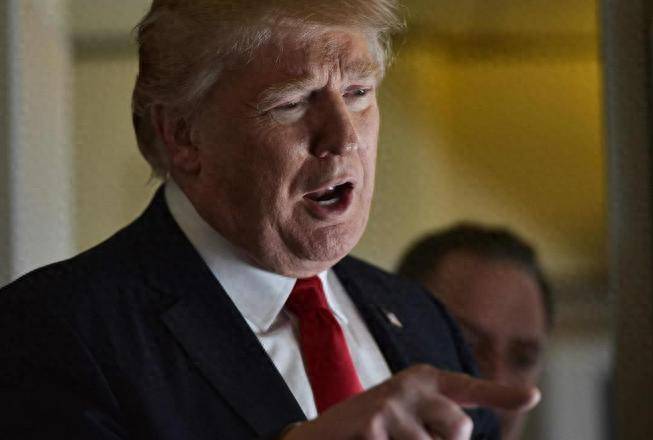
Group 1 - The article highlights Trump's intention to impose additional tariffs on China, specifically a 100% tariff on Chinese cranes, indicating a potential escalation in the trade conflict between the US and China [1] - The G7 finance ministers' meeting revealed a strong stance from other member countries, who expressed their unwillingness to follow the US in applying economic pressure on China, signaling a lack of support for Trump's policies [3] - Germany's new foreign minister emphasized the importance of maintaining a cooperative relationship with China, despite the current German government's hardline stance, indicating a complex dynamic in US-China relations [5] Group 2 - Analysts suggest that Trump's approach of "fighting while negotiating" aims to strengthen his bargaining position in future discussions with China, reflecting his persistent "hegemonic" attitude [7] - The refusal of US allies to comply with Trump's demands for a coordinated "containment" strategy against China illustrates the challenges the US faces in rallying support for its trade policies [9] - Trump's recent requests for US retailers to absorb tariff costs rather than passing them on to consumers indicate an awareness of the negative economic implications of his trade policies, further complicating the situation [9]