卫龙

Search documents
原材料被吃到涨价,卫龙、蜜雪冰城供应商「一致魔芋」火了
36氪· 2025-05-19 13:44
Core Viewpoint - The article highlights the significant growth of the konjac industry in China, particularly focusing on the company "Yizhi Konjac," which has seen substantial revenue and profit increases due to rising consumer demand for konjac products [2][5][11]. Group 1: Company Performance - Yizhi Konjac reported a total revenue of 615.20 million yuan in 2024, a year-on-year increase of 28.76%, and a net profit of 86.72 million yuan, up 64.41% from the previous year [9][58]. - In Q1 2025, the company achieved a total revenue of 152 million yuan, reflecting a 35.03% year-on-year growth, with a net profit of 22.70 million yuan, up 36.95% [8][11]. - The main revenue sources for Yizhi Konjac in 2024 were konjac powder (70.34% of total revenue) and konjac food products (27.83%) [23][43]. Group 2: Market Trends - The konjac market has seen a shift from primarily export to domestic consumption, with the domestic market absorbing most of the konjac production [29][30]. - The konjac snack segment, particularly products like "konjac jelly," has become the largest part of the konjac consumption market, with a projected market size of 269 billion yuan in 2024 [39][38]. - Major snack brands like Weiduo and Salted Fish have significantly increased their konjac product offerings, contributing to the overall market growth [35][36]. Group 3: Industry Dynamics - The konjac industry is characterized by a strong connection between producers and downstream markets, with Yizhi Konjac acting as a bridge between farmers and consumers [27]. - The company has established partnerships with local cooperatives to ensure a steady supply of fresh konjac, addressing the concerns of farmers regarding market demand [27][59]. - The price of konjac has fluctuated significantly over the past decade, with recent increases attributed to supply-demand imbalances and adverse weather conditions affecting production [56][55]. Group 4: Future Outlook - Yizhi Konjac plans to expand its production capacity and product lines, including a focus on supplying large chain restaurants with konjac ingredients [49][48]. - The company is also investing in technological upgrades and capacity expansion to meet the growing demand for konjac products [46][45]. - Despite the positive growth trajectory, the konjac industry faces challenges such as raw material price volatility and increasing market competition [60].

异动盘点0519|布鲁可、卫龙、蜜雪大涨;光伏走低、物流股拉升;周五QUBT涨超39%,CRWV涨超22%
贝塔投资智库· 2025-05-19 04:17
Group 1: Hong Kong Stock Market Highlights - Midea Group opened up 2% against the market trend after being included in the Hang Seng Index [1] - Yuan Da Pharmaceutical opened over 3% higher, with its first "zero radiation" nuclear medicine factory set to commence production in June [1] - Bruker surged over 6% after being added to the Hang Seng Composite Index, with institutions stating it meets the criteria for inclusion in the Hong Kong Stock Connect [1] - Xuanwu Cloud rose over 22% following a strategic partnership with Tencent Cloud, focusing on AI-driven retail and cloud communication growth [1] - Mixue gained over 5% after being included in the Hang Seng Composite Index, with expectations of being added to the Hong Kong Stock Connect next month [1] - Konnate Optical increased nearly 3% as it plans to invest $4 million in establishing a resin lens production line in Japan [1] - Solar stocks declined, with Q1 solar product exports dropping over 30%, indicating potential pressure on the industry chain [1] - Weilang Delicious rose over 5% after completing a placement that raised over HKD 1.1 billion, with CICC noting the scale of the placement is relatively controllable [1] - Logistics stocks continued to rise, with notable increases in shares of Guangdong-Hong Kong-Macau Holdings, Guangdong Transportation, Kerry Logistics, and ZTO Express [1] Group 2: US Stock Market Highlights - Pony.ai surged nearly 14%, with expectations of achieving positive gross margins for complete vehicles this year [2] - Walmart increased nearly 2% as the company plans to raise prices on certain products in the US [2] - QUBT rose over 39% after turning profitable in Q1 [2] - CoreWeave jumped over 22%, with NVIDIA holding a 7% stake [2] - Bilibili increased over 2%, with Goldman Sachs projecting a 71% year-on-year growth in gaming revenue for Q1 [2] - Hesai Technologies rose over 6% at one point, closing nearly 2% higher amid rumors of a secret application for a Hong Kong listing [2] - Novo Nordisk fell nearly 3% following the announcement of the CEO's departure [2] - Applied Materials (AMAT) dropped over 5% as Q2 revenue fell short of expectations, with a bleak outlook for Q3 [2]

8点1氪:拜登确诊癌症,癌细胞已扩散至骨骼;纪委监委回应黄杨钿甜230万元耳环事件;小米集团总裁称雷军正闭关准备发布会
36氪· 2025-05-18 23:52
Group 1 - Former President Biden has been diagnosed with malignant prostate cancer, with cancer cells having spread to the bones. The cancer is described as aggressive but hormone-sensitive, allowing for effective treatment options [1][2] - Trump expressed his condolences and well wishes for Biden's recovery on his social media platform [2] Group 2 - A donation of 100 million yuan was made anonymously to Fudan University to support the development of its philosophy discipline [4] - The donation is part of a previously established fund aimed at enhancing academic construction and talent cultivation in the philosophy department [4] Group 3 - The domestic oil price is expected to decrease for the fifth time this year, with predictions of a reduction of approximately 230 yuan per ton, bringing the price of 92-octane gasoline back to around 6 yuan per liter [5] - The adjustment is based on the weighted average price of international crude oil over the past ten working days [5] Group 4 - The cryptocurrency market experienced a significant downturn, with Bitcoin dropping over 1% and Ethereum falling nearly 5%, leading to over 100,000 liquidations totaling more than 200 million USD [6] - The rise in cryptocurrency prices has been linked to an increase in related criminal activities, including kidnappings targeting wealthy crypto holders [6] Group 5 - The price of gold in Shenzhen has dropped to 756 yuan per gram, reflecting a decline of over 4% due to falling international gold prices [7] - Some consumers are taking advantage of the lower prices to purchase gold or sell their existing gold jewelry [7] Group 6 - Walmart announced plans to raise prices on certain products in the U.S., joining a growing number of companies increasing prices due to tariffs [10] - Reports indicate significant price increases for various consumer goods, including a 43% rise in Barbie dolls and an increase of around 80 USD for some Whirlpool washing machines [10] Group 7 - The Ministry of Industry and Information Technology of China is accelerating the development of 5G-A and 6G technologies, focusing on high-quality development and digital transformation [10] - The initiative aims to enhance service capabilities and bridge the digital divide while promoting a modern industrial system [10] Group 8 - The first clinical and translational ward for brain-computer interface technology has been established in China, aimed at providing innovative treatments for patients with neurological disorders [9] - This initiative represents a significant advancement in applying brain-computer interface technology in clinical settings [9]



中金:市场走到哪一步了?
中金点睛· 2025-05-18 23:35
点击小程序查看报告原文 5月12日中美双方发布《中美日内瓦经贸会谈联合声明》,关税下调幅度超预期( 《中美关税"降级"的资产 含义》 ),情绪提振带动港股市场整体反弹。不过,随着利好情绪逐步消化,港股市场在周一恒指大涨 2.98%后四个交易日重回震荡。 全周来看,恒生指数上涨2.1%,MSCI中国、恒生科技与恒生国企分别上涨2.3%、2.0%与1.9%。行业层面, 媒体和娱乐(+4.1%)、银行(+3.5%)、运输(+2.9%)等多数板块上涨,医疗保健(-0.1%)板块则逆势 下跌。 资料来源:FactSet,中金公司研究部 市场走到哪一步了?情绪已修复至去年10月高点 此次关税调降对中美市场情绪和基本面起到明显缓和作用,市场情绪迅速修复。从关税超预期抬升,到关税 超预期调降,市场涨跌始终受情绪主导。例如,本周恒生指数上涨2.1%,风险溢价回落贡献2.3%是绝对主 导。对比之下,盈利小幅贡献0.5%,无风险利率走高反而拖累。 当前情绪已基本修复, 恒生指数的风险溢价降至6.1%,甚至低于"对等关税"前的6.4%,这一水平已经与去 年10月市场高点对应的水平相当。 实际上,在关税降级之前,市场已经基本修复了"对 ...

压力山大的年轻人,在一碗辣条拌面上获得情绪解放
36氪· 2025-05-18 10:56
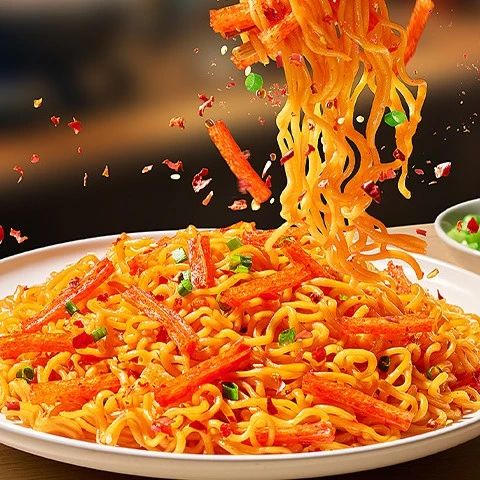
Core Viewpoint - The collaboration between domestic brands Bai Xiang and Wei Long to launch spicy noodle snacks has captured the attention of young consumers, reflecting a shift in consumption patterns towards emotional and symbolic values rather than just functional benefits [1][3][18]. Group 1: Consumer Trends - The transition from a production-oriented society to a consumption-oriented one has led to a focus on the symbolic value of products, with nearly 30% of young consumers willing to spend for emotional healing [2][3]. - The rise of "spicy" as a cultural consumption symbol among young people is evident, with 61.4% of consumers aged 18-30 being the main force in hot pot consumption [6][11]. - The emotional experience of consuming spicy food is linked to the release of neurotransmitters that provide a sense of pleasure, making it a form of emotional therapy for stressed young individuals [11][12]. Group 2: Product Insights - The spicy noodle snack combines elements of spicy noodles, sauces, and snacks, offering a unique taste experience that appeals to young consumers' desire for both flavor and emotional release [17][18]. - The product's versatility allows it to fit into various eating occasions, from meals to snacks, making it a convenient choice for young consumers [17][18]. - Bai Xiang and Wei Long's collaboration is not just a product mix but a deep understanding of young consumers' emotional and social needs [18][30]. Group 3: Brand Strategy - Bai Xiang has successfully maintained its relevance by continuously adapting to the preferences of young consumers, as seen in its innovative product launches and marketing strategies [22][30]. - The brand has engaged in interactive marketing, such as social media campaigns and collaborations with popular culture, to resonate with the younger demographic [24][27]. - Bai Xiang's sub-brand, Da La Jiao, focuses on spicy products and has been pivotal in attracting young consumers through innovative offerings and effective communication strategies [24][30].
周观点:积极求变,开拓新章-20250518
GOLDEN SUN SECURITIES· 2025-05-18 06:05
Investment Rating - The report maintains an "Increase" rating for the food and beverage industry, indicating a positive outlook for the sector [4]. Core Insights - The report emphasizes the need for companies to strengthen their internal capabilities while actively seeking new growth avenues. It highlights three main investment themes in the liquor segment: leading brands, sustained dividends, and recovery beneficiaries [1]. - In the consumer goods sector, the focus is on identifying high-growth and strong recovery opportunities, with specific companies recommended for investment based on their growth potential and market positioning [1]. - The report notes that companies are actively exploring new growth curves while maintaining their operational advantages, reflecting a proactive approach to market changes [1]. Summary by Relevant Sections Liquor Segment - Leading brands such as Kweichow Moutai, Wuliangye, and Shanxi Fenjiu are expected to continue gaining market share. Companies like Yingjia Gongjiu and Jiansu's Jinshiyuan are highlighted for their high certainty in regional markets [1]. - Beneficiaries of recovery and increased risk appetite include Luzhou Laojiao, Shui Jing Fang, and others, indicating a diversified investment strategy [1]. Consumer Goods Segment - Companies like Salted Fish and Three Squirrels are identified for their high growth potential, while others like Qingdao Beer and Yili are expected to benefit from policy support and recovery improvements [1]. - The report mentions that major companies are launching new products to capture market trends, such as Unification Enterprises' new beverage flavors and Hai Tian's expansion into overseas markets [2][3]. Company-Specific Developments - Zhou Hei Ya is focusing on enhancing store efficiency and exploring new channels, including overseas markets, to create new growth opportunities [3]. - Hengshun Vinegar is strengthening brand marketing and expanding distribution channels, indicating a strategic approach to market penetration [3]. - Gu Yue Long Shan is expected to leverage brand value for price increases and innovate with new product lines, aligning with health trends [6].
河南,为什么盛产“中式霸总”?
凤凰网财经· 2025-05-17 13:34
Core Viewpoint - The article discusses the rise of "Henan bosses," particularly focusing on the management styles of two prominent figures, Cui Peijun and Yu Donglai, who emphasize generosity and employee welfare as key components of their business strategies [3][5][9]. Group 1: Management Styles - Cui Peijun, chairman of Henan Mining Crane Company, is known for his unconventional approach of distributing cash rewards to employees during company events, exemplifying a hands-on and generous management style [3][15]. - Yu Donglai, the owner of Pang Donglai, promotes a philosophy of sharing profits with employees, suggesting that over 50% of profits should be distributed monthly to enhance employee motivation [5][22]. - Both bosses prioritize tangible rewards over abstract promises, focusing on immediate benefits for employees rather than future stock options or vague incentives [11][12][14]. Group 2: Employee Welfare - Employees at Pang Donglai enjoy extensive benefits, including 150 to 180 days of leave per year, with specific days allocated for emotional well-being [20]. - The average salaries at Pang Donglai are significantly higher than industry standards, reflecting the company's commitment to employee welfare [21]. - Cui Peijun also engages in various acts of kindness, such as providing free travel for employees' parents and spontaneous cash bonuses [19][16]. Group 3: Business Philosophy - The article highlights a shift in consumer preferences towards value and practicality, aligning with the straightforward business philosophies of Henan entrepreneurs [45][47]. - Henan's businesses, such as Mixue Ice City and White Elephant Instant Noodles, thrive on a model that emphasizes cost-effectiveness and direct engagement with consumers [29][50]. - The cautious and practical approach of Henan bosses, who often avoid high-risk capital ventures, has allowed them to maintain stable cash flows and build resilient businesses [34][68]. Group 4: Market Position - The emergence of Henan-based companies in the market is attributed to their ability to adapt to changing consumer demands for affordability and quality [44][46]. - The article notes that despite lacking the scale of coastal economic regions, Henan's robust food supply chain supports its businesses in maintaining competitive pricing [48][52]. - The success of these companies in the current market environment suggests a potential shift in the business landscape, favoring those with solid fundamentals over those relying on speculative growth [69].

Unfold Quality Growth with Global F&B Brands at FBIF2025
FBIF食品饮料创新· 2025-05-16 00:23
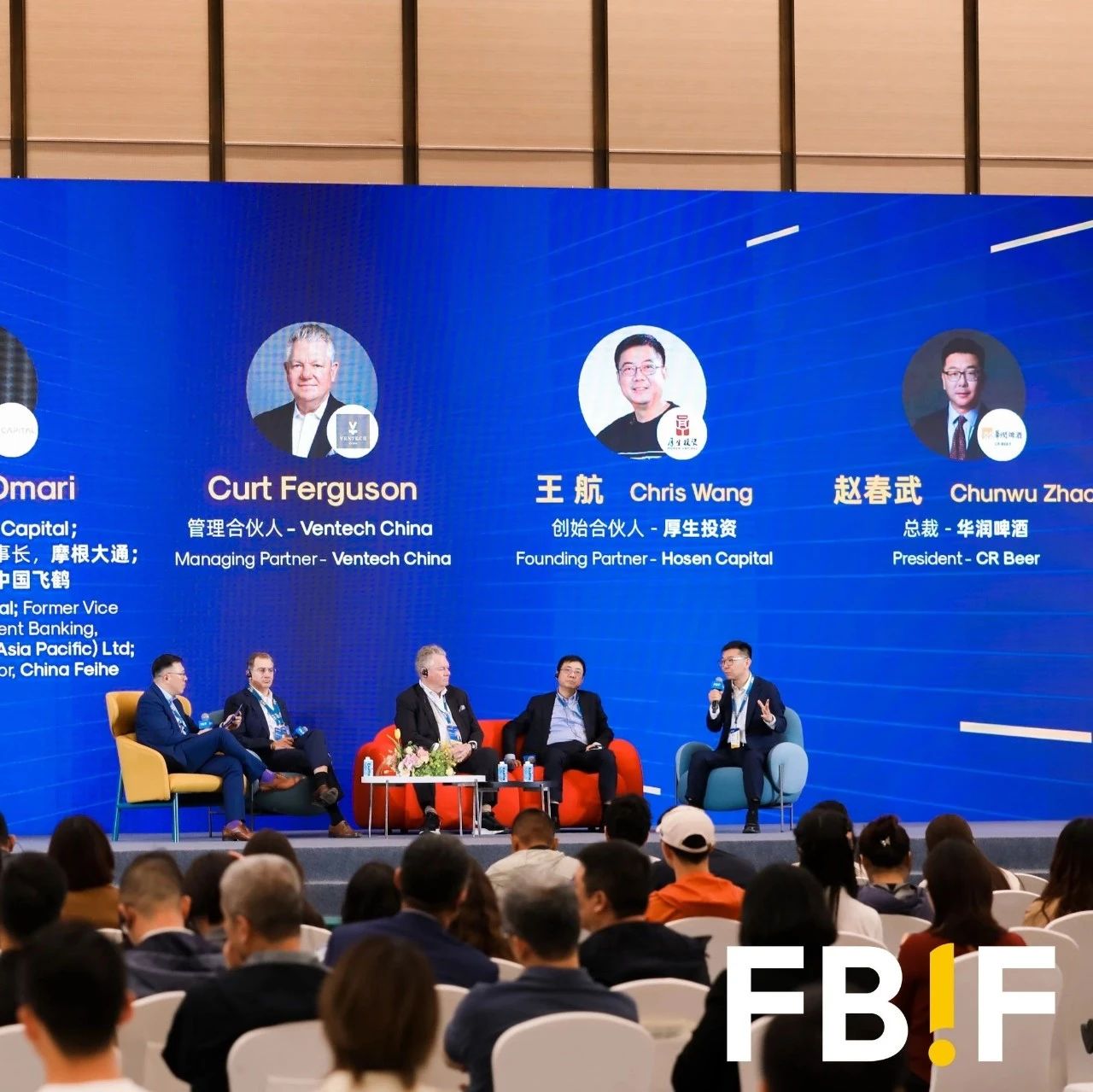
Core Insights - The theme of FBIF2025, "Nurture the Present, Venture Forward," addresses the need for companies in the food and beverage industry to maintain a solid foundation while exploring new growth opportunities amid market challenges [3][12][21] - The industry is transitioning from "high-speed growth" to "high-quality growth," requiring a balance between defensive and offensive strategies [6][7] Group 1: Current Market Challenges - Companies face rising supply chain costs, fragmented channels, and evolving retail models, necessitating refined operations and strategic resilience [3][4] - The consumer market is experiencing shifts, with trends such as the single-person economy and the silver economy injecting new vitality [16][17] Group 2: Growth Strategies - Companies must focus on maintaining core business resilience while being bold in exploring new markets and technologies [4][5] - The food and beverage industry is undergoing deep restructuring, with a rational pursuit of cost-effectiveness and value-for-money [15] Group 3: Insights from Industry Leaders - Executives from major companies like McDonald's China, Yili Group, and PepsiCo shared insights on growth, AI, digitalization, and supply chain management [8][9] - PepsiCo's strategy emphasizes long-termism, seizing emerging opportunities, human-centric differentiation, and enhancing organizational capability [22][24][28][29] Group 4: Technological Integration - AI is seen as a critical component for companies to navigate market cycles and enhance operational efficiency [20][34] - The integration of AI into retail is reshaping productivity and driving systemic transformation in business models [34][37] Group 5: International Expansion - Eastroc Beverage's international expansion strategy focuses on long-term planning, local market adaptation, and exploring various business models [70][73] - Yili Group emphasizes building a global resource network and engaging in partnerships to enhance its international presence [80][81] Group 6: M&A Strategies - The panel discussion highlighted the importance of talent integration and cultural compatibility in successful mergers and acquisitions [89][91] - Chinese companies are shifting their globalization strategies from exporting products to exporting capital, focusing on stability and gradual integration [90][96]
“剑走偏锋”,中国零食卷去东南亚
FBIF食品饮料创新· 2025-05-16 00:23
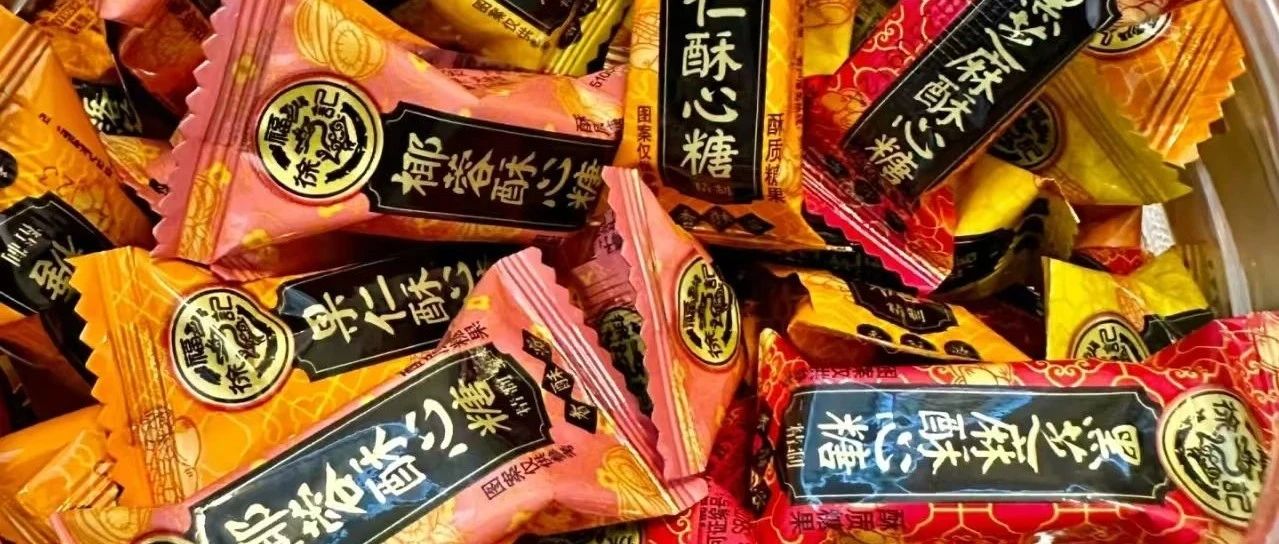
Core Viewpoint - The article discusses the increasing trend of Chinese snack brands, represented by Wangwang, expanding into Southeast Asian markets due to the competitive domestic market. The region is seen as a promising opportunity for growth, with a focus on localizing products and distribution channels to cater to consumer preferences [1][2][7]. Group 1: Market Expansion - Wangwang invested RMB 138 million in a business jet to facilitate more frequent travel to overseas markets, highlighting its commitment to international expansion [1]. - In the fiscal year 2023, Wangwang's overseas business grew by double digits, with revenue from the rice snack category reaching RMB 5.977 billion, accounting for approximately 20% of total revenue [1]. - Other Chinese snack brands like Qiaqia, Jinzhai, and Panpan have also established a presence in Southeast Asia, with Qiaqia's Thailand subsidiary contributing RMB 400 million in revenue in 2023 [4][5]. Group 2: Market Characteristics - The Southeast Asian snack market is projected to reach USD 13.1 billion by 2029, with a compound annual growth rate (CAGR) of 10.60% [5]. - Different countries in Southeast Asia exhibit unique market characteristics; for instance, Thailand's snack market was valued at THB 105.2 billion (approximately USD 3.04 billion) in 2023, with a CAGR of 7.16% expected until 2028 [12]. - The Thai health snack market was valued at THB 28.3 billion (approximately USD 850 million) in 2023, showing a growth rate of 11.3% [12]. Group 3: Entry Strategies - Chinese snack brands are adopting varied entry strategies based on market maturity; brands like Xu Fu Ji and Three Squirrels are entering mature markets like Thailand and Singapore, while others like Ganyuan are targeting emerging markets like Vietnam and Indonesia [13]. - The choice of product categories is also strategic, with brands introducing unique offerings such as spicy strips and konjac snacks, which are relatively unfamiliar to local consumers [13][15]. Group 4: Distribution Channels - The article emphasizes the importance of distribution channels, noting that traditional retail channels, such as community stores, play a significant role in Indonesia, where 80% of consumption occurs outside modern retail [25]. - Successful brands like Aice have thrived by innovating their distribution strategies, focusing on community stores rather than competing directly with established international brands in modern retail [20]. - The dominance of convenience stores like 7-Eleven in Thailand and Indomaret in Indonesia highlights the need for brands to navigate local retail landscapes effectively [24][26]. Group 5: Compliance and Localization - Compliance with local regulations is crucial for market entry, with Thailand requiring FDA certification and Indonesia mandating BPOM certification for food products [38]. - Localization of products is also essential, with brands adapting flavors and ingredients to meet local tastes, such as Xu Fu Ji's durian-flavored candies and Qiaqia's coconut-flavored seeds [39][40]. - Establishing local supply chains is necessary for reducing production and transportation costs, as seen with brands like Salted Fish, which has set up multiple processing facilities in Southeast Asia [40].
吃出百亿级大市场 魔芋晋升零食圈“顶流”
Zheng Quan Shi Bao· 2025-05-15 17:41
Core Insights - The konjac industry is rapidly growing, establishing a commercial empire valued at over 10 billion yuan, driven by increasing consumer demand for low-calorie, high-fiber foods [1][2] Industry Overview - Konjac is recognized as an ideal weight-loss food due to its low calorie content (approximately 7 kcal per 100 grams) and high dietary fiber (74.4% in konjac flour), which promotes satiety and aids digestion [2] - The market for konjac products is projected to reach 26.9 billion yuan in 2024, with the konjac snack segment alone estimated at 18.3 billion yuan [4] Company Performance - Wei Long's konjac products generated revenue of 3.371 billion yuan in 2024, a 59.1% increase year-on-year, making up 53.79% of total revenue [3] - Salted Fish's total revenue for 2024 was 5.304 billion yuan, with konjac snacks contributing 838 million yuan (15.81%) and konjac jelly pudding 301 million yuan (5.68%), showing significant growth rates of 76.09% and 39.1% respectively [3] - Yizhi Konjac reported a revenue of 617 million yuan in 2024, up 28.76%, with net profit increasing by 64.41% due to rising sales of konjac flour and related products [3] Market Trends - The demand for konjac products is driving up raw material prices, with fresh konjac prices rising from approximately 4 yuan/kg to 7.2 yuan/kg (an increase of about 80%) between May and October 2024 [5] - The konjac snack market is still in its early growth phase, with potential for 1 to 2 times market expansion in the future [4] Stock Performance - The strong market performance of konjac products has led to significant stock price increases for related companies, with Yizhi Konjac's stock rising over 654% and Wei Long's stock increasing by over 180% since the second half of 2024 [6] - Companies are focusing on product innovation and expanding their konjac product lines to meet growing consumer demand [6]