欧莱雅

Search documents
解码美妆新质生产力:头部品牌的智造实践与研发深耕
艾瑞咨询· 2026-01-04 05:31
Core Viewpoint - The Chinese cosmetics industry is projected to reach a market size of 1.1 trillion yuan, with domestic brands surpassing international brands in market share and consumer preference [1][2]. Group 1: High-Quality Development and New Productive Forces - The domestic cosmetics market retail sales are expected to reach 470 billion yuan by 2025, indicating a significant growth trajectory for the industry [2]. - New productive forces are essential for the high-quality development of the cosmetics industry, transitioning from traditional manufacturing to intelligent and lean production [4]. - New productive forces enhance production efficiency and product consistency through automation and intelligent equipment, addressing quality control challenges [4]. Group 2: Intelligent Manufacturing Practices of Domestic Brands - The past decade has seen a shift in the cosmetics manufacturing industry from experience-driven to data-driven processes, evolving through three stages: semi-automated, automated, and now data-driven intelligent stages [6]. - Leading brands like Han Shu and Pechoin have made significant investments in intelligent manufacturing, achieving production capacity increases and improved quality control [8][10]. - Domestic brands have made historical advancements in intelligent manufacturing, with automation rates rising from approximately 40% to levels comparable to international brands [10]. Group 3: R&D Innovation and Cost Management - R&D expenditure rates vary across different categories, with skincare products averaging 1.5%-5% and medical beauty products at 2%-5%, reflecting a focus on compliance and clinical data [21][23]. - Domestic brands like Han Shu and Pechoin have R&D personnel ratios comparable to international leaders, indicating strong R&D capabilities [24]. - The production cost rates for various product categories range from 15% to 30%, with domestic brands leveraging self-researched technologies and integrated supply chains to maintain competitive pricing [27][28]. Group 4: International Competitiveness of Domestic Brands - Domestic brands have achieved significant breakthroughs in the cosmetics sector, enhancing core competitiveness through new productive forces [31]. - Intelligent manufacturing has enabled micro-level quality control, establishing trust in product quality [33]. - The integration of AI and 5G technologies in manufacturing processes positions domestic brands at the forefront of global standards, driving high-quality development in the industry [33].



2025美妆行业转型:胜者愈胜,弱者重组
3 6 Ke· 2026-01-04 03:22
Core Insights - The global beauty industry is entering a transformation phase, with average growth slowing from 7% (2022-2024) to 5% (2025-2030), indicating a shift towards a more complex and segmented market focused on high-end and fragrance products [1][3][25]. Group 1: Major Corporate Movements - L'Oréal's acquisition of Kering's high-end beauty business for €4 billion is a significant event, expanding L'Oréal's presence in the luxury beauty and fragrance market while allowing Kering to focus on its core fashion business [1][5][11]. - L'Oréal has been active in the beauty capital market with six major global transactions this year, including acquisitions and minority investments, enhancing its portfolio in high-end and trendy markets [5][6][7][11]. - Estée Lauder is undergoing a restructuring plan to focus on high-end fragrances, with a new innovation center in Paris aimed at improving efficiency and product development [12][14]. Group 2: Market Trends and Dynamics - The beauty industry is witnessing a shift from product competition to capital and licensing restructuring, with leading groups focusing on mergers and acquisitions to strengthen their positions in luxury fragrances and high-end segments [3][4][25]. - The rise of domestic brands in China, such as Perfect Diary and Huaxizi, is attributed to the growing interest from Gen Z consumers and effective online marketing strategies, leading to a 10.1% year-on-year growth in the beauty market [18][19][25]. - The trend towards high-end and fragrance products is becoming a growth highlight, with luxury fragrances showing nearly 10% business growth, indicating consumers' willingness to pay for premium beauty experiences [26][29]. Group 3: Strategic Adjustments by Companies - Shiseido is implementing a two-year action plan to rebuild profits through cost-cutting and operational efficiency, successfully turning a previous loss into a profit in its latest financial report [14][15]. - Coty faces significant risks due to the impending expiration of its Gucci licensing agreement in 2028, prompting a strategic review and a focus on fragrance business growth [15][25]. - Consumer goods giants like Unilever and Procter & Gamble are steadily expanding their beauty and personal care segments, with Unilever acquiring several natural and functional brands to enhance its portfolio [17][25]. Group 4: Future Industry Trends - The beauty industry is expected to see continued acceleration in mergers and asset restructuring, with both global giants and local brands adapting to market fluctuations [25][26]. - Digitalization and technological advancements are becoming key competitive factors, with brands leveraging AI and online channels to enhance customer engagement and product offerings [27][29]. - The overall transformation in the beauty industry is characterized by a focus on high-end products, technological innovation, and global expansion, with domestic brands poised to lead in the international market [25][29].

喜茶掉队、DeepSeek被它打败,2025年好品牌之争谁赢了
3 6 Ke· 2026-01-04 02:24
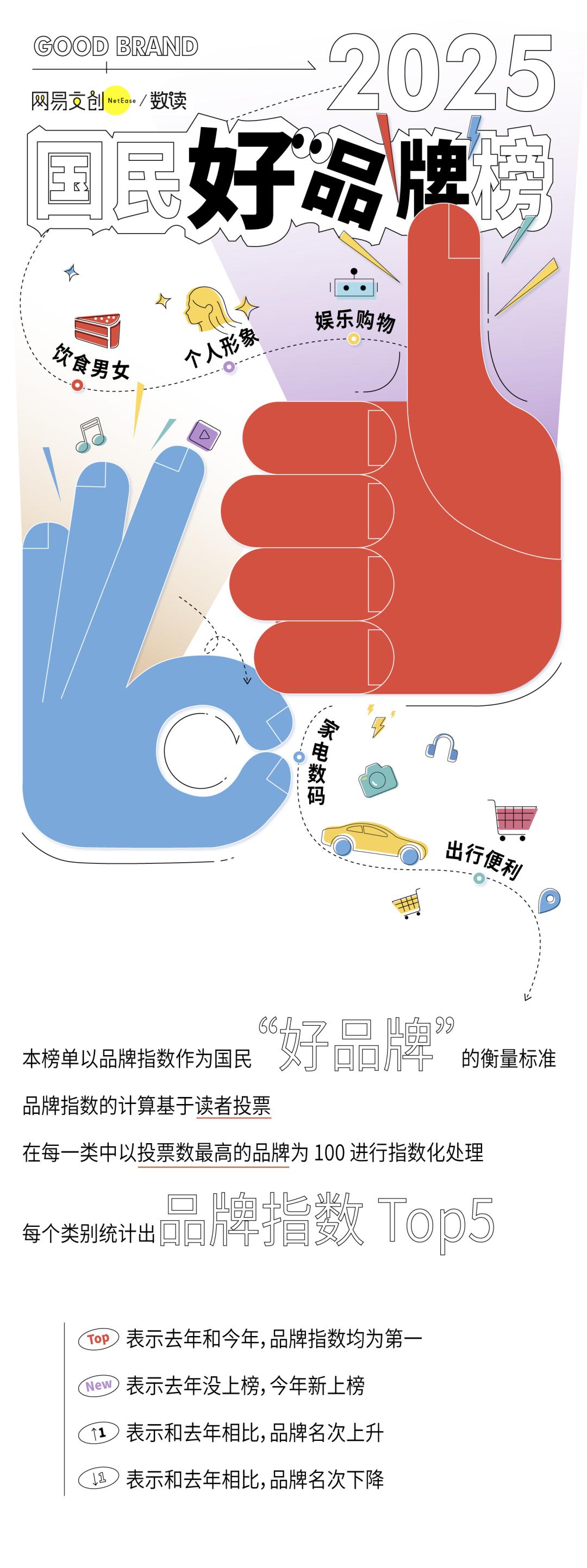
Group 1 - The brand index is used as a measurement standard for the public, calculated based on reader votes, with the highest voted brand in each category set to 100 for index processing [2] - The top five brands in various categories have been identified, with changes in rankings noted, including new entries and shifts in positions compared to the previous year [4][9] - The overall consumer sentiment indicates a cautious approach to spending, with a significant portion of respondents prioritizing product quality and reliability over brand loyalty [123][124] Group 2 - Heytea has fallen behind, with Guming Tea replacing it in the top five, and Guming Tea's store count reaching 11,179 with a net profit of 1.625 billion yuan, surpassing its total profit from the previous year [9] - Haidilao remains the top brand in the hot pot category, while KFC and McDonald's have swapped positions, with KFC slightly ahead [12] - The beverage market sees a return of Nongfu Spring to the top ranks, while Wahaha faces management turmoil, impacting its brand perception [15][17] Group 3 - In the beauty and personal care sector, Estee Lauder and L'Oreal dominate, with significant changes in rankings and the absence of local brands in the top positions [41] - Anta and Li Ning lead the sportswear category, with Li Ning rising to first place from fourth last year, while Adidas has returned to the rankings [45] - Douyin has surpassed Bilibili in the short video sector, with Douyin's daily active users reaching 600 million, while Bilibili has improved its profitability [55] Group 4 - The e-commerce landscape is evolving, with traditional platforms like JD, Meituan, and Taobao entering the instant retail competition, leading to significant financial investments in subsidies [73] - The AI app market is witnessing explosive growth, with ByteDance's products leading in active user numbers, indicating a shift towards AI-driven applications [80] - The adult product market is quietly rising, with brands like Durex and Okamoto leading the category [82] Group 5 - The home appliance market is characterized by intense competition, with Midea focusing on diversified business strategies, while Haier emphasizes high-end and localized operations [92] - Huawei continues to focus on the high-end market, with significant developments in its HarmonyOS ecosystem, while Apple faces challenges with its latest iPhone series [94][95] - The hotel industry is shifting towards new chain hotels, with traditional five-star hotels losing appeal as consumers seek more modern accommodations [116]

投资中国就是投资未来(环球热点)
Ren Min Ri Bao Hai Wai Ban· 2026-01-01 00:05
Core Insights - The release of the "Encouragement Directory for Foreign Investment Industries (2025 Edition)" aims to attract and utilize foreign investment in China, enhancing confidence among foreign enterprises [2][3][4] Group 1: Investment Trends - Foreign investment in China is showing a trend of quality improvement and stable volume, with a shift towards high-tech industries and R&D centers [3][5] - A report by KPMG indicates that 75% of multinational companies operating in China plan to maintain or increase their investments by 2025 [3] - From January to November 2025, 61,207 new foreign-invested enterprises were established in China, marking a 16.9% year-on-year increase [4] Group 2: Sector Focus - High-tech industries, including e-commerce services, medical equipment manufacturing, and aerospace manufacturing, have seen significant foreign investment growth, with increases of 127%, 46.5%, and 41.9% respectively [4] - Foreign enterprises are increasingly focusing on localization, with 83% of companies planning to localize key parts of their operations in China [3] Group 3: Economic Environment - China's economic stability and growth potential are attracting foreign investors, with international organizations raising China's economic growth forecasts for 2025 [6][7] - China is viewed as a source of certainty in an uncertain global economic landscape, with a welcoming attitude towards foreign investment [8][9] Group 4: Future Opportunities - The 14th Five-Year Plan suggests significant opportunities for foreign enterprises in sectors such as finance, healthcare, artificial intelligence, and high-end manufacturing [11][12] - The emphasis on expanding domestic demand and innovation-driven development will provide foreign enterprises with broader high-quality development space in various sectors [11][12][13]

“国货高端护肤第一股”诞生!林清轩(2657.HK)登陆港股,潜力突出
Ge Long Hui· 2025-12-31 17:42
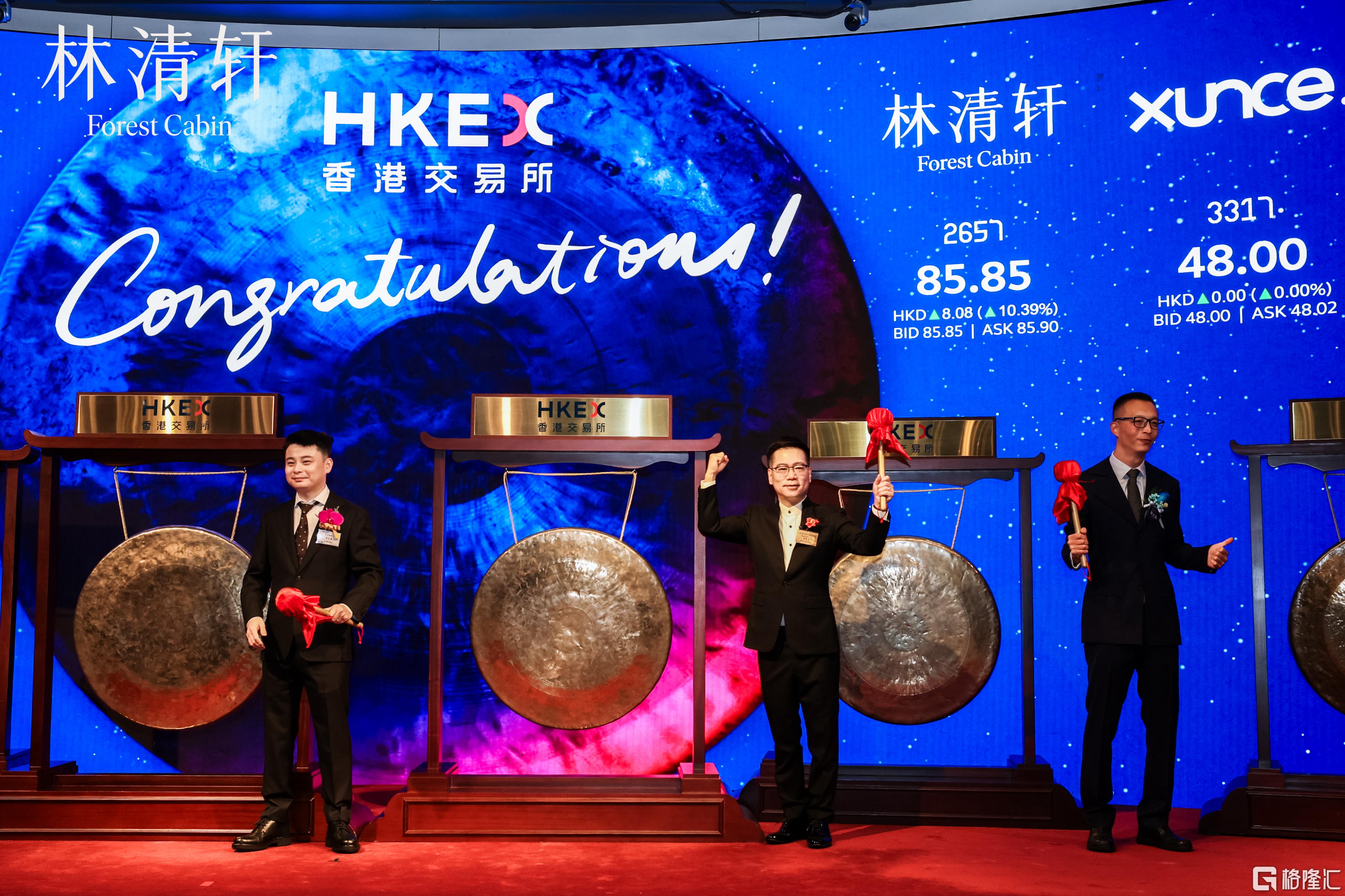
Core Insights - Lin Qingxuan officially listed on the Hong Kong Stock Exchange on December 30, marking the emergence of the "first domestic high-end skincare stock" in China, indicating a significant shift in the high-end skincare market traditionally dominated by international brands [1][4] - The company aims to enhance its investment in dermatology, botany, and cutting-edge skincare technology while expanding brand building and retail store layout to create exceptional skincare experiences for customers and higher value for shareholders [1] Group 1: Product and Market Performance - Lin Qingxuan's flagship product, Camellia Oil, has established itself as a dominant force in the market, being the only domestic brand among the top 15 high-end skincare brands in China by retail sales in 2024 [5] - The Camellia Oil has maintained its position as the best-selling facial oil in China for 11 consecutive years, with cumulative sales exceeding 45 million bottles by June 30, 2025 [5][6] - The introduction of the new 5.0 Camellia Anti-Wrinkle Repair Oil is expected to further enhance sales performance, with clinical tests showing significant improvements in skin texture and appearance [6][7] Group 2: Financial Growth - Lin Qingxuan's revenue and profit have shown robust growth, with a 93% year-on-year increase in revenue to 1.052 billion yuan and a 120% surge in net profit to 182 million yuan in the first half of 2025 [7] - The contribution of the Camellia Oil category to total revenue is projected to rise from 31.5% in 2022 to 45.5% in the first half of 2025, indicating a clear upward trend [7] Group 3: Future Growth Strategies - Lin Qingxuan is focusing on three new growth strategies: expanding its flagship product matrix, building a multi-brand ecosystem, and exploring global markets [8] - The company plans to launch innovative products like the "Cell Energy Black Gold Cream 2.0" and expand the application of its core ingredients into new beauty and whitening product lines [8] - Lin Qingxuan has initiated its global expansion through Southeast Asia and cross-border e-commerce, creating new market opportunities [9] Group 4: Strategic Partnerships - The company has gained a significant indirect shareholder in L'Oréal, which is expected to enhance Lin Qingxuan's growth strategies by providing access to top-tier research resources and raw material procurement systems [10][11] - L'Oréal's expertise may support Lin Qingxuan's multi-brand strategy and internationalization efforts, ensuring a more stable and far-reaching growth trajectory [11] Group 5: Overall Outlook - The listing is viewed as a new starting point for Lin Qingxuan, with expectations for continued value creation and surprises in the future [12]
从破产边缘到百亿市值,东北网红家族的“高端”之路
36氪未来消费· 2025-12-30 14:53
Core Viewpoint - Lin Qingxuan has successfully positioned itself as a leading high-end domestic skincare brand in Hong Kong, marking a significant milestone in the consumer market with its recent IPO, which reflects the growing trend of domestic brands gaining traction in the high-end segment [4][5][6]. Group 1: Company Overview - Lin Qingxuan was founded in 2003 during the SARS outbreak, initially starting with handmade soaps priced at 25 yuan, and later transitioned to high-end products with the launch of camellia oil in 2014 [6][12]. - The company has a notable shareholder base, including major players like Youngor Fashion and L'Oréal, which enhances its market credibility [6]. - The brand's growth trajectory has been marked by a significant increase in online sales, with a compound annual growth rate (CAGR) of 51.2% from 2022 to 2024, and online revenue accounting for 65.4% of total revenue by mid-2025 [20][22]. Group 2: Market Position and Financial Performance - Lin Qingxuan is positioned as the top domestic high-end skincare brand in China, with over 80% gross profit margins, which is a key indicator of its successful high-end strategy [27][28]. - The company's gross margin has consistently remained above 81% from 2023 to mid-2025, with its core product, camellia oil, achieving a gross margin of 86.2% [29]. - The number of Lin Qingxuan's retail stores has increased from 366 in 2022 to 554 by mid-2025, with a strategic focus on high-traffic shopping malls in major cities [30][31]. Group 3: Marketing and Sales Strategy - Lin Qingxuan has invested heavily in marketing, with sales and distribution expenses totaling 2.263 billion yuan from 2022 to mid-2025, representing 55.2% of revenue in the first half of 2025 [32]. - The brand has adopted a unique family-based influencer marketing strategy, leveraging the founder and family members to create a strong content-driven approach to engage consumers [23][22]. - Despite high marketing expenditures, the company's research and development investment has been relatively low, with less than 100 million yuan cumulatively from 2022 to 2024, indicating a focus on marketing over product innovation [33][34].

2025洗护赛道复盘:从外资主导到中外博弈,国货差异化破局
Xin Jing Bao· 2025-12-30 11:41
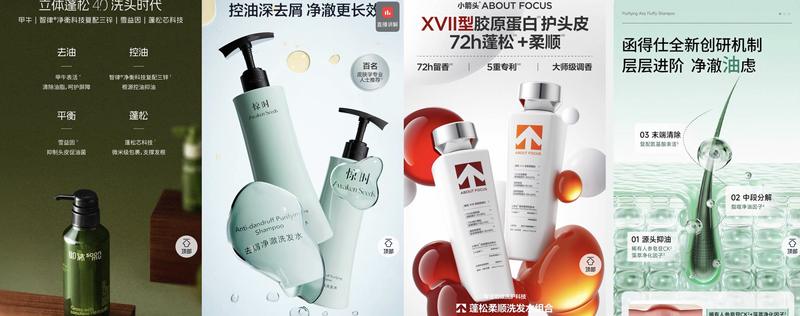
Core Insights - The Chinese hair care market is undergoing a transformation driven by consumption upgrades and heightened health awareness, shifting from basic cleaning and care to a focus on scientific maintenance and precision care [1] - Domestic brands are rapidly entering the hair care sector, creating a competitive landscape that challenges the dominance of foreign brands [1][2] Market Overview - The market size of China's hair care industry is projected to grow from 57.3 billion yuan in 2019 to 67.8 billion yuan in 2024, indicating steady growth [1] - International giants like Procter & Gamble, L'Oréal, and Unilever currently dominate the market, holding over 60% market share, but the rise of domestic brands is beginning to shift this balance [2][10] Competitive Landscape - The top 10 hair care products on platforms like JD.com and Taobao are still largely occupied by foreign brands, but domestic brands are beginning to make inroads [2] - The emergence of Gen Z as a primary consumer group is creating opportunities for domestic brands to capture market share through innovative and targeted products [2][9] New Product Launches - Domestic brands are launching new products focused on specific consumer needs, such as scalp health and efficacy, with companies like Proya and Fuda introducing brands that emphasize micro-ecological care [4][5] - The introduction of differentiated products, such as "Awaken Seeds" by Proya and "ABOUT FOCUS" by Xiaokuo Group, highlights the trend towards scientific and emotional care in hair products [4][13] Pricing Strategy - Domestic brands are strategically pricing their new products in the mid-to-high-end range, filling a gap in the market that has been dominated by foreign brands [6][8] - For example, the pricing of new products from brands like Memfa and Proya ranges from 0.229 to 0.457 yuan/ml, targeting the mid-to-high-end segment [8] Future Trends - The competition in the mid-to-high-end market is expected to intensify over the next one to two years, driven by innovation and quality improvements from domestic brands [9][12] - The ability of domestic brands to capture new consumer trends, overcome technological trust barriers, and enhance brand value will be crucial for their success against established foreign competitors [10][12][16]
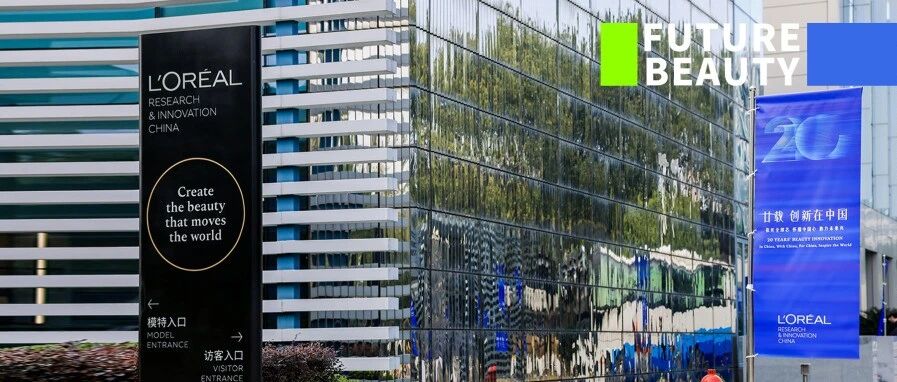
专访欧莱雅北亚研发掌门人:全球美妆创新,进入“中国时间”
FBeauty未来迹· 2025-12-30 09:34
Core Viewpoint - The article highlights the evolution of L'Oréal's research and innovation in China, emphasizing the country's transformation into a global innovation hub for the beauty industry, driven by local consumer demands and scientific advancements [4][18][41]. Group 1: Market Evolution and Innovation - The Chinese beauty market has grown to exceed 1 trillion yuan, becoming a strategic stronghold for international beauty giants and a source of global technological innovation [4][18]. - L'Oréal's China Research and Innovation Center, established in 2005, has been pivotal in driving local innovation, collaborating with top Chinese academic institutions to study health and beauty needs specific to Chinese consumers [9][10]. - The center has conducted approximately 35 large-scale foundational research projects focused on skin and hair health, developing over 300 new formulas annually tailored to Chinese consumers [15][18]. Group 2: Consumer Insights and Product Development - The demand for "science-driven efficacy" among Chinese consumers has surged, providing L'Oréal with a fertile ground for innovation [7][18]. - L'Oréal has developed unique products like Aminexil, the first imported anti-hair loss ingredient approved by China's National Medical Products Administration, showcasing the company's commitment to localized product development [17][18]. - The latest "2025 China Scalp and Hair Health White Paper" addresses key issues such as hair loss and scalp health, offering scientific solutions based on extensive consumer research [12][13]. Group 3: Collaborative Innovation Ecosystem - L'Oréal's "BIG BANG Beauty Tech Co-Creation Program" aims to integrate global startup innovations into its ecosystem, enhancing collaborative efforts across various markets [25][28]. - The company has established a collaborative innovation system across the "Beauty Golden Triangle" of China, Japan, and South Korea, leveraging each country's strengths to create a comprehensive beauty ecosystem [20][29]. - The integration of AI and biotechnology in product development is a key focus, with L'Oréal aiming to enhance its offerings through advanced scientific research [39][41]. Group 4: Future Directions and Consumer-Centric Approach - L'Oréal is shifting towards emotional experience-driven innovation, focusing on sensory science to enhance consumer engagement and satisfaction [34][41]. - The company is also exploring longevity science, aiming to provide comprehensive skin health management solutions that address aging through advanced research [36][41]. - L'Oréal emphasizes that true innovation lies in understanding and meeting consumer needs, positioning itself not just as a market leader but as a brand that prioritizes human values [41].

美妆行业深度报告:国货崛起、模式分化与营销提效下的竞争新局
Shanghai Aijian Securities· 2025-12-30 09:07
Investment Rating - The report rates the beauty and personal care industry as "Outperform" compared to the market [1] Core Insights - The beauty industry is experiencing significant growth driven by domestic brands, with a shift towards online sales channels, particularly through platforms like Douyin [2][3] - Domestic brands are gaining market share, with 43% of consumers preferring domestic beauty brands over international ones by 2025 [2][3] - The industry is characterized by high sales expense ratios due to intense competition and the need for substantial marketing investments [2][3] Summary by Sections 1. Beauty Industry Overview - The beauty sector is primarily focused on skincare and makeup, with online sales accounting for over 70% of revenue [2] - Facial care is the core category within skincare, with domestic brands experiencing growth despite overall market challenges [2][3] - The current channel structure is dominated by online sales, which account for 79% of revenue, with platforms like Taobao and Douyin leading the way [2][3] 2. Market Growth and Domestic Brand Rise - The Chinese cosmetics market is expanding, with domestic brands driving this growth [2][3] - The market size is projected to grow from 934.6 billion yuan in 2024 to 1,200 billion yuan by 2029, with a CAGR of 6.6% [2][3] - Domestic brands are expected to surpass international brands in market share by 2025, with a projected share of 52.9% by 2029 [2][3] 3. Business Model Differentiation - The domestic beauty industry has developed three main business models: efficacy research, brand deepening, and a combination of agency operations with self-owned brands [2][3] - Companies are transitioning from reliance on agency models to creating their own brands to enhance profitability [2][3] 4. Industry Characteristics and Competition - High gross margins and sales expense ratios are common in the beauty industry, driven by the need for extensive marketing to build brand recognition [2][3] - Companies are employing multi-faceted marketing strategies to balance costs and growth [2][3] 5. Investment Recommendations - The report suggests focusing on companies that excel in efficacy research, brand deepening, and transitioning from agency operations to self-owned brands [2][3] - Specific companies to watch include Juzhibio in efficacy research and Proya and Maogeping in brand deepening [2][3]
“在办公楼里洗衣洗车、逛超市甚至带娃上班”,食堂能建22层的互联网大厂搞基建能有多离谱?
3 6 Ke· 2025-12-30 07:59
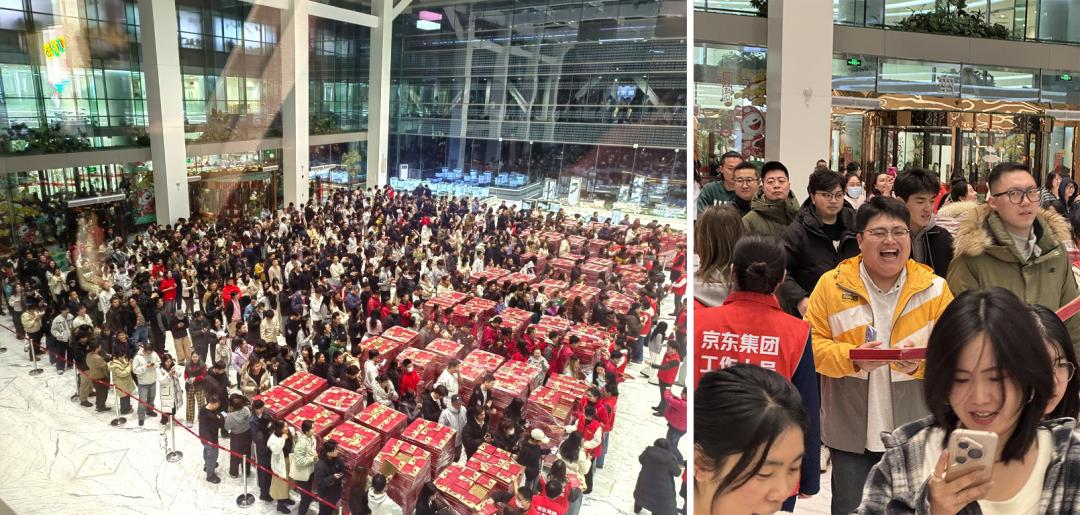
Core Viewpoint - The article highlights the impressive development of JD.com's Beijing campus, showcasing its extensive facilities and employee benefits that enhance workplace experience and attract talent [1][3]. Group 1: Campus Development - JD.com's Beijing campus has grown from a single building in 2015 to the largest single-site campus in Beijing, accommodating nearly 60,000 employees and covering over 1.42 million square meters, equivalent to approximately 5.5 Bird's Nests [9]. - The campus features a 22-story cafeteria with over 2500 dishes available daily, catering to diverse dietary needs, including a thyroid-friendly menu [5][6]. - The company has invested 7 billion yuan in the construction of a "Youth City" for talent housing, which includes commercial streets and sports facilities [9]. Group 2: Employee Benefits and Amenities - JD.com offers various amenities such as free coffee machines, massage services, and an internal bar, enhancing the overall employee experience [8][12]. - The campus includes a range of services like hairdressing, car washing, and childcare facilities, which are designed to reduce the daily burdens on employees [15][16]. - Employees can enjoy discounts at numerous dining options within the campus, with many services provided at significantly lower prices compared to external markets [12][15]. Group 3: Talent Attraction and Retention - The comprehensive facilities and services at JD.com are becoming critical factors in the competition for talent, as employees increasingly consider the balance between salary and living costs [14]. - The company actively seeks employee feedback to tailor its offerings, ensuring that the amenities meet the actual needs and preferences of its workforce [12]. - JD.com's approach reflects a broader trend among leading tech companies to create self-sufficient ecosystems that blur the lines between work and personal life, providing employees with more choices and conveniences [18][19].