
三星电子

Search documents
TCL李东生:中韩两国在人工智能、半导体显示、新能源汽车、生物科技等新兴领域合作潜力巨大
Xin Lang Cai Jing· 2026-01-06 00:53
Core Viewpoint - The China-South Korea Business Forum highlighted the significant potential for collaboration between the two countries in emerging fields such as artificial intelligence, semiconductor displays, new energy vehicles, and biotechnology [1] Group 1: Event Overview - The China-South Korea Business Forum was held in Beijing on January 5, co-hosted by the China Council for the Promotion of International Trade and the Korea Chamber of Commerce and Industry [1] - Over 200 business leaders from South Korea, including prominent figures such as Samsung Electronics Chairman Lee Jae-Yong and SK Group Chairman Chey Tae-Won, attended the event [1] Group 2: Key Statements - TCL's founder and chairman, Li Dongsheng, emphasized the importance of strengthening technological research and development cooperation and building an innovative ecosystem to accelerate the transformation of technological achievements [1] - Li Dongsheng noted that such collaboration could help both countries explore new global market opportunities [1]

地缘局势动荡下新兴市场货币逆势企稳 美元避险吸引力减弱
智通财经网· 2026-01-06 00:36
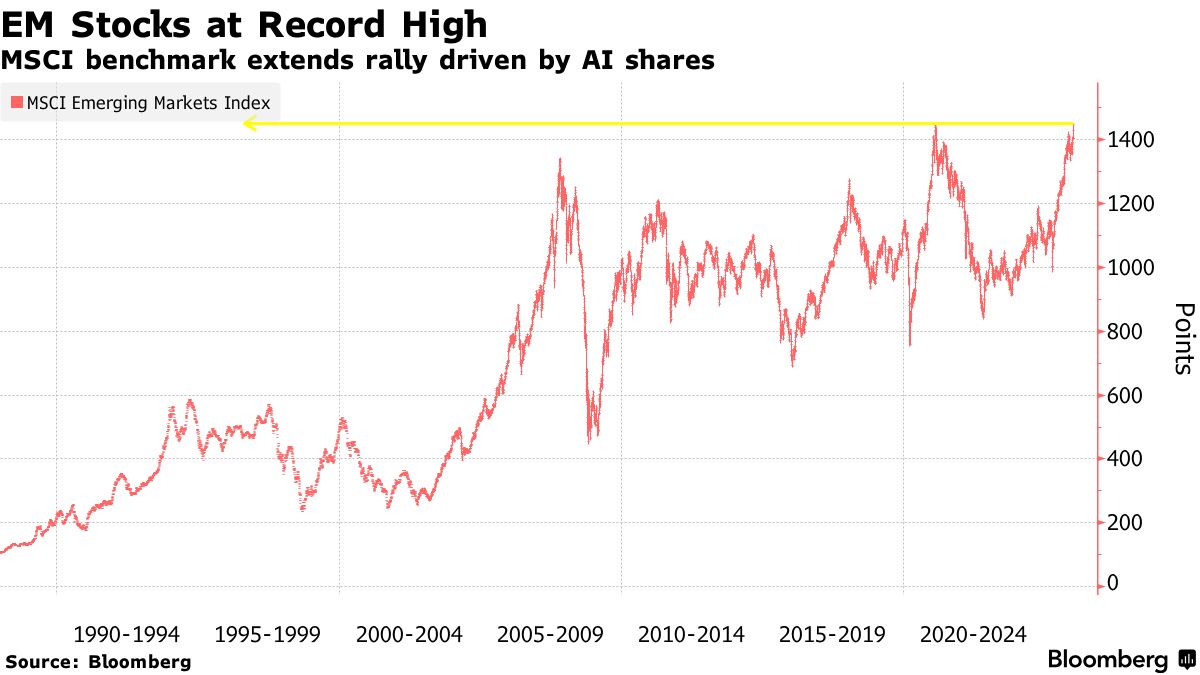
美国在委内瑞拉的行动正通过多条渠道冲击金融市场。由于马杜罗被强行控制后,美国总统特朗普与哥伦比亚总统佩特罗(Gustavo Petro)之间的紧张关系加 剧,哥伦比亚的美元债一度跌至新兴市场中表现最差的行列。哥伦比亚比索一度下跌1.9%,随后收复失地。 委内瑞拉债券周一则大幅反弹,为此前在极度低迷价位买入这些债券的对冲基金和其他投资者带来收益。该国政府及其国有石油公司PDVSA的违约债券价 格上涨至约每美元面值40美分。 在其他地区,新兴经济体政府和企业正趁年初之际加快进入全球资本市场发债。墨西哥正在发行2034年、2038年和2056年到期的债券。智利则同时出售以美 元和欧元计价的债券。沙特阿拉伯也加入了这一发债浪潮,旨在为其推动经济摆脱石油依赖的大型多元化项目筹集资金。 MSCI新兴市场指数周一上涨1.6%,收于历史最高水平。台积电贡献了该指数近一半的涨幅,此前高盛集团上调了这家苹果公司和英伟达公司供应商的目标 价。其他涨幅居前的个股还包括三星电子、SK海力士以及阿里巴巴集团控股有限公司。 智通财经APP获悉,尽管美国强行控制委内瑞拉总统马杜罗加剧了市场对地缘政治风险的担忧,但周一新兴市场货币保持稳定,而 ...


中金:从“被忽略”的牛市到“被延后”的修复
Xin Lang Cai Jing· 2026-01-06 00:35
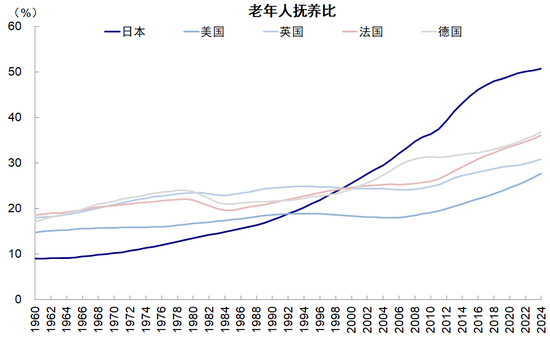
Core Insights - The article discusses the lessons learned from Japan's economic experience in the 1990s, emphasizing that despite facing multiple pressures such as deflation, real estate downturns, and debt issues, a bull market can still be stimulated through policy measures and capital inflows. However, unresolved structural problems can lead to interruptions in market recovery, as seen in Japan's case, which experienced three bull markets that were ultimately short-lived due to these underlying issues [1][7]. Group 1: Structural Issues in Japan in the 1990s - Japan faced significant structural issues during the 1990s, including a declining birth rate leading to an aging population, which increased the elderly dependency ratio from 17.4% in 1990 to 25.6% in 2000, a rise of 8.2 percentage points [9][10]. - The public pension system was under pressure due to aging demographics, with pension expenditures as a percentage of GDP increasing by 2.1 percentage points during the 1990s, raising concerns about sustainability [12][13]. - The real estate bubble burst after rapid interest rate hikes by the Bank of Japan, leading to a prolonged decline in housing prices, with national residential land prices dropping by approximately 52.8% over two decades [16][19]. - Employment challenges emerged as a result of a surplus in the labor market, with university graduate employment rates falling from 81.3% in 1991 to 55.1% in 2003, creating a competitive environment for public sector jobs [21][24]. - The financial system was strained as the real estate bubble's collapse weakened cash flows for real estate companies, increasing non-performing assets in banks [29]. Group 2: Policy Shortcomings in the 1990s - Japan's policies in the 1990s were inadequate, with a misalignment between technological investments and market realities, causing the country to miss the internet wave and lose competitiveness in the semiconductor industry [34][35]. - The government overly relied on short-term infrastructure investments, which constituted nearly 20% of fiscal spending at times, failing to address structural issues and leading to a decline in consumer demand [3][43]. - Real estate policies were slow and insufficient, with mortgage interest rates declining only marginally, resulting in prolonged downward pressure on housing prices and damage to household balance sheets [50][51]. - The slow pace of debt resolution and a lenient regulatory approach to non-performing assets weakened the financial system's resilience, leading to higher costs when external shocks occurred [54][59]. Group 3: Policy Awakening Post-2000 - After 2000, Japan shifted its policy focus towards social welfare, with public spending on social security rising from 21.4% in 2000 to 32.7% in 2015-2019, contributing to sustained income growth for residents [62][64]. - The government implemented large-scale institutional measures to address non-performing assets, significantly reducing the non-performing loan ratio from 8.4% in 2001 to 2.9% by 2004 [71][72]. - Technological policies became more aligned with market needs, with a focus on key sectors and direct support for corporate R&D, enhancing the effectiveness of government incentives [75][76]. Group 4: Implications for Current Economic Context - China currently faces challenges similar to Japan's past, with old economic drivers still weighing down growth. The fourth quarter has seen a slowdown in real estate and domestic demand, indicating potential market volatility [5][84]. - While new economic drivers and capital inflows can provide short-term boosts, addressing old economic drivers is equally crucial for sustainable recovery. Policies aimed at enhancing consumer welfare and stabilizing the real estate market are essential [5][82]. - China's economic advantages include strong government investment in AI and technology, a resilient export sector, and manageable government debt levels, providing a foundation for addressing structural challenges [80][81].
地方债发行大幕开启,OPEC+将维持石油产量稳定 | 财经日日评
吴晓波频道· 2026-01-06 00:21
Group 1: Local Government Bonds - Shandong Province issued 723.81 billion yuan in local government bonds, marking the first issuance in the country for the year [2] - The issuance included 467.72 billion yuan in new special bonds and 256.09 billion yuan in refinancing special bonds, focusing on investment in new projects [2] - The Ministry of Finance established a dedicated Debt Management Department to enhance government debt management, which was previously fragmented [2][3] Group 2: Pharmaceutical Industry - In 2025, China approved 76 innovative drugs, significantly surpassing the 48 approved in 2024, with domestic drugs accounting for 85.5% of the total [4] - The total value of authorized transactions for innovative drugs exceeded 130 billion USD, with over 150 transactions, setting a new record [4] - The Chinese pharmaceutical industry has seen substantial growth, particularly in innovative drugs, supported by reforms in drug approval processes and enhanced intellectual property protections [5] Group 3: Automotive Industry - Six major listed car manufacturers reported their 2025 sales, with BYD leading at 4.6024 million units, a 7.73% increase, followed by SAIC and Geely [6] - The growth in sales was driven primarily by the expansion of electric vehicles, with BYD's electric vehicle sales surpassing Tesla for the first time [6][7] - The competitive landscape in the automotive market is intensifying, with companies focusing on optimizing product structures and expanding overseas [7] Group 4: Oil Market - OPEC+ decided to maintain stable oil production levels, postponing planned increases due to ongoing geopolitical tensions [8] - Despite Venezuela's significant oil reserves, production remains low due to insufficient investment, limiting its impact on global supply [8][9] - The global oil market faces challenges in stabilizing prices amid concerns of overproduction and geopolitical factors [9] Group 5: Stock Market Performance - In 2025, 385 Hong Kong stocks saw over 100% growth, with 14 stocks increasing more than tenfold, indicating a strong market performance [14] - The increase in "red stocks" reflects a growing willingness to assign long-term value to internet giants and a high enthusiasm for growth sectors [15] - The A-share market opened positively in 2026, with significant gains across various sectors, particularly in insurance and AI applications [16][17] Group 6: Consumer Products - Prices for certain LABUBU products in the second-hand market have dropped significantly, indicating a shift in supply and demand dynamics [10][11] - The price decline is attributed to increased production by the company, which aims to balance consumer demand with product scarcity [11] Group 7: Technology and AI - Samsung plans to double the number of mobile devices equipped with Google's Gemini AI system, aiming to regain market share in the smartphone sector [12][13] - The integration of AI into various products, including home appliances, highlights a trend towards combining hardware and software solutions [13]






格林大华期货早盘提示-20260106
Ge Lin Qi Huo· 2026-01-06 00:00
早盘提示 Morning session notice 更多精彩内容请关注格林大华期货官方微信 研究员: 于军礼 从业资格: F0247894 交易咨询资格:Z0000112 联系方式:yujunli@greendh.com | 板块 | 品种 | 多(空) | | | --- | --- | --- | --- | | | | | 【重要资讯】 | | | | | 1、多家外资机构纷纷发布报告,对 2026 年中国资产表现持积极观点。在企业盈利 | | | | | 持续改善、科技创新突破不断涌现,以及估值吸引力日益凸显的推动下,中国资产 | | | | | 具备了持续上升的坚实基础。 | | | | | 2、马斯克表示,其脑机接口公司 Neuralink 将于 2026 年开始对脑机接口设备进行 | | | | | "大规模生产"。并同步推进流程高度精简、几乎完全自动化的手术方案,最关键 | | | | | 的突破在于,设备中的电极丝将直接穿过硬脑膜,而无需将其切除。 | | | | | 3、AI 算力需求激增与存储芯片价格反弹,推动三星电子与 SK 海力士股价飙升,带 | | | | | 动日韩股市齐创新 ...
新华财经早报:1月6日
Xin Hua Cai Jing· 2026-01-05 23:58
Group 1 - Premier Li Qiang emphasized the need for deepening reforms in key areas, enhancing service efficiency, and optimizing the business environment to stimulate economic growth [1] - The Ministry of Commerce and nine other departments issued a notice on promoting green consumption, outlining 20 specific measures across various sectors, including agricultural products and home appliances, to foster a green low-carbon lifestyle [1] - The China Securities Regulatory Commission held a meeting to discuss the comprehensive prevention and punishment system for financial fraud in the capital market, highlighting the need for improved institutional safeguards and enhanced coordination among administrative, criminal, and civil measures [1] Group 2 - GAC Group signed a comprehensive cooperation framework agreement with Huawei to jointly innovate in areas such as the HarmonyOS ecosystem and AI, aiming to create competitive smart mobility solutions [1] - The China Passenger Car Association reported that in December 2025, wholesale sales of new energy passenger vehicles reached 1.57 million units, a year-on-year increase of 4% [1] - The China Logistics and Purchasing Federation announced that the commodity price index for December 2025 was 117.9 points, marking a 3.2% month-on-month increase and the highest level since June 2024 [1] Group 3 - Companies such as Huayou Cobalt and Chifeng Jilong Gold reported significant projected net profit increases for 2025, with estimates ranging from 40.8% to 150% year-on-year [6] - XCMG Group received a project notification worth approximately 7.8 billion yuan, while subsidiaries of Fulin Precision and Weigao Medical announced substantial investment plans totaling 8.5 billion yuan [6] - Zhejiang Mining plans to acquire Alaigyr Company, which holds core assets in Kazakhstan's Karaganda region, focusing on lead and silver mining [6]

中金:“被延后”的修复
中金点睛· 2026-01-05 23:50
Core Viewpoint - The experience of Japan's three bull markets in the 1990s illustrates that even in a deflationary environment with real estate downturns and debt issues, policy stimulus and capital inflows can create bull markets. However, if structural problems remain unresolved, the effects of short-term stimulus will diminish, leading to recurring economic interruptions [2][9][10]. Group 1: Structural Issues in Japan in the 1990s - Japan faced several structural issues, including a declining birth rate leading to an aging population, which increased the elderly dependency ratio from 17.4% in 1990 to 25.6% in 2000, an increase of 8.2 percentage points [12][14]. - The public pension system faced significant fiscal pressure due to aging, with pension expenditures as a percentage of GDP rising by 2.1 percentage points during the 1990s, leading to increased public concern about sustainability [14]. - The real estate bubble burst in the early 1990s, with residential land prices declining by approximately 52.8% nationwide and 49.2% in the Tokyo area over more than 20 years [16][22]. - Employment challenges arose as the labor market faced oversupply, with the employment rate for university graduates dropping from 81.3% in 1991 to 55.1% in 2003 [24][25]. - The financial system was strained as the real estate bubble's collapse weakened cash flows for real estate companies, increasing non-performing assets in banks [30]. Group 2: Policy Shortcomings in the 1990s - Japan's policies in the 1990s were insufficient, with a misalignment in technology direction and a reliance on short-term infrastructure investments, which constituted nearly 20% of fiscal spending at one point, failing to generate sustainable long-term growth [4][36]. - The slow response to real estate policy, including gradual reductions in mortgage rates and taxes, prolonged the decline in property prices and damaged household balance sheets [4][53]. - The slow pace of debt resolution and a lenient regulatory approach to non-performing assets weakened the financial system's resilience, leading to higher costs when external shocks occurred [4][57]. Group 3: Policy Awakening After 2000 - Post-2000, Japan shifted its policy focus towards social welfare, with spending on social security rising from 21.4% in 2000 to 32.7% in 2015-2019, contributing to sustained income growth for residents [63]. - The government began to systematically address non-performing assets, with the introduction of the Financial Revitalization Law in 1998, which allowed for significant public funding to tackle the issue [70]. - Technological policies became more aligned with market realities, focusing on key sectors and enhancing direct support for corporate R&D through revised tax incentives [72]. Group 4: Implications for Current Economic Context - Current challenges in China mirror those faced by Japan, with old economic drivers still weighing down growth. The recent slowdown in real estate and domestic demand highlights the need for effective policy measures [6][76]. - The importance of addressing old economic drivers is emphasized, as policies aimed at boosting consumption and stabilizing the real estate market are crucial for long-term recovery [6][77]. - China possesses advantages such as strong government investment in AI technology and a resilient traditional manufacturing sector, which can support exports [76]. - The need for timely debt resolution is critical to avoid escalating costs and to enhance resilience against external shocks, as seen in Japan's experience [78].

中韩元首两月两次见面,“作为朋友和邻居,中韩应该多走动、常来往、勤沟通”
Huan Qiu Wang· 2026-01-05 23:16
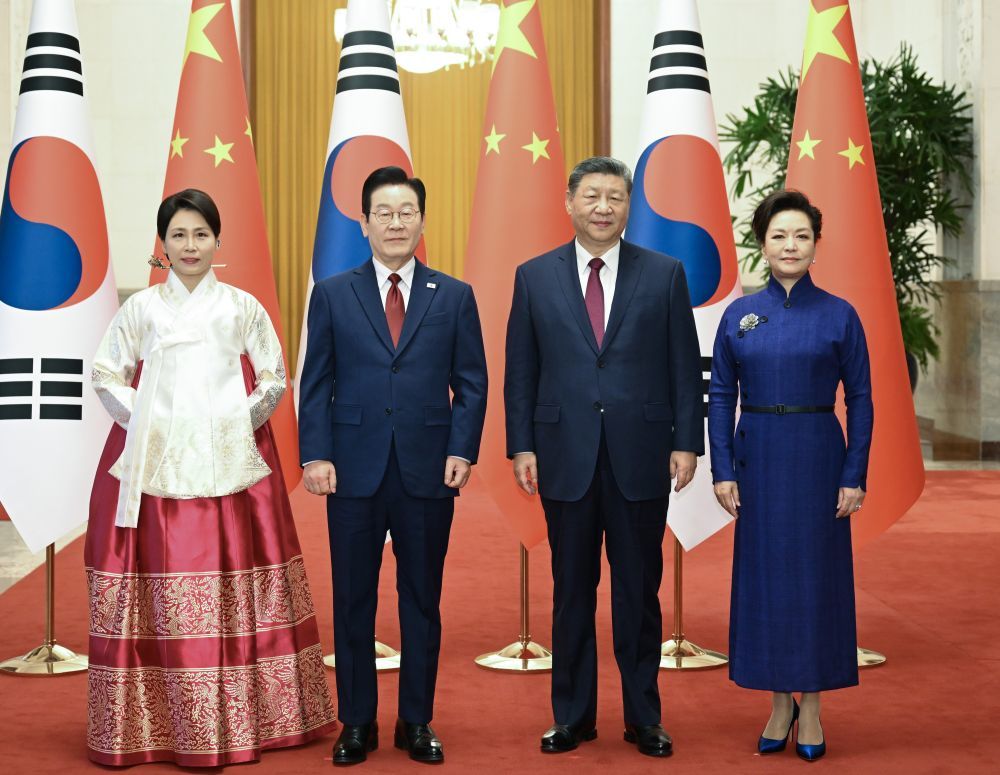
来源:环球 会谈后,两国元首共同见证签署科技创新、生态环境、交通运输、经贸合作等领域15份合作文件。 韩联社5日说,韩中元首时隔两个月再次举行会谈,使韩中关系恢复的趋势更加平稳,预计两国关系将加速得到恢复。李在明在会谈中表 示,"短短两个多月内,韩中两国元首实现互访是史无前例的",可见两国元首间的密切交流已经形成。考虑到过去近10年间韩中关系不太好的 发展趋势,可以说两国关系正在迅速恢复。 " 好邻居千金难换 " 由中国贸促会与韩国大韩商工会议所共同主办的中韩商务论坛5日上午在北京举行,两国政府、工商界代表约400人参加。韩联社称,引人关注 的是,韩企"四巨头"掌门人此次悉数出席,分别是三星电子会长李在镕、SK集团会长崔泰源、现代汽车会长郑义宣、LG集团会长具光谟。 【环球时报驻韩国特派记者 莽九晨 环球时报特约记者 于文 甄翔】1月5日下午,国家主席习近平在北京人民大会堂同来华进行国事访问的韩国 总统李在明举行会谈。习近平向韩国人民致以诚挚新年祝福。习近平指出,我和李在明总统已两次见面并实现互访,体现了双方对中韩关系的 重视。作为朋友和邻居,中韩应该多走动、常来往、勤沟通。中方始终将中韩关系置于周边外交重要 ...
“好邻居金不换!” 李在明携韩商业天团访华 呼吁制造业创新合作
2 1 Shi Ji Jing Ji Bao Dao· 2026-01-05 23:14
Group 1 - The core message emphasizes the importance of China-Korea cooperation in industry innovation and stable supply chains to explore new development opportunities beyond their respective markets [1][5][12] - Since the establishment of diplomatic relations in 1992, significant achievements have been made in personnel exchanges, local cooperation, and economic trade, with bilateral trade increasing from $6.5 billion to $272.9 billion by 2024 [1][8][10] - The forum highlighted three main topics for discussion: manufacturing innovation, supply chain cooperation, and new markets for consumer goods, with over 400 attendees from both countries [2][9][12] Group 2 - The visit of the South Korean President, Lee Jae-myung, included a delegation of over 200 business representatives from major companies such as Samsung, SK Group, and Hyundai, indicating strong business interests in enhancing bilateral trade [2][8][9] - The signing of 15 cooperation documents in areas such as technology innovation, ecological environment, transportation, and economic cooperation signifies a commitment to deepening collaboration [2][9][10] - The focus on cultural and service industry cooperation is expected to expand, with increasing youth exchanges and popular travel experiences between the two countries [5][12][14]
音频|格隆汇1.6盘前要点—港A美股你需要关注的大事都在这
Ge Long Hui A P P· 2026-01-05 23:07
1、美股三大指数集体收涨,道指涨1.23%创新高,特斯拉涨超3%; 2、现货白银涨5.13%,报76.5495美元/盎司; 3、现货黄金涨2.64%,报4446.50美元/盎司; 4、LME铜价创新高 突破每吨13000美元; 5、特朗普:委内瑞拉行动不影响中美关系 拟4月访华; 6、瑞士政府:冻结马杜罗及其亲信在瑞士的资产; 7、马杜罗对美方所谓指控表示不认罪; 8、韩媒:三星海力士拟提价70% 开启绝对卖方时代; 9、越南第四季度GDP同比增8.46%,超预期; 10、韩股创纪录收盘高位,三星电子大涨超7%; 11、高盛预警:AI裁员潮2026将至 就业与经济"脱钩"成新常态; 12、CES今日开幕:黄仁勋、苏姿丰轮番登场,中国具身智能集体亮相; 13、高通推出了完整的机器人技术套件 驱动从家用机器人到全尺寸类人生物的物理人工智能; 大中华区要闻: 1、日线12连阳!沪指创1993年以来最长连阳纪录; 2、高盛:建议高配中国股票 预计2026年和2027年股市将每年上涨15%-20%; 3、证监会:进一步增强行政、刑事、民事协同 对财务造假和第三方配合造假一体打击; 4、香港2025年楼宇买卖破8万宗 创 ...