卓创资讯

Search documents
黄金巨震、原油冲高、大豆破关,节后市场逻辑将如何演绎?
Sou Hu Cai Jing· 2026-02-13 01:35
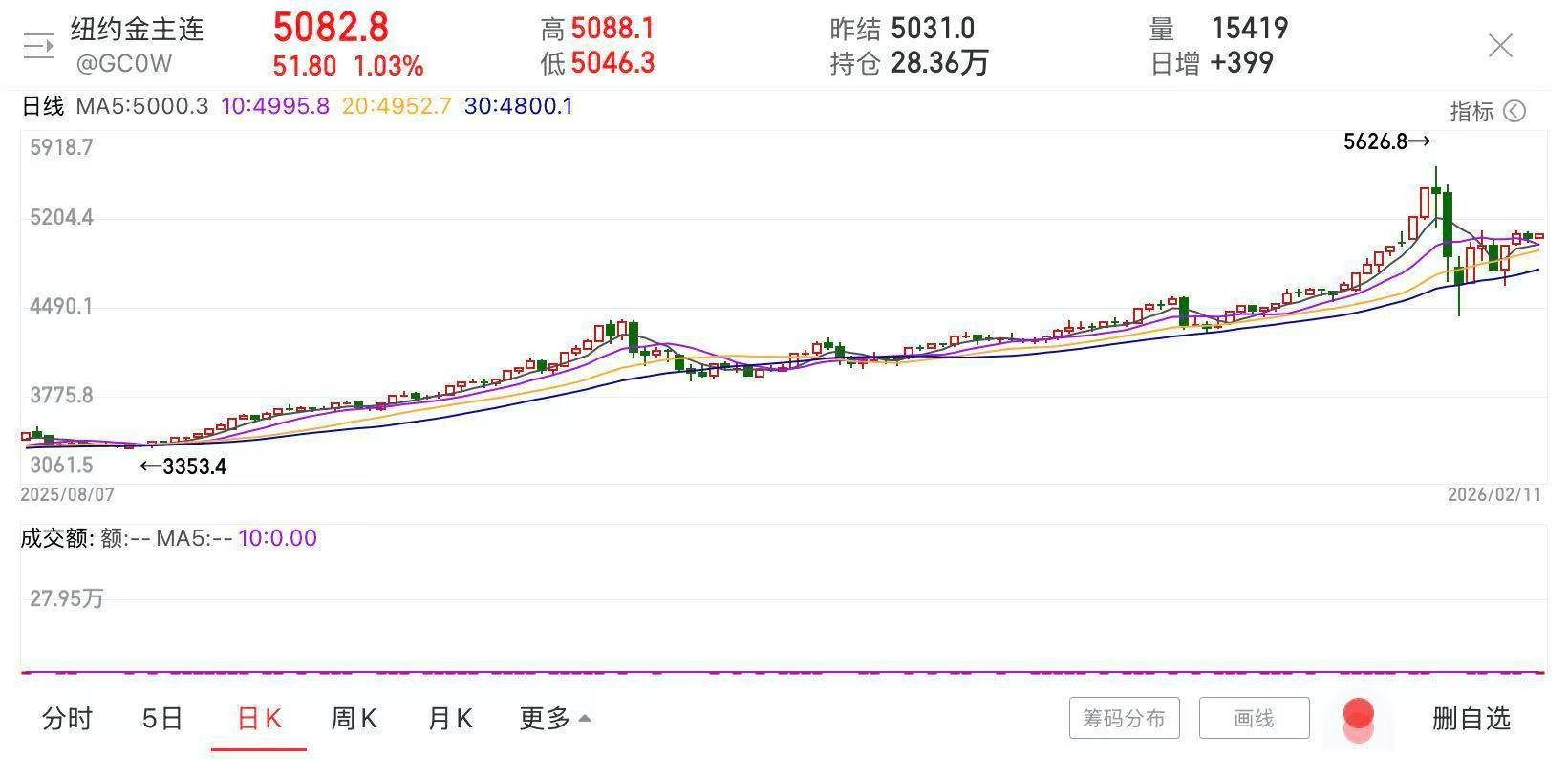
Group 1: Precious Metals - The recent volatility in precious metals, particularly gold and silver, has raised questions about whether the current price adjustments signify a market correction or the end of a bull market [1][2] - Gold prices surged to over $5600 per ounce at the end of January but have since dropped back to around $5000, while silver experienced a significant one-day drop exceeding 25% [1][2] - Factors contributing to the recent decline include increased geopolitical uncertainty, potential shifts in Federal Reserve monetary policy, and profit-taking from previous highs [2] Group 2: Oil Market - Oil prices have recently increased, with West Texas Intermediate crude rising from a low of $55 per barrel to a high of $66 per barrel, reflecting a more than $10 increase [3][6] - Tensions between the U.S. and Iran are a primary driver of oil price fluctuations, as Iran controls a significant portion of global oil reserves and key shipping routes [6] - The outlook for oil prices post-Chinese New Year will depend on geopolitical developments and the resumption of global economic activities, with predictions of a potential supply surplus in 2026 varying among major energy agencies [6][7] Group 3: Agricultural Products - The market reacted positively to President Trump's announcement regarding China's potential purchase of 20 million tons of soybeans, leading to a rise in soybean futures prices above $11 per bushel [8][12] - The increase in soybean prices is supported by improved trade expectations, supply changes in major producing regions, and favorable policy adjustments regarding biodiesel [12] - The soybean market's dynamics will shift post-holiday, focusing on seasonal supply and demand factors, with the consumption pace and recovery in end-user markets being critical for price movements [13]

海南橡胶股价异动背后:行业供大于求,公司业绩预告亏损但经营效率改善
Jing Ji Guan Cha Wang· 2026-02-12 06:24
Core Viewpoint - The recent focus on Hainan Rubber (601118.SH) revolves around the supply-demand changes in the natural rubber industry and the volatility of the company's stock price [1]. Stock Performance - Hainan Rubber's stock price increased by 9.81% over the past week (February 6 to February 12), with a volatility of 14.71%. On February 11, the stock surged by 7.83%, closing at 7.30 yuan, with a turnover rate of 3.54%. The upward trend continued on February 12, with the latest price reaching 7.39 yuan, and significant net inflow of main funds over five days. The technical indicators show a breakout above the 20-day moving average (6.77 yuan), and the MACD indicator is strengthening, with a short-term resistance level at 7.75 yuan. In contrast, the overall agricultural, forestry, animal husbandry, and fishery sector declined by approximately 1%, highlighting the company's stock performance as significantly stronger than the industry [2]. Financial Report Analysis - The company's 2025 earnings forecast indicates a projected net loss attributable to shareholders of between 74 million yuan and 110 million yuan, primarily due to falling natural rubber prices and lower-than-expected sales. However, in the third quarter of 2025, the company reported a single-quarter revenue of 11.108 billion yuan, with a year-on-year reduction in net loss of 39.56%. The gross profit margin was 1.32%, and the period expense ratio reached a 10-year low, indicating marginal improvements in operational efficiency [3].

中泰证券:AI驱动电子布薄型化趋势 织布机短缺支撑涨价行情
Zhi Tong Cai Jing· 2026-02-12 05:53
Core Viewpoint - The report from Zhongtai Securities indicates that electronic fabric prices have experienced two rapid increases since early 2026, reflecting a tight supply situation in the industry, particularly in the weaving segment [1][2]. Group 1: Price Trends - Electronic fabric prices have risen significantly during the traditional off-season, with Linzhou Guangyuan's 7628 fabric price increasing by 0.55 yuan to 5.40 yuan (+11%) and International Composite's 7628 fabric price rising by 0.55 yuan to 5.20 yuan (+12%) [1]. - The price increase trend has accelerated, confirming a supply-tight situation in the market [1]. Group 2: Supply-Demand Dynamics - The core supply issue lies in the midstream weaving segment, with a projected supply-demand balance for electronic yarn in 2026 showing supply growth of 6.1% versus demand growth of 6.6%, establishing a basis for price increases [2]. - The demand for low-Dk and low-CTE specialty thin fabrics driven by AI applications is increasing, leading to a thinner product structure across the industry and a decline in weaving efficiency [3]. Group 3: Weaving Equipment Shortage - The shortage of weaving machines is expected to extend the supply gap in the industry, with Japan's Toyota being a major supplier of electronic fabric weaving machines, which have a long delivery cycle [4]. - The supply gap for weaving machines is estimated to reach 6.1% in 2026 and potentially 10.6% in 2027, indicating a persistent supply-demand imbalance [5]. Group 4: Investment Recommendations - The report suggests focusing on leading companies with production scale and cost advantages, such as China Jushi (600176), which is expected to maintain a strong performance during the price increase cycle due to its significant capacity [6]. - Other recommended companies include Zhongcai Technology (002080), International Composite (301526), and Honghe Technology (603256), which have both traditional electronic fabric performance and a presence in specialty electronic fabrics [7].


北玻股份股价震荡,为子公司担保及行业压力引关注
Jing Ji Guan Cha Wang· 2026-02-12 04:38
Group 1 - The stock price of North Glass Holdings (002613) has shown volatility in the past week, with a peak of 4.26 yuan on February 11 and a low of 4.05 yuan on February 5, resulting in a cumulative fluctuation of 2.47% over five days [1] - On February 12, the latest stock price was 4.15 yuan, reflecting a decrease of 0.72% from the previous day, with a net outflow of 5.91 million yuan in main capital on that day [1] - The glass fiber sector has outperformed the broader market, increasing by 3.53% during the same period [1] Group 2 - On February 12, North Glass Holdings announced a guarantee of 25.2 million yuan for its subsidiary Tianjin North Glass, which represents 3.14% of its net assets for 2024 [2] - The photovoltaic glass industry is facing supply-demand imbalance pressures, with a report from Zhuochuang Information indicating that capacity clearance by 2026 may fall short of expectations, and the cancellation of export tax rebates could further impact corporate profitability, posing potential challenges for North Glass Holdings' photovoltaic glass business [2]

卓创资讯跌1.03%,成交额8465.92万元,近5日主力净流入-1124.94万
Xin Lang Cai Jing· 2026-02-11 08:17
Core Viewpoint - The company, Zhaochuang Information, is leveraging AI technology to enhance its data analysis and information services in the bulk commodity market, aiming to improve operational efficiency and customer experience. Group 1: Company Overview - Zhaochuang Information is a leading provider of bulk commodity information services in China, focusing on data monitoring, price assessment, and industry analysis [7] - The company's main revenue sources include information services (57.19%), digital services (20.98%), exhibition services (12.08%), consulting services (9.74%), and others (0.01%) [7] Group 2: Financial Performance - For the period from January to September 2025, Zhaochuang Information achieved operating revenue of 263 million, representing a year-on-year growth of 19.91%, while net profit attributable to shareholders decreased by 5.93% to 49.52 million [8] - Since its A-share listing, the company has distributed a total of 325 million in dividends [9] Group 3: Technological Advancements - The company has launched an AI platform and automation tools to enhance the production of annual and monthly analysis reports, significantly improving analyst efficiency and customer experience [2] - Zhaochuang Information has developed a commodity price prediction system using advanced machine learning models to assist enterprises in making informed decisions [2] Group 4: Market Activity - As of February 11, the company's stock price decreased by 1.03%, with a trading volume of approximately 84.66 million and a market capitalization of 3.695 billion [1] - The stock has seen a net outflow of 3.45 million from major investors, indicating a lack of strong buying interest [4][5] Group 5: Shareholder Information - As of September 30, the number of shareholders for Zhaochuang Information was 11,800, a decrease of 15.79% from the previous period, while the average number of shares held per shareholder increased by 18.76% to 3,025 shares [8]

【石油和化工行业景气指数】1月:季节需求拉动 景气指数上涨
Zhong Guo Hua Gong Bao· 2026-02-11 05:28
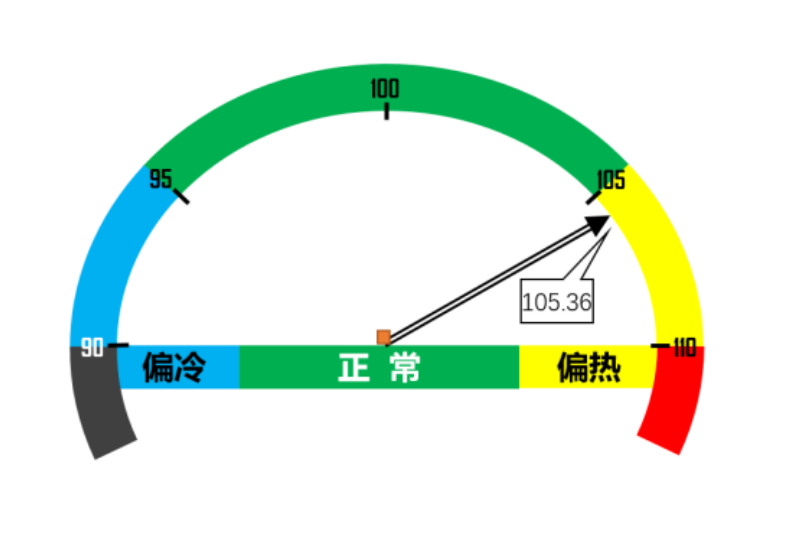
Core Insights - The oil and chemical industry prosperity index rose to 105.36 in January 2026, driven by low oil prices and seasonal demand ahead of the Spring Festival [2][11] - The upstream oil and gas extraction sector faced ongoing pressure from falling prices, but seasonal demand led to inventory reduction, resulting in a slight recovery in the prosperity index [11] - The fuel processing industry saw a profit recovery, but inventory turnover slowed, causing a decline in its prosperity index [2][11] - The chemical raw materials and products manufacturing sector, along with rubber, plastic, and other polymer products manufacturing, experienced synchronized growth in production, profits, and inventory turnover due to low raw material costs and seasonal stocking [2][11] Index Data - The oil and chemical industry prosperity index increased by 4.45 points from December to January [8][16] - The oil and gas extraction sector index rose by 5.15 points, ending a four-month decline [11][16] - The fuel processing industry index decreased by 10.33 points, indicating a shift from overheating to normal conditions [14][16] - The chemical raw materials and products manufacturing index increased by 11.72 points, reflecting favorable conditions for production and sales [14][16] - The rubber, plastic, and other polymer products manufacturing index rose by 9.92 points, indicating a strong production response to low costs and seasonal demand [16] Market Trends - The manufacturing PMI fell to 49.3% in January 2026, indicating a slowdown in overall manufacturing, contrasting with the rising prosperity index in the petrochemical sector [3][17] - Geopolitical tensions in the Middle East have led to short-term fluctuations in oil prices, with market sentiment oscillating between conflict risks and potential negotiations [4][18] - The oil price is expected to maintain a volatile pattern with upward pressure and downward support due to seasonal demand weakness [4][18] Future Outlook - The petrochemical industry is anticipated to face challenges in February 2026 due to fluctuating oil prices and weakening post-holiday demand, leading to a potential seasonal decline in the prosperity index [9][19] - The demand side remains a critical variable, with the industry entering a traditional off-peak season after the Spring Festival [19]
高瞻远“猪”:历年春节生猪屠宰量盘点 一季度后期行情如何波动
Xin Lang Cai Jing· 2026-02-11 03:21
Core Viewpoint - The pig market is experiencing weak price trends in early February 2026 due to abundant supply and lower-than-usual pre-Spring Festival stocking levels, with expectations of a price decline post-Festival [3][13]. Group 1: Historical Analysis of Pig Slaughter Volume - Historical data shows that pig slaughter volumes typically increase before the Spring Festival, with significant growth observed in most years from 2019 to 2025, except for 2019. The highest increase was recorded in 2024 at 131.46% [3][4]. - The peak slaughter volume usually occurs between the 24th and 26th day of the lunar month, with expectations for 2026 to follow this trend [3][4]. Group 2: Current Market Conditions - In January 2026, pig slaughter volumes showed a month-on-month decline, but began to increase again towards the end of the month, with a cumulative increase of 35.29% by February 9 [4][15]. - The pre-Festival stocking period is limited this year, which may restrict the support for pig prices [15]. Group 3: Supply and Demand Forecast for February and March - February is expected to see an increase in both daily slaughter and outflow volumes, with a projected month-on-month increase of 1.07% in slaughter volume, but overall supply is anticipated to exceed demand, leading to a potential decline in average prices [8][17]. - March is likely to continue the trend of increased supply, with a forecasted 3.86% rise in daily outflow, while demand remains low, suggesting a continued oversupply situation [9][17]. Group 4: Price Trends and Market Reactions - The market may experience a brief price increase before the end of February, but a downward trend is expected as the stocking period concludes, with average prices projected between 11.0 and 11.4 yuan per kilogram [11][20]. - Low prices may stimulate demand from slaughterhouses for storage and lead to increased restocking activities, potentially resulting in a rebound in prices towards the end of March, with estimates of 11.6 to 12.0 yuan per kilogram [20].

春节临近牛肉价格小幅上扬 行业周期上行通道渐启
Zheng Quan Ri Bao Wang· 2026-02-10 12:27
Group 1 - The core viewpoint of the article indicates that the beef market is entering a new upward cycle driven by policies, capacity adjustments, and demand recovery, particularly as the Spring Festival approaches, leading to a seasonal price increase [1][2] - The average price of beef in China's wholesale markets was reported at 66.13 yuan per kilogram on February 10, showing a slight increase from 65.94 yuan per kilogram on January 4 and 65.95 yuan per kilogram on February 2, reflecting a stable upward trend [1] - Analysts suggest that the beef industry is transitioning from a long-term downward trend, with the market expected to face a "high rebound, weak seasonality, and a weak market finish" in 2025 due to the interplay between ample supply and weak demand [1][2] Group 2 - The implementation of new import policies starting January 1, 2026, which will impose additional tariffs of 55% on beef imports beyond a specified quota, is expected to reduce import volumes and increase costs, thereby alleviating domestic supply pressure and supporting domestic beef prices [1][2] - Analysts from Guoxin Securities predict that the tightening of import policies will lead to a decrease in beef imports and an increase in domestic beef prices, creating a favorable environment for domestic beef producers [2] - The collaboration between Shandong Delisi Food Co., Ltd. and the internet platform Feixiong Lingxian represents a strategic move towards resource integration and upgrading within the industry, aiming to enhance the quality and cost-effectiveness of beef sourcing [3] Group 3 - The Chinese beef industry is at a critical juncture as it transitions between old and new cycles, with domestic production capacity expected to shrink and tightening import policies reducing the supply of low-cost beef [4] - As the macroeconomic environment stabilizes and restaurant consumption gradually recovers, demand for beef is anticipated to strengthen, benefiting various segments of the industry, including breeding, slaughtering, processing, and branding [4] - The optimization of industry structure and price recovery is likely to create new development opportunities for the beef sector [4]

【财经分析】多因素影响“疆煤外运”增速放缓 2026年煤价平稳上涨预期升温
Xin Hua Cai Jing· 2026-02-09 02:18
本地原煤需求方面,新疆煤化工产业正处在新旧动能转换期。短期内,以甲醇、尿素为主的传统煤化工 产量稳中有增,持续支撑化工用煤需求。2025年,新疆中泰百万吨甲醇等重点项目已相继投产。然而, 新疆现代煤化工项目普遍处于规划与建设阶段,虽长期前景广阔,但受限于较长的建设周期,其规模化 产能释放仍需时日。这导致当前原煤需求增长与未来产能提升之间,存在明显的时间差。 从供应侧看,2025年新疆原煤产量呈现"增长—回调—回升"的波动态势。年初至6月保持稳定增长,3月 产量达5146.6万吨,6月进一步提升至5392.3万吨。但进入下半年,在相关调控政策引导下,产量出现阶 段性回调。四季度以来有所回升,全年产量同比增长1.9%。 从需求侧看,结构性走弱是主要原因。煤炭下游消费行业集中度较高且相对稳定,主要集中在电力、钢 铁、建材、化工四大行业。中国煤炭工业协会公布数据显示,2025年前9个月,国内煤炭消费量38.1亿 吨,其中电力行业耗煤量为21.2亿吨,在煤炭消费总量中占比56.08%,是绝对主力。 然而,这一主力需求正面临结构性挑战。新疆煤炭交易中心分析,当前电力结构清洁化转型持续推进, 新能源发电的快速扩张对煤炭消费 ...
新希望1月份实现养殖业务收入16.28亿元 2026年将多方面发力持续降本
Zheng Quan Ri Bao Wang· 2026-02-07 04:35
2月7日,新希望(000876)六和股份有限公司(以下简称"新希望")披露1月份生猪销售情况简报。该 公司在1月份销售商品猪112.18万头,环比减少28.02%,同比增长9.7%;实现商品猪销售收入16.28亿 元,环比、同比分别减少20.15%、10.03%;商品猪销售均价为12.48元/公斤,环比增长10.64%,同比减 少19.01%。 作为生猪养殖行业的龙头企业,新希望近年来稳步发展生猪业务,加强防疫与生产管理,出栏规模稳健 提升,各项技术指标持续改善,养殖成本持续降低。数据显示,2025年全年,该公司实现生猪销量 1754.54万头,销售收入为232.05亿元,截至2025年12月份,该公司正常运营场线肥猪完全成本已经降至 12.2元/公斤。 目前,包括新希望在内的行业公司正积极推进自身业务从"规模扩张"转向"效率提升"以及高质量发展方 向,降本工作也在持续推进。新希望相关负责人近期在与投资者互动时介绍,在生猪养殖方面,该公司 2026年的降本目标是1元/公斤至1.5元/公斤,主要通过健康管理、生产管理、育种改良等多方面发力。 从具体措施看,健康管理方面主要是进一步降低非洲猪瘟发病率,同时实现更多 ...