
元气森林

Search documents
白酒旺季氛围渐起,零食品类创新加速
GOLDEN SUN SECURITIES· 2025-09-21 08:55
Investment Rating - The report maintains an "Accumulate" rating for the food and beverage industry [5] Core Insights - The white liquor sector is showing signs of recovery as the peak season approaches, with notable sales performance from new products like "Da Zhen" [2] - The beverage sector is witnessing innovation, particularly with the introduction of sparkling wines by brands like Yuanqi Forest [3] - The snack food category is experiencing rapid product innovation, with unique flavors and collaborations emerging [4] Summary by Sections White Liquor - As the Mid-Autumn Festival and National Day approach, the sales velocity of white liquor is gradually improving, although traditional distributors face challenges [2] - Moutai's pricing has slightly decreased due to weak demand, but the downward space is limited [2] - Leading companies are adapting to market changes and are expected to navigate through the industry cycle effectively [2] Beer and Beverages - In August, China's beer production slightly declined to 3.583 million kiloliters, down 1.8% year-on-year, indicating weak demand [3] - Yuanqi Forest has launched a new sparkling wine product, priced at approximately 10 yuan per 330ml can [3] - The beverage sector is highly competitive, with numerous new product launches [3] Food - The food sector is seeing structural opportunities due to channel transformations and rapid product innovation [4] - Unique products with regional characteristics are being developed, enhancing competitive advantages [4] - A regulatory penalty was imposed on Jie Wei Food for revenue misreporting, leading to stock suspension and warnings [4]

一升装的“工地饮料”,成了打工人的营养液
创业邦· 2025-09-21 05:18
Core Viewpoint - The article discusses the rising popularity of 1L bottled drinks, referred to as "construction site drinks," among young professionals, highlighting their affordability and perceived health benefits compared to other beverages [5][10][29]. Group 1: Market Trends - The 1L bottled drinks have become a staple for young workers, who initially chose them for their cost-effectiveness, with prices as low as 2.9 for group purchases [7][10]. - As other beverages increase in price or decrease in quantity, the pricing of 1L drinks remains stable, making them an attractive option for consumers [10][40]. - The article notes a shift in perception, where these drinks, once considered low-quality, are now seen as practical and even beneficial for hydration during work hours [13][29]. Group 2: Consumer Behavior - Young professionals have adapted their drinking habits, often mixing 1L drinks with water to create lighter beverages, which they find more palatable and hydrating [13][20]. - The consumption of these drinks has become a social currency among colleagues, allowing for casual sharing without the pressure of expensive alternatives like coffee or tea [38][40]. - The article emphasizes that the appeal of these drinks lies in their simplicity and nostalgia, evoking memories of carefree times while providing a sense of comfort and satisfaction [46]. Group 3: Competitive Landscape - Various brands are competing in the "construction site drink" market, with established names like 康师傅 and newer entrants like 农夫山泉 and 元气森林 vying for consumer attention [39]. - The article highlights that despite the competitive nature of the market, consumers remain price-sensitive, with a strong preference for drinks that offer value without compromising on quality [40][45]. - The narrative suggests that the success of these drinks is tied to their ability to resonate with the working class, providing a sense of identity and practicality in a fast-paced work environment [29][36].


2025年第37周:食品饮料行业周度市场观察
艾瑞咨询· 2025-09-20 00:04
Group 1 - The "health economy" is effectively capturing the "Z generation" through product innovation and social media marketing, with traditional Chinese medicine brands attracting young consumers by offering health-focused products like herbal teas and scented candles [2] - Functional beverages and tea drinks are rapidly replacing traditional bottled water, with significant growth expected in these categories driven by health and personalization demands, while the bottled water market faces stagnation due to oversaturation and price wars [3] - The prepared food industry is undergoing a deep adjustment, with major players like Weizhi and Qianwei experiencing revenue declines due to rising raw material costs and intensified competition, despite the overall market size continuing to expand [4] Group 2 - The tea beverage market is showing signs of differentiation, with Nongfu Spring experiencing a 15.6% revenue increase, while Kangshifu's tea beverage revenue declined by 6.3%, attributed to decreased demand for sugary teas and channel contraction [5] - Japan's mature functional food market offers insights for developing senior food products in China, where the aging population presents a significant market opportunity, necessitating diverse and functional food offerings [7] - Energy drinks are shifting from being favored by laborers to becoming popular among younger consumers, with the market size reaching 111.4 billion yuan, driven by health-conscious formulations and appealing packaging [8] Group 3 - The ready-to-drink tea market is projected to grow at a compound annual growth rate of 5.6% by 2034, with emotional satisfaction and taste optimization being key purchasing drivers [9] - The no-sugar tea market is transitioning from explosive growth to intense competition, with brands focusing on taste innovation to maintain market share as health consciousness rises [11] - Major food and beverage companies are actively investing in product innovation and strategic acquisitions to navigate economic uncertainties, with Coca-Cola and Nestlé reporting significant revenue growth [12] Group 4 - Yonghui Supermarket has launched a new bakery product, "Camellia Flower Toast," emphasizing health and quality, contributing to a noticeable increase in sales [13] - Mengniu's milk powder segment has achieved growth through scientific innovation and targeted marketing, with a reported revenue increase of 2.5% [14] - Wangzai Milk has introduced regionally themed packaging to resonate with local cultures, enhancing brand engagement and driving sales [15] Group 5 - Haidilao has opened a dessert shop to attract customers during off-peak hours, responding to declining revenue and foot traffic [16] - Yuanqi Forest has rapidly grown its market share in the no-sugar sparkling water segment, achieving sales of 11.7 billion yuan, but faces challenges related to product dependency and competition [18] - Yili's new health-focused drink, "Stone Flower and Western Ginseng Water," targets the growing market for traditional health beverages, with a projected market size of 3 billion yuan by 2024 [19] Group 6 - Ziguangyuan has opened a new yogurt station that combines baked goods and snacks, aiming to diversify its product offerings and attract a broader customer base [20] - Yuanqi Forest's "Good Free" series has entered the international market, showcasing a successful blend of traditional health culture and modern consumer demands [21] - The restaurant brand Blue Frog has launched a bakery section to counteract slowing growth, indicating a strategic pivot to enhance customer engagement [23]

奶茶品牌,开卷养生
Guan Cha Zhe Wang· 2025-09-18 12:45
Core Insights - The new tea beverage industry is undergoing a transformation from "tasty" to "healthy," with health and wellness becoming mainstream consumer demands [1][2] - The market size of China's new tea beverage industry is projected to reach 354.72 billion yuan in 2024 and exceed 400 billion yuan by 2028 [1] - Over 40% of consumers indicate that "health risks" are a primary reason for potentially reducing their purchases of ready-made tea beverages [1] Industry Trends - The competition in the new tea beverage sector is shifting from a "traffic battle" to a "value battle," with consumers increasingly concerned about health attributes and nutritional content [2] - A survey shows that 49.4% of consumers worry about health impacts from new tea beverages, while 42.2% fear weight gain [2] - The rise in mental health issues, such as anxiety and depression, is influencing consumer preferences towards healthier beverage options [2] Product Innovations - Brands like "沪上阿姨" are launching initiatives such as the "五色慢养" plan, which combines traditional health wisdom with modern tea experiences [3][4] - New products emphasize health benefits, such as high fiber and low burden, with examples including "五黄高纤慢养瓶" and "五黑焕发慢养瓶" [4] - Other brands are also innovating, with "喜茶" introducing a "light milk tea" series and "奈雪的茶" focusing on functional beverages [4] Challenges and Opportunities - The industry faces challenges in balancing health benefits with taste, as reducing sugar and fat may impact flavor [5] - There is a lack of unified standards for "healthy tea beverages," leading to quality inconsistencies in the market [5] - Consumer education on health and nutrition is necessary to correct misconceptions about healthy eating [5] Future Outlook - The competition in the tea beverage industry will evolve to encompass product innovation, supply chain management, standardization, and consumer education [6]

无糖新时代的心智攻防战:成分、价格、情绪,三得利也要补课?
3 6 Ke· 2025-09-18 02:47
Core Insights - The consumption of sugar-free beverages in China has transitioned from a niche interest to a mainstream choice, with labels like "0 sugar, 0 fat, 0 calories" dominating convenience store shelves [1] - Suntory, a pioneer in introducing sugar-free tea to China, faces significant challenges in redefining its brand position in a well-educated market [1] Group 1: Consumer Trends - Today's Chinese consumers are not only seeking health but also understanding it, with over 70% of them carefully examining ingredients and nutritional benefits when purchasing beverages [2] - The shift from "sugar-free" to "knowledgeable consumption" indicates a growing demand for transparency in product ingredients and health claims [2][4] Group 2: Market Dynamics - Sugar-free beverages are increasingly viewed as substitutes for water, leading to heightened price sensitivity among consumers as they expect more value [5] - Suntory is responding to this trend by launching larger bottle sizes to cater to family consumption and frequent drinking scenarios [5][7] Group 3: Brand Trust and Consumer Perception - The label "0 sugar" has become a double-edged sword, as consumers are increasingly questioning whether sugar-free equates to healthy, especially after controversies surrounding alternative sweeteners [8][10] - Young consumers are now more inclined to read ingredient labels and seek scientific backing for health claims, shifting the competitive focus from marketing slogans to clear explanations [10] Group 4: Social and Emotional Factors - Sugar-free beverages serve as social symbols, representing a lifestyle choice among health-conscious consumers, which influences brand marketing strategies [11] - Suntory's recent collaborations and marketing efforts aim to resonate with younger audiences, positioning the brand as a modern companion in their lifestyle [13] Group 5: Future Outlook - The sugar-free beverage market is entering a phase of "mind share" competition, where brands must excel in ingredient transparency, price competitiveness, and emotional resonance [15] - By 2030, the market may see three distinct paths: functional beverages with clear health benefits, affordable sugar-free options as water substitutes, and emotionally-driven branding through collaborations and digital engagement [18][21]
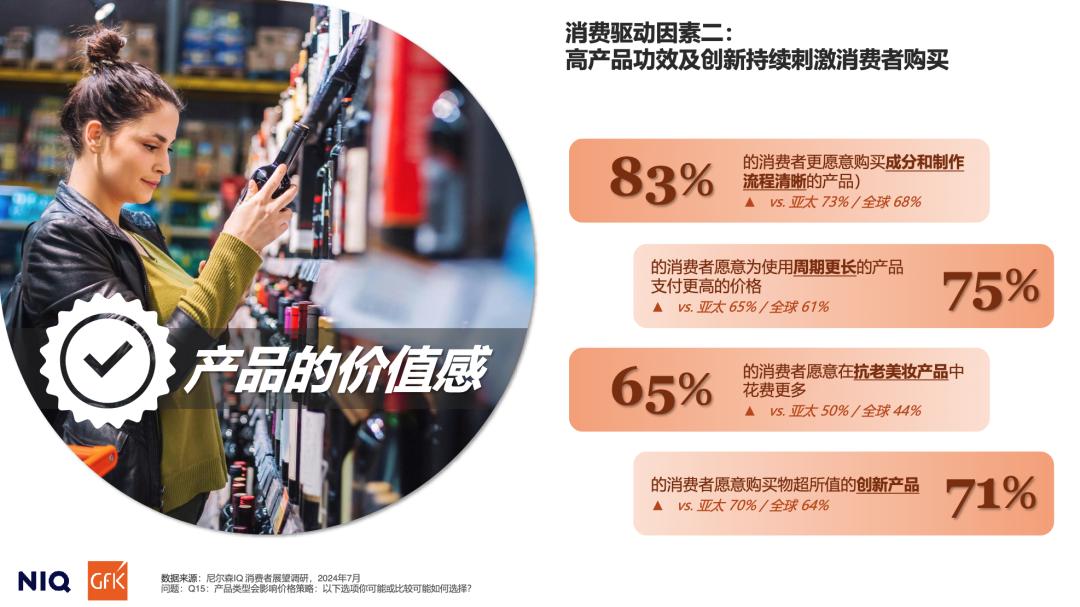
一升装的「工地饮料」,成了打工人的营养液
36氪· 2025-09-18 00:19
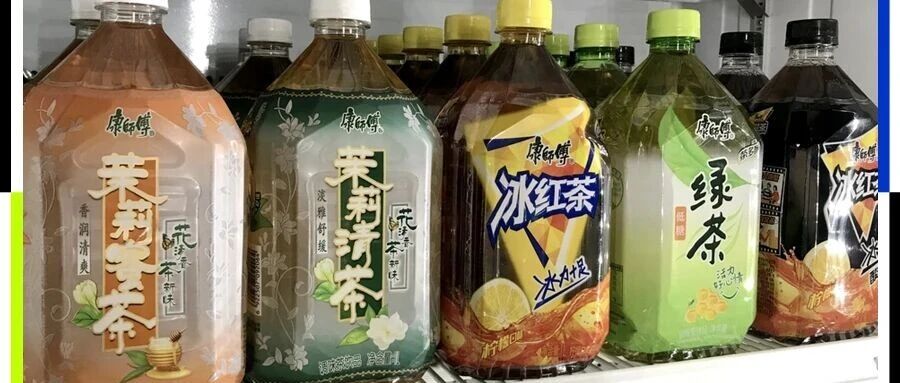
Core Viewpoint - The article discusses the rising popularity of 1L bottled drinks, referred to as "construction site drinks," among young white-collar workers, highlighting their affordability and perceived health benefits compared to other beverages [4][11][20]. Group 1: Market Dynamics - The 1L bottled drinks are seen as a cost-effective option, with prices as low as 2.9 yuan during group purchases, making them more appealing than smaller, more expensive bottles [11][8]. - As other beverages increase in price or decrease in quantity, the pricing of 1L drinks remains stable, attracting budget-conscious consumers [11][42]. - The competition among brands has intensified, with various companies launching their versions of "construction site drinks," including well-known brands like 康师傅 and 农夫山泉 [40][41]. Group 2: Consumer Behavior - Young professionals have shifted their preferences, finding comfort in the simplicity and nostalgia of 1L drinks, which were previously dismissed as childish [30][52]. - The consumption of these drinks has become a social currency, allowing individuals to participate in group purchases without the pressure of expensive options like milk tea [38][39]. - The article notes that while these drinks are not considered healthy, they are perceived as less harmful than other options laden with artificial sweeteners [18][22]. Group 3: Cultural Significance - The 1L bottled drinks have evolved into a symbol of practicality and straightforwardness for young workers, contrasting with the more elaborate marketing of coffee and tea [33][35]. - The drinks are associated with a no-frills lifestyle, where the focus is on work efficiency rather than indulgence [35][49]. - The article emphasizes that these drinks evoke a sense of nostalgia and familiarity, making them a preferred choice for hydration and energy during work hours [52][53].
每经热评丨宗馥莉“去娃哈哈” 难以完成的告别
Mei Ri Jing Ji Xin Wen· 2025-09-15 17:52
Core Viewpoint - The internal document leak reveals significant internal conflicts within Wahaha, as the company plans to replace its brand with "Wah Xiaozong" starting from the 2026 sales year, indicating a complete brand overhaul rather than an upgrade [1] Group 1: Brand Transition - The transition from "Wahaha" to "Wah Xiaozong" is not merely a rebranding but a fundamental shift, suggesting that the company is moving away from the legacy of its founder, Zong Qinghou [1] - The ownership structure of Wahaha Group complicates the brand transition, as the trademark belongs to the group and cannot be used without unanimous consent from all shareholders [1][2] Group 2: Historical Issues - The company faces complex historical issues, including disputes over employee stock ownership, litigation regarding stock buyback agreements, and the legality of trademark authorization, alongside ongoing family inheritance disputes [2] - Zong Fuli's attempts to transfer the "Wahaha" trademark to her controlled company were rejected by major shareholders, highlighting her limited control and the high legal risks involved [2] Group 3: Brand Value and Market Challenges - The new brand "Wah Xiaozong" lacks the historical significance and emotional connection that "Wahaha" has built over nearly 40 years, making it unlikely to inherit the brand's estimated value of 90 billion [3] - The current beverage market is highly competitive, with established players like Yuanqi Forest and Nongfu Spring, making it difficult for a new brand without a compelling story or differentiation to succeed [3] Group 4: Leadership and Brand Legacy - Zong Fuli's legitimacy as a successor is questioned; her ability to uphold and expand the Wahaha brand is seen as her primary justification for leadership [4] - Abandoning the "Wahaha" brand for "Wah Xiaozong" could be perceived as a betrayal of consumer trust, undermining her position and the brand's legacy [4][5] Group 5: Future Implications - If the "Wahaha" brand becomes unsustainable, it could lead to a total loss for the company, suggesting that a compromise may be necessary to preserve the brand's value [5]
2025年下半场,如何重新理解中国广告营销市场?
3 6 Ke· 2025-09-15 10:34
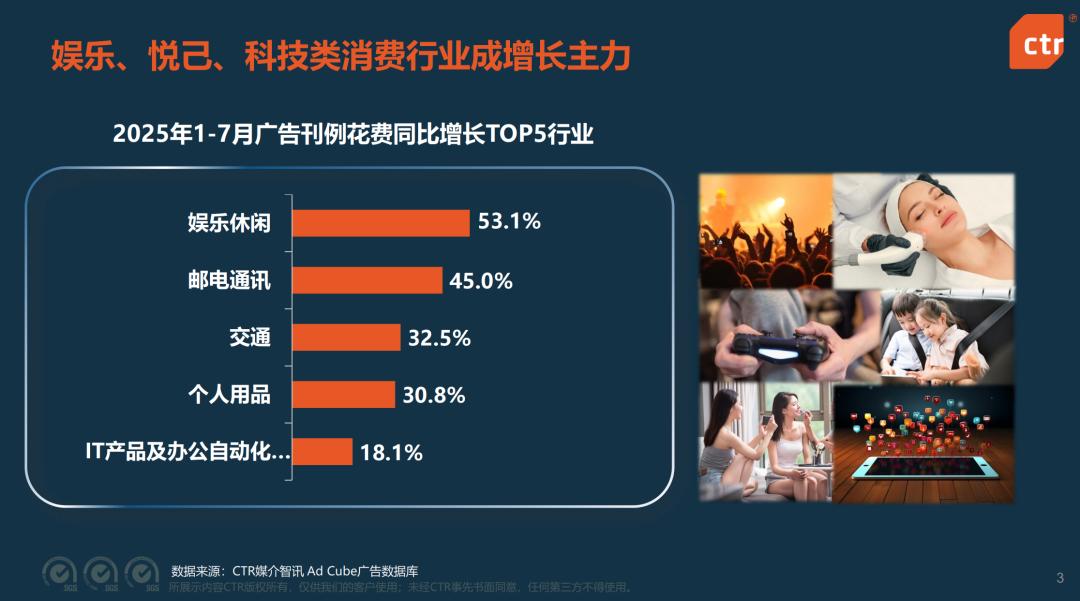
Group 1 - The core viewpoint of the article highlights that the Chinese advertising market is experiencing structural growth driven by multiple factors, with significant increases in advertising spending across various sectors such as entertainment, telecommunications, and personal care products [1][3] - Categories like personal health care, educational supplies, and leisure services have shown over 100% growth in advertising expenditure from January to July 2025, indicating strong market opportunities [3] - Advertisers are increasingly allocating budget towards new product promotions, with expectations that these expenses will account for 35% of overall marketing budgets in 2025, up 3 percentage points from 2024 [5] Group 2 - The rise of AI is significantly impacting consumer behavior and advertising strategies, with AI-related advertising spending increasing by 442.8% year-on-year in the first half of 2025, and 77% of consumers expressing a preference for brands that incorporate AI elements [6][10] - The shift towards an experience economy is prompting brands to evolve from merely functional advertising to creating immersive experiences that foster emotional connections with consumers [7][8] - Brands are increasingly utilizing authoritative perspectives in their marketing strategies, such as live-streaming factory processes to enhance credibility and trust among consumers [8] Group 3 - Brand value construction is becoming central to marketing strategies, with consumers prioritizing brand factors in their purchasing decisions, leading to a rise in advertisers focusing on brand value over immediate effectiveness [14][16] - Recent government policies are encouraging a focus on brand value enhancement, with initiatives from the State-owned Assets Supervision and Administration Commission aimed at guiding central enterprises in brand building [16] - The article suggests three key directions for the market: creating multi-dimensional experiential expressions, embracing AI while maintaining a human-centric approach, and returning to brand value construction as a core strategy for sustainable growth [17][18][20]
靠野生和业余,开酒馆的跳海做了一间酒店丨晚点周末
晚点LatePost· 2025-09-14 11:42
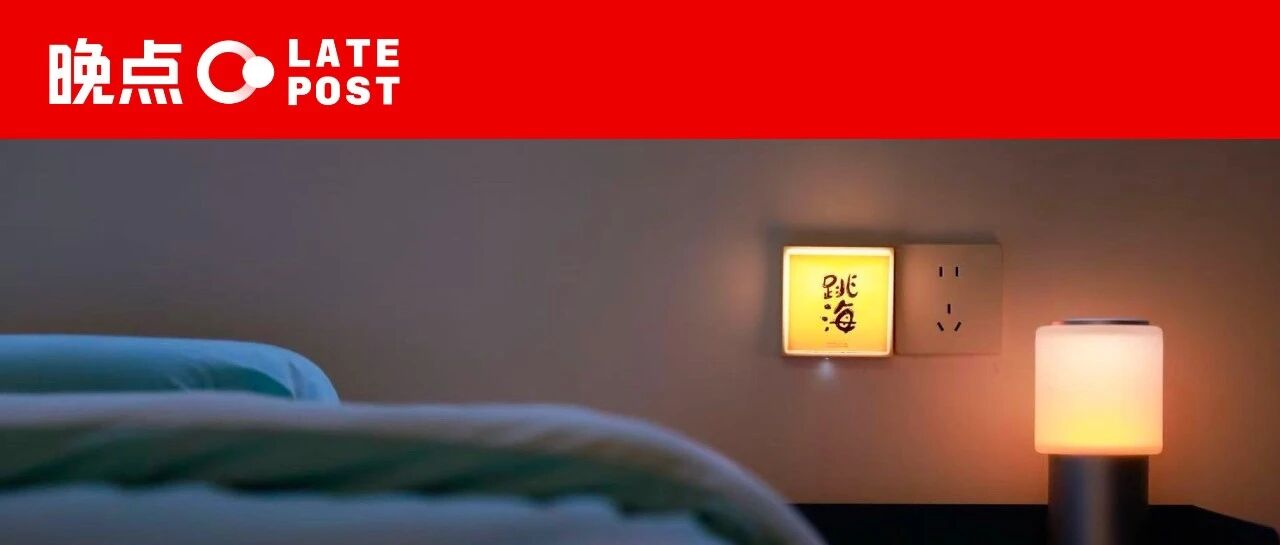
Core Viewpoint - The article discusses the transition of the company "跳海" from a bar business to a hotel venture, emphasizing the importance of community and social connections in their new business model [1][2][3]. Group 1: Business Transition - The founder, 梁优, has shifted focus from operating bars to establishing hotels, specifically a new brand called "跳海 Living" [3][4]. - The first hotel project is located in Shenzhen, repurposing two buildings previously owned by 万科, with a focus on creating a community-oriented space [4][5]. - The hotel aims to provide a unique experience that blends traditional hotel services with community engagement, targeting a new customer base [5][17]. Group 2: Community Engagement - The hotel design incorporates elements that foster connections among guests and local residents, aiming to create a vibrant social atmosphere [5][12]. - The concept of "公共生活" (public life) is central to the hotel's identity, with plans to offer various community-driven experiences [17][39]. - The hotel will feature local businesses and services, encouraging interaction between guests and the surrounding community [4][39]. Group 3: Pricing and Market Position - The pricing strategy for "跳海 Living" is set at nearly double that of comparable hostels, reflecting the added value of community experiences [25][17]. - The company aims to differentiate itself from traditional hotels by offering a more engaging and less standardized experience [17][38]. - Initial investment costs for the hotel are significantly lower than those of established hotel chains, allowing for a more flexible business model [18][19]. Group 4: Future Plans and Expansion - The company is exploring additional locations in major cities like Beijing, Shanghai, and Hangzhou for future "Living" projects [47]. - The focus will remain on creating spaces that cater to the needs of their target demographic, emphasizing community and social interaction [47][48]. - The company plans to integrate local experiences into their offerings, similar to Airbnb's experience model, to enhance guest engagement [41][39].
宗馥莉“去娃哈哈”,难以完成的告别
Mei Ri Jing Ji Xin Wen· 2025-09-14 10:41
Core Viewpoint - The internal document leak reveals significant internal issues within the Wahaha Group, indicating a shift towards a new brand "Wah Xiaozong" to replace "Wahaha" starting in 2026, which suggests a brand reconstruction rather than an upgrade [1] Group 1: Brand Transition - The transition to "Wah Xiaozong" is not merely a rebranding but signifies a complete departure from the "Wahaha" brand, which is seen as a liability following the death of founder Zong Qinghou [1][4] - The ownership structure of Wahaha Group complicates the brand transition, as the "Wahaha" trademark belongs to the group and cannot be used without unanimous consent from all shareholders [1][2] Group 2: Legal and Historical Issues - The company faces various historical issues, including disputes over employee stock ownership, stock buyback agreements, and the legality of trademark authorization, alongside ongoing family inheritance disputes [2] - Zong Fuli's attempts to transfer the "Wahaha" trademark to her controlled company were rejected by major shareholders, highlighting her limited control and the high legal risks involved [2] Group 3: Market Challenges - The new brand "Wah Xiaozong" lacks the historical significance, emotional connection, and market recognition that "Wahaha" has built over nearly 40 years, making it unlikely to inherit the brand's estimated value of 90 billion [3] - The current beverage market is highly competitive, with established players like Yuanqi Forest and Nongfu Spring, making it difficult for a new brand without a compelling narrative or differentiation to succeed [3] Group 4: Leadership and Brand Integrity - Zong Fuli's legitimacy as a successor is questioned; her connection to the "Wahaha" brand is seen as a moral obligation to uphold its legacy, which is jeopardized by the shift to "Wah Xiaozong" [4][5] - Abandoning the "Wahaha" brand could lead to a loss of authenticity and consumer trust, positioning Zong Fuli in a precarious situation regarding public perception and brand loyalty [5]