
奈雪的茶

Search documents
山寨奶茶店,县城中产的财富粉碎机
虎嗅APP· 2025-12-06 03:32
以下文章来源于图数室 ,作者图数室 图数室 . 新浪新闻出品《图数室》栏目。 关注我们,用数据读懂热点。 本文来自微信公众号: 图数室 ,作者:图数室,题图来自:AI生成 人到中年,梦碎奶茶店 县城奶茶一条街上,正牌连锁店门口排着队,几步外招牌相似的"追随者"们却总开了又倒,循环挣 扎。 不少中年人为寻事业"第二春"加盟开店,反被"快招"套路掏空半生积蓄。 县城中年有自己的破产四件套:奶茶店、咖啡店、汉堡店、烘焙店。从线上创业直播间到县城商业 街,"自杀式开店"的戏码正不断上演。 所谓"一键开店、短期回本"的话术背后,常是环环相扣的收 费陷阱。 想辞职开店的朋友有福了!某创业导师的连麦直播奉上最新电子榨菜:抵押房子开6层奶茶大厦的大 哥,用洗脚盆放榨汁工具的大姐,负债开中药奶茶店的离异宝妈……一群中年人押上半生积蓄,加盟 一家名不见经传的奶茶店,却敢于和雪王中门对狙。 他们的创业结局让人心惊胆战:"投60万开奶茶店血本无归""砸33万日销仅100""28万一个月亏精 光"……这些"商业新秀"的故事,足以打消普通人99%不切实际的暴富幻想。 "快招"陷阱有哪些特征?为何这类骗局总瞄准中年创业者?当市场被连锁巨头 ...


当年投周黑鸭,我们拿到了20倍投资回报
创业家· 2025-12-05 10:13
Core Insights - The article emphasizes the importance of consumer-focused investments, highlighting that successful projects in the past have predominantly been in the consumer sector, with a notable success rate [1][4]. Group 1: Investment Focus - The company has shifted its investment strategy to focus on consumer projects since 2011, finding that these projects often meet expectations for success [1]. - While technology projects can yield high returns, their success is often attributed to luck rather than replicable strategies, making them less reliable [2][3]. Group 2: Competitive Advantages in Consumer Sector - The article discusses the existence of competitive advantages, or "moats," in consumer enterprises, which differ from technology companies that rely on unique ideas or patents [4][6]. - Eight key aspects of these competitive advantages are identified, divided into demand-side and supply-side factors [8]. Demand-Side Moats - Brand Effect: Strong brands are crucial in specialized fields like healthcare and education, where consumer decision-making costs are high [10]. - Network Effect: Larger user bases enhance value, leading to winner-takes-all scenarios, exemplified by platforms like Xiaohongshu [10]. - Switching Costs: Consumers face significant hurdles in changing systems or brands, which can lock them into a particular product [10]. - Economies of Scope: The ability to offer a wide range of products in one location provides a competitive edge [10]. Supply-Side Moats - Economies of Scale: Early entrants can leverage high prices initially to cover costs and then reduce prices as they scale, maintaining a competitive lead [12]. - Learning Curve: Accumulated production experience creates knowledge barriers that are difficult for new entrants to overcome [13]. - Resource Monopoly: Control over unique processes, licenses, or prime locations can provide significant advantages [15]. - Supply-Side Economies of Scope: Optimizing product supply through networks can lead to cost efficiencies [16]. Group 3: Entrepreneurial Characteristics - The article notes that consumer entrepreneurs require a broader skill set compared to tech entrepreneurs, who may excel in specific areas [18]. - A framework called "VISIBLE" is introduced, representing key traits for successful entrepreneurs: Visionary, Integrity, Sharing, Innovative, Branding, Learning, and Execution [19]. Group 4: Investment Preferences - The company prefers to invest in product-oriented founders over marketing-oriented ones, as the former tend to build more stable businesses [22]. - Examples like Baoshifu Pastry illustrate the success of product-focused brands that have outlasted trend-driven competitors [23].


奈雪十周年锚定健康不动摇,"小绿瓶"获行业首款低GI蔬果茶认证
Ge Long Hui· 2025-12-04 07:49
Core Insights - The new tea beverage industry is shifting from a focus on sugar control to a more refined approach centered on natural nutrition and health adaptation, as highlighted by Nayuki's announcement of actress Gao Yuanyuan as the brand ambassador for its 10th anniversary [1][3] Group 1: Product Innovation - Nayuki's "Slim Green Bottle" is the first product in the tea beverage industry to use the innovative "perfect sweetener" D-Allulose, achieving a low Glycemic Index (GI) certification with a GI value of only 37, which maintains a refreshing taste while being low in calories [5][7] - D-Allulose has a caloric content of just 0.4 kcal per gram, which is only 10% of that of sucrose, making it a highly appealing alternative for health-conscious consumers [5][7] Group 2: Market Positioning - The "Slim Green Bottle" won the title of "Annual Star Ambassador" in Nayuki's "Green 101 Ranking Competition," reflecting strong consumer support and engagement with the brand [3][9] - Nayuki's strategy emphasizes a shift from "taste first" to "health first" in the tea beverage market, indicating a broader trend towards health-oriented products [5][9] Group 3: Health Benefits - Research indicates that D-Allulose may help stabilize post-meal blood sugar levels and assist in weight control, aligning with Nayuki's commitment to integrating health benefits into its product offerings [7][9] - The company has adopted the Rainbow Diet and Dietary Pyramid theories in product development, promoting a formula of "nutritious ingredients + fresh preparation + low-calorie sugar control" [7]

星巴克中国、蜜雪冰城……茶咖品牌们,都盯上了打工人的早餐
3 6 Ke· 2025-12-04 03:55
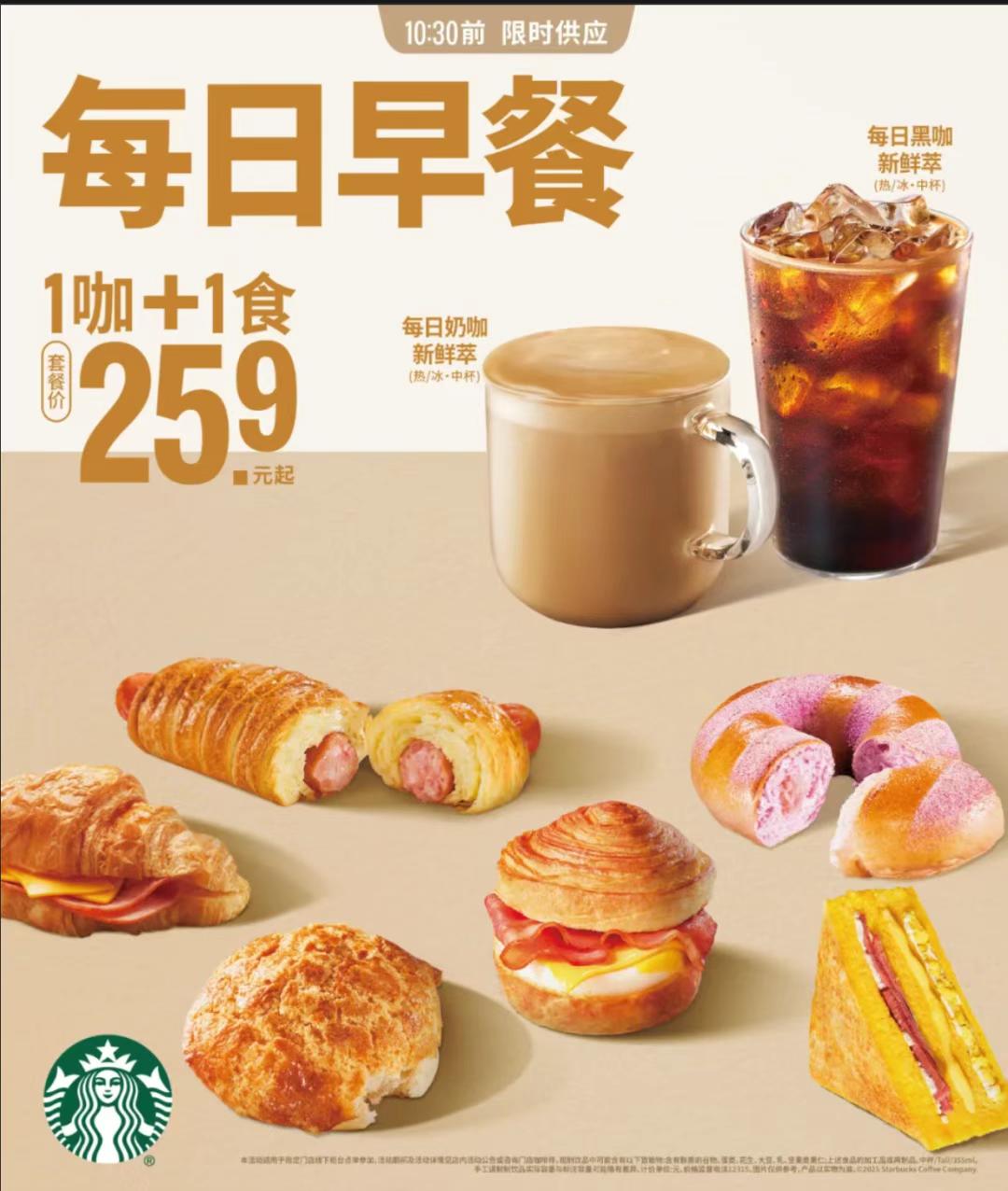
Core Insights - The article discusses the emerging trend of beverage brands, particularly coffee and tea chains, entering the breakfast market, indicating a shift in consumer behavior and market strategy [2][3][23] Group 1: Market Trends - Major beverage brands like Starbucks and Mixue Ice City are focusing on breakfast offerings, suggesting a strategic shift to capture consumer demand during this key meal period [2][4][22] - The trend of integrating food with beverages is becoming a standard practice rather than a differentiating factor, as seen with brands like Nayuki Tea and Tims Coffee [3][12][24] Group 2: Company Strategies - Starbucks launched a "Daily Breakfast" series in Shenzhen, offering value meal combinations at prices ranging from 25.9 to 31.9 yuan, which includes coffee and food items [6][8] - Tims Coffee has also entered the lunch market with a "Light Bagel Lunch Box" series, emphasizing health and freshness, indicating a broader strategy to attract consumers throughout the day [10][11] Group 3: Consumer Behavior - There is a growing consumer preference for convenient breakfast options, particularly among office workers and students, leading to increased demand for quick meal solutions [22][24] - The article highlights that breakfast consumption is becoming a necessity, with brands recognizing the importance of catering to this demand to enhance customer engagement and sales [22][26] Group 4: Competitive Landscape - The competitive landscape is shifting as beverage brands aim to capture a larger share of the breakfast market, which has traditionally been dominated by street vendors and local eateries [26][27] - The integration of food offerings is seen as a way to increase customer frequency and average transaction value, making it essential for brands to adapt to this evolving market [24][25]


王鹏:中企赴美展现两国强大“耦合”韧性
Sou Hu Cai Jing· 2025-12-03 23:07
Group 1 - Several Chinese chain restaurant brands are entering the U.S. market, opening dozens to hundreds of stores in multiple cities, despite structural pressures faced by Chinese companies operating in the U.S. [1] - The drive for Chinese companies to invest in the U.S. market stems from a strategic need to pursue technological influence, brand power, and market standard-setting, moving beyond mere trade and resource orientation [1][2] - Companies like Heytea and Nayuki are targeting the U.S. market to establish a second growth curve and achieve global brand elevation, shifting from cost advantages to model and efficiency advantages [2] Group 2 - Chinese companies face significant challenges in the U.S. market, including high localization costs, intense market competition, and political and policy risks from the U.S. government [2] - Despite the rhetoric of "decoupling," the economic relationship between China and the U.S. shows strong resilience, with mutual dependencies in supply chains that are difficult to sever [3] - The dynamic market structure allows for strategic depth and flexibility for Chinese companies, as they can leverage domestic e-commerce channels to buffer against external demand fluctuations [3] Group 3 - The journey of Chinese companies entering the U.S. market is complex, characterized by both opportunities and challenges, rooted in the internal demand for globalization and external geopolitical shocks [4] - Success for these companies relies on irreplaceable technological innovation, deep localization operations, and a high respect for global rules, which are essential for building true multinational competitiveness [4]
霸王茶姬:困于“伯牙”?
3 6 Ke· 2025-12-03 13:57
Core Viewpoint - Bawang Chaji, a tea brand focusing on milk tea, has faced declining revenue and profits since its NASDAQ listing in April 2025, with a significant drop in same-store GMV and overall financial performance [1][4][5]. Financial Performance - In Q3 2025, Bawang Chaji reported a net revenue of 3.208 billion yuan, a 9.4% decrease from 3.541 billion yuan in Q3 2024, and a continuous decline from the previous two quarters [1][4]. - The company's operating profit for Q3 2025 was 454.4 million yuan, with an operating profit margin of 14.2%, down from 794.3 million yuan and 22.4% in the same quarter of 2024 [4]. - Adjusted net profit for Q3 2025 was 502.8 million yuan, a 22.23% decrease from 646.6 million yuan in Q3 2024, with a net profit margin of 12.4% [4]. Business Model and Market Strategy - Bawang Chaji's revenue from franchise tea houses in Q3 2025 was 2.8116 billion yuan, down from 3.299 billion yuan in the same quarter of 2024, attributed to price sensitivity among consumers due to delivery platform subsidy wars [1][4]. - The company has maintained a "big single product, high repurchase" strategy, focusing on its flagship product "Boya Juexian," which has generated significant sales but faces challenges in sustaining consumer interest without new product introductions [2][9]. Market Competition - The competitive landscape for new tea drinks has intensified, with brands like Heytea and Nayuki expanding into lower-tier cities and increasing competition [7]. - Bawang Chaji has rapidly opened stores, reaching a total of 7,338 locations by September 30, 2025, with 6,971 being franchise stores, which may dilute per-store revenue [7][20]. Product Development and Innovation - The company has been slow in product innovation, with only eight new products launched in 2025, including variations of its flagship product, which may hinder its ability to attract repeat customers [9][10]. - Bawang Chaji plans to enhance its product matrix and introduce a 4.0 menu to explore new consumption scenarios and improve brand experience [14]. International Expansion - Bawang Chaji has successfully expanded internationally, with 262 overseas stores as of Q3 2025, particularly in Southeast Asia, where it has seen a 75.3% year-over-year increase in overseas GMV [16][17]. - The brand has become popular in Malaysia, leveraging local partnerships and marketing strategies to achieve record sales [17]. Customer Engagement and Retention - The company has achieved 11 consecutive quarters of profitability, with a stable cash flow and no interest-bearing debt, indicating a healthy financial position despite domestic market challenges [20]. - As of September 30, 2025, Bawang Chaji had 222 million registered members, a 36.7% increase year-over-year, and a low store closure rate of 0.3% [20].
新式茶饮进化论:十年的品类迭代与赛道新机会
3 6 Ke· 2025-12-03 03:29
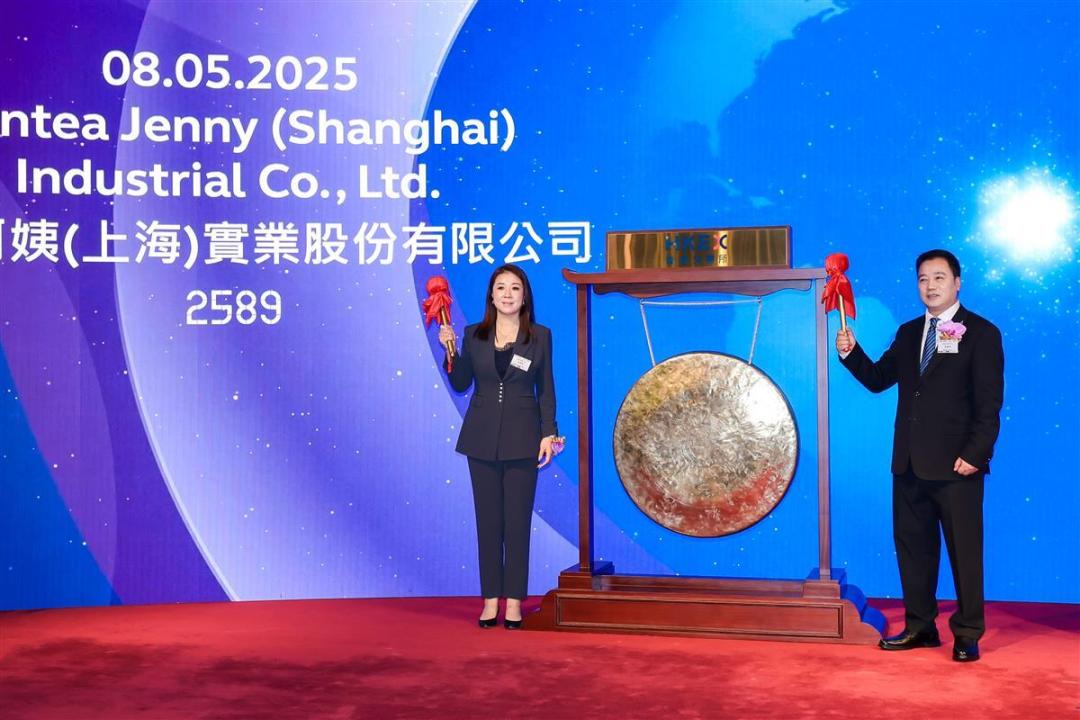
2025年5月8日,沪上阿姨通过港交所上市聆讯,成为今年第四家登陆资本市场的茶饮品牌。从古茗到蜜雪冰城、霸王茶姬,再到沪上阿姨,这一年无疑是 中国现制茶饮的"资本狂欢年"。 一个从上海街头走出的品牌,在短短三年间将营收做至30亿、门店拓展至9000家,依托加盟模式跑通了快速扩张的生意模型。而在当代中国购物中心的业 态版图中,茶饮早已不是"可有可无的小吃"——已经是空间气质的界面、客流结构的投影、运营逻辑的信号。 沪上阿姨正式登陆港交所 ©网络 过去十年,茶饮品牌经历了从街边档口到购物中心主力店、从地域性品牌到资本宠儿的剧烈跃迁。尤其是在新一线与一线城市,这一品类成为购物中心中 最灵活、更新最快、也是消费者参与感最强的业态之一。 但与此同时,红利透支也在加速显现:过热扩张带来坪效下滑、复购疲软、品牌趋同、装修内卷、体验黏性不足等问题逐步显露,茶饮门店对购物中心的 实际价值正在被重新审视。以下,基于我们2015–2025年对中国一线与新一线城市茶饮业态的发展脉络与空间分布的研究,结合RET睿意德商业运营实践 经验,尝试解答以下三个重要问题: 茶饮业态的发展史中,哪些节点决定了其跃迁? 茶饮品牌在购物中心中的真实经 ...
独家数据!逾千款应用或偷走隐私,一款APP竟测出9项违规
Nan Fang Du Shi Bao· 2025-12-03 03:01
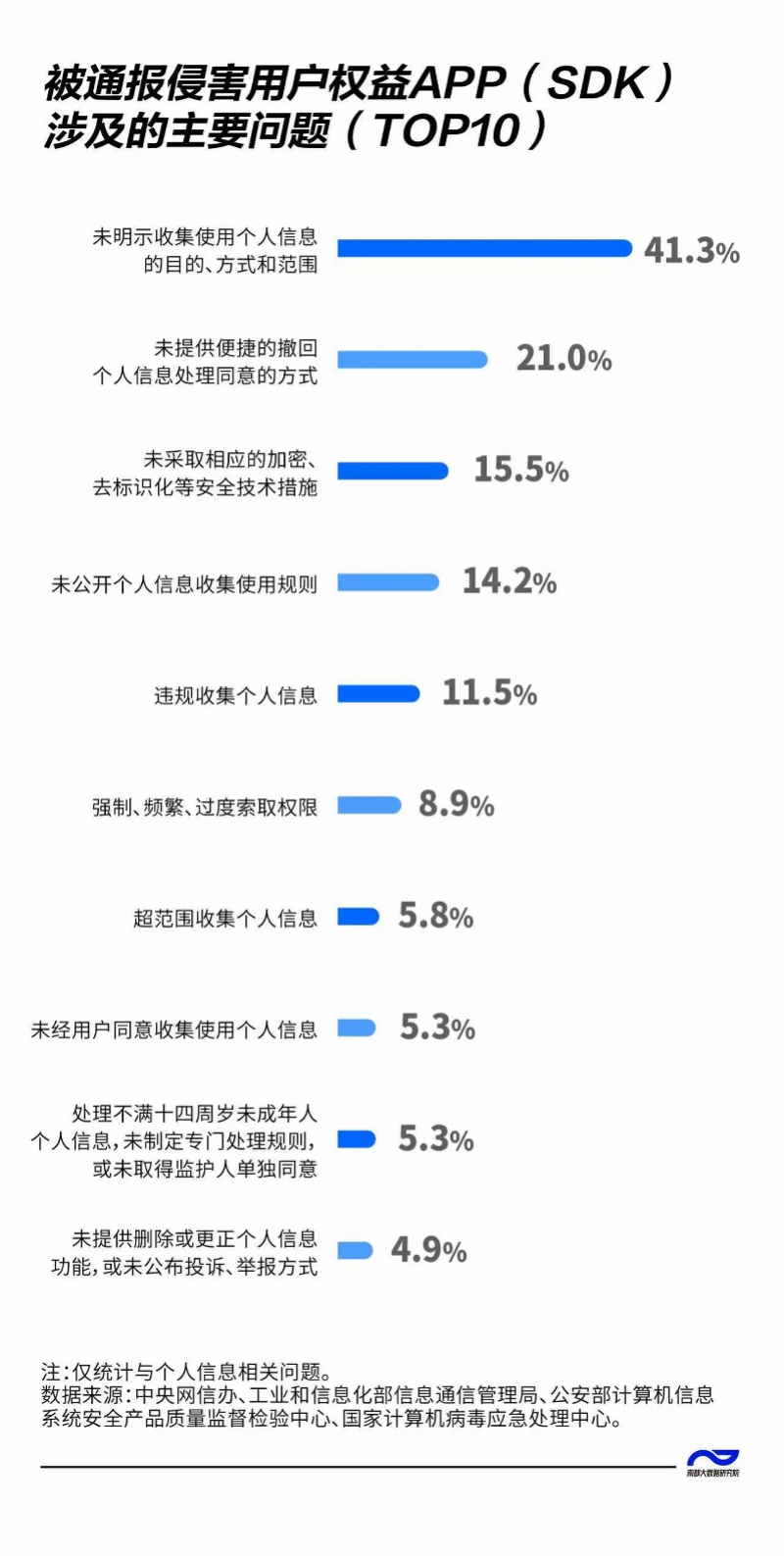
Core Insights - The article highlights the increasing scrutiny and regulation of applications (APPs) that infringe on user rights, particularly regarding personal information protection, with over 1,115 APPs reported for violations in 2025 [2][4][8]. Group 1: Regulatory Actions - Regulatory bodies, including the Central Cyberspace Administration, Ministry of Industry and Information Technology, and Ministry of Public Security, have been actively monitoring and reporting APPs that violate user rights, with a focus on personal information protection [2][3]. - The trend in 2025 shows a more pronounced regulatory direction, emphasizing core issues of personal information protection and compliance, as outlined in a special action announcement [2][3]. Group 2: Types of Violations - The most common violation type is the failure to clearly state the purpose, method, and scope of personal information collection, accounting for 41.3% of reported cases [4][6]. - Other significant issues include the lack of convenient methods for users to withdraw consent for personal information processing (21.0%) and inadequate security measures such as encryption and de-identification (15.5%) [6][8]. Group 3: APP Categories and Examples - Utility APPs are notably problematic, representing 28.8% of violations, with many developers lacking sufficient security investments and compliance measures [11][12]. - Well-known applications like "7 ELEVEN" and "T3 Travel" have been flagged for multiple violations, including inaccessible privacy policies and failure to inform users about data processing practices [8][12]. Group 4: Industry Impact - Various sectors, including finance, healthcare, and hospitality, have seen multiple APPs reported for non-compliance with personal information regulations, indicating a widespread issue across industries [16][17]. - The article emphasizes the need for companies to prioritize user data security and compliance as fundamental operational responsibilities [11][16].
海南航空的“封关”生意经:大幅降本,发力中转丨消费参考
2 1 Shi Ji Jing Ji Bao Dao· 2025-12-03 02:17
Group 1: Hainan Free Trade Port - Hainan Free Trade Port will officially start its full customs closure operation on December 18, 2025, creating a special customs supervision area with policies characterized by "one line open, two lines controlled, and free flow within the island" [1] - The "one line open" policy allows for free and convenient entry and exit between Hainan and other countries, while the "two lines controlled" policy implements precise management for the content opened to the "one line" [1] Group 2: Hainan Airlines Opportunities - Hainan Airlines (HNA Holding) anticipates benefiting from multiple tax incentives post customs closure, which will effectively reduce financial costs and attract high-end talent [2] - The company will enjoy zero tariffs on aircraft purchases and certain aviation materials, as well as the full implementation of bonded aviation fuel policies, significantly lowering core operating costs [2] Group 3: International Transit Development - HNA Holding is actively developing its transit economy, having successfully opened its first international-to-international route at Haikou Airport within one month of the terminal's renovation [3] - The company has achieved a 100% opening rate for intercontinental transit routes from Haikou, including destinations like Sydney, Melbourne, Auckland, Moscow, and London [3] - A policy allowing international transit passengers to bypass border inspection procedures has been implemented, enhancing the efficiency of international transfers [3] Group 4: Passenger Growth and Financial Performance - From January to October, HNA Holding's international passenger transport volume at Haikou Meilan Airport increased by 79% year-on-year, marking a five-year high [4] - In Q3, HNA Holding's revenue grew by 1.84% to 20.354 billion yuan, while net profit attributable to shareholders decreased by 0.75% to 2.788 billion yuan [5] - In comparison, Air China reported a revenue increase of 0.9% to 49.1 billion yuan, with a net profit decline of 11.3% to 3.68 billion yuan during the same period [5] Group 5: Future Outlook - HNA Holding expresses confidence in the future, anticipating that the extended nine-day Spring Festival holiday in 2026 will inject new momentum into the market, leading to significant increases in return home visits, cross-border tourism, and long-distance travel [6]

告别烧钱的“疯狂联名” 新茶饮开启轻量化营销
Mei Ri Shang Bao· 2025-12-02 23:35
Core Insights - The new tea beverage industry is experiencing a shift from a "traffic-driven" marketing approach to a "value-driven" one, as exemplified by Heytea's introduction of a "hand-drawn custom cup sticker" feature that allows users to create personalized stickers, enhancing customer engagement and experience [1][2][3] Group 1: Marketing Innovations - Heytea's new feature allows users to upload their designs for cup stickers via a mini-program, which has gained popularity on social media platforms, reflecting a new direction in user-centric marketing [1] - The success of this feature has led to the emergence of related services on second-hand trading platforms, with prices for custom designs ranging from 3 to over 20 yuan, indicating a growing market for personalized products [2] Group 2: Industry Trends - The trend of co-creation between brands and consumers is not unique to Heytea; other brands like Kawan Kawa and Momo Milk Tea have also launched similar initiatives, showing a broader industry movement towards interactive marketing [2] - The frequency of brand collaborations has significantly decreased in 2023, with Heytea's partnerships dropping from 39 last year to just one this year, indicating a cooling off of the previously popular IP collaboration strategy [2][3] Group 3: Financial Implications - The financial reports indicate a significant increase in sales and distribution expenses for new tea brands, with Gu Ming at 480 million yuan (up 42.4%), Cha Bai Dao at nearly 400 million yuan (up 201.6%), and Mi Xue Bing Cheng at nearly 1.6 billion yuan (up 21.3%) [3] - The decline in effective brand collaborations has led to consumer fatigue, reducing the long-term brand recall and effectiveness of these marketing strategies [3]