卡游

Search documents
新消费重估值?核心推荐观点
2025-05-20 15:24
Summary of Key Points from Conference Call Records Industry Overview Gold and Jewelry Industry - The gold and jewelry industry is undergoing a significant transformation from channel-driven to product-driven, influenced by increased information transparency and consumer sophistication. Brands are innovating in design and craftsmanship to cope with rising gold prices. Valuation varies, with weight-based products valued lower and fixed-price products valued higher, potentially leading to a reevaluation in the context of new consumer sentiment [1][4][7]. - In April 2025, the industry showed decent performance in retail sales data, primarily due to a low base and investment gold's strong influence. However, the beta for jewelry is not ideal, with companies like Changhong Jiahua and Mankalon showing resilience against budget and price pressures [3][4]. - The valuation of the gold and jewelry sector is at historical lows, with weight-based products valued below 15 times earnings and fixed-price products valued around 20 to 30 times. This sector is expected to gain more attention as new consumer sentiment rises [7]. Tea Beverage Industry - The tea beverage industry is shifting from price competition to product innovation, with new products contributing more to revenue and improving average transaction value and gross margins. Leading brands have high market concentration, limiting the survival space for new entrants. Notable performers include Cha Bai Dao and Gu Ming, which excel in product innovation and geographic expansion [1][11][12]. - In Q1 2025, Cha Bai Dao's new product contribution to revenue increased from 10% to 18%, indicating a positive trend in product innovation and pricing strategy [11][13]. - The market share of leading tea brands like Mi Xue Bing Cheng, Gu Ming, and others accounts for approximately 50% of the market, indicating high concentration and competitive dynamics [9][10]. Beauty Industry - The beauty industry is transitioning from channel-driven growth to a focus on comprehensive capabilities. International brands are recovering, and domestic brands are no longer engaging in aggressive price wars. Key areas of interest include collagen restructuring and functional skincare products, with Hong Kong-listed beauty brands valued between 25 to 35 times earnings and expected to grow at a compound annual growth rate of about 30% over the next three years [1][19][20]. - Companies like Shangmei and Mao Ge Ping are adjusting their product lines and expanding into new categories, such as fragrances and body care, to meet urban women's needs [23][24]. Key Companies and Their Strategies Shangmei Co. - Shangmei is leveraging data from Douyin and expanding its product line to seek growth. The brand is transitioning towards a broader market appeal and plans to launch collaborative products with popular IPs [23]. Mao Ge Ping - Mao Ge Ping is restructuring its skincare business and has launched a new fragrance line. The company aims to meet the demands of urban women and is expected to achieve around 30% growth over the next few years [24]. Ke Fu Mei - Ke Fu Mei holds a strong position in the collagen cosmetics sector, with expectations of maintaining approximately 30% growth over the next three years. The company is preparing for medical aesthetics commercialization [25]. Bu Lu Ke - Bu Lu Ke is projected to achieve significant revenue growth, with expectations of reaching 11 to 12 billion yuan in 2025. The company is diversifying its IP portfolio and expanding its market presence [35]. Market Trends and Future Outlook - The overall consumer market is expected to recover, with the beauty sector showing signs of growth despite previous pessimism. The beauty industry is transitioning from a focus on price to product quality and brand-driven growth, with many companies expected to maintain a compound growth rate of around 30% [21][29]. - The medical aesthetics industry is also transitioning from a saturated market to one with growth potential, particularly with upcoming shopping events and new product launches expected to drive performance [32]. Conclusion - The gold and jewelry, tea beverage, and beauty industries are all experiencing significant transformations driven by consumer behavior changes and market dynamics. Companies that adapt to these changes through innovation and strategic positioning are likely to see substantial growth opportunities in the coming years.
卡游经营近况更新
2025-05-20 15:24
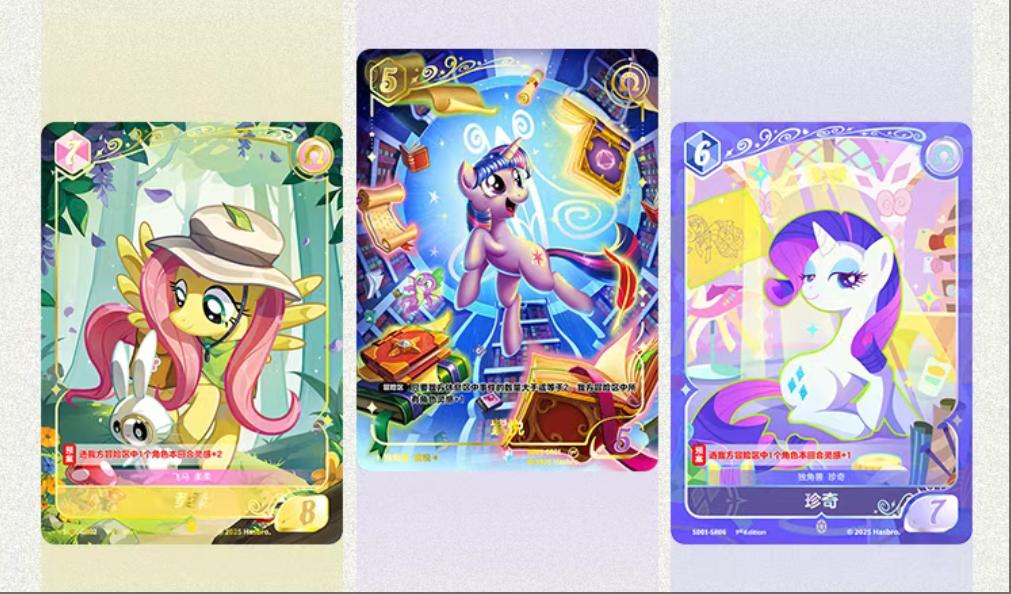
Summary of Conference Call Records Company Overview - **Company**: 卡游 (KAYOU) - **Industry**: Card Game and Collectible Toys Key Points and Arguments Performance Metrics - In April 2025, the performance in East China declined by 40% year-on-year and 30% month-on-month to 110 million yuan, primarily due to the drop in popularity of major IPs like Nezha, leading to product sales fluctuations. National sales were approximately 500 million yuan (excluding GMV) [1][3][7]. - In May 2025, sales data showed increased volatility, with a year-on-year decline of about 80% compared to October last year and a month-on-month decline of about 60%. The share of Nezha IP in Q2 dropped from 53% in Q1 to 32%, while My Little Pony fell from 23% to 12%, indicating a significant shrinkage in major IP operations [1][4][5]. - The company plans to launch 600 new products in 2025 while maintaining a rapid turnover cycle to alleviate inventory pressure on distributors [1][12]. IP Management and Lifecycle - The company aims to extend the lifecycle of IPs by controlling product supply and demand balance. For instance, My Little Pony's lifecycle was extended from 8 months to 1.5-2 years through effective sales control [1][11]. - The Nezha IP is currently in a rapid decline, with expectations for overall revenue this year projected between 2 billion to 2.1 billion yuan [1][8]. Market Trends and Sales Channels - The collectible toy and blind box economy is performing well, with KAYOU being a representative company in this sector. However, the decline in major IPs like Nezha has led to performance fluctuations [2]. - Online sales accounted for nearly 30% in 2024, up from 15% in 2023, with a significant portion coming from Douyin's card-breaking system, which reached nearly 60% [4][18]. - The company plans to establish 1,000 experience stores in 2025 and explore exclusive agency models for stationery products [4]. Inventory and Distribution Challenges - The current card game market is in a cold season, limiting distributor profitability. KAYOU has reduced inventory turnover indicators to two weeks to alleviate pressure [1][12]. - The company has implemented strict requirements for distributors, including monthly order ratios for new products, to manage cash flow and inventory effectively [12]. Competitive Landscape - KAYOU's main competitors include Pikachu Society and Flash Soul, with the former having a richer IP reserve but weaker offline sales systems. Flash Soul ranks second in the domestic offline sales system [40]. - The company maintains a strong market position due to its robust offline sales system and brand influence, allowing it to effectively capture market demand during IP peaks [28]. Future Outlook - KAYOU's gross margin is currently at 70% and net margin at 40%, expected to remain stable as long as raw material prices do not rise [41]. - The company is exploring new growth avenues, including partnerships with non-traditional retail sectors like tea shops [30]. Consumer Behavior Insights - The demand for card products is influenced by the popularity of IPs, with male consumers showing a tendency to return to card purchases when popular IPs are released [21][35]. - The company adjusts its strategies based on consumer preferences, particularly focusing on popular IPs to attract adult players [36]. IP Exclusivity and Licensing - KAYOU has exclusive licensing for certain IPs like Conan, while others like Ultraman and My Little Pony are not fully exclusive, leading to a competitive landscape in other product categories [46]. Conclusion - KAYOU is navigating a challenging market environment with fluctuating IP popularity and inventory management issues. The company is focusing on extending IP lifecycles, enhancing online sales channels, and exploring new retail partnerships to sustain growth and profitability in the collectible toy industry.
第一创业晨会纪要-20250520
First Capital Securities· 2025-05-20 05:09
Macro Economic Group - In April, industrial added value increased by 6.1% year-on-year, exceeding WIND's expectation of 5.2%, but down 1.6 percentage points from March. The cumulative year-on-year growth from January to April is 6.45%, which is 0.6 percentage points higher than last year's total [3] - The total retail sales of consumer goods in April nominally grew by 5.1%, lower than WIND's expectation of 5.5%, with a cumulative year-on-year growth of 4.7% from January to April, which is 1.2 percentage points higher than last year [3] - Fixed asset investment cumulative year-on-year growth from January to April is 4.0%, below WIND's expectation of 4.3%, but still 1.0 percentage points higher than last year [3] - The trade surplus for January to April reached USD 368.8 billion, an increase of USD 113.9 billion year-on-year, with a year-on-year growth rate of 44.7% [4] Strategy and Advanced Manufacturing Group - Leap Motor reported a loss attributable to equity holders of RMB 130 million in Q1 2025, significantly reduced from a loss of RMB 1.01 billion in the same period of 2024. Revenue for Q1 2025 was RMB 10.02 billion, a year-on-year increase of 187.1%, driven by a 162% increase in vehicle sales to 87,552 units [7] - The gross margin for Q1 2025 reached a historical high of 14.9%, compared to -1.4% in the same period of 2024 and 13.3% in Q4 2024. The collaboration with Stellantis in Europe provides a competitive advantage for Leap Motor in the European market [7] Consumer Group - In April 2025, the online sales of trendy toys and anime products reached RMB 1.31 billion, with a year-on-year growth rate of 48%, continuing the rapid growth trend from Q1 [10] - Domestic trendy toy brands performed well, with Pop Mart's online sales increasing by 287% year-on-year, and LABUBU series products experiencing a buying frenzy in overseas markets [11] - During the 618 shopping festival, various e-commerce platforms adjusted their promotional strategies, with Tmall starting its campaign earlier and simplifying discount structures, which is expected to significantly reduce return rates [12]
卡牌经济:IP的文化征服与全球野心
艾瑞咨询· 2025-05-19 09:20
Group 1 - The core viewpoint of the article emphasizes the transformation of card games into a cultural and economic phenomenon, driven by IP globalization strategies and innovative marketing approaches [1][2][18] - The article discusses the significance of IP as a cultural amplifier and its role in attracting users, highlighting successful collaborations with major franchises like Disney and My Little Pony [1][2] - The concept of cultural reconstruction is illustrated through the example of the "Card Game Three Kingdoms," which combines historical elements with modern aesthetics to appeal to adult collectors [3] Group 2 - The article outlines the synergy between film and card games, showcasing how limited edition cards linked to popular movies can enhance collectible value and drive fan engagement [4] - It highlights the cultural export of Chinese sports through card games, exemplified by the collaboration with the National Sports Administration during the Paris Olympics [5] - The article identifies two main categories of card games: collectible cards and trading card games (TCG), each catering to different consumer needs and experiences [6][11] Group 3 - The operational logic of card games is explored, detailing how scarcity and limited editions create a "luck economy" that drives demand and market success [10] - The article discusses the emotional and social aspects of card collecting, emphasizing its role as a social currency among different age groups [10][12] - It notes the growing trend of TCGs in competitive environments, with significant participation in tournaments and the increasing appeal of female players [11][12] Group 4 - The article discusses the expansion of product categories and the creation of an ecosystem around IP derivatives, including toys and stationery [14][15] - It highlights the global ambitions of card companies, with plans to develop IP in international markets and leverage cultural soft power [17] - The article emphasizes the importance of social responsibility in the industry, detailing initiatives aimed at preventing irrational consumption among minors [19][20] Group 5 - The article concludes by addressing the challenges of balancing IP licensing with original content creation, as well as the need for sustainable industry practices [21] - It presents a user ecosystem model that captures the dual attributes of card consumption as social currency and collectible investment [22] - The article outlines strategies for IP ecosystem management, focusing on transforming traffic into cultural assets [24]


兴业证券:中国正处于“精神消费时代”起点 看好谷子潮玩、黄金珠宝和城市户外赛道β机会
智通财经网· 2025-05-19 05:50
Core Viewpoint - The rise of emotional consumption is a natural outcome of economic development, marking the beginning of a "spiritual consumption era" in China, where consumers seek emotional resonance and identity recognition rather than just functional value from products [1] Group 1: Emotional Consumption Dynamics - Emotional-driven consumer behavior creates a resonance between cultural and commercial potential, exemplified by the transformation of ordinary items into premium symbols through storytelling and emotional connections [2] - Brands like Jellycat leverage interactive emotional marketing to create a high emotional experience chain, differentiating themselves in the plush toy market and driving consumer enthusiasm [2] - Cultural identity enhances brand value, as seen with brands like Laopuhuangjin, which evoke a sense of cultural belonging and identity among consumers, challenging international luxury brands [2] Group 2: Investment Strategies - The investment strategy emphasizes capturing strategic opportunities brought by emotional functionality in both new and traditional sectors, with a focus on the beta opportunities in the trendy toy, gold jewelry, and urban outdoor markets [3] - Catalysts for stock price increases include the iteration of major products, the opening of high-potential stores, and the listing of new consumer companies [3] Group 3: Sector Insights - Trendy Toys: The Chinese pan-entertainment industry is projected to grow by 30% in 2024, with significant potential for IP development and consumption, particularly in blind boxes and collectible cards [4] - Gold Jewelry: Brands like Laopuhuangjin and Chow Tai Fook are moving away from traditional processing fees to offer products that satisfy high-net-worth consumers' needs for craftsmanship and cultural identity [5] - Urban Outdoor: The urban outdoor sector is emerging as a new lifestyle choice, expected to grow at a CAGR of 15% from 2024 to 2029, with brands like Anta Sports leading the way [6]



新消费估值中枢提升,新型烟草&智能眼镜产业迎催化
Xinda Securities· 2025-05-18 08:02
Investment Rating - The industry investment rating is "Positive" [2] Core Viewpoints - The report highlights an increase in the valuation center of new consumption, with new tobacco and smart glasses industries poised for catalysts [2] - The report discusses various sectors including paper, exports, new tobacco, home furnishings, consumer goods, packaging, two-wheelers, gold and jewelry, cross-border e-commerce, IP retail, maternal and child products, beauty care, e-commerce, electrical lighting, and tools, indicating a broad analysis of the light industry [2][3][4][5] Summary by Relevant Sections Paper Industry - As of May 15, the average weekly price of imported needle and broadleaf pulp increased by 1.1% and 0.9% respectively, influenced by overseas supply and easing US-China trade tensions [2] - The report anticipates a gradual recovery in paper prices due to ongoing demand and cost pressures [2] Export Sector - The narrative remains positive with structural growth and overseas capacity as long-term focus areas [2] - Companies like Walmart and YETI reported stable growth, with Walmart's Q1 revenue up by 2.5% year-on-year [2] New Tobacco - The GLO HILO product from British American Tobacco is set to launch in Japan, with expectations for strong performance in 2024 [2] - Sales for various tobacco products are projected to grow, with heated tobacco products (HNB) and nicotine pouches showing significant increases [3] Home Furnishings - The report notes a decline in revenue and net profit for leading companies like Minhua, but anticipates recovery through multi-channel strategies [3] - Companies such as Gujia and Mousse are highlighted for their potential growth in the domestic market [3] Consumer Goods - The report mentions the upcoming 618 shopping festival, with domestic brands showing strong pre-sale performance [3] - Brands like Babycare and Bubululu are noted for their market leadership in specific categories [3] Packaging - Companies like Yongxin and Yutong are performing steadily, with growth in new segments [4] - The report emphasizes the importance of overseas market expansion for these companies [4] Two-Wheelers - Ninebot's cumulative sales have surpassed 7 million units, indicating robust growth in the electric two-wheeler market [4] - New product launches from companies like Niu Electric are also performing well [4] Gold and Jewelry - The report discusses the launch of new product lines and promotional activities by brands like Chao Hong Ji and Lao Feng Xiang [4] - Despite concerns over gold price fluctuations, sales performance remains strong [4] Cross-Border E-commerce - The easing of tariff pressures is seen as a temporary relief for sellers, with a focus on global supply chain strategies [4] - Companies like Anker Innovations and Zhiou Technology are highlighted for their strong global presence [4] IP Retail - The opening of new stores by brands like Pop Mart is expected to attract significant consumer interest [4] - The report notes the potential for increased foot traffic and sales through innovative product launches [4] Maternal and Child Products - The strategic investment by Kidswant in HanSang Technology aims to enhance service ecosystems [5] - The report emphasizes the importance of technology in improving customer experience [5] Beauty Care - Domestic brands are leading in pre-sale rankings for the 618 shopping festival, with significant year-on-year growth in sales [5] - Brands like Proya and Kefu Mei are noted for their strong market presence [5] E-commerce - The report discusses the focus on lower-tier markets and the integration of AI in retail strategies [5] - Companies like Huitongda Network are highlighted for their innovative approaches to market expansion [5] Electrical Lighting - Bull Group is focusing on smart lighting and international expansion, launching new products [5] - The report notes the brand's efforts to enhance its global reputation [5] Tools - The report indicates a recovery in shipments due to easing tariff impacts, with companies like Juxing Technology resuming exports [5] - The ongoing shift in production capacity is noted as a significant trend in the industry [5]
谷子经济“能否”拯救万达电影?
Xin Lang Cai Jing· 2025-05-17 01:52
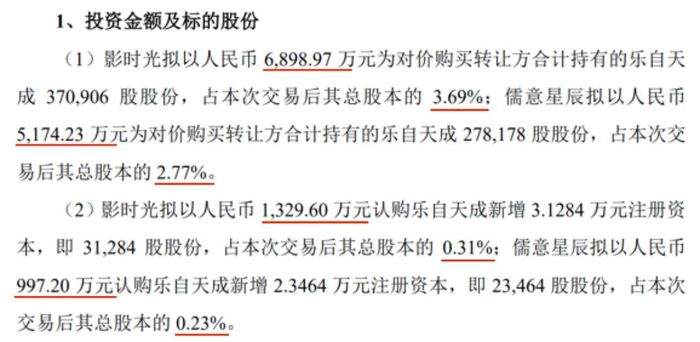
文 | 雷报 十九 编辑 | 努尔哈哈赤 电影市场面临总体票房下滑、缺乏头部影片拉动、以及营收结构单一的发展困局之际,影视公司也将目 光投向了备受年轻人热捧的"谷子经济"。 近期,万达电影发布公告称,公司全资子公司北京影时光电子商务有限公司拟与关联方上海儒意星辰企 业管理有限公司共同投资北京乐自天成文化发展股份有限公司,即52TOYS。52TOYS是国内潮玩公 司,是"IP玩具"领域的知名品牌方。透过此次投资,以新增注册资本金额和股权转让的估值进行计算, 52TOYS的估值约为42.89亿元或18.69亿元,总的投资金额为1.44亿元。此次股权转让和增资完成后,影 时光和儒意星辰合计持有乐自天成7%的股权。 图自万达电影相关投资公告 之所以投资52TOYS,是因为当前国内消费市场中,"谷子经济" 正蓬勃发展。 去年泡泡玛特狂揽130亿元营收,同比增长106.9%,经调整净利润也达到34亿元,创造了上市以来最好 业绩;而玩转IP卡牌业务的卡游2024年同样营收超百亿,同比增幅达278%,体现了行业发展的韧性。 但就电影市场而言,近年来,无论年度还是季度,国内电影市场都处于偶有爆款、整体低迷、极不稳定 的状态之中 ...

卡游的百亿生意经,小小卡牌靠什么“收割”Z世代?
3 6 Ke· 2025-05-16 11:37
Core Insights - The card game industry has seen explosive growth, with a company achieving revenue of 10.057 billion RMB in 2024, a significant increase from 2.662 billion RMB in 2023, and 4.131 billion RMB in 2022, indicating a strong upward trend in the market [3] - The emotional value associated with card collecting has become a driving force for consumer engagement, transforming simple cards into valuable collectibles and investment opportunities [4][17] - The integration of IP marketing, blind box strategies, and community engagement has created a comprehensive emotional marketing loop that resonates with younger consumers [5][10][17] Revenue and Profitability - The card game company reported a revenue of 10.057 billion RMB for 2024, with a cost of sales of 3.2915 billion RMB, reflecting a robust business model [3] - In the previous year, the company achieved a revenue of 100.57 billion RMB, with an adjusted net profit of 44.66 billion RMB, showcasing a year-on-year growth of 277.8% and 378.2% respectively [2] Marketing Strategies - The company has developed a diverse IP matrix with 70 different IPs, including popular franchises like Ultraman and Harry Potter, which has helped in establishing deep connections with consumers [7] - The blind box marketing strategy has lowered entry barriers for consumers, with prices for popular products ranging from 2 RMB to 10 RMB, encouraging repeat purchases [8] - Community marketing has enhanced social interactions among consumers, turning card collecting into a social activity that fosters connections among like-minded individuals [10][14] Consumer Behavior - The younger generation, particularly Gen Z, is more inclined to spend on emotional experiences rather than functional products, leading to a shift in consumption patterns [17][18] - The anticipation and excitement associated with blind box purchases have proven to be significant motivators for consumer engagement, often surpassing the value of the products themselves [9][10] Social Engagement - Live streaming of card unpacking has emerged as a new trend, creating a communal experience that enhances consumer interaction and engagement [13][14] - Physical card shops and pop-up stores have become social hubs, attracting large crowds and facilitating community building around card collecting [16]
24&25Q1消费板块综述:新消费方向崛起
Xinda Securities· 2025-05-16 02:30
Investment Rating - The investment rating for the light industry manufacturing sector is "Positive" [2] Core Insights - Overall consumer demand remains weak, but there are opportunities in specific segments where product and channel transformations can enhance market share, and brand recognition or performance recovery is expected [8] - The pet food segment shows high potential with strong consumer education barriers, brand loyalty, and significant single product effects [8] - The baby care market is fragmented, with strong brands rapidly increasing market share through cost-effectiveness and popular products, heavily relying on online sales [8] - Domestic second-tier brands in sanitary napkins and toothpaste are gaining market share, utilizing platforms like Douyin for marketing and channel empowerment [8] - The trend of innovative products and brand rejuvenation in the trendy toy sector is accelerating, with companies like Pop Mart and Blokus experiencing rapid revenue growth [8] Summary by Sections 1) Product & Channel Transformation - Baiya Co. reported a significant increase in revenue and is expected to see a gradual improvement in its profitability model [9] - Dengkang Oral Care's revenue growth exceeded expectations, with a sustainable improvement in profitability [9] - Runben Co. experienced strong revenue growth driven by new product launches, particularly in the sunscreen category [9] - Zhongchong Co. is successfully transforming its brand, with expectations of over 40% growth in its flagship product [9] - Companies in the trendy toy sector are well-positioned to benefit from consumer trends and new product launches [9] 2) High Competitive Barriers - Guibao Pet's revenue and profit growth exceeded expectations, driven by strong brand performance and successful high-end product launches [10] - The overall industry remains vibrant, with companies optimizing their product and channel structures [10] 3) Performance Recovery Expected - Chenguang Co. has underperformed due to a weak consumer environment, but recovery is anticipated if market conditions improve [10] - The company is focusing on enhancing its IP product strategy, which is expected to contribute to new growth points [10]




24、25Q1消费板块综述:新消费方向崛起
Xinda Securities· 2025-05-16 01:35
Investment Rating - The investment rating for the light industry manufacturing sector is "Positive" [2] Core Insights - Overall consumer demand remains weak, but there are opportunities in specific segments where product and channel transformations can enhance market share, and brand recognition or performance recovery is expected [2][8] - The pet food sector shows high potential with strong consumer education barriers, brand loyalty, and significant single product effects [2][8] - The baby care market is fragmented, with leading brands rapidly increasing market share through cost-effectiveness and popular products, heavily relying on online sales [2][8] - Domestic second-tier brands in sanitary napkins and toothpaste are gaining market share, utilizing platforms like Douyin for traffic generation and empowering other platforms and offline markets [2][8] - The trend of innovative products and brand rejuvenation in the trendy toy sector is accelerating, with companies like Pop Mart and Blokus experiencing rapid revenue growth [2][8] Summary by Sections 1) Product & Channel Transformation - Baiya Co. reported a significant revenue increase of 39% in Q4 2024 and 30% in Q1 2025, with a strong performance in e-commerce and a positive outlook for its probiotic series [3][9] - Dengkang Oral Care also showed robust growth, with a 39% increase in Q4 2024 and 19% in Q1 2025, benefiting from an optimized product structure and strong online sales [3][9] - Runben Co. experienced a 34% revenue increase in Q4 2024 and 44% in Q1 2025, driven by the rapid launch of new products [4][9] - The trendy toy sector, represented by companies like Blokus and Pop Mart, saw revenue growth of 156% and 278% respectively, indicating a strong market presence [4][9] 2) High Competitive Barriers - Guibao Pet's revenue and profit exceeded expectations, driven by strong growth in its proprietary brand and successful high-end product launches [10] - The overall industry remains buoyant, with companies optimizing product and channel structures, leading to sustained revenue growth and improved profitability [10] 3) Performance Recovery Expected - Chenguang Co. reported lower-than-expected performance due to a weak consumer environment, but recovery is anticipated if market conditions improve [10] - The company is focusing on enhancing its IP product strategy, which is expected to contribute to new growth points [10]