地平线

Search documents
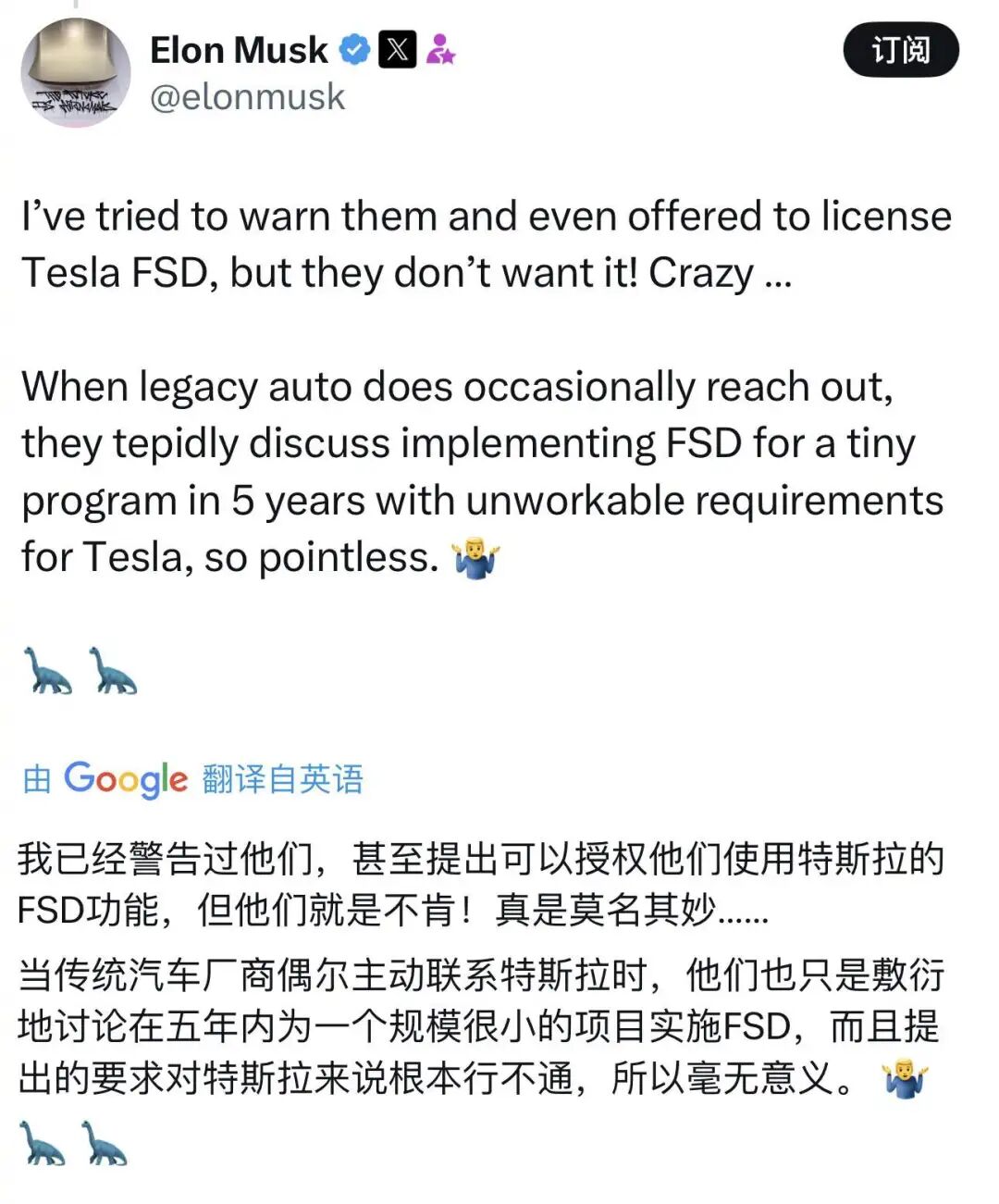
轮到马斯克破防,没有车企愿用FSD,“他们不想要!”
3 6 Ke· 2025-12-02 09:28
Group 1 - The core issue is that despite Elon Musk's enthusiasm for Tesla's Full Self-Driving (FSD) technology, no traditional automaker is willing to adopt it, leading to Musk's frustration expressed on social media [1][2][6] - Musk has indicated that discussions with traditional automakers about using FSD have been superficial, with requests that are unrealistic for Tesla to fulfill, which he finds meaningless [2][6] - The FSD authorization strategy involves a "hardware binding + software fee" model, where partner automakers must use Tesla's chips and hardware, allowing Tesla to profit from both hardware sales and high-margin software licensing [6][10] Group 2 - Concerns over data security are a significant barrier for automakers considering FSD, as they fear that using Tesla's system would allow Tesla to access sensitive data from their vehicles [10][11] - The lack of a clear legal framework regarding liability in the event of accidents involving FSD further deters automakers from adopting the technology, as there is uncertainty about who would be responsible [11][12] - Compared to Tesla, established autonomous driving suppliers like Waymo offer not only technology but also mature service solutions, making them more attractive to automakers [13]


硅基革命重构竞争格局:中国智驾的攻与守
Mei Ri Jing Ji Xin Wen· 2025-12-02 09:00
Group 1 - The global automotive industry is facing unprecedented challenges, with over 55,000 jobs lost in the past two years in Germany alone, and more than 100,000 layoffs reported worldwide in the last year [1][2] - In contrast, China's automotive sector is thriving, with significant advancements in smart electric vehicles and a robust supply chain, positioning itself as a global leader in the industry [1][3] Group 2 - 2025 is seen as a critical year for automotive manufacturers, with a focus on survival in the face of electrification and the need for innovation in smart technologies [2][10] - China's automotive industry has rapidly evolved, achieving over 30 million annual vehicle sales and over 50% penetration of new energy vehicles, showcasing its ability to catch up and lead in the electric transformation [3][10] Group 3 - Major automotive companies are balancing tradition and innovation, with firms like Mercedes-Benz adapting to local markets while maintaining high safety and quality standards [4][5] - The innovation paths of foreign and Chinese companies are converging, with a blend of cautious planning and agile execution becoming the norm in the industry [5][6] Group 4 - A significant debate is ongoing regarding the technical routes for intelligent driving, with different approaches such as Tesla's vision-based system and Huawei's lidar-based system highlighting diverse innovation strategies [6][7] - The introduction of mandatory safety standards for L2-level driving assistance in China marks a shift towards a more regulated and safety-focused industry [8][9] Group 5 - The Chinese government is facilitating the development of L3-level autonomous driving, with expectations for standards to be established soon, indicating a strong push towards advanced automated driving technologies [10][11] - The competitive landscape in China's smart driving sector is characterized by a diverse ecosystem of companies, fostering innovation and adaptability across various scenarios [10][11]




地平线 HSD 量产落地,国民智驾时代真正到来
Ge Long Hui· 2025-12-02 08:36
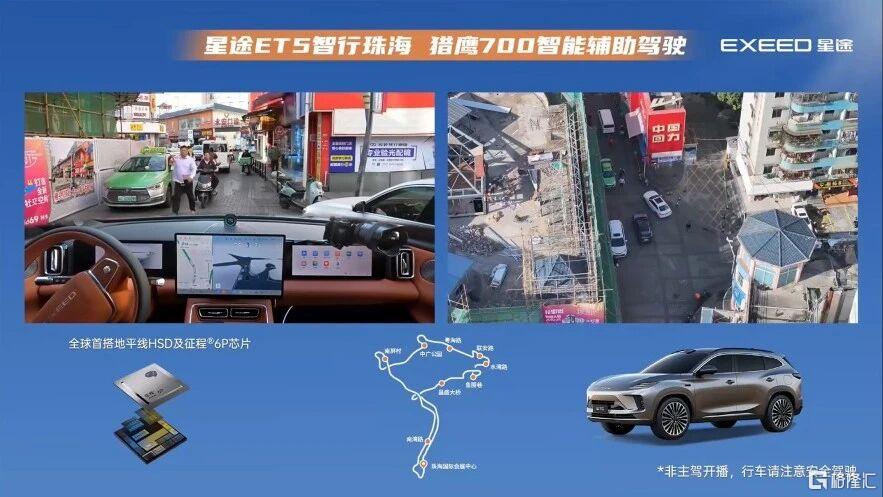
Core Viewpoint - The launch of the Chery Exeed ET5 marks a significant advancement in the competitive landscape of intelligent driving, introducing high-level autonomous driving capabilities to the mass market at an accessible price point [1][11]. Group 1: Product Launch and Features - The Exeed ET5 is the first mass-produced vehicle to feature Horizon's HSD and Journey 6P chips, promising an advanced driving experience with capabilities such as "superhuman response" and "human-like thinking" [1][10]. - The starting price of the Exeed ET5 is set at 144,900 yuan, with a potential subsidy bringing it down to 134,900 yuan, making high-level intelligent driving more accessible [1][11]. - The HSD system is praised as the "Chinese version of FSD," indicating its potential to reshape the intelligent driving industry [1][3]. Group 2: Technological Significance - The introduction of HSD signifies that Chinese automakers now possess a scalable top-tier intelligent driving foundation, crucial for the industry's transformation [2][15]. - The Journey 6P chip boasts a computing power of 560 TOPS, making it one of the most powerful domestic chips available, enhancing the performance of the HSD system [6][16]. - HSD's architecture incorporates reinforcement learning, enabling it to autonomously handle complex driving scenarios, thus pushing the boundaries of intelligent driving beyond mere imitation of human drivers [10][18]. Group 3: Market Impact and Competition - The Exeed ET5's launch is seen as a pivotal moment, as it brings high-level intelligent driving features, previously exclusive to luxury vehicles, into the 150,000 yuan market segment, which is the largest in China [11][12]. - The penetration rate of vehicles equipped with combined driving assistance systems in China reached 62.6% from January to July this year, indicating a growing consumer demand for intelligent driving features [11]. - The competitive landscape is intensifying with Tesla's FSD entering the Chinese market, prompting domestic brands to accelerate their intelligent driving offerings to maintain market share [12][15]. Group 4: Future Prospects - Horizon aims to achieve a production target of 10 million units for the HSD system over the next 3-5 years, further promoting the era of intelligent driving for the masses [14][18]. - The collaboration between Horizon and multiple automakers indicates a collective effort to enhance the intelligent driving capabilities across the industry, positioning HSD as a critical tool for Chinese car manufacturers to compete against global players like Tesla [15][18].
专家谈中国智能车出海:“千载难逢的机会”
第一财经· 2025-12-02 04:58
Core Insights - The article emphasizes that the time difference and generational gap in the automotive intelligence sector between China and overseas markets present a unique opportunity for Chinese automotive companies to expand internationally [3][4]. - The shift from product-based exports to a comprehensive industry chain going global is highlighted as a significant trend, driven by increasing competition in the domestic market [3][4]. Industry Trends - At the 2025 Munich Auto Show, various Chinese automotive intelligence companies showcased their capabilities, indicating a full-chain approach to global expansion [4]. - China's penetration rates in smart cockpits and advanced driver-assistance systems (ADAS) are leading globally, with over 80% and 65% respectively, compared to around 50% in Europe [4]. Market Opportunities - The global autonomous driving market is projected to reach $4.4 billion by 2025 and grow to over $18 billion by 2034, with a compound annual growth rate exceeding 50% [5]. - Chinese companies are accelerating their global strategies, focusing on regions like the Middle East, Southeast Asia, and Europe [5]. Challenges and Strategies - Despite favorable market conditions, the complexities of international expansion in automotive intelligence, including service integration and regulatory challenges, are significant [7]. - Collaboration with local partners is recommended as a strategy to navigate uncertainties and enhance market entry success [7][8]. Local Adaptation - Companies must adapt their products and operations to local market conditions, emphasizing the importance of understanding regional differences in regulations and consumer behavior [8].
专家谈中国智能车出海:“千载难逢的机会”
Di Yi Cai Jing· 2025-12-02 02:52
Core Insights - The article emphasizes the significant opportunity for Chinese automotive companies to expand internationally in the field of smart vehicles, driven by the technological advancements and competitive advantages in the domestic market [1][2][3] Industry Overview - Chinese automotive intelligence has surpassed global standards, with smart cockpit penetration exceeding 80% compared to 50% in Europe, and advanced driver assistance systems (ADAS) penetration over 65%, outperforming Europe and Japan [2] - The cost of key technologies, such as LiDAR, has dramatically decreased from 200,000 yuan in 2017 to the current price in the thousands, indicating a trend towards affordability and scalability in the industry [2] Market Trends - The global market for autonomous driving services is projected to reach $4.4 billion by 2025 and grow to over $18 billion by 2034, with a compound annual growth rate exceeding 50%, highlighting a substantial growth opportunity [2] - 2025 is recognized as a pivotal year for the globalization of Chinese autonomous driving, with companies like RoboTaxi and Momenta actively expanding their international presence [3] Strategic Recommendations - To navigate the complexities of international expansion, collaboration with local partners is essential, as the challenges of smart vehicle deployment include regulatory, cultural, and operational differences [4][5] - Companies are advised to avoid internal competition and focus on building partnerships that enhance their market entry strategies, ensuring they do not disrupt local ecosystems [5]

11月汽车销量放榜,理想跌倒、零跑吃饱,最残酷战事还在26年
3 6 Ke· 2025-12-02 00:17
Core Insights - The Chinese electric vehicle market is witnessing a clear shift in dynamics, with BYD solidifying its position as the sales leader, while new entrants like Hongmeng Zhixing and Leap Motor are making significant strides [3][5][7] - The competition among new energy vehicle manufacturers is intensifying, with companies needing to adapt quickly to maintain their market positions [20][27] Group 1: Sales Performance - BYD achieved a remarkable monthly sales figure of 480,200 units in November, securing its status as the annual sales champion with a cumulative total of 4.18 million units for the year [7][9] - Hongmeng Zhixing led the new force segment with 81,864 units sold in November, marking a year-on-year increase of 89.61% [3][5] - Leap Motor also reported a record high of 70,327 units sold in November, reflecting a growth of over 75% year-on-year [3][5] - NIO's sales reached 36,275 units in November, up 76.3% year-on-year, indicating a recovery in its performance [5][9] - Li Auto's sales fell by 31.92% year-on-year to 33,181 units, placing it at the bottom among the "Wei Xiaoli" trio [5][9] Group 2: Market Dynamics - The market is shifting from a focus on sales volume to standard-setting, with companies like Hongmeng Zhixing leading in technology adaptation [20][23] - The competition is expected to intensify in 2026, with survival depending on achieving significant sales volumes, with 30,000 units as the survival line and 100,000 units as the development line [26][27] - The landscape is changing, with the narrative evolving from "the market can accommodate everyone" to "your growth is my decline" [23][27] Group 3: Challenges for Traditional Automakers - Traditional automakers like SAIC and Geely are facing challenges in brand differentiation and market positioning, despite reporting growth in sales [7][9][12] - SAIC's various brands are struggling with resource allocation and market competition, while Geely's sales have surged post "Taizhou Declaration" but still lag behind BYD in the new energy segment [9][12] - The mid-tier brands are caught in a dilemma, unable to scale up to compete with top players while reluctant to sacrifice their established brand recognition [17][18]

2025年第47周:数码家电行业周度市场观察
艾瑞咨询· 2025-12-02 00:06
Industry Environment - The robotics industry is experiencing a price reduction wave, with companies like Yuzhu Technology and Accelerated Evolution lowering product prices to below 10,000 yuan to promote applications in home and education settings. Cost reductions are achieved through size segmentation, material optimization, and self-developed components, with expectations for accelerated commercialization by 2025 [3]. - The AI glasses market is witnessing explosive growth, with sales on Tmall and JD.com increasing by 2500% and 346% year-on-year during the Double 11 shopping festival. The integration of AI technology is a key driver, with brands like Alibaba and Xiaomi leveraging large models for functionalities such as translation and payment. IDC predicts that by 2025, China's smart glasses shipments will reach 2.846 million units, with AI glasses accounting for over 77% [5]. - The AI hardware market is rapidly emerging, with financing in China reaching 14.5 billion yuan in the first half of 2025. Despite significant sales growth for AI glasses and robots during Double 11, high prices and immature functionalities remain challenges. AI toys and learning machines are gaining traction, but issues like high prices and limited application scenarios need to be addressed [6]. - Major global tech companies are intensifying investments in AI, with a combined capital expenditure of $118.4 billion in the third quarter of 2025, a 69.22% year-on-year increase. Companies like Amazon, Microsoft, and Google are adopting heavy asset models to bet on computing infrastructure, while Meta's capital expenditure growth has raised market concerns [7]. Head Brand Dynamics - XPeng Motors' stock price surged by 29% following the launch of new products, but it later corrected, highlighting the significant gap with Tesla. XPeng aims to transition into a physical AI company, planning to mass-produce advanced robots by 2026, but faces profitability challenges with a loss of 1.14 billion yuan in the first half of the year [20]. - Alibaba's market value rebounded to nearly 3 trillion HKD, driven by dual strategies in AI and consumer sectors. The return of founder Jack Ma has led to organizational changes and a focus on e-commerce, with expectations of a 1 trillion yuan transaction increase over the next three years [22]. - Blues Technology, led by founder Zhou Qunfei, is aggressively entering the humanoid robot sector, with plans to produce over 10,000 units next year. Despite a decline in gross margin to 19.09%, the company reported a 19.25% year-on-year revenue growth in Q3 [26].

星途汽车借地平线技术反攻,高阶智驾战火烧至15万级市场
Jing Ji Guan Cha Wang· 2025-12-01 13:58
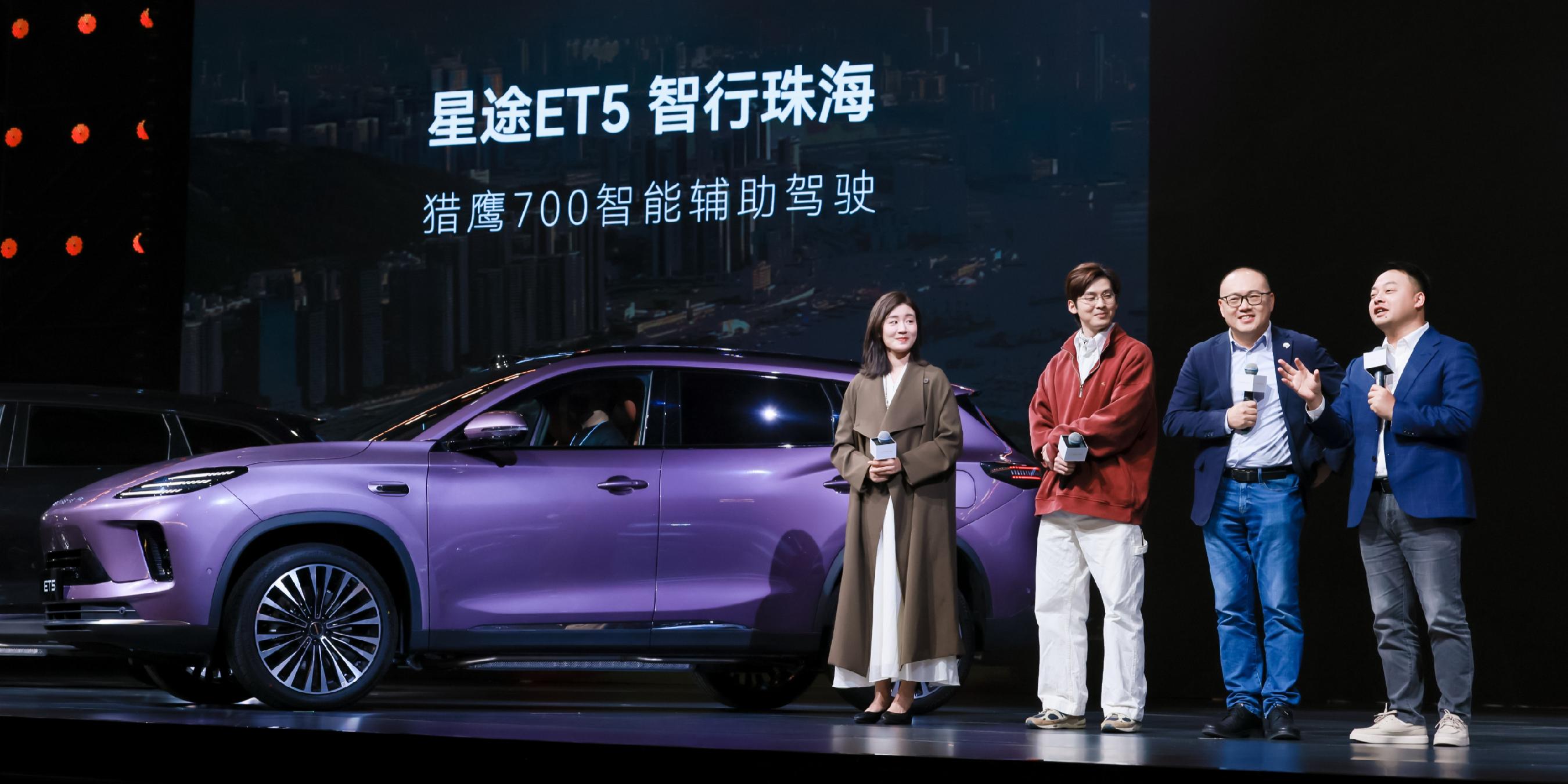
Core Insights - The launch of the Xpeng ET5 marks a significant strategic move for the company, aiming to enhance its market presence in the competitive domestic automotive sector [2][3] - The ET5 is positioned in the 150,000 to 160,000 yuan price range, with promotional subsidies bringing the effective price down to between 134,900 and 149,900 yuan, making it an attractive option in the mid-sized SUV market [2][5] Product Features - The Xpeng ET5 introduces advanced driver assistance technology, including the Falcon 700 system and Horizon HSD and Journey 6P chips, claiming to offer a true end-to-end architecture for intelligent driving [3] - The vehicle features a high-quality cabin, impressive energy efficiency, and robust safety measures, aiming to create a well-rounded product without significant weaknesses [3][4] Market Response - Initial market feedback appears positive, with 5,000 units locked in within three hours of the launch, equivalent to approximately half a month's sales for the company [5] - The 150,000 yuan market segment is highly competitive, with other brands like Chery's Fengyun and Jietu also targeting this price range, raising concerns about potential internal competition [5]
智能驾驶双轨演进:政策“破冰”激活技术“竞速”
Zhong Guo Qi Che Bao Wang· 2025-12-01 09:19
Core Insights - The integration of intelligent driving technology is reshaping lifestyles at an unprecedented pace, driven by advancements in artificial intelligence and a unique market environment in China [1][3] - The Chinese intelligent driving industry is transitioning from a phase of rapid growth to one of high-quality development, with regulatory frameworks being strengthened alongside pilot programs for higher-level autonomous driving [3][4] - The rapid adoption of electric vehicles is providing an optimal platform for intelligent driving technologies, creating a virtuous cycle between electrification and intelligence [4][6] Industry Trends - The emergence of cognitive intelligence technologies is transforming intelligent driving from a rule-based tool to a cognitive-driven entity, with new architectures like end-to-end and VLA opening new possibilities for high-level autonomous driving [3][5] - The intelligent driving sector is witnessing a clear focus on L4-level scenario-based applications, with significant investments directed towards areas like unmanned delivery and logistics [6][7] - Key components of the supply chain, such as sensor manufacturers and chip companies, are receiving substantial funding, highlighting their foundational role in the development of autonomous driving [7] Regulatory Environment - The regulatory landscape is evolving, with policies being introduced to facilitate the testing and commercialization of L3-level and above autonomous driving technologies in multiple cities [3][4] - The dual approach of relaxing pilot programs while simultaneously enhancing regulatory frameworks is creating clearer competitive advantages for companies with core competencies [3][4] Investment Landscape - Investment activities in the intelligent driving sector are increasingly concentrated in later-stage financing, indicating a shift from technology validation to large-scale commercial applications [7] - Traditional automotive companies are actively participating in investments to address technological gaps, while collaborations within the supply chain are emerging to build ecological advantages [7] Future Outlook - The competition in intelligent driving is entering a new phase where success will depend on the ability to integrate technology, compliance, and commercialization effectively [9] - The industry is at a historical turning point, with the potential for new industry giants to emerge from the convergence of technology, policy, and market dynamics [8][9]
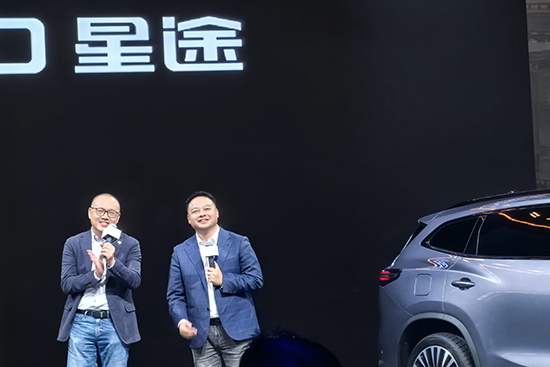
星途坚定高端化决心 ET5搭载多款首发黑科技
Zhong Guo Jing Ji Wang· 2025-12-01 06:47
"星途ET5的底盘平台是奇瑞从2010年开始研发的,那时候有一个项目就是观致,当时招聘了全球顶尖 的设计师,很多都来自于宝马。如今已经过去15年,我们一直在迭代升级,采用了与路虎同源的H臂, 使用大量铝合金,降低重量并提升操控。" 11月28日,星途汽车旗下"新奢智电中型SUV"——星途ET5正式上市,新车推出两款配置,限时超级置 换价13.49万—14.99万元。活动现场,奇瑞汽车执行副总裁李学用重提观致汽车,并介绍了星途ET5地 平线HSD与征程6P芯片和猎鹰700城区NOA等智能化能力,坚定了星途高端化的决心。 得益于油电协同的产品布局、深厚的技术积累、深度本地化的全球化战略,奇瑞汽车近年来得到快速发 展。今年前10个月,奇瑞汽车累计销量达228.89万辆,同比增长13%,旗下风云系列、捷途和iCar等均 展现出良好的发展态势。 智能座舱方面,星途ET5采用10.25英寸仪屏+15.6英寸中控屏+12.3英寸副驾屏三联屏设计,可通过"三 指飞屏"实现无缝流转;支持HiCar+CarPlay+Carlink+Lion link无线投屏,实现全域手机互联;AI语音大 模型智能免唤醒可连续执行40个指令,这也 ...