
小鹏汽车

Search documents
兴业证券:2026年值得关注的十大产业趋势
智通财经网· 2026-02-18 03:45
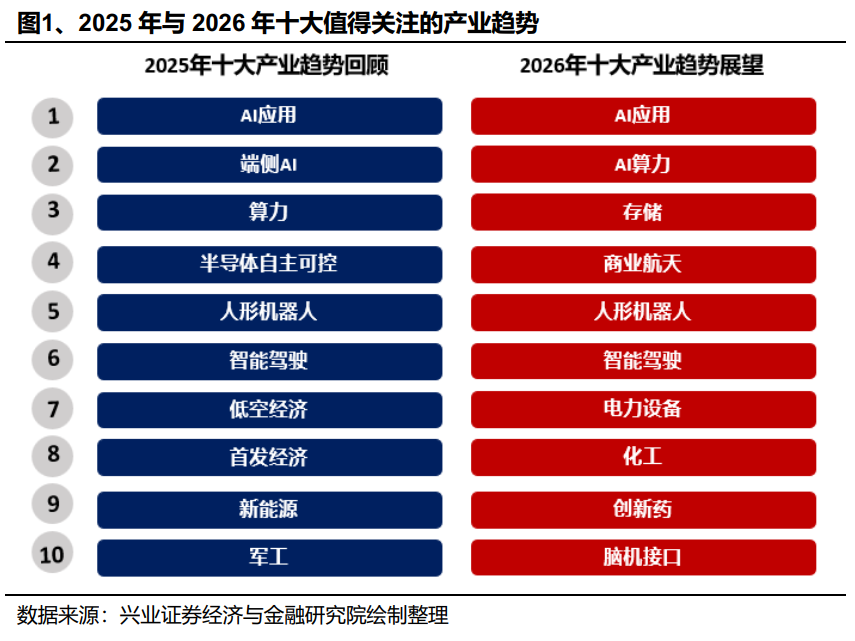
Group 1: AI Applications - The global AI competition is intensifying, with model iterations driving deeper application scenarios, and the focus is on whether significant capital expenditures by tech giants can lead to commercial applications [2][3] - The competitive landscape for AI applications is shifting from dominance by OpenAI to a more multipolar environment, with major players like Google and Meta integrating AI into their ecosystems [3] - In China, AI applications are experiencing a breakthrough, with major tech companies accelerating model iterations and application deployments, leading to a transformation from model landing to scenario monetization [5] Group 2: AI Computing Power - Overseas, major cloud service providers are maintaining high capital expenditures, with a projected increase of 67% in 2026, reflecting a strong demand for AI computing power [7][8] - In China, leading tech companies are increasing capital expenditures and accelerating the iteration of domestic large models, promoting the performance of domestic chips amid tightening supply from foreign sources [9] Group 3: Storage - The demand for storage is entering a new super cycle driven by AI training and inference needs, with AI servers consuming significantly more memory than traditional servers [11][16] - Supply constraints are expected to persist, leading to continued high prices for storage components, as major manufacturers shift production focus to advanced memory types [16] Group 4: Commercial Aerospace - Commercial aerospace is becoming a key battleground in US-China competition, with significant policy support and funding initiatives in both countries to accelerate industry development [19][21] - Domestic companies are achieving breakthroughs in satellite mass production and reusable rocket technologies, transitioning from technical validation to commercialization [22] Group 5: Humanoid Robots - Major overseas companies are ramping up production plans for humanoid robots, benefiting domestic component suppliers, with Tesla aiming for a production capacity of 500,000 units by 2026 [27][30] - Chinese manufacturers are leading in humanoid robot shipments, with significant contracts and production milestones achieved in 2025 [30] Group 6: Intelligent Driving - Domestic policies are expected to facilitate the commercialization of L3 autonomous driving in 2026, with several manufacturers preparing to launch L3 models [32][33] - Tesla's Full Self-Driving (FSD) technology is setting the direction for autonomous driving, with significant advancements in AI capabilities [35] Group 7: Energy Storage - The expansion of AI computing power in North America is driving electricity demand, with domestic power equipment expected to accelerate exports [37][40] - China's "14th Five-Year Plan" includes significant investments in the power grid and energy storage, creating a favorable environment for industry growth [40][43] Group 8: Chemicals - The chemical industry is undergoing a transformation driven by policies aimed at supply-side reform, with a focus on optimizing supply structures and reducing excess capacity [44][47] - New economic sectors are boosting demand for chemical materials, particularly in AI, renewable energy, and robotics, leading to a favorable outlook for new materials [47][48]


小鹏汽车-W(09868.HK):看好VLA2.0能力 即将在26Q1全量推送
Ge Long Hui· 2026-02-15 21:03
Core Insights - Xiaopeng Motors is set to launch VLA 2.0 in March, significantly enhancing its intelligent driving capabilities with advanced hardware and software integration [1] - The year 2026 is projected to be a pivotal year for Xiaopeng Motors, marking the introduction of Robotaxi services and the launch of multiple new models [2] - The company is expected to see substantial growth in overseas sales, with a focus on expanding into European, Southeast Asian, Middle Eastern, and Latin American markets [3] - 2026 will also witness the mass production of advanced humanoid robots, aimed at commercial applications [4] - Investment recommendations highlight strong product cycles, overseas expansion, and emerging business opportunities in robotics and Robotaxi services [5] Group 1: VLA 2.0 and Intelligent Driving - Xiaopeng Motors will begin rolling out VLA 2.0 in March, featuring 2250 TOPS of in-car computing power and a cloud computing cluster with 30,000 cards [1] - The first batch of vehicles to receive the update includes the 2025 models of P7, G7, and X9, with subsequent models to follow [1] Group 2: Robotaxi and New Models - The company plans to launch three Robotaxi models in 2026, equipped with four Turing chips and a pure vision autonomous driving system [2] - Xiaopeng's first large six-seater SUV, the GX, has begun L4 autonomous driving tests on public roads [2] Group 3: Overseas Expansion - In 2025, Xiaopeng delivered 45,000 vehicles overseas, marking a 96% year-on-year growth, with expectations for continued strong growth in 2026 [3] - The company will introduce three new models in overseas markets, including P7+ and Mona SUVs, while focusing on local production partnerships in Europe, Indonesia, and Malaysia [3] Group 4: Robotics and Future Innovations - Xiaopeng showcased its latest generation Iron robot, with plans for mass production by the end of 2026, targeting commercial service applications [4] Group 5: Investment Outlook - The company anticipates total vehicle sales of approximately 430,000, 570,000, and 840,000 units from 2025 to 2027, with total revenues projected at 75.2 billion, 103.1 billion, and 145.5 billion RMB respectively [5] - The valuation for the partnership with Volkswagen is estimated at 30.3 billion HKD, while the main business is valued at 169.9 billion HKD, leading to a total valuation of 200.2 billion HKD [5]
后怕!幸好当年没听许小年的建议,否则中国可能倒退整整20年
Sou Hu Cai Jing· 2026-02-15 19:43
Group 1 - The article discusses the potential consequences if China had followed the advice of economist Xu Xiaonian, who advocated for minimal government intervention and reliance on market forces [3][17][21] - It highlights the success of China's high-speed rail system, which has expanded to over 45,000 kilometers, transforming logistics and economic geography despite initial financial losses [6][14][22] - The article emphasizes the importance of self-reliance in the semiconductor industry, arguing that without early investments in domestic chip development, China would have faced severe economic repercussions during U.S. sanctions [10][11][21] Group 2 - The narrative includes the evolution of the electric vehicle industry in China, showcasing how government subsidies were crucial for the growth of companies like BYD, which might not have survived without them [13][14][22] - It critiques the reliance on Western economic theories, suggesting that they do not account for the unique challenges faced by developing nations, as illustrated by the experiences of South American countries [17][18][21] - The article concludes that China's strategic decisions, which diverged from purely market-driven approaches, have led to significant advancements in various industries, including high-speed rail, semiconductors, and electric vehicles [19][23][24]

不出意外!2026年3月起,房子、车子、存款或将迎来重大改变
Sou Hu Cai Jing· 2026-02-15 08:15
Economic Overview - In 2025, the domestic economy showed a "steady improvement" with a GDP of 140.19 trillion yuan, reflecting a 5.0% growth year-on-year at constant prices [1] - Consumer prices remained stable compared to 2024, indicating no significant inflation or deflation [1] - Challenges persist in the real estate market, with weak transaction volumes and declining consumer demand, alongside ongoing employment pressures [1] Real Estate Market Changes - The real estate market is expected to undergo three significant changes starting March 2026, with a continued downward trend in housing prices [3] - Housing prices in second and third-tier cities have seen declines exceeding 30%, while some areas near Beijing have experienced drops over 60% [5] - A divergence in housing price trends is anticipated, with smaller cities experiencing a slowdown in price declines, while first-tier cities like Shanghai and Shenzhen may face further price corrections due to high price-to-income ratios [5] Quality of Housing - Developers are shifting from a "rough development" model focused on speed and profit maximization to a focus on building quality homes, responding to increased consumer demands for better housing [6] - The government is encouraging developers to construct "good houses" to meet the needs of homebuyers [6] Sales Model Transition - There is a growing demand to replace the pre-sale system with actual sales of completed homes, driven by issues such as unfinished projects and consumer dissatisfaction [9] - The government plans to gradually increase the proportion of completed home sales in the market [9] Automotive Market Dynamics - The automotive market is experiencing significant price pressures, with many brands engaging in price wars, leading to substantial discounts [10] - Domestic brands like BYD and Xpeng have reduced prices by 20,000 to 30,000 yuan, while luxury brands like BMW have seen reductions of 80,000 to 90,000 yuan [12] - Factors contributing to this price decline include increased competition from new energy vehicles, the entry of new capital into the market, and rapid technological advancements leading to quicker obsolescence of older models [12] Deposit Rate Trends - Deposit rates have been on a downward trend, with one-year deposit rates falling from 2.25% to 1.35%, resulting in significantly lower interest income for savers [15] - The potential for further declines in deposit rates is limited due to the risk of inflation and the current rates being at historical lows, which could pose systemic financial risks [15]
未来已来 抢抓时代机遇!2026未来产业新材料博览会(6月10-12日 上海)
DT新材料· 2026-02-15 07:20
Core Viewpoint - The 2026 Future Industries New Materials Expo (FINE 2026) aims to lead global innovation in new materials, emphasizing their critical role in the transformation of high-tech industries and future economic development [1][2]. Group 1: Event Overview - FINE 2026 will take place from June 10 to June 12, 2026, at the Shanghai New International Expo Center, featuring a total exhibition area of 50,000 square meters and over 300 strategic and cutting-edge technology reports [2][18]. - The expo will focus on popular innovations applicable to various industries, including artificial intelligence, aerospace, smart vehicles, and renewable energy, while addressing five common needs in future industries: advanced semiconductors, advanced batteries, lightweight functionalization, low-carbon sustainability, and thermal management [2][10]. Group 2: Historical Context and Participation - The previous events, including the 2025 International Carbon Materials Expo and the 2025 Thermal Management Expo, achieved record attendance with over 35,000 professional visitors from 27 countries and regions, showcasing more than 500 exhibitors [7][36]. - The expected participation for FINE 2026 is over 100,000 professional visitors, with targeted invitations to over 5,000 industry investors to facilitate connections between startups and industry resources [35][37]. Group 3: Thematic Focus and Special Features - FINE 2026 will feature seven specialized thematic exhibition areas, including advanced semiconductors, AI chips, thermal management, and sustainable materials, aiming to present a comprehensive chain of innovation from components to cutting-edge technologies [13][15]. - The event will host over 30 forums with more than 300 renowned experts discussing trends in technology, investment strategies, and advanced manufacturing techniques related to new materials [22][24]. Group 4: Strategic Importance - The expo is positioned as a critical platform for technology transfer and industry innovation, leveraging China's growing influence in sectors like new energy vehicles, photovoltaics, and robotics, which are expected to create significant market opportunities for new materials [10][36]. - The timing of the event in June is seen as a strategic opportunity to capture business prospects for the second half of the year, supported by Shanghai's robust industrial and technological ecosystem [10][36].

2026年新股择股路径(一)-AI应用:AI应用春潮涌动,产业链次新股大盘点
Huajin Securities· 2026-02-15 05:24
Investment Rating - The report does not explicitly provide an investment rating for the companies discussed. Core Insights - AI technology is reshaping various industries, with significant advancements in AI models and applications, particularly following the launch of OpenAI's ChatGPT-3.5 in November 2022, which marked the beginning of a new era in artificial intelligence [2][15] - Several newly listed companies in the A-share market have integrated AI technology into their operations, seizing opportunities in the AI development strategy across various sectors, including agriculture, office, retail, medical, energy, and consumer fields [2] Summary by Sections AI Applications Surge - AI models are rapidly evolving, with diverse applications emerging across different sectors, driven by advancements from companies like OpenAI, Google, and others [15] - The commercial success of AI applications is evident in products like AI smart glasses, AI toys, and intelligent driving systems, which are gaining popularity and transforming consumer experiences [15][18][19][30] Representative New Stocks in AI - **Top Cloud Agriculture**: A leading company in smart agriculture, developing pest recognition algorithms and smart agricultural products like AR glasses and robotic dogs for field inspections [58][64] - **Hehe Information**: Focused on AI in office applications, offering products like TextIn and Qixin Huiyan that leverage AI for document processing and data analysis [72][74] - **Hanshu Technology**: A provider of digital solutions for retail, including smart shopping carts and AI cameras, enhancing the shopping experience through technology [89][91] - **Chao Yan Co., Ltd.**: Engaged in AI medical diagnostics, offering innovative products for breast cancer screening and ultrasound imaging systems for minimally invasive surgeries [99][108] - **Southern Network Digital**: Concentrating on digital solutions for energy, developing core products like the "Electric Hong" IoT operating system [2] - **Ying Shi Innovation**: Focused on consumer applications, creating AI algorithms for content creation in products like panoramic action cameras [2] Industry Trends - AI technology is deeply embedded in various sectors, including e-commerce, finance, government, energy, and education, demonstrating its commercial viability and transformative potential [44][53] - The AI toy market is projected to exceed 100 billion yuan by 2030, with a compound annual growth rate (CAGR) of over 50% [20] - The report highlights the increasing integration of AI in daily life, enhancing efficiency in personal and work scenarios, such as energy management and document processing [38][43]
启境入局:中国汽车智能化下半场的价值回归与高端突围
经济观察报· 2026-02-15 02:11
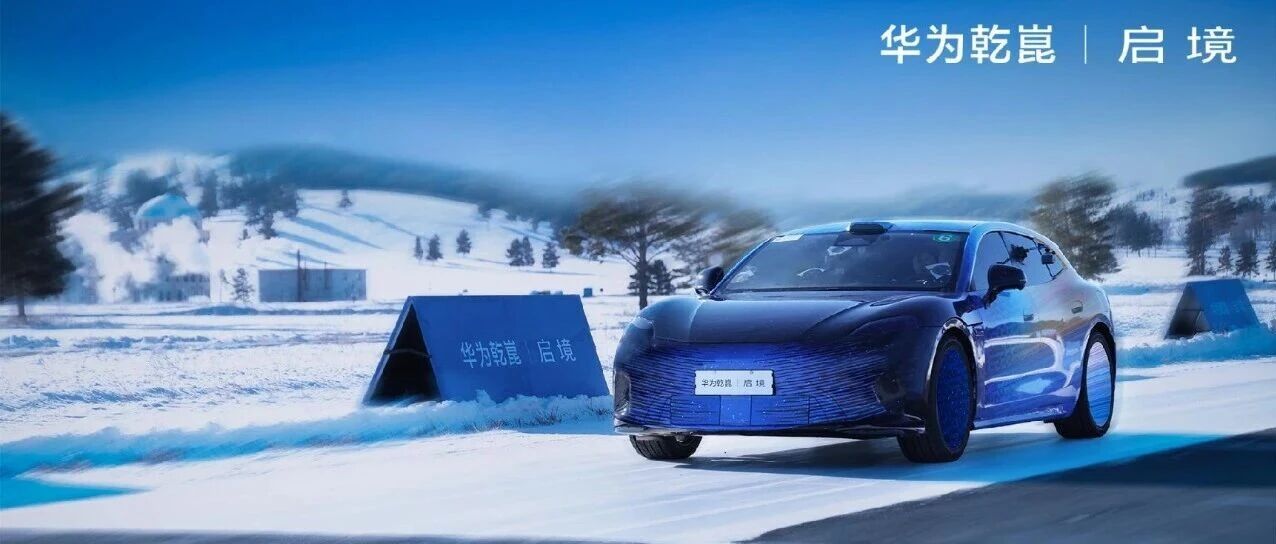
Core Viewpoint - The emergence of Qijing Automotive represents a significant exploration in the intelligent and high-end development path of the Chinese automotive industry during a critical period of transformation [1][26]. Group 1: Strategic Shift from Electrification to Intelligentization - By the end of 2025, the penetration rate of new energy vehicles in China is expected to approach 60%, indicating that the electrification phase is nearing completion, while the intelligentization phase is just beginning [2][6]. - The automotive industry is undergoing a structural transformation, with a shift in competition from mere electrification to intelligentization, as evidenced by the increasing demand for smart, personalized vehicles [6][8]. - Over 80% of automotive companies have initiated AI pilot projects, but only 15% have achieved large-scale application, highlighting the transition from "whether to do" to "how to do it right" in intelligentization [2][8]. Group 2: Challenges in Intelligent Transformation - The transition to intelligentization presents significant challenges, including the need for comprehensive capabilities in data collection, processing, and system integration [16][17]. - Companies must prepare for the responsibilities associated with Level 3 automation, requiring robust safety and quality management systems throughout the product lifecycle [16][20]. - The collaboration model in the intelligent era necessitates deep integration of hardware, software, algorithms, and data, moving beyond traditional supply chain relationships [17][20]. Group 3: Qijing's Unique Position and Strategy - Qijing is positioned as a strategic player in the intelligentization arena, focusing on redefining what constitutes a high-quality vehicle in the smart era [14][26]. - The collaboration between Qijing and Huawei is characterized by "embedded collaboration," allowing for joint product logic definition and system performance validation [16][20]. - Qijing aims to leverage its partnerships to create a new value benchmark in the high-end market, combining technology, luxury, and reliability [26][31]. Group 4: Value Transition of Chinese Brands - Chinese automotive brands are experiencing a value transition, with Qijing positioned to capitalize on this shift by enhancing product quality, user experience, and redefining value in the high-end market [24][26]. - The traditional dominance of luxury brands is declining, with Chinese brands making significant inroads into the high-end market through advancements in electric and intelligent technologies [24][26]. - Qijing's strategy emphasizes a comprehensive user experience and a differentiated dealer network, reflecting growing confidence in Chinese high-end intelligent automotive brands [26][31].

汽车行业周报:1月新能源车出口量同比翻倍,创历史同期新高
KAIYUAN SECURITIES· 2026-02-14 10:20
Investment Rating - The investment rating for the automotive industry is "Positive" (maintained) [2] Core Insights - In January 2026, China's new energy vehicle (NEV) exports doubled year-on-year, reaching a historical high for the month, with a growth rate of 103.6%. NEVs accounted for 49.6% of total exports, an increase of 12.5 percentage points year-on-year. BYD led the exports with nearly 100,000 units, while traditional automakers like Geely, Chery, and SAIC also saw over 200% growth in NEV exports [3][25][22]. Summary by Sections New Energy Vehicle Exports - In 2025, China's NEV exports grew by 70%, with plug-in hybrid vehicles (PHEVs) being the core growth driver. The growth rate for PHEVs was 127.5%, significantly higher than the 32.5% for pure electric vehicles (EVs) [14][15]. - January 2026 saw NEV exports reach 28.6 million units, with a year-on-year increase of 103.6%. BYD's exports approached 100,000 units, while Geely, Chery, and others also reported significant growth [25][27]. Industry News - The retail market for passenger vehicles in January 2026 was 1.544 million units, a decline of 13.9% year-on-year. February is expected to see the lowest sales of the year due to the impact of the Spring Festival [31]. - The Ministry of Industry and Information Technology is seeking public opinion on five mandatory national standards related to intelligent connected vehicles and autonomous driving systems [35]. Market Performance - The automotive sector outperformed the market, with the Shanghai and Shenzhen 300 index rising by 0.36% and the automotive sector increasing by 1.74%, ranking 9th among A-share industries [5][40]. - The passenger vehicle index rose by 1.21%, while the commercial vehicle index saw a significant increase of 6.28% [5]. Investment Recommendations - For passenger vehicles, the demand for high-end domestic luxury cars is exceeding expectations, with recommendations for companies like JAC Motors and Seres. Beneficiaries include Geely [6]. - In the auto parts sector, profitability is expected to improve, with recommendations for companies such as Desay SV and Zhejiang Xiantong, while beneficiaries include Weichai Power and Fuyao Glass [6].



小鹏汽车-W(09868):看好VLA2.0能力,即将在26Q1全量推送
GOLDEN SUN SECURITIES· 2026-02-14 08:37
Investment Rating - The report maintains a "Buy" rating for the company [8] Core Insights - The company is expected to launch VLA 2.0 in March 2026, significantly enhancing its autonomous driving capabilities with advanced hardware and software integration [1] - 2026 is projected to be the year of Robotaxi commercialization, with three models expected to be launched, featuring L4 autonomous driving capabilities [2] - The company anticipates strong growth in overseas markets, with a projected delivery of 45,000 units in 2025, representing a 96% year-on-year increase, and expects overseas revenue to exceed 20% in 2026 [3] - 2026 will also mark the mass production of advanced humanoid robots, aimed at commercial applications [4] - The investment recommendation highlights the company's strong product cycle, overseas expansion, advancements in autonomous driving, and emerging business opportunities in robotics and Robotaxi [5] Financial Projections - The company forecasts total vehicle sales of approximately 430,000 units in 2025, increasing to 566,000 units in 2026, and 836,000 units in 2027 [15] - Revenue is projected to reach 75.2 billion RMB in 2025, 103.1 billion RMB in 2026, and 145.5 billion RMB in 2027, with a significant increase in gross profit margins [15] - The non-GAAP net profit margin is expected to improve from -1.2% in 2025 to 2.3% in 2026 and 3.2% in 2027 [7][15] - The company anticipates a total revenue of 100.1 billion RMB from its core business in 2026, with an estimated profit contribution of 2.7 billion RMB from its collaboration with Volkswagen [5] Market Strategy - The company plans to introduce three new models in overseas markets in 2026, focusing on Europe, Southeast Asia, the Middle East, and Latin America [3] - The production strategy includes partnerships with local firms in Europe and Southeast Asia to better meet local demand [3] - The introduction of the Mona SUV series is expected to enhance the company's market presence in the competitive pricing segment while maintaining advanced intelligent driving capabilities [3]
小鹏汽车-W:看好VLA 2.0能力,即将在26Q1全量推送-20260214
GOLDEN SUN SECURITIES· 2026-02-14 08:24
Investment Rating - The report maintains a "Buy" rating for the company [8] Core Insights - The company is set to launch VLA 2.0 in March 2026, significantly enhancing its autonomous driving capabilities with advanced hardware and software integration [1] - 2026 is anticipated to be the year of Robotaxi for the company, with plans to introduce three Robotaxi models equipped with advanced autonomous driving systems [2] - The company is expected to see rapid growth in overseas sales, projecting a delivery volume of 45,000 units in 2025, a 96% year-on-year increase, with expectations to exceed 20% of total revenue from international markets by 2026 [3] - The company plans to mass-produce advanced humanoid robots by the end of 2026, aiming to integrate them into commercial scenarios [4] - The investment recommendation highlights strong product cycles, overseas expansion, advancements in autonomous driving, and emerging business opportunities in robotics and Robotaxi [5] Financial Projections - The company forecasts total vehicle sales of approximately 430,000 units in 2025, increasing to 566,000 units in 2026, and 836,000 units in 2027 [15] - Revenue is projected to reach 75.2 billion RMB in 2025, 103.1 billion RMB in 2026, and 145.5 billion RMB in 2027, with a significant increase in gross profit margins [7][15] - The non-GAAP net profit margin is expected to improve from -1.2% in 2025 to 2.3% in 2026 and 3.2% in 2027 [5][15] - The company anticipates a main business revenue of 100.1 billion RMB in 2026, with a profit contribution from partnerships expected to be around 2.7 billion RMB [5] Market Strategy - The company plans to launch three new models in overseas markets in 2026, focusing on Europe, Southeast Asia, the Middle East, and Latin America [3] - The introduction of the Mona SUV series is expected to cater to the mass market while providing advanced intelligent driving capabilities [3]