奔驰

Search documents
2025年德国电动车市场本土品牌份额增长
Shang Wu Bu Wang Zhan· 2026-01-10 16:42
Core Insights - The German electric vehicle market is experiencing a significant shift in 2025, with domestic brands taking a dominant position while Tesla and some other brands see a substantial decline in sales [1] Domestic Brands Performance - Volkswagen leads the market with 102,339 new registrations of pure electric vehicles, marking a 65% year-on-year increase [1] - BMW ranks second with 51,878 units sold [1] - Skoda shows remarkable growth, doubling its sales to 50,823 units, closely approaching BMW [1] - Audi, part of the Volkswagen Group, ranks fourth with an 86% increase in electric vehicle sales, reaching 40,530 units [1] - Mercedes-Benz holds the fifth position with sales of 34,719 units [1] Competitors' Performance - Tesla's sales have plummeted by 48%, with only 19,390 units sold, dropping from third to ninth place [1] - Ford shows significant growth, achieving sales of 27,230 units [1] - BYD registers 11,167 units, marking a fourfold increase and ranking 15th [1]


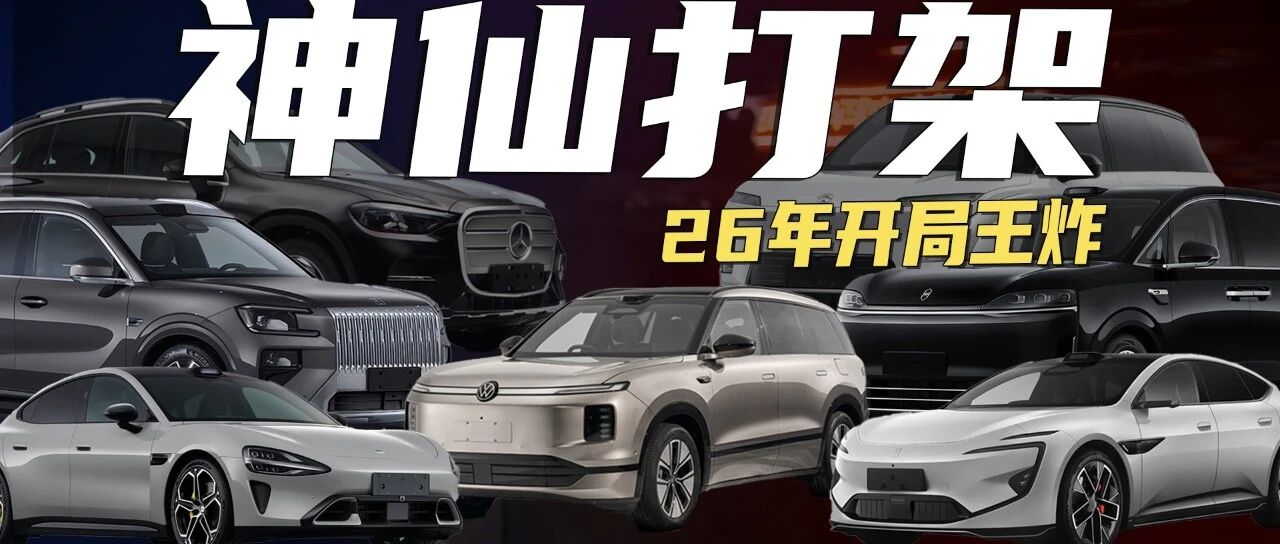
2026开局王炸!比亚迪宋Ultra、蔚来ES9、智界V9、极氪8X、大众ID.ERA、奔驰GLC纯电等多款新车登陆工信部!
电动车公社· 2026-01-10 16:06
Core Viewpoint - The automotive market in China is expected to experience cautious optimism for 2026, with predictions of a decline in passenger car sales after a peak in 2025 [1][2]. Group 1: Market Predictions - Morgan Stanley forecasts a 9% year-on-year growth in China's passenger car sales in 2025, followed by a 5% decline in 2026 [2]. - Despite continued growth in new energy vehicle (NEV) sales and exports, there may be a 30% drop in the first quarter due to changes in subsidies and purchase tax policies, impacting overall annual sales [3]. Group 2: Industry Competition - The consensus is that the Chinese automotive industry is entering a decisive phase, with expectations that only 5-10 NEV companies will survive in the coming years [7]. - As competition intensifies, there are indications of a significant influx of new models, with at least 24 different new energy vehicles expected to be launched, indicating fierce competition ahead [8][9]. Group 3: Key Trends for 2026 - Key themes for 2026 include technological iteration, configuration upgrades, larger vehicle sizes, and responses from joint ventures [10].



三花智控(002050):传统制冷和汽零业务业绩表现超预期 人形机器人放量在即
Ge Long Hui· 2026-01-10 08:30
Group 1 - The company forecasts a significant increase in net profit for 2025, estimating a range of 3.87 to 4.65 billion yuan, representing a year-on-year growth of 25% to 50% [1] - The traditional refrigeration business shows strong performance with a revenue increase of 25.5% in the first half of 2025, driven by global low-carbon policies and growing demand for cooling components [1] - The automotive parts business is recovering, with revenue of 5.87 billion yuan in the first half of 2025, reflecting an 8.8% year-on-year growth, supported by improved production and sales from major client Tesla [1] Group 2 - The company has established a dedicated humanoid robot division and built a production base in Thailand to meet Tesla's mass production needs, expecting significant revenue contributions starting in 2026 [2] - Revenue projections for the company from 2025 to 2027 are estimated at 32.26 billion, 37.13 billion, and 44.12 billion yuan, with net profits of 4.24 billion, 5.12 billion, and 6.03 billion yuan respectively [2] - The company is rated as "buy" with corresponding price-to-earnings ratios of 54, 45, and 38 for the years 2025 to 2027 [2]

对话千里科技印奇:抓住 “想做、能做、可做” 的闪现时刻,决胜智驾淘汰赛
晚点Auto· 2026-01-10 07:30
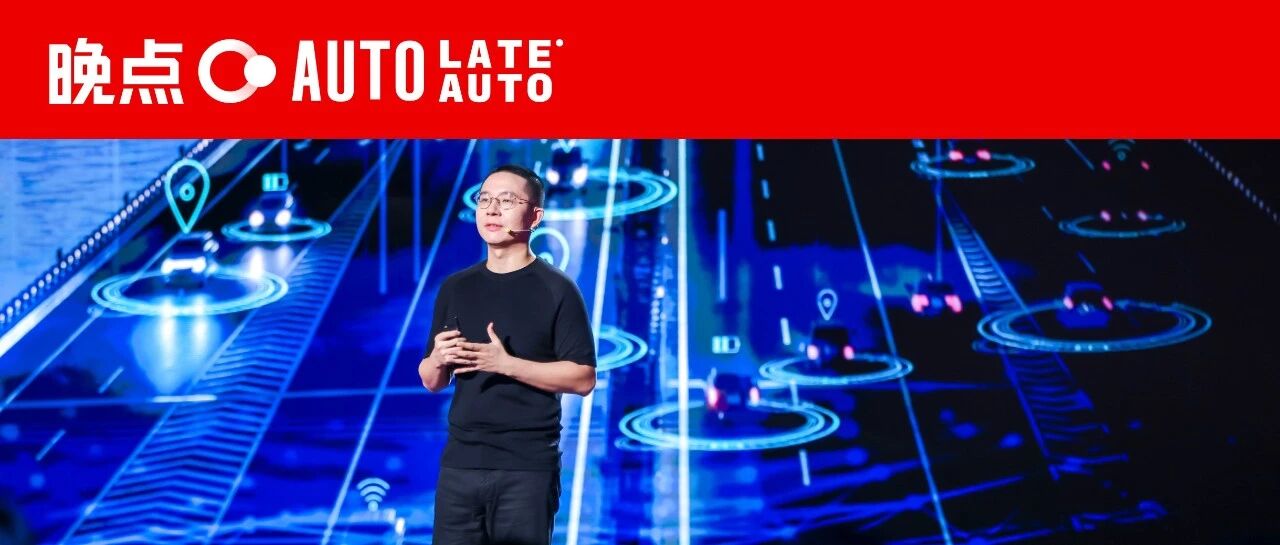
Core Viewpoint - The article discusses the competitive landscape of intelligent driving in China, highlighting the potential for latecomers to succeed by leveraging advanced technology and strategic partnerships, as exemplified by Geely and Qianli's collaboration on the G-ASD system [3][6][11]. Group 1: G-ASD System Overview - The G-ASD system, developed by Geely and Qianli, utilizes a state-of-the-art end-to-end model architecture, enabling full-range intelligent driving capabilities without relying on high-precision maps [4][10]. - The system is powered by 23.5 EFLOPS of computing power and vast amounts of real driving data, allowing for rapid iteration and self-evolution through a "world behavior model" [4][10]. Group 2: Strategic Insights - Geely's CEO emphasizes the integration of new energy and intelligence as a unified goal, aiming to establish Geely's intelligent driving as a benchmark in China and compete globally [6][11]. - Qianli's competitive edge lies in its lack of historical technical burdens and a composite team with expertise from various sectors, enhancing its ability to innovate and execute [7][8]. Group 3: Market Positioning and Future Outlook - The article predicts that only three to four leading intelligent driving suppliers will emerge globally, with Qianli and Geely's collaboration positioned to capitalize on economies of scale and technological advancements [11][24]. - Qianli aims to focus on a "big customer strategy," seeking deep partnerships with a select few major automotive clients to build a robust competitive barrier [24][25].

烧光500亿的“中国宝马”,引爆2026年第一颗雷
3 6 Ke· 2026-01-10 07:18
Core Viewpoint - The article discusses the rise and fall of the Chinese automotive brand Qoros, highlighting its initial success and subsequent bankruptcy, while contrasting it with the current success of domestic new energy vehicle brands at events like CES [1][3][5]. Group 1: Qoros' Rise - Qoros was the first Chinese brand to gain international recognition, breaking the stereotype that Chinese cars could not be of high quality, and was celebrated for its safety features [5][16]. - The brand was established through a joint venture between Chery and an Israeli group, aiming to produce high-end vehicles that could compete with German brands [10][12]. - Qoros' first model, the Qoros 3, received accolades for its design and safety, winning the Red Dot Design Award and achieving high scores in EuroNCAP safety tests [14][16]. Group 2: Qoros' Decline - Despite initial success in Europe, Qoros struggled in the Chinese market due to misaligned pricing and branding strategies, leading to poor sales performance [17][19]. - The brand's attempts to distance itself from Chery and establish itself as an international brand alienated potential customers and hindered its market penetration [21][23]. - Qoros faced significant financial losses, with cumulative losses exceeding 6 billion yuan over three years, leading to its eventual abandonment by Chery [23][24]. Group 3: Attempts at Revival - After being acquired by Baoneng, Qoros attempted to reposition itself as a competitor in the electric vehicle market but failed to capitalize on the growing demand for new energy vehicles [30][32]. - The brand's revival efforts were marred by poor management decisions and a lack of understanding of the Chinese market, resulting in minimal sales and operational challenges [33][40]. - Qoros' experience serves as a cautionary tale for new automotive brands, emphasizing the importance of market alignment and effective branding strategies [42][44].

直击CES:“AI正急切地走出屏幕”
Xin Lang Cai Jing· 2026-01-10 00:55
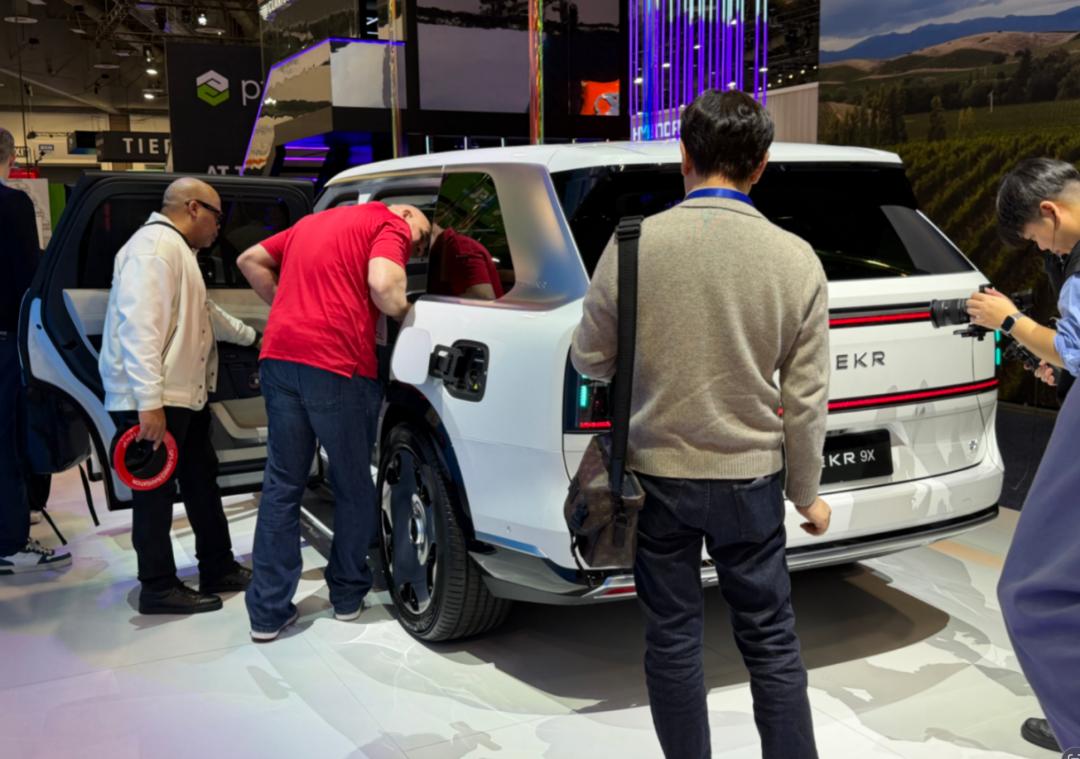
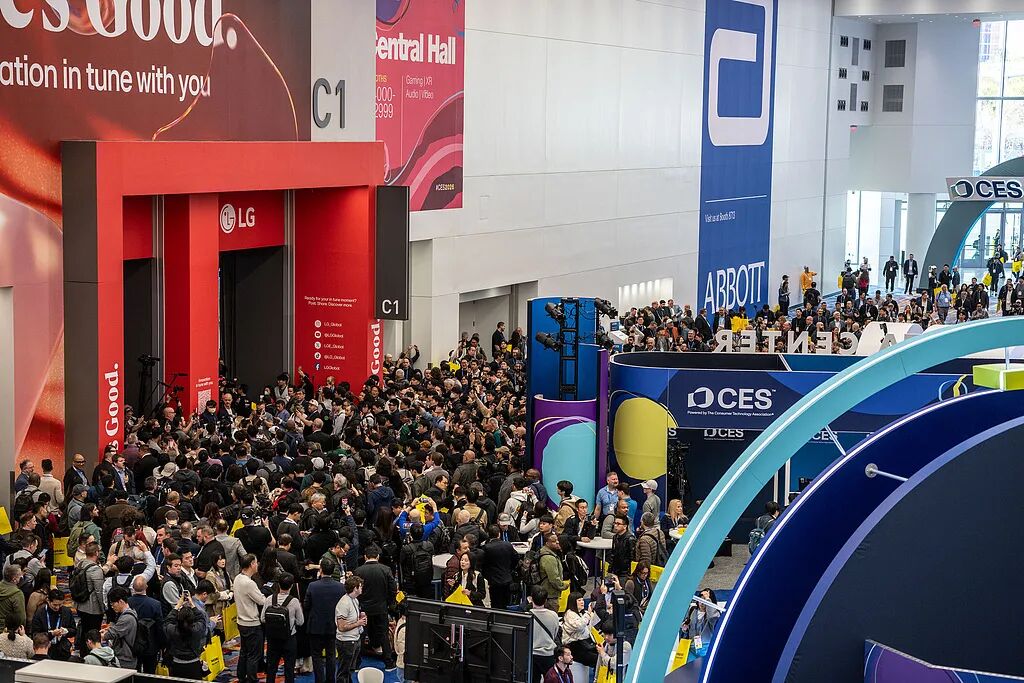
Core Insights - The CES 2023 showcased a significant shift towards consumer-oriented technology, emphasizing the integration of AI into everyday products and experiences [5][20][21] - Chinese companies made a notable impact at CES, with a strong presence in robotics and AI applications, reflecting a growing trend of innovation and market engagement [15][17][18] Group 1: Event Overview - CES is described as a "global technology spring festival," attracting a diverse audience including tech professionals and curious consumers [3][5] - The event is characterized by a more accessible and consumer-friendly atmosphere, moving away from purely business-focused interactions [5][10] Group 2: AI and Robotics - AI applications were prominently featured, with a focus on practical implementations such as robots performing various tasks and AI-enhanced wearable devices [7][9] - The number of robotic exhibitors increased significantly, with a dedicated theme area for "embodied intelligence" [7][15] Group 3: Chinese Companies' Participation - Over 1,200 Chinese exhibitors participated, making up approximately 30% of the total, with a strong emphasis on innovation and market readiness [15][17] - Many Chinese startups showcased their products for the first time, indicating a shift towards proactive international engagement [12][13] Group 4: Market Trends and Consumer Engagement - The feedback from international markets has been overwhelmingly positive, with many products exceeding expectations in terms of interest and potential sales [13][18] - The focus has shifted from merely showcasing AI capabilities to demonstrating measurable value in real-world applications [20][22] Group 5: Competitive Landscape - The event highlighted the competitive dynamics between major AI nations, with Chinese companies focusing on commercialization while U.S. firms emphasized foundational technologies [17][18] - The presence of Korean companies also contributed to the competitive landscape, showcasing strengths in smart manufacturing and AI applications [17][18] Group 6: Future Directions - The integration of AI into physical products is seen as a key trend, with a focus on creating embedded capabilities that enhance user experiences [20][21] - The concept of digital twins is emerging as a foundational element for AI applications in industrial settings, facilitating design and optimization processes [22]
智通港股解盘 | AI+再度爆发成新引擎 海外矿业巨头拟合并或刺激资源再起
Zhi Tong Cai Jing· 2026-01-09 12:57
Market Overview - A-shares showed strong performance with the Shanghai Composite Index breaking through 4100 points, closing at 4120.43 points, and trading volume exceeding 31,523 billion yuan, marking the sixth occurrence in history of trading volume surpassing 30 trillion yuan [1] - Hong Kong stocks lagged behind, with a slight increase of 0.32% [1] International Developments - The U.S. government is considering a cash incentive for Greenland residents to encourage their potential inclusion in the U.S., with discussions around distributing between 10,000 to 100,000 USD per person, totaling nearly 6 billion USD [1] - A joint military exercise named "Peace Intent-2026" involving China, Russia, and South Africa will take place in mid-January, highlighting a new security cooperation model among BRICS nations [1] Commodity and Metal Market - The U.S. dollar index surpassed 99, and the LMEX index for major base metals is expected to record its fourth consecutive week of gains, with copper and aluminum prices rising over 1% [2] - Companies like Luoyang Molybdenum (03993) and China Aluminum (02600) reached historical highs [2] AI and Technology Sector - MiniMax (00100) made a significant debut on the Hong Kong Stock Exchange, opening at 235.4 HKD, a 42.67% increase from its issue price of 165 HKD [2] - AI applications are thriving, with companies like Zhizhu (02513) seeing over a 20% increase in stock price, reaching a market cap of 720 billion HKD [2] Healthcare Innovations - OpenAI launched ChatGPT Health, a dedicated space for health-related conversations, which can integrate with electronic medical records [3] - Companies like iFlytek Medical Technology (02506) reported a significant increase in stock price, with their medical deep reasoning model achieving a 94% accuracy rate in diagnostic assistance [3] Aerospace and Automotive Sector - JunDa Co. (02865) and Goldwind Technology (02208) experienced initial surges in stock prices, while CIMC Anrui (03899) continues to perform well, with over 100 million RMB in revenue from aerospace-related business [4] - Black Sesame Intelligence (02533) secured a strategic investment of 500 million RMB, boosting its stock price by nearly 5% [4] Market Trends and Stock Movements - The price of crab-eating macaques has surged to 140,000 yuan each, leading to a 7% increase in shares of Zhaoyan New Drug (06127) due to market expectations [5] - Youjia Innovation (02431) repurchased 3,004,800 shares for approximately 44.88 million HKD, indicating confidence from cornerstone investors [5] Employment Data and Legal Decisions - The U.S. Labor Department is set to release December employment data, which is anticipated to be more reliable following the longest government shutdown in history [6] - The U.S. Supreme Court will make a final decision on the legality of tariffs imposed by former President Trump, which may have limited impact on the market [6] Mining Sector Developments - Rio Tinto and Glencore are in preliminary discussions regarding a potential merger, which could create the largest mining company with a market value exceeding 200 billion USD [7] - If the merger occurs, it may lead to increased concentration in the global resources sector, impacting companies like Luoyang Molybdenum (03993) and China Aluminum (02600) [7] Company Performance and Projections - Sanhua Intelligent Control (02050) expects a net profit of 3.87 to 4.65 billion yuan for 2025, representing a year-on-year increase of 25% to 50% [8] - The company is benefiting from growing demand for cooling components in data centers and is set to produce humanoid robots, with significant revenue contributions expected starting in 2026 [9]
四闯资本市场赴港IPO!剥离旗下某星充电断臂求生,充电桩大洗牌
Sou Hu Cai Jing· 2026-01-09 06:14
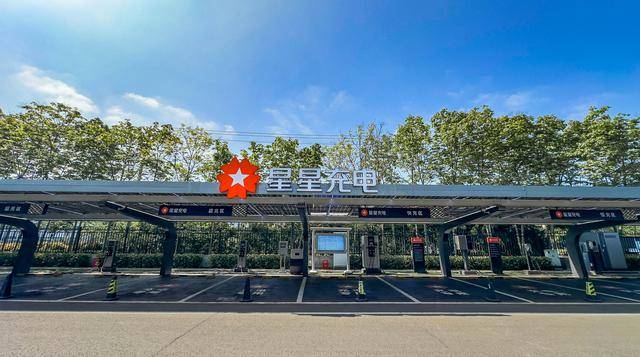
Core Viewpoint - The company is making a significant move by filing for an IPO on the Hong Kong Stock Exchange, marking its fourth attempt to enter the capital market, indicating a critical juncture for the company [1][3]. Group 1: Company Strategy - The company has decided to divest its core operational business, "Certain Star Charging," for 474 million yuan to focus solely on manufacturing charging equipment, microgrids, and energy storage, moving away from its previous dual-track model [3][5]. - The company aims to improve its financial metrics by shedding the less profitable operational segment, as the charging operation business has proven to be unprofitable despite its apparent popularity [3][5]. - The company has established partnerships with 59 well-known automotive brands, including Volkswagen and Porsche, to leverage their distribution channels for selling charging solutions directly to consumers [7]. Group 2: Industry Challenges - The charging station industry is undergoing a transformation, with mandatory 3C certification introduced in August 2026, which poses a significant challenge for smaller manufacturers and could lead to increased market concentration among leading firms [9][11]. - The company faces intense competition from major players like Certain Wei and Certain De Times, as well as state-owned enterprises and automotive companies, which complicates its market position [13][14]. - The company's gross margin has declined from 33.4% in 2023 to 24.6% in the first three quarters of 2025, reflecting the pressures of price competition and industry standardization [11]. Group 3: Technological Advancements - The company has positioned itself as a technology leader by introducing the industry's first liquid-cooled ultra-fast charging device, which addresses long-range charging concerns for electric vehicle owners [15][18]. - The company is exploring Vehicle-to-Grid (V2G) technology, which allows electric vehicles to act as mobile power sources, potentially enhancing revenue streams for vehicle owners and creating new business opportunities for the company [18][20]. - The company is also focusing on international markets, where it currently derives about 18% of its revenue, as these markets offer higher profit margins and less competition from domestic rivals [21]. Conclusion - The company's IPO is not only a critical moment for its future but also signals a broader transformation within the charging station industry, where only the most capable players will survive in a landscape increasingly defined by technological innovation and strategic positioning [23].
车主抱怨:没出险没违章,还涨价,有猫腻?车险定价调查
Nan Fang Du Shi Bao· 2026-01-09 05:30
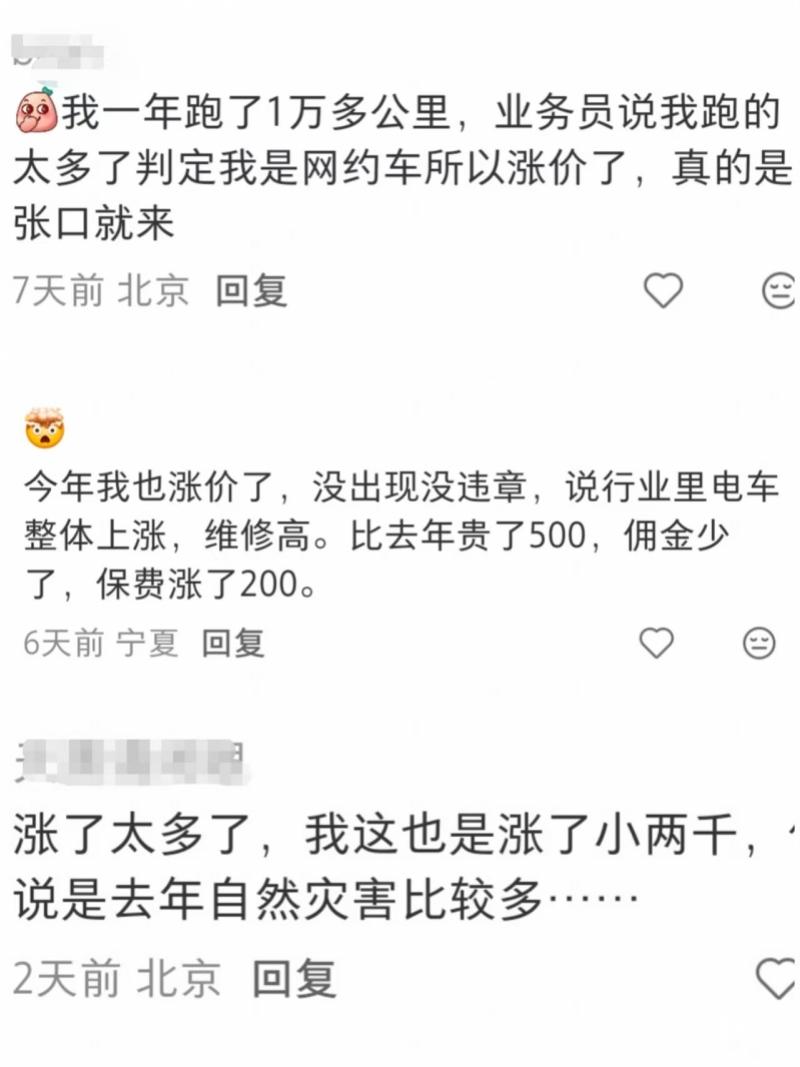
岁末年初是车险续保高峰期,关于车险续保"逆向涨价"的讨论持续升温。多位车主在社交平台反馈车险续保费用 上涨,即便自身无出险、无违章记录,保费仍有明显上调。 南都·湾财社记者通过市场调查与采访发现,车险市场呈现"分化定价"的特征。有专家表示,在"报行合一"监管深 化与行业风险结构变化的双重作用下,车险价格并非简单普涨,而是出现显著的差异化调整态势。车辆型号、年 限、行驶情况、历史出险记录乃至投保渠道等多重因素,共同决定了最终保费的涨跌走向。 续保遭遇"逆向涨价" 车主吐槽原因各异 "原本以为没出险能享最大折扣,结果报价比去年还高。"近期,不少车主在社交媒体上吐槽车险续保费用上涨, 且涨价原因五花八门。 一名北京车主表示,2025年底续保保费较上一年增加近2000元,业务员解释这与自然灾害频发推高行业赔付率有 关;一名宁夏新能源车车主则称,自己没出险也没违章,保费却"逆势上涨",原因是"新能源车维修成本高企带动 行业整体定价上调";还有一位北京车主透露,因去年车辆行驶里程超1万公里,"被保险公司判定为疑似网约车用 途,所以保费涨价了。" 对外经济贸易大学保险学院教授王国军对南都·湾财社记者表示,市场有涨有跌才是正 ...
全球品牌大事记(2025年12月)
Sou Hu Cai Jing· 2026-01-09 04:22
Group 1: Amazon's Rapid Delivery Service - Amazon launched the AmazonNow ultra-fast delivery service in Seattle and Philadelphia, promising delivery within 30 minutes for Prime members at a fee of $3.99, significantly lower than the previous $15 order threshold [4] - This service aims to reshape urban commercial geography by accelerating the online transition of convenience stores and pharmacies, leveraging Amazon's logistics network to enhance delivery speed and consolidate its brand goal of "everything fast" [4] Group 2: TikTok's Investment in Latin America - TikTok announced a $37.7 billion investment to build a large-scale data center in Brazil, supported by local renewable energy, establishing a dual hub with an operational center in Mexico [5] - This investment aims to create a regional brand barrier and ecosystem control, leveraging user engagement metrics to potentially increase cloud service revenue [5] Group 3: Google's AI Search Engine - Google integrated the Gemini 3 model into its search engine, offering free AI search services to nearly 120 countries, with a monthly active user base exceeding 650 million [6] - The company is building a monopoly triangle of "search entry - cloud services - hardware," aiming to transform from an "information indexing tool" to a "task-executing intelligent agent" [6] Group 4: Elon Musk's Wealth and Business Empire - Elon Musk's net worth reached $684.3 billion, with SpaceX's valuation doubling to $800 billion, making it a core wealth engine alongside Tesla and xAI [7] - Musk's wealth growth reflects a paradigm shift in capital logic, with SpaceX, AI, and energy sectors creating a unique competitive moat that traditional industries struggle to replicate [7] Group 5: Apple's Foldable Phone Strategy - Apple plans to release at least seven new models by 2027, including its first foldable iPhone, priced around $2,500, to combat stagnation in growth [8] - The success of the foldable iPhone is critical, as it faces challenges such as high pricing and unresolved hinge reliability issues, which could dilute brand value if not executed successfully [8] Group 6: NASA's Lunar Mission Challenges - NASA's Artemis program faces significant delays, with key components lagging behind schedule, increasing reliance on SpaceX for lunar landing capabilities [9] - This situation enhances SpaceX's strategic value and bargaining power, marking a shift in commercial space branding from supplementary to core roles [9] Group 7: Mercedes-Benz Emission Scandal - Mercedes-Benz reached a settlement of $149.6 million over emissions cheating allegations, highlighting systemic compliance issues within German automakers [10] - The scandal threatens to damage the brand's reputation and could impact the collective brand equity of German automotive engineering, especially against electric vehicle competitors [10] Group 8: Meta's Shift from Metaverse to AI - Meta plans to cut its metaverse project budget by up to 30%, redirecting focus towards AI hardware and applications [11] - This strategic pivot reflects a response to market pressures and competition, aiming to create AI-driven immersive experiences while still maintaining some metaverse elements [11] Group 9: LG's New Gallery TV - LG is set to launch the Gallery TV, featuring a wall-mounted design and customizable frames, targeting the high-end home decor market [12] - The success of this product will depend on partnerships with museums and digital art platforms, as well as consumer willingness to pay for non-standardized designs [12] Group 10: BYD Surpassing Tesla in EV Sales - BYD's sales surpassed Tesla's for the first time, with Tesla reporting a 15.6% decline in Q4 2025 deliveries [13] - Tesla's reliance on a universal product strategy is being challenged by local competitors like BYD, which are leveraging localized supply chains and digital services to gain market advantages [13]