零跑

Search documents
车企缩短账期,供应链有何影响
Ren Min Ri Bao· 2025-07-02 23:01
Core Viewpoint - The automotive industry is responding to the need for shorter payment terms to improve cash flow and support sustainable development, with approximately 20 companies committing to a unified payment term of 60 days for suppliers starting June 10 [1][2]. Group 1: Industry Response - Major automotive companies, including China FAW, SAIC Group, and new entrants like NIO and Xiaopeng Motors, are adopting a 60-day payment term to enhance cash flow and operational efficiency [2][3]. - The commitment to shorten payment terms aligns with the revised "Regulations on Payment for Small and Medium Enterprises," which mandates large enterprises to pay small and medium suppliers within 60 days [2]. Group 2: Supplier Perspective - Suppliers, such as Zhuhai Guanyu and Haitai Technology, view the reduction in payment terms as beneficial for alleviating accounts receivable pressure, improving cash flow, and reducing financing costs [3][4]. - Experts from the China Automobile Circulation Association highlight that shorter payment terms can enhance the operational resilience and innovation capabilities of suppliers, addressing previous cash flow challenges [3][8]. Group 3: Challenges and Industry Dynamics - The average payment term for Chinese automotive companies is significantly longer, ranging from 170 to 200 days, compared to international counterparts like Toyota and Mercedes [5][6]. - Factors contributing to longer payment terms include the complexity of the automotive supply chain, market competition, and the use of financial instruments that can extend payment periods [7][10]. Group 4: Future Outlook - Experts emphasize that while the commitment to a 60-day payment term is a positive step, it is crucial to streamline the entire payment process from acceptance to invoicing to ensure suppliers receive payments promptly [10][12]. - The automotive industry must enhance collaboration across the supply chain and leverage digital transformation to improve overall efficiency and competitiveness [11][12].


华为系首次突破5.2万辆,它是怎么做到的?
3 6 Ke· 2025-07-02 04:18
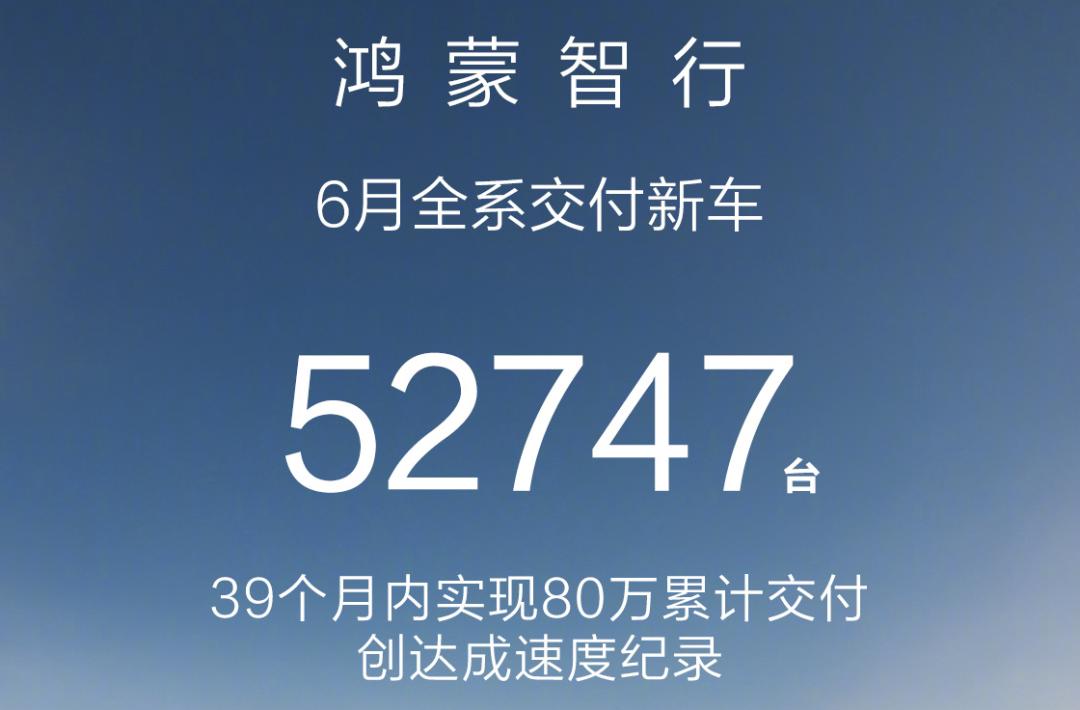
Group 1 - Huawei's HarmonyOS Intelligent Driving achieved a total delivery of 52,700 vehicles in June, with the AITO brand contributing 44,600 units [1][3] - The AITO brand's models, particularly the M9 and M8, have shown strong sales, with M9 maintaining over 13,000 units monthly and M8 exceeding 21,000 units [1][3] - AITO's pricing strategy allows it to compete effectively against premium brands like BMW, Audi, and Mercedes-Benz, despite being priced higher [3][5] Group 2 - The AITO brand has established a strong market position, outperforming traditional luxury brands in China, even as those brands see declining sales [3][5] - Other brands under Huawei's ecosystem, such as the Enjoy and Respect series, are experiencing growth, while the Zhi series is facing significant sales declines due to missed market opportunities [5][7] - The overall sales of Huawei's intelligent driving vehicles are approaching 100,000 units monthly, driven by various partnerships and models [7][9] Group 3 - The Chinese electric vehicle market is evolving, with BYD maintaining strong sales at 370,000 units in June, primarily due to overseas growth [9][12] - Geely is also increasing its sales targets, aiming for 3 million units annually, positioning itself as a strong competitor in the market [9][12] - The overall trend indicates a growing dominance of domestic brands in the electric vehicle sector, leading to reduced market space for joint venture brands [12]

雷军疯狂输出焦虑,乐道开启反击
Hua Er Jie Jian Wen· 2025-07-02 04:09
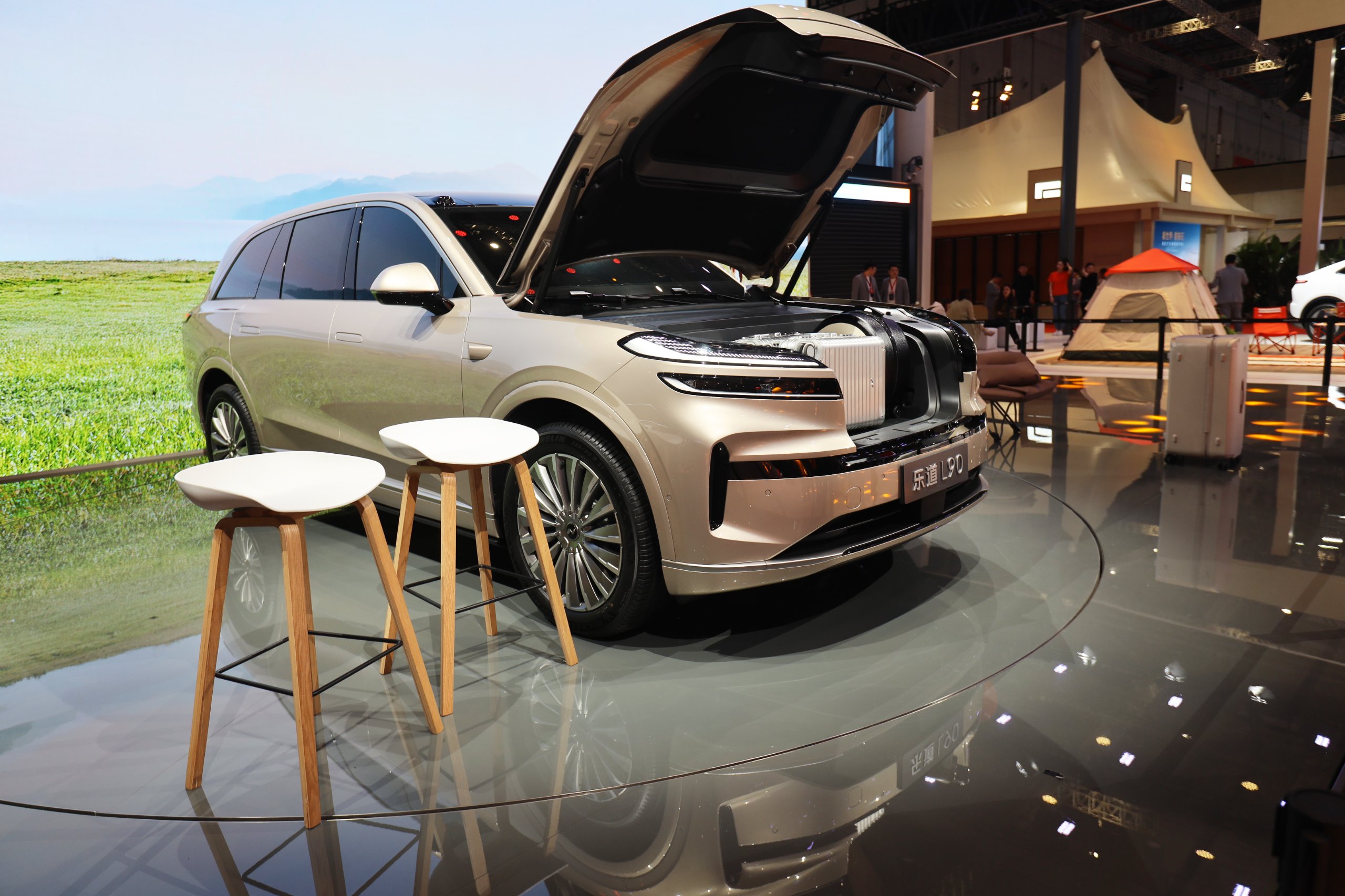
Core Insights - The launch of Xiaomi's YU7 electric vehicle has exceeded expectations, with over 289,000 orders within the first hour, indicating strong consumer interest despite a challenging market environment [2][4] - Competitors in the automotive industry are feeling pressure to respond, with several brands announcing price cuts and incentives to attract customers away from Xiaomi [4][5] - The market for large SUVs is expected to remain competitive, with multiple new electric models set to launch in the coming months, including NIO's L90, which aims to capture a significant share of the market [7][10] Industry Dynamics - The automotive industry has entered a phase of intense competition, particularly in the mid to large SUV segment, as brands adjust their strategies in response to the YU7's success [5][6] - The introduction of new electric SUVs in the 200,000 to 500,000 RMB price range is anticipated to accelerate market growth, with NIO's L90 positioned as a potential game changer [7][10] - The demand for large three-row SUVs has shown significant growth, with a reported increase from 920,000 to 1.3 million units over the past three years, reflecting a robust market opportunity [12] Competitive Landscape - NIO's L90 is designed to address consumer pain points related to space and functionality, featuring a high-performance electric motor and a unique battery swap system that enhances its appeal [8][9] - The competitive environment is characterized by aggressive pricing strategies, with brands like Leap Motor and Avita implementing discounts and incentives to retain customers [4][6] - The success of NIO's L90 will depend on its ability to attract consumers from both the existing market and those considering a switch from hybrid or plug-in vehicles [11][12]

小米冲击下的新势力变局
汽车商业评论· 2025-07-01 23:03
Core Viewpoint - Xiaomi's automotive division achieved an astonishing record by securing 289,000 pre-orders for the YU7 model within just one hour, significantly impacting the traditional automotive industry's sales dynamics and prompting a reevaluation of competitive strategies [2][3][5]. Group 1: Market Performance - In July 2025, 14 new automotive companies reported their sales figures, with four leading companies (Leap Motor, AITO, Li Auto, and Xpeng) exceeding 30,000 monthly sales [6][10]. - Xiaomi's sales in June reached over 25,000 units, with a total of over 150,000 units sold in the first half of the year [8][31]. - Leap Motor reported a record delivery of 48,006 units in June 2025, marking a year-on-year growth of over 138% [11]. - AITO's series delivered 44,685 units in June, with the M9 model being a significant contributor [21]. Group 2: Competitive Landscape - The automotive industry is experiencing a shift in competitive logic, with Xiaomi's rapid success challenging established norms and creating anxiety among traditional manufacturers [4][5]. - Other companies, such as Li Auto and NIO, are facing pressure as they report declining sales figures, with Li Auto experiencing a 24% year-on-year drop in June [15][27]. - The emergence of new players like Deep Blue and AITO is reshaping the market, with both companies showing strong growth in sales [31][29]. Group 3: Future Outlook - Xiaomi's YU7 model's success has raised questions about the sustainability of its sales momentum, as the company now faces challenges related to production capacity and order fulfillment [31]. - The competitive environment is expected to intensify, with established brands like NIO and Li Auto planning to launch new models to regain market share [16][27]. - The overall market dynamics indicate a potential for further disruption as new entrants continue to innovate and capture consumer interest [5][4].
果然,又爆了!
中国基金报· 2025-07-01 15:12
Core Viewpoint - The article highlights the significant differentiation among new energy vehicle manufacturers in China, particularly focusing on their sales performance in June 2025, with BYD maintaining a leading position while others like Li Auto and Xiaomi struggle [1][13]. Summary by Sections Sales Performance Overview - In June, BYD achieved sales of 382,585 units, maintaining a substantial lead in the market with a year-on-year growth of 11.98% [2][5]. - Other notable performances include Leap Motor with nearly 50,000 units delivered, marking a year-on-year increase of 138.65% [14][18]. - Li Auto and Xiaomi reported disappointing sales figures, with Li Auto delivering 36,279 units, a decline of 24.06% year-on-year, while Xiaomi's sales fell below 25,000 units [18][21]. Year-to-Date Performance - For the first half of 2025, BYD's cumulative sales reached 2.146 million units, a 33.04% increase compared to the previous year [5][11]. - Leap Motor's cumulative sales reached approximately 221,700 units, achieving 36.95% to 44.34% of its annual target [3][14]. - Xiaopeng's sales exceeded 50% of its annual target, while other manufacturers lagged behind [2][3]. Market Dynamics and Future Plans - The article notes a growing competition in the SUV market, with several manufacturers planning new releases. Leap Motor is set to launch the C11, while Xiaopeng will introduce the G7, an AI-powered SUV [29][30]. - NIO plans to release three new models in the second half of 2025, focusing on high-end intelligent SUVs [30]. - The differentiation among new energy vehicle manufacturers is becoming more pronounced, with varying strategies and product offerings [13][28].


车企CEO,都在研究小米YU7
创业邦· 2025-07-01 12:00
Core Viewpoint - The launch of Xiaomi's YU7 SUV has created significant disruption in the automotive market, leading to a surge in orders and impacting competitors' sales and stock prices [3][4][6]. Group 1: Market Impact - Xiaomi's YU7 received over 289,000 orders within the first hour of its launch, with a total order value exceeding 600 billion yuan, indicating it may be the fastest-selling car in history [4][6]. - Competitors such as Xpeng, NIO, and Li Auto saw their stock prices drop by 3-7% following the YU7's launch, while Xiaomi's stock surged nearly 10% [6][7]. - The order backlog for YU7 is substantial, with delivery times extending up to 14 months for certain models, raising concerns about Xiaomi's production capacity [7][11]. Group 2: Competitive Landscape - The YU7 is positioned to compete directly with Tesla's Model Y, offering a lower starting price of 253,500 yuan, which is 10,000 yuan less than the Model Y [9][10]. - Industry analysts suggest that the YU7's entry into the market could trigger a price war among competitors, as they prepare to respond with price cuts and enhanced offerings [7][9]. - The competitive dynamics in the 250,000 to 350,000 yuan electric SUV segment are fragile, with many brands at risk of losing market share to the YU7 [15][16]. Group 3: Long-term Considerations - While the initial order volume for YU7 is impressive, analysts caution that its long-term sales performance will depend on delivery timelines and customer satisfaction post-purchase [11][13]. - The YU7's success may also influence the strategies of other brands, particularly those in the same price range, as they reassess their market positioning in light of Xiaomi's aggressive entry [19][24]. - The automotive industry is witnessing a shift in focus towards emotional value and user experience, as highlighted by Xiaomi's marketing strategy for the YU7, which emphasizes user-centric features over technical specifications [24].
车企CEO,都在研究小米YU7
虎嗅APP· 2025-06-30 13:40
Core Viewpoint - The launch of Xiaomi's YU7 SUV has created significant disruption in the automotive market, leading to a surge in orders and impacting competitors' sales and stock prices [3][4][6]. Summary by Sections 1. YU7 Launch and Initial Response - Xiaomi's YU7 SUV received over 289,000 orders within the first hour of its launch, with a total order value exceeding 600 billion yuan [3][4]. - The order volume surpassed the total sales of Xiaomi's previous model, SU7, in 13 months, and was equivalent to half of Tesla Model Y's sales in China last year [3][4]. 2. Market Impact - Competitors such as XPeng, NIO, and Li Auto saw their stock prices drop by 3% to 7% following the YU7's launch, while Xiaomi's stock surged nearly 10% [4][12]. - The market is experiencing a shift, with a notable decrease in customer traffic for other brands as potential buyers flock to Xiaomi's offerings [3][4]. 3. Production and Delivery Challenges - Xiaomi faces significant production challenges, with estimates suggesting it could take up to a year to fulfill the new orders alongside existing SU7 backlogs [4][10]. - The delivery timelines for YU7 have been extended, with standard versions expected to take over a year for delivery, raising concerns about customer retention [4][10]. 4. Competitive Landscape - The YU7 is positioned as a direct competitor to Tesla's Model Y, with a lower starting price and comparable features, but it may struggle to match Model Y's delivery volumes due to production constraints [8][9]. - The competitive response from other brands is anticipated to include price cuts and enhanced customer incentives as they react to YU7's market entry [6][12]. 5. Long-term Market Dynamics - Analysts suggest that while YU7 poses a significant threat to Model Y, its long-term success will depend on customer satisfaction post-delivery and the competitive strategies employed by Tesla and other brands [11][18]. - The introduction of YU7 has prompted a reevaluation of high-end strategies among traditional automakers, highlighting a potential disconnect between engineering focus and consumer emotional engagement [19][20].
今日新闻丨零跑B01开启预售,预售价10.58-13.58万元!宁德时代重庆超级工厂正式投产!特斯拉中国首批V4超级充电桩上线!
电动车公社· 2025-06-30 12:31
Group 1 - Leapmotor B01 has started pre-sales with a price range of 105,800 to 135,800 yuan [1][2] - The dimensions of the new model are 4770mm in length, 1880mm in width, and 1490mm in height, with a wheelbase of 2735mm [4] - The interior features an 8.8-inch full LCD instrument panel and a 14.6-inch 2.5K central control screen, along with a versatile passenger seat design [4][6] Group 2 - Leapmotor B01 is equipped with the Qualcomm SA8295P flagship cockpit chip and dual AI voice models, supporting 26 advanced driving assistance functions [6] - The vehicle is built on the LEAP 3.5 architecture, featuring a 160kW electric drive, 0-100 km/h acceleration in 6.4 seconds, and a CLTC range of 550/650 km [6] - The charging time from 30% to 80% is 18 minutes [6] Group 3 - Tesla's first batch of V4 supercharging stations has been launched in China, with a maximum charging power of 500kW, doubling the previous generation's capacity [9][10] - The new V4 stations are compatible with a voltage range of 400-1000V and have increased cable length to 3 meters, making them more user-friendly [10] Group 4 - CATL's Chongqing super factory has officially commenced production, featuring two CTP 2.0 high-speed PACK production lines [11] - The collaboration between Seres and CATL is expected to enhance production and delivery speed, reducing the vehicle pickup cycle for users [12] - The partnership has expanded from battery production to include a 50MWh distributed photovoltaic project for green energy supply [12]



中国汽车出海,是时候重新思考“快慢之道”丨记者观察
Di Yi Cai Jing· 2025-06-30 12:21
根据中汽协最新数据,今年1~5月,我国汽车出口量为249万辆,同比增长7.9%,增长速度较前几年已 有放缓。 在速度由"快"转"慢"的背景下,中国汽车出海已然迈入深水区,正在从"产品出海"的1.0时代全面转型 至"品牌出海"的2.0时代。另一方面,当前,汽车产业全球合作发展形势正在发生深刻变化,中国汽车 在海外销售的壁垒在不断增加,很多国家都提出要发展本土汽车产业,与此同时,全球汽车供应链也变 得更加复杂,且更加脆弱。 过去中国传统汽车出海路径——即简单产品贸易或者以组装模式在当地生产,显然已经遇到了更大的市 场壁垒的限制。站在这关键时间段,中国汽车是时候重新思考出海的路径以及"快慢之道",不能再用过 去那种全球化时代的成功路径来套用到新的发展环境。 保持"敬畏心",才是中国汽车出海的长期之道。 中国速度,是我国汽车工业的亮眼名片。中国汽车出口量从2021年开始突飞猛进,每年都有百万辆左右 的增量。2021年,中国汽车出口量打破了在100万辆徘徊的局面,一举超过200万辆;2022年,该数值进 一步突破300万辆,超越德国,跃居世界第二大汽车出口国,仅次于日本;2023年,中国汽车出口量达 到491万辆,首次 ...
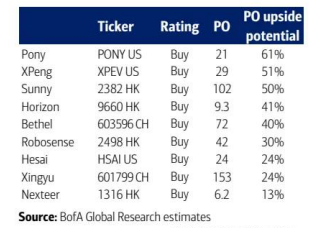
美银证券:汽车供应链首选激光雷达、自动驾驶芯片、线控底盘 看好地平线(09660)等
智通财经网· 2025-06-28 11:05
Core Insights - The report from Bank of America Securities highlights the rapid transformation in China's smart automotive industry driven by intense competition and the accelerated application of autonomous driving technologies by companies like BYD [1][2] Industry Overview - The penetration rate of L2+/L3 autonomous driving in China is projected to rise from 27% in 2025 to 80% by 2030, with sales of vehicles equipped with these features expected to grow from 6.1 million units in 2025 to 18.4 million units by 2030, reflecting a CAGR of 25% [2] - The Robotaxi market is anticipated to see explosive growth, with sales expected to increase from 2,500 units in 2025 to 400,000 units by 2030, representing a CAGR of 176% [3] Key Companies and Technologies - Companies such as Hesai (HSAI.US), Horizon (09660), and NIO (01316) are identified as key players in the smart automotive supply chain, particularly in laser radar, autonomous driving chips, and drive-by-wire chassis [1][4] - The report emphasizes that the integration of sensing, processing, and control systems is crucial for autonomous driving capabilities, while smart cockpit systems include components like cockpit domain controllers and heads-up displays [3] Component Market Insights - The estimated value of smart automotive components is $2,400 for entry-level vehicles and $6,000 for high-end models [4] - The penetration rate of laser radar in Chinese passenger vehicles is expected to increase from 6% in 2024 to 40% by 2030, driven by safety considerations and decreasing costs [4] - The market for autonomous driving and advanced driver-assistance system chips is projected to grow at a CAGR of 25% from 2024 to 2030 [4] Ratings and Price Targets - Bank of America Securities has provided ratings and price targets for several companies, indicating strong upside potential for stocks like PONY US, XPEV US, and HSAI US, with potential increases ranging from 24% to 61% [5][6]