
曹操出行

Search documents
无人驾驶网约车撞人后暂停运营,Robotaxi赛道“速度”与“安全”如何平衡?
Guo Ji Jin Rong Bao· 2025-12-09 12:37
Core Viewpoint - A recent incident involving a self-driving taxi from Hello (哈啰) in Zhuzhou, Hunan, resulted in injuries to two pedestrians, raising concerns about the safety of autonomous vehicles in commercial operations [2][3]. Company Summary - Hello's self-driving taxi, branded with the company's logo and identified as "3009," was involved in the accident, prompting the company to pause local operations while investigating the situation [3]. - Hello entered the Robotaxi market in June 2023, forming a joint venture with Ant Group and CATL, with respective shareholdings of 38%, 38%, 19%, and 5% [4]. - The company launched its first mass-produced Robotaxi model, "HR1," equipped with multiple sensors, and plans to produce L4 autonomous vehicles by June 2026, aiming to deploy over 50,000 units by 2027 [4]. Industry Summary - The Robotaxi sector is becoming increasingly competitive, with several companies, including Geely's Cao Cao Mobility and Didi, ramping up investments and operational testing [5]. - Internationally, Uber plans to expand its autonomous vehicle fleet to 100,000 units by 2027, while Nvidia supports the L4 autonomous driving ecosystem [5]. - Despite the growing interest and investment in Robotaxi services, companies like Pony.ai and WeRide have reported significant financial losses, indicating ongoing profitability challenges within the industry [6]. - The frequency of accidents involving Robotaxis, including a recent incident involving WeRide in Abu Dhabi, highlights the safety risks associated with autonomous vehicle operations [6][7].
曹操出行锚定Robotaxi万亿市场,三张牌重构出行生态
雪球· 2025-12-09 08:06
Core Viewpoint - The Robotaxi industry is transitioning from a "technology story" to a "business story," with 2025 marking a critical commercialization turning point [1][3]. Industry Overview - The Robotaxi sector is approaching a pivotal moment, evolving from single-vehicle intelligence validation to ecosystem competition [2]. - By 2025, significant advancements in the Robotaxi sector are expected, with a projected annual decrease in autonomous driving system costs of 10%-15% [3]. - The market for Robotaxis is anticipated to grow significantly, with Goldman Sachs predicting 1.9 million Robotaxis in operation in China by 2035, leading to a market size of $47 billion [3]. Company Strategy - Cao Cao Mobility has launched a "Ten Years, One Hundred Cities, One Hundred Billion" strategic goal, leveraging the Geely technology ecosystem to establish a unique three-in-one development model of "smart customized vehicles + smart driving technology + smart operations" [1][4]. - The company plans to introduce a customized Robotaxi model designed for L4 autonomous driving by the end of 2026, utilizing battery swapping technology [6]. Competitive Advantage - The three-in-one model creates a competitive moat for Cao Cao Mobility in the Robotaxi ecosystem, focusing on smart driving technology, customized vehicles, and operational systems [5][7]. - The "Green Intelligent Passage Island" enhances operational capabilities, serving as a hub for automated battery swapping, cleaning, and vehicle management, with plans for replication in other cities [7]. Implementation Plan - Cao Cao Mobility's "three-step" strategy includes: 1. Technical validation and small-scale testing; 2. Transitioning to unmanned operations; 3. Full-scale commercial operations with customized Robotaxi models [9]. - The company has initiated global expansion, signing a memorandum with the Abu Dhabi Investment Office to pilot autonomous driving and green travel technologies [10]. Investment Perspective - The value of Cao Cao Mobility's Robotaxi strategy lies in optimizing unit economics, with total cost of ownership (TCO) for customized vehicles reduced by 36.4% compared to typical electric vehicles [12][13]. - As the Robotaxi business progresses, the company's valuation may shift from a "mobility platform" to a "smart mobility technology company," reflecting its role in future smart city infrastructure [13][14].


曹操出行被投诉无障碍车不符宣传,回应整改后用户仍未获道歉
Feng Huang Wang· 2025-12-09 05:50
Core Viewpoint - The incident highlights the failure of Cao Cao Travel's "Hat" ride-hailing service to deliver on its promise of providing vehicles equipped with professional accessibility features, leading to difficulties for disabled individuals in transportation [1][2]. Group 1: Service Commitment and Compliance - A resident in Fuzhou reported that the "Hat" ride-hailing service did not fulfill its commitment of equipping each vehicle with professional accessibility facilities, specifically noting that out of 50 vehicles, 14 lacked necessary features such as ramp access [1]. - The company had previously advertised that "Hat" vehicles would include specialized models with pull-out ramps and rotating seats, and that drivers would receive training in accessibility services [1]. Group 2: Regulatory Response and Rectification - Following a complaint, the Fuzhou Road Transport Development Center confirmed the lack of accessibility features and mandated Cao Cao Travel to rectify the situation within a specified timeframe [1]. - As of the center's report, 44 out of the operational vehicles had completed the required modifications, while 6 vehicles needed to be fully compliant before they could operate [1]. Group 3: Ongoing Issues and Management Gaps - Despite claims of rectification, the resident found that some modified vehicles did not restore the original pull-out ramps but instead used makeshift metal plates stored in the trunk, raising concerns about safety and convenience [1]. - The incident reveals potential management disconnects within the ride-hailing platform regarding standardization of vehicle specifications, maintenance of facilities, and training of drivers for special service models [2].
“礼帽”专车无障碍服务失约, 曹操出行整改后仍遭用户质疑
Xin Lang Cai Jing· 2025-12-09 04:15
Core Viewpoint - The issue regarding Cao Cao Mobility's "Hat Car" service, which claims to provide accessible facilities, has garnered public attention due to unfulfilled promises regarding accessibility features [1][4]. Group 1: Incident Overview - The Fuzhou transportation department has responded to complaints, stating they will urge Cao Cao Mobility to improve service facilities and apologize to the complainant [1][4]. - The complainant, Mr. Guo, reported that since July 2025, he has faced multiple instances where the "Hat Car" did not have the promised accessibility features, specifically the ramp for wheelchair access, leading to significant disruptions in his travel plans [1][4]. - A recent investigation by a local news outlet confirmed that a "Hat Car" did not have the required accessibility ramp, corroborating Mr. Guo's claims [5]. Group 2: Company Response and Actions - Cao Cao Mobility has acknowledged the complaints and stated that they have taken the matter seriously, implementing comprehensive rectifications [1][4]. - The company has reported that most of the 50 "Hat Cars" in Fuzhou have completed the necessary improvements [4]. Group 3: Business Performance and Growth - As of October 30, Cao Cao Mobility reported a revenue of RMB 6.2 billion for the six months ending June 30, 2024, representing a 24.7% increase year-over-year [8]. - The company has expanded its operational reach to 83 cities, a 60% increase compared to the end of 2023 [8]. - The gross margin has improved from 5.8% in 2023 to 7.0% [8]. Group 4: Accessibility Initiatives - Cao Cao Mobility launched a social assistance initiative for disabled individuals, promoting a solution that integrates accessible vehicles with ride-hailing services [7]. - As of early 2024, the company has deployed over 1,000 accessible vehicles, serving more than 5 million citizens [7].
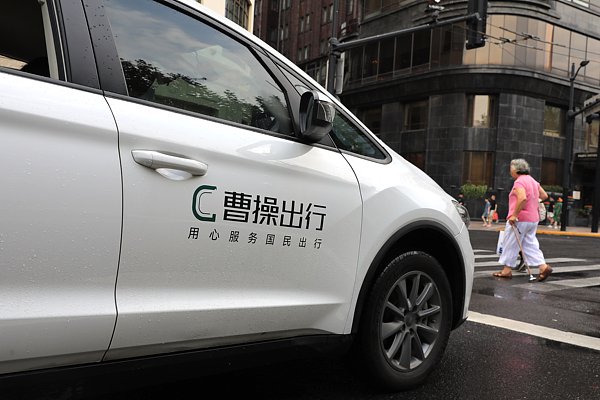
曹操出行豪赌Robotaxi:“十年百城千亿”目标如何达成
Jing Ji Guan Cha Wang· 2025-12-09 02:50
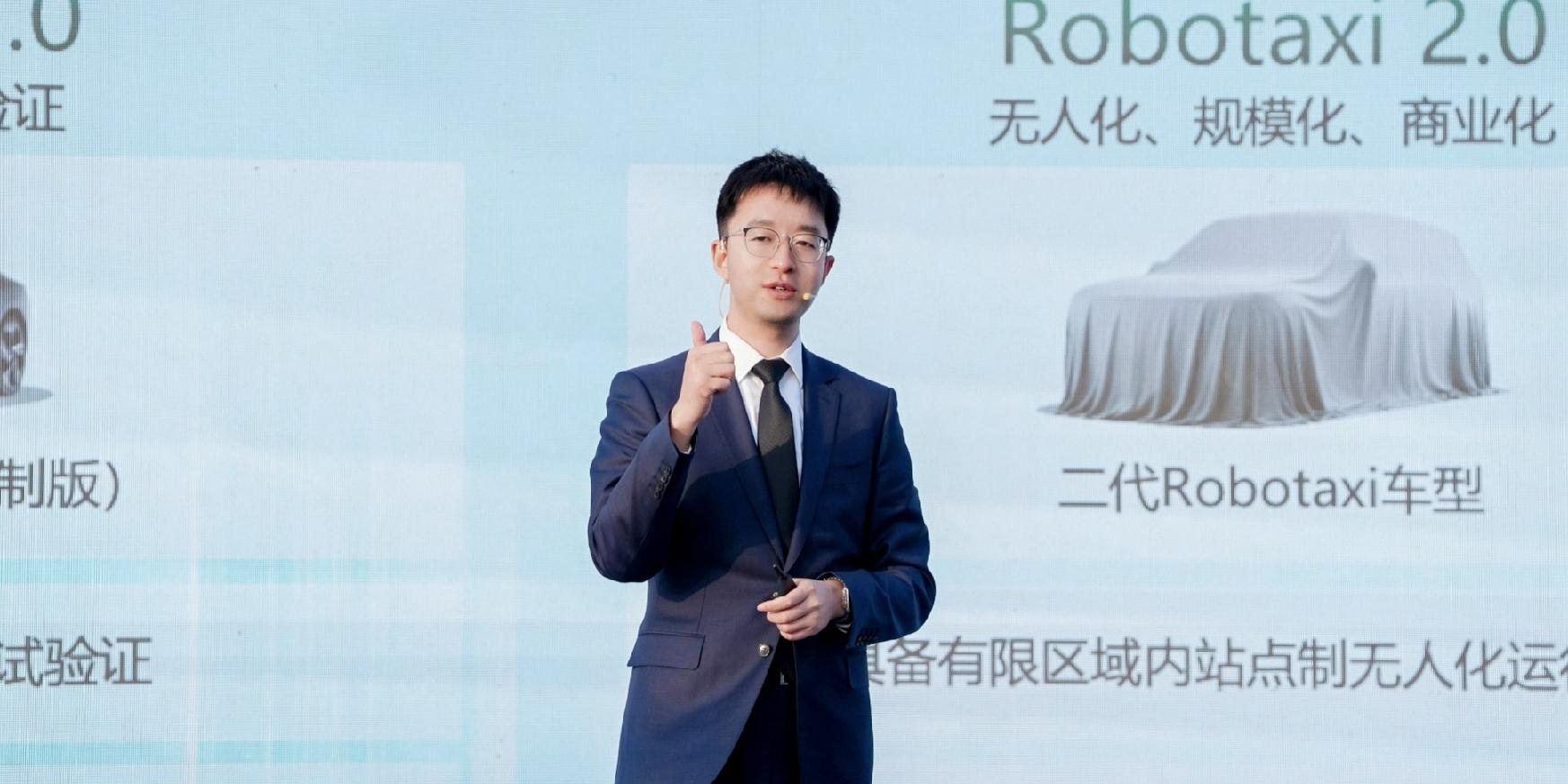
Core Insights - Cao Cao Mobility (02643.HK) has announced a strategic upgrade for its Robotaxi services, aiming for a "Ten Years, One Hundred Cities, One Hundred Billion" goal, targeting a total transaction value (GTV) of 100 billion RMB over the next decade [2][3] - The company has established a strategic partnership with Qianli Zhijia to accelerate the commercialization of Robotaxi services, leveraging L4-level autonomous driving technology [2][4] Company Overview - Founded in 2015 and headquartered in Suzhou, Cao Cao Mobility is a ride-hailing platform incubated by Geely Holding Group, currently the second-largest shared mobility platform in China [2] - The company went public on the Hong Kong Stock Exchange on June 25, with a market capitalization of approximately 28 billion HKD [2] Robotaxi Strategy - The Robotaxi strategy consists of a three-phase approach: initial demonstration operations in Suzhou and Hangzhou, transitioning from human-driven to fully autonomous operations, and finally launching fully customized Robotaxi models for global commercial operations [3][4] - The second phase will introduce the Cao Cao Zhixing Ras remote safety service platform and a digital asset management system to enhance operational efficiency [3] Industry Context - The Robotaxi sector is entering a phase of large-scale expansion, with competitors like Zhaofu Intelligent Technology and Pony.ai planning significant deployments in the coming years [4] - Cao Cao Mobility's model combines smart custom vehicles, autonomous driving technology, and intelligent operations, providing a cost advantage in vehicle production and operational efficiency [5] Operational Innovations - The introduction of the Green Intelligent Passage Island aims to improve operational efficiency and profitability, featuring automated functions such as vehicle cleaning and energy replenishment [5] - A strategic partnership with Yujian Technology will see humanoid robots assist in vehicle maintenance and operations, addressing industry challenges related to efficiency [5][6] Future Directions - The company is exploring new operational models, including allowing drivers to purchase vehicles and establish operational partnerships to reduce capital investment burdens [6]
中泰国际每日晨讯-20251208
ZHONGTAI INTERNATIONAL SECURITIES· 2025-12-08 03:24
Market Overview - The Hang Seng Index and the Hang Seng China Enterprises Index closed at 26,085 points and 9,198 points respectively, with weekly increases of 0.9% and 0.8% [1] - Total trading volume in Hong Kong stocks was HKD 933.2 billion, a decrease of 14.5% from the previous week [1] - The materials, industrials, and energy indices rose by 10.0%, 3.4%, and 3.1% respectively, while healthcare, real estate, and consumer staples indices fell by 0.8%, 0.2%, and 0.2% [1] - Major blue-chip stocks like Zijin Mining (2899 HK) and China Hongqiao (1378 HK) led the gains, rising by 12.1% and 9.3% respectively, while Shenzhou International (2313 HK) and Meituan (3690 HK) saw declines of 6.9% and 3.4% [1] Industry Dynamics - The performance of non-ferrous metals and gold stocks was strong, driven by expectations of tight copper supply and rising copper prices reaching USD 11,620, a recent high [2] - The semiconductor and AI sectors are gaining market attention, with energy demand expected to rise in the medium to long term, benefiting uranium and power equipment sectors [2] - The autonomous driving sector remains vibrant, with companies like WeRide (800 HK) and Pony.ai (2026 HK) seeing stock increases of 4%-5% [4] - The healthcare sector saw a slight decline, with the Hang Seng Healthcare Index dropping 0.7%, but companies like Kelun Biotech (6990 HK) showed resilience, rising 2.5% after announcing strategic partnerships [5] Specific Company Developments - Kelun Biotech announced a strategic partnership with Crescent Biopharma, involving exclusive rights for research and commercialization of antibody-drug conjugates and bispecific antibodies, with potential milestone payments totaling up to USD 1.25 billion [5] - In the uranium and power equipment sectors, companies like CGN Mining (1164 HK) and Harbin Electric (1133 HK) saw significant stock increases of 7.3% and 6.9% respectively, driven by positive market sentiment regarding AI's impact on energy demand [6]
Haul已拓展26个国家和地区;安克创新递表港交所丨出海周报
2 1 Shi Ji Jing Ji Bao Dao· 2025-12-08 01:57
Group 1: E-commerce Trends - On Black Friday, U.S. online sales reached a record $11.8 billion, marking a 9.1% increase from last year [1] - Adobe Analytics forecasts that consumers will spend $5.5 billion and $5.9 billion on the following Saturday and Sunday, representing year-over-year growth of 3.8% and 5.4% respectively [1] - Despite the increase in spending, Salesforce reports that rising prices have negatively impacted online shopping demand, leading to a decrease in the number of items purchased at checkout compared to last year [1] Group 2: Amazon's Global Expansion - From January to October this year, Chinese sellers on Amazon's global platform sold billions of items, with sales on mature sites growing over 15% and new sites growing over 30% [2] - The number of Chinese sellers with sales exceeding $2 million, $5 million, and $8 million increased by over 20%, while those exceeding $10 million grew by nearly 30% [2] Group 3: Amazon Haul Expansion - Amazon's Haul program has expanded its coverage from 1 to 26 countries and regions within a year, with notable performance in the UK, Germany, and Saudi Arabia [3] - The company plans to continue investing in the Haul program through 2026 [3] Group 4: Cao Cao Mobility's Robotaxi Strategy - Cao Cao Mobility announced an upgraded Robotaxi strategy with a goal of establishing operations in 100 cities globally over the next ten years, aiming for a total transaction value of 100 billion RMB [4] - The company has signed a strategic cooperation agreement with Qianli Zhijia to enhance collaboration in the Robotaxi sector [4] Group 5: AliExpress and E-bike Market - AliExpress is becoming a primary platform for Chinese electric bicycle brands to expand overseas, with global annual sales expected to reach 77.3 million units within five years [5] - During Black Friday 2025, AliExpress saw a 40-fold increase in electric bicycle sales, attracting major brands like ENGWE, DYU, and Luckeep [5] Group 6: Meituan's Expansion in Brazil - Meituan's Keeta service officially launched in eight cities in São Paulo state, part of a broader investment plan of 5.6 billion Brazilian Reais over five years [6] - The service had previously undergone pilot testing in Santos and São Vicente [6] Group 7: JD.com's Acquisition of CECONOMY - JD.com completed an additional tender offer to acquire 59.8% of German retail group CECONOMY, bringing its total stake to 85.2%, pending regulatory approval [7][8] - The acquisition is part of JD.com's strategy to enhance its presence in the European market through CECONOMY's store and supply chain network [8] Group 8: Anker Innovations IPO - Anker Innovations has submitted an application to the Hong Kong Stock Exchange for a public listing, with major investment banks acting as joint sponsors [9] - The company operates several global brands, including Anker, eufy, and soundcore [9] Group 9: DAMAI International App Launch - DAMAI International has launched an independent app globally, available on Apple’s app store, aimed at providing a better cross-border ticket purchasing experience for users [10]




国海证券晨会纪要:2025年第208期-20251208
Guohai Securities· 2025-12-08 01:33
Group 1: Market Trends and Strategies - The report discusses the potential for an early spring market rally, suggesting that historical patterns indicate such rallies often occur ahead of schedule during bull markets [3][4] - Analysts believe that the current market environment, including expectations of interest rate cuts by the Federal Reserve, may catalyze an earlier-than-usual spring rally [4][5] - Growth sectors, particularly in AI applications, robotics, and innovative pharmaceuticals, are highlighted as key areas for investment as the market anticipates a shift towards growth styles [5] Group 2: Renewable Energy Sector - The report indicates a continuous improvement in the supply-demand dynamics of the lithium battery industry, with production levels expected to stabilize around historical highs [10][11] - The solar energy sector is experiencing a decline in prices for silicon wafers, batteries, and modules, but supply-side reforms are expected to enhance market stability [6][7] - Wind energy projects are gaining momentum, with significant increases in domestic and international offshore wind turbine tenders, suggesting a robust growth outlook for the sector [7][8] Group 3: Aluminum Industry Insights - The aluminum market is experiencing upward price pressure due to favorable macroeconomic conditions, including anticipated interest rate cuts and improved manufacturing PMI [16][17] - Domestic production of electrolytic aluminum is slightly increasing, but demand remains mixed, with some sectors showing signs of weakness as the market enters a seasonal slowdown [17][18] - The report emphasizes the importance of monitoring inventory levels and production rates in the aluminum sector, as these factors will influence future pricing trends [18][19] Group 4: Coal Market Dynamics - The coal market is expected to see price increases in December, driven by seasonal demand and production adjustments, despite recent price declines [26][29] - The report highlights the ongoing challenges in the coal supply chain, including transportation issues and fluctuating demand from both power generation and industrial sectors [26][27] - Long-term trends suggest that coal prices may continue to rise due to structural factors such as rising operational costs and regulatory pressures [29][30] Group 5: Robotics Industry Developments - The report notes significant advancements in the robotics sector, with the U.S. government accelerating initiatives to promote industry growth [31][32] - Tesla's developments in humanoid robots are highlighted, indicating a focus on cost-effective production and potential market applications [32][33] - Various robotics companies are securing substantial funding to enhance their technological capabilities and market reach, indicating a vibrant investment landscape [34][35][37]
美国或发布机器人行政命令,众擎机器人T800发布
SINOLINK SECURITIES· 2025-12-07 14:25
Investment Rating - The report suggests a positive outlook for the robotics industry, indicating a potential for significant growth in the coming months [29]. Core Insights - The robotics sector is experiencing accelerated growth, with the U.S. government considering an executive order on robotics technology, reflecting a strategic focus on advanced manufacturing and a competitive race in robotics between the U.S. and China [1][4]. - The launch of the T800 humanoid robot by Zhongqing Robotics is a significant milestone, aiming to redefine performance standards in humanoid robotics with advanced features and capabilities [1][16]. - Strategic partnerships, such as the collaboration between Cao Cao Mobility and Yuejiang Technology, are enhancing the application of robotics in operational scenarios, particularly in the Robotaxi sector [2][19]. Summary by Sections Industry Dynamics - The shift from policy guidance to commercial implementation is driving long-term development in the embodied intelligence sector, with significant policy support from local governments [9][10]. - A survey indicated that 62% of Chinese enterprises plan to deploy humanoid robots within the next three years, highlighting substantial market potential [4][9]. Main Body - Zhongqing Robotics has officially launched the T800 humanoid robot, which is designed to address industry challenges related to size adaptability and is priced starting at 180,000 yuan [16][17]. - Cao Cao Mobility and Yuejiang Technology have signed a strategic cooperation agreement to integrate robotics technology into their Robotaxi operations, enhancing service efficiency and operational capabilities [2][19]. Core Components - Fuliwang has developed micro planetary roller screws in various specifications and is currently in the sample delivery phase to major industry clients, focusing on precision transmission technology [22][27]. - Microglow's subsidiary has begun small-scale production of joint modules for humanoid robots, indicating progress in component supply for the robotics industry [22][28]. Investment Recommendations - The report emphasizes that embodied intelligence represents the strongest application of AI, with humanoid robots being a key focus area. The ROBO+ sector is expected to reshape the automotive supply chain significantly [29]. - Investors are advised to monitor technological iterations and component supply dynamics in the second half of the year, particularly focusing on companies like Tesla, Huawei, and ByteDance [29][30].

【周观点】曹操出行Robotaxi战略升级,继续看好汽车板块
东吴汽车黄细里团队· 2025-12-07 09:59
Investment Highlights - This week, the automotive sector outperformed the market, with the commercial passenger vehicle segment showing the best performance at 4.5% increase [4][12][13] - Key stocks that performed well this week include China National Heavy Duty Truck Group H, Xinquan Co., Top Group, Xingyu Co., and Huguang Co. [4][12][27] Research Outcomes - The team released an in-depth report on Xiaopeng Motors and a sales review for Yutong Bus for November [5][12] Industry Changes - Cao Cao Mobility held a strategic upgrade conference for Robotaxi, proposing a "Ten Years, Hundred Cities, Hundred Billion" strategy and launched the first future urban transportation hub, the "Green Intelligent Passage Island" [6][12][13] - Top Group is advancing its H-share listing [6][12][13] - Desay SV plans to establish Huizhou Chuanxing Zhiyuan Technology Co., Ltd. to develop Robovan business [6][12][13] - WeRide's end-to-end ADAS solution won the China Smart Driving Competition [6][12][13] Current Automotive Sector Configuration - The automotive industry is entering a new crossroads, with the end of the electric vehicle (EV) dividend and the dawn of automotive intelligence. Three main investment opportunities are emerging during this transition phase [8][14] - **AI Intelligent Vehicle Main Line**: Focus on Robotaxi/van and C-end vehicles. Key targets include: - **Robotaxi Perspective**: Integrated models like Tesla, Xiaopeng Motors, and Qianli Technology; technology providers and operational sharing models like Horizon Robotics and Baidu; transformation of ride-hailing/taxi services like Cao Cao Mobility [8][14] - **Robovan Perspective**: Desay SV and others [8][14] - **C-end Vehicle Sales Perspective**: Whole vehicles from Xiaopeng Motors, Li Auto, Huawei, Xiaomi, etc. [8][14] - **Upstream Supply Chain Key Targets**: B-end vehicle manufacturing like BAIC Blue Valley, GAC Group, SAIC Group; core suppliers in testing, chips, domain controllers, sensors, and more [8][14] AI Robotics Main Line - Focus on selected components such as Top Group, Junsheng Electronics, Xinquan Co., and others [8][14] Dividend & Good Pattern Main Line - Focus on passenger vehicles (Yutong Bus), heavy trucks (China National Heavy Duty Truck A-H, Weichai Power), and two-wheelers (Chunfeng Power, Longxin General) [9][14]
