长江存储

Search documents
“十五五”规划建议解读 - 产业政策的投资映射
2025-10-30 01:56
Summary of Key Points from Conference Call Industry Overview - **Transportation Industry**: China is building a modern high-quality comprehensive transportation network, aiming for a "national 123 travel circle" and "national global 123 fast cargo logistics circle" by 2035. The transportation power index has reached the fifth globally, with significant infrastructure progress, including the largest high-speed rail and highway networks in the world [1][4]. - **Chemical Industry**: The demand in the chemical industry is expected to continue expanding, with a potential alleviation of intense competition. Strategic emerging industries like new materials are anticipated to develop rapidly. As of October 28, 2025, the chemical sector's price-to-earnings (PE) ratio is at a historically high level, while the oil and petrochemical sector's PE ratio is at a low level, suggesting a focus on leading companies and new materials firms [1][10][11]. - **Nuclear Fusion Technology**: Due to technological advancements and increased energy competition, controlled nuclear fusion technology is gaining attention. Domestic projects are progressing, with significant investments planned for the Shanghai ITER project, expected to start construction in 2027 [1][13][14]. Core Insights and Arguments - **Transportation Goals**: The "15th Five-Year Plan" emphasizes accelerating the construction of a transportation power, with specific goals for urban commuting and logistics efficiency. The plan includes enhancing connectivity with Southeast Asia and countries along the Belt and Road Initiative [2][5]. - **Green and Smart Transportation**: Future initiatives will focus on green transportation, increasing the electrification of railways and airports, and promoting the use of electric heavy trucks and hydrogen fuel. Smart transportation technologies, including AI applications for autonomous driving, are also highlighted as key development areas [6][7]. - **Chemical Industry Outlook**: The chemical industry is projected to experience high-quality growth driven by increasing domestic demand and a shift towards strategic emerging industries. The focus will be on enhancing the self-sufficiency of key sectors like electronic chemicals and specialty materials [10][12]. - **Investment Recommendations**: The chemical sector's investment recommendations include focusing on leading companies benefiting from policy support and demand recovery, as well as sectors like semiconductor materials and new energy materials [12]. Additional Important Content - **Technological Innovation**: The plan emphasizes the importance of technological self-reliance and innovation, particularly in the semiconductor and electronic sectors. Emerging fields such as quantum technology and brain-computer interfaces are identified as future growth areas [20][23]. - **Market Dynamics**: The electronic technology sector is experiencing significant performance improvements, driven by global tech trends and supportive domestic policies. The current market is characterized by a convergence of fundamental and narrative factors, suggesting a robust growth outlook [22]. - **New Energy Storage**: The energy storage industry is expected to grow rapidly in the next five years, driven by the increasing share of renewable energy sources like wind and solar power [16][17]. - **Policy Impact on Emerging Technologies**: Government policies are crucial in fostering the development of emerging technologies, particularly in quantum computing and brain-computer interfaces, which are in their early stages but have vast market potential [25]. This summary encapsulates the key points discussed in the conference call, providing insights into the transportation and chemical industries, technological advancements, and investment opportunities.
全球半导体材料风暴来袭,六氟化钨价格最高涨90%
Sou Hu Cai Jing· 2025-10-29 18:11
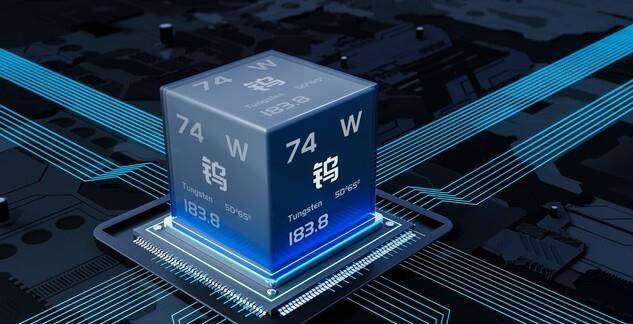
Core Insights - The semiconductor industry is facing a significant cost increase due to a 90% price hike in hexafluorotungsten, a critical gas used in chip manufacturing, starting in 2025 [1][3] - The price of tungsten, the raw material for hexafluorotungsten, has surged approximately 95% in China, reaching 280,000 RMB per ton [3] - The supply chain is undergoing a fundamental shift, with tungsten accounting for about 60% of the cost of hexafluorotungsten, making it highly sensitive to price changes [3][10] Industry Impact - Hexafluorotungsten is essential in semiconductor manufacturing, particularly in chemical vapor deposition processes, where it deposits high-purity tungsten films on wafers [7][8] - The global semiconductor industry consumes 7,000 to 8,000 tons of hexafluorotungsten annually, highlighting its critical role in producing logic chips, DRAM, and 3D NAND flash memory [8] - China's dominance in tungsten mining, with over 80% of global production, positions it as a key player in the semiconductor supply chain [10] Company Developments - China Shipbuilding Special Gas is a leading supplier of hexafluorotungsten, with an annual capacity of 2,000 tons and a global market coverage of 70.31% [10][12] - Other Chinese companies, such as Nanda Optoelectronics and Haohua Technology, are also expanding their presence in the hexafluorotungsten market [12] - Major tungsten producers like Xiamen Tungsten and Zhangyuan Tungsten are well-positioned in the supply chain, controlling the entire process from mining to deep processing [12] Market Dynamics - The Korean government plans to subsidize domestic production of key semiconductor materials to mitigate supply chain risks starting in 2025 [12] - The semiconductor industry is cyclical, and current high demand may decrease, leading to uncertainty in tungsten prices and their impact on hexafluorotungsten [12][14] - The volatility in hexafluorotungsten prices is prompting the semiconductor industry to reassess supply chain dependencies and consider diversification strategies [14]




内存价格疯涨之际,长鑫存储官宣量产LPDDR5X
Guan Cha Zhe Wang· 2025-10-29 09:02
Core Insights - Changxin Storage has announced the mass production of LPDDR5X memory chips, coinciding with a significant surge in memory prices globally [1][5][10] Industry Overview - The global memory chip market is experiencing a rapid price increase, with DRAM prices rising by 171.8% year-on-year as of Q3 2025, surpassing the price increase of gold [5] - The surge in prices is attributed to increased demand for high-performance storage driven by AI applications, alongside supply constraints as major manufacturers like Samsung shift production to advanced memory products [5][10] - The current market conditions have led to panic buying among customers, further exacerbating the supply-demand imbalance [5] Company Developments - Changxin Storage's LPDDR5X offers significant improvements over its predecessor, with a maximum speed of 10667 Mbps, a 66% increase compared to LPDDR5, and a 30% reduction in power consumption [1][9] - The company has made notable progress since its establishment, moving from a global market share of less than 2% to an expected 10% by the end of 2024, with projections of reaching 12% by the end of 2025 [9][10] - Changxin Storage's LPDDR5X products are positioned to alleviate the dependency of domestic devices on Korean memory, enhancing performance in high-demand applications such as 8K video and high-frame-rate gaming [10]

调研了49家欧美机构,花旗梳理出外资当前最关心中国科技股的核心话题
智通财经网· 2025-10-28 15:01
Core Insights - Citi's report highlights increasing interest from long-term institutional investors in China's technology sector, focusing on quality Hong Kong-listed tech stocks, AI supply chains, and innovations in consumer electronics [1] Part 1: Global AI Supply Chain - Investors are primarily concerned with the reflection of AI-related expectations in stock prices and the selection of supply chain targets among Hong Kong and Chinese stocks [2] - Citi notes potential upside and risks, with increased capital expenditure in cloud services and AI expected in 2026, and visibility on demand improving by 2027 [2] - The preferred order of investment targets includes companies with expansion opportunities in optical modules, PCB companies with Rubin/ASIC technology upgrades, and ODM firms benefiting from AI server/switch demand growth [3] Part 2: Chinese AI Demand - Investor focus on Chinese AI centers around Alibaba's data center capital expenditure for a tenfold expansion, AI chip supply capabilities, and commercialization paths for AI investments [4] - Despite China's competitive edge in computer/data science, challenges remain in AI chip supply, with software breakthroughs seen as key to narrowing the gap [4] - Companies like GDS Holdings and Century Internet have disappointed foreign investors despite potential benefits from China's AI capital expenditure due to uncertainties in data center supply and client onboarding [4] Part 3: Consumer Electronics Supply Chain - Interest in foldable iPhones has surged, with expectations for better-than-previously forecasted performance in 2026-2027, and a price point potentially exceeding $2,500 [5] - Key beneficiaries include Lens Technology, which has a product value contribution of $140-150 per foldable iPhone, and Luxshare Precision, which is gaining attention as a quality supplier [5] - Xiaomi faces scrutiny over factory progress, stock price support levels, and the impact of storage price fluctuations on its electric vehicle business [6] Part 4: Emerging Opportunities - Interest in smart glasses is rising, recognized as important edge devices for AI commercialization, with companies like Goertek and Sunny Optical seen as key beneficiaries [7] - Domestic semiconductor capacity is expected to meet AI chip demand by 2026, but local photolithography equipment is limited to 14nm processes [7] Part 5: AI Commercialization in China - Investors believe that AI large language models struggle to monetize in the ToC sector, while the ToB sector focuses on software products for SMEs with selective demand [8] - The number of AI agents in China is expected to grow exponentially with the implementation of "AI+" policies, but market concentration is unlikely in the next 5-10 years due to the fragmented software industry [8] - Key foreign-investor targets include Kingdee International, with additional interest in cybersecurity and AI software firms like iFlytek and SenseTime [9]
英伟达不甘心,阿斯麦不安心 安世中国不屈服
Mei Ri Jing Ji Xin Wen· 2025-10-28 02:12
Group 1: Nvidia's Challenges - Nvidia's CEO expressed deep regret over the company's forced exit from the Chinese market, noting a drop in market share from 95% to 0% in AI chips [3][4] - The revenue from Nvidia's Chinese market for Q2 2026 was $2.769 billion, a decrease of nearly $900 million compared to the same period in 2025 [4] - The company faces increasing competition from domestic Chinese firms, particularly from Cambrian, which reported a 1332.52% year-on-year revenue increase in Q3 2025 [4][6] Group 2: ASML's Market Position - ASML reported that its sales in the Chinese market accounted for 42% of total sales, a record high, but the CEO anticipates a significant decline in 2026 [5][6] - ASML's reliance on DUV lithography machines, which contribute 70% of its revenue in China, poses a risk due to U.S. export restrictions [6][7] - The company's market share for DUV machines in China has decreased from 85% in 2022 to 52% in 2025, indicating a shift in the competitive landscape [7] Group 3: Ansys China's Resistance - Ansys Semiconductor, a subsidiary of Wintech Technology, is facing severe repercussions from U.S. export controls, with the Dutch government freezing its assets and operations [8][9] - Wintech Technology has publicly condemned the Dutch government's actions and is pursuing legal recourse, emphasizing its commitment to operate within Chinese laws [9][10] - Ansys China's production capacity accounts for 70% of the entire group's output, showcasing its strong localization capabilities [10]


10月27日,中美会谈达成初步共识!A股本周密集利好或将落地
Sou Hu Cai Jing· 2025-10-27 16:20
Group 1 - GE Vernova's latest quarterly report shows a 55% year-on-year increase in power equipment orders, with production capacity booked until 2028, indicating a surge in global electricity demand [1] - The Chinese Ministry of Commerce announced preliminary agreements between the US and China on key issues such as maritime logistics and export controls, reversing negative market expectations regarding US-China trade tensions [3][4] - Despite a 12.6% year-on-year decline, the trade volume between the US and China reached $491.3 billion in the first three quarters of 2023, with the US remaining China's third-largest trading partner [4] Group 2 - A-share trading volume exceeded 1.97 trillion yuan, with margin trading balances surpassing 2.1 trillion yuan, indicating a shift in market dynamics as retail investors became the main drivers [6] - Lithium carbonate futures prices broke through 80,000 yuan per ton, with continuous price increases in the spot market, while supply tightness in the DDR4 chip market is expected to persist until Q1 2025 [6] - The semiconductor sector saw significant retail investor activity, with a notable divergence in strategies between retail and institutional investors, as institutions showed caution towards high-valuation tech stocks [8] Group 3 - The financial performance of the brokerage sector showed a net profit of 180 billion yuan in the first three quarters, a 55% year-on-year increase, with a remarkable 87% growth in Q3 alone [8] - Companies like WuXi AppTec and ZK Technology reported net profit increases of over 100% year-on-year in their Q3 reports, highlighting strong performance in specific sectors [10] - The recent surge in stock prices for certain companies led to increased regulatory scrutiny, with the monitoring of abnormal trading intensifying [10] Group 4 - The upcoming interest rate decisions from the Federal Reserve, European Central Bank, and Bank of Japan are anticipated to influence global liquidity, with a 98% probability of a 25 basis point rate cut by the Fed [12] - The Chinese government is supporting overseas expansion for power equipment companies, with a 30% year-on-year increase in overseas orders for State Grid [12] - Domestic energy storage companies are facing challenges due to a shortage of IGBT chips, leading to increased inventory accumulation and rising prices in the supply chain [14]

每经热评|英伟达不甘心,阿斯麦不安心 安世中国不屈服
Mei Ri Jing Ji Xin Wen· 2025-10-27 14:18
Group 1: Nvidia's Challenges - Nvidia's CEO expressed regret over losing access to the Chinese market, stating that U.S. policies have led to a significant decline in their market share from 95% to 0% in AI chips [3][4] - Nvidia's revenue from the Chinese market dropped to $2.769 billion in Q2 2026, a decrease of nearly $900 million compared to the same period in 2025 [4] - The company faces increasing competition from domestic Chinese firms, particularly from Cambrian, which reported a 1332.52% year-on-year revenue increase in Q3 2025 [4][6] Group 2: ASML's Market Position - ASML reported that its sales in the Chinese market reached a record high of 42% in Q3 2025, but the CEO anticipates a significant decline in 2026 [5][6] - ASML's reliance on DUV lithography machines, which account for 70% of its revenue in China, poses a risk due to U.S. export restrictions [6] - The company is experiencing a shift in the Chinese semiconductor landscape, with local firms making significant advancements in technology [7] Group 3: Nexperia's Resistance - Nexperia, a subsidiary of China's Wingtech Technology, is facing severe restrictions due to U.S. export controls, which have led to asset freezes and management changes imposed by the Dutch government [8][9] - The company has publicly condemned the Dutch government's actions and is pursuing legal recourse, emphasizing its commitment to operate within Chinese laws [9][10] - Nexperia's strong local production capabilities, accounting for 70% of the group's output, provide it with a competitive edge in the face of geopolitical challenges [10]
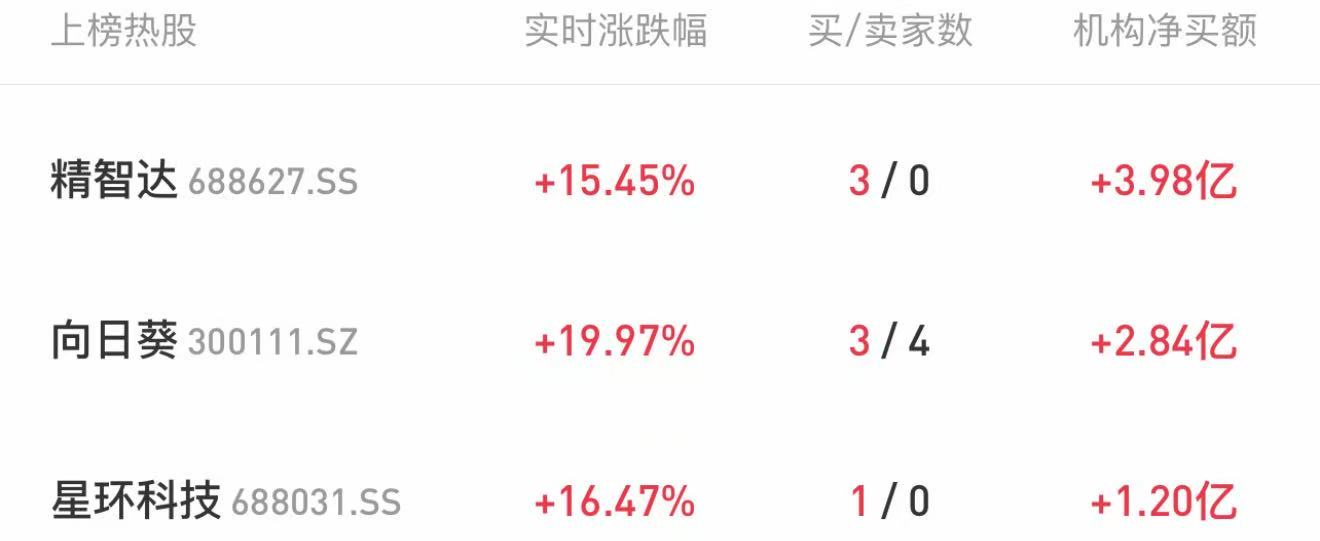
龙虎榜复盘 | 海西概念迎来爆发,机构游资合力大买存储股
Xuan Gu Bao· 2025-10-27 10:47
Group 1 - Institutional investors bought a total of 3.98 billion in Jingzhida, making it the top net purchase stock of the day [1][3] - Jingzhida is developing a next-generation DRAM high-speed testing machine with a high-speed interconnection technology (18Gbps) to meet the testing needs of DDR6/LPDDR6/GDDR7 [3] - The stock price of Jingzhida increased by 15.45% on the day [2] Group 2 - Xiangrikui saw a net purchase of 1.87 billion, ranking second among institutional buys [1] - The stock price of Xiangrikui surged by 19.97% [2] - The memory market is experiencing a price increase cycle, with Samsung and SK Hynix raising DRAM and NAND flash prices by up to 30% in Q4 [4]

服装、火腿、饮料企业集体跨界,七匹狼双线押注芯片,AI芯片成传统巨头“救命稻草”?
Sou Hu Cai Jing· 2025-10-27 09:22
Core Insights - Traditional companies are diversifying into AI chip investments as a strategic move to secure future growth while maintaining their core businesses [1][2] - The AI chip market has shown significant potential, with its market size exceeding one trillion yuan last year, making it an attractive sector for investment [1] Group 1: Company Strategies - Seven Wolves has invested in AI chip companies, holding 0.47% of Muxi Integrated Circuit and participating in funding for leading GPU firm Moore Threads through Shenzhen Innovation Investment Group [1] - Jinzi Ham has announced plans to acquire up to 20% of Zhongsheng Microelectronics for no more than 300 million yuan, focusing on high-speed optical communication and wireless access chips [1] - Yangyuan Beverage has invested 1.6 billion yuan to acquire 0.99% of the parent company of Yangtze Memory Technologies, a leading domestic storage chip manufacturer [1] Group 2: Industry Context - The traditional apparel industry is facing growth challenges, prompting companies to seek new avenues for expansion, such as AI chips [1] - The shift towards AI technology is seen as a proactive response to market pressures and a strategic move to build a second growth curve using stable cash flows from existing businesses [2] - The trend of traditional industries entering the semiconductor space reflects a deeper dialogue between established sectors and cutting-edge technology, indicating potential for unexpected cross-industry innovations in the future [2]

帮主郑重:沪指逼近4000点!存储芯片爆了,这波行情要这么看
Sou Hu Cai Jing· 2025-10-27 07:49
Group 1 - The Shanghai Composite Index rose by 1.18%, approaching the 4000-point mark, marking a 10-year high with a trading volume exceeding 2.3 trillion yuan, an increase of 360 billion yuan from the previous day [1] - The storage chip sector, including companies like Jiangbo Long and Zhaoyi Innovation, has reached historical highs due to a supply-demand reversal, with major global players reducing production and AI servers aggressively seeking capacity [3] - Domestic alternatives have made breakthroughs, such as Yangtze Memory Technologies' technology being adopted by Samsung, indicating long-term investment opportunities in the sector [3] Group 2 - The market is experiencing structural trends rather than a broad rally, as evidenced by the decline of the North Securities 50 index and adjustments in sectors like gaming and wind power [3] - A mid to long-term investment strategy is recommended, maintaining a cash reserve of 30-40% to manage volatility, focusing on sectors with industrial logic, particularly in storage chips and advanced manufacturing [4] - Key support levels to watch include 3930 points, with potential for a pullback if breached, and the 4000-point mark may present resistance, suggesting caution in chasing rapidly rising stocks [4]