联发科

Search documents
英伟达联手英特尔,或重塑AI PC市场格局,联发科压力山大
Hua Er Jie Jian Wen· 2025-09-19 06:37
Core Insights - Nvidia has announced a $5 billion investment in Intel, aiming to collaborate on next-generation data center and client processors, which is expected to reshape the data center and PC market landscape [1][2] Group 1: Impact on TSMC - The direct impact on TSMC from the Nvidia-Intel partnership is limited, as the collaboration focuses on product design rather than manufacturing [2] - The initial products are likely to be produced by TSMC, highlighting its leadership in high-performance computing wafer foundry technology [2] - Nvidia may consider outsourcing some products to Intel in the future, but TSMC's position in advanced process technology may remain stable [2] Group 2: Challenges for MediaTek - MediaTek faces negative impacts from the partnership, as its exclusive collaboration with Nvidia in computing and automotive sectors is now compromised [3] - The strong product combination of Intel's x86 CPU and Nvidia's GPU may enhance competitiveness in AI workstations, overshadowing MediaTek's offerings [3] - Despite MediaTek's upcoming GB10 PC chip launch, its future prospects are clouded due to the loss of exclusivity with Nvidia [3] Group 3: AI PC Market Potential - The collaboration between Nvidia and Intel could serve as a catalyst for the sluggish AI PC market, which has been slow to take off [4] - Intel's previous processors lacked sufficient NPU performance, but leveraging Nvidia's graphics and AI technology may lead to more competitive product launches [4] - A successful partnership could initiate a stronger product cycle in the AI PC segment [4] Group 4: Supply Chain Implications - The impact on the Asian semiconductor supply chain is expected to be differentiated, with companies related to Intel's products benefiting more significantly [6] - Semiconductor equipment suppliers linked to Intel's foundry business may see only marginal benefits due to the lack of new wafer foundry business in the collaboration [6] - Market expectations regarding Intel's increased spending depend on gaining more customer confidence in its 14A process technology [6]


2纳米,被疯抢
半导体行业观察· 2025-09-19 01:29
Core Viewpoint - Apple is securing a significant portion of TSMC's advanced 2nm production capacity, which is expected to enhance its competitive edge in the semiconductor market and solidify TSMC's position as the leading supplier of cutting-edge technology [2][3][6]. Group 1: Apple's Strategy and TSMC's Capacity - Apple has reportedly secured at least half of TSMC's 2nm production capacity for 2026, which is a strategic move to ensure access to the latest manufacturing technologies [2]. - TSMC is set to begin mass production of 2nm chips in the second half of 2025, with expectations of a ramp-up in production in 2026 [4]. - TSMC's largest customer is still Apple, contributing an estimated revenue of 624.3 billion TWD in 2024, marking a 14.2% year-on-year increase [2]. Group 2: Product Development and Technology Adoption - Apple plans to utilize TSMC's latest packaging technology, Wafer-Level Multi-Chip Module (WMCM), in several upcoming products, including the M6 chip for MacBook Pro and the Vision Pro headset [3]. - The first batch of TSMC's 2nm technology will be adopted by key clients, including Apple, NVIDIA, AMD, and MediaTek, with Apple integrating this technology into its A20 chip and M6 series processors [6]. - TSMC's 2nm production facilities are being developed in Hsinchu and Kaohsiung, with the Hsinchu site primarily supporting Apple’s flagship applications [3]. Group 3: Competitive Landscape - Intel's absence from the list of initial customers for TSMC's 2nm technology is notable, as the company is shifting its strategy towards its own manufacturing processes [7]. - Intel plans to focus on its proprietary Intel 18A process technology, which incorporates new architectures aimed at enhancing performance and efficiency [7]. - The competition between TSMC's 2nm technology and Intel's self-developed processes will be a key focus in the semiconductor industry moving forward [7].


MPU,最新预测
半导体行业观察· 2025-09-19 01:29
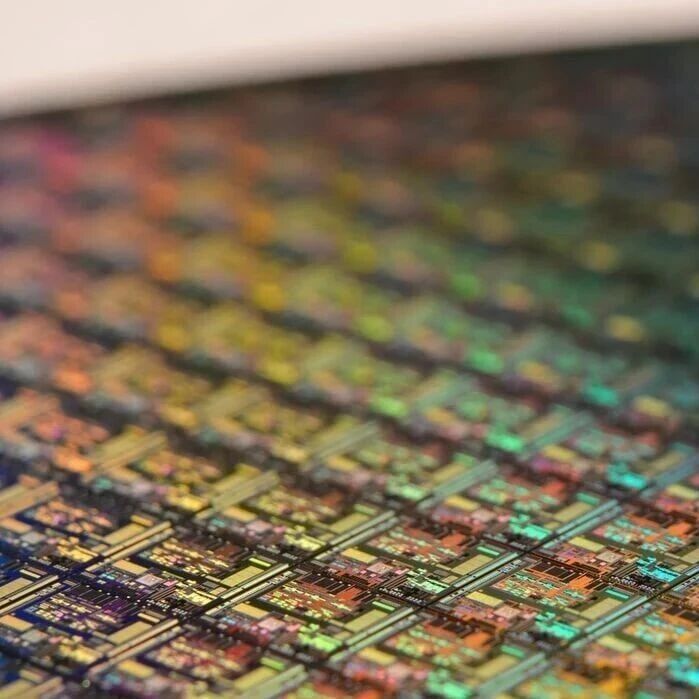
公众号记得加星标⭐️,第一时间看推送不会错过。 预计到 2034 年,全球微处理器芯片制造市场规模将从 2024 年的1146 亿美元增至约2615 亿美元, 在 2025 年至 2034 年的预测期内以8.6%的复合年增长率增长。2024年,亚太地区 占据主导地位, 占有超过61.4% 的份额,收入为703 亿美元。 微处理器芯片制造市场是指从事设计、制造和供应微处理器单元(MPU)的行业,微处理器单元是 计算设备的中央处理单元。微处理器是在电子系统中执行算术、逻辑、控制和输入/输出操作的集成 电路。 市场驱动力来自对高性能计算日益增长的需求、互联设备的日益普及以及云基础设施的扩展。人工智 能、机器学习和高级数据分析的发展需要强大的处理器,从而推动了微处理器设计的创新。随着电动 汽车和自动驾驶的兴起,汽车行业对专用芯片的需求也显著增加。 来源 : 内容 编译自 market 。 消费电子产品的需求最为强劲,尤其是智能手机、笔记本电脑、平板电脑和游戏机,这些领域构成了 微处理器的最大市场。数据中心和云服务提供商也是主要的消费市场,需要强大的芯片来处理海量工 作负载。随着汽车集成先进的驾驶辅助系统、信息娱乐和互 ...



英伟达50亿美金入股英特尔:算力生态整合重塑市场竞争格局
海通国际· 2025-09-19 01:05
Investment Rating - The report does not explicitly state an investment rating for the industry or specific companies involved in the collaboration between NVIDIA and Intel. Core Insights - NVIDIA announced a $5 billion investment in Intel, acquiring over 4% of Intel's shares, focusing on collaboration in data centers and personal computing [1][9] - The partnership aims to integrate NVIDIA's AI capabilities with Intel's x86 architecture, enhancing both companies' competitive positions in the market [4][18] - Intel's financial stability is significantly improved due to this investment, alongside previous funding from the U.S. government and SoftBank [2][10] Financial Perspective - Intel's advanced 18A process is behind schedule by approximately 3 months, necessitating additional R&D investment for the next-generation 14A process [2][10] - The Data Center Group (DCG) has reported losses for six consecutive quarters, highlighting the urgent need for capital [2][10] Technological Perspective - The introduction of NVLink technology is expected to open procurement opportunities for cloud computing vendors and enhance Intel's offerings in the consumer market against AMD [2][11] - The collaboration will provide valuable feedback for Intel's foundry business and accelerate the optimization of process parameters [12][13] Strategic Advantages for NVIDIA - The partnership allows NVIDIA to leverage Intel's x86 ecosystem, enhancing its AI inference business and expanding its ecosystem boundaries [3][14] - By binding NVIDIA's GPU advantages with Intel's CPUs, the collaboration aims to create a dominant ecosystem across PCs, data centers, and edge devices [15][16] Industry-Wide Impact - The collaboration signifies a shift from vertical competition to horizontal collaboration among semiconductor giants, potentially raising industry technical barriers [4][18] - TSMC's risk of losing orders is mitigated in the short term, while AMD faces significant competitive pressure due to the strengthened position of Intel and NVIDIA [19][20] Competitive Landscape - The partnership may suppress MediaTek and ARM's strategic initiatives, as Intel reallocates resources towards its x86 ecosystem [19][20] - ASIC vendors may experience indirect competitive pressure as the standardization of AI computing power increases, impacting market demand for customized solutions [20][21]
2025年,2nm芯片为何集体“跳票”
3 6 Ke· 2025-09-19 00:27
Group 1: Core Insights - The flagship smartphones of 2025 will not feature 2nm chips, with major companies like Apple and Qualcomm opting for 3nm technology instead [1][6] - MediaTek has announced the completion of the design for its 2nm chip, the Dimensity 9600, which is expected to enter mass production by the end of next year [1][3] - By the end of 2026, several major companies, including Apple, Qualcomm, and Samsung, are expected to adopt 2nm technology [1][3] Group 2: Demand and Market Dynamics - TSMC's President, C.C. Wei, indicated that the demand for 2nm chips is unexpectedly high, surpassing that of 3nm chips [2][5] - Major clients such as Apple, AMD, and NVIDIA have already reserved TSMC's 2nm capacity, with Apple being the largest customer contributing 25.18% of TSMC's revenue in 2024 [3][5] - The performance improvements associated with the transition from 3nm to 2nm are driving significant interest from fabless companies [5][22] Group 3: Production Challenges - TSMC's production schedule for 2nm chips has faced delays, impacting the ability of smartphone manufacturers to incorporate these chips into their 2025 models [6][7] - The yield rates for 2nm chips are expected to start at around 70% and gradually improve, which may influence the timing of mass production for sensitive clients [10][11] - The complexity of transitioning to new technology nodes has led to longer timelines for product development, with the average time between nodes extending [19][21] Group 4: Competitive Landscape - The competition in the semiconductor foundry market is intensifying, with TSMC and Samsung both advancing their 2nm production plans [12][16] - TSMC is expected to have a monthly production capacity of 60,000 wafers by next year, while Samsung's capacity is reported to be significantly lower at 7,000 wafers [16][18] - The race for advanced manufacturing equipment, particularly high-NA EUV lithography machines, is critical for maintaining competitive advantage in the 2nm space [18][22] Group 5: Future Outlook - The transition from 2nm to 1nm technology is projected to take at least five years, with multiple iterations planned for the 2nm node [20][21] - Despite challenges, the semiconductor industry continues to innovate, with advancements in materials and packaging technologies expected to drive future transistor density improvements [22]

三个月后,TP-LINK 芯片部门被一锅端了!
是说芯语· 2025-09-19 00:14
Core Viewpoint - TP-Link's chip division has been entirely dissolved, marking a significant shift in the company's strategy and raising concerns about its future in the WiFi chip market [11][12]. Group 1: Layoff Details - The layoffs were sudden, with the entire process from notification to completion taking less than half a day [2][11]. - Initially, it was believed that only algorithm and design positions would be affected, but more roles, including product testing and project coordination, were also included, leading to a near-total operational shutdown of the WiFi chip department [2][11]. - The compensation for the layoffs was set at N+3, consistent with previous layoffs [11]. Group 2: Reasons for Layoffs - The core reason for the layoffs is the decision to abandon the WiFi Front-End Module (FEM) development line due to low return on investment and increased competition from industry giants like Qualcomm and MediaTek [10][12]. - The competitive landscape for WiFi chips has changed significantly, making it difficult for TP-Link to achieve breakthroughs in technology and market presence [10][12]. - Despite having developed two router chips that were ready for mass production, the company opted to close its chip-related positions entirely, indicating a strategic retreat from self-developed chip initiatives [11][12]. Group 3: Impact and Future Outlook - The mass layoffs have raised questions about TP-Link's future strategy and have negatively impacted its brand image and industry reputation [13]. - There has been no official statement from TP-Link regarding the layoffs, leading to speculation about the company's direction moving forward [13].

行业景气观察:8月社零同比增幅收窄,智能手机产量同比增幅扩大
CMS· 2025-09-17 14:31
Group 1: Overall Economic Trends - In August, the year-on-year growth rate of social retail sales narrowed to 3.4%, with a cumulative growth rate of 4.6% for the first eight months, down by 0.2 percentage points [13][20] - The performance of social retail sales in first-tier cities continues to be a major drag, with a negative growth rate of -3.9% in July, marking eight consecutive months of decline [13][20] - The growth of essential consumption is showing divergence, with stable growth in staple food and a negative growth in tobacco and alcohol due to weak demand [20][21] Group 2: Consumer Demand Insights - The "trade-in" policy's effect is diminishing, yet home appliances and furniture maintain double-digit growth, while communication equipment shows a significant slowdown in growth [20][21] - New consumption channels such as instant retail and live streaming continue to thrive, with online retail growth outpacing overall social retail growth, particularly in jewelry, cosmetics, and cultural office supplies [20][21] - Benefiting from the increase in new car sales, the automotive retail sector has turned positive, indicating potential recovery in consumer demand [20][21] Group 3: Information Technology Sector - The Philadelphia Semiconductor Index, Taiwan Semiconductor Industry Index, and DXI Index all showed upward trends this week [7] - The price of DDR5 DRAM memory increased week-on-week, while NAND index also rose by 1.85% [7][8] - In August, smartphone production saw an expanded year-on-year growth rate, while integrated circuit production growth narrowed [7][8] Group 4: Midstream Manufacturing Sector - Prices for DMC, cathode materials, and cobalt products increased, while most lithium raw material prices decreased [7] - The photovoltaic price index rose week-on-week, although the production growth of solar cells narrowed in August [7][8] - The automotive production and sales growth rates expanded in August, with heavy truck sales also showing significant year-on-year growth [7][8] Group 5: Resource Sector Trends - The average transaction volume of construction steel increased week-on-week, and rebar prices also rose [5][9] - Brent crude oil prices increased by 2.58%, while the chemical product price index showed a mixed trend with most prices rising [5][9] - Industrial metal prices generally increased, with most inventories declining [5][9]
联发科:2nm芯片将上市!
国芯网· 2025-09-17 14:27
Core Viewpoint - The article highlights the advancements in semiconductor technology, particularly focusing on MediaTek's successful design of a flagship SoC using TSMC's 2nm process technology, which is expected to enter mass production by the end of next year [2][4]. Group 1: MediaTek's 2nm Process Technology - MediaTek has successfully completed the tape-out of its first flagship SoC utilizing TSMC's 2nm process technology, making it one of the first companies to adopt this advanced technology [2]. - The 2nm process technology features a new nanosheet transistor structure that enhances performance, power efficiency, and yield [4]. - Compared to the existing N3E process, TSMC's enhanced 2nm technology offers a 1.2x increase in logic density, up to an 18% performance improvement at the same power level, and approximately a 36% reduction in power consumption at the same speed [4].
COWOS,被看好
半导体芯闻· 2025-09-17 10:24
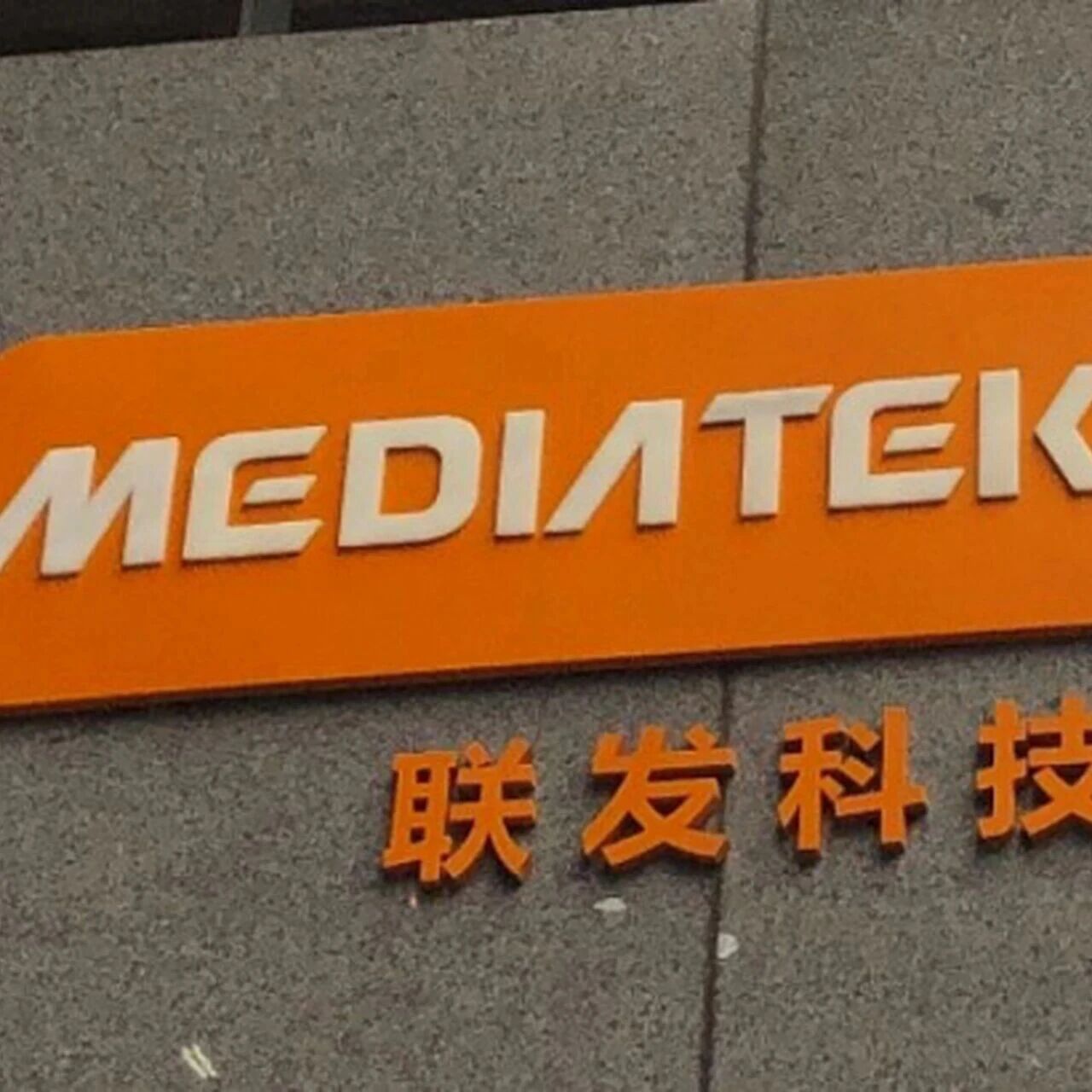
Core Viewpoint - Morgan Stanley's recent report indicates that Oracle's orders exceeded expectations, positively impacting the overall AI semiconductor market sentiment, leading to an "overweight" rating for TSMC and an increased target price for King Yuan Electronics to 188 TWD [2] Group 1: Oracle and AI Semiconductor Market - Oracle's financial performance serves as a catalyst for NVIDIA and the AI supply chain, with expectations of 28,000 NVL 72 server cabinet orders by 2026 [2] - Broadcom has secured a $10 billion customized AI chip order from a fourth cloud customer, likely OpenAI, although Morgan Stanley analysts suggest this figure may represent cabinet value rather than guaranteed revenue [2] Group 2: TSMC and CoWoS Supply Chain - TSMC's COO mentioned that semiconductor technology has entered the "Moore's Law 2.0" era, emphasizing system integration over mere chip miniaturization [2] - TSMC's CoWoS capacity is projected to reach 93 kpwm by 2026, with OpenAI accounting for a small portion of approximately 10,000 units [3] Group 3: NVIDIA and Other Collaborations - NVIDIA's Rubin GPU chip is expected to begin mass production in Q2 2026, according to supply chain surveys [3] - Google, in collaboration with Broadcom, is increasing the production forecast for its 3nm TPU v7 to 300,000 units by 2026, while the 3nm TPU v8's output forecast has been revised down to 200,000-300,000 units due to delays [3][4] Group 4: King Yuan Electronics - With the anticipated ramp-up of TSMC's CoWoS TPU, Morgan Stanley expects an upward revision in King Yuan Electronics' 2026 TPU testing volume, raising its target price from 158 TWD to 188 TWD [5]


开放高地丨投资超百亿美元 湖北何以成台商投资热土
Sou Hu Cai Jing· 2025-09-17 07:57
Core Viewpoint - The article highlights the growing investment and expansion of Taiwanese enterprises in Hubei, particularly in the biopharmaceutical and electronics sectors, driven by a favorable business environment and government support [3][11][19]. Company and Industry Summary 鼎康生物 (Dingkang Biopharmaceutical) - Dingkang Biopharmaceutical, a Taiwanese company specializing in monoclonal antibodies and recombinant proteins, has seen significant growth, with orders extending to 2027 and total investments exceeding $300 million in Wuhan [3][4]. - The company has established the world's first modular biopharmaceutical factory compliant with international GMP standards, meeting production requirements for China, the EU, and the US [4][6]. - Dingkang Biopharmaceutical has expanded its global presence with innovation centers in Shanghai and Basel, Switzerland, and plans to launch at least five commercial projects in Hubei over the next three years [4][6]. 超颖电子 (Chao Ying Electronics) - Chao Ying Electronics, a leading Taiwanese PCB manufacturer, has experienced rapid growth, with revenue increasing from over 1.9 billion yuan to over 3.2 billion yuan from 2022 to 2024 [8]. - The company has invested $600 million in an electronic information industrial park in Huangshi, which has become a key player in the PCB industry, with plans for an IPO to raise 660 million yuan for further expansion [9][10]. - The Huangshi industrial park has seen over 30% growth in the optical electronics information industry over the past three years, with projected output value reaching 300 billion yuan in 2024 [10]. Investment Environment in Hubei - Hubei has become an attractive destination for Taiwanese enterprises due to its open business environment, efficient government services, and supportive policies [11][19]. - The province has seen nearly 200 Taiwanese companies invest over $11 billion in the Hubei Straits Economic Cooperation Zone, accounting for about 30% of the province's total investment [3][19]. - Recent events, such as the signing of 35 Taiwanese investment projects worth 13.975 billion yuan during the Hubei-Wuhan Taiwan Week, indicate a strong commitment to enhancing industrial cooperation [19]. Government Support and Future Prospects - Local governments in Hubei have provided comprehensive support to Taiwanese companies, facilitating project approvals and addressing operational challenges [4][16]. - The article emphasizes the need for Hubei to continue improving its business environment and service efficiency to attract and retain Taiwanese investments, aiming to create a robust "magnetic field" for enterprises [20][21].