康师傅控股

Search documents
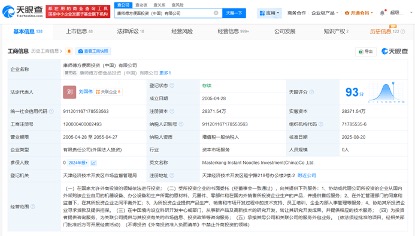
康师傅方便面公司董事长变更 由刘国伟接任
Xi Niu Cai Jing· 2025-08-29 04:01
Group 1 - The core point of the news is the significant personnel change at Master Kong Instant Noodles Investment (China) Co., Ltd., where Huang Ziqiang has stepped down as the legal representative and chairman, with Liu Guowei taking over the position [1] - The company was established in April 2005 and is wholly owned by Master Kong Instant Foods (BVI) Co., Ltd., with its business scope covering investment activities permitted for foreign investment [2] - The change in chairman may impact Master Kong's instant noodle business strategy, although the reasons for the change and future strategic direction are currently unknown [3] Group 2 - Master Kong is a leading player in the instant noodle industry, and any changes in its leadership are closely monitored due to their potential implications for business adjustments [3]


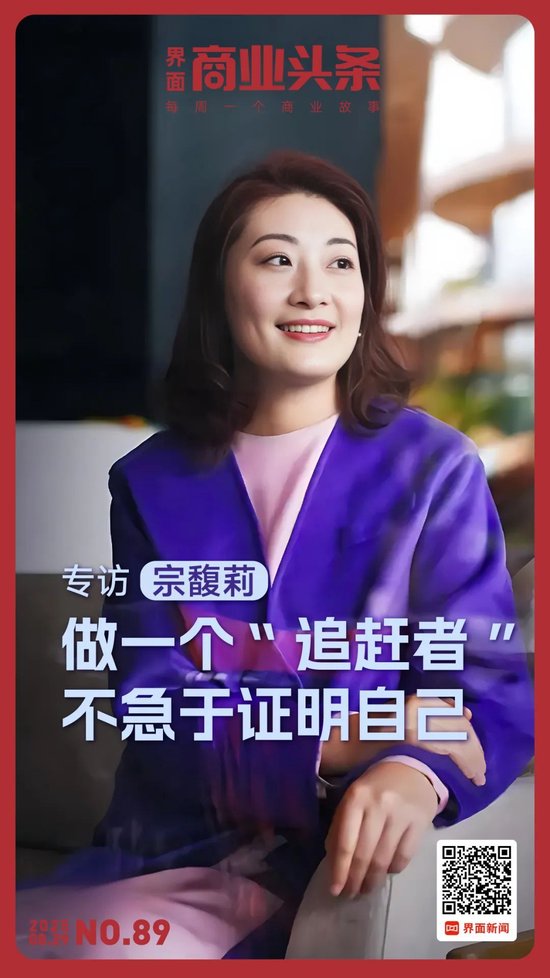
宗馥莉:农夫山泉非常值得尊敬
Xin Lang Cai Jing· 2025-08-29 02:10
Core Viewpoint - The new leadership under Zong Fuli at Wahaha has faced significant challenges, including family disputes and the need for product innovation, while achieving a revenue rebound to 70 billion yuan in 2024, although this growth is seen as unsustainable in the long term [4][12]. Company Performance - Wahaha's revenue has returned to the peak of 70 billion yuan in 2024, attributed partly to emotional factors following the founder's passing [4]. - The company has not launched a new major product since 2005, relying heavily on existing products like AD Calcium Milk for sales [5][12]. Product Innovation - Zong Fuli emphasizes the need for product innovation, viewing it as essential for understanding consumer insights and market demands [5][12]. - The upcoming launch of the upgraded ice tea product is seen as a test of the company's innovation capabilities, with a focus on capturing consumer preferences for natural ingredients [6][12]. Distribution and Sales Strategy - Wahaha is optimizing its distribution channels, moving away from the traditional "joint sales system" to a more modern and diversified approach, including partnerships with convenience stores and online platforms [7][16]. - The company has significantly increased its investment in offline ice cream freezers, with plans to deploy 100,000 units by 2025, indicating a focus on enhancing product availability [7][12]. Management Changes - A board restructuring has introduced younger executives, reflecting a shift towards a more professional and market-oriented management style [8][12]. - Recent changes in labor contracts and factory operations have led to employee dissatisfaction, prompting the formation of a "rights protection committee" [8][12]. Market Positioning - Zong Fuli positions Wahaha as a "follower" in the competitive beverage market, acknowledging the need to learn from successful peers like Nongfu Spring and Master Kong [12][14]. - The company aims to maintain a balance between traditional values and modern market demands, focusing on quality and consumer trust [12][14].

东鹏饮料20250828
2025-08-28 15:15
Summary of Dongpeng Beverage Conference Call Industry Overview - Dongpeng Beverage is positioned in the energy drink, electrolyte water, and juice tea markets, with a focus on price-sensitive consumers driving overall demand growth in the energy drink sector, expected to maintain over 25% growth in 2025, with potential for 10%-15% growth after reaching 20 billion in sales [2][4][3]. Key Points Dongpeng Beverage's Market Position - Dongpeng Beverage leverages its cost-performance advantage to attract price-sensitive consumers, such as laborers and delivery drivers, which contributes to the growth of the energy drink market [2][4]. - The company is actively expanding into multiple product lines, including tea drinks, sugar-free and sugar-containing products, health water, electrolyte water, and energy drinks, focusing on larger markets with relatively loose competition [2][7]. Competitive Landscape - In the energy drink market, the main competitor is Red Bull, while the electrolyte water market includes brands like Pulse and Pocari Sweat. Dongpeng aims to capture market share through efficient channel management and production capabilities [9]. - The juice tea market is highly competitive, with major players like Master Kong and Uni-President, posing significant challenges for Dongpeng despite its growth potential [5][6]. Financial Performance and Projections - Dongpeng's projected net profit for 2026 is approximately 6 billion, corresponding to a price-to-earnings ratio of 26.5, indicating a favorable valuation in a liquidity-rich and growth-oriented environment [3][13]. - The company has experienced improved gross margins due to declining raw material costs, but increased competition and rising expenses may slow profit improvement in the future [11][12]. Challenges and Strategic Focus - The ready-to-drink coffee market faces challenges due to consumer habits and competition from coffee chains like Starbucks and Luckin Coffee, which offer convenience and customization [10]. - Dongpeng must continuously innovate and introduce new products to maintain its market position in the energy drink and electrolyte water sectors, while managing the impact of product mix changes on overall profitability [12]. Market Potential - The electrolyte water market, with competitors like Pulse, has a potential market size of 70-80 billion, while the juice tea market remains competitive but offers growth opportunities [2][5][6]. - Dongpeng's existing distribution network of 4.2 million sales points could yield approximately 2 billion in market space for juice tea if successfully leveraged [6]. Additional Insights - The company is cautious about entering smaller markets like coconut water and health water due to limited growth potential, preferring to focus on larger, more competitive segments [8]. - The long-term profitability of Dongpeng is uncertain, as the company navigates increased competition and the need for strategic pricing and product development [12].

中国必选消费品8月成本报告:现货成本小幅回升
Haitong Securities International· 2025-08-28 11:15
Investment Rating - The report assigns an "Outperform" rating to several companies including China Feihe, Huazhu, and others, while Budweiser APAC is rated as "Neutral" [1]. Core Insights - The report indicates a slight rebound in spot costs for essential consumer goods, with most indices showing an increase, while futures indices generally declined [35]. - The overall trend in the consumer goods sector reflects a mixed performance, with some categories experiencing cost increases while others face declines [8][35]. Summary by Category Beer - The spot cost index for beer increased by 0.39% month-on-month, while the futures index decreased by 6.06%. Year-to-date changes show a decline of 4.17% for spot and 6.16% for futures [36][13]. - Glass prices initially rose but later fell, with month-on-month changes of +0.3% for spot and -13.9% for futures [12]. Seasonings - The spot cost index for seasonings decreased by 0.16% month-on-month, while the futures index fell by 5.93%. Year-to-date changes are -1.76% for spot and -6.01% for futures [37]. - Domestic soybean prices have increased due to supply contraction, while imported soybeans remain weak [16]. Dairy - The spot cost index for dairy products increased by 0.7% month-on-month, while the futures index decreased by 1.44%. Year-to-date changes are -3.2% for spot and -2.11% for futures [38]. - Fresh milk prices have declined to 3.02 yuan/kg, with various factors contributing to price pressures [19]. Instant Noodles - The spot cost index for instant noodles increased by 1.3% month-on-month, while the futures index decreased by 2%. Year-to-date changes are -3.01% for spot and -4.21% for futures [39]. - Palm oil prices have risen, impacting overall costs [23]. Frozen Foods - The spot cost index for frozen foods increased by 1.15% month-on-month, while the futures index rose by 0.97%. Year-to-date changes are -1.83% for spot and -2.74% for futures [40]. - Vegetable prices have shown significant fluctuations due to seasonal demand [27]. Soft Drinks - The spot cost index for soft drinks increased by 0.78% month-on-month, while the futures index decreased by 5.63%. Year-to-date changes are -4.99% for spot and -8.6% for futures [41]. - PET prices are stable to weak, reflecting changes in demand and inventory levels [31].



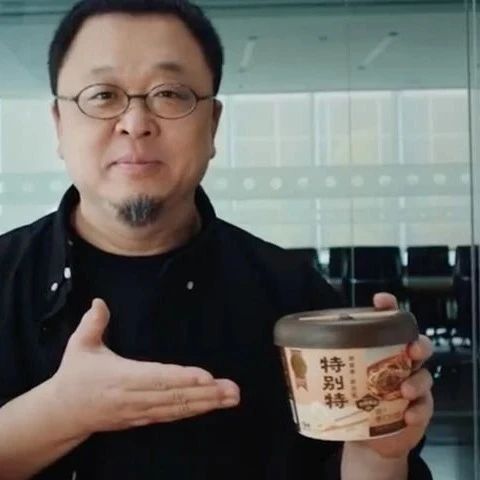
罗永浩,九年熬出一碗泡面
创业家· 2025-08-28 10:13
Core Viewpoint - The article discusses the recent entrepreneurial activities of Luo Yonghao, focusing on his new product launch in the instant noodle market, which he claims will redefine the category, amidst a backdrop of declining consumption in the instant noodle sector in China [5][10][20]. Group 1: Product Launch and Marketing Strategy - Luo Yonghao announced the launch of a new instant noodle product called "TBT" in collaboration with Kang Shifu, emphasizing a meticulous nine-year development process [8][9]. - The product is priced at 39.9 yuan for four packs, which translates to 9.9 yuan per pack, leading to mixed reactions from consumers regarding its affordability [9][10]. - Despite selling 87,000 units during the launch, the sales figures are modest compared to other popular products, indicating a potential challenge in market acceptance [9][10]. Group 2: Market Context and Challenges - The instant noodle market in China has faced significant challenges, with consumption dropping by 4 billion packs since its peak in 2020, and projected sales continuing to decline [10][11]. - Kang Shifu reported a decrease in revenue from instant noodles by 3.49 billion yuan in the first half of the year, reflecting broader market trends [10]. Group 3: Luo Yonghao's Entrepreneurial Journey - Luo Yonghao's career has been marked by a series of high-profile ventures, from technology to e-commerce, with each transition generating significant public interest [12][14]. - His previous company, Smartisan Technology, faced financial difficulties leading to substantial debt, which he has been addressing through live-streaming sales [15][20]. - The article highlights Luo's shift from hardware to software, indicating a pivot in his business strategy as he explores new opportunities in AI and digital content creation [18][19]. Group 4: Public Perception and Future Prospects - Luo Yonghao's narrative of "disruption" has garnered both support and skepticism, with public sentiment fluctuating based on his business outcomes [20]. - The article questions whether Luo can maintain his influence and public trust as he continues to launch new products across different sectors, suggesting that repeated failures may erode his credibility [20].

罗永浩,九年熬出一碗泡面
36氪· 2025-08-27 11:28
Core Viewpoint - The article discusses the recent launch of a new instant noodle product by Luo Yonghao, highlighting his marketing strategies and the challenges faced by the instant noodle industry in China. The narrative emphasizes Luo's ability to generate buzz and traffic, but questions the sustainability of his business ventures and public trust in light of past failures [4][18]. Group 1: Product Launch and Marketing - Luo Yonghao announced the launch of a new instant noodle product called "TBT" in collaboration with Kang Shifu, aiming to redefine consumer perceptions of instant noodles [5][6]. - The product is priced at 39.9 yuan for four packs, equating to 9.9 yuan per pack, which led to mixed reactions from consumers regarding its affordability [6]. - Despite selling 87,000 units by the end of the launch day, the sales figures were significantly lower than other popular products, indicating a potential challenge in market acceptance [6][7]. Group 2: Industry Challenges - The instant noodle market in China has faced a decline, with consumption dropping by 4 billion packs from its peak in 2020, and projections indicating further decreases in sales [7][8]. - Kang Shifu reported a decrease in revenue from instant noodles by 349 million yuan in the first half of the year compared to the previous year, reflecting broader industry struggles [7]. Group 3: Luo Yonghao's Business Journey - Luo Yonghao's entrepreneurial history is marked by a series of high-profile ventures, including the founding of Smartisan Technology and his transition to live-streaming sales, which initially brought him significant success [10][12]. - His recent ventures, including the AR startup and the new instant noodle product, illustrate a pattern of seeking to "disrupt" various industries, but also raise concerns about the sustainability of his business model and public trust [16][18]. - Luo's past financial struggles, including a debt of over 600 million yuan, have led to skepticism about his current and future business endeavors [11][14].
新三板转港,营销服务商「圣火科技」首次递表,康师傅为第一大客户
Xin Lang Cai Jing· 2025-08-27 11:00
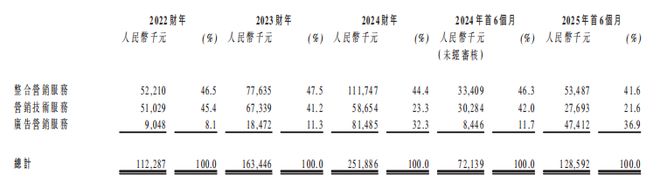
Core Viewpoint - Shenghuo Technology submitted its prospectus to the Hong Kong Stock Exchange on August 27, 2025, aiming for a mainboard listing, marking its first application for listing [1] Company Overview - Shenghuo Technology, established in 2013, is a technology-driven marketing company providing integrated marketing services, marketing technology services, and advertising marketing services in China [1][2] - The company was listed on the New Third Board in 2016 and delisted in April 2025 [1] Financial Performance - Revenue for 2024 was approximately RMB 252 million, with a net profit of RMB 33 million. For the first half of 2025, revenue was RMB 129 million, and net profit was RMB 12 million [1][3] - The company experienced a compound annual growth rate (CAGR) of 49.77% in revenue from 2022 to 2024 [7] - Gross profit margins have fluctuated, with a notable decline in 2024 and the first half of 2025 due to the rising proportion of lower-margin advertising services [7] Business Segments - The company operates three main business segments: - Integrated Marketing Services: Personalized strategies executed across traditional and digital platforms [2] - Marketing Technology Services: Utilizing unique QR code technology to provide digital identities for products [2] - Advertising Marketing Services: Comprehensive advertising services including strategy, creative content design, and execution across various media [2] Client Relationships - The company has established partnerships with well-known brands such as Master Kong, Pepsi, and JD.com, and has added several new clients in 2024 [3][4] - The top five clients accounted for 94.1% of revenue in the first half of 2025, with the largest client contributing 45.2% [4][5] Industry Outlook - The Chinese marketing technology market is projected to grow at a CAGR of 23.1% from 2020 to 2024, with government support for digital transformation and advancements in technology expected to drive further growth [8] - By 2029, the market size is anticipated to reach RMB 134.5 billion [8] Market Position - Shenghuo Technology ranks fourth among QR code marketing solution providers in China, with a market share of approximately 1.8% as of 2024 [10][12]
【真灼机构观点】金龙指数「五连升」 恒指10天线附近整固
Xin Lang Cai Jing· 2025-08-27 04:15
Market Performance - The US stock market showed little change, with the Dow Jones up by 0.3%, and both the S&P 500 and Nasdaq rising by over 0.4% [3] - The Hang Seng Index fell by 304 points or 1.18%, closing at 25,524 points, while the ChiNext Index decreased by 0.74% to 5,782 points [3] - A-shares experienced mixed results, with the Shenzhen Component Index rising by 0.26% to 12,473 points, while the Shanghai Composite Index fell by 0.39% to 3,868 points [3] Sector Performance - Chinese financial stocks saw a decline, with China Merchants Bank (03968.HK) dropping by 2.5%, and other major banks like China Construction Bank (00939.HK) and Ping An Insurance (02318.HK) also falling by over 2% [3] - The largest decline among constituent stocks was seen in CSPC Pharmaceutical Group (01093.HK), which fell by over 4.3% [3] - On the other hand, the best-performing stock was Tingyi (00322.HK), which rose by over 3.4%, followed by Mengniu Dairy (02319.HK) with an increase of nearly 2% [3] Market Outlook - Despite the recent pullback in the Hang Seng Index, the overall trend remains positive, with the 10-day moving average (25,366 points) not being breached, indicating limited adjustment space [4] - The market is expected to consolidate around the 10-day moving average, with future breakthroughs dependent on A-share performance and corporate earnings [4]

恒指收跌304点,内需股部分走强
Guodu Securities Hongkong· 2025-08-27 01:48
Core Insights - The Hang Seng Index closed down 304 points or 1.18% at 25,524, with significant selling pressure in the A-shares market contributing to the decline [3] - Among 85 blue-chip stocks, 66 declined while 18 rose, indicating a mixed performance in the market [4] - Domestic demand stocks showed strength, with notable gains in companies like Master Kong (00322) up 3.4% and Mengniu Dairy (02319) up 1.9% [4] Economic and Industry Dynamics - Hong Kong's exports in July increased by 14.3% year-on-year, surpassing expectations, with total export value reaching HKD 446.3 billion [7] - The import value for July also rose by 16.5% year-on-year, totaling HKD 480.4 billion, leading to a tangible trade deficit of HKD 34.1 billion [7] - The Investment Promotion Agency is actively working to attract high-quality technology companies to Hong Kong, emphasizing its role as an international financial center [8] Company News - Qingdao Beer (00168) reported a 7.2% increase in mid-year profit to RMB 3.904 billion, with revenue rising by 2.11% to RMB 20.491 billion [11] - Lingbao Gold (03330) announced a significant profit increase of 335% to RMB 664 million, with revenue up 82.02% to RMB 7.793 billion [12] - Zijin Mining (02899) reported a 54% increase in mid-year profit to RMB 23.292 billion, with revenue rising by 11.5% to RMB 167.711 billion [14]
鲁台经贸洽谈会将于9月1日至4日举办
Da Zhong Ri Bao· 2025-08-27 01:03
Group 1 - The 29th Shandong-Taiwan Economic and Trade Fair will be held from September 1 to 4, focusing on "Innovation Leading, Win-Win Future" as its theme [2][3] - The main venue will be in Weifang, featuring a major event on cross-strait technological innovation and industrial integration, along with six specialized activities [2][3] - Sub-venues will be set up in cities like Jinan and Dezhou to host various economic and trade activities [2][3] Group 2 - The fair will emphasize the development of Shandong's "Ten Strong Industries," including modern agriculture, high-end chemicals, and health care, aiming to facilitate high-end, intelligent, and green project negotiations [3][4] - Key Taiwanese business associations and leading companies in sectors such as smart manufacturing and financial technology will be invited to explore investment opportunities in Shandong [3][4] - As of June 2025, Shandong has approved a total of 9,907 Taiwan-funded projects, with actual utilized Taiwan capital reaching $31.04 billion [4]