
长安汽车

Search documents
【深度分析】2025年12月份全国新能源市场深度分析报告
乘联分会· 2026-01-30 08:28
Overall Market - The total market for passenger vehicles in 2025 is projected to have a production of 29.67 million units, with a retail sales figure of 23.74 million units, reflecting a year-on-year growth of 3.8% [9][10]. - The market share of new energy vehicles (NEV) is expected to reach 53.9% in 2025, up from 47.6% in 2024, indicating a significant increase in consumer adoption [10][12]. Submarket Analysis - The breakdown of the total market shows that NEVs will account for 12.81 million units in retail sales, representing a 17.6% increase compared to 2024 [10][12]. - The retail sales of fuel vehicles are projected to decline by 14.0% year-on-year, highlighting a shift in consumer preference towards NEVs [9][10]. Export Market - The export of NEVs is expected to grow significantly, with a total of 5.74 million units exported in 2025, marking a 19.7% increase from the previous year [16][17]. - The penetration rate of NEVs in the export market is projected to reach 42.2% in 2025, up from 27.1% in 2024, indicating a strong demand for Chinese NEVs abroad [20][22]. Manufacturer Performance - BYD is leading the NEV market with a wholesale volume of 414,784 units, although this represents a decline of 18.6% year-on-year [25]. - Tesla China ranks third in wholesale sales with 97,171 units, showing a modest growth of 3.6% [25]. - The top ten manufacturers collectively account for 71.5% of the NEV market share, indicating a high concentration in the industry [25][26]. Vehicle Type Segmentation - In 2025, the retail sales of sedans, MPVs, and SUVs are projected to be 12.26 million, 1.30 million, and 10.18 million units respectively, with NEVs showing a positive growth trend across all categories [30][31]. - The retail sales of fuel vehicles in the sedan category are expected to decline by 30.3%, while NEVs in the same category are projected to grow by 2.6% [30][31].






乘用车1月月报:内需静待改善,出口韧性较强
Soochow Securities· 2026-01-30 08:24
Investment Rating - The report maintains a positive outlook on the passenger car sector, particularly in the context of the new vehicle replacement policy and the resilience of exports [2][3]. Core Insights - The passenger car industry experienced a significant decline in retail sales in December 2025, with a year-on-year drop of 16% and a total retail volume of 227,000 units. The wholesale volume was 279,000 units, reflecting a decrease of 9.7% year-on-year [7][10]. - The penetration rate of new energy vehicles (NEVs) reached 58.7% in December 2025, showing a year-on-year increase of 10.9% [10][12]. - The report highlights the stability of the NEV market, with BYD holding a market share of 25% and Geely at 11% in December 2025 [16]. Electric Vehicle Data Tracking - The report indicates that the old-for-new vehicle replacement policy was implemented in January 2026, which is expected to stimulate demand in the passenger car market [2][3]. - In December 2025, the NEV wholesale volume was 156,300 units, with a year-on-year increase of 3.4% [12]. - The report notes a significant inventory reduction in the passenger car sector, with a total decrease of 69,000 units in December 2025, including 43,000 units of NEVs [13]. Globalization Data Tracking - The report tracks the performance of Chinese car manufacturers in international markets, noting that in December 2025, 641,000 passenger cars were exported, with 245,000 being NEVs, resulting in a penetration rate of 38.2% for NEVs [3][43]. - The report highlights the strong performance of BYD in exports, particularly in Southeast Asia, where the NEV penetration rate exceeded expectations [3][27]. - The market share of Chinese brands in various regions, including Southeast Asia and Europe, showed positive trends, with notable increases in the UK market [38][40].



深蓝汽车余龙:L3级普及到消费端,需跨过成本与保险两道关
Xin Jing Bao· 2026-01-30 08:17
Core Insights - The transition from L2 to L3 autonomous driving represents a shift from driver assistance to conditional automation, indicating a change in responsibility from the driver to manufacturers and system suppliers [2][4] - The Ministry of Industry and Information Technology announced that Changan Automobile's Deep Blue brand and BAIC's Arcfox received the first licenses for L3 conditional autonomous driving vehicles in China, marking a new phase from technology validation to mass production [2] Group 1 - The key points for the transition from L2 to L3 include system reliability, functional safety, human-machine takeover boundaries, and refined operational design domain management [2] - The establishment of AI decision-making models needs further breakthroughs in terms of reliability and interpretability [2] - L3 vehicles may not have a single entity responsible for safety; it requires a combination of technical reliability, regulatory standards, and insurance resources to mitigate risks [2][3] Group 2 - L2 and L3 vehicle insurance will differ significantly, with L2 insurance primarily protecting the owner's rights, while L3 insurance may innovate to cover system suppliers and manufacturers [3] - Challenges for promoting L3-specific insurance include pricing, data barriers among manufacturers, and the profitability potential for insurance companies [3] - L3 vehicles are expected to rapidly advance in the To B operational sector by Q1 2026, with L2 systems penetrating approximately 150,000 models [4] Group 3 - The introduction of L3 vehicles is anticipated to positively impact China's intelligent connected vehicle industry by enhancing industry standards and accelerating development through improved user experience [4] - Four areas are identified for collaborative efforts to ensure the healthy development of autonomous driving: policy collaboration, standardization, industry chain collaboration, and consumer education [4]
全面推进智能网联新能源汽车之都建设 重庆如何迎接产业“下半场”
Zhong Guo Xin Wen Wang· 2026-01-30 08:10
Core Insights - Chongqing aims to produce 1.296 million new energy vehicles (NEVs) by 2025, a significant increase from 43,000 units in 2020, indicating a more than 30-fold growth in just a few years [1] - The city government has committed to building a smart connected NEV hub, supported by the establishment of major enterprises and advancements in technology [1] Group 1: Industry Growth and Development - The establishment of China Changan Automobile Group in Chongqing and its acquisition of the first national L3-level autonomous driving model approval are pivotal for the local NEV industry [1] - The "14th Five-Year Plan" emphasizes the rapid development of Chongqing's modern manufacturing cluster, transitioning from traditional fuel vehicles to new energy and independent brands [1] Group 2: Strategic Recommendations - Suggestions from local policymakers include enhancing the collaboration between vehicle manufacturers and component suppliers, focusing on upgrading vehicle technology and optimizing the industrial ecosystem [2][4] - Emphasis on differentiated development strategies, increased R&D support, and the establishment of a global R&D framework to boost innovation capabilities [2] Group 3: Policy and Infrastructure - Recommendations include creating local standards for L3/L4 autonomous driving and enhancing the service support system for the NEV industry [6] - The proposal to strengthen core product supply by fostering collaboration between major vehicle manufacturers and local suppliers to improve product customization and local production capabilities [6] Group 4: Investment and Ecosystem - Chongqing's industrial investment fund, totaling 200 billion yuan, plays a crucial role in supporting the NEV sector, alongside the collaboration of over 3,000 software companies [7] - The city is leveraging new ecosystems such as "whole vehicle and parts collaboration" and "cloud integration" to enhance its competitive edge in the NEV market [7]

朱西产:安全是智能汽车的起点,也是自动驾驶的终极考验
Bei Ke Cai Jing· 2026-01-30 07:58
Core Viewpoint - Safety remains the most important topic in the automotive industry and is the starting point for smart vehicles and the ultimate test for autonomous driving [1] Group 1: Autonomous Driving Levels and Regulations - The global automotive automation level classification is consistent, ranging from L0 to L5, with L2 being entry-level assisted driving and L3, L4, and L5 classified as autonomous driving [3] - In December 2025, the Ministry of Industry and Information Technology announced that Changan Automobile and BAIC Jihe received the first batch of L3 conditional autonomous driving vehicle permits in China [3] - The penetration rate of vehicles with L2 combined driving assistance functions is expected to reach 66.1% by the end of 2025 [4] Group 2: Limitations of OTA Upgrades - It is not feasible to upgrade L2 vehicles to L3 through OTA (Over-The-Air) updates due to hardware limitations [4] - The electronic architecture of L2 vehicles does not meet the safety and computational requirements for L3 autonomous driving [4] Group 3: Role of AI in Smart Vehicles - AI is driving the revolution in automotive intelligence and is considered the "soul" of smart electric vehicles, with electric vehicles serving as the foundational platform [5] - The use of language models in smart cockpits and the integration of deep learning models in intelligent driving are becoming common [6] - By 2026, visual language models and world models are expected to be significant trends in intelligent driving [6] Group 4: Safety Challenges in Autonomous Driving - Key safety issues remain unresolved in autonomous driving, which is a major reason for its lack of realization [8] - Unknown risks during the operation of combined assistance driving systems include dangerous takeovers due to misidentification of targets and emergency system misactivations [9] - The requirements for safety in autonomous driving have expanded to include cybersecurity, functional safety, and expected functional safety [9] Group 5: Future of Smart Vehicles - The development of smart vehicles has reached a crossroads, with L2 intelligent assisted driving improving vehicles, L3 autonomous driving potentially revolutionizing them, and L4 driverless technology transforming mobility [10] - There is an expectation for L3 vehicles to achieve stable operation at full speed on highways, including speeds of 0-120 km/h and above [10]
2025年度中国汽车产业盘点 | 事件篇——市场变局中的坚守与突破
Zhong Guo Zhi Liang Xin Wen Wang· 2026-01-30 07:50
Core Insights - The Chinese automotive industry is progressing steadily in 2025, characterized by a blend of policy guidance, market vitality, technological breakthroughs, and industry transformation [1] Policy Precision - The government has issued strong signals to stabilize the market and boost consumption, including a policy to expand the scope of vehicle scrappage and replacement subsidies [2] - Regulatory efforts have been intensified to address misleading advertising in the intelligent driving sector, emphasizing the need for compliance with product admission and software upgrade management [2][3] - New safety standards for hidden door handles are being developed to ensure their reliability and safety across various conditions, while regulations to protect the rights of small and medium-sized enterprises have been enacted [3] Market Restructuring - 2025 has seen accelerated market reshuffling, with significant events such as the bankruptcy of new energy vehicle companies like Hozon Auto and the restructuring of major players like Changan Automobile [4][6] - The merger of Geely Auto and Zeekr marks a strategic consolidation aimed at enhancing market coverage and diversifying powertrain options [7] Key Personnel Changes - A notable number of executive changes in the automotive sector reflect strategic realignments and the restructuring of talent ecosystems within the industry [8][9] Technological Innovation and Globalization - The rise of AI models like DeepSeek has spurred a wave of smart transformation among automakers, enhancing experiences in intelligent driving and smart cabins [10] - Toyota's establishment of a wholly-owned electric vehicle and battery production facility in Shanghai signifies a major step towards localizing production in China [10][12] - Volkswagen has completed the expansion of its testing facility in Hefei, marking a significant milestone in its R&D capabilities outside Germany [12] Conclusion - The Chinese automotive industry in 2025 has undergone a critical transition from quantity to quality, driven by policy guidance, technological innovation, and global collaboration, positioning itself for a more central role in the global automotive transformation [12]
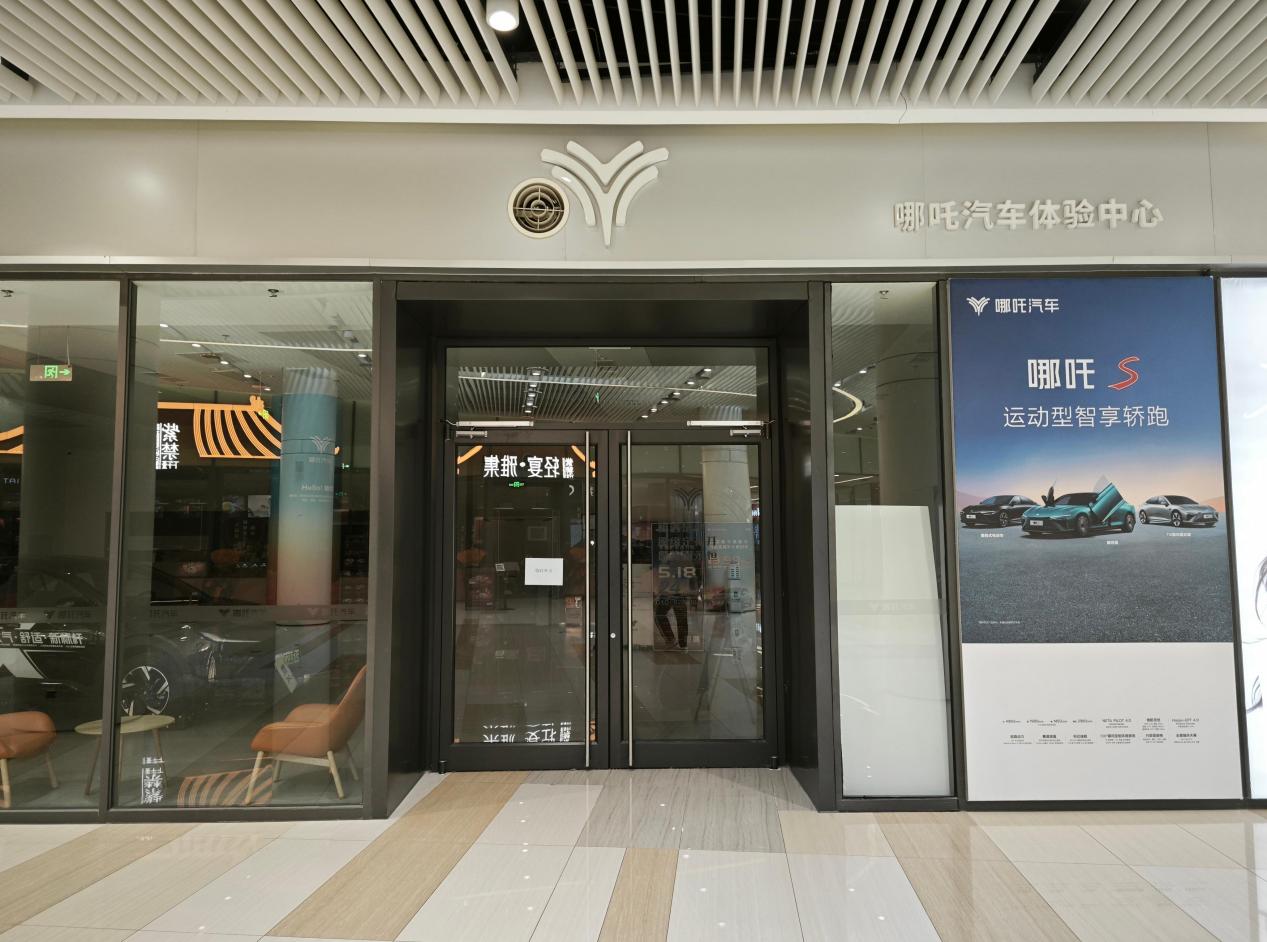
远程超6万辆夺冠!大通前四 福田/江铃暴涨!2025新能源轻客销量榜单来了 | 头条
第一商用车网· 2026-01-30 06:57
Group 1 - The core viewpoint of the article highlights the mixed performance of the new energy light commercial vehicle (NE LCV) market in 2025, with a total sales volume of 302,000 units, representing a year-on-year growth of 23% and a net increase of 57,000 units compared to the previous year [1][23]. - In December 2025, the NE LCV market achieved sales of 39,300 units, marking a month-on-month increase of 37% and a year-on-year increase of 69%, contributing to an "8 consecutive months of growth" trend [2][5]. - The NE LCV market maintained a high penetration rate, exceeding 70% in the last four months of 2025, indicating strong adoption within the commercial vehicle sector [1][7]. Group 2 - The monthly sales data from March to December 2024 shows that NE LCV sales consistently exceeded 20,000 units, with a peak of nearly 40,000 units in December 2025 [4][29]. - In December 2025, NE LCVs accounted for 75.86% of the total light commercial vehicle market, the highest penetration rate recorded to date [7][10]. - The cumulative sales of NE LCVs in 2025 reached 302,000 units, surpassing the total sales of 244,700 units in 2024, with a growth rate of 23% [23][24]. Group 3 - By the end of 2025, all 31 provincial-level administrative regions in mainland China had registered NE LCVs, with Guangdong province leading with over 56,500 units [10][12]. - Most provinces experienced growth in NE LCV registrations compared to the previous year, with notable increases in Chongqing and Yunnan, where registrations doubled [12][15]. - The NE LCV market predominantly features pure electric models, which constituted 99.934% of the market in 2025, with minimal presence of hybrid and fuel cell vehicles [15][19]. Group 4 - In December 2025, 16 companies sold more than 300 units of NE LCVs, with 9 companies exceeding 1,000 units, indicating a competitive market landscape [17][19]. - The leading companies in December included Yuan Cheng, Chang'an, and Great Wall, with significant year-on-year growth rates, particularly for Yuan Cheng at 142% and Great Wall at 242% [19][21]. - The market share distribution in December showed that three companies held over 10% market share, with Yuan Cheng leading at 25.5% [21][27].




AI巨头抢完了车规级内存,你的车可能因此减配
3 6 Ke· 2026-01-30 00:31
Core Viewpoint - The automotive industry is facing a severe crisis due to skyrocketing prices of automotive-grade memory chips, particularly DRAM and DDR5, which have surged over 300% since the second half of 2025, significantly impacting production costs without a corresponding increase in vehicle prices [1][3]. Group 1: Price Surge and Cost Impact - Automotive-grade memory prices have dramatically increased, with DRAM prices rising over 300% and automotive-grade DDR5 memory exceeding 300%, leading to an increase of approximately 1,000 yuan in the cost of each vehicle [1][3]. - Despite the rising costs, vehicle prices have remained stable, with industry leaders indicating that the pressure from memory price increases has not yet been passed on to end consumers [1][3]. Group 2: Supply Chain Challenges - The memory shortage has begun to affect production schedules for some automakers, with concerns about supply interruptions leading companies to deploy personnel to monitor supplies and develop alternative sourcing strategies [3][4]. - The automotive industry is facing a significant challenge in securing memory supplies, as the demand from the AI sector is siphoning off production capacity, with AI data centers expected to consume over 70% of high-end memory chips by 2026 [4][6]. Group 3: Market Dynamics and Competition - The automotive memory market is highly concentrated, with Samsung, SK Hynix, and Micron controlling over 90% of the market, leaving automakers with little bargaining power during the supply crisis [7][9]. - The shift in production focus towards AI-related memory products, which offer significantly higher profit margins, has led to a reduction in the availability of automotive-grade memory, exacerbating the supply issues faced by car manufacturers [4][6]. Group 4: Strategic Responses from Automakers - In response to the memory shortage, automakers are adopting strategies such as direct supply agreements with memory manufacturers and establishing strategic safety stock to mitigate the risks of supply disruptions [10][12]. - The competition in the automotive sector is increasingly centered around "smart driving" capabilities, with memory being a critical component that influences the performance and features of intelligent vehicles [10][12]. Group 5: Future Outlook and Industry Trends - The memory shortage is expected to persist until at least 2028, with new chip manufacturing facilities taking 3-5 years to establish, indicating a prolonged period of supply constraints for the automotive industry [9]. - The automotive sector is witnessing a shift towards self-developed technologies, with a significant portion of the market being dominated by domestic brands that are focusing on in-house development of smart driving features [17][18].




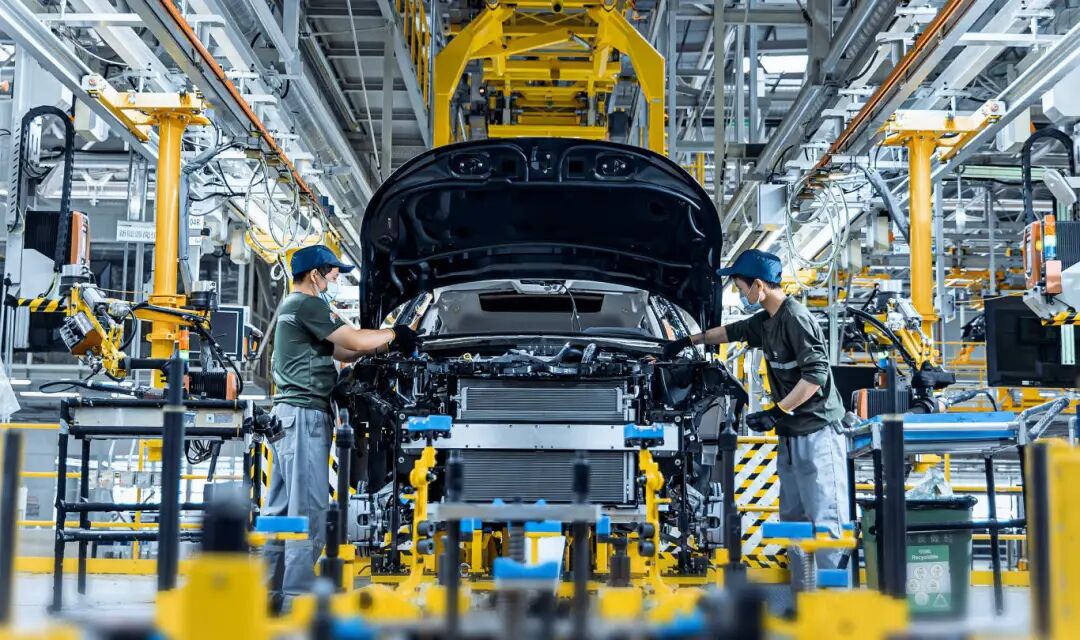
首部《重庆ESG创新实践绿皮书》发布
Xin Lang Cai Jing· 2026-01-29 18:46
《重庆ESG创新实践绿皮书》 1月29日,由市商务委、市国资委、市工商联指导,重庆日报报业集团主办,上游新闻承办,重庆上市公司协会协 办的首部《重庆ESG创新实践绿皮书》发布活动举行。本次活动,现场发布了《重庆ESG创新实践绿皮书》,有 20家企业和5个实践案例入选该书。 从企业一线到成书出版 《绿皮书》的编撰源于上游新闻2025年启动的"重庆ESG先锋企业寻访"主题宣传活动。在历时数月的走访中,记 者团队深入重庆多家企业、园区,记录一系列鲜活的ESG实践——从传统制造业的"零碳转型",到金融领域的绿 色产品创新;从乡村振兴的企业赋能,到科技驱动的循环经济探索。越来越多的企业正从ESG的"实践者"转变 为"创新者",在结合国家战略与本地实际中走出特色发展路径。 这些来自一线的实践与思考,经过系统整理与提炼,最终汇编成《重庆ESG创新实践绿皮书》。 多领域实践彰显"重庆特色" 《绿皮书》中收录的案例显示,重庆企业在ESG各领域均展现出积极的创新活力。 在绿色低碳方面,重庆交通开投集团完成轨道交通碳排放交易,并实现了全国首例公交低碳出行核证自愿减排量 交易;同时,重庆港加速推进"零碳港口"建设,大力推动新能源技术 ...
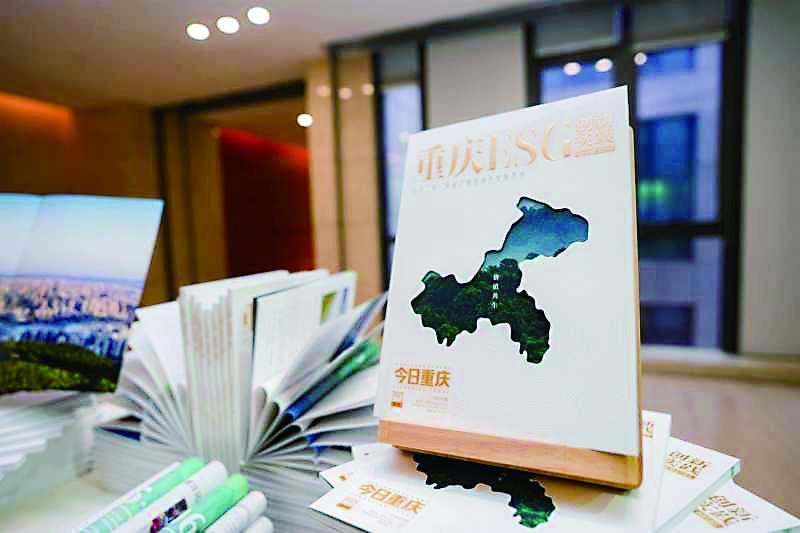
中国车企欧洲狂飙
Hua Er Jie Jian Wen· 2026-01-29 13:33
Core Insights - The European automotive market is experiencing a significant shift, with battery electric vehicles (BEVs) achieving a market share of 22.6% in December 2025, surpassing traditional gasoline vehicles at 22.5% [1] - Chinese automakers are no longer distant players but are aggressively entering the European market, aiming to capitalize on the transition to electric vehicles [1][2] - The competition is intensifying as Chinese companies invest heavily in Europe, with a focus on scaling operations before traditional giants adapt to the changing landscape [1] Market Performance - In 2025, new car registrations in Europe reached 13.3 million, with a modest growth rate of 2.3%. Chinese automakers saw a remarkable performance, with sales exceeding 100,000 units for the first time, achieving a year-on-year growth of 127% [3] - Chinese brands captured a market share of 9.5%, up from 4.5% in the previous year, indicating that one in ten new cars sold in Europe has Chinese origins [3] Company Strategies - BYD's sales in Europe surged from 49,000 units in 2024 to 186,600 units in 2025, marking a 276% increase. The company is focusing on local partnerships and expanding its sales network [5] - SAIC's MG brand achieved sales of 307,282 units in Europe in 2025, leveraging localized operations and design to position itself as a high-value local brand [5] - Leap Motor emerged as a significant player, with sales skyrocketing from 771 units to 22,077 units, utilizing existing global channels for rapid expansion [6] Localization Efforts - Chinese automakers are accelerating localization, with companies like Leap Motor and BYD establishing local production facilities to reduce costs and enhance competitiveness [8] - BYD plans to double its sales outlets in Europe to 2,000 by the end of 2026, while Chery aims for over 80% localization in its Barcelona facility by 2026 [8] Future Outlook - The year 2026 is projected to be a pivotal moment for the Chinese automotive industry, with expectations of valuation recovery driven by high export growth and profitability from overseas markets [9] - The average profit per vehicle in overseas markets is estimated to be 2-3 times higher than in the domestic market, with overseas gross margins surpassing domestic ones in some cases [10] - Chinese brands are transitioning from merely selling cars to providing comprehensive solutions for smart, green, and efficient mobility, becoming integral to the European automotive landscape [11]