小米

Search documents
车圈开年狂打价格战!14大车企秒跟,最狠狂降30万、6折卖车
Xin Lang Cai Jing· 2026-01-05 01:40
Core Viewpoint - The automotive industry in China is experiencing an early and intense price war in 2026, with over 70 models receiving significant discounts from various manufacturers, marking a competitive start to the year [2][30]. Group 1: Price War Initiation - BMW announced price reductions on 31 models, with discounts reaching up to 301,000 yuan, initiating the first wave of the price war for the year [2][36]. - Other manufacturers, including FAW-Volkswagen and Cadillac, have also introduced substantial discounts, with the former's Magotan model priced at 129,900 yuan, a 40% reduction from its original price [2][13]. Group 2: Promotional Policies Overview - A total of over 76 models from various brands, including Volvo, Kia, and domestic manufacturers like Changan and Dongfeng, have launched promotional policies to attract buyers [4][32]. - Specific promotional offers include: - Xiaomi's YU7 with a 3-year interest-free plan and a down payment starting at 74,900 yuan [5][19]. - NIO's new ET5 models with tax exemptions ranging from 4,779 to 5,619 yuan [5][33]. - Changan's Deep Blue models offering up to 20,000 yuan in subsidies and 5 years of interest-free financing [5][26]. Group 3: Competitive Strategies - The price war is characterized by aggressive pricing strategies from foreign and domestic brands, with European manufacturers like BMW leading the charge [8][36]. - Domestic brands are focusing on value-added services and financial plans to enhance customer loyalty and market penetration, contrasting with the straightforward pricing strategies of foreign brands [28][57]. Group 4: Market Implications - The ongoing price war is expected to lower the barriers for consumers, providing them with more choices and the opportunity to experience advanced technologies at reduced prices [30][57]. - This competitive environment is likely to stimulate sales and improve market performance as companies aim to capture consumer demand at the beginning of the year [30][57].


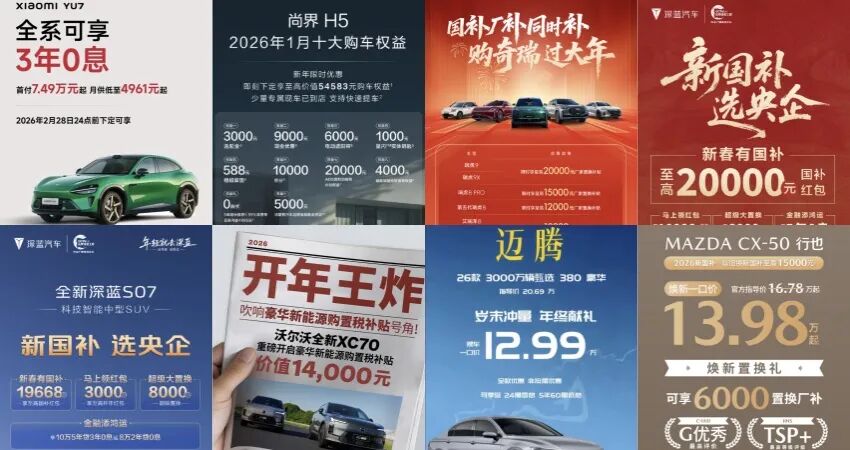
宝马大幅降价的阳谋
Bei Jing Shang Bao· 2026-01-05 00:45
Core Viewpoint - BMW has adjusted the official guide prices of several models, with some reductions reaching up to 300,000 yuan, but the actual transaction prices have not significantly decreased, indicating a strategic response to market dynamics rather than a price war [1][2][3]. Group 1: Price Adjustments - The flagship electric model i7 M70L has seen a price drop of 30.1%, now priced at 1.598 million yuan, while the 7 Series and other fuel models have been reduced by approximately 12%, with the lowest starting price dropping to 208,000 yuan [2]. - Despite the official price reductions, actual transaction prices have not changed significantly, with some dealers reporting only a 10,000 yuan decrease in the 7 Series and X6 models [2][3]. - The price adjustments aim to alleviate the "price inversion" issue faced by dealers, where the actual selling price is lower than the manufacturer's suggested price, thus improving dealer profitability [3]. Group 2: Market Dynamics - BMW's price adjustments reflect the increasing pressure from domestic high-end electric vehicle brands, which have captured a significant market share, with Chinese brands accounting for nearly 70% of passenger car sales and over 80% in the high-end electric vehicle segment [4]. - BMW's sales in China have declined, with a reported 11.2% drop in cumulative sales to 465,000 units, making it the only major market to experience a double-digit decline [2][4]. - The traditional luxury car market is undergoing a transformation, with BMW's historical advantages being eroded by new entrants offering advanced technology and features [5]. Group 3: Strategic Responses - BMW is focusing on technological transformation to address competitive pressures, showcasing new technologies such as the sixth-generation eDrive system and a long-wheelbase version of the BMW iX3, which is set to be produced in Shenyang in 2026 [5]. - The company is also restructuring its dealer network, with plans to complete this by mid-2026, which includes converting some sales points to service-only locations [3]. - Analysts suggest that BMW's price cuts may dilute its brand value and identity, emphasizing the need for the company to enhance its electric and intelligent branding to avoid a detrimental cycle of "price for volume" [6].
2026大消费:看不清的市场,藏不住的增长
Tai Mei Ti A P P· 2026-01-05 00:40
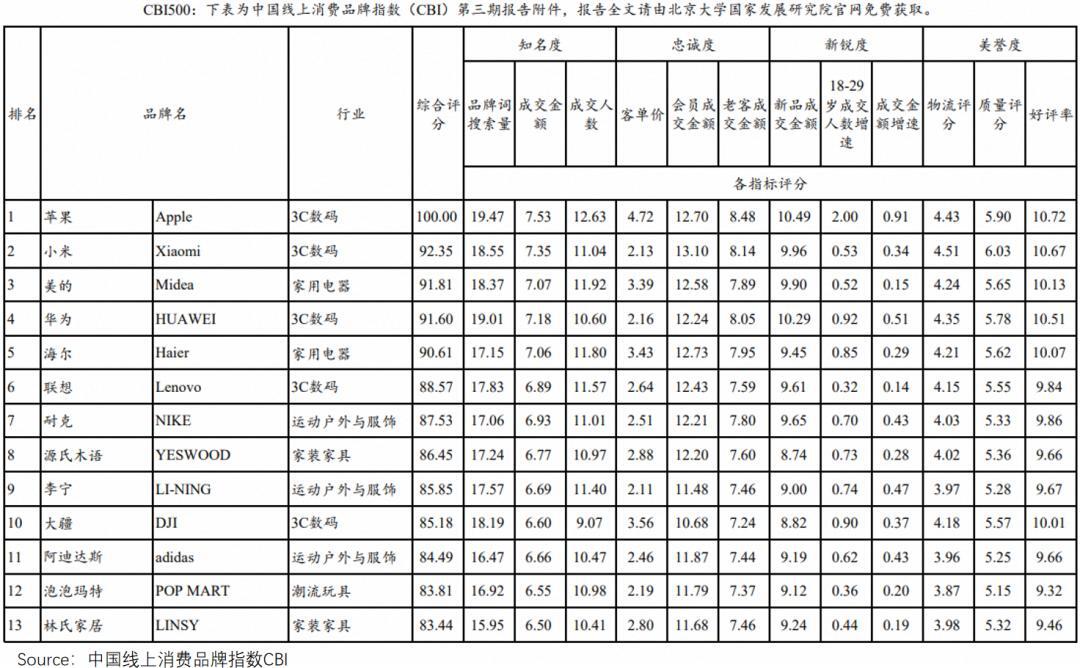
Group 1 - The consumer market in China is viewed as one of the biggest investment opportunities by 2026, but there are differing opinions on where and how to invest [1] - Traditional consumption sectors like liquor, apparel, and beauty have faced challenges, yet some brands have managed to achieve stock price increases of 30% to 50% [2] - The complexity of the consumer market requires investors to connect macro trends with micro behaviors to identify structural opportunities [3] Group 2 - The "China Online Consumption Brand Index" (CBI) and the "Global Brand China Online 500" list reveal significant shifts in consumer preferences, with traditional liquor brands like Moutai and Wuliangye declining while newer brands like Pop Mart are rising [3][4] - The CBI index reflects the performance of brands based on real consumer behavior, including sales, price, search volume, and reputation [4] - The liquor industry is undergoing a transformation, with brands like Jian Nan Chun and Shanxi Fenjiu adapting to new consumer preferences, particularly among younger demographics [6][7][13] Group 3 - The outdoor apparel market is shifting from niche enthusiasts to mainstream consumers, with brands like Berghaus gaining traction due to their stylish and affordable offerings [17] - Emerging brands in the cosmetics sector, such as Huazhi Xiao, are capitalizing on specific consumer trends and achieving significant growth in brand rankings [20][22] - The CBI index serves as a lens to identify changes in consumer demand and potential growth opportunities across various sectors [24] Group 4 - Pop Mart's financial performance shows a significant increase in overseas revenue, yet the stock has faced volatility due to market sentiment rather than fundamentals [26][28] - The brand maintains a leading position in the industry despite short-term fluctuations, indicating strong brand loyalty and potential for future growth [29][30] - The luxury gold market is experiencing challenges as competition increases, impacting customer loyalty and market positioning for brands like Laopufeng [40][35] Group 5 - The beauty industry is witnessing a resurgence for brands like Chanel and YSL as they adapt to new marketing channels and consumer preferences [22] - The investment landscape is influenced by varying investor strategies, with short-term traders reacting differently than long-term investors to market signals [34][41] - The Chinese consumer market is complex and requires a multifaceted approach to uncover hidden opportunities [42]

手机市场再无“小而美”?华硕暂停手机业务,小众品牌集体逼近「斩杀线」
3 6 Ke· 2026-01-05 00:05
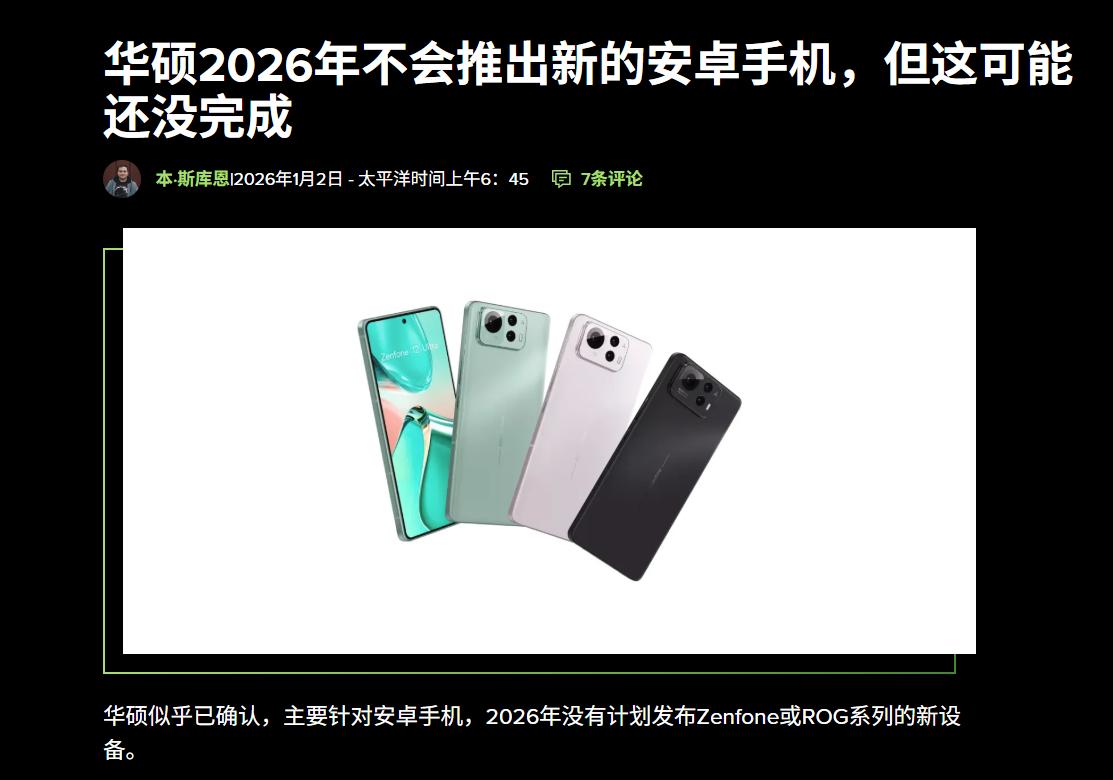
Core Viewpoint - ASUS has announced that it will suspend the launch of new smartphones, including the Zenfone and ROG Phone series, in 2026, marking a significant shift in the smartphone market and signaling the end of an era for small-sized flagship devices [1][3][15]. Company Overview - ASUS has historically focused on unique innovations rather than following mainstream trends, exemplified by products like the Padfone and ZenFone Zoom, which showcased its commitment to creativity [5][8]. - The Zenfone series targeted small-sized smartphone enthusiasts, with models like ZenFone 8, 9, and 10 receiving positive reviews for their compact design and flagship specifications [10][14]. - The ROG Phone series was designed specifically for gamers, featuring unique functionalities such as side charging ports and AirTriggers, catering to a niche market [11][13]. Market Challenges - The smartphone industry is facing rising costs, with a projected 25% increase in material costs by 2026 due to supply chain dependencies, which disproportionately affects smaller brands like ASUS [16][18]. - The competitive landscape is dominated by giants like Apple and Samsung at the high end, and Chinese brands like Xiaomi and OPPO at the mid to low end, leaving ASUS in a challenging position [19][22]. - ASUS's smartphone business has been a financial burden, with significant losses reported in previous years, and its market share in Taiwan dwindling to approximately 1.2% by 2025 [23][25]. Industry Implications - The exit of ASUS from the smartphone market reflects a broader trend where unique, niche products struggle to survive in an increasingly saturated and mature market [26][28]. - The success in the smartphone industry now hinges on supply chain management, cost control, and extensive distribution channels, rather than solely on product uniqueness [28].
港股AI大模型第一股之争,智谱与MiniMax的赛道博弈
阿尔法工场研究院· 2026-01-05 00:03
Core Viewpoint - The article discusses the upcoming IPOs of two Chinese AI unicorns, Zhipu (2513.HK) and MiniMax (0100.HK), highlighting their significant financing and contrasting business strategies in the AI large model sector. Financing and Valuation - MiniMax has raised over $1.5 billion (approximately 10.8 billion RMB) while Zhipu has raised over 8.3 billion RMB, placing both companies among the top in AI financing [1][2] - MiniMax's IPO valuation is estimated at approximately 46.1-50.4 billion HKD, while Zhipu's valuation is around 51.1 billion HKD, reflecting optimistic market expectations for AI [1] Business Strategies - MiniMax focuses on consumer-oriented multimodal AI products, while Zhipu adopts a B2B approach with open-source models and API calls, indicating distinct commercialization strategies [3][21] - Zhipu claims to be the leading independent general-purpose large model developer in China with a market share of 6.6%, while MiniMax claims a global market share of 0.3% [6][8] Market Position and Customer Base - As of June 30, 2025, Zhipu's models support over 8,000 institutional clients and approximately 80 million devices, establishing a strong market presence [7] - MiniMax, while claiming to be the tenth largest large model technology company globally, has not disclosed its domestic ranking and has a smaller market presence compared to Zhipu [8] Revenue and Growth - Zhipu's revenue for 2024 is projected at 312 million RMB, with a customer concentration decreasing from 61.5% to 40% among its top five clients [16] - MiniMax's revenue for 2024 is estimated at $30.5 million, with a significant portion (over 71%) coming from consumer AI products [16] Financial Performance and Risks - MiniMax is experiencing higher losses, with a projected net loss of $465 million in 2024 and $512 million in the first nine months of 2025, while Zhipu's losses are smaller and more manageable [18][20] - MiniMax faces potential legal challenges, including a lawsuit from Disney, which could result in significant financial liabilities [19] Investment Appeal - Both companies attract major investors like Alibaba, Tencent, and Hillhouse Capital, indicating a high concentration of capital in the Chinese AI large model sector [2][21] - MiniMax is more appealing to investors who understand consumer AI product logic and can tolerate high valuation volatility, while Zhipu may attract those who favor open-source ecosystems and are willing to accept long-term losses for market positioning [25]

【汽车】4Q25特斯拉交付低于预期,2026E以旧换新补贴延续或提振销量——特斯拉与新势力12月销量跟踪报告(倪昱婧/邢萍)
光大证券研究· 2026-01-04 23:04
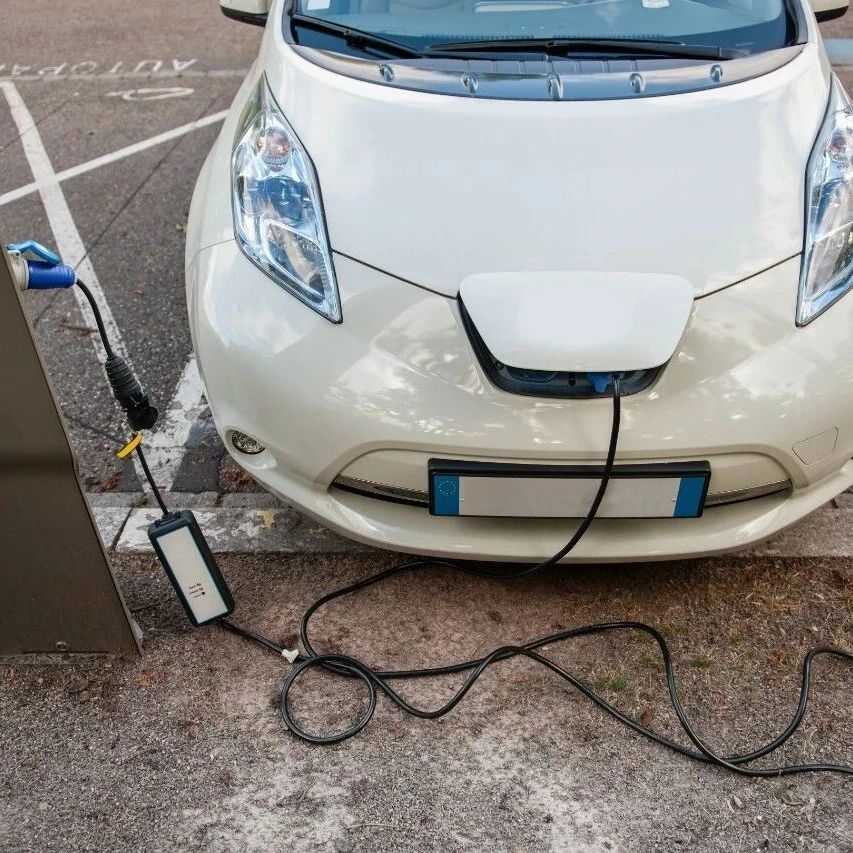
Core Viewpoint - Tesla's Q4 2025 global deliveries fell short of expectations, primarily due to the cancellation of the IRA subsidy in the U.S. and other factors [2] Group 1: Tesla Performance - In Q4 2025, Tesla's global delivery volume decreased by 15.6% year-on-year and 15.9% quarter-on-quarter, totaling 418,000 vehicles, with Model 3 and Model Y deliveries down by 13.8% year-on-year and 15.5% quarter-on-quarter to 407,000 vehicles [2] Group 2: NIO and Other New Energy Vehicles - NIO regained the top position among new energy vehicle manufacturers in December, with a delivery volume of 48,135 vehicles, representing a year-on-year increase of 54.6% and a quarter-on-quarter increase of 32.7% [3] - Ideal's delivery volume decreased by 24.4% year-on-year but increased by 33.3% quarter-on-quarter to 44,246 vehicles [3] - Xiaopeng's delivery volume increased by 2.2% year-on-year and 2.1% quarter-on-quarter to 37,508 vehicles [3] Group 3: New Year Purchase Incentives - Tesla announced that the domestic Model 3 will be delivered in February 2026, with various financing policies extended [4] - Ideal's delivery cycles for several models have been adjusted, with cash subsidies available for January purchases [4] - NIO and Xiaopeng also introduced various delivery cycle adjustments and promotional offers for their vehicles [4][5] Group 4: Policy Updates - The Ministry of Commerce and other departments released the implementation details for the 2026 vehicle trade-in subsidy, extending the policy for another year and adjusting the subsidy method [6]

全球大公司要闻 | 宇树科技:未涉及申请“绿色通道”相关事宜,上市工作正常推进
Wind万得· 2026-01-04 22:34
Group 1 - TSMC has received an annual license from the US government to export chip manufacturing equipment to its factory in Nanjing, ensuring uninterrupted operations and product delivery. The 2nm process mass production plan is on schedule, with risk trial production expected to start in 2027 [2] - Guizhou Moutai has spent 120 million yuan to repurchase approximately 87,100 shares of its stock. Additionally, the maximum purchase limit for its Feitian 53% vol 500ml Moutai liquor has been adjusted from 12 bottles to 6 bottles per person per day from January 4 until before the Spring Festival [2] - Xiaomi's CEO Lei Jun revealed that the company aims to deliver over 410,000 vehicles in 2025 and 550,000 in 2026, addressing concerns about the materials used in their vehicles and refuting rumors about the company's marketing practices [3] Group 2 - Baidu's AI chip subsidiary Kunlun has officially submitted its main board listing application to the Hong Kong Stock Exchange, with its valuation increasing from approximately 13 billion yuan in 2021 to 21 billion yuan by July 2025 [5] - BYD's pure electric vehicle sales are projected to reach 2.2567 million units by 2025, surpassing Tesla's expected delivery of 1.636 million units, marking the first time BYD has outperformed Tesla in annual sales [5] - SK Hynix's target price has been raised to 840,000 KRW by Morgan Stanley, indicating a significant improvement in the company's profitability trajectory [11]

网传又一个玩家离场,华硕为何搞不定手机?
凤凰网财经· 2026-01-04 13:46
Core Viewpoint - ASUS is reportedly planning to exit the smartphone market, with no new smartphone releases planned for 2026, although the company has not officially confirmed this decision [1][3][4]. Group 1: ASUS's Smartphone History - ASUS entered the mobile phone market as early as 2002, initially focusing on ODM for European operators [3]. - The company launched its first self-branded phone, the J101, in 2003, marking the beginning of its brand recognition efforts [4]. - In 2008, ASUS acquired Garmin's smartphone business, launching the "Garmin-Asus" brand, but this partnership ended unsuccessfully due to the rise of the iPhone [4][5]. - The ZenFone series was introduced in 2014, targeting the budget market with high specifications, achieving significant popularity in emerging markets [5]. Group 2: Challenges and Decline - After 2018, the smartphone market became increasingly competitive, with Chinese brands like Huawei and Xiaomi dominating [7]. - ASUS struggled to compete in both the budget and innovation segments, leading to a decline in market presence and product iteration [7][9]. - The company faced significant losses in its mobile division, which accounted for less than 10% of total revenue and had been a financial burden for years [8][9]. Group 3: Current Situation and Future Outlook - ASUS's mobile division has been in a state of decline, with no new products planned and a focus on its core PC business [7][12]. - The company is shifting its strategy towards AI, cloud computing, and smart ecosystems, with plans to enter the memory module production sector in 2026 [12]. - The global PC market is showing growth, with ASUS ranking fifth in market share, indicating a stronger focus on its primary business [12].

电力设备及新能源周报20260104:国内政策助力商业航天产业化,多家车企创单月销量新高-20260104
Guolian Minsheng Securities· 2026-01-04 12:20
Investment Rating - The report maintains a "Recommended" rating for several key companies in the electric equipment and new energy sectors, including Ningde Times, Keda Li, and others [5][6]. Core Insights - The electric equipment and new energy sector experienced a decline of 2.18% in the last week, underperforming compared to the Shanghai Composite Index [1]. - The report highlights significant sales achievements in the new energy vehicle sector, with multiple companies reporting record monthly deliveries in December 2025 [2][14]. - The photovoltaic industry is facing a mixed scenario with rising upstream prices but weak downstream demand, leading to a "price without market" situation [3][38]. Summary by Sections New Energy Vehicles - In December 2025, several new energy vehicle manufacturers reported record sales, including Li Auto with 44,246 units delivered, a year-on-year decrease of 24.4% [15][21]. - Leap Motor achieved a delivery of 60,423 units, up 42% year-on-year, while BYD delivered 420,398 units, reflecting a year-on-year decrease of 17.5% [2][21]. New Energy Generation - The main industry chain prices are on the rise, with silicon material prices testing above 65 yuan/kg, although actual transactions are still based on previous orders [38]. - The report notes a significant reduction in demand, with a 78% decrease in procurement for domestic centralized projects [39]. Electric Equipment and Automation - The report indicates that the sixth batch of State Grid's bidding for power transmission and transformation equipment reached 13.205 billion yuan, with a total of 495 packages awarded [54]. - The largest single package was valued at 399.66 million yuan, with various categories such as switchgear and transformers receiving substantial funding [54]. Commercial Aerospace - Domestic policies are accelerating the industrialization of the commercial aerospace sector, with the National Space Administration incorporating commercial aerospace into the national development framework [4]. Market Trends - The report emphasizes the importance of technological advancements and market dynamics in shaping the future of the electric equipment and new energy sectors, suggesting a focus on companies that can leverage these changes for competitive advantage [40][41].




小米和雷军:总有刁民要害朕?
Sou Hu Cai Jing· 2026-01-04 12:08
Core Viewpoint - Xiaomi faces both challenges and opportunities in 2025, with increasing negative sentiment towards the company and its CEO Lei Jun, particularly regarding Xiaomi's automotive ventures [1] Group 1: Response to Negative Sentiment - Lei Jun and Xiaomi's new PR head Xu Jieyun publicly addressed widespread rumors about Xiaomi's cars, claiming that negative narratives are manipulated by a small group using multiple accounts to discredit the brand [3][5] - Lei Jun shared his personal experience of driving from Beijing to Shanghai, emphasizing the impressive range of Xiaomi's vehicles, and criticized the negative portrayal of the company's marketing claims [5] - Xu Jieyun acknowledged the issue of "small print marketing" as an industry norm, admitting it can mislead consumers and promising to improve communication by using clearer messaging [6] Group 2: Legal and Public Relations Strategy - Xiaomi has initiated legal actions against those spreading false information, indicating a commitment to protecting its brand reputation [3][8] - Lei Jun refuted claims of having a 7,000-member legal team, emphasizing the need for constructive criticism rather than baseless attacks [8] Group 3: Comparison with Competitors - The article compares Xiaomi's situation to Tesla, noting that while Tesla faces significant negative press, CEO Elon Musk does not attribute sales declines to external factors like "water armies," instead focusing on product adjustments [10] - The commentary suggests that Xiaomi should avoid falling into the trap of blaming external forces for its challenges and instead focus on improving product quality and public relations [10]