Momenta

Search documents
36氪精选:辅助驾驶人才争夺战:一把手下场挖人VS法务连续起诉
日经中文网· 2025-06-06 07:55
编者荐语: 日经中文网与36氪展开内容交换合作,精选36氪的精彩独家财经、科技、企业资讯,与读者分享。 以下文章来源于36氪Pro ,作者李安琪 李勤 36氪Pro . 36氪旗下官方账号。深度、前瞻,为1%的人捕捉商业先机。 车企的AI辅助驾驶人才饥渴症。 文 | 李安琪 编辑 | 李勤 封面来源 | 日经中文网 入职新公司第一天,张杨(化名)被要求"吐露"上家公司的辅助驾驶算法与代码。因没有积极配合,张杨没在新公司待多久就离 开了。 张杨的前东家是理想汽车,近年因迅速落地辅助驾驶而被行业关注,成为同行重点"探秘"的对象。 辅助驾驶的技术演化在持续喷发。从传统的基于规则的方案转向"端到端"模型路线后,车企的人才画像需求发生了极大变化,中 国车企像互联网大厂与AI公司一样渴求AI人才。 行业竞争激烈而持续。车企内部,团队赛马、立军令状、集体封闭式开发、"做不出来就换人"等,已经成为辅助驾驶部门的常 态。在高压的交付压力下,挖角高端人才、解密头部公司的技术,成为企业的一些"水下动作"。 尤其今年以来,辅助驾驶第一梯队公司的人才遭到了哄抢。有猎头人士告诉36氪,在端到端、AI大模型这波浪潮中,华为、理 想、Mom ...



日系车企以中国专属车型寻求突围
日经中文网· 2025-06-04 06:40
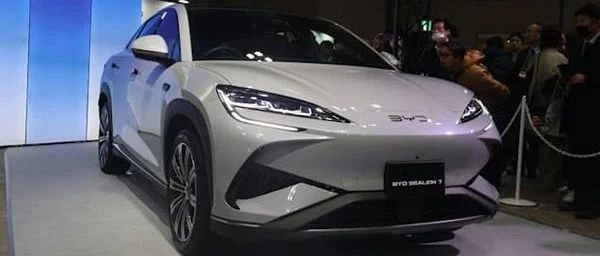
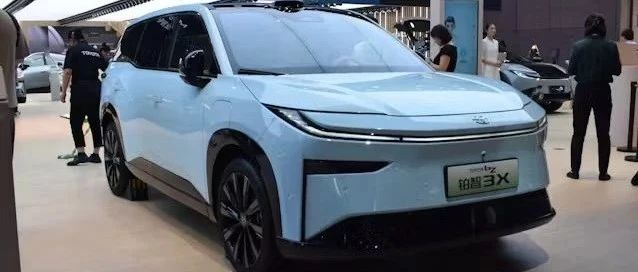
Core Viewpoint - Japanese automakers are intensifying the development of electric vehicles (EVs) tailored for the Chinese market, with significant sales growth observed in recent months, despite facing fierce competition from local brands [1][5]. Group 1: Sales Performance - The Toyota bZ3X, launched in March, has seen over 10,000 units delivered by late April, contributing to a 21% year-on-year increase in Toyota's new car sales in April, totaling 142,800 units [3][4]. - Nissan's new electric sedan N7, introduced in late April, also reached 10,000 orders by May 15, although Nissan's overall new car sales in April declined by 16% year-on-year [4][5]. - The overall sales of Japanese automakers in China are declining, with total new car sales projected to drop by 30% from 2021 to 2024, with market share decreasing from 20.6% to 11.2% [4][5]. Group 2: Product Development and Features - The bZ3X is developed in collaboration with Guangzhou Automobile Group and features advanced driving assistance technology and fast charging capabilities, with a starting price of 109,800 RMB [3][4]. - Nissan's N7 includes AI-optimized massage seats and a built-in refrigerator, priced from 119,900 RMB, reflecting a shift towards localizing design and manufacturing processes [4][5]. - Honda's EV brand "Yay" faced challenges with its S7 SUV, which had to reduce its price by 60,000 RMB shortly after launch due to consumer feedback and competition [5][6]. Group 3: Competitive Landscape - Japanese automakers are struggling to keep pace with local competitors like BYD, which are rapidly advancing in EV technology and pricing strategies [4][5]. - The competitive environment in the Chinese market is forcing Japanese companies to adapt their strategies, including the introduction of new models and leveraging local technology partnerships [6].


BBA 们开始学着中国车企做豪华
3 6 Ke· 2025-06-03 02:26
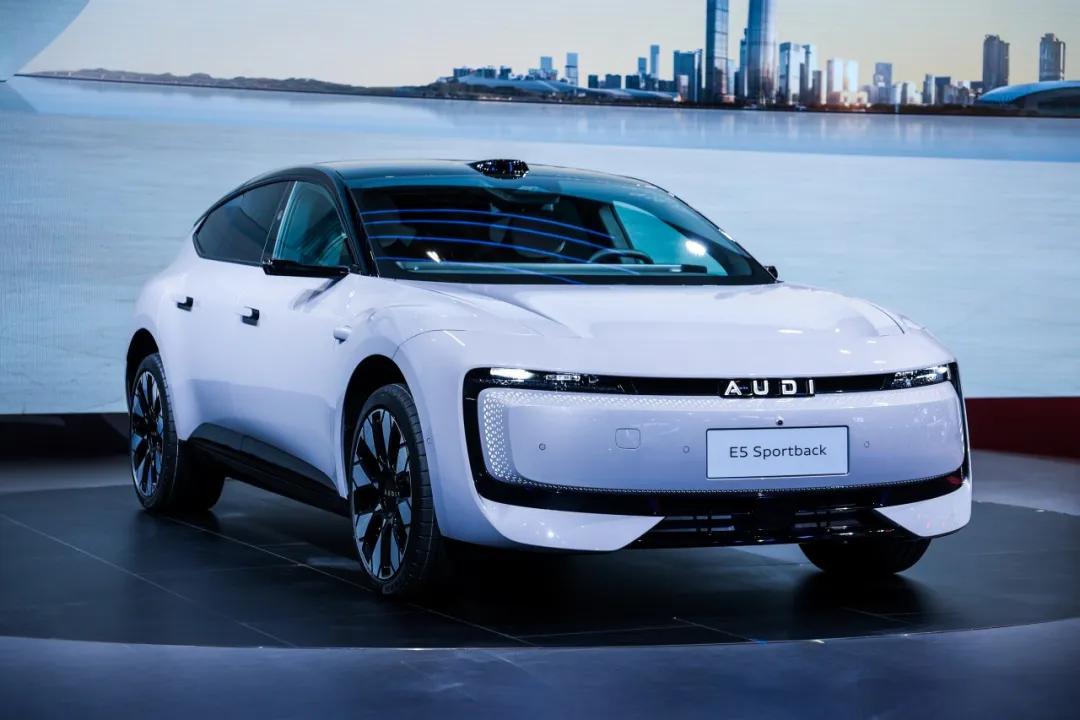
Core Viewpoint - The traditional luxury car brands represented by BBA (BMW, Benz, Audi) are facing significant challenges in the Chinese market, with local luxury brands rapidly gaining market share and altering consumer perceptions of luxury vehicles [1][3][20]. Group 1: Market Dynamics - The global sales of BBA brands are declining, with BMW and Benz experiencing the largest drops in China, with sales down 13% and 7% respectively, while Audi's sales fell by approximately 11% [1][3]. - The Chinese luxury car market is evolving, with the segment priced between 200,000 to 300,000 yuan experiencing a 92% growth from 1.982 million units in 2018 to 3.822 million units in 2024 [3][18]. - In 2024, domestic high-end brand passenger car sales are projected to reach 4.738 million units, reflecting a 2.3% year-on-year increase [3][18]. Group 2: Audi's Strategic Shift - Audi is launching a new AUDI brand in China, aiming to attract younger consumers and differentiate itself in the luxury market [2][3]. - The AUDI E5 Sportback, which debuted shortly before the Shanghai Auto Show, represents Audi's commitment to electric and intelligent vehicle technology, with a focus on local partnerships for battery and smart driving solutions [2][4][7]. - Audi's collaboration with local suppliers like CATL for battery systems and Momenta for intelligent driving technology highlights a strategic pivot towards leveraging Chinese innovation [2][9][11]. Group 3: Competitive Landscape - Traditional luxury brands are increasingly adopting Chinese smart automotive solutions, with BBA brands collaborating with local companies to enhance their technological offerings [9][10][21]. - The shift towards smart and electric vehicles is not just limited to BBA; other foreign brands are also forming partnerships with Chinese suppliers to adapt to the rapidly changing market [10][13]. - The competitive landscape is intensifying, with the Chinese market leading in the adoption of new energy vehicles, achieving over 50% penetration, while other regions lag behind [18][20]. Group 4: Future Outlook - The success of BBA brands in China is seen as critical for their global strategy, with significant investments planned for new electric models and local R&D initiatives [17][20]. - The rapid development of smart and electric vehicles in China is expected to influence global automotive trends, with Chinese solutions beginning to penetrate international markets [21].
速腾聚创机器人业务提速 割草机百万级订单开辟增长新赛道
Zheng Quan Shi Bao Wang· 2025-05-30 13:31
Core Insights - RoboSense (2498.HK) reported a solid financial performance for Q1 2025, with significant growth in its robotics-related business, including product sales and revenue [1][2] Financial Performance - The company achieved total revenue of approximately 330 million yuan, down from 361 million yuan in the same period last year; however, gross profit surged to 77.01 million yuan, reflecting a year-on-year increase of 73.1% [2] - The overall gross margin reached 23.5%, an increase of 11.2 percentage points year-on-year, while net loss narrowed significantly to 98.79 million yuan, improving by 24.4% [2] Robotics Business Growth - The robotics segment experienced explosive growth, with laser radar product sales reaching approximately 11,900 units, a year-on-year increase of 183.3%, and revenue from this segment reaching 73.403 million yuan, up 87.0% year-on-year [2] - The company has established partnerships with over 2,800 global robotics clients across various applications, including industrial warehousing and delivery robots [3] Strategic Collaborations - RoboSense entered a strategic partnership with Mammotion, agreeing to collaborate on 1.2 million units over three years, setting a new industry order record [3] - The company has secured long-term orders with major clients in the autonomous delivery market, capturing over 90% of the top clients in this sector [3] Market Position and Projections - According to YOLE Group, RoboSense holds the leading market share in the global automotive laser radar market for passenger vehicles in 2024, with over 50% of the models at the 2025 Shanghai Auto Show featuring its products [4] - Goldman Sachs projects a 41% growth rate in RoboSense's Robotaxi business sales by 2026, with the global passenger vehicle laser radar market expected to reach approximately 7 billion yuan by 2025 [5] Product Development and Innovation - The company launched a new category of robotic vision products, Active Camera, and has established partnerships with over 20 companies to advance embodied intelligence applications [6] - RoboSense's product matrix includes mechanical, semi-solid, and solid-state technologies, covering a wide range of applications from entry-level to high-end products [7]

特斯拉Robotaxi要来了,无人驾驶概念爆发!逾20股涨停
Ge Long Hui A P P· 2025-05-29 05:25
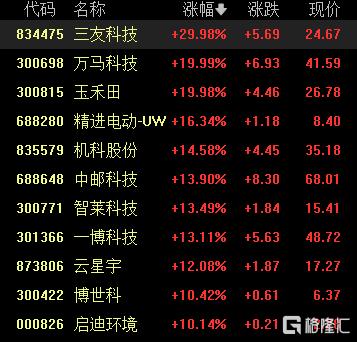
在政策红利与技术突破的双重催化下,无人驾驶概念大爆发。 根彭博社援引知情人士消息,特斯拉计划于6月12日在德克萨斯州奥斯汀启动其备受期待的robotaxi服 务。这一内部消息虽未得到官方确认,但与马斯克此前承诺的"6月底前启动服务"的时间表一致。 今日无人驾驶板块指数涨超3%,个股中,万马科技、玉禾田、启迪环境、云内动力(维权)、得润电 子(维权)等超20股涨停。 | 代码 名称 | 张唱� | 涨跌 | 现价 | | --- | --- | --- | --- | | 834475 三支科技 | +29.98% | 45.69 | 24.67 | | 300698 万马科技 | | +19.99% +6.93 | 41.59 | | 300815 玉禾田 | +19.98% | +4.46 | 26.78 | | 688280 | 精进电动-UW +16.34% | 41.18 | 8.40 | | 835579 机科股份 | +14.58% | +4.45 | 35.18 | | 688648 中邮科技 | +13.90% | +8.30 | 68.01 | | 300771 智荣科技 | | +13.4 ...

出海速递 | 印度宣布:超越日本,成为全球第四大经济体/中东为何成了无人驾驶的“黄金试验场”?
3 6 Ke· 2025-05-27 10:38
Group 1 - The Middle East is emerging as a "golden testing ground" for autonomous driving due to a combination of policies, capital, and technology [2] - Chinese automotive companies are aggressively entering the Japanese market, indicating a significant market competition that has been brewing since the second half of 2022 [3] - Chenbei Technology, led by a 38-year-old female CEO, reported a revenue of 4.7 billion, but has decided to delist, which may provide flexibility for a larger business breakthrough [4] Group 2 - India has surpassed Japan to become the world's fourth-largest economy, with an economic scale of $4 trillion, following the US, China, and Germany [5] - Kuaishou's Q1 2025 financial report shows that its AI commercialization accelerated, with AI revenue exceeding 150 million, and overseas revenue grew by 32.7% to 1.3 billion, marking the first quarter of positive operating profit overseas [6] - Chinese intelligent driving companies are accelerating their international expansion, with partnerships established with global giants like Uber, enhancing their competitive edge in smart transportation [7][8] Group 3 - WeRide has announced its market expansion strategy in Saudi Arabia, deploying autonomous driving products in key cities, laying the groundwork for future commercial operations [7] - Pony.ai has formed a strategic partnership with Dubai's Roads and Transport Authority to launch a Robotaxi fleet, with plans for testing operations to start in 2025 and full commercialization by 2026 [8] - Zhejiang province is actively supporting manufacturing enterprises in overseas exhibitions to boost market orders and enhance international trade [8] Group 4 - The successful listing of the ChiNext ETF in Brazil marks a new phase in China-Brazil capital market cooperation, highlighting the growing financial ties between the two countries [9]

中国智能辅助驾驶企业探索多元化出海模式
Zhong Guo Zheng Quan Bao· 2025-05-26 21:45
Core Viewpoint - Chinese intelligent assisted driving companies are accelerating their international expansion, particularly through strategic partnerships with global mobility giants like Uber, which is expected to enhance their global competitiveness and market presence [1][2][3] Group 1: International Expansion Strategies - Companies like Xiaoma Zhixing and Wenyan Zhixing are leveraging Uber's platform to launch Robotaxi services in the Middle East and Europe, with plans to expand to 15 international cities over the next five years [1][2] - Baidu's Robotaxi service, Luobo Kuai Pao, has signed a strategic cooperation agreement with the Dubai Roads and Transport Authority to deploy over 1,000 intelligent assisted driving vehicles for large-scale testing and services [2] - The shift from single-point technology testing to multi-regional, large-scale commercial operations is evident, with companies adopting flexible cooperation models, including technology licensing and joint ventures [3] Group 2: Technological and Market Drivers - Chinese companies have developed globally competitive mature technology solutions in areas like mapless navigation and vehicle-road collaboration, benefiting from extensive data accumulation from complex domestic road conditions [3][4] - The international expansion is driven by favorable policies and strong market demand in overseas markets, providing significant business growth potential for leading Chinese intelligent assisted driving companies [3][4] Group 3: Ecosystem Development - The expansion of Chinese intelligent assisted driving companies is not just about technology and product export but also involves co-building intelligent transportation ecosystems with local governments and industry players [4][6] - Companies are focusing on creating a complete Robotaxi ecosystem in markets like the UAE, potentially collaborating with local partners and exploring innovative services such as battery swapping [6][7] Group 4: Challenges and Adaptation - Chinese intelligent assisted driving companies may face compliance barriers, data trust issues, and technology adaptation challenges when entering international markets [6][7] - Continuous breakthroughs in rule-making, local integration, and safety trust are necessary for successful international operations, alongside adapting to local cultural and developmental needs [6][7]
超13亿元!享道出行获近年行业单笔最高融资
Sou Hu Cai Jing· 2025-05-24 08:09
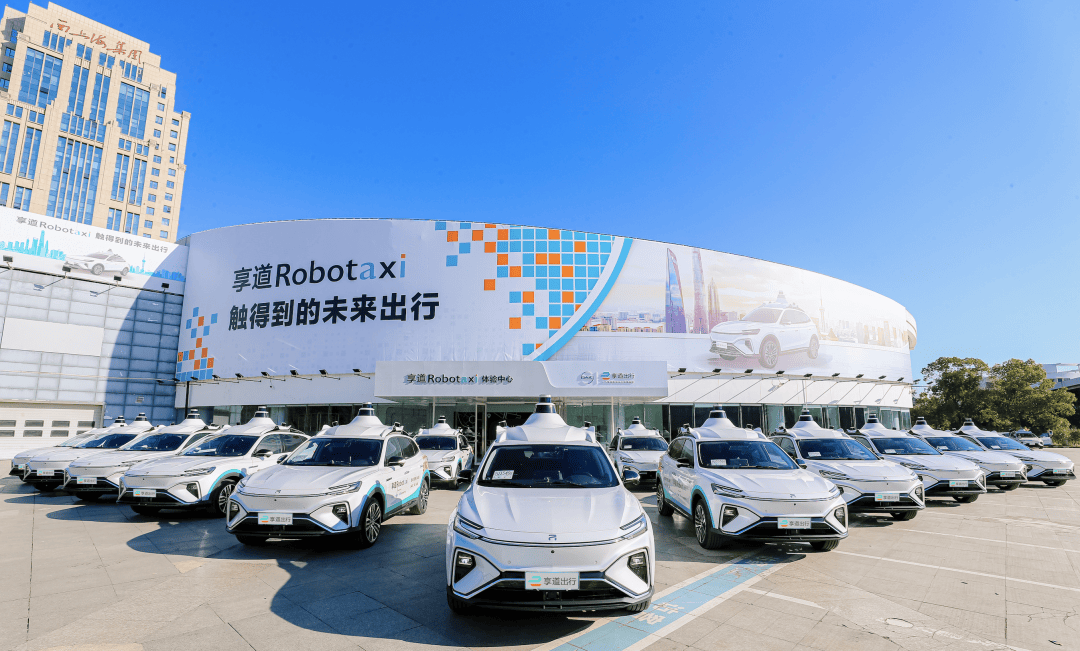
Core Viewpoint - The recent completion of over 1.3 billion RMB in Series C financing for SAIC Group's mobility brand, Xiangdao Mobility, marks the largest single financing event in China's mobility industry in the past three years, indicating strong market and governmental support for its "one-stop smart mobility comprehensive" strategy [1][3]. Financing Overview - The Series C financing was primarily backed by Shanghai International Automobile City (Group) Co., Ltd. and local government investment platforms, showcasing a dual recognition from both the capital market and local government [1]. - Xiangdao Mobility's financing trajectory includes partnerships with Alibaba and CATL in Series A, Momenta and Gaode in Series B, and now industry funds and local government support in Series C, reflecting a standard path for industry upgrade [5]. Strategic Development - The CEO of Xiangdao Mobility emphasized that the financing is not just about capital but also about deep industry resource connections, which will enhance the company's strategic resource support from SAIC Group, industry funds, and local governments [3]. - The completion of Series C financing allows Xiangdao Mobility to further clarify its three main lines of personal, corporate, and future mobility, focusing on technology-driven development, service enhancement, and multi-scenario expansion [5]. Technological Focus - Xiangdao Mobility aims to leverage its "ACTS" technology strategy, focusing on big data, artificial intelligence, smart transportation, and intelligent safety, to drive the practical application of AI technology in the mobility sector [3]. - The company plans to utilize the data accumulated from its Robotaxi operations to continuously enhance its capabilities across the entire industry chain [6]. Future Plans - Xiangdao Mobility has initiated a Hong Kong IPO plan to accelerate technology research and ecosystem expansion, aiming to lead the transition of China's mobility industry from scale competition to value competition [8].
「智驾」人才争夺战:帮新员工支付前司百万竞业赔偿
36氪· 2025-05-23 13:58
Core Viewpoint - The article discusses the intense competition among Chinese automotive companies for AI talent in the field of assisted driving, highlighting the challenges and strategies involved in talent acquisition and retention [3][5][16]. Group 1: Talent Acquisition and Competition - Automotive companies are increasingly seeking AI talent, similar to tech giants and AI firms, due to the rapid evolution of assisted driving technology [3][6]. - The competition for high-end talent has intensified, with companies like Huawei, Li Auto, and Momenta being the most targeted for talent poaching [3][4]. - Li Auto's CEO mentioned that core team members receive over 20 headhunter calls each, indicating the high demand for skilled professionals [4]. Group 2: Legal and Competitive Strategies - Companies are resorting to non-compete agreements and lawsuits to prevent talent from moving to competitors, which has led to significant legal disputes [4][5]. - Li Auto has pursued legal action against former employees who joined rival companies, with compensation amounts reaching millions [4][5]. - The use of legal measures is a common tactic among automotive firms to safeguard their technological advancements and maintain competitive advantages [5]. Group 3: Technological Evolution and Challenges - The shift from rule-based systems to "end-to-end" models in assisted driving has created new challenges and opportunities for companies [6][23]. - The emergence of multi-modal large models, such as VLA (Visual-Language-Action), represents a new frontier in assisted driving technology [6][25]. - Companies like Li Auto are exploring various technical routes, including city NOA solutions and new generation models, to enhance their competitive edge [9][10]. Group 4: Industry Dynamics and Future Outlook - The assisted driving sector is witnessing a shift in power dynamics, with traditional automakers like BYD and Geely ramping up their self-research efforts while also leveraging external suppliers [16][18]. - The article emphasizes that while some companies may achieve quick results through talent poaching, true innovation requires original thinking and foresight [26]. - The ongoing evolution of assisted driving technology necessitates continuous adaptation and exploration by automotive firms to remain competitive in the market [22][26].
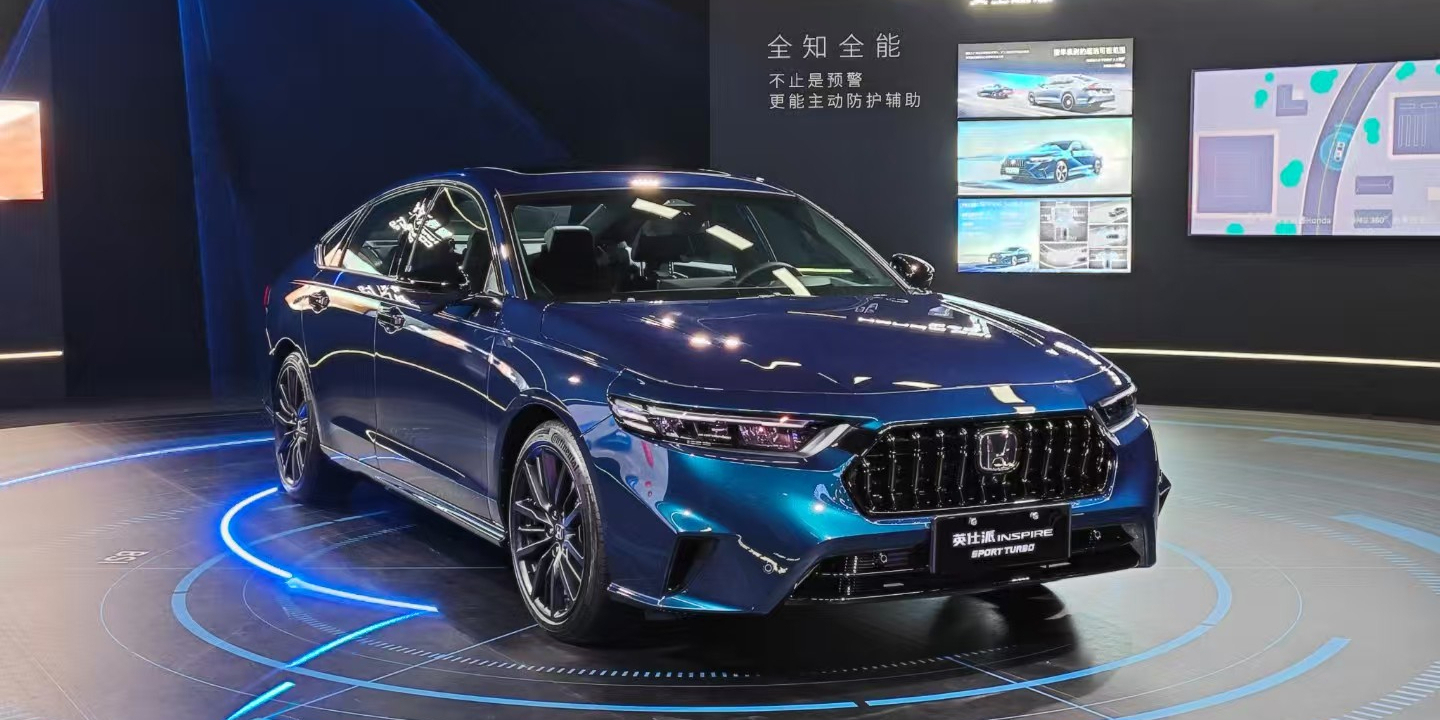
本田调整发展战略:纯电为混动让路
Jing Ji Guan Cha Wang· 2025-05-23 01:48
Core Viewpoint - Honda is adjusting its automotive strategy by focusing on enhancing smart technology and accelerating hybrid vehicle development while slowing down its electric vehicle (EV) initiatives due to a changing market environment and regulatory landscape [2][3][4]. Group 1: Strategic Adjustments - Honda plans to strengthen its competitiveness in electric and hybrid vehicles by enhancing smart technology and adjusting its powertrain product matrix [2][3]. - The company aims to achieve over 3.6 million vehicle sales by 2030, with hybrid models expected to account for 2.2 million of those sales [2]. - Honda's new ADAS system will be developed for North America and Japan, while a localized version will be created in partnership with Momenta for the Chinese market [3]. Group 2: Market Position and Challenges - The slowdown in EV development may hinder Honda's competitiveness in China's rapidly growing EV market, where local brands dominate [2][5]. - Honda's global electric vehicle sales target has been revised down from 30% by 2030, reflecting a shift in focus towards hybrid technology [4]. - Honda's sales in China have significantly declined, with a 40.83% year-on-year drop in April 2023, indicating challenges in maintaining market share [6]. Group 3: Collaboration and Future Plans - Honda is collaborating with local Chinese companies to integrate smart technologies into its new models, aiming to enhance competitiveness in the EV sector [5][7]. - The company plans to introduce 13 new hybrid models globally between 2027 and 2030, leveraging advancements in hybrid technology to improve fuel efficiency and reduce costs [3][4]. - Honda's new branding strategy will be implemented in 2027, with a focus on hybrid models adopting a unique logo [4].