中国铝业

Search documents
有色及贵金属周报:流动性预期回摆,无碍长多逻辑延续-20260119
Orient Securities· 2026-01-19 02:43
Investment Rating - The report maintains a positive outlook on the non-ferrous metals industry [6] Core Viewpoints - The report indicates that negative feedback is intensifying, leading to potential price fluctuations. As industrial product prices rise, domestic downstream negative feedback is increasing, resulting in accelerated inventory accumulation. Recent margin increases by CME and SHFE for certain products may lead to significant short-term price volatility in industrial metals. However, the overall bullish trend for industrial products remains unchanged under the support of domestic and international policies [3][9] Summary by Sections 1. Cycle Assessment - Liquidity expectations are rebounding, which does not hinder the long-term bullish logic. Recent statements from Trump favoring Hassett for the National Economic Council chair have increased market expectations for the next Federal Reserve chair. The probability of a rate cut in April has dropped to 30%. This may lead to price fluctuations in precious metals due to the weakened short-term rate cut narrative. In the industrial sector, as prices rise, negative feedback from domestic downstream is intensifying, and inventory is accumulating rapidly [9][13] 2. Industry and Stock Performance - The non-ferrous metals sector rose by 3.03% in the week ending January 16, ranking third among all industries [18] 3. Precious Metals - Short-term rate cut narratives are challenged, leading to potential price fluctuations in precious metals. For the week ending January 16, SHFE gold rose by 2.57% to 1,032.32 CNY per gram, while COMEX gold increased by 2.62% to 4,590.00 USD per ounce. SHFE silver surged by 20.03% to 22,483.00 CNY per kilogram, and COMEX silver rose by 12.30% to 89.19 USD per ounce [14][15][29] 4. Copper - Negative feedback is intensifying, leading to increased price volatility for copper. For the week ending January 16, SHFE copper fell by 0.63% to 100,770 CNY per ton, while LME copper decreased by 1.50% to 12,803 USD per ton. The supply side remains tight, and the transmission to the smelting end is approaching [17][28] 5. Aluminum - The processing operation remains resilient, and the profit per ton of aluminum is expected to stay high. For the week ending January 16, SHFE aluminum fell by 1.66% to 23,925 CNY per ton, while LME aluminum decreased by 0.06% to 3,134 USD per ton. The processing operation rate slightly increased to 60.2%, with overall inventory accumulating [16][89]





有色钢铁行业周观点(2026年第3周):持续关注工业金属的战略机会
Orient Securities· 2026-01-19 02:24
Investment Rating - The report maintains a "Positive" investment rating for the non-ferrous and steel industry in China [6]. Core Views - The report emphasizes the strategic opportunities in industrial metals, suggesting a focus on this sector as the global trend of de-globalization deepens and the technological attributes of strategic metals increase. With copper prices approaching 100,000, it is seen as a favorable time for strategic allocation in industrial metals [9][14]. - The zinc sector is highlighted as an overlooked basic material in the context of de-globalization, with improving supply-demand dynamics expected to drive prices higher. The report notes that the recent decline in zinc smelting fees indicates ongoing supply tightness, and there is optimism regarding demand from re-industrialization in Asia, Africa, and Latin America [9][14]. - The copper sector is viewed positively, with short-term price fluctuations not affecting the upward trend in equities. The report anticipates improvements in copper prices and smelting fees due to supply constraints and upcoming mine restarts [9][15]. - The aluminum sector is expected to benefit from geopolitical concerns, with China's electrolytic aluminum industry poised to enjoy valuation premiums due to its supply chain security and competitive advantages [9][16]. Summary by Sections Industrial Metals - The report suggests focusing on industrial metals as the market sentiment cools, with potential investment opportunities emerging [9][14]. - Zinc is identified as a critical material with a positive outlook due to supply-demand improvements and infrastructure needs in developing regions [9][14]. - Copper is expected to see price stability and profit improvements for smelting companies as major mines plan to resume operations [9][15]. - Aluminum is projected to experience steady growth in profitability, supported by supply chain advantages and rising demand for aluminum as a substitute for copper [9][16]. Steel Industry - The steel sector is currently facing a weak fundamental backdrop as it approaches the seasonal low around the Spring Festival, with expectations for policy measures to support the industry [17]. - Steel production has seen a slight decrease, with rebar consumption increasing by 8.79% week-on-week, indicating a marginal strengthening in demand [22][17]. - Inventory levels show a divergence between social and steel mill stocks, with total steel inventory slightly increasing [24]. - Steel prices have generally seen a minor increase, with the overall price index rising by 0.15% [36]. New Energy Metals - Lithium carbonate production in December 2025 saw a significant year-on-year increase of 69.09%, indicating strong supply growth in the new energy sector [40]. - The demand for new energy vehicles remains robust, with production and sales showing substantial year-on-year growth [44]. - Prices for lithium and cobalt have risen, reflecting the increasing demand and supply dynamics in the new energy metals market [49][50].
库存累积叠加关税预期推迟,铜价短期或迎来高位震荡
Zhong Guo Neng Yuan Wang· 2026-01-19 01:55
Group 1: Lithium Market - Lithium battery demand remains strong despite the off-season, with a reversal in supply and demand for lithium carbonate, leading to an upward price trend [4] - This week, lithium carbonate prices increased by 12.86% to 158,000 CNY/ton, while spodumene concentrate rose by 5.32% to 1,980 USD/ton [4] - The main futures contract for lithium carbonate rose by 1.94% to 146,200 CNY/ton, although there was a limit down on Friday due to increased regulatory scrutiny and profit-taking by speculative funds [4] Group 2: Copper Market - Copper prices may experience high volatility in the short term due to inventory accumulation and delayed tariff expectations, with LME copper down by 0.50% [2] - Significant inventory increases were noted, with LME copper inventory rising by 3.31% to 144,000 tons, and domestic electrolytic copper social inventory up by 17.20% to 321,000 tons [2] - The operating rate for electrolytic copper rods increased by 9.65 percentage points to 57.47%, indicating a potential demand recovery [2] Group 3: Aluminum Market - Aluminum prices are expected to face high volatility due to inventory accumulation, with domestic aluminum inventory increasing by 29.24% to 185,900 tons [3] - The price of alumina fell by 1.12% to 2,655 CNY/ton, while electrolytic aluminum prices rose by 0.83% to 24,200 CNY/ton [3] - The demand for aluminum may increase due to the "aluminum replacing copper" trend in the home appliance sector, driven by high copper prices [3] Group 4: Cobalt Market - The cobalt raw material supply remains tight, with cobalt prices expected to continue rising, as MB cobalt increased by 0.59% to 25.68 USD/pound [5] - The Democratic Republic of Congo has lifted its cobalt export ban, implementing a quota system instead, which may affect the timing of raw material availability in the domestic market [5] - The structural tightness in cobalt raw materials is expected to persist, supporting upward price momentum [5]
光大证券:重视各国战略金属收储带来投资机会 全面看好战略金属价值重估
智通财经网· 2026-01-19 01:52
Core Viewpoint - The report from Everbright Securities highlights the increasing importance of strategic metals (copper, aluminum, cobalt, nickel, tin, antimony, tungsten, rare earths) due to supply disruptions and the limitations in production capacity in China and abroad [1][2]. Group 1: Strategic Metal Storage Initiatives - Australia announced a strategic reserve plan for critical minerals worth AUD 1.2 billion, with AUD 185 million allocated for necessary mineral reserves, prioritizing antimony, gallium, and rare earths [2] - The European Commission approved a resource revival action plan to raise EUR 3 billion for supply chain strategies, establishing a platform to support critical material reserves [2] - The U.S. Defense Logistics Agency (DLA) plans to procure USD 500 million in cobalt, USD 245 million in antimony, USD 100 million in tantalum, and USD 45 million in scandium [2] Group 2: Investment Opportunities in Strategic Metals - The focus on strategic metal storage in the U.S. and Australia presents significant investment opportunities, particularly in metals with concentrated supply chains and security risks, such as cobalt from the Democratic Republic of Congo and lithium from South America [3] - The rapid development of AI and energy transition is expected to drive demand for copper, aluminum, and tin, although supply constraints exist for these metals [4] - Military-related metals like tungsten, antimony, and rare earths are facing tightening supply, with production declines attributed to lower resource grades and regulatory controls [5] Group 3: Supply Concentration and Constraints - Copper, lithium, cobalt, and nickel supply is highly concentrated in South America, the Democratic Republic of Congo, and Indonesia, with Chile and Peru accounting for 35% of global copper production and the Democratic Republic of Congo producing 76% of global cobalt [4] - The rapid growth of AI is expected to significantly increase demand for copper, aluminum, and tin, but supply for these metals is constrained [4] - Tungsten, antimony, and rare earths are critical for military applications, but their production has decreased due to resource management practices and regulatory measures [5] Group 4: Investment Recommendations - For copper, recommended companies include Zijin Mining, Luoyang Molybdenum, and Western Mining [5] - For aluminum, Yunnan Aluminum is recommended, with China Aluminum as a focus [5] - For cobalt and nickel, Huayou Cobalt is recommended, with attention to Liqin Resources and Shengtun Mining [5] - For tungsten, focus on China Tungsten High-tech [5] - For tin, Xiyang Tin Industry is recommended, with interest in Xingye Silver Tin [5] - For antimony, Huaxi Nonferrous is highlighted, and for rare earths, Northern Rare Earth is recommended with a focus on China Rare Earth [5]

晨会纪要-20260119
Guoxin Securities· 2026-01-19 01:35
Group 1: Outdoor Apparel Industry - The outdoor footwear and apparel industry has maintained rapid growth since 2021, with a CAGR of 25.3% for outdoor apparel and 18.4% for outdoor footwear, projected to grow by 24.5% and 16.3% year-on-year in 2025 respectively [24][26] - Online sales of outdoor footwear are growing faster than apparel, with outdoor footwear online sales growth maintaining over 40%, while certain apparel categories like jackets and sun-protective clothing are experiencing slower growth [24][26] - Key outdoor brands such as Kailas and Berghaus are showing strong momentum, while brands like The North Face are underperforming; the market is becoming more diversified with new brands emerging [25][26] Group 2: AI Application in Computing Industry - Major international companies are focusing on AI application in vertical scenarios, with OpenAI and Anthropic launching healthcare-focused AI models, enhancing compliance and professional services [28] - Domestic companies are also advancing in AI applications, with Alibaba upgrading health services and Tencent providing comprehensive support for mini-programs, indicating a strong push towards AI integration [28] - The market for AI applications is expected to see significant growth, with predictions indicating that the GEO market will reach $24 billion globally by 2026, driven by high consumer trust in AI applications in China [30][32] Group 3: Public Utilities Industry - The public utilities sector, including electricity, gas, and water, is characterized by its "essential" nature, with stable long-term growth prospects [32] - The transition to low-carbon energy sources is accelerating, with the share of clean energy consumption expected to reach 28.6% of total energy consumption by 2024, up 2.2 percentage points year-on-year [32][33] - There is a growing trend of overseas funds over-allocating to the public utilities sector, with significant increases in holdings by institutional investors in this industry [33]





中金 | 铝的新时代之三:电解铝重估风鹏正举
中金点睛· 2026-01-19 01:31
Core Viewpoint - The article emphasizes the importance of selecting stocks based on three criteria: high capacity-to-market value ratio, ability to expand overseas, and the current bottoming of alumina prices, suggesting a focus on companies with high self-sufficiency in alumina amid potential supply disruptions [1][3][4] Supply Side - Global supply elasticity is decreasing and vulnerability is increasing due to factors such as peak domestic capacity in China, energy constraints in Europe and the US, and power supply issues in Indonesia, leading to a projected global supply CAGR of 1.4% from 2025 to 2030 [3][5] - China's electrolytic aluminum production capacity is nearing its limit, with a forecasted production of 4,430 million tons in 2025, reflecting a growth rate of only 2.4% [9] - The US and Europe face challenges in restoring electrolytic aluminum capacity due to high energy costs and tight power supplies, which will slow down recovery and limit new capacity [10][11] - Indonesia is expected to contribute significantly to future global electrolytic aluminum growth, but power supply constraints will hinder rapid capacity release [13][16] Demand Side - Global aluminum demand is projected to grow at a CAGR of 2.3% from 2025 to 2030, driven by traditional demand recovery and emerging sectors like energy storage and data centers [18][22] - Traditional demand is expected to benefit from fiscal and monetary easing, with a projected decrease in the real estate sector's contribution to aluminum demand [22][23] - New industries, particularly energy storage and data centers, are becoming significant drivers of aluminum demand, with projected CAGRs of 26% and 13% respectively from 2025 to 2030 [26][30] Cost Factors - Alumina prices are expected to rebound due to supply-side constraints and policy changes in Guinea, despite current oversupply conditions [36][38] - The energy transition is anticipated to lower the costs of green electricity for electrolytic aluminum production, although short-term carbon taxes may raise energy costs [40][56] - Coal prices are expected to remain low, which will help suppress the costs of thermal power generation for electrolytic aluminum [41] Growth Opportunities - The Chinese aluminum industry is accelerating its overseas expansion due to domestic resource shortages and capacity constraints, with significant investments in regions like Guinea and Southeast Asia [42][45] - Guinea is highlighted as a key player in the alumina market, with plans to enhance local processing capabilities and attract investment [46] - Indonesia is emerging as a major hub for the aluminum industry, supported by government policies aimed at developing its domestic aluminum value chain [47] - Angola's rich hydropower resources and supportive policies are attracting investments in electrolytic aluminum production [48][49] - The Middle East is positioned as a cost-competitive region for aluminum production due to its abundant natural gas resources [50][51] Price Outlook - The electrolytic aluminum sector is expected to experience a revaluation as supply constraints and rising demand support higher aluminum prices, with potential for significant profit expansion [52][55] - The article suggests that the sector is transitioning from a purely cyclical nature to one that also includes dividend stability, making it an attractive investment opportunity [58]



三次左转,便是右转。
Ge Long Hui· 2026-01-19 01:27
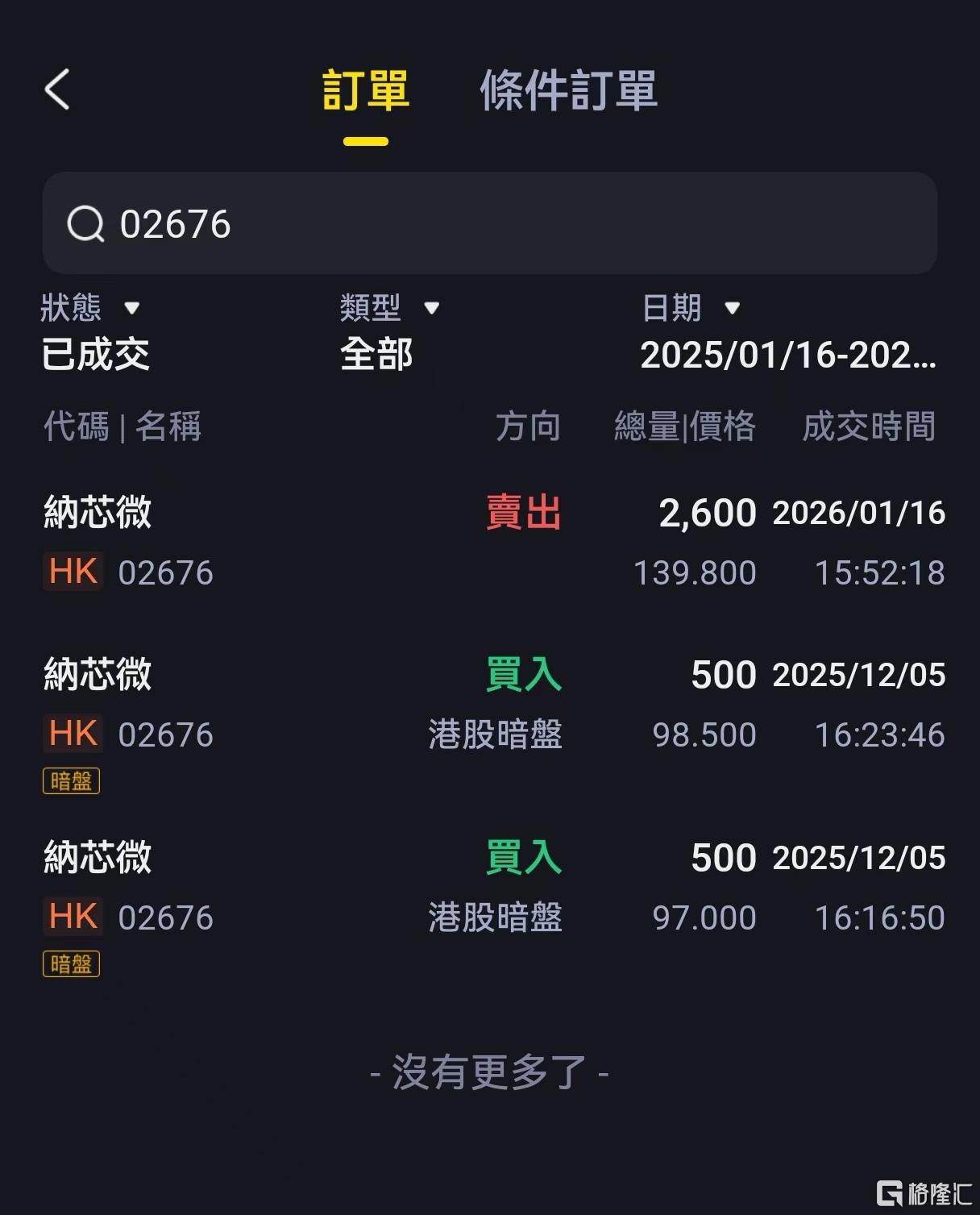
Group 1: Hong Kong IPO Market - The recent performance of Hong Kong IPOs has been mixed, with some companies like Tianri, MINI, Ruibo, and Birun being sold a day early, leading to missed opportunities for investors [1] - The analyst highlights the significant difference in subscription rates between Naxinwei (25 times) and Zhuoyue Ruixin (4813 times), suggesting that Naxinwei may offer better profitability despite lower demand [1] - The current batch of IPOs is limited, with Dragon Flag Technology being the only notable option, but it is expected to be difficult to acquire shares due to a discount greater than 40% [1] Group 2: Ctrip's Market Position and Regulatory Challenges - Ctrip is recognized as a leader in the online travel market, with a 60% growth in international business last year and a dominant share in the domestic online travel agency market [4] - The company is currently under investigation for monopolistic practices, which has led to a significant drop in its stock price [4][6] - Despite the regulatory challenges, Ctrip's financial health remains strong, with substantial cash reserves that can absorb potential fines estimated at 4 billion RMB [6] Group 3: Market Sentiment and Investment Strategy - The A-share market has shown resilience with a record high in margin financing, indicating strong investor sentiment despite recent declines [3] - The experience from previous regulatory actions against companies like Alibaba and Meituan suggests that the stock price may experience a temporary drop of 20%-40% before stabilizing [6] - The importance of patience in investment is emphasized, as good opportunities often arise after periods of volatility and negative sentiment [6]


趋势研判!2026年中国空调铝箔行业产业链、发展现状、竞争格局及发展趋势分析:受下游需求变化,行业产量呈波动态势[图]
Chan Ye Xin Xi Wang· 2026-01-19 01:09
Core Viewpoint - The air conditioning aluminum foil industry is experiencing fluctuations in production due to varying market demands, with a projected increase in production in 2024 followed by a decline in 2025 due to rising inventory levels [1][7]. Industry Overview - Air conditioning aluminum foil is a critical material in the air conditioning manufacturing sector, known for its lightweight, corrosion resistance, and thermal conductivity [1][3]. - The industry is divided into non-coated and coated aluminum foil, with the latter gaining traction in recent years due to its enhanced functionality [3]. Production Trends - China's air conditioning aluminum foil production saw a significant drop to 860,000 tons in 2022, a 14% decrease year-on-year, due to the impact of the pandemic [1][7]. - In 2023, production began to recover, and by 2024, it is expected to reach 1,060,000 tons, a 1.9% increase from the previous year [1][7]. - However, a forecast for 2025 indicates a decline to 1,020,000 tons, a reduction of approximately 40,000 tons or 3.8% [1][7]. Industry Chain - The upstream of the air conditioning aluminum foil industry includes raw materials such as bauxite, alumina, electrolytic aluminum, and recycled aluminum [5]. - The production of electrolytic aluminum is crucial, with China's output projected to grow from 35.13 million tons in 2019 to 44.00 million tons by 2024 [5][6]. Competitive Landscape - The air conditioning aluminum foil market is characterized by a diverse competitive landscape, with large companies dominating due to scale and technology, while smaller firms seek market opportunities through flexible strategies [9]. - Key players include Jiangsu Dingsheng New Material Co., Ltd., Guangdong Dongyangguang Technology Holdings Co., Ltd., and Jiangsu Chang Aluminum Group Co., Ltd., among others [9][10]. Development Trends - Technological innovation is driving the industry forward, with companies investing in R&D to enhance product quality and performance [11]. - Environmental policies are pushing the industry towards more sustainable practices, creating opportunities for the development of recyclable and biodegradable aluminum foil materials [12]. - The industry is expected to undergo consolidation and restructuring, optimizing the industry structure and improving production efficiency [13].


有色钢铁行业周观点(2026年第3周):持续关注工业金属的战略机会-20260119
Orient Securities· 2026-01-19 01:02
Investment Rating - The report maintains a "Positive" outlook for the non-ferrous and steel industry in China [6] Core Views - Continuous focus on strategic opportunities in industrial metals is emphasized, with a recommendation to concentrate on the industrial metal sector as the market sentiment cools and volatility increases [9][14] - The zinc sector is highlighted as an overlooked foundational material in the context of de-globalization, with expectations for price increases due to improving supply-demand dynamics [9][14] - The copper sector is viewed positively in the medium term, with expectations for price and smelting fee improvements despite short-term fluctuations [9][15] - The aluminum sector is expected to benefit from supply chain security and competitive advantages, leading to potential valuation premiums [9][16] Summary by Sections Industrial Metals - The report suggests that industrial metals are entering a favorable strategic allocation period as copper prices approach 100,000 [9][14] - Zinc is expected to see price increases driven by demand from re-industrialization in Asia, Africa, and Latin America, despite domestic construction concerns [9][14] - Copper prices are anticipated to improve due to supply constraints, with significant copper mines expected to resume production in 2026 [9][15] - The aluminum sector is projected to experience steady profit growth due to enhanced supply chain security and rising aluminum prices [9][16] Steel Industry - The steel industry is facing a weak fundamental outlook as it approaches the seasonal low around the Spring Festival, with expectations for policy measures to support the sector [17] - Weekly rebar consumption increased by 8.79% week-on-week, indicating a marginal strengthening in demand [22] - Steel production saw a slight decrease, with iron output down by 0.65% and rebar production down by 0.39% [19][22] - Steel prices have shown a slight increase, with the overall steel price index rising by 0.15% [36] New Energy Metals - Lithium carbonate production in December 2025 saw a significant year-on-year increase of 69.09%, indicating strong supply growth [40] - The demand for new energy vehicles remains robust, with production and sales showing substantial year-on-year growth [44] - Prices for lithium and cobalt have risen significantly, reflecting strong market demand [49][51]
智通港股通资金流向统计(T+2)|1月19日
智通财经网· 2026-01-18 23:34
Group 1 - Tencent Holdings (00700), Alibaba Health (00241), and Alibaba Group-W (09988) ranked the top three in net inflow of southbound funds, with net inflows of 2.012 billion, 1.440 billion, and 1.128 billion respectively [1][2] - China Mobile (00941), Haidilao (06862), and China Aluminum (02600) ranked the top three in net outflow of southbound funds, with net outflows of -756 million, -460 million, and -434 million respectively [1][2] - Shenzhen Expressway (00548), Jiangsu Nanjing-Hangzhou Expressway (00177), and Anhui Wanan Expressway (00995) had the highest net inflow ratios at 73.29%, 68.10%, and 64.90% respectively [1][3] Group 2 - The top ten stocks by net inflow included Tencent Holdings (20.12 billion), Alibaba Health (14.40 billion), and Alibaba Group-W (11.28 billion), with respective closing prices of 633.000 (+0.88%), 7.780 (+18.96%), and 169.000 (+5.69%) [2] - The top ten stocks by net outflow included China Mobile (-7.56 billion), Haidilao (-4.60 billion), and China Aluminum (-4.34 billion), with respective closing prices of 80.800 (-0.19%), 15.740 (+9.15%), and 13.440 (-1.18%) [2] - The top three stocks by net outflow ratio were Industrial Bank of China Southern (03167) at -100.00%, Yancoal Australia (03668) at -62.10%, and Zhengzhou Bank (06196) at -60.19% [3]