
卡游

Search documents
年终盘点|不只是LABUBU!中国潮玩走向全球
Sou Hu Cai Jing· 2025-12-31 19:46
Core Viewpoint - The潮玩 (trendy toy) market is experiencing significant growth, driven by "emotional consumption," with LABUBU's global success marking a pivotal moment in 2025 [2][3]. Group 1: Market Growth and Trends - The潮玩 market in China is projected to grow from 229 billion in 2020 to 763 billion by 2024, with expectations to surpass 1 trillion by 2026 [5]. - In 2025, emotional consumption has become a key trend, leading to a surge in潮玩 popularity, particularly following LABUBU's breakout success [2][3]. - The潮玩 industry has seen a rapid increase in new registrations, with 9,787潮玩-related companies established in 2025, bringing the total to 25,000 [5]. Group 2: Company Performance - Bubble Mart reported a revenue of 138.8 billion in the first half of 2025, a 204.4% increase year-on-year, with an adjusted net profit of 47.1 billion, up 362.8% [3]. - LABUBU's segment, THE MONSTERS, generated 48.1 billion in revenue, achieving a staggering 668% year-on-year growth [3]. - Bubble Mart's international revenue showed remarkable growth, with the Americas experiencing a 1,142.3% increase and Europe seeing a 729.2% rise [8]. Group 3: International Expansion - Bubble Mart participated in the Macy's Thanksgiving Day Parade in New York, becoming the first Chinese brand to feature an original潮玩 IP in the event [6]. - The company has seen long queues at its overseas stores, indicating strong demand for LABUBU products [6]. - Other潮玩 brands like 52TOYS and TOP TOY are also expanding internationally, with TOP TOY planning to open over 1,000 stores in 100 countries within five years [9]. Group 4: Development of Proprietary IP - The success of LABUBU has prompted潮玩 brands to focus on developing proprietary IP, which offers greater brand autonomy compared to licensed IP [10]. - TOP TOY's revenue from proprietary IP remains low, with only 610,000 generated in the first half of 2025, compared to 6.15 billion from licensed IP [10]. - Both 52TOYS and TOP TOY are increasing their investment in proprietary IP, with 52TOYS launching multiple original潮玩 IPs in 2025 [12]. Group 5: Marketing Strategies - The rise of明星营销 (celebrity marketing) has become a significant strategy for潮玩 brands, with various brands collaborating with popular figures to boost visibility and sales [16]. - Brands are recognizing that while celebrity endorsements can drive initial interest, sustained success requires effective brand management and product quality [16].

央媒定调后,万亿“谷子经济”的产业突围
Sou Hu Cai Jing· 2025-12-29 11:27
Core Insights - The "Guzi Economy" has transitioned from a niche youth subculture to a mainstream economic phenomenon, recognized by state media as a significant driver of economic vitality [2][3] - This shift indicates a clear industrial form emerging from emotional-driven consumption, with card games and collectibles leading the way in the cultural and creative economy [2] Group 1: Economic Impact and Industry Recognition - The "Guzi Economy" is characterized by emotional value, social attributes, and community identity, serving as a cultural psychological foundation for understanding its economic significance [3] - The cultural and creative industry in Shanghai's Suhe Bay has generated a cumulative tax revenue of 35 billion yuan, demonstrating the economic impact of the "Guzi Economy" [5] - The transformation of "Guzi" from a youth subculture to a recognized industry reflects policy support for emerging cultural entrepreneurship [5] Group 2: Industry Evolution and Business Models - The "Guzi Economy" is evolving from a reliance on single hit products to a more sustainable industrial economy, driven by emotional IP, systematic product offerings, and active communities [8] - Different business models are emerging within the "Guzi Economy," with companies like KAYOU focusing on deep operational strategies and others like Pop Mart emphasizing rapid global expansion [9][13] - KAYOU has established a clear industrial path through partnerships with over 70 well-known IPs, creating a robust product ecosystem that enhances consumer engagement [10][19] Group 3: Global Expansion and Market Strategies - KAYOU is actively pursuing global expansion, having established subsidiaries in Japan, the U.S., and Hong Kong, and is promoting its products in various international markets [12] - Pop Mart's strategy involves localizing its successful business model in overseas markets, focusing on brand and product replication to enhance its global presence [13] - Both companies exemplify the diverse strategies within the "Guzi Economy," showcasing the potential for cultural products to gain international traction [14] Group 4: Future Outlook and Challenges - The sustainability of the "Guzi Economy" will depend on its ability to create lasting content, integrate with advanced technologies, and establish a unique position in global markets [15][17] - The current landscape shows a need for a mature IP development system, as many domestic IPs lack leading works, highlighting the importance of long-term investment in original content [17] - Policy support for original IP cultivation is crucial, with initiatives aimed at enhancing the cultural industry and promoting high-quality development [18][19]

卡游:文化产业的创新实践者
Zhong Guo Jing Ji Wang· 2025-12-29 08:27
Core Insights - 2025 is a pivotal year for the company to deepen its strategic layout and achieve breakthroughs in the market, with a focus on expanding beyond traditional card products into new categories like plush toys and stationery, thereby enhancing revenue and user engagement [1] - The company is transitioning from traditional manufacturing to intelligent manufacturing, investing heavily in advanced printing technology to ensure high-quality card production [2] - The company is building a diverse content ecosystem through international and domestic IP development, appealing to various age groups and enhancing cultural value [3] - The company is committed to social responsibility, engaging in public welfare and advocating for industry standards to promote healthy market practices [4] - Future plans include leveraging new technologies like AI and VR, expanding international cooperation, and developing culturally relevant products while maintaining industry leadership [5][6] Group 1: Strategic Expansion - The company aims to lead the collectible card market while diversifying into new product categories, creating a multi-faceted ecosystem that enhances user loyalty [1] - The opening of flagship stores in Thailand marks a significant step in the company's global expansion strategy [1] Group 2: Technological Innovation - The company is adopting cutting-edge printing technology to improve product quality and aesthetic appeal, ensuring that cards are not only functional but also artistic [2] - The implementation of an automated logistics system and rigorous quality control measures underscores the company's commitment to excellence [2] Group 3: Content Development - The company is successfully integrating international IPs and developing original domestic IPs, creating a rich content matrix that resonates with diverse audiences [3] - Collaborations with various media platforms and interactive events are enhancing the emotional connection between consumers and the company's products [3] Group 4: Social Responsibility - The company actively participates in public welfare initiatives, focusing on educating youth about self-protection and promoting healthy industry practices [4] - The company is involved in setting industry standards, aiming to lead by example in quality control and ethical practices [4] Group 5: Future Outlook - The company plans to continue its focus on technological innovation and cultural product development, aiming to enhance its global presence and cultural influence [5][6] - Future initiatives will include the development of products addressing mental health and environmental themes, alongside ongoing efforts to promote Chinese culture internationally [5][6]
抢滩1500亿市场,卡牌巨头的第二增长曲线
2 1 Shi Ji Jing Ji Bao Dao· 2025-12-27 03:09
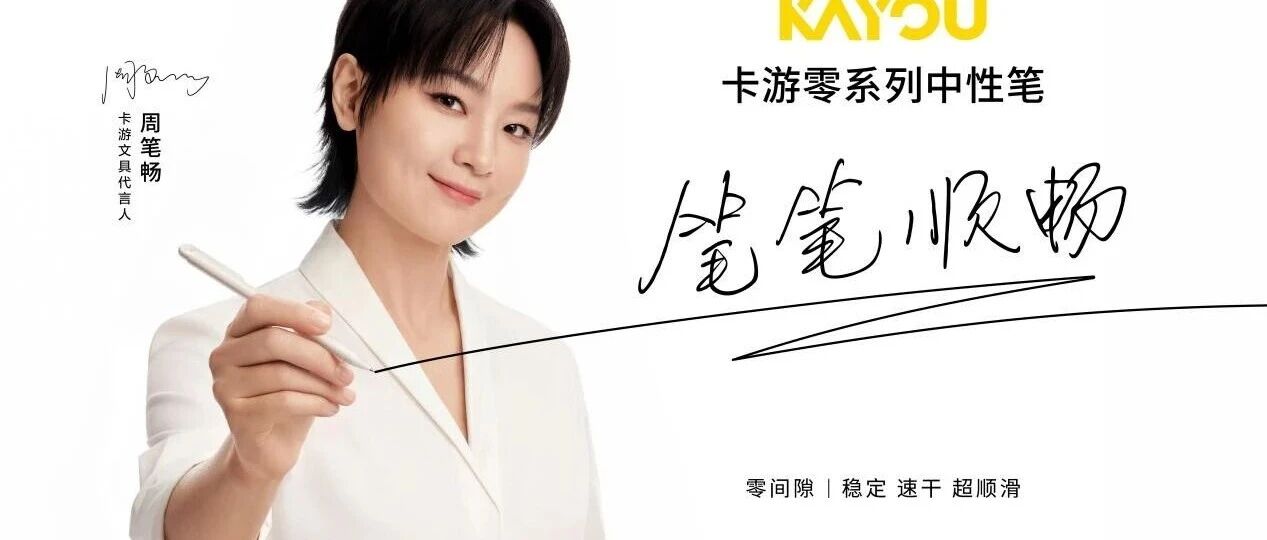
Core Insights - The article highlights the unexpected success of KAYOU, a leading card game manufacturer in China, in the stationery market, particularly with its neutral pens that have received positive user feedback [1][4] - The rise of KAYOU's pen products reflects a broader trend in the Chinese market towards consumption upgrades, where consumers seek products that combine aesthetic appeal and practical functionality [1][3] Group 1: Market Trends - The Z generation's consumption preferences have shifted from "cost-performance ratio" to "emotional value," emphasizing the importance of obtaining emotional satisfaction from purchases [2] - The stationery market in China is projected to reach a scale of 132.2 billion yuan in 2024, showing significant growth from 71.2 billion yuan in 2019, with expectations to exceed 150 billion yuan by 2025 [5] Group 2: KAYOU's Strategy - KAYOU's strategy involves deep development of its IP (intellectual property) in its card products, enhancing aesthetic appeal and offering diverse gameplay, which has become a symbol of identity for consumers [3][4] - The company has successfully integrated its brand identity with quality stationery products, leveraging its established IP connections to penetrate the stationery market [4][5] Group 3: Product Quality and Production - KAYOU's neutral pens are produced with high precision, requiring 5-6 sets of molds and over 1,000 high-precision parts, ensuring superior product quality [8] - The production process includes 24 steps for the pen tip alone, which helps prevent issues like ink skipping, thereby enhancing user experience [8] Group 4: Distribution and Marketing - KAYOU has built a robust retail distribution network that includes supermarkets, specialty stores, and campus shops, facilitating effective product placement and consumer reach [9] - The company has developed a mature online marketing system that supports social media promotion and sales for its stationery products, aligning with the preferences of the Z generation [9][10] Group 5: Brand Positioning - KAYOU aims to establish a strong brand identity that resonates with young consumers, focusing on high-quality, stylish, and emotionally engaging products [9][10] - The company’s approach combines aesthetics, functionality, and emotional value, positioning it well in the evolving consumer landscape [10]
抢滩1500亿市场,卡牌巨头的第二增长曲线
21世纪经济报道· 2025-12-27 03:06
Core Insights - The article highlights the successful entry of KAYOU, a leading card game manufacturer in China, into the stationery market with its neutral pen products, which have received positive user feedback and are seen as a reflection of consumer demand for quality and cultural value in everyday items [1][4][6] Group 1: Market Trends and Consumer Preferences - The Z generation's consumption preferences have shifted from "cost-performance ratio" to "emotional value," emphasizing the importance of aesthetics, functionality, and emotional satisfaction in products [2][3] - KAYOU's strategy involves leveraging its established IP card business to enhance the appeal of its stationery products, creating a multi-dimensional emotional value for consumers through aesthetic and functional design [3][4] Group 2: Product Quality and Manufacturing - KAYOU's neutral pen production involves a complex manufacturing process requiring 5-6 sets of molds and over 1,000 high-precision components, ensuring high product quality that can compete with leading brands [9][11] - The meticulous production process, including 24 production steps for the pen tip, is crucial for achieving a reliable writing experience, which has contributed to KAYOU's positive market reputation [11] Group 3: Distribution and Brand Strategy - KAYOU has established a robust distribution network through its card game business, allowing for effective market penetration and product visibility in both offline and online channels [11][12] - The brand's focus on high-quality, youthful, and companion-like products aligns with the preferences of the Z generation, fostering a strong emotional connection with consumers [11][12] Group 4: Market Position and Future Outlook - The stationery market in China is projected to reach 132.2 billion yuan in 2024, with KAYOU holding significant market shares in both collectible card and stationery sectors, at 71.1% and 24.3% respectively [4][7] - KAYOU aims to expand its market presence by integrating its product offerings with the evolving demands of consumers, focusing on aesthetics, functionality, and emotional engagement [12]
国潮崛起:传统文化与现代潮流的双向奔赴
Zhong Guo Jing Ji Wang· 2025-12-26 07:32
Core Viewpoint - In 2025, the "Guochao" (national trend) has evolved from a cultural consumption trend to a significant force driving economic growth and showcasing cultural confidence, permeating daily life through various forms such as fashion, film, and creative products [1][2]. Group 1: Cultural and Economic Impact - Guochao elements have become a central focus in the 2025 consumer market and cultural sector, with traditional elements like embroidery and Chinese-style clothing seeing high demand and significant online sales growth [2][3]. - The integration of Guochao culture into films and television has led to high viewership and social media engagement, with popular themes including traditional medicine and revolutionary history [2][3]. - The State Council has emphasized the development of fashionable Guochao products across various sectors, targeting younger consumers who value cultural identity and personalized consumption [3][4]. Group 2: Media and Event Engagement - Variety shows featuring Guochao themes have gained popularity, combining traditional music and modern trends, while cultural events like the Huairou Guochao Cultural Season have attracted large audiences [4][5]. - The creative product sector has seen innovative expressions of traditional culture, with brands utilizing classic Chinese literature and art styles to appeal to younger demographics [4][5]. Group 3: Challenges and Future Directions - Despite the positive growth of Guochao culture, challenges include superficial cultural representation and product homogenization, which may lead to consumer fatigue [5][6]. - Future development should focus on deeper cultural research and innovative design, as well as expanding the integration of Guochao with various industries like film, tourism, and technology [5][6]. - There is a need for Guochao culture to engage internationally, utilizing social media and collaborations with global IPs to effectively communicate Chinese culture to the world [5][6].
下一个泡泡玛特始终难产 | 巨潮
Xin Lang Cai Jing· 2025-12-23 04:58
Core Insights - The core of the article emphasizes the unique business model of Pop Mart, which leverages strong IP and a light asset structure to create a highly profitable commercial empire with a gross margin of 70.3% in the first half of the year and a loyal customer base of 59 million contributing over 90% of sales [1][17]. Group 1: Pop Mart's Business Model - Pop Mart's success is attributed to its strong IP and high repurchase rates, with customers making an average of 6.8 purchases per year and a repurchase rate exceeding 50%, significantly higher than luxury brands like LV [1][17]. - The emotional economy plays a crucial role in Pop Mart's rise, paralleling historical trends in Japan and the U.S. where similar consumer behaviors emerged during economic downturns [2][18]. Group 2: Competitors and Market Dynamics - Card Game (卡游) is the largest competitor to Pop Mart, reporting revenue of 10.057 billion and a net profit of 4.466 billion, with a gross margin of 68.2% [3][19]. - Despite its success, Card Game faces challenges due to its heavy reliance on IP licensing, with 73% of its revenue coming from Ultraman-related products, raising concerns about sustainability if licensing fees increase [19][20]. - 52TOYS, another competitor, has a gross margin of 68.2% and is noted for its potential to go public, but it missed critical opportunities in IP development compared to Pop Mart [5][20][22]. Group 3: Market Trends and Emotional Economy - The emotional economy is expanding beyond toys, with significant growth in pet-related products and services, reflecting changing consumer needs as birth rates decline [27][30]. - Companies like pidan and PETKIT are capitalizing on the emotional needs of pet owners, with pidan achieving sales of 830 million and a gross margin of 58% in 2024 [29][30]. - The rise of emotional value as a core competitive advantage is evident across various sectors, indicating a shift in consumer behavior towards products that fulfill emotional needs [26][32].

IP 系列报告一:情绪消费风起,IP趣玩行业快速增长
GUOTAI HAITONG SECURITIES· 2025-12-18 02:28
Investment Rating - The report rates the industry as "Buy" [3] Core Insights - The IP food and play industry is rapidly growing under the trend of emotional consumption, with supply chain management and IP operation being the core [2][3] - The market for IP food products is expected to grow from 18.2% CAGR from 2020 to 2024, reaching a scale of 354 billion yuan, while the IP play food segment is projected to grow at a CAGR of 19.6%, reaching 115 billion yuan by 2024 [10][12] - The emotional consumption trend is driven by younger generations who prioritize identity recognition and emotional connection, leading to increased demand for IP products [15][12] Summary by Sections 1. IP Play as a Combination of IP, Food, and IP Gifts - IP play food products include collectible cards, stickers, badges, figurines, and edible toys, providing a unique experience that combines eating and playing [6][7] - Compared to regular IP food, IP play food can effectively enhance premium pricing through limited edition gifts that stimulate consumer collection desires [7][6] 2. Rapid Industry Growth and Fragmented Landscape - The Chinese IP food industry is expected to reach 431 billion yuan by 2025, with a projected CAGR of 18.5% from 2025 to 2029 [10][11] - The market is characterized by a fragmented competitive landscape, with the leading company, Jintian Animation, holding a market share of 7.6% in 2024 [3][60] 3. Supply Chain Management and IP Operation as Core Competencies - The core competitive advantage lies in supply chain control and effective IP operation, as the differentiation of snack products is low [33][34] - The cost of IP gifts is low, allowing for higher pricing of IP food products compared to non-IP snacks, with the impact of gift items potentially increasing prices by 2-3 times [52][33] 4. Domestic Brand Rise in a Fragmented Competitive Landscape - The IP food industry is experiencing a structural transformation, with domestic brands gaining prominence due to product innovation and cultural integration [60] - The top five revenue-generating companies in 2024 include Pepsi, Mars, Mondelez, Jintian Animation, and Nestle, with market shares of 5.6%, 2.9%, 2.7%, 2.5%, and 1.3% respectively [60]
奥特曼卡生产商卡游亮相读懂中国 解码年轻消费情绪密码
Sou Hu Cai Jing· 2025-12-16 06:47
Core Insights - The "Understanding China" International Conference was successfully held from November 30 to December 2, 2025, in Guangzhou [1] Group 1: Cultural New Economy - The sub-forum on "Cultural New Economy: Cultural Industry Samples of New Productive Forces" focused on how new productive forces are reshaping the cultural industry landscape [3] - Emotional value has become a key driver of consumption among the younger demographic, with card games serving as a significant cultural medium in the "Guzi" economy [3] - Card products like "Three Kingdoms Cards," "My Little Pony Cards," and "Ultraman Cards" fulfill four major functions: collection, social interaction, entertainment, and competition, resonating emotionally with young consumers [3] Group 2: Product Experience and Innovation - The company leverages a complete research, production, supply, and sales chain to convert abstract emotions into tangible product experiences [4] - Collaborating with over 70 well-known IPs globally, the company has created a diverse IP matrix to cater to different user segments [4] - The company emphasizes three strategic directions for maintaining brand vitality: national trend, craftsmanship, and internationalization, with over 30 "Guochao" IPs already in place [4] Group 3: International Expansion - The company launched the "Guochao Going Global Plan," showcasing its core card products and other merchandise at international exhibitions in cities like Jakarta, Kuala Lumpur, Tokyo, and New York [5] - Future plans include further expanding into the U.S. market to promote Chinese culture and craftsmanship through its diverse product offerings [5] Group 4: Industry Trends - The forum highlighted the vibrant life force of China's cultural creative industry, showcasing new cultural business models as key drivers of new productive forces [7] - Trends such as technology empowering culture, content-driven consumption, and ecological catalysis of industry innovation are expected to continue stimulating development potential in the cultural sector [7]
市场洞察:从市场格局、增长驱动与细分赛道了解中国集换式卡牌市场的发展现状及前景
Tou Bao Yan Jiu Yuan· 2025-12-10 12:25
Investment Rating - The report indicates a high growth potential for the Chinese collectible card market, with a compound annual growth rate (CAGR) of 67.87% from 2017 to 2024, and a projected CAGR of 11.1% from 2024 to 2029 [8][10]. Core Insights - The Chinese collectible card market is experiencing rapid expansion driven by "IP economy," "emotional consumption," and "social interaction," transitioning from a highly concentrated competitive landscape to a more diversified one [7]. - The market size has grown from RMB 700 million in 2017 to RMB 26.3 billion in 2024, with expectations to reach RMB 44.6 billion by 2029 [8][10]. - Despite the rapid growth, per capita spending in China remains significantly lower than in mature markets like Japan and the USA, indicating substantial room for growth [11]. Market Dynamics - The competitive landscape is currently dominated by a few key players, with 卡游 holding a market share of 71.1% as of 2024, while the top five companies account for 82.4% of the market [15][20]. - The core driver of the collectible card industry is the richness and exclusivity of IP resources, which are essential for building competitive strength [16]. - Channel layout and community operation are critical for maintaining market position, with 卡游 leveraging a robust multi-channel sales network [17]. Consumer Trends - The user demographic is becoming younger, with the Z generation and female users increasingly participating in the market, shifting towards interest and emotional consumption [24]. - Innovative models like live-streaming card unboxing have transformed card consumption into community interaction activities, significantly boosting user engagement [27][28]. Product Categories - The industry has diversified into four main product categories: IP cards, sports cards, film cards, and star cards, with IP cards being the largest segment [37][38]. - Each category has distinct characteristics and target audiences, with IP cards leading the market due to their strong cultural appeal [40]. Future Outlook - The report suggests that the future of the collectible card market will depend on the ability to innovate and deepen engagement with core drivers, such as IP development and community building [37][46]. - The integration of online and offline channels is crucial for providing a diverse consumer experience, with significant growth potential in the online sales segment [34].