长江存储

Search documents
“新质生产力”系列专题(十):耐心资本赋能新质生产力发展
Guoxin Securities· 2025-05-28 09:35
Group 1 - The report emphasizes the importance of cultivating patient capital to support the development of new productive forces, aligning with national strategies for technological self-reliance and innovation [1][23][27] - Patient capital matches the investment cycle of new productive forces, effectively helping innovative companies overcome critical development phases [1][25][27] - The investment philosophy of patient capital aligns with the disruptive innovation characteristics of new productive forces, providing continuous funding for technological advancements [1][26][27] Group 2 - The report highlights the rapid growth of patient capital in China, with various types of capital actively participating in supporting technology-driven enterprises [3][19] - The semiconductor and electronic equipment sectors are leading in investment heat, with significant growth in hard technology fields [3][19] - The report identifies that the characteristics of rapidly advancing companies in smart manufacturing and AI include strong R&D capabilities, high market influence, and significant growth potential [4][19] Group 3 - The report outlines that patient capital is primarily sourced from government-guided funds, sovereign wealth funds, private equity, and venture capital in China [19][22] - It notes that patient capital can manifest in various forms, including venture capital for startups and private equity for growth-stage companies [28][29] - The report discusses the role of long-term funds such as pensions and insurance in providing patient capital, emphasizing their focus on stable, long-term investments [33][34]
中美谈判后,美国的歪招
Sou Hu Cai Jing· 2025-05-26 15:56
Group 1: Trade and Tariffs - The U.S. has announced the initiation of the withdrawal of the "AI diffusion rules" from the Biden administration, strengthening export controls on overseas AI chips, claiming that using Huawei's Ascend AI chips globally may violate U.S. regulations [3] - The U.S. Trade Representative's office plans to impose a 100% tariff on Chinese cranes and 20%-100% tariffs on container and chassis equipment, citing the need to bring shipbuilding back to the U.S. [3] - The U.S. Commerce Department has preliminarily determined that Chinese battery component materials receive "high subsidies," proposing countervailing duties that distort normal market competition into a "government subsidy war" [3] Group 2: Technology and Export Controls - The U.S. has included Huawei's Ascend chips in the category of "violating U.S. export controls," warning global companies against using U.S. AI chips to train Chinese AI models [4] - Reports indicate that the Trump administration is preparing to add multiple Chinese tech companies to the control list, expanding the "entity list" beyond Huawei and ZTE to include chip manufacturers [4] - The U.S. aims to cut off the development of China's tech industry through targeted measures, transforming technology exchange into a "tech cold war" [4] Group 3: U.S. Strategic Misjudgments - The U.S. is driven by political opportunism, with some politicians leveraging anti-China sentiment for political gain, even at the cost of U.S.-China economic relations [5] - The U.S. exhibits "hegemonic anxiety" as China's GDP approaches that of the U.S., attempting to delay China's industrial upgrades through tariffs and technology blockades [5] - The U.S. maintains a zero-sum game mentality, ignoring the deep integration of global supply chains and attempting to preserve its top position in the global value chain through "decoupling" [5] Group 4: Consequences of Unilateral Actions - Historical evidence shows that unilateral sanctions ultimately backfire, as seen in the 2025 trade war where the U.S. imposed a 145% tariff on Chinese goods, leading to significant losses for companies like Tesla and Apple, and increased living costs for American households [6] - The intensified technology blockade has caused companies like NVIDIA and AMD to lose access to the largest AI chip market, prompting China to accelerate the development of its semiconductor industry [7] - The U.S. efforts to form a "semiconductor alliance 2.0" have faced challenges, as countries like South Korea seek exemptions for chip exports to China, and companies like ASML continue to supply China with lithography machines [7]

存储行业: “供给出清+国产替代加速”,国内存储厂商迎来历史性机遇
2025-05-26 15:17
Summary of Storage Industry Conference Call Industry Overview - The storage industry is experiencing a cyclical rebound, with Q2 identified as a good time for investment due to inventory clearance and price recovery, with expectations for demand to reverse upward in Q3 [1][2] - Domestic storage manufacturers are presented with historic opportunities due to increased CAPEX investments from companies like Alibaba, Tencent, and ByteDance, which are pushing for supply chain localization [1][2][6] Key Drivers - Server demand is a core driver of the storage market, accounting for nearly 50% of the market share, with AI servers significantly increasing DRAM demand, enhancing value by three to four times [1][8][16] - The penetration rate of DDR5 is expected to expand the memory interface chip market, providing growth opportunities for related companies [1][20] Market Dynamics - China holds nearly half of the global storage market, yet domestic manufacturers have less than 10% market share, creating substantial room for growth as overseas companies exit mid-to-low-end production lines [1][11] - The overall storage market is stabilizing, with inventory levels either decreasing or remaining stable since H2 2024, and prices for DRAM and NAND chips showing signs of recovery since March 2025 [14][15] Investment Opportunities - Key companies to watch include: - **Demingli and Jiangbolong** in consumer electronics modules, gradually entering the enterprise storage market [3] - **Zhaoyi Innovation** with growth potential in DRAM, benefiting from partnerships with Hefei Changxin [3][4] - **Jucheng Technology** in the automotive-grade EEPROM market, expected to see significant growth following certifications [3][24] - The report emphasizes the importance of the AI industry as a growth driver for the second half of the year, with potential demand increases from both cloud and edge devices [5][6][19] Challenges and Considerations - Alibaba's CAPEX was below expectations due to supply chain issues, but this does not alter the long-term investment trend in AI by Chinese cloud service providers [7][17] - The smartphone and PC markets are stabilizing without significant growth, while IoT and automotive electronics contribute minimally to storage demand [18][19] Future Outlook - The storage industry is positioned for a recovery phase, with expectations for demand resurgence in H2 2025, driven by both enterprise and consumer segments [10][15] - The introduction of flagship models with increased memory configurations (e.g., 32GB standard) is anticipated to boost demand for SPD and Southbridge CKD chips [21] Conclusion - The storage industry is at a pivotal moment, with cyclical recovery, increased domestic opportunities, and significant technological advancements paving the way for potential growth in the coming years [27]

创新驱动 中国制造品牌发展韧性十足
Zhong Guo Chan Ye Jing Ji Xin Xi Wang· 2025-05-26 01:21
Group 1 - The core viewpoint of the articles emphasizes the transformation of Chinese manufacturing brands from being "world factories" to "value highlands," driven by technological breakthroughs and quality improvements [1] - The "dual circulation" strategy is highlighted as a key driver for stimulating domestic consumption and investment, with government initiatives aimed at expanding domestic demand [2][3] - The importance of brand value competition shifting from market share to technological leadership is noted, with companies investing in R&D to enhance their competitive edge [4] Group 2 - Companies like Libode and Shanghai Laofengxiang are leveraging technology and cultural heritage to enhance product quality and brand value, demonstrating successful integration of traditional craftsmanship with modern manufacturing [5][6] - The shift from product output to value output is discussed, emphasizing the role of brands as essential components of corporate competitiveness and national strength [9] - The "China Manufacturing·Consumer Trusted Brands" promotion activity has recognized over 200 companies, highlighting the importance of consumer satisfaction in brand strategy [10]
2024-2025年全球存储市场趋势白皮书
Sou Hu Cai Jing· 2025-05-25 10:14
Group 1: Global Storage Market Trends - The global storage market is expected to grow rapidly from 2024 to 2025, driven by advancements in technologies such as 3D NAND, HBM, and PCIe 5.0, which enhance server and consumer storage capabilities [4][36]. - AI consumer electronics are opening new application scenarios, necessitating continuous innovation from storage manufacturers to adapt to market changes [4][36]. Group 2: Technological Developments in Storage - High-layer 3D NAND Flash technology is continuously improving storage density, with companies like Samsung and SK Hynix advancing to over 300 layers, and Samsung's 400-layer NAND expected to enter mass production by 2025 [1][26]. - The demand for server storage is surging, with NAND applications projected to account for 30% and DRAM for 34% of the market by 2025 [2][30]. - QLC NAND technology is entering a mature phase, with performance and reliability enhancements, making it suitable for read-intensive applications [2][38]. Group 3: Consumer Storage Product Applications - AI PCs are driving storage upgrades, with global PC shipments expected to reach 261 million units by 2025, and AI PC penetration projected at 35% [3][45]. - The global smartphone market is also seeing increased storage demand, with shipments expected to reach 1.21 billion units by 2025, and AI smartphones penetrating 30% of the market [4][4]. Group 4: AI Consumer Electronics Opportunities - AI glasses are emerging as a new market hotspot, with expected shipments of 10 million units by 2025, driven by companies like Ray-Ban Meta and ByteDance [5][5]. - The integration of AI in various consumer electronics is raising storage performance and capacity requirements, indicating a trend towards deeper collaboration between storage technology and AI [6][6]. Group 5: Server Storage Market Analysis - The capital expenditure of major tech companies for AI infrastructure is significantly increasing, with Microsoft, Google, Amazon, and Meta projected to spend a combined total of over $320 billion in 2025 [60][63]. - The demand for AI servers is expected to grow, with the number of AI servers projected to reach 180,000 units by 2025, reflecting a 29% year-on-year increase [73][73].


国产设备有望持续放量,科创芯片ETF(588200)近3天获得连续资金净流入
Xin Lang Cai Jing· 2025-05-23 03:04
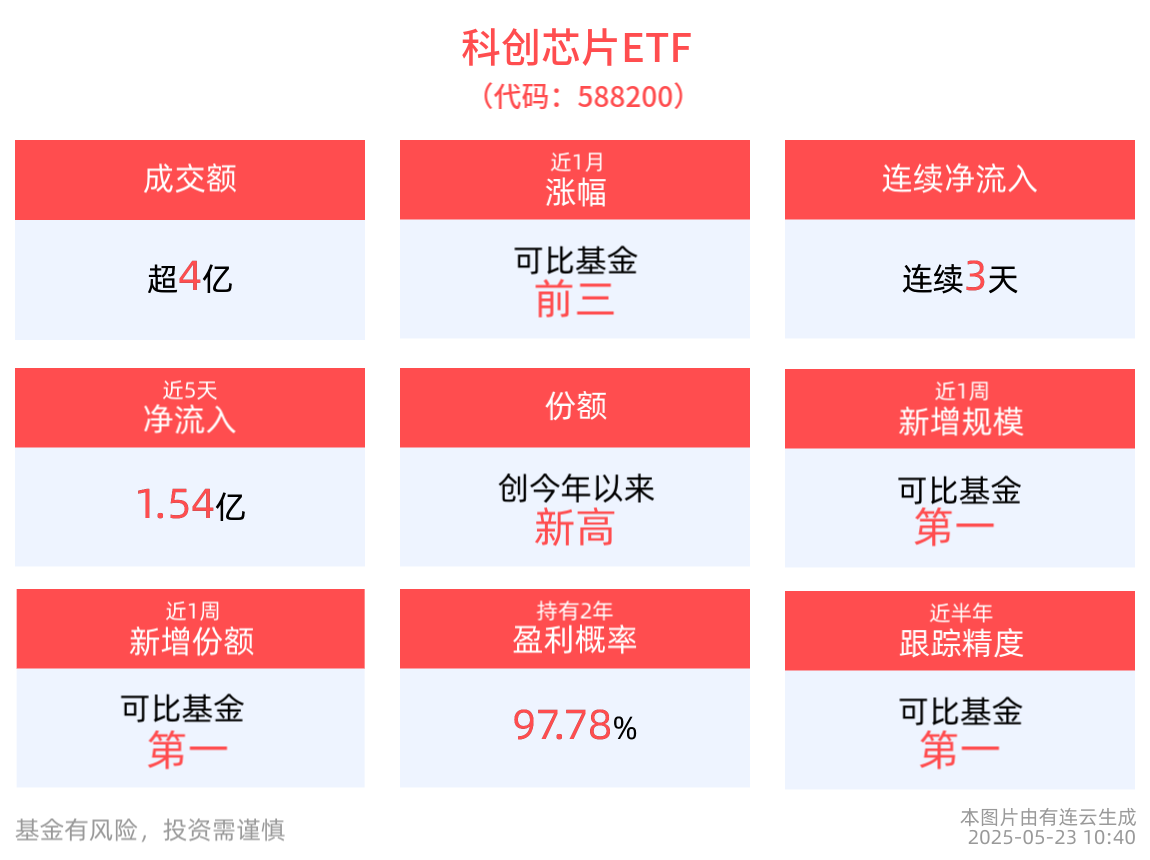
Group 1 - The Shanghai Stock Exchange Sci-Tech Innovation Board Chip Index decreased by 0.33% as of May 23, 2025, with mixed performance among constituent stocks [1] - The top-performing stocks included Shanghai Hejing up 3.05%, Huahai Qingke up 1.23%, and Gekewei up 0.92%, while Hengxuan Technology led the decline [1] - The Sci-Tech Chip ETF (588200) underwent a downward adjustment [1] Group 2 - The Sci-Tech Chip ETF had a turnover rate of 1.76% and a transaction volume of 433 million yuan, with an average daily transaction volume of 2.231 billion yuan over the past year, ranking first among comparable funds [3] - The ETF's scale increased by 54.88 million yuan in the past week, also ranking first among comparable funds, with the latest share count reaching 16.477 billion, a new high for the year [3] - The ETF experienced continuous net inflows over the past three days, with a peak single-day net inflow of 122 million yuan, totaling 190 million yuan [3] Group 3 - As of April 30, 2025, the top ten weighted stocks in the Sci-Tech Chip Index accounted for 58.53%, including SMIC, Haiguang Information, and Cambrian [3] - Xiaomi Group's chairman Lei Jun announced that the self-developed 3nm flagship chip, Xiaomi Xuanjie O1, has begun mass production [3] - Huaxi Securities noted that domestic wafer fabs are expected to expand capacity significantly, with four leading fabs projected to exceed 800,000 pieces per month in future capacity expansion [3] Group 4 - Financial Credit Securities indicated that the U.S. Department of Commerce's adjustment of AI chip export policies will strengthen the demand for a self-controlled domestic semiconductor industry chain, particularly in domestic equipment and chip design [4] - Investors without stock accounts can access domestic chip investment opportunities through the Sci-Tech Chip ETF linked fund (017470) [4]
“零帧起手”的华为鸿蒙电脑操作系统来了
经济观察报· 2025-05-22 09:58
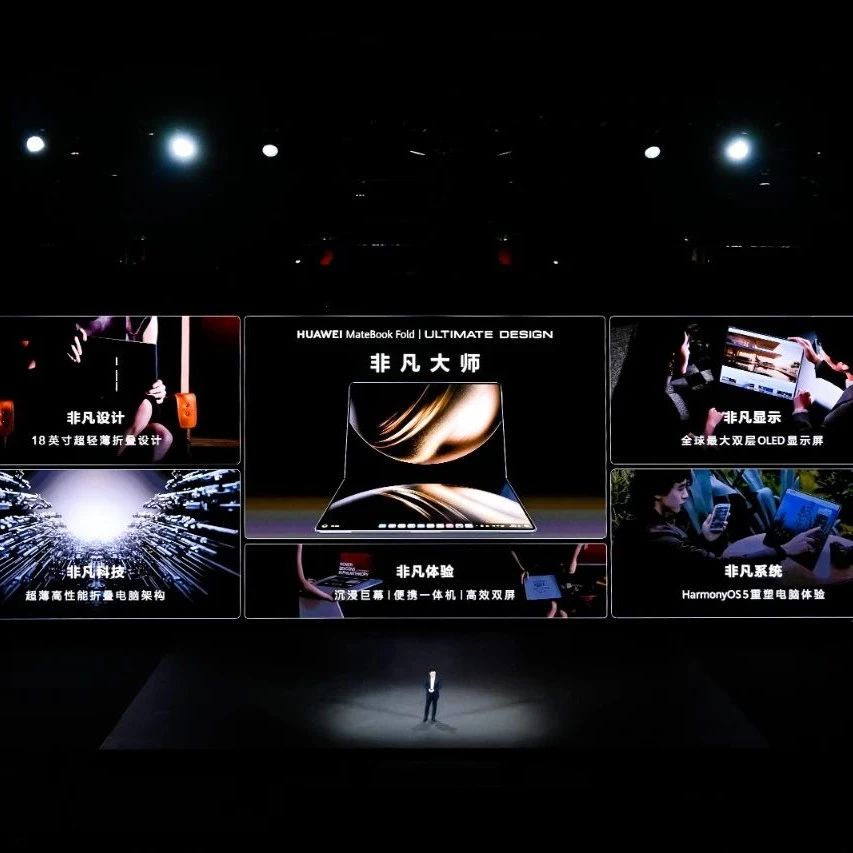
Core Viewpoint - The launch of the HUAWEI MateBook Fold marks a significant breakthrough for China's domestic computer operating system, indicating a shift in the PC industry towards self-reliance and innovation in the face of global challenges [2][3][21]. Group 1: Importance of Self-Developed Operating Systems - The necessity for self-developed computer operating systems arises from the digital era and the 5G Internet of Things, which demand systems that can support interconnectivity and collaboration among devices [2]. - The current global landscape of operating systems is highly concentrated, with Windows holding over 70% market share and macOS over 10%, making it challenging for new entrants [3]. Group 2: Technical Challenges and Innovations - HUAWEI's HarmonyOS for computers is a fully self-developed system, achieving 100% independence from Linux or Windows, with a focus on a microkernel architecture that reduces code redundancy and enhances security [5][6]. - The development process is complex, requiring a balance between compatibility with existing software and the need for innovation, as traditional systems have extensive legacy code [6]. Group 3: Ecosystem Development - Building a software ecosystem for computers is more challenging than for mobile devices, as the existing software landscape is dominated by Windows and macOS [10]. - As of May 19, 2025, over 150 dedicated computer applications have been adapted for HarmonyOS, with expectations to support over 2000 applications by the end of the year [10][13]. Group 4: User Experience and Security - HarmonyOS integrates AI deeply into the operating system, enhancing user experience through features like seamless cross-device collaboration and innovative interaction methods [18][20]. - The system employs a multi-layered security architecture, including chip-level encryption and strict application governance, to ensure data security and privacy [20]. Group 5: Industry Impact - The release of HarmonyOS for computers signifies a historic leap for China's tech industry, transitioning from a technology follower to a rule-maker in the global tech landscape [21]. - The development of HarmonyOS is expected to stimulate the domestic software industry and promote the growth of local enterprises, creating a more self-sufficient technology ecosystem [14][21].
如何通俗的读懂算力?
3 6 Ke· 2025-05-22 02:50
Group 1 - The article discusses the different types of computing power: General-Purpose Computing Power (通算), Scientific Computing Power (科算), Intelligent Computing Power (智算), and AI Computing Power (AI计算), each serving distinct functions in data processing and analysis [4][5][6][7] - General-Purpose Computing Power is suitable for everyday tasks like office work and internet browsing, while Scientific Computing Power is specialized for complex scientific calculations [4][5] - Intelligent Computing Power is designed for training and running AI models, efficiently handling large datasets, and adapting strategies for various AI applications [6][7] Group 2 - The article highlights the increasing complexity of problems requiring higher precision and efficiency in computing, leading to a reevaluation of traditional methods like simply adding more processing cores [9][10] - It discusses the limitations of Moore's Law, which states that the number of transistors on a chip doubles approximately every two years, and how this trend is slowing down due to challenges like stability, heat dissipation, and rising costs [10][11][12] - Engineers are exploring innovative methods to enhance computing power, such as advancing manufacturing processes, utilizing 3D IC technology, and designing specialized chips for specific tasks [13][14] Group 3 - The development of computing power is described as a complex system involving various components, including hardware, software, and ecosystem support [15][20] - Hardware components like CPUs, GPUs, and AI chips are likened to the building blocks of a structure, while software serves as the connective tissue that enables functionality [16][19] - The article emphasizes the importance of a supportive ecosystem, including government policies and industry collaboration, to foster a robust computing environment [21] Group 4 - The global computing market is projected to reach $200 billion by 2029, with the AI computing market expected to grow to $90 billion at a 10% annual growth rate, significantly outpacing general computing [22][23] - In China, the computing market is also expected to grow, with general computing projected to reach $41.7 billion and AI computing to reach $23.8 billion by 2029 [23] - China's computing capacity is expected to reach 369.5 EFLOPS by 2025, reflecting a 26% year-on-year growth, indicating a strong national computing capability [24][25]
“供给出清+国产替代加速”,国内存储厂商迎来历史性机遇——存储行业专题研究报告
Western Securities· 2025-05-22 00:45
Investment Rating - The report suggests a positive outlook for the storage industry, indicating a historical opportunity for domestic storage manufacturers due to supply contraction and technological upgrades [10]. Core Insights - Consumer storage products are expected to see price increases, potentially leading the storage market into a new prosperity cycle [5]. - The server market is poised to benefit first from the AI industry, with demand from supply chain manufacturers likely to rise as edge AI applications materialize [6]. - The report emphasizes the importance of monitoring channel inventory and price changes, given the cyclical nature of the storage industry [7]. Summary by Sections Supply and Demand Dynamics - Overseas manufacturers announced a 10%-15% reduction in low-end production capacity by the end of 2024, with channel inventory gradually normalizing since 2025 [8]. - High-end application areas remain in short supply, while internet companies continue to expand production, sustaining demand [8]. - The price of storage chips has seen a narrowing decline since Q1 2025, with some low-end categories already showing signs of price increases [8]. AI and Market Growth - AI server shipments are expected to account for over 14% of global server shipments in 2024, driving a nearly 70% increase in overall server market value [8]. - The penetration rate of DDR5 is projected to reach over 70% in 2024, significantly benefiting the demand for memory interface chips and related components [8]. Investment Recommendations - For storage modules, the report recommends focusing on companies like Demingli and Jiangbolong in enterprise storage, and Tianshan Electronics for module business progress [11]. - In the storage chip sector, it suggests monitoring domestic leaders like Zhaoyi Innovation and Beijing Junzheng, as well as Puran's trend towards high-end terminal products [12]. - For memory interface and supporting chips, attention is drawn to opportunities in companies like Lanke Technology and Jucheng Shares amid the storage industry’s technological transformation [12]. Market Trends and Projections - The global storage market is projected to reach approximately $172 billion in 2024, with a CAGR of about 9.5% expected to grow to $354.9 billion by 2032 [19]. - The Chinese storage market is anticipated to approach $77 billion in 2024, accounting for about 45% of the global market [19]. - The report highlights that the domestic storage manufacturers are likely to accelerate their growth due to the ongoing domestic demand for high-end products as overseas competitors withdraw from the low-end market [14].


大摩看多中国资产
小熊跑的快· 2025-05-20 08:22
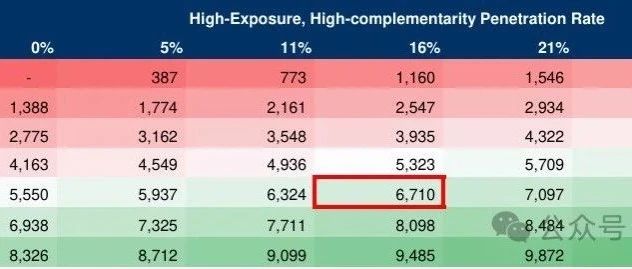
Core Viewpoint - The article emphasizes that China's AI development model differs from the U.S., focusing on "efficiency-driven, engineering implementation" rather than "compute power supremacy" [1] Group 1: AI Development and Investment Landscape - Major foreign banks are optimistic about Chinese cloud providers and chip foundries, indicating a positive outlook for international investments in these sectors [1] - The AI investment value chain is shifting from foundational hardware to application layers, platform layers, and vertical industry implementations [1] - The DeepSeek incident is identified as a pivotal moment that has prompted a reassessment of the "cost efficiency model" and spurred an open-source movement [1][2] Group 2: Economic Implications of AI - The AI revolution is expected to enhance China's long-term potential GDP growth by addressing structural challenges such as aging population and slowing productivity growth [3] - AI capital expenditure is projected to be a primary driver in the short term, contributing approximately 0.2 to 0.3 percentage points to annual GDP growth [3] - By 2024, AI is estimated to create an equivalent labor value of approximately 6.7 trillion RMB, assuming AI penetration aligns with IMF predictions for emerging markets [3][4] Group 3: Return on Investment and Market Dynamics - By 2030, China's AI industry is projected to yield a total return of about 806 billion RMB, achieving a 52% return on invested capital (ROIC) [4] - The e-commerce sector is expected to contribute the largest share to AI growth, estimated at 271 billion RMB, followed by advertising and local services [4] - The data center market in Beijing and surrounding areas is anticipated to experience the highest investment returns, with a supply-demand reversal expected within 6 to 12 months [4] Group 4: AI Hardware and Ecosystem - Despite U.S. chip restrictions, China's AI computing power continues to advance, supported by a combination of existing GPU inventory and domestic GPU development [5] - The self-sufficiency rate of Chinese AI GPUs is projected to reach 34% by 2024 and 82% by 2027 [5] - Huawei and Cambricon are identified as key domestic GPU suppliers, with most chips manufactured by local foundry SMIC [6] Group 5: Global Market Outlook - The global cloud AI market is expected to grow at a CAGR of 28% from 2024 to 2027, reaching approximately $239 billion, with China projected to account for 20% of this market [6]