蜜雪冰城

Search documents
百度欲从瑞士开启欧洲无人驾驶业务;比亚迪宣布马来西亚建厂并加大印尼投资;京东拟在新加坡设立REIT|一周大公司出海动态
Tai Mei Ti A P P· 2025-09-01 06:03
Group 1: Autonomous Driving Initiatives - Baidu is launching its autonomous driving business in Europe, starting with an office in Zurich and plans to operate in Switzerland and Europe by next year, initially with safety drivers in vehicles [1] - Pony.ai is planning to deploy a fleet of autonomous taxis in Hong Kong after overcoming regulatory hurdles, while downplaying competition from Tesla [2] Group 2: Automotive Industry Developments - ZhiMi Technology has officially announced its entry into the automotive sector, aiming to produce a luxury electric vehicle comparable to Bugatti, with a team of nearly 1,000 people and a patent portfolio of 6,379 applications [4] - BYD's vehicle registrations in the EU doubled in July, surpassing Tesla's registrations, with 13,503 units sold across the EU and additional countries [9] - BYD has launched the Atto 1 in Indonesia, with two models priced at 2.09 billion and 2.49 billion Indonesian Rupiah [10] - BYD announced plans to build an assembly plant in Malaysia, expected to start production in 2026 [12] - BYD's Thailand factory has produced and exported over 900 Dolphin electric vehicles to Europe, marking a significant milestone for the company [14] Group 3: Consumer Brands Expansion - Mixue Group reported a revenue of 14.87 billion yuan in the first half of 2025, with a net profit of 2.72 billion yuan and a global store count of 53,014 [5] - Lucky Coffee has opened its first overseas store in Malaysia, offering a localized menu alongside classic products [7] - Xiaomi has established around 200 stores overseas, with a target of over 100 stores in Southeast Asia by 2025 [8] Group 4: Investment and Financing Activities - JD.com is planning to establish a real estate investment trust (REIT) in Singapore, with assets potentially exceeding $1 billion [18] - Chery Automobile has made significant progress towards its IPO in Hong Kong, with plans to issue up to 699 million shares [19]



蜜雪集团20250831
2025-09-01 02:01
Summary of the Conference Call for Mixue Group Company Overview - **Company**: Mixue Group - **Industry**: Tea Beverage Industry Key Points and Arguments 1. **Financial Performance**: In the first half of the year, Mixue benefited from the competitive delivery market, achieving a revenue growth of 39% and a profit growth of 44%. The strong cash inflow from operations supports long-term development [3][4][10]. 2. **Store Expansion**: The company is expected to reach nearly 40,000 stores by 2025, with potential for further expansion. The brand can open between 46,000 to 48,000 stores under a single brand [2][6][7]. 3. **Valuation**: The current valuation of Mixue is approximately 27 times earnings, with expectations of a decrease to around 25 times next year due to a projected 10% growth rate [2][5][11]. 4. **Market Environment**: The tea beverage industry is experiencing a high growth rate, with leading companies' valuations adjusting to a range of 20-25 times. Mixue's performance remains strong despite potential negative same-store sales growth next year due to high base effects [5][8]. 5. **Profitability**: Even with a modest revenue growth of 10%, profits could increase by 10%-20% due to sufficient production capacity and potential margin improvements [2][6][10]. 6. **Expansion Potential**: Mixue has not reached its expansion ceiling and can introduce new products like snacks and IP derivatives to leverage its existing store network [2][7][13]. 7. **International Expansion**: The company is accelerating its overseas expansion, successfully entering the Central Asian market and preparing to enter the Americas, supported by a strong supply chain [4][12][13]. 8. **Long-term Growth**: Mixue is expected to maintain a compound annual growth rate of at least 20% over the next three to five years, with a strong industry position and pricing power [10][11]. 9. **Market Dynamics**: The tea beverage market shows performance differentiation among brands, with Mixue and Gu Ming benefiting from centralized procurement and brand strength [4][14][17]. 10. **Future Outlook**: The company is well-positioned for future growth, with significant opportunities in untapped markets such as rural areas and tourist attractions [11][12]. Additional Important Insights - **Cost Management**: The gross margin slightly decreased by 0.3 percentage points, while the expense ratio remained stable or increased marginally [3]. - **Franchise Dynamics**: The willingness of franchisees to join and the company's collaborative value proposition with franchisees are critical for sustained growth [15][16]. - **Competitive Landscape**: Other brands in the tea beverage sector may have lower valuations but could see growth if they introduce market-demanding products [17]. - **Impact of Luckin Coffee**: The return of Luckin Coffee to the Hong Kong market may enhance its visibility and liquidity, potentially affecting the competitive landscape [18].
智能制造/人工智能参投数量“断层领先”,1/3 IPO企业曾获CVC支持丨2025H1中国企业创投CVC发展报告
创业邦· 2025-08-31 01:07
Core Insights - The article discusses the trends and statistics of China's Corporate Venture Capital (CVC) landscape in the first half of 2025, highlighting a decline in new fund registrations and investment activity, while also noting a recovery in the second quarter [5][7][11]. Group 1: Fund Registration and Scale - In H1 2025, 84 new CVC funds were registered, a year-on-year decrease of 20%, with a total fund size of 451.1 billion RMB, down 51.41% year-on-year [5][7]. - The second quarter saw a recovery with 46 new funds registered, a year-on-year increase of 21.05%, and a total fund size of 306.74 billion RMB, up 7.58% year-on-year [7][9]. Group 2: Investment Activity - A total of 224 CVCs participated in 406 investment events in H1 2025, representing a year-on-year decline of 42.33% [11]. - The disclosed total financing amount was 726.92 billion RMB, down 15.82% year-on-year [11]. Group 3: Investment Focus - The primary sectors attracting CVC investments were intelligent manufacturing and artificial intelligence, with 114 and 108 investment events respectively, indicating a significant lead over other sectors [13]. - Other sectors with notable investment activity included healthcare, automotive, materials, and enterprise services [13]. Group 4: Geographic Distribution - CVC investments were concentrated in Guangdong, Beijing, Shanghai, Jiangsu, and Zhejiang, accounting for 77.34% of total investment events [15]. - Guangdong led with 18 new funds, followed by Zhejiang with 14, together representing 38.1% of new fund registrations [9]. Group 5: Large Investment Events - CVCs participated in 17 large investment events (single round financing of 100 million USD or more), making up 31.48% of the total large investment events in the primary market [17]. - The second quarter of 2025 saw CVC participation in large investment events reach 55%, the highest proportion since 2024 [17]. Group 6: IPO Participation - In H1 2025, 137 Chinese companies completed IPOs, with 46 supported by CVCs, resulting in a CVC penetration rate of 33.58% [21]. - Notable companies included 恒瑞医药 and 蜜雪冰城, both with market capitalizations exceeding 100 billion RMB [22]. Group 7: M&A Activity - CVCs participated in 63 M&A events as buyers, primarily in traditional industries, energy, and enterprise services [23]. - As sellers, CVCs were involved in 39 M&A events, with the energy sector leading in transaction volume [25].


霸王茶姬二季度海外GMV猛增77%,创始人称坚决不打价格战
中国基金报· 2025-08-30 09:05
Core Viewpoint - The company aims to establish itself as a high-value brand and will not engage in price wars, despite the competitive landscape in the new tea beverage industry [4][9]. Financial Performance - For Q2 2025, the company reported a total GMV of 8.1031 billion yuan, a year-on-year increase of 15.5% [2]. - Net revenue reached 3.3319 billion yuan, up 10.2% year-on-year, while adjusted net profit was 629.8 million yuan, showing a slight increase of 0.1% [2][5]. - The company's net profit margin stands at 18.9%, which is considered strong within the new tea beverage sector [7]. Market Dynamics - The overseas market showed significant growth, with Q2 overseas GMV reaching 235.2 million yuan, a year-on-year increase of 77.4% and a quarter-on-quarter increase of 31.8% [4][14]. - The total number of global stores surpassed 7,000, with over 200 stores located overseas, marking a 40.9% year-on-year increase [13]. Strategic Focus - The company is committed to not participating in price wars, emphasizing a high-value brand strategy and focusing on product innovation and operational efficiency [9][11]. - The company plans to upgrade core ingredients, including tea leaves and milk sources, to enhance product quality [11]. Product Innovation - New product launches, such as "Yi Qi Hong Chen," have shown strong sales performance, contributing to a significant increase in GMV [7]. - The company has successfully localized products, with the "Gu Xiang Bei Cha" becoming a hit in Southeast Asia [16]. Management and Expansion - The company has established a management team with international experience to support its global expansion efforts, particularly in North America [16]. - The first North American store opened in Los Angeles in May, with a second store beginning trial operations in August [17].
中国品牌全球化,谁才是出海模式“最优解”?
阿尔法工场研究院· 2025-08-30 08:22
Core Viewpoint - The article emphasizes the successful globalization of Chinese tea brands, particularly in Southeast Asia, with Mixue Ice City as a leading example of this trend [1][5][13]. Group 1: Market Dynamics - Southeast Asia is identified as the primary market for Chinese brands, with a natural affinity for Chinese tea culture, significantly reducing market education costs [4][5]. - The region's climate and youthful population create a strong demand for cold beverages, making it an ideal market for tea drinks [4][5]. - The Southeast Asian ready-to-drink beverage market is projected to grow at a compound annual growth rate (CAGR) of 19.8% from 2023 to 2028, outpacing other regions [4][5]. Group 2: Mixue Ice City's Performance - Mixue Group reported a revenue of 14.87 billion yuan in the first half of 2025, a year-on-year increase of 39.3%, and a net profit of 2.72 billion yuan, up 44.1% [1]. - The number of global stores reached 53,014, with nearly 10,000 new stores opened within a year, covering China and 12 overseas countries [1][5]. - Mixue Ice City has become the leading ready-to-drink tea brand in Southeast Asia within five years, with over 4,000 stores planned by 2025 [5][13]. Group 3: Localization Strategies - Successful market entry is attributed to a comprehensive localization strategy, including adapting flavors and operational models to meet local preferences [7][8]. - Mixue Ice City has established a global supply chain that supports local operations, ensuring cost control and product quality [7][9]. - The "Snow King" IP has been effectively localized through cultural adaptations and interactive marketing, enhancing brand connection with local consumers [8][9]. Group 4: Future Prospects - The experience gained in Southeast Asia is seen as a blueprint for further expansion into markets like Japan, South Korea, and Europe, indicating a scalable growth model [13][14]. - The launch of the coffee brand Lucky Coffee in Malaysia marks the next phase of Mixue Group's global strategy, leveraging the established supply chain and localization methods [12][14]. - The article concludes that the journey of Chinese brands in global markets is just beginning, with significant potential for further innovation and expansion [15].

港股消费IPO狂潮:资本盛宴下的全球化突围与产业进化论
Sou Hu Cai Jing· 2025-08-30 03:54
Group 1: Capital Frenzy - The Hong Kong stock market is experiencing a "collective carnival" among consumer enterprises, with significant IPOs and market valuations, reflecting the upgrade of China's consumption industry and global capital restructuring [1][3] - As of May, over 160 companies are queued for IPOs in Hong Kong, with nearly 16% being consumer-related, driven by supportive policies from six ministries to encourage consumer enterprise listings [3][4] - More than 70% of IPO companies plan to use 20%-30% of their fundraising for international expansion, with Hong Kong serving as a crucial exit channel for VC/PE investments [3][4] Group 2: Valuation Disparity - Capital is increasingly concentrated in leading enterprises, while small and mid-cap companies face heightened pressure, with some rushing to list despite questionable profitability [4][5] - The market is witnessing a homogenization of strategies among new tea beverage companies, leading to a loss of novelty in capital markets [4][5] Group 3: Globalization Strategy - The push for globalization among Chinese consumer enterprises is a key driver of the IPO wave, with over 70% of companies planning to use raised funds for international ventures [5][6] - Cultural differences, policy barriers, and supply chain disruptions are identified as major challenges for these companies as they expand globally [5][6] Group 4: Long-term Competition - The real challenge for companies is to convert short-term financing advantages into long-term competitive benefits amid industry homogenization and valuation bubbles [6][7] - Hong Kong's market allows unprofitable companies to list, with a significantly shorter approval process compared to A-shares, facilitating rapid capital access for consumer brands [6][7] Group 5: Future Competition Landscape - The next phase of competition among consumer enterprises will focus on ecosystem building, driven by a shift in China's consumption structure, with service consumption surpassing 42% [7][8] - Companies leveraging Hong Kong as a strategic platform for capital and industry interaction are expected to establish a strong presence in the global consumer market [7][8] Group 6: Market Dynamics - The new tea beverage sector is facing challenges, with some companies experiencing immediate post-IPO declines, indicating a cycle of capital-driven expansion leading to valuation overreach [9] - International investors' optimistic views on China's consumer market often overlook the need for differentiated competitive analysis, leading to potential pitfalls in the "concept stock" trap [9]

河南民企,“重塑”中国人的消费模式丨消费参考+
2 1 Shi Ji Jing Ji Bao Dao· 2025-08-30 01:47
0:00 21世纪经济报道记者贺泓源,实习生刘瑾睿、李晴 某种程度上,河南正在"重塑"中国人的消费模式。 这里孕育了"下沉市场"之王蜜雪冰城,更有带来零售新可能的胖东来,高大上的巴奴。一定程度上,上 海引领了都市消费,河南民企则以"农村包围城市"的战略悄悄了影响中国人的消费模式。 大家好,我是小贺,欢迎收看本期消费参考。 首先,河南民企对国内消费模式影响最大的在下沉市场,这里诞生了蜜雪冰城。 在上半年,蜜雪的营收同比增长39.3%至148.75亿元,全球门店数超过53000家。蜜雪冰城品牌的核心产 品的价格在2至8元。 从我的走访调研来看,蜜雪的崛起,与河南关系密切。 某种程度上,河南可以说是下沉市场"圣地"。 此种地位达成的关键是,下沉需求要足够旺盛。 这点,河南当仁不让。 2023年,河南省人均GDP为6.01万元,较全国水平(8.94万元)有着差距。从人均GDP来看,河南省各 地市人均差距较大。其中,郑州人均GDP超过10万元;洛阳、许昌、焦作、漯河、三门峡和鹤壁6个地 级市人均GDP超过全省水平(6.01万元),处于6万至8万元之间;南阳、周口和商丘等地市人均GDP水 平相对较低。 这代表着,划算、非 ...

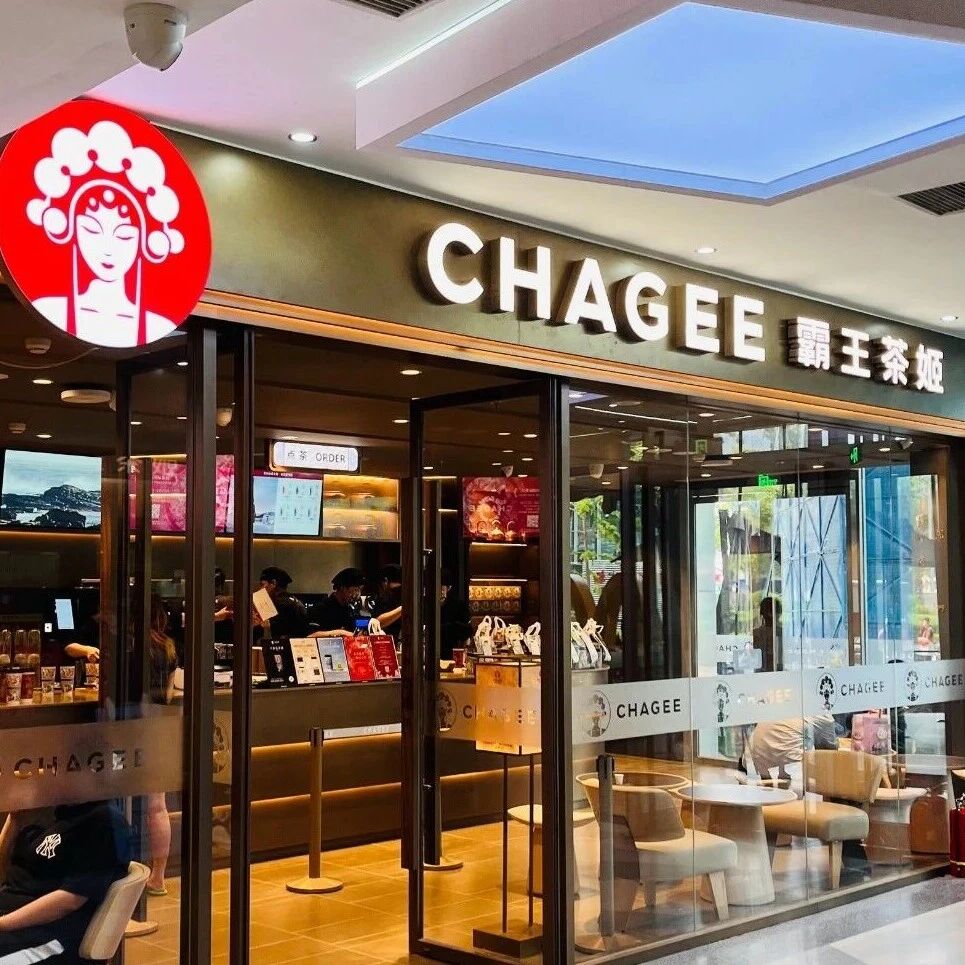
茶百道:半年门店仅增59家,业绩修复可持续吗?
Guan Cha Zhe Wang· 2025-08-29 14:49
Core Viewpoint - Tea Baidao (02555.HK) reported a revenue growth of 4% year-on-year for the first half of 2025, achieving total revenue of 2.5 billion yuan and a profit increase of 40% to 333 million yuan, driven by supply chain cost reductions and a decrease in franchisee subsidies [1][2]. Financial Performance - Total revenue reached 2.5 billion yuan, with a year-on-year growth of 4% [1] - Gross profit amounted to 815 million yuan, with a gross margin of 32.6% [1] - Net profit increased to 333 million yuan, reflecting a 40% year-on-year growth [1] Factors Driving Profit Growth - Supply chain cost reduction: The number of national distribution centers increased to 26, with approximately 93.8% of stores achieving next-day delivery after ordering, and 95% receiving deliveries twice or more weekly, leading to an 0.9 percentage point increase in gross margin [1] - Decrease in franchisee subsidies: The company reduced material discounts and advertising subsidies from approximately 200 million yuan last year, resulting in a 2% increase in net profit margin [1] - Stagnation in expansion: The total number of stores increased to 8,444, with a net increase of only 59 stores in the first half of the year, leading to a 2-3 percentage point decrease in sales and distribution expense ratio [1] Market Position and Competition - The company is in the early stages of exploring overseas markets, with operations in 8 countries and over 40 signed stores, but revenue contribution remains below 1% [2] - Competitors are experiencing varied expansion rates, with some brands like Mi Xue Bing Cheng rapidly increasing their store count, while others like Naixue's Tea have slowed down significantly [2] - The company has approximately 3.7 billion yuan in cash and no interest-bearing debt, indicating potential for future expansion [2] Challenges Ahead - The company faced a closure of 890 stores in 2024, with higher closure rates in lower-tier cities, which could widen the gap in procurement, logistics, and marketing costs compared to competitors [3] - The long-term scale disadvantage due to stagnation in store expansion could impact the company's competitive position in the market [2][3]

蜜雪冰城股价大跌,原因在半年报数据之外
Hu Xiu· 2025-08-29 13:54
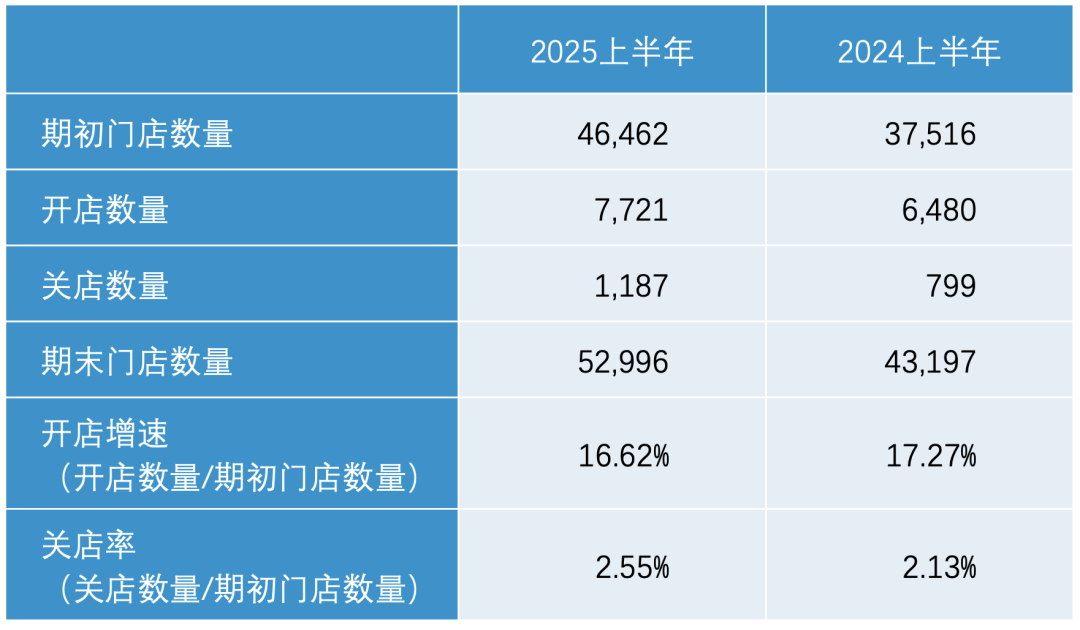
Core Viewpoint - The financial performance of Mixue Ice City and Gu Ming shows significant revenue and profit growth, yet their stock prices have declined sharply, indicating market skepticism about the sustainability of this growth [1][2][3]. Group 1: Financial Performance - Mixue Ice City reported a revenue of 14.9 billion, a 39.3% increase, and a net profit of 1.887 billion, a 44.1% increase, with a slight decline in gross margin from 31.9% to 31.6% [10][11]. - Gu Ming's revenue increased by 41.2% and net profit surged by 119.8%, indicating strong performance comparable to Mixue Ice City [2]. Group 2: Stock Price Reaction - Despite strong financial results, Mixue Ice City's stock price fell by 10.49% and Gu Ming's by 7.33% over two trading days [3]. - The decline in stock prices is attributed to investor concerns over the sustainability of growth amid increased competition in the food delivery sector [8][13]. Group 3: Market Competition - The intense competition in the food delivery market, particularly the "takeaway war" involving major players like Meituan, JD, and Alibaba, has led to significant financial strain on companies, impacting their stock valuations [8][12]. - The market is transitioning to a phase with reduced subsidies, which may negatively affect sales growth for companies like Mixue Ice City [12][14]. Group 4: Long-term Growth Concerns - The growth rate of new store openings for Mixue Ice City has slowed, with a net increase of only 128 stores compared to a decrease of 162 stores from the previous year [18][22]. - The rising closure rate of stores, now at 2.55%, indicates a shift towards a more challenging operating environment [22][23]. - Concerns about the performance of the Lucky Coffee brand, which has not disclosed specific operational data, suggest potential weaknesses in future growth prospects [24][25][26]. Group 5: Valuation Implications - A potential decline in growth rates could lead to a significant revaluation of the company's stock, as seen in the example of Haidilao, which experienced a drastic drop in market value after its growth phase ended [27][28]. - The market may begin to value Mixue Ice City based on average consumer industry PE ratios if it fails to establish new growth trajectories [27].
河南夫妻养猪,2天就赚一个亿
盐财经· 2025-08-29 10:01
Core Viewpoint - The article highlights the remarkable performance of Henan-based companies in various sectors, particularly focusing on the success of the pork industry led by Muyuan Foods, which has achieved significant profit growth despite declining pork prices in the market [2][4][11]. Group 1: Company Performance - Muyuan Foods reported a staggering net profit of 10.53 billion yuan in the first half of 2025, a year-on-year increase of 1,169.77% compared to 829 million yuan in the same period of the previous year [8][9]. - The company's revenue surged by 34.46% to 76.46 billion yuan, showcasing its strong market position [8][9]. - The daily net profit of Muyuan Foods reached approximately 58.18 million yuan, indicating robust financial health [10]. Group 2: Cost Management and Efficiency - Muyuan Foods successfully reduced its breeding costs from 13.1 yuan per kilogram in January to 11.8 yuan in July 2025, with some facilities achieving costs below 11 yuan [13]. - The company proactively reduced the number of breeding sows to control production capacity, demonstrating its commitment to industry stability [14]. - Muyuan Foods has significantly decreased its soybean meal usage in feed to 4.9%, resulting in substantial cost savings and a reduction in reliance on imported soybeans [19][20]. Group 3: Industry Dynamics - The pork industry is characterized by a cyclical nature, but the demand for pork remains stable as it is a staple in the Chinese diet, ensuring a consistent market [28][29]. - The article emphasizes that the key to survival in the pork industry lies in improving efficiency, maintaining quality, and reducing costs [29][31]. - Muyuan Foods is investing 6 billion yuan to establish a global breeding platform, aiming to enhance its breeding capabilities and reduce dependence on foreign genetics [32][33]. Group 4: Technological Innovation - The company employs advanced technology and data analytics in its operations, with a dedicated team of over 1,200 for research and development [24]. - The integration of smart systems in pig farming has led to improved animal welfare and reduced operational costs [24]. - The article suggests that the transformation of traditional industries through technology is essential for long-term success [24].