宝马

Search documents
全欧洲电动车,都得装中国电池?宁德时代凭啥?
电动车公社· 2025-09-16 16:05
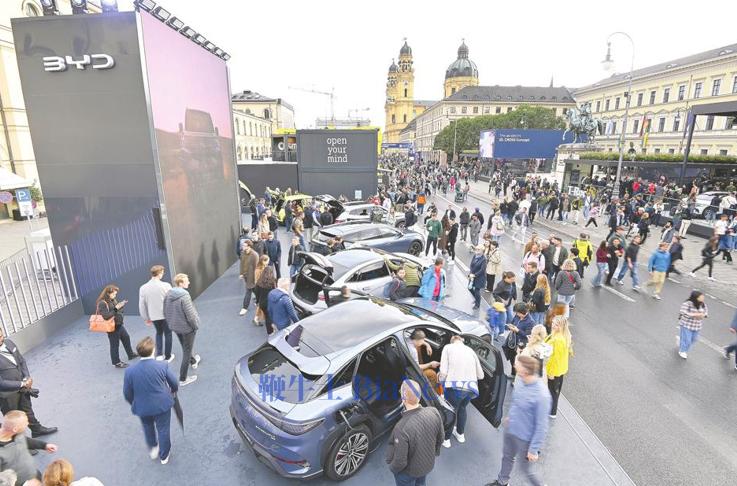
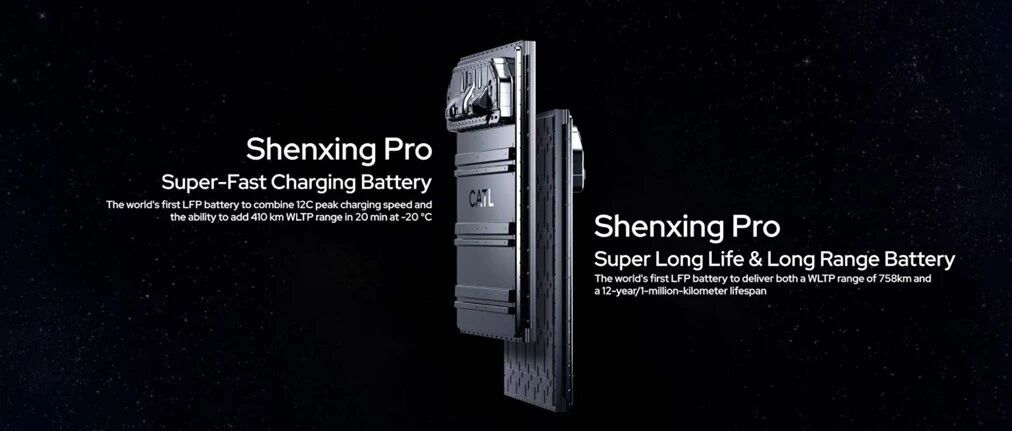
Core Viewpoint - The Munich Auto Show this year was less sensational compared to two years ago, despite a significant increase in Chinese exhibitors, indicating a shift in the European electric vehicle market dynamics [1][2][6]. Group 1: Market Dynamics - The penetration rate of pure electric vehicles in Europe has remained around 15%, while Chinese electric vehicle sales in Europe have doubled [5]. - Chinese electric vehicle manufacturers and suppliers are more proactive in developing electric vehicles in Europe than local European brands [6]. - The introduction of the NP3.0 battery technology by CATL at the Munich Auto Show signifies a strategic move to enhance safety and reliability in electric vehicles [6][9]. Group 2: NP3.0 Technology - NP3.0, which stands for "No Propagation," aims to prevent thermal runaway in batteries, ensuring that incidents do not escalate [9][12]. - The NP3.0 technology has evolved from previous versions, focusing on maintaining power supply stability for over one hour during thermal runaway events [12][15]. - Key innovations include flame-retardant electrolytes, nanocoating for structural stability, and insulation pads to prevent chain reactions among battery cells [18][20]. Group 3: Phosphate Lithium Battery Strategy - CATL aims to promote lithium iron phosphate (LFP) batteries in Europe, leveraging their cost advantages and safety features [30][41]. - The market share of LFP batteries has surpassed that of ternary lithium batteries in China, with LFP accounting for 81.5% of total battery installations from January to August 2023 [41]. - The shift towards LFP batteries in Europe is seen as a way to lower the cost of electric vehicles, addressing consumer concerns about pricing [45][46]. Group 4: Competitive Landscape - The European electric vehicle market presents a significant opportunity for Chinese battery manufacturers, particularly in the context of the ongoing electrification transition [46][48]. - Chinese companies dominate the LFP material supply chain, holding a 62.5% market share globally [49]. - The potential shift of European automakers towards LFP batteries could lead to deeper integration with the Chinese supply chain, positioning CATL as a key player in the European market [53][54]. Group 5: Future Implications - The entry of Chinese electric vehicle manufacturers into the European market could reshape the global automotive industry landscape [62]. - The competition among Chinese, Japanese, and Korean battery manufacturers will intensify as they vie for market share in Europe [69].


人形机器人公司Figure新融资超10亿美元,英伟达跟投
Nan Fang Du Shi Bao· 2025-09-16 15:21
Core Insights - Figure, a humanoid robotics startup, completed a Series C funding round exceeding $1 billion, achieving a post-money valuation of $39 billion, significantly up from $2.6 billion after the Series B round [1] - The Series C round was led by Parkway Venture Capital, with participation from notable investors including NVIDIA, Intel Capital, LG Technology Ventures, Qualcomm Ventures, Salesforce, T-Mobile Ventures, Brookfield Asset Management, Macquarie Capital, Align Ventures, and Tamarack Global, many of whom are existing shareholders [1] - The funding will be utilized to scale the deployment of humanoid robots in both household and commercial settings, develop next-generation GPU infrastructure, and initiate the collection of real-world datasets to enhance the robots' capabilities in complex environments [1] Company Developments - Founded in 2022, Figure raised $675 million in a Series B round in February 2024, attracting high-profile investors such as NVIDIA, Microsoft, OpenAI, and Jeff Bezos [2] - Following the termination of its partnership with OpenAI, Figure shifted to independently develop its end-to-end robotic AI models, launching the Helix model, which employs a dual-system approach for enhanced functionality [2] - The Helix model consists of a "slow system" for scene and language understanding and a "fast system" for real-time control of the robot's upper body movements [2] Product Demonstrations - Since June, Figure has showcased its robot's capabilities in logistics and household tasks, including sorting packages, loading laundry, folding clothes, and recently, loading dishes into a dishwasher [3] - The robot's ability to perform these tasks has been questioned due to the lack of public demonstrations, leading to skepticism about the effectiveness of these skills [3] - BMW is a key partner for Figure, with the robot being tested in their South Carolina plant, although there have been criticisms regarding the actual productivity and application of the robot in a production environment [3][4]

哪吒汽车破产后,它留下了哪些天坑?
36氪· 2025-09-16 13:35
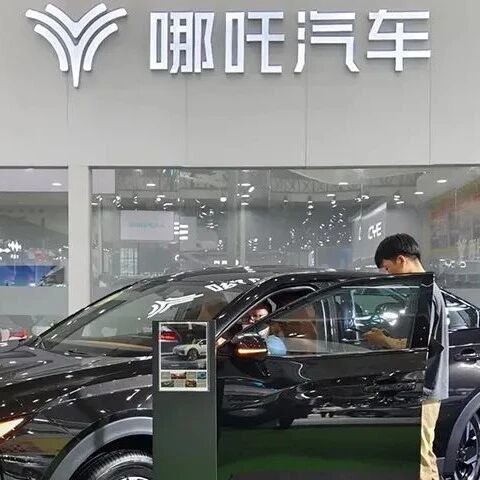
Core Viewpoint - The bankruptcy restructuring of Nezha Auto has resulted in significant negative consequences for its stakeholders, particularly for car owners who are now facing a loss of smart services and potential financial burdens due to the company's failure to maintain its operations [5][7]. Group 1: Impact on Car Owners - The closure of Nezha Auto has severely affected the rights of approximately 460,000 car owners, who now possess vehicles that lack ongoing support and updates for their smart systems [9][11]. - Electric vehicles are characterized by their reliance on continuous updates and smart technology, which distinguishes them from traditional fuel vehicles. The failure of a manufacturer leads to a complete halt in these essential services [7][9]. - Car owners are now required to pay for data services that were previously included in the vehicle price, leading to additional costs for services such as navigation and remote control [11]. Group 2: Financial Liabilities - Nezha Auto is facing a total debt of 26 billion, with only 5.1 billion confirmed as collectible, indicating a severe financial crisis [13]. - The company has only 15 million in cash reserves and 9.3 billion in accounts receivable, raising concerns about the recovery of these debts [13]. - Additionally, Nezha Auto owes 4.6 billion in wages to over 5,000 employees, which poses a significant challenge for those affected [13]. Group 3: International Implications - Nezha Auto has exported 25,000 vehicles, primarily to Thailand and Indonesia, leaving these overseas customers without support or recourse [15]. - The current state of the electric vehicle market emphasizes the importance of sustainable smart technology, rather than just electric capabilities, as a critical factor for consumers [15].
美制裁13家中企,中方以1敌38国!商务部两记重拳,有三大底气!
Sou Hu Cai Jing· 2025-09-16 11:16
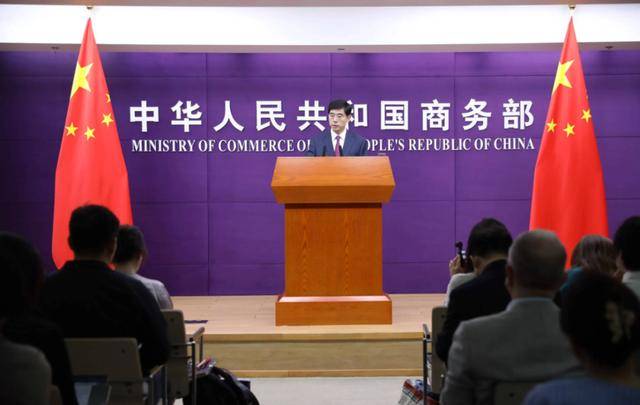
Group 1 - The U.S. added 13 Chinese semiconductor companies to an export control "entity list," prompting China to respond with two announcements regarding anti-dumping and anti-discrimination investigations against U.S. chips [1][3] - China's swift and strong reaction indicates its impatience with what it perceives as insincere negotiations from the U.S. [1][3] Group 2 - The anti-dumping investigation targets U.S. companies that have been selling chips below cost in China, aiming to protect local industries and market rights [4] - The anti-discrimination investigation challenges the U.S. for its double standards in restricting high-end chip exports while criticizing China for not following rules [5] Group 3 - China's confidence in confronting the U.S. stems from three pillars: being the largest chip consumer market, having a developing domestic supply chain, and adhering to WTO rules to counter U.S. unilateralism [6][7][9] Group 4 - The U.S. attempted to rally 37 countries to pressure China, but many countries, including those in the EU and ASEAN, have significant trade ties with China, undermining U.S. efforts [8][10] Group 5 - China's exports to the U.S. fell by 33.1% in August, but exports to the EU and ASEAN grew by 10.8% and 22.7%, respectively, indicating a shift towards market diversification [12] Group 6 - The future of U.S.-China negotiations hinges on whether the U.S. will abandon its strategy of pressure for concessions, with two potential outcomes: a temporary agreement or China accelerating its domestic alternatives [14] Group 7 - The ongoing chip conflict represents a broader competition for technological dominance, with China focusing on short-term countermeasures, medium-term industrial upgrades, and long-term market diversification [15]
自主品牌距离外资品牌还差一个“召回”
3 6 Ke· 2025-09-16 03:12
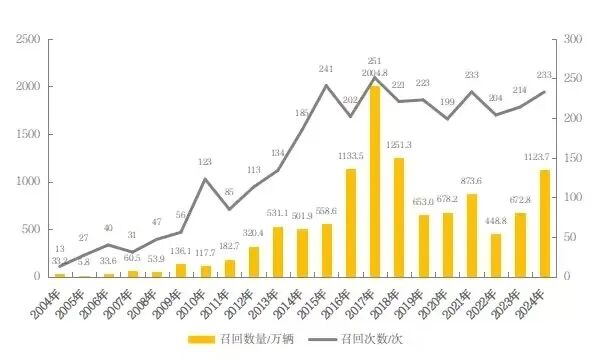
Core Viewpoint - Xpeng Motors is recalling 47,490 units of its P7+ model due to safety concerns related to the electric power steering system, highlighting the need for new energy vehicle manufacturers to address quality issues more transparently [1][19]. Group 1: Recall Details - The recall affects P7+ vehicles produced between August 20, 2024, and April 27, 2025, due to reported design flaws in the steering mechanism [1]. - The recall is part of a broader trend in the Chinese automotive industry, where the total number of recalls for passenger vehicles in 2024 exceeded 11.12 million, a 65.3% increase year-on-year, with a 137.5% rise in recalls for new energy vehicles [2]. Group 2: Industry Comparison - Foreign brands like BMW, Tesla, and Mercedes dominate the recall statistics, with BMW recalling over one million vehicles, while domestic brands, particularly new energy vehicle manufacturers, have largely maintained a "zero recall" record [5][11]. - The contrast in recall practices reflects a deeper issue within the Chinese automotive industry, where foreign brands have established a culture of proactive recalls, while some domestic brands avoid transparency [4][5]. Group 3: Quality Management and Consumer Trust - The handling of quality issues by new energy vehicle manufacturers often involves non-transparent methods, such as individual case management and avoiding public recalls, which can damage consumer trust in the long run [8][12]. - Data indicates that domestic brands have a higher complaint rate for vehicles over five years old compared to joint venture brands, revealing weaknesses in long-term reliability [15]. Group 4: Financial Implications - The recall of 47,490 P7+ vehicles could cost Xpeng Motors approximately 300 million yuan, which may impact its financial performance, especially considering a net loss of 480 million yuan in the second quarter [9][11]. - The need for a robust recall mechanism is emphasized as a critical step for domestic brands to build consumer trust and ensure long-term success in the market [19][23]. Group 5: Future Directions - The article suggests that new energy vehicle manufacturers must shift from a "zero recall" mentality to one that embraces accountability and transparency, as this is essential for gaining consumer trust and competing with established global brands [19][23]. - Regulatory bodies are enhancing oversight of automotive quality, indicating a shift towards stricter enforcement of recall protocols and consumer protection [19][23].

加速出海、深耕本地,中国车企在欧洲打开新局
Zhong Guo Xin Wen Wang· 2025-09-15 14:59
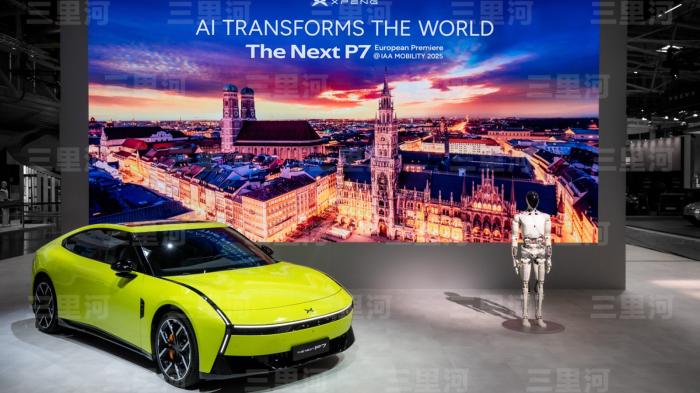
Core Insights - Chinese electric vehicles are making significant inroads into the European market, particularly highlighted at the Munich Auto Show, where they showcased advanced models and technologies [1][3][4] Group 1: Market Presence - At the Munich Auto Show, China had the largest number of exhibitors among foreign participants, accounting for nearly one-third of the total, indicating a strong presence in the European automotive market [3] - Major Chinese automakers like Xpeng, GAC, and BYD are launching new models specifically designed for the European market, showcasing their commitment to local adaptation [1][4] Group 2: Strategic Shifts - Chinese automakers are shifting from a "domestic production + vehicle export" strategy to a more localized approach, emphasizing "in Europe, for Europe" to better integrate into the European market [4] - The focus is now on technological innovation rather than just competitive pricing, with Chinese companies emerging as technology leaders and standard-setters in the electric vehicle sector [5] Group 3: Investment Trends - According to a report by the Rhodium Group, in 2024, Chinese investments in the overseas electric vehicle sector are projected to reach $16 billion, surpassing domestic investments for the first time [6] - The battery sector is a significant focus, accounting for 74% of the total overseas investment in the Chinese electric vehicle industry, with companies like CATL leading the charge [6] Group 4: Export Growth - From January to August this year, China exported 4.292 million vehicles, a year-on-year increase of 13.7%, with electric vehicle exports reaching 1.532 million, up 87.3% [6] - The overseas expansion is expected to yield higher returns and strategic value for Chinese companies, marking a shift in the global automotive landscape [6][7]

中德车企慕尼黑对弈
Zhong Guo Xin Wen Wang· 2025-09-15 13:28
Core Insights - Chinese electric vehicles (EVs) are making significant inroads into the European market, particularly highlighted at the Munich Auto Show where they became the focal point [1][2][4] Group 1: Market Presence - At the Munich Auto Show, Chinese brands like Xpeng, GAC, and BYD showcased new models and announced production plans in Europe, indicating a strong commitment to the market [2][4] - China had the largest number of exhibitors after Germany, accounting for nearly one-third of foreign participants, showcasing a systematic approach to entering the European market [4] Group 2: Strategic Shifts - Chinese automakers are shifting from a "domestic production + vehicle export" model to a localized strategy, emphasizing "in Europe, for Europe" to better integrate into the European market [6][7] - This shift mirrors the earlier strategies of German automakers in China, indicating a role reversal in the global automotive landscape [7] Group 3: Technological Advancements - Chinese companies are transitioning from competing on price to focusing on technology, with significant innovations in battery and smart driving technologies [8][9] - Many foreign exhibits at the Munich Auto Show utilized Chinese technology, highlighting China's emerging role as a technology exporter and standard setter in the automotive industry [10] Group 4: Investment Trends - A report from Rhodium Group indicates that in 2024, China's overseas investment in the EV sector is projected to reach $16 billion, surpassing domestic investments for the first time [12] - The growth in overseas investment is reflected in the establishment of factories globally by Chinese automakers, such as Chery in Spain and Great Wall in Brazil [13] - Battery manufacturers are leading the charge in overseas investments, accounting for 74% of the total, driven by companies like CATL and others expanding their global footprint [13] Group 5: Challenges and Future Outlook - Despite the progress, challenges remain in local adaptation, compliance management, and operational efficiency as Chinese companies navigate deeper into international markets [14] - The structural transformation driven by technology, capital, and branding is redefining the competitive landscape of the global automotive industry [14]

2025慕尼黑车展上的“中国主场”:从产品出口到生态出海
2 1 Shi Ji Jing Ji Bao Dao· 2025-09-15 13:09
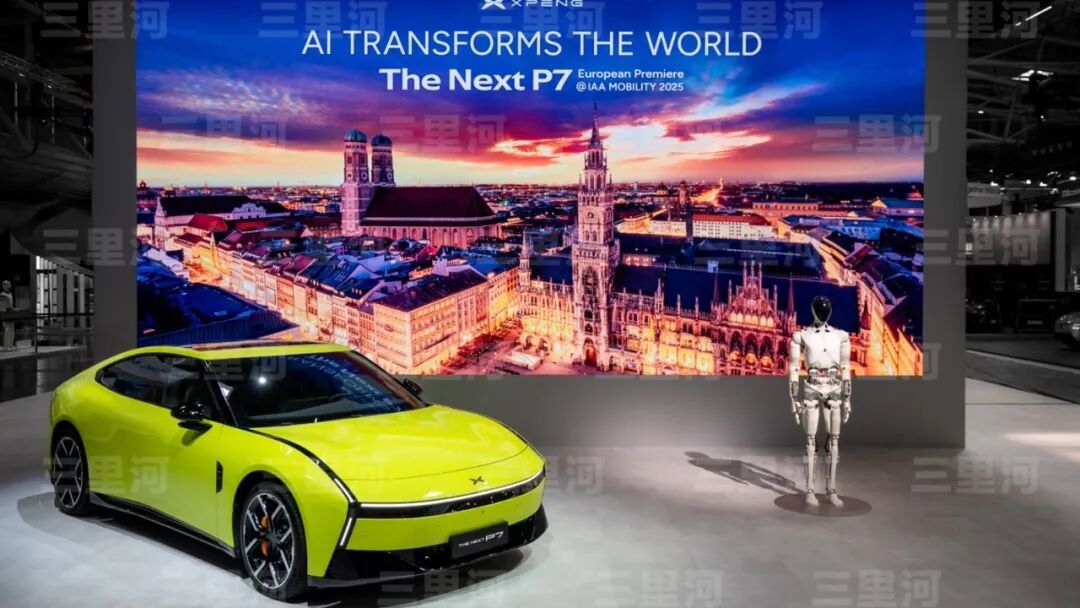
Core Insights - Chinese automotive companies have significantly increased their presence at the 2025 Munich Auto Show, showcasing a larger and more active participation compared to previous years, effectively becoming the focal point of the event [1][2][5] Group 1: Participation and Exhibits - The 2025 Munich Auto Show featured 748 exhibitors, with 116 from China, accounting for nearly one-third of all overseas exhibitors, marking a 40% increase from 2023 [2] - Major Chinese automotive brands such as BYD, Xpeng, Changan, and others presented new models and technologies, positioning themselves as key players rather than mere participants [2][3] - Notable exhibits included BYD's new vehicles and fast-charging technology, Xpeng's advanced models and robotics, and Changan's new concept car, highlighting the innovation and competitiveness of Chinese brands [2][3] Group 2: Strategic Shifts - Chinese automotive companies are transitioning from simple product exports to localized production and ecosystem development in Europe, with five companies announcing plans to build factories in Europe by 2025, involving over €20 billion in investments [3][5] - Collaborations with major European automakers like Volkswagen and Stellantis are facilitating faster adaptation to local market demands for companies like Xpeng [3][4] Group 3: Supply Chain and Technology - Chinese supply chain companies are emerging as key technology providers, particularly in battery and smart technology sectors, with firms like CATL showcasing advanced battery solutions that meet significant European demand [4][5] - Innovations in smart technology were highlighted by companies such as Horizon Robotics and Heisai Technology, which presented cutting-edge products and established partnerships with global automakers [4][5] Group 4: Future Outlook - The shift towards localized production and ecosystem development is expected to enhance the long-term competitiveness of Chinese automotive companies in the global market, moving from product output to ecosystem output [5][6] - The competitive landscape between Chinese and German automotive companies is evolving, with a focus on strategic collaboration and understanding user needs as key to success in the future [6]
东利机械:多管齐下降本增效,上半年成果初显
Quan Jing Wang· 2025-09-15 09:17
Core Viewpoint - Dongli Machinery (301298) held an online collective reception day for investors and a collective performance briefing for the first half of 2025 on September 15, highlighting cost reduction and efficiency enhancement measures that contributed to improved profitability [1] Group 1: Cost Reduction and Efficiency Enhancement - In the first half of 2025, the company implemented various measures across production, procurement, and technology development to enhance lean management and mitigate the impact of customer price reductions [1] - The company optimized procurement strategies, integrated bulk materials, and developed new suppliers to build a stable supply chain [1] - In production, the company deepened smart manufacturing, promoted automation, digitalization, and process improvements, leading to increased efficiency, optimized labor costs, and energy savings [1] - The combined efforts resulted in a reduction of unit product costs and an increase in production efficiency, with cost reduction and efficiency enhancement contributing approximately 7% to the gross profit for the first half of the year [1] Group 2: Client Relationships and Market Position - The company serves as a secondary or tertiary supplier to automotive manufacturers, primarily supplying major global automotive parts assembly manufacturers [1] - It has established long-term stable partnerships with a number of well-known global clients, many of which are industry leaders, including AAM Group, VC Group, MUVIQ Group, and FUKOKU Group [1] - The company's automotive parts are ultimately used in internationally recognized brands such as Mercedes-Benz, BMW, Audi, General Motors, Ford, Renault, Porsche, Bentley, Ferrari, Jaguar, Land Rover, Volkswagen, Volvo, and Great Wall [1]
急了?奔驰设计师狂怼奥迪「过时」,CEO嫌「太卷」
Feng Huang Wang Cai Jing· 2025-09-15 06:33
Core Insights - The Munich Auto Show has seen a significant increase in Chinese car manufacturers, with over 100 companies participating, marking a nearly 50% rise compared to the previous event, turning the event into a battleground between Chinese and German automakers [1][2] - Chinese brands have nearly doubled their market share in Europe to 5.1%, closely trailing behind Mercedes-Benz at 5.2%, indicating a shift in consumer preferences [2] - The German automotive giants, particularly the BBA (Benz, BMW, Audi), are facing unprecedented challenges as they struggle to keep pace with the rapid advancements of Chinese electric vehicle manufacturers [6][7] Group 1: Market Dynamics - Chinese car registrations have surged by 91% since the beginning of the year, reflecting a robust demand for domestic brands [2] - The BBA's sales in China have plummeted, with Mercedes-Benz down 14% to 290,000 units and Audi down 10.2%, collectively losing nearly 300,000 units in sales [7] - The profit margins of these traditional automakers are under pressure, with Mercedes-Benz's net profit halving by 55.8% and Volkswagen's operating profit declining by 32.8% to €6.7 billion [7] Group 2: Competitive Landscape - The BBA is criticized for outdated designs, with Mercedes-Benz's design chief publicly mocking competitors for their lack of innovation [5] - The shift in strategy for BBA has moved from aggressive electrification to a more pragmatic approach of hybrid models, indicating a response to the competitive landscape [11][12] - New electric models from BBA, such as the Mercedes-Benz GLC EV and BMW's iX3, are being introduced to counter the competitive threat from Chinese brands [14] Group 3: Consumer Preferences - Chinese consumers are increasingly favoring local brands due to their competitive pricing and advanced technology, with models like BYD Han and NIO ET5 offering high performance at lower prices compared to BBA vehicles [9] - The demographic shift towards younger consumers, with over 64% of BYD's users being from the post-90s and post-00s generations, is influencing market trends [9] - The penetration rate of new energy vehicles in China is projected to exceed 55.3% by 2025, further solidifying the dominance of local brands [8]