
三星

Search documents
苹果App Store搜索结果将加更多广告/马斯克:特斯拉FSD最快下月国内获批/曝Kimi新模型即将发布
Sou Hu Cai Jing· 2026-01-24 04:17
Group 1: Apple App Store Advertising Expansion - Apple will introduce more advertising placements in App Store search results starting March 3, 2024, with a global rollout planned by the end of March [3][4] - The new ad placements will appear in various locations within search results, expanding beyond the current top promotional spots [3] - Approximately 65% of app downloads occur after a search, indicating the importance of search in app discovery [3] Group 2: Xiaomi SU7 Pre-Sales - Xiaomi's new SU7 model has received nearly 100,000 pre-orders within 15 days of its launch on January 7, 2024, despite a price increase of 14,000 yuan [6][7] - The vehicle is expected to launch in April 2024, with a production capacity adjustment to prioritize the SU7 and the upcoming YU7 model [6][7] - Xiaomi aims to deliver 550,000 vehicles in 2024, up from 411,800 in the previous year [7] Group 3: Apple Executive Restructuring - Craig Federighi has taken over Apple's AI department, while John Ternus's role has expanded, positioning him as a potential successor to CEO Tim Cook [10][11] - Federighi's leadership is expected to focus on enhancing Siri and optimizing AI models, while Ternus will oversee the integration of design and hardware [10][12] - This restructuring reflects Apple's strategy to prioritize productization and cost control in AI development [12] Group 4: Intel Stock Performance and Valuation Concerns - Intel's stock price has doubled over five months but recently fell due to concerns over its high valuation compared to its fundamentals [13][15] - Analysts note that Intel's projected revenue growth is only about 2.8% for the year, contrasting with TSMC's expected growth of nearly 30% [17][21] - Despite a strong fourth-quarter revenue of $13.7 billion, Intel's first-quarter guidance fell short of market expectations [19][20] Group 5: Anthropic's Margin Forecast Adjustment - Anthropic has lowered its 2025 gross margin forecast to 40%, citing higher-than-expected inference costs [25][26] - The company anticipates significant revenue growth, projecting $4.5 billion in 2025, up from $381 million in 2024 [26][28] - Anthropic is in discussions for over $10 billion in new funding, with a pre-funding valuation of approximately $350 billion [28] Group 6: Kimi Model Valuation Increase - The valuation of Moonlight's Kimi model has risen to $4.8 billion ahead of its new version release [29][31] - The company claims to have achieved significant performance metrics with limited resources, indicating a competitive edge in AI model development [31][32] Group 7: AI in Healthcare - AI is positioned as a key technology to address healthcare accessibility issues, according to Chinese academician Zhong Nanshan [35][36] - The integration of AI in healthcare aims to enhance efficiency and resource distribution, particularly in rural areas [35][36] Group 8: Samsung Exynos 2600 Performance - Samsung's Exynos 2600 chip has shown competitive performance, nearing that of Qualcomm's Snapdragon 8 Elite Gen 5 in benchmarks [57] - The Exynos 2600 is based on a 2nm process and features a custom GPU architecture, promising significant improvements in performance [57]





晶圆代工,正在重构
半导体行业观察· 2026-01-24 02:39
Core Viewpoint - The semiconductor industry is undergoing a significant capacity restructuring driven by the AI boom, affecting both advanced and mature processes, particularly the 8-inch wafer production [1][14]. Group 1: 8-Inch Wafer Production - Many chip design companies are facing challenges in securing capacity at wafer fabs, particularly for mature processes, due to increased demand driven by AI applications [1]. - TSMC and Samsung are both planning to shut down some of their 8-inch wafer fabs, with TSMC expected to stop production at its 8-inch Fab 5 by the end of 2027 [2]. - Samsung's S7 plant will also be closed in the second half of 2026, reducing its monthly capacity by approximately 50,000 wafers [3]. Group 2: Economic Considerations - The economic viability of 8-inch production is declining as 12-inch wafers can produce more dies at lower costs, making 8-inch production less profitable [4]. - The migration of key products like CMOS image sensors and display drivers to 12-inch platforms is contributing to the reduced utilization of 8-inch fabs [4]. Group 3: AI Impact and Market Dynamics - The AI-driven demand for power management ICs (PMICs) and power devices is causing a structural increase in demand, which, combined with supply-side reductions, is leading to a supply-demand imbalance for 8-inch wafers [5]. - As TSMC and Samsung reduce their 8-inch production, global supply is expected to decrease by approximately 2.4% in 2026, with average utilization rates rising from 75-80% in 2025 to 85-90% [5]. Group 4: Transition to 12-Inch Production - The transition to 12-inch production is becoming irreversible, with TI's Sherman facility marking a significant milestone in this trend [6]. - GlobalWafers is also expanding its 12-inch wafer production, indicating strong customer demand and confidence in long-term growth [7]. Group 5: Opportunities for Chinese Manufacturers - The reduction of 8-inch capacity by major players opens a valuable window for Chinese wafer fabs to capture market share and improve their bargaining power [11]. - Chinese manufacturers like Huahong and SMIC are expected to benefit from the reallocation of 8-inch orders, as they maintain high utilization rates [11]. Group 6: Strategic Moves and Future Outlook - The sale of Powerchip's P5 factory to Micron illustrates a strategic shift among second-tier manufacturers to prioritize cash flow and reduce asset burdens [8]. - Micron's acquisition aims to secure supply chain positioning for future DRAM production, highlighting the competitive landscape's evolution [9][10]. - The restructuring presents both challenges and opportunities, with the need for Chinese manufacturers to transition effectively to 12-inch production to maintain competitiveness [12][13].

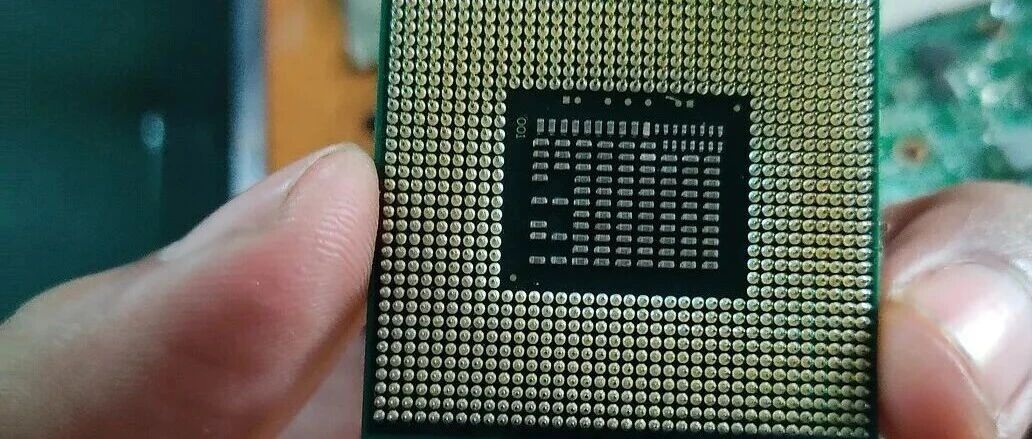
存储大厂:双位数涨价
半导体行业观察· 2026-01-24 02:39
Core Viewpoint - The demand for DRAM and NAND is expected to see double-digit price increases, driven by the expanding AI data center market and a shift in the supply-demand structure within the storage industry [2][3]. Group 1: Price Trends - Samsung and SK Hynix have indicated that the contract prices for DRAM and NAND are likely to rise, with expectations for announcements by the end of January or early February [3]. - The market speculation regarding an 80% price increase from Samsung remains unverified, as Taiwanese module manufacturers and agents have not received formal price notifications [3]. - By the first quarter of 2026, both DRAM and NAND prices are anticipated to trend upwards, with a clear upward price cycle in place [3][4]. Group 2: Price Structure and Client Impact - The actual price increases will vary by customer tier, with cloud service providers (CSPs) and high-end applications facing higher price hikes, while module and channel levels will experience more moderate increases [4]. - The pricing strategy is shifting towards a seller's market, as evidenced by the rapid rise in RDIMM spot prices and the requirement for some NAND customers to make deposits to secure allocations [4]. Group 3: Contract Strategies and Market Behavior - Current practices involve manufacturers and clients adopting long-term contracts to secure annual capacity, but historical trends suggest that clients may not always fulfill their commitments if market conditions change [5]. - The focus is shifting from merely signing long-term contracts to designing contracts that ensure actual shipment feasibility, including minimum order quantities, prepayments, priority supply terms, and cancellation clauses [5]. - To mitigate the risk of overbooking, Taiwanese storage manufacturers and module factories are implementing allocation strategies based on historical shipment records to ensure smooth supply and risk management [5].
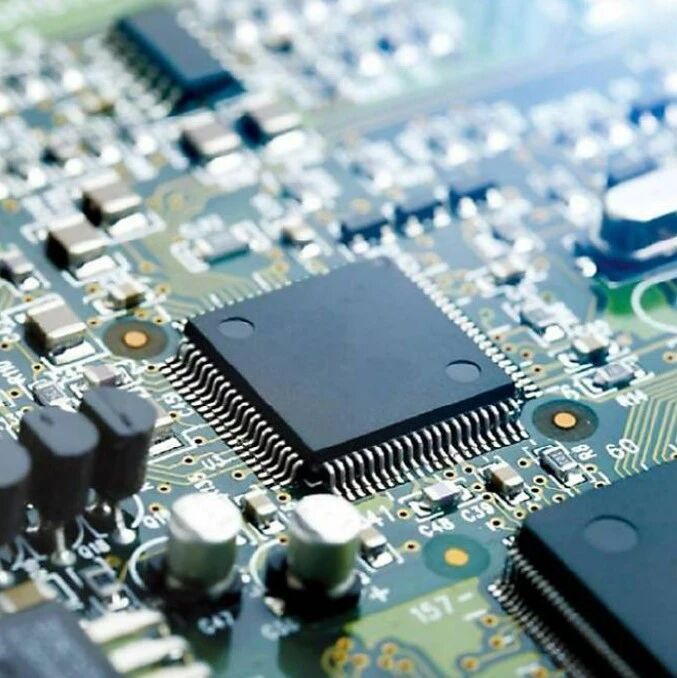
AI需求推动存储芯片量价齐升,外媒称其为“全球升值最快的资产之一”
Huan Qiu Wang· 2026-01-24 01:17
【环球网财经综合报道】近日,日本存储芯片巨头铠侠证实,AI需求正终结廉价固态硬盘时代,公司 今年产能已全部售罄,且供应紧张局面预计将持续至2027年。市场数据显示,部分主流SSD型号的价格 在过去几个月内上涨超过130%。 TrendForce集邦咨询最新研究也认为,AI高速发展带动存储器需求量价齐升,使得整体行业产值逐年创 高,预估2026年达5516亿美元,2027年则将再创高峰达8427亿美元,同比增长53%。 《华尔街日报》则发文称,如果你一年前把所有积蓄都投到几托盘电脑存储芯片上,那么到现在你的投 资至少增值一倍,而且预计价格将继续飞涨。 报道提到,这是全球升值最快的资产之一,这主要受到AI公司的旺盛需求推动。此类芯片以随机存储 器(RAM)为主,但也包括通常被称作闪存或固态存储器的存储芯片,是地球上几乎所有数字设备都需要 用到的。其中逾90%由三家公司生产:SK海力士(SK Hynix)、三星(Samsung)和美光科技(Micron)。 据来自Counterpoint Research的信息,在愿意支付巨额溢价的数据中心建设商推动下,存储器价格在 2025年最后一个季度飙升了50%,预计到202 ...

内存涨价,一台车会涨多少钱?
芯世相· 2026-01-24 01:06
Core Viewpoint - The article discusses the significant impact of rising memory prices on the automotive industry, driven by increased demand from AI applications and the structural changes in memory consumption patterns [5][9][10]. Group 1: Memory Price Increase Impact - In early 2026, memory prices surged, affecting the entire tech industry due to supply constraints, particularly in the automotive sector, which faces both cost pressures and supply stability concerns [5][8]. - The core drivers of the current memory price increase are not traditional supply-demand fluctuations but rather the shift in AI applications from training to inference, leading to a structural change in memory consumption [9][10]. - The automotive industry is experiencing a complex situation where the demand for memory in smart vehicles has increased significantly, with requirements rising from a few GB to 64GB or even 256GB in high-end models [9][10]. Group 2: Cost Impact on Automotive - For a smart electric vehicle priced at 200,000 yuan, the cost of onboard memory typically ranges from 1,000 to 3,000 yuan. A 50% increase in memory prices could raise costs by 500 to 1,500 yuan, while a 100% increase could raise costs by 1,000 to 3,000 yuan [11]. - The real concern for automakers is not just the increased costs but the stability of supply, as memory may become a new risk point in the supply chain, potentially affecting production schedules and delivery timelines [12][14]. Group 3: Differentiated Impact on Automakers - Larger automakers can mitigate price increase risks through long-term procurement agreements and diversified supplier strategies, while smaller firms may struggle due to limited bargaining power and supply chain resilience [14][16]. - The memory price increase is expected to push up vehicle prices, reflecting the limited profitability of automakers compared to AI giants, which dominate the memory supply chain [16]. Group 4: Consumer Behavior and Market Dynamics - In the short term, memory price increases are unlikely to significantly alter consumer purchasing behavior, as buyers prioritize safety, brand, and smart features over price sensitivity [15]. - The importance of storage resources is expected to rise, prompting automakers to rethink memory architecture and explore alternatives to high-end DRAM, especially as domestic storage manufacturers make technological advancements [15][16].

华为折叠机独占七成份额 但苹果很快“杀到”
Zhong Guo Jing Ying Bao· 2026-01-24 01:00
Core Insights - The Chinese foldable smartphone market is transitioning from rapid growth to a plateau phase, with a projected shipment of approximately 10.01 million units in 2025, reflecting a year-on-year growth of 9.2%, contrasting with a decline of 0.6% in the overall smartphone market [1][2] - Huawei dominates the market with a share exceeding 70%, while other brands like Honor, vivo, OPPO, and Samsung hold less than 10% each, indicating a significant market concentration [1][2] - The anticipated entry of Apple into the foldable smartphone market in 2026 is expected to revitalize consumer interest and market dynamics [4][5] Market Dynamics - The foldable smartphone market in China is entering a "small year" in 2025, with many manufacturers adjusting their production targets downward, leading to a more pronounced market segmentation [2] - Huawei's market share increased from 50% in 2024 to 71.8% in 2025, while Honor and vivo hold 9.1% and 4.9% respectively, with OPPO and Samsung tied at 4.3% [2] - The market is characterized by a "one strong, many strong" dynamic, where Huawei's continuous investment and technological advancements have solidified its leading position [2] Product Innovations - Huawei's product lineup for 2025 includes various foldable designs, such as the Mate X6, Mate X7, and the innovative Mate XTs, which cater to different consumer preferences [3] - The expected launch of Apple's first foldable iPhone, tentatively named iPhone Fold, is set for fall 2026, featuring advanced materials and design innovations [5][6] Future Outlook - The entry of Apple is anticipated to attract more consumers to foldable smartphones, potentially driving market growth [6] - Analysts predict that the global foldable smartphone market will see a significant increase, with shipments expected to reach 20.6 million units in 2025, and a projected 30% growth in 2026 due to Apple's and Samsung's contributions [6][7] - The introduction of Apple's foldable iPhone is viewed as a pivotal moment for the foldable segment, likely catalyzing broader adoption and technological advancements in the supply chain [7]
华尔街见闻早餐FM-Radio | 2026年1月24日
Hua Er Jie Jian Wen· 2026-01-23 23:22
华见早安之声 请各位听众升级为见闻最新版APP,以便成功收听以下音频。 市场概述 投资者等待下周美联储会议和大型科技公司财报。美股主要股指涨跌互现。道指跌0.6%,标普基本持 平,本周累计跌0.42%,去年6月以来首次两周连跌。科技七巨头涨超1%。英特尔绩后暴跌17%。苹果 跌0.12%,本周累计跌近4%、连续第八周下跌,创2022年5月以来最长连跌。 周五美债交投相对平淡,10年期美债收益率跌1个基点,2年期收益率持平。 美元重挫0.87%,创去年8月以来最大日跌幅。非美货币大涨,日元因市场传言日本当局可能干预而飙 升1.6%。 加密货币盘中反弹后回落,比特币和以太坊大体持平于周四尾盘。 贵金属继续飙升。现货黄金涨1%、逼近5000美元,本周累计涨超8%、创近六年来最大周涨幅。现货白 银周五盘中暴涨7%,首次突破100美元大关。美油涨超2%,报道称特朗普企图阻挠伊拉克出口石油。 亚洲时段,AH股震荡走高,商业航天、光伏大爆发,碳酸锂突破18万大关,沪银站上25000创历史新 高。 要闻 公募业绩基准新规落地:业绩长期低于基准,基金经理应降薪,设置一年过渡期。 金属狂欢掀高潮!白银首次破百、黄金逼近5000美 ...
狂飙的内存,涨的不是钱!是人类的斩杀线!
电动车公社· 2026-01-23 18:32
Core Viewpoint - The article discusses the unprecedented rise in memory prices, particularly DDR5 memory, and its implications for various industries, including consumer electronics and automotive sectors. The surge in prices is attributed to the increasing demand driven by AI developments and the strategic decisions of major memory manufacturers. Group 1: Memory Price Surge - The price of a single 256GB DDR5 memory module has skyrocketed to 42,000 yuan, making it comparable to gold bars in value [5][7] - The prices of other computer components, such as solid-state drives and graphics cards, have also increased significantly, with a 1TB SSD now costing around 1,200 yuan, up from 300 yuan two years ago [10][11] - The rising costs are severely impacting consumers looking to build PCs, as well as manufacturers of smartphones and laptops, who have raised prices by approximately 500 yuan for new models [12][13] Group 2: Impact on Automotive Industry - The automotive sector is also feeling the pressure from rising memory costs, with estimates suggesting that the average cost per vehicle may increase by 1,000 to 3,000 yuan due to higher memory prices [20] - Major automotive companies, including NIO and Xiaomi, have acknowledged that the cost pressures from memory are significant, affecting their pricing strategies [16][18] Group 3: Supply Chain Dynamics - OpenAI has signed substantial contracts for graphics cards, leading to a projected demand for 4-5 million units from NVIDIA and 240,000 from AMD, which has strained the supply chain [54][55] - Major memory manufacturers, including Samsung and SK Hynix, have shifted their production focus from consumer-grade DRAM to server-grade HBM memory, exacerbating the supply shortage for consumer memory products [58][61] - Approximately 60-70% of consumer-grade DRAM capacity is now directed towards AI server memory, leading to significant price increases for consumer memory [63] Group 4: Market Behavior and Future Outlook - Despite the rising prices, major manufacturers are hesitant to expand production capacity significantly, with Samsung and Hynix planning only modest increases of 4.5% and 8.5%, respectively [69][70] - The cautious approach to capacity expansion is attributed to the potential for market oversupply in the future, reflecting a broader trend of greed within the memory industry [80] - The article suggests that the current memory price surge may persist until at least 2030, driven by ongoing AI demand, although some analysts warn of a potential bubble that could burst [25][26][110] Group 5: AI and Energy Concerns - The development of AI is expected to lead to a massive increase in energy consumption, with predictions indicating that global data centers could consume 945 TWh by 2030, significantly impacting energy resources [114][115] - The article raises concerns about the sustainability of AI growth, highlighting the potential for energy shortages and increased electricity costs as data centers expand [127][128] - The interplay between AI advancements and energy demands is framed as a critical issue that could shape the future of both industries and society at large [130][131]


先进封装-玻璃基板行业的发展现状与未来展望
2026-01-23 15:35
Summary of Glass Substrate Industry Development and Future Outlook Industry Overview - The glass substrate industry is gaining traction due to its low dielectric constant and loss factor, making it superior to traditional PCB boards in high-frequency applications, particularly in reducing substrate loss and parasitic effects [1][2][3]. Key Points and Arguments - **Chiplet Technology Demand**: The demand for high wiring density interposers driven by chiplet technology has rendered traditional ABS and BT substrates inadequate. Glass interposers (TG) are emerging as a critical development direction due to their micron-level line width and spacing capabilities, cost advantages, and excellent thermal and mechanical stability [1][2]. - **Intel's Initiatives**: Intel is actively establishing glass substrate production lines in collaboration with companies like Asahi Glass, Schott, and Corning to research material properties and validate products with partners such as ASE and TSMC, aiming for mass production through a foundry model [1][4]. - **Advanced Packaging Techniques**: The advanced packaging technology for glass substrates involves high-precision processes such as drilling, filling, and coating, which may lead to a specialized division of labor in the future [1][6]. - **Investment in Production Lines**: A production line for a 515×510 mm glass substrate requires an investment of approximately 1.3 to 1.5 billion RMB, with key equipment including cleaning, laser induction, and PVD coating systems [2][12]. Industry Trends - **Technological Advancements**: The development trend includes high-precision equipment for drilling, filling, and coating processes, with a potential shift towards specialized manufacturers for different stages of production [6][10]. - **Market Potential**: The market for optical-electrical co-packaged glass substrates could exceed $3 billion in the next three to five years if the 1.6T substrate meets the needs of companies like NVIDIA [9]. Competitive Landscape - **Global Players**: Major companies like NVIDIA focus on AI chip and GPU packaging, while Cisco is concentrating on 5G RF chips and optical modules. South Korean firms SKC and Samsung are also advancing their research in this area [4][5]. - **Domestic Developments**: There is currently limited information on domestic companies' progress, but it is anticipated that they will gradually follow this trend to meet future market demands [4]. Equipment and Production Challenges - **Equipment Requirements**: The production of glass substrates necessitates specialized equipment due to significant differences in processes compared to traditional ABF substrates, including the use of laser induction for drilling and PVD for copper plating [10][11]. - **Bottlenecks**: Current bottlenecks include matching existing laser and PVD technologies and ensuring consistency across different glass types and thicknesses during production [15][23]. Future Outlook - **Market Maturity Timeline**: While some reports suggest that mass application could be achieved by 2027, it is believed that at least two to three more years are needed for standardization and large-scale production [8]. - **Pricing Dynamics**: Currently, the price for one square meter of glass substrate ranges from 20,000 to 40,000 RMB, with expectations that prices could drop to 1/5 to 1/10 of current levels with mass production [20]. Conclusion - The glass substrate industry is poised for significant growth driven by advancements in semiconductor packaging technologies and increasing demand for high-performance materials. The collaboration among leading companies and the investment in specialized production capabilities will be crucial for realizing the full potential of this market.
数据中心产业链调研-铝电解电容
2026-01-23 15:35
Summary of Conference Call on Data Center Capacitors Industry Overview - The focus is on the data center power supply industry, specifically aluminum electrolytic capacitors, which are the most expensive passive components, accounting for approximately 60% of the passive component procurement budget [1][4]. Key Points and Arguments - **Demand and Specifications**: Data centers have higher requirements for aluminum electrolytic capacitors, with common specifications being 450 volts and 1,000-1,400 microfarads. Emerging AI applications may require even higher specifications, potentially leading to adjustments in capacity and size for future 800-volt high-voltage architectures [1][5]. - **Pricing Trends**: Currently, there is no clear trend for price increases in aluminum electrolytic capacitors. However, if aluminum prices or the prices from terminal aluminum foil suppliers rise, it could lead to price increases. A price increase was noted at the end of 2025 [12]. - **Future Demand Growth**: It is anticipated that the demand for aluminum electrolytic capacitors in data centers will grow by approximately 10% to 15% in 2026, while consumer electronics and photovoltaic products are expected to decline by 10% to 15% [16][17]. - **Component Importance**: Besides aluminum electrolytic capacitors, tantalum capacitors and multi-layer ceramic capacitors (MLCC) are also significant, but they face supply issues due to capacity constraints and conflict mineral concerns [2][4][14]. - **Supplier Dynamics**: North American customers typically specify Japanese suppliers such as Rubycon, Nippon Chemi-Con, and Nichicon. Some customers are beginning to accept Nantong Jianghai, but large-scale supply has not yet been achieved due to resistance against mainland Chinese companies [10][11]. Additional Important Insights - **Market Competition**: The power supply industry is mature, with limited changes. Mainland Chinese companies face challenges in the data center market due to customer demands and restrictions [19][20]. - **Material Considerations**: Key factors to monitor in procurement include the development of aluminum foil raw materials, which directly impact design and production processes [22]. - **Market Segmentation**: Server power supplies represent the largest share of the company's business, followed by industrial products, while consumer electronics power supplies have seen a decline but still hold a significant position [18]. This summary encapsulates the critical insights from the conference call regarding the data center capacitor market, highlighting demand trends, pricing dynamics, and supplier relationships.