伊利股份

Search documents
达能输给娃哈哈后再败给中国企业,这次赢它的是小洋人
3 6 Ke· 2025-12-03 04:16
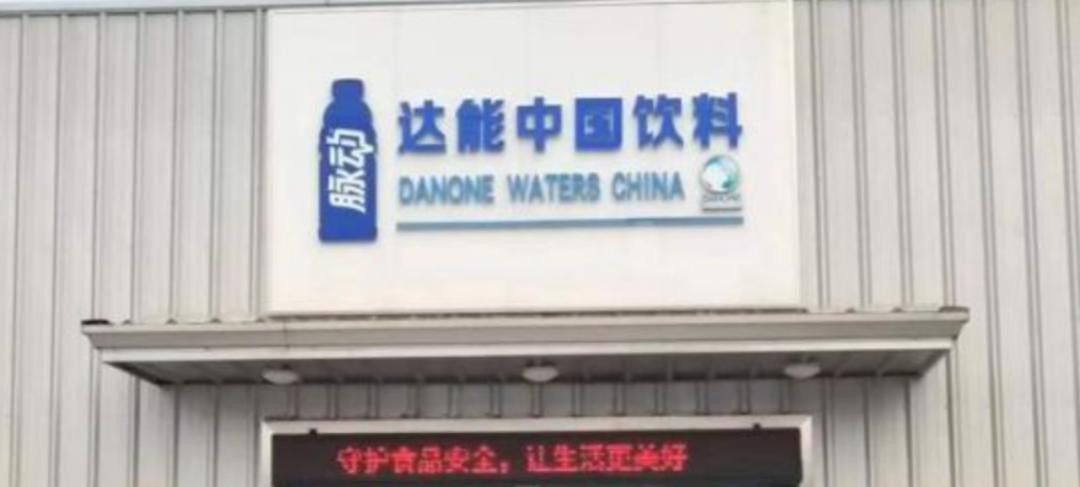
Core Viewpoint - The Supreme People's Court ruled that Danone's design patent for its "Pulse" beverage bottle is invalid due to lack of significant innovation, concluding a four-year intellectual property dispute with Xiaoyangren Biotech Group over the "Kudong" beverage [1][3][5]. Group 1: Legal Proceedings - Danone discovered a beverage named "Kudong" in 2021 that closely resembled its "Pulse" product and initiated legal action against Xiaoyangren for unfair competition [3][4]. - Xiaoyangren successfully defended against Danone's claims and challenged the validity of Danone's design patent, which was ultimately declared invalid by the Supreme Court [4][7]. - The courts recognized Danone's "Pulse" packaging as having a certain level of influence and distinctiveness, leading to a ruling against Xiaoyangren for unfair competition, resulting in a compensation of 1.5 million RMB [5][7]. Group 2: Market Position and Strategy - Xiaoyangren managed to protect its trademark and overcome Danone's patent challenge, despite facing a financial penalty and the need to change its packaging [8][14]. - The company has a history of adapting and evolving its product offerings, including launching new health-oriented beverages and innovative packaging designs to regain market competitiveness [14][16]. - Despite efforts to innovate and market effectively, Xiaoyangren's recent product launches have not yielded significant market impact, indicating ongoing challenges in the competitive beverage landscape [16][17].


底部渐明,机构密集看好2026年食品饮料行业布局机会
Mei Ri Jing Ji Xin Wen· 2025-12-03 03:17
Core Viewpoint - The food and beverage industry is currently in an adjustment phase, but it is expected to see a dual recovery in fundamentals and valuations by 2026, making it an important time for investment [1] Group 1: Market Review and Current Status - Since 2025, the food and beverage sector has performed poorly, ranking low among A-share industries, primarily due to the deep adjustment in the liquor sector [2] - The liquor industry is facing sales pressure due to macroeconomic conditions and changes in consumer scenarios, leading to a rapid clearing of corporate performance [2] - In contrast, consumer staples such as snacks and energy drinks have shown resilience, maintaining high levels of prosperity driven by new channels and product categories [2] Group 2: Core Judgments - Institutions generally believe that the most pessimistic period for the industry is coming to an end, with signs of a turning point emerging [3] - The liquor sector is currently in a state of "low expectations, low holdings, and low valuations," with pessimistic forecasts being adequately reflected, indicating a gradual bottoming phase [3] - Traditional consumer sectors like dairy and frozen foods are expected to see demand improvements following supply clearing and easing cost pressures [3] Group 3: Future Outlook - For 2026, the industry is expected to present structural opportunities, focusing on three main investment lines [4] - Left-side positioning in liquor: As supply-demand contradictions ease, leading liquor companies are expected to have high performance certainty and investment appeal, particularly in high-end and mid-high-end segments [4] - High-prosperity new consumption: New channels such as bulk snacks and instant retail, along with new categories like health drinks and convenience foods, will continue to provide growth momentum, although internal rotations may occur [4] - Recovery in traditional consumption: The dairy sector is anticipated to experience a reversal in the raw milk cycle, while competition in frozen foods is expected to ease, leading to improved corporate profitability [5] Group 4: Investment Strategy - Investment can be made through thematic industry indices, such as the Food and Beverage ETF (515170.SH), with major holdings including Kweichow Moutai (17%), Wuliangye (14%), Yili (13%), Shanxi Fenjiu (7%), Luzhou Laojiao (6%), Haitian Flavoring (4%), Dongpeng Beverage (3%), Yanghe (3%), Angel Yeast (2%), and Gujing Gongjiu (2%) [5]
交银国际每日晨报-20251203
BOCOM International· 2025-12-03 01:59
Consumer Industry - The consumer market in mainland China has shown a mild recovery since 2025, with cautious consumer sentiment expected to continue into 2026, leading to a new normal characterized by moderate growth and structural differentiation in demand [1] - Companies can seize growth opportunities by focusing on product positioning, channel layout, and technology application, while also exploring overseas markets as a strategic path for growth [1] - The report suggests a dual strategy for investment: allocate to defensive sectors with stable cash flow and strong demand resilience, while also actively pursuing high-growth structural opportunities [2] Automotive Industry - In November, BYD's passenger car sales reached 474,921 units, showing a year-on-year increase of 8.7% but a month-on-month decline of 5.8% [3] - NIO delivered 36,275 new cars in November, marking a significant year-on-year increase of 76.3% and a month-on-month increase of 10.2% [4] - Xpeng Motors delivered 36,728 units in November, reflecting a year-on-year increase of 18.9% but a month-on-month decline of 12.6% [5] - Li Auto delivered 33,181 new cars in November, with a year-on-year decrease of 31.9% and a month-on-month increase of 4.5%, impacted by supply chain bottlenecks [8] - Leap Motor achieved total deliveries of 70,327 units in November, a year-on-year increase of 75.1% [8] - The report emphasizes the importance of maintaining caution regarding short-term fluctuations while focusing on structural opportunities in the automotive sector [11]
中国必选消费12月投资策略:市场风格继续有利
Haitong Securities International· 2025-12-03 00:41
Investment Focus - The report highlights a favorable market style for essential consumer goods in China, with several companies rated as "Outperform," including Guizhou Moutai, Wuliangye, and Yili [1]. Industry Overview - In November 2025, four out of eight tracked essential consumer sectors showed positive growth, including condiments, frozen foods, soft drinks, and dining, while four sectors, such as high-end and below-average baijiu, dairy products, and beer, experienced negative growth [3][8]. - The overall growth rate across all sectors has weakened compared to the previous month, attributed to macroeconomic conditions, structural industry conflicts, and seasonal factors [3][8]. Price Trends - In November, wholesale prices for most baijiu brands declined, with Guizhou Moutai's prices dropping by 110 to 90 yuan compared to the previous month [4][20]. - The average price for Wuliangye remained stable, while the market for high-end baijiu showed a decline in both volume and price [9][10]. Cost Analysis - The cost index for six categories of consumer goods mostly increased in November, with soft drinks and dairy products rising by 2.50% and 0.74%, respectively [4][48]. - The prices of raw materials such as paper and plastic have shown significant year-on-year changes, with paper prices increasing by 17.5% [4]. Fund Flow - As of the end of November, net inflows into Hong Kong Stock Connect reached 111.58 billion yuan, with the essential consumer sector's market capitalization share increasing by 0.32 percentage points [5]. Valuation Metrics - By the end of November, the PE historical percentile for A-share food and beverage was at 21%, with the beer sector at a low of 1% [5]. - The median valuation for leading A-share food and beverage companies remained stable at 22x, while H-share essential consumer sector PE historical percentile was at 24% [5]. Recommendations - The report suggests focusing on high-dividend stocks as a long-term strategy, particularly in the dairy sector, which is expected to recover first, and regional leaders in the baijiu market [6].





在千年商港泉州,回答一个时代命题:什么是中国式商业模式?
吴晓波频道· 2025-12-03 00:29
Core Insights - The essence of business is a game of survival, and the underlying logic for sustained corporate existence lies in the construction and reconstruction of Chinese-style business models [3][27]. Group 1: Characteristics of a Good Business Model - A good business model must have an unshakeable "core competitiveness," which many companies fail to identify even after years of operation [5][8]. - Successful business models should enable companies to become "unprecedented" in the market, altering consumer perceptions rather than just changing products [9][10]. - High profitability above industry averages is essential for a good business model, allowing for more resources for R&D and brand building [12][13]. - A good business model is often difficult to replicate completely, as seen in the case of brands like Heytea, which faced challenges due to easily imitable aspects of their initial model [14][15]. Group 2: Understanding the Chinese Market - The success of Chinese enterprises in the past relied heavily on "latecomer advantages," but this approach is no longer viable as many sectors have reached global leadership [17][18]. - There is a significant potential for domestic demand growth in China, with the population being four times that of the U.S. but with consumption only one-third of its scale, indicating a potential tripling of domestic demand in the next 10-15 years [19]. - Key characteristics of the Chinese market include a reliance on population dividends, emotional consumer behavior, profitability in lower-tier markets, and the importance of channel profit distribution for long-term marketing success [20][21][22]. Group 3: Marketing and Brand Loyalty - In the current landscape, price advantages rather than technological advantages form the basis of marketing competition, with a shift away from the "cheap and good" model [22]. - Brand loyalty in China is low, with rapid brand iteration and sensitivity to pricing affecting consumer loyalty, as demonstrated by cases like Huaxizi and Zhongxuegao [22].

从影院到货架全刷屏!超60个品牌抱上《疯狂动物城2》IP大腿
Guo Ji Jin Rong Bao· 2025-12-02 15:24
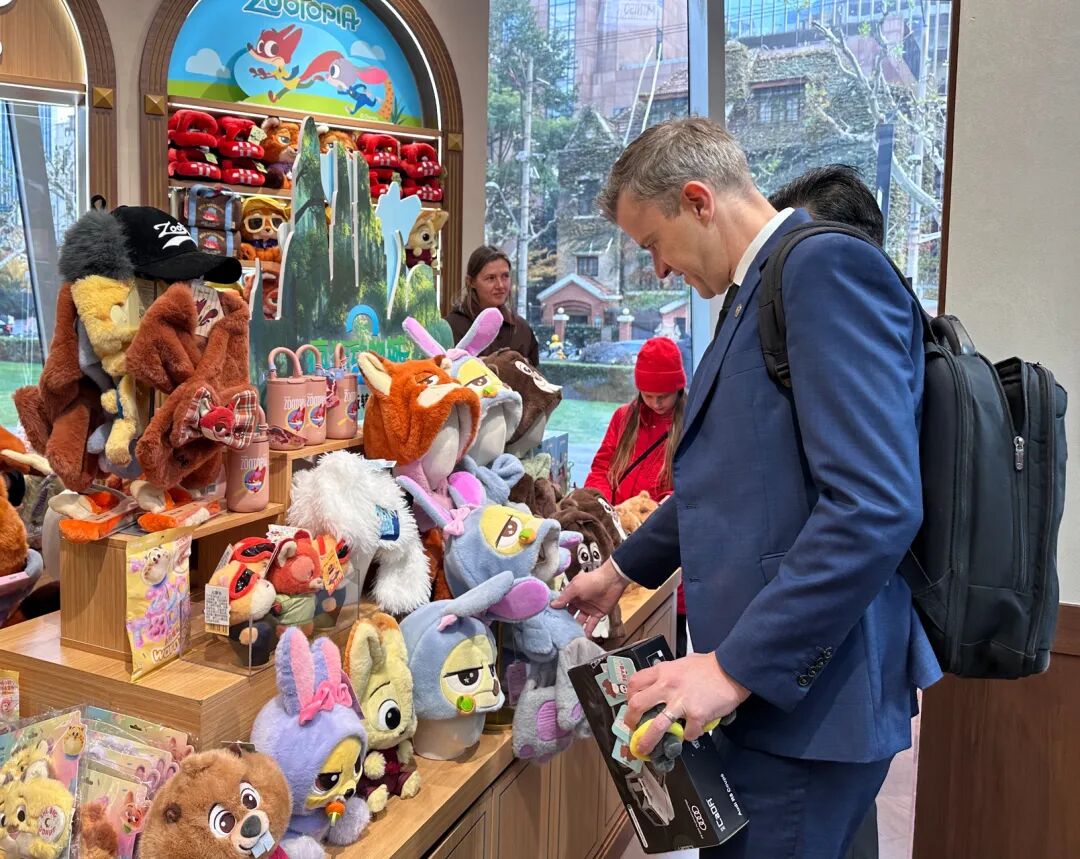
Core Insights - The popularity of "Zootopia 2" is expanding beyond cinemas into the consumer market, with a box office exceeding 2.08 billion yuan within a week of release, setting records for single-day box office in China [1] - The film has received positive reviews, currently holding a Douban score of 8.5, and is projected to surpass 4 billion yuan in total box office revenue [1] Group 1: Consumer Brand Collaborations - Over 60 consumer brands have partnered with the "Zootopia 2" IP, spanning various sectors including dairy beverages, apparel, and trendy toys, leading to a surge in demand for co-branded products [2] - Notable brands like Pop Mart, Miniso, and 52TOYS have launched co-branded products, with some items like the "Zootopia 2" blind boxes selling out quickly and experiencing significant price premiums on third-party platforms [2][4] - Miniso has integrated its brand into the film's storyline, leveraging Disney's IP for global exposure, and reported a total revenue of 15.19 billion yuan in the first three quarters of the year, with overseas revenue accounting for nearly 40% [4] Group 2: Market Impact and Trends - The success of "Zootopia 2" is anticipated due to its established fan base and Disney's reliable collaboration model, with brands like Starbucks and Luckin Coffee launching related products ahead of the film's release [4] - The film's popularity has also positively impacted unrelated brands, such as DQ Ice Cream, which saw increased sales due to a social media trend linking their product to the film's themes [6] - The "Zootopia" theme park at Shanghai Disneyland has maintained high engagement since its opening in 2023, indicating the potential for sustained interest in the IP through both online and offline channels [8]
伊利集团捐赠1000万港元驰援香港大埔火灾救援
Nei Meng Gu Ri Bao· 2025-12-02 14:09
内蒙古日报•草原云记者:韩雪茹 编校:萨其拉图 二审:李永桃 三审:许晓岚 转自:草原云 11月26日,中国香港大埔宏福苑突发重大火灾,造成重大人员伤亡与财产损失,灾情牵动人心。 伊利集团第一时间启动应急响应机制,联合中国红十字基金会捐赠1000万港元紧急驰援。这笔善款将专 项用于受灾同胞的医疗救助、紧急安置及过渡期生活保障等。 同心聚力,守望相助。伊利集团将持续关注灾情进展,与香港社会各界携手,全力支持灾后重建,助力 同胞早日渡过难关、重返家园。 ...
钟睒睒,杀入600亿新赛道
创业家· 2025-12-02 10:38
Core Viewpoint - Nongfu Spring is expanding its business into the edible ice market, investing 28.42 million yuan to build a production line with an annual capacity of 7,000 tons, capitalizing on the growing popularity of ice cups among consumers, particularly the younger demographic [6][8][15]. Group 1: Business Expansion - Nongfu Spring plans to invest 28.42 million yuan to expand its edible ice production capacity, utilizing existing facilities in Hangzhou [6][8]. - The new production line will focus on producing 160g ice cups, with an expected output of 5,600 tons, and 2kg bags of high-transparency ice, with an output of 1,400 tons [8]. - The ice cup category has seen a sales growth of over 300% for two consecutive years, indicating a strong market demand [6][13]. Group 2: Market Trends - The ice cup market is experiencing rapid growth, with a significant increase in orders for ice cup combinations with alcoholic and non-alcoholic beverages, showing year-on-year growth rates of 267% and 261% respectively [13][15]. - The edible ice market is projected to reach a sales scale of over 63 billion yuan by 2026, with an expected growth rate of 39% in the next three years [14]. Group 3: Competitive Landscape - Major players like Mengniu and Yili have entered the ice cup market, intensifying competition and potentially leading to price reductions [17][20]. - The production cost of ice cups is relatively low, but the profit margins are tight, with production costs around 0.6 to 0.7 yuan per cup and wholesale prices around 1 yuan [18][20]. - The entry of large beverage companies into the ice cup market may lead to a price war, with predictions of further price reductions in the coming years [21].


雀巢、惠氏营养品将被合并
21世纪经济报道· 2025-12-02 09:45
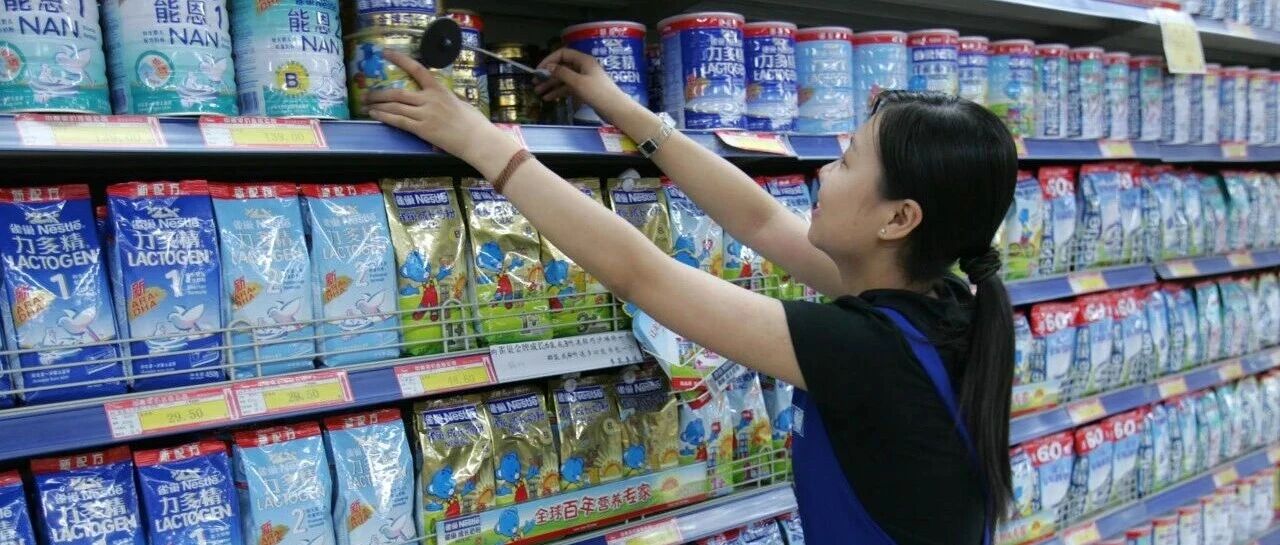
Core Viewpoint - Nestlé is undergoing a significant top-down reform, merging its Wyeth Nutrition and Nestlé Infant Nutrition business units to form a new Nestlé Nutrition business starting January 1, 2026, aiming to strengthen its leadership in the infant nutrition market in China [1][4]. Group 1: Business Strategy and Market Position - The merger is intended to enhance growth momentum and consolidate Nestlé's leadership in the infant nutrition market, which is facing a slowdown due to declining birth rates and market saturation [4]. - The infant formula market in China is experiencing a growth rate of only 0.6% as of Q2 2025, with a significant drop in marriage registrations by over 20% in 2024, indicating a diminishing new-born demographic [4]. - The ultra-premium segment of the market is becoming mainstream, with a year-on-year growth of 13.3% for ultra-premium products, while other segments are experiencing declines [4]. Group 2: Competitive Landscape - The competition in the infant formula market is intensifying, with leading brands like Yili and Feihe expanding their market share, while Nestlé and FrieslandCampina maintain brand advantages [5]. - Feihe reported a revenue decline of 9.36% to 9.151 billion yuan in the first half of the year, highlighting the competitive pressures in the market [5]. - Domestic brands have gained a dominant position in the market, surpassing foreign brands like Nestlé and Friesland in 2022 [5]. Group 3: Financial Performance - Nestlé's organic growth rate in the Greater China region was -10.4% in Q3, continuing a downward trend from Q2, which emphasizes the need for a strategic focus on the infant formula business [6]. - The sales figures for the first nine months of 2025 show a slight decline in total sales compared to the same period in 2024, indicating challenges in maintaining growth [2]. Group 4: Corporate Governance and Leadership Changes - Recent leadership changes at Nestlé include the appointment of a new CEO, who emphasizes a performance-driven culture and a focus on growth opportunities [8][10]. - The restructuring of key positions within the Greater China region, including the appointment of new leaders for the coffee and finance sectors, reflects a strategic shift under the new management [10].
CBA新赛季增设潜力赛,开放15个招商品类
Zhong Guo Jing Ying Bao· 2025-12-02 08:04
Group 1 - The CBA League's 31st season will commence on December 12, with the regular season reduced from 46 to 42 rounds, aligning game rules more closely with FIBA standards [1][2] - A new "CBA Potential Match" will be introduced, allowing more young players to gain exposure and playing time, which is seen as beneficial for player development [2][3] - The trend towards youth is evident, with 62 out of 339 registered domestic players being first-time registrants, and 197 players born in the 2000s, making up 58% of the total [3][4] Group 2 - The core player mobility is increasing, with notable players like Zhao Rui and Zhang Zhenlin involved in trades, enhancing the quality of transactions [4] - The number of sponsors has decreased from 16 to 14, with some companies exiting and new ones entering, indicating a shift in sponsorship dynamics [4][5] - The league is opening 15 categories for club sponsorship rights, aiming to enhance commercial potential and brand value for clubs [5][6] Group 3 - Several teams have undergone name changes due to sponsorship updates, reflecting the ongoing trend of brand partnerships in the league [6][7] - Alcohol companies are prominent sponsors, with five teams in the CBA and three in the WCBA being sponsored by liquor brands, highlighting the marketing strategy of leveraging sports for brand recognition [6][7] - The future of sports marketing is expected to evolve towards deeper engagement and interaction, moving beyond simple sponsorships to more integrated marketing strategies [7]