
先进制造业

Search documents
锚定强国建设推进产业体系现代化
Jing Ji Ri Bao· 2025-11-20 22:19
Core Viewpoint - The modernization of the industrial system is the material and technical foundation for Chinese-style modernization, emphasizing the importance of the real economy and the modernization of the industrial system as a strategic task for building a modern socialist country [1][2][3]. Group 1: Understanding Industrial System Modernization - The establishment and development of any social economic system require a corresponding material foundation, with a modern industrial system being crucial for modernization [2]. - Successful modernization in various countries has been linked to the process of industrial system modernization, while failure to establish such systems has led to insufficient and unsustainable modernization [2]. - China's modernization has been closely tied to the development and evolution of its industrial system, highlighting the need for a complete, advanced, and secure modern industrial system [2][4]. Group 2: Key Components of Modern Industrial System - Xi Jinping's economic thought emphasizes the construction of an industrial system that integrates the real economy, technological innovation, modern finance, and human resources [3]. - The modern industrial system should focus on intelligent, green, and integrated development, with advanced manufacturing as its backbone [3][4]. - The construction of a modern industrial system is a complex, long-term project that requires a strong focus on the real economy and the optimization of traditional industries alongside the cultivation of emerging industries [4][11]. Group 3: Development Directions - The three key directions for industrial modernization are intelligentization, green transformation, and integration, which are interdependent and collectively drive systemic leaps in industrial development [5][7][8]. - Intelligentization involves deep restructuring of the entire production chain using data and AI technologies, aiming to create a smart industrial ecosystem [6]. - Green transformation focuses on embedding low-carbon and circular economy principles throughout the industrial process, emphasizing the importance of green technology innovation and lifecycle management [7]. Group 4: Innovation and Upgrading - The optimization and upgrading of traditional industries are essential for maintaining a balanced manufacturing sector and ensuring the integrity of the industrial system [11]. - New technologies, particularly digital and green technologies, are reshaping traditional production models and development paths, necessitating a shift towards smart, green, and service-oriented manufacturing [11][12]. - The cultivation of emerging and future industries is crucial, with a focus on sectors like renewable energy, aerospace, and advanced materials, leveraging China's unique conditions for rapid technology application [12]. Group 5: Service Industry Development - The service industry is a vital component of the modern industrial system, with its share of GDP expected to increase as industrialization progresses [13]. - Enhancing the quality and efficiency of the service sector can drive industrial transformation, create jobs, and meet the evolving needs of society [13]. Group 6: Infrastructure and Support - A modernized infrastructure system is foundational for the efficient operation of the industrial system, influencing resource allocation and economic efficiency [14]. - China has made significant strides in infrastructure development, but challenges remain in terms of balance and integration [14][15]. - Future infrastructure improvements should focus on enhancing connectivity, adaptability, and advanced technology integration to support industrial modernization [15].
资管巨头发声 看多亚洲尤其是中国
Zhong Guo Ji Jin Bao· 2025-11-18 09:27
Core Insights - Allianz Investment emphasizes that the Asian market, particularly the Chinese stock market, is a key diversification choice for investors who are currently overexposed to U.S. equities [1][5]. Group 1: U.S. Monetary Policy and Fixed Income - Allianz's Chief Investment Officer for Fixed Income, Zeng Zheng, predicts further interest rate cuts by the Federal Reserve, with a terminal rate of around 3.5% by mid-2026 [1][3]. - Zeng highlights that fixed income remains a core tool for capital preservation amid macroeconomic volatility and policy divergence, urging investors to focus on maintaining portfolio resilience through prudent duration management [3][4]. - The investment return drivers are shifting, with 2025 returns driven by credit spread narrowing, while 2026 is expected to be primarily driven by spreads [3]. Group 2: Asian Market Opportunities - Zeng notes that many investors are heavily weighted in U.S. stocks, particularly in large tech sectors, and there is a trend of capital returning to Asia from global markets [6]. - The current low allocation of global investors to Asian stocks presents a significant opportunity, especially as Asian stocks have a low correlation with U.S. equities, making them a critical diversification choice [6]. Group 3: Key Investment Themes in Asia - Four major themes driving investment opportunities in Asian stocks include: 1. Innovation in technology manufacturing, particularly in semiconductors, AI, and biotechnology, especially in China and South Korea [7]. 2. Corporate reforms in China, South Korea, Japan, and Singapore aimed at enhancing shareholder value through buybacks and improved governance [7]. 3. Supply chain diversification benefiting markets like India as companies reduce geopolitical and operational concentration [7]. 4. Emerging consumer trends driven by growing domestic consumption and digital infrastructure, particularly in China and India [7]. Group 4: China's Economic Strategy - Allianz's Senior Economist for Asia, Tang Jicheng, identifies two key focuses of China's economic strategy: continued investment in advanced manufacturing and efforts to boost domestic consumption [9]. - The "14th Five-Year Plan" outlines five strategic areas for attention, including modern industrial systems, technological breakthroughs, a unified domestic market, human-centered urbanization, and international cooperation [10]. Group 5: Asset Allocation and Gold - Allianz's Head of Multi-Asset Growth, Hartwig Kos, indicates that risk assets remain attractive, with a shift towards more diversified global allocations beyond U.S. equities [13]. - Gold is reaffirmed as a strategic asset, increasingly driven by geopolitical uncertainty and de-dollarization, making it a vital component of a low-correlation, robust multi-asset investment portfolio [13]. Group 6: Sustainable Investment Trends - Allianz's Head of Sustainable and Impact Investing, Matt Christensen, notes that sustainable investment regulation is entering a new phase, with a shift from mere disclosure to clearer product classifications in the EU [15]. - Impact investing is maturing, with growing recognition of achieving market-level returns, particularly in private markets, supported by clearer outcome and reporting standards [16].
长三角释放高质量发展动能
Guo Ji Jin Rong Bao· 2025-11-18 09:11
Core Insights - The Yangtze River Delta (YRD) region, comprising Shanghai, Jiangsu, Zhejiang, and Anhui, achieved a combined GDP of 25.18 trillion yuan in the first three quarters of 2025, accounting for 24.81% of the national GDP, reinforcing its status as a key economic driver in China [1][2][3] Economic Performance - The YRD's economic growth remains robust, with Jiangsu leading at 10.28 trillion yuan, followed by Zhejiang (6.85 trillion yuan), Shanghai (4.07 trillion yuan), and Anhui (3.98 trillion yuan), all showing growth rates above the national average [2][3] - Among 41 cities in the YRD, 31 cities outpaced the national average growth rate of 5.2%, with 14 cities exceeding 6% growth [3][4] City Development Dynamics - The first tier of cities includes nine trillion-yuan cities, with Shanghai, Suzhou, Hangzhou, Nanjing, Ningbo, Wuxi, Hefei, Nantong, and Changzhou contributing significantly to the regional economy, collectively accounting for 57.6% of the YRD's total GDP [3][4] - The second tier includes cities with GDPs between 600 billion and 800 billion yuan, while the third tier consists of cities with GDPs between 500 billion and 600 billion yuan, indicating a balanced regional development [4] Industrial Growth and Transformation - Advanced manufacturing is identified as a cornerstone of the YRD economy, with Shanghai's tertiary sector contributing 79.1% to its GDP, and significant growth in high-tech manufacturing sectors [6][7] - Jiangsu's high-tech industries accounted for 51.8% of its industrial output, with notable growth in sectors like optical fiber and lithium-ion battery manufacturing [6][7] Consumption and Market Dynamics - The recovery of the consumer market is contributing to the YRD's high-quality development, with diverse drivers such as policy incentives boosting physical consumption [9][10] - Jiangsu leads in social retail sales, reflecting its substantial consumer market potential, while Zhejiang's growth in retail sales is supported by digital economy integration and innovative consumption models [10][11] Competitive City Aspirations - Cities like Wenzhou and Xuzhou are on track to achieve trillion-yuan GDP status, with Wenzhou focusing on private sector growth and Xuzhou leveraging national strategic support [11][12] - The successful elevation of these cities would expand the YRD's "trillion-yuan club" to 11 members, enhancing the region's economic influence nationally [14]

资管巨头发声,看多亚洲尤其是中国
中国基金报· 2025-11-18 09:02
Core Viewpoint - Allianz Investment emphasizes that the Asian market, particularly the Chinese stock market, is a key diversification choice for investors who are currently overexposed to the US stock market [10][11]. Group 1: Market Outlook - Allianz Investment's Chief Investment Officer for Fixed Income, Zeng Zheng, predicts that the Federal Reserve will further cut interest rates, with the terminal rate expected to be around 3.5% by mid-2026 [5][7]. - Zeng notes that recent US policy signals suggest a potential stabilization in inflation data, although employment data may weaken [6][7]. - The investment return drivers are shifting, with 2025 returns driven by credit spread narrowing, while 2026 returns are likely to be primarily driven by spreads [8]. Group 2: Investment Opportunities in Asia - Zeng highlights that many investors are overly concentrated in US stocks, particularly in large tech sectors, and there is a trend of Asian investors reallocating funds back to Asian assets [11]. - Four key themes driving investment opportunities in Asian stocks include: 1. Innovation in technology manufacturing, especially in semiconductors, AI, and biotechnology [12]. 2. Corporate reforms in China, Korea, Japan, and Singapore aimed at enhancing shareholder value [12]. 3. Supply chain diversification benefiting markets like India due to reduced geopolitical concentration [12]. 4. Emerging consumer trends driven by domestic consumption and digital infrastructure, particularly in China and India [12]. Group 3: China's Economic Strategy - Allianz Investment's Senior Economist, Tang Jicheng, identifies two main focuses of China's economic strategy: continued investment in advanced manufacturing and boosting domestic consumption [14]. - The "14th Five-Year Plan" suggests five strategic areas to watch: 1. Building a modern industrial system with a focus on advanced manufacturing and green transformation [15]. 2. Achieving substantial technological breakthroughs to enhance innovation capabilities [15]. 3. Establishing a strong domestic market to promote free flow of production factors [15]. 4. Promoting human-centered urbanization for balanced regional development [15]. 5. Strengthening international cooperation to enhance bilateral investments [15]. Group 4: Asset Allocation and Gold - Allianz Investment's Head of Multi-Asset Growth, Hartwig Kos, notes that risk assets remain attractive, with a shift towards more diversified global allocations beyond the US stock market [19]. - Gold has reestablished its status as a strategic asset, increasingly driven by geopolitical uncertainties and de-dollarization, making it a crucial component of a diversified investment portfolio [20]. - Hartwig Kos anticipates that the trend of investing in gold will continue until 2026, supported by retail investment flows and geopolitical tensions [20]. Group 5: Sustainable Investment Trends - Allianz Investment's Head of Sustainable and Impact Investing, Matt Christensen, indicates that sustainable investment regulation is entering a new phase, with a shift from mere disclosure to clearer product classifications in the EU [21]. - Impact investing is maturing, with growing recognition of achieving market-level returns, particularly in private markets [21]. - Allianz has developed proprietary tools to integrate ESG and impact risk analysis into portfolio construction, enabling scenario testing and risk mitigation strategies across asset classes [22].

广发策略&地产 | 如何看待香港楼市回暖?——港股市场策略展望
Sou Hu Cai Jing· 2025-11-17 23:31
Group 1 - The core viewpoint is that the recent recovery in the Hong Kong property market is driven by improved funding conditions and stronger economic expectations, which will enhance capital market sentiment and create a positive feedback loop between the stock and property markets [2][4][10] - The rental yield in Hong Kong (3.6%) exceeds the mortgage rate (3.22%), contrasting with mainland China's first-tier cities where rental yields are below 2% [3][6] - Historical trends indicate that property market recoveries do not lead to a diversion of funds from the stock market; instead, they often coincide with improved liquidity and economic conditions, supporting stock market valuations [15][16][17] Group 2 - The Hong Kong property market has shown signs of recovery, with transaction volumes increasing significantly in recent months, supported by favorable government policies and a declining interest rate environment [24][32][36] - The average rental yield in Hong Kong has risen above 3.5%, making property investments more attractive, while the recent decline in mortgage rates has eased the financial burden on homebuyers [32][39] - The performance of the Hong Kong stock market is expected to benefit from the recovery in the property sector, as increased wealth effects and risk appetite may lead to a positive cycle between the two asset classes [10][15][36]
构筑迈向现代化强国的坚实支撑
Jing Ji Ri Bao· 2025-11-15 16:07
Core Viewpoint - The development of the manufacturing industry is crucial for strengthening the real economy and achieving high-quality growth, which is essential for China's modernization and global competitiveness [1][4]. Group 1: Importance of Manufacturing - Manufacturing is the foundation of the real economy and is emphasized by leadership as a key area for development [1]. - High-quality development in manufacturing is vital for improving the quality of life for urban and rural residents and promoting common prosperity [2]. Group 2: Current State of Manufacturing - China's manufacturing sector has a solid foundation, being the only country with all industrial categories recognized by the United Nations and maintaining its position as the world's largest manufacturing nation for 15 consecutive years [3]. - The super-large market advantage is increasingly evident, with a growing middle-income group and rising income levels providing a vast domestic market for manufacturing products [3]. - Innovation capabilities are continuously enhancing, with increased R&D investment and a robust network of innovation centers supporting manufacturing upgrades [3]. Group 3: Strategic Directions for Development - Strengthening technological innovation is essential to transition from following to leading in key core technologies, with a focus on collaborative innovation among enterprises, academia, and research [4]. - Accelerating digital, intelligent, and green transformations is necessary to cultivate new development momentum in the manufacturing sector [4]. - Fostering emerging and future industries, such as artificial intelligence and biotechnology, is critical for maintaining international competitiveness [4]. Group 4: Regional and International Cooperation - Optimizing industrial layout and promoting coordinated regional development can enhance the synergy of industrial chains across different areas [5]. - High-level openness and deepening international industrial and technological cooperation are important for attracting global resources and achieving mutual benefits [6]. - Promoting entrepreneurial and craftsmanship spirit is essential for creating a favorable environment for high-quality manufacturing development [6].
深化合作加大研发转化力度 龚正会见美国3M公司全球首席执行官比尔·布朗一行
Jie Fang Ri Bao· 2025-11-15 00:55
Core Viewpoint - The meeting between Shanghai's Mayor Gong Zheng and 3M's CEO Bill Brown emphasizes the importance of collaboration in advancing Shanghai's development as a modern international metropolis, focusing on sustainable and innovative growth strategies [1][2]. Group 1: Shanghai's Development Strategy - Shanghai is focusing on building "five centers" to enhance its global influence as a socialist modern city [1] - The city aims to foster three leading industries: integrated circuits, biomedicine, and artificial intelligence, while upgrading traditional industries and developing key industrial clusters [1] - There is a strong emphasis on creating a modern industrial system centered around advanced manufacturing [1] Group 2: 3M's Commitment and Strategy - 3M views the Chinese market as crucial for its growth and has developed a new strategy for sustainable development in China [1] - The company plans to increase investment and innovation efforts in Shanghai, particularly in green and low-carbon solutions [1] - 3M expresses confidence in Shanghai's development and aims to better meet local customer needs through its initiatives [1][2]

中金 | 深度布局“十五五”:机械篇
中金点睛· 2025-11-12 23:26
Core Viewpoint - The article emphasizes the critical role of advanced manufacturing in building a modern industrial system, highlighting the need for high-quality development and technological innovation in the manufacturing sector [2][4]. Manufacturing Industry Overview - The manufacturing sector's production value reached 25.5 trillion yuan in the first three quarters of 2025, accounting for 25% of GDP, indicating steady growth [2]. - The manufacturing PMI index decreased by 0.8 percentage points to 49.0% in October, with high-tech manufacturing, equipment manufacturing, and consumer goods sectors remaining in the expansion zone [2]. - The Producer Price Index (PPI) showed a year-on-year decline of 2.3% in September, with a narrowing decline compared to the previous month, suggesting improved supply-demand dynamics [2]. Technological Advancements - The article discusses the importance of accelerating technological self-reliance, particularly in AI, nuclear fusion, and new energy sectors, which are expected to transform production and manufacturing models [6]. - High-tech manufacturing is anticipated to continue driving the development of the manufacturing industry [2]. Robotics Sector - The humanoid robot sector is expected to see significant growth from 2026 to 2030, with opportunities in hardware participation and new technologies [7]. - Collaborative robots are projected to grow rapidly, with a year-on-year sales increase of 47% in the first half of 2025, indicating strong demand for human-machine collaboration [7]. Lithium Battery Equipment - China has a competitive advantage in the global lithium battery equipment market, with a complete supply chain and ongoing technological breakthroughs [8]. - The capital expenditure growth for leading domestic lithium battery companies is expected to accelerate in 2025-2026, driven by increasing demand in both domestic and international markets [8]. Solid-State Battery Development - Solid-state batteries are identified as a core technology for next-generation power batteries, with significant advantages in energy density and safety [9]. - The Chinese government is investing 6 billion yuan in solid-state battery R&D projects, indicating strong policy support for this technology [9]. Hydrogen Energy Equipment - Hydrogen energy is recognized as a strategic component for national energy security, but the industry faces challenges in cost and technology [10]. - The article suggests focusing on domestic production of key hydrogen energy components to overcome current bottlenecks [11]. Nuclear Fusion - Nuclear fusion is positioned as a future core industry, with significant investments and projects underway to advance its commercialization [12]. - The construction of major projects like CFETR and BEST is expected to create investment opportunities across the supply chain [12]. Quantum Technology - The quantum computing sector is rapidly advancing, with significant growth expected in the global market, driven by breakthroughs in hardware [13]. - The article highlights the potential for core equipment manufacturers to benefit from the commercialization of quantum technology [13]. Internationalization and Export Growth - China's manufacturing exports grew by 7.1% year-on-year in the first three quarters of 2025, with a shift towards high-value-added products [14]. - The export volume of excavators increased significantly, reflecting the competitiveness of traditional industries in the global market [14][15].

株洲,一座工业老城的破与立
21世纪经济报道· 2025-11-12 12:17
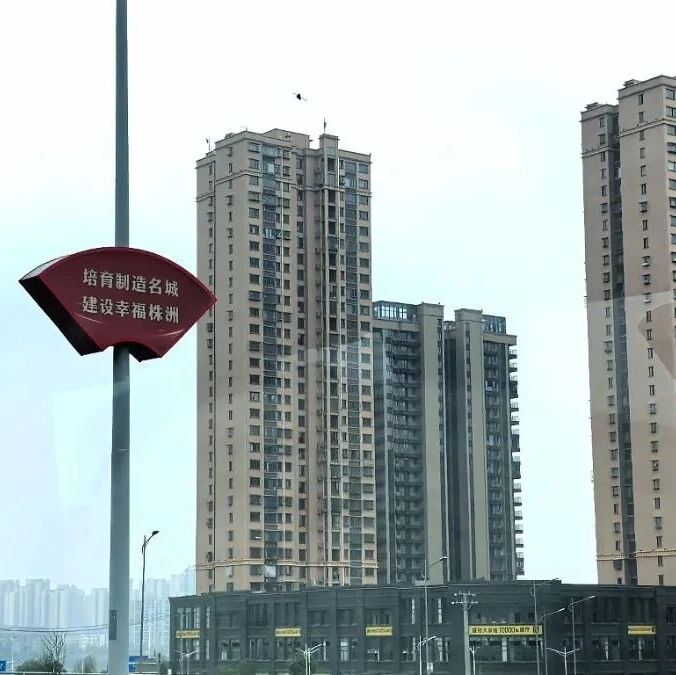
Core Viewpoint - Zhuzhou is positioning itself as a manufacturing city with a focus on advanced manufacturing, aiming to enhance its industrial and manufacturing GDP contributions by 2024, ranking first in Hunan Province [1][4]. Group 1: Economic Contribution and Industrial Development - By 2024, the industrial and manufacturing sectors in Zhuzhou are projected to account for 39.9% and 37.4% of the GDP, respectively, showing an increase from 2020 [1]. - Zhuzhou has developed three national advanced manufacturing clusters in rail transit equipment, small and medium-sized aircraft engines, and ultra-high voltage transmission equipment, along with three national characteristic industrial clusters for small and medium enterprises [1][4]. - The city has improved its ranking in the national advanced manufacturing cities from outside the top 50 in 2020 to 37th in 2024 [1]. Group 2: Technological Advancements and Digital Transformation - Zhuzhou is leveraging its large enterprises to drive digital transformation and high-end industrial development, achieving an 81% digital coverage rate among large manufacturing enterprises [4]. - The world's first intelligent manufacturing workshop for bogies has been established in Zhuzhou, along with the first domestic 5G automatic detection production line for ceramics [4]. - Zhuzhou's CRRC Zhuzhou Electric Locomotive Co., Ltd. has developed several intelligent production lines, enhancing manufacturing capabilities [4][7]. Group 3: Future Industry and Strategic Planning - The city aims to build world-class industrial clusters in rail transit and small aircraft engines by 2025, while also promoting advanced materials and semiconductor industries [11][12]. - Zhuzhou has initiated the development of a Beidou industry cluster, achieving a scale of 11.3 billion yuan within three years and establishing the province's first commercial satellite factory [12][13]. - The local government is focused on creating a favorable business environment and providing substantial financial support to attract and develop new industries [13]. Group 4: Performance Metrics and Growth - From January to September this year, Zhuzhou's manufacturing sector saw a 10.4% increase in value added, contributing significantly to the overall industrial growth [14]. - Among 37 industrial categories, 27 reported positive growth, with notable increases in metal products (36.8%), electrical machinery (30.8%), and pharmaceutical manufacturing (12.2%) [14].
“十五五”规划分析及产业投资机遇展望
Ping An Securities· 2025-11-12 10:27
Group 1: Economic Strategy - The "15th Five-Year Plan" emphasizes economic construction as the core focus, aiming to build a modern industrial system centered on advanced manufacturing[9] - Key industrial development lines include "hard technology," advanced manufacturing, domestic circulation, and energy resource security[3] - The plan aims to create a market space of 10 trillion yuan by optimizing traditional industries and fostering emerging sectors over the next five years[8] Group 2: Hard Technology and Advanced Manufacturing - The plan highlights the importance of original innovation and key core technology breakthroughs, particularly in AI and digital technologies[12] - The automotive industry is expected to see accelerated commercialization of L3/L4 autonomous driving technologies during the "15th Five-Year Plan" period[34] - The focus on advanced manufacturing aims to enhance the global competitiveness of traditional industries like chemicals and machinery, with a push towards smart and green manufacturing[8] Group 3: Domestic Circulation and Consumption - The plan stresses the need to boost consumption and expand effective investment, particularly in the real estate sector, to support high-quality development[3] - The "anti-involution" policy is expected to improve the operational environment for construction materials and consumer goods, benefiting companies in these sectors[3] Group 4: Resource Security - The plan calls for strengthening the exploration and development of strategic mineral resources, particularly rare earths, to enhance their strategic importance[3] - It emphasizes the need for a new energy system, focusing on clean and efficient utilization of fossil energy while promoting renewable energy sources[3] Group 5: Market Outlook and Risks - The equity market is expected to maintain high volatility, with a focus on sectors benefiting from industrial recovery and performance superiority[3] - Key risks include macroeconomic fluctuations, lower-than-expected corporate profit growth, and geopolitical uncertainties[3]