
贸易战

Search documents
连续2个月零进口!美终于发现不对劲,中方出手不留情面,特朗普火速称与中国关系好
Sou Hu Cai Jing· 2025-07-28 04:35
Core Insights - The article highlights a significant decline in China's imports of energy commodities from the U.S., with crude oil imports dropping from nearly $800 million last year to zero this year, and LNG shipments halted for four consecutive months [1][3] - The U.S. energy sector is facing unprecedented challenges, with the absence of Chinese buyers leading to a two-year low in U.S. crude oil exports [3][6] - The article discusses the strategic dilemma faced by the Trump administration, which oscillates between aggressive rhetoric and attempts at diplomatic engagement with China [4][6] Energy Trade Dynamics - China's imports of U.S. crude oil, LNG, and coal have plummeted due to tariffs imposed by the Chinese government, which include a 10% tariff on crude oil and 15% on coal and LNG [1][3] - The U.S. energy market has been significantly impacted, with Canadian and Middle Eastern suppliers filling the void left by the absence of U.S. energy exports to China [3][6] - The article emphasizes that the U.S. is losing the first round of the energy battle, as evidenced by the drastic drop in trade figures [3][6] U.S. Government Response - The U.S. Treasury Secretary's contradictory statements about trade negotiations with China reflect a lack of confidence in the U.S. position [4][6] - The Trump administration's threats to impose tariffs on countries purchasing Russian oil indicate a desperate attempt to regain leverage in the energy market [4][6] - The article suggests that the U.S. is caught in a bind, needing to balance tough rhetoric with the reality of economic interdependence with China [6][7] Strategic Implications - The article argues that the U.S. attempts to use sanctions to disrupt China's energy supply have backfired, as China has turned to cheaper Russian oil [6][9] - China's strategic response to U.S. pressures demonstrates a calculated approach, focusing on energy as a critical point of leverage while maintaining trade discussions [6][9] - The shift in U.S. rhetoric from aggression to a more conciliatory tone indicates a recognition of the unsustainable nature of a confrontational approach in the current global economic landscape [7][9]

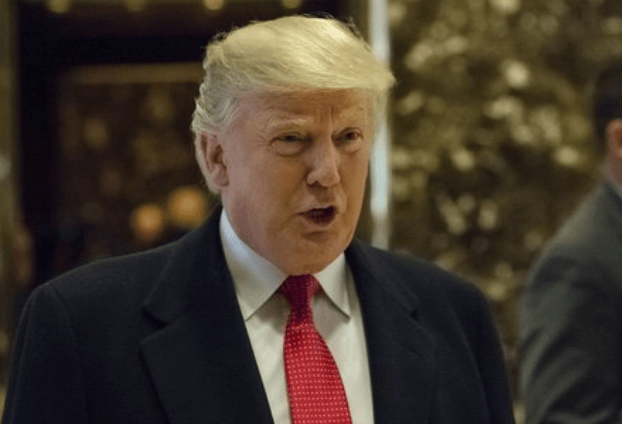
X @外汇交易员
外汇交易员· 2025-07-28 02:41
Trade Negotiation Outlook - Trade negotiations between China and the US in Stockholm are expected to result in a three-month extension of the tariff truce [1] - Both countries are expected to commit to refrain from imposing additional tariffs or escalating the trade war [1] Key Issues - The US will likely express concerns regarding China's excess industrial capacity [1] - China is expected to pressure the US regarding fentanyl tariffs [1]
PVC:短期偏弱
Guo Tai Jun An Qi Huo· 2025-07-28 02:04
PVC:短期偏弱 商 品 研 究 2025 年 7 月 28 日 周五夜盘商品普遍大幅下跌,反内卷情绪减弱,短期情绪面和资金集中平仓影响仍较大,下周 PVC 预 计走势偏弱。PVC 在此轮反内卷过程中基本面并没有明显改善,考虑到 PVC 装置大多有持续维护升级改造, 目前反内卷政策也未涉及 PVC 行业,因此影响相对有限。 基本面看,PVC 行业利润在此轮反弹过程中大幅扩张。下半年看,供应端减产驱动不足,PVC 高产量, 高库存的结构难以缓解,因此市场后期仍会做空氯碱利润。此外,宏观方面关注 8 月份贸易战可能超预期 的风险。 高产量的结构短期难以改变:PVC 检修量低于 2023 年同期,高产量格局持续。一方面氯碱成本下滑, 另一方面 2025 年烧碱需求支撑尚可,维持较高利润,氯碱产业链以碱补氯,这也加大了 PVC 自身因亏损导 致大规模减产的难度。此外,未来仍有较多产能投产,尤其在 7-8 月将面临新增产能投放,预计投产达到 110 万吨,高产量格局短期难改变。 高库存的压力持续,出口需求也只能阶段性缓解:2025 年 PVC 出口市场竞争压力增大,出口仍会受印 度加征反倾销税和 BIS 认证影响,因此 ...
信达国际港股晨报快-20250728
Xin Da Guo Ji Kong Gu· 2025-07-28 01:56
Market Overview - The Hang Seng Index is expected to rise towards 26,000 points due to a stable economic outlook in mainland China and a positive risk appetite in the Hong Kong market, despite limited improvement in corporate earnings [2][5] - The market remains active with capital rotating across different sectors, and new trade negotiations between China and the US are anticipated to ease trade tensions [2][7] Sector Focus - Key market focus includes Hong Kong's June import and export data and the performance of companies like WuXi AppTec (2359) [3] Macroeconomic Insights - The US Federal Reserve maintained interest rates in June, with an adjusted core PCE forecast for 2025-2027, indicating a cautious approach towards future inflation uncertainties [5] - The trade negotiations between the US and various countries are ongoing, with potential impacts on oil demand growth and international oil prices [5] Corporate News - Alibaba (9988) launched its first self-developed AI smart glasses, Quark Glasses, while JD.com (9618) initiated a plan to introduce 1,000 overseas brands within three years [7][10] - China Duty Free Group (1880) reported a 21% decline in net profit for the first half of the year, while China Resources Beverage (2460) issued a profit warning, expecting a 30% drop in net profit [7] Economic Indicators - The first half of 2025 saw a 1.8% decline in profits for industrial enterprises in mainland China, with state-owned enterprises experiencing a 7.6% drop [8] - The logistics costs in mainland China decreased, with the ratio of total logistics costs to GDP falling to 14% [8] Investment Climate - The Chinese government is focusing on stabilizing the market and enhancing regulatory measures to support economic recovery and growth [9] - The China Securities Regulatory Commission is working on improving corporate governance standards for listed companies [9]
大越期货沪铜早报-20250728
Da Yue Qi Huo· 2025-07-28 01:49
Report Summary 1. Report Industry Investment Rating No information provided. 2. Core View of the Report The copper market presents a complex situation with a mix of neutral, bearish, and bullish factors. The copper price is expected to experience oscillatory adjustments due to factors such as a slowdown in Fed rate - cuts, rising inventories, ongoing geopolitical disturbances, and weak consumption during the off - season [3]. 3. Summary by Relevant Catalogs Daily View - **Fundamentals**: Smelting enterprises are reducing production, and the scrap copper policy has been relaxed. In June, the manufacturing PMI was 49.5%, unchanged from the previous month, indicating stable manufacturing sentiment (neutral) [3]. - **Basis**: The spot price is 79,535, with a basis of 285, showing a premium over futures (neutral) [3]. - **Inventory**: On July 25, copper inventories increased by 3,700 to 128,475 tons, and SHFE copper inventories decreased by 11,133 tons to 74,423 tons compared to the previous week (neutral) [3]. - **Market trend**: The closing price is below the 20 - day moving average, and the 20 - day moving average is moving downward (bearish) [3]. - **Main positions**: The main net positions are long, and the long positions are increasing (bullish) [3]. - **Expectation**: With a slowdown in Fed rate - cuts, rising inventories, geopolitical disturbances, and weak consumption during the off - season, the copper price will undergo oscillatory adjustments [3]. Recent利多利空Analysis - **Likely factors**: Domestic policy easing and trade - war escalation are the influencing logics, but specific利多 and利空 factors are not elaborated [4]. Supply - Demand Balance - The supply - demand situation in 2024 shows a slight surplus, and it will be in a tight balance in 2025 [21]. - The China annual supply - demand balance table shows production, import, export, apparent consumption, actual consumption, and supply - demand balance from 2018 to 2024. For example, in 2024, production is 12.06 million tons, imports are 3.73 million tons, exports are 0.46 million tons, apparent consumption is 15.34 million tons, actual consumption is 15.23 million tons, and there is a supply surplus of 0.11 million tons [23]. Other Information - **Spot**: Information on spot prices includes place, mid - price, price changes, and inventory types, but specific data is not filled in [7]. - **Exchange Inventory**: The report mentions exchange inventory, but no detailed analysis is provided [13]. - **Bonded Area Inventory**: Bonded area inventories are rising from a low level [15]. - **Processing Fees**: Processing fees are declining [17].
难怪美急着访华,贸易数据送进白宫,中方一滴美原油未进
Sou Hu Cai Jing· 2025-07-28 00:19
曾经不可一世的特朗普,如今为了能源出口,对中国频频示好,这出戏码,比好莱坞大片还精彩。 曾经挥舞关税大棒,如今却低声下气"求购",这巨大 的反差令人唏嘘。 而这出戏剧的背后,是冰冷的海关数据——2025年6月,中国对美国原油、天然气、煤炭的进口额全部归零! 中国早已未雨绸缪,早已做好了应对准备。 一位中国能源采购商坦言:"美国货? 早就不在我们采购清单上了!" 特朗普的如意算盘彻底落空了。 眼看着能源企业叫苦连天,特朗普终于坐不住了。 他含糊其辞地表示"不会太久",这暗指他正被300亿美元的半年损失 逼得走投无路。 中国曾是美国能源最大的买家,2024年购买了价值740亿美元的原油和天然气。 如今,这块"肥肉"不翼而飞,美国的贸易逆差反而扩大 到4980亿美元。 更令人讽刺的是,美国页岩油革命正试图冲击"全球最大能源出口国"的宝座,却被自身的关税政策狠狠地绊了一跤。 中美经贸谈判依然暗流涌动。 下周,中美将在瑞典重启经贸谈判,中国副总理何立峰将率领代表团出席。 然而,美国财长耶伦却突然插手,声称要讨 论"中国购买俄伊石油资助战争"的问题——此举无疑激怒了中方,中方回应道:"我们做生意,与你的地缘政治有何关系? ...
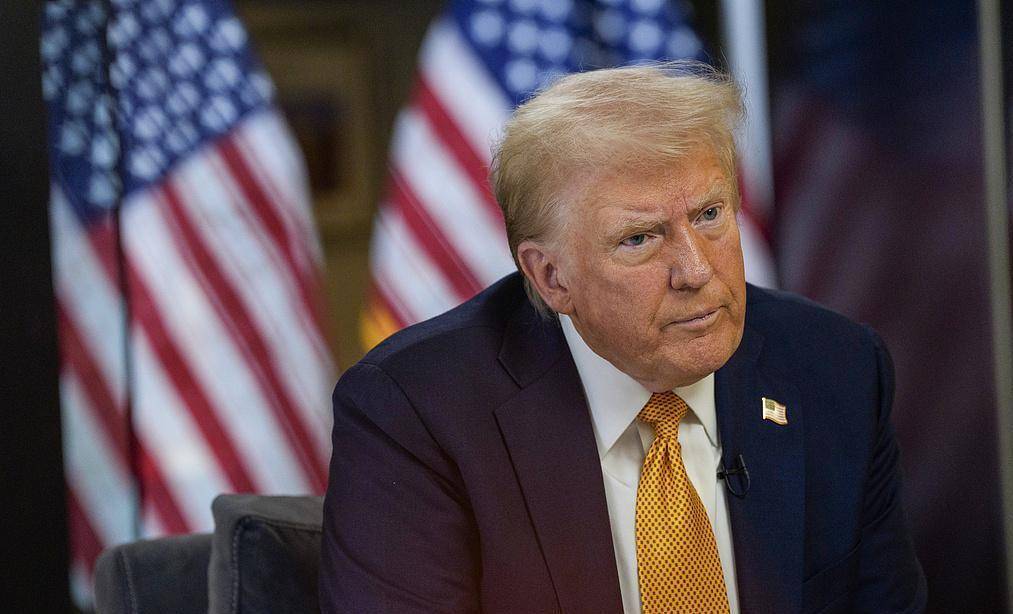
特朗普关税威胁遭专家嘲讽,中国反制手段亮底牌,美国经济隐患成焦点
Sou Hu Cai Jing· 2025-07-27 13:02
最近,特朗普政府又搞了个大动作,说要对中国和俄罗斯做生意的国家课以高额关税,最高能到500%,虽然最后特朗普自己降到了100%,但明显是想吓 唬人。美国财长贝森特也跟着凑热闹,说以后和中国谈生意不能再只看传统贸易,得把中俄能源合作也拉进来谈。这招很明显是特朗普在贸易战没赢够, 想换个角度继续施压,逼中国在能源合作和地缘政治上低头。 不过,美国这招在国际上被狠泼冷水。哥伦比亚大学的教授杰弗里·萨克斯直接嘲讽说,特朗普这是老把戏,喊得凶但实际干不了啥。为啥?因为中国手 里有太多反制手段。比如,要是美国真敢动手,中国一卡稀土出口,美国从手机到军用装备的生产线都能瘫痪——中国是全球最大的稀土生产国,这玩意 儿现代科技全靠它。 再比如金融领域,中国现在还捏着美国不少国债,要是突然大量抛售,美元汇率暴跌、利率飙升,美国政府和企业的债就更还不起了。更别说中国这些年 一直在加强和俄罗斯、伊朗的能源合作,不仅能源供应更稳,还通过金砖国家、上合组织这些平台,把更多国家拉进来搞合作,慢慢松动美国主导的国际 体系。 美国自己其实也乱得很。国内政治分裂、经济不景气,搞这么硬的招数,企业可慌了。想想看,美国这么多大公司都在中国做生意,要 ...
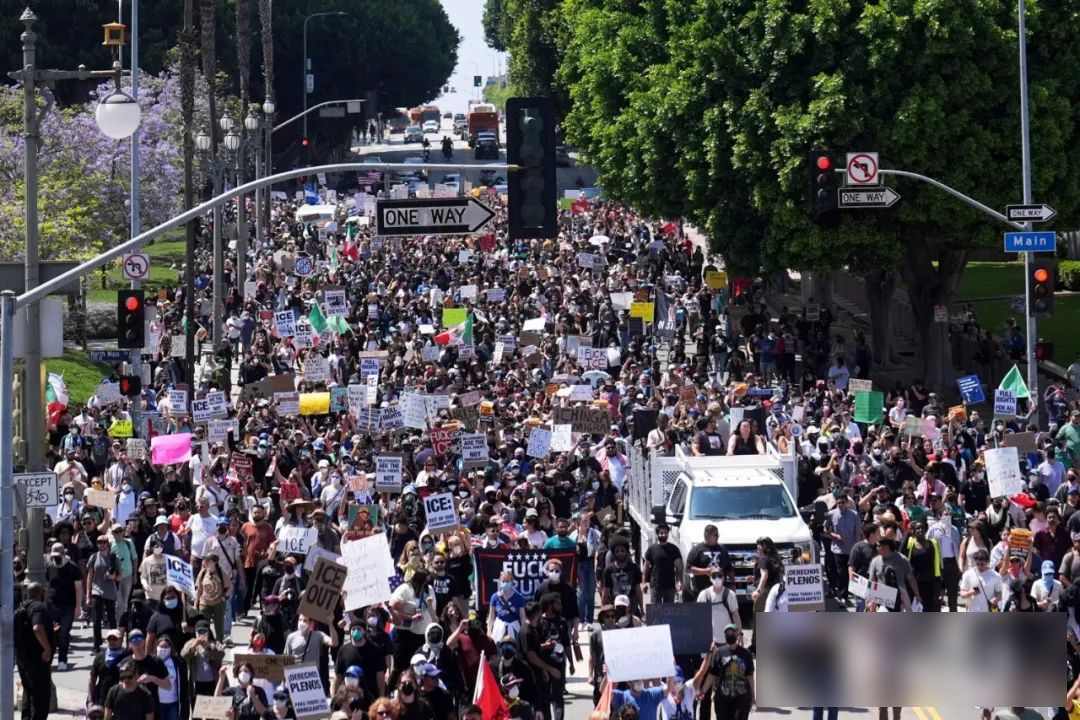
美国要“打仗”就奉陪到底,德国为何态度大变?中国这3件法宝太给力
Sou Hu Cai Jing· 2025-07-27 11:16
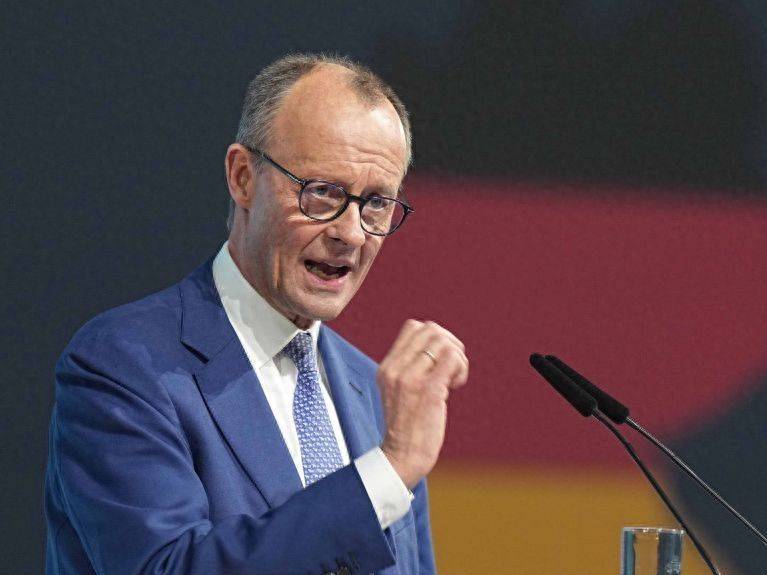
Core Viewpoint - The recent escalation in trade tensions between the EU and the US, particularly driven by Trump's ultimatum for increased tariffs, has led Germany to adopt a surprisingly aggressive stance in defense of its economic interests [1][3][4]. Group 1: Trade Relations and Tariffs - Trump has threatened to raise tariffs on EU imports to 15% starting August 1, which could impose additional costs exceeding 100 billion euros on EU businesses [3]. - Germany, as the EU's largest exporter, faces significant risks, particularly in its automotive sector, where a 15% tariff could severely undermine price competitiveness in the US market [4]. - The German government has responded with a strong commitment to explore all options in retaliation against US trade policies, indicating a readiness for a trade conflict [4][11]. Group 2: Germany's Strategic Shift - Germany is seeking to strengthen ties with China, as evidenced by high-level visits aimed at enhancing cooperation in trade, climate, and technology [4][6]. - The planned visit by German Chancellor Merz to China, accompanied by CEOs from major German companies, aims to secure Chinese investments and deepen bilateral cooperation [6]. - Germany's observation of China's resilience during the US-China trade war has prompted a reevaluation of its own economic strategies, focusing on self-reliance and independence from US influence [8][9]. Group 3: Lessons from China - China's experience in navigating trade conflicts has shown that maintaining control over key industries and supply chains is crucial for economic stability [8][9]. - Germany recognizes the need to reduce dependency on US technology and components, particularly in high-tech sectors where over 60% of critical components are sourced from the US [9]. - The shift in Germany's approach reflects a broader trend among nations seeking to assert more control over their economic destinies and reduce reliance on a single dominant power [11].
美国贸易战历史案例的回顾与启示 | 国际
清华金融评论· 2025-07-27 10:27
Core Viewpoint - The article analyzes the historical context and implications of major trade wars in the U.S., emphasizing their impact on global economic governance and the restructuring of international relations, particularly in the context of the current U.S.-China trade friction [2]. Group 1: Historical Trade Wars - The McKinley Tariff (1890-1900) raised average import tariffs to a historical high of 49.5%, leading to retaliatory tariffs from other countries and ultimately a trade war [4][7]. - The Smoot-Hawley Tariff (1930-1934) significantly increased tariffs on over 20,000 goods, raising the average tariff from 40.1% in 1929 to 59.1% in 1932, which exacerbated the Great Depression and led to a 65% drop in global trade from 1929 to 1934 [8][11]. - The U.S.-Japan trade conflict (1970-1985) involved the U.S. imposing tariffs and quotas on Japanese products, which resulted in a significant depreciation of the dollar and a 48% drop in the S&P 500 index from 1973 to 1974 [13][14][15]. Group 2: Economic and Political Impacts - The McKinley Tariff fostered the growth of American industrial capitalism but also increased social inequality and agricultural distress, leading to heightened social tensions [7]. - The Smoot-Hawley Tariff deepened the Great Depression, with U.S. GDP falling by 26.5% and unemployment soaring to 24.9%, while also ending the gold standard as countries devalued their currencies to boost export competitiveness [11]. - The U.S.-Japan trade conflict highlighted the ineffectiveness of U.S. industrial protection measures, ultimately leading to structural economic issues and the "lost decade" for Japan due to the financial bubble burst [15][16].

烧碱:关注交割压力,PVC:短期偏弱
Guo Tai Jun An Qi Huo· 2025-07-27 08:09
1. Report Industry Investment Rating There is no information about the report industry investment rating in the given content. 2. Core Views of the Report 2.1烧碱 - 本周中国20万吨及以上烧碱样本企业产能平均利用率为84.0%,较上周环比+1.4%,但周五夜盘商品普遍大幅下跌,下周烧碱预计走势偏弱,短期承压,长期旺季需求仍有期待 [5]。 - 氧化铝利润扩张但库存累库,山东主要氧化铝企业烧碱库存中性偏高,非铝需求支撑偏弱,出口方向支撑较强但新产能投放影响价格高位补库动力 [5]。 - 山东边际装置成本计算显示09合约估值中性偏高,建议空单持有,09合约下方支撑2400 [5]。 2.2 PVC - 短期走势偏弱,下半年供应端减产驱动不足,高产量、高库存结构难以缓解,市场后期仍会做空氯碱利润 [7]。 - 2025年出口市场竞争压力增大,内需与地产相关的下游制品需求同比仍偏弱,企业备货意愿低 [7]。 - 基差走弱,月差走弱,仓单持续上升,估值偏高,建议空单持有,09合约上方压力5300,下方支撑5080、5000 [8][9]。 3. Summary According to the Table of Contents 3.1 烧碱价格及价差 - 山东最便宜可交割品价格约2594元/吨 [13]。 - 2025年1 - 6月烧碱累计出口203万吨,同比增加49.3%,下半年出口需求预计持续向好,但需关注贸易商和下游囤货节奏 [23]。 - 出口对高度碱的支撑体现在50碱 - 32碱价差上,目前价差66元/吨,低于蒸发成本,利空烧碱 [27][37]。 - 山东 - 华南套利空间持续走弱,现货下跌使华南贸易商囤货需求偏弱,套利空间难大幅扩张 [28][32]。 3.2 烧碱供应 - 市场结构为产量上升,库存上升,结构偏弱,本周国内烧碱产能利用率84%,较上周环比+1.4%,全国20万吨及以上固定液碱样本企业厂库库存40.84万吨(湿吨),环比上调6.38%,同比上调4.29% [40]。 - 需关注7 - 8月的检修规模,2025年烧碱实际产能扩张将弱于预期,产能增幅或在2%左右 [44][45]。 - 成本端液氯近期反弹使整体利润状况尚可,电价下滑对烧碱成本影响较大,液氯价格补贴影响企业综合利润 [49][51]。 - 耗氯下游如环氧丙烷、环氧氯丙烷、二氯甲烷、三氯甲烷等开工和利润回升,液氯进一步下行空间有限 [59][65][70]。 3.3 烧碱需求 - 氧化铝开工、库存、利润环比上升,装置复产产量上升,下半年关键看氧化铝投产能否带动新一轮需求扩张,需关注魏桥100万吨、文丰三线160万吨、广西广投100万吨投产时间 [75][77][78]。 - 纸浆行业产能扩张持续,但终端需求淡季,成品纸行业开工同比偏低 [79][85]。 - 粘胶短纤开工回升,印染开工下滑,短期需求稳定;水处理行业开工环比下滑;三元前驱体行业开工稳定 [90][92][94]。 3.4 PVC价格及价差 - PVC基差走弱,后期或阶段性走强,9 - 1月差震荡偏弱 [102]。 3.5 PVC供需 - 本周PVC生产企业产能利用率在76.79%,环比减少0.80%,同比增加3.46%,2025年7 - 8月西北检修逐渐增多,且有较多产能要投产,预计7 - 8月有110万吨集中产能投放 [107][108][109]。 - 西北一体化装置利润尚可,氯碱产业链以碱补氯加大了PVC因亏损大规模减产的难度,西北氯碱一体化装置始终有利润 [111][114]。 - PVC生产企业去库,社会库存累库,下游管材开工下滑,型材、薄膜开工上升,整体同比偏弱 [115][116]。 - 2025年1 - 6月出口累计196.05万吨,单月出口环比下降27.61%,同比去年同月增加21.03%,后期出口或受政策干扰 [127]。 - 大量无风险套利或导致后期仓单大量上升 [128]。