去库存

Search documents
花旗:预计比亚迪在明年上半年推新产品前维持去库存策略 评级“买入”
Xin Lang Cai Jing· 2025-10-09 05:25
花旗发表研报指,注意到比亚迪9月绝对库存和相对库存指标按月下降,预计2026年上半年推出新产品 前将维持去库存策略;至2026年3月底前,库存水平降至约一个月水平。短期来看,花旗仍看好汽车产 业在10月底前的贝塔系数。中期来看,如果比亚迪在2026年第一季的出口结构进一步按季/按年显著改 善,那么去库存后可能凭借其相对防御性的利润率趋势和优于同业的成本优势,再次受到市场青睐。该 行予比亚迪H股"买入"评级,目标价174港元。 ...

王健林预言成真!多套房家庭5年后命运揭晓,4大结果曝光
Sou Hu Cai Jing· 2025-10-08 00:42
Core Insights - The current real estate situation is prompting many to reassess their investment decisions, with contrasting views on whether multiple property ownership is a dream or a nightmare [1] Group 1: Market Trends - Core assets in first-tier cities are facing declining transaction volumes, particularly high-end properties, leading to concerns about potential panic selling [2] - In third and fourth-tier cities, property owners are experiencing significant challenges, with some property values reverting to levels seen five years ago, causing distress among investors [4] - Rental yields are dropping, making it increasingly difficult for homeowners to cover mortgage payments through rental income, raising questions about the viability of such investments [5][6] Group 2: Inheritance and Ownership Attitudes - There is a growing trend of younger individuals refusing to inherit their parents' properties due to high maintenance costs and minimal appreciation potential [8][10] - The phenomenon of "children refusing to inherit properties" is emerging, as older, less desirable properties are viewed as burdens rather than assets [10][11] Group 3: Policy and Market Response - Government policies are focused on stabilizing the market and reducing inventory, primarily benefiting first-time buyers and those seeking improved living conditions [12][13] - The market is increasingly punishing investors who expanded recklessly, particularly those with holdings in lower-tier cities, indicating a shift towards a "light asset" era as predicted by industry leaders [16][17] Group 4: Strategic Adjustments - Ordinary families are advised to optimize their existing assets rather than continue purchasing properties, with many opting to sell non-core city properties in favor of high-quality assets in first-tier cities [18][19] - This strategic shift may become a prevailing trend in the coming years, reflecting a broader reassessment of real estate investment strategies [19]


2025年8月工业企业利润点评:工业企业盈利水平明显改善,持续去库存
KAIYUAN SECURITIES· 2025-09-28 14:42
1. Report Industry Investment Rating No relevant content provided. 2. Core Viewpoints of the Report - Industrial enterprise profit cumulative year - on - year turned positive, and the enterprise profitability continued to improve. In the second half of 2025, the economic growth rate may not decline significantly, structural problems such as prices are expected to improve, and the stock - bond allocation will continue to switch with bond yields and the stock market expected to rise continuously [4][6][7] 3. Summary by Relevant Catalogs Profit - Industrial enterprise profit cumulative year - on - year turned positive, and the monthly year - on - year increased significantly to 20.4%. From January to August, the profit of large - scale industrial enterprises increased by 0.9% year - on - year, up 2.6 pct from January to July; in August, it increased by 20.4% year - on - year, up 21.9 pct from July [4] - Analyzing from volume, price, and profit margin, from January to August, the added value of large - scale industrial enterprises increased by 6.2% year - on - year, down 0.1 pct from January to July; the PPI of all industrial products decreased by 2.9% year - on - year, the same as January to July; the profit margin of large - scale industrial revenue decreased by 1.87 percentage points year - on - year, and the decline narrowed by 2.76 pct compared with January to July [4] Structure By category - From January to August, the total profit of the mining industry decreased by 30.6% year - on - year, the manufacturing profit increased by 7.4% year - on - year, and the public utility profit increased by 9.4% year - on - year. The decline in mining profit narrowed by 1.0 pct, and the increase in public utility profit expanded due to the increase in water and electricity consumption caused by the large - scale high - temperature weather in August [4] - From January to August, the profit of the manufacturing industry increased by 2.6 pct compared with January to July. Among them, the profit of large - scale equipment manufacturing increased by 7.2%, driving the profit of all large - scale industrial enterprises up by 2.5 pct, which significantly supported the profit recovery of large - scale industrial enterprises [4] By enterprise nature - From January to August, the profit of state - owned enterprises decreased by 1.7% year - on - year, that of joint - stock enterprises increased by 1.1% year - on - year, that of foreign - invested and Hong Kong, Macao and Taiwan - invested enterprises increased by 0.9% year - on - year, and that of private enterprises increased by 3.3% year - on - year. The profit growth of private enterprises was 2.4 pct higher than the average level of all large - scale industrial enterprises, and 1.5 pct faster than January to July [5] - From January to August, the profit of large - scale industrial medium - sized enterprises increased by 2.7% year - on - year, and that of small enterprises increased by 1.5% year - on - year. The efficiency of small and medium - sized enterprises improved significantly [5] By industrial chain position - From January to August, the proportion of the cumulative profit of upstream raw material mining in the profit of large - scale industrial enterprises was 12.1%, that of mid - stream material manufacturing was 15.6%, that of downstream equipment manufacturing was 37.5%, that of downstream consumer goods manufacturing was 21.3%, that of other manufacturing was 0.6%, and that of public utilities was 12.9% [5] Inventory and Asset - Liability Ratio - At the end of August, the nominal and real inventory year - on - year were 2.1% and 5.0% respectively, down 0.3 pct and 1.0 pct respectively, and the decline in real inventory year - on - year accelerated; at the end of August, the overall asset - liability ratio of industrial enterprises was 58.0%, up 0.1 pct month - on - month [6] Bond Market Viewpoint - With the revision of economic expectations, bond yields are expected to rise trend - wise. In the second half of 2025, the economic growth rate may not decline significantly; structural problems such as prices are expected to improve trend - wise; the stock - bond allocation will continue to switch, and bond yields and the stock market are expected to rise continuously [6][7]
历史上白酒如何走出调整期
2025-09-26 02:29
Summary of the White Liquor Industry Conference Call Industry Overview - The white liquor industry has experienced several adjustment cycles over the past 30 years, influenced by various economic and policy factors [2][9]. Key Points and Arguments 1. **Historical Adjustment Cycles**: - The industry faced four major adjustment periods: - 1999-2003 due to the Asian financial crisis and deflation - 2008-2009 due to the global financial crisis, with economic growth dropping from 14.2% in 2007 to single digits - 2012-2015 impacted by "Three Public Consumption" restrictions and the liquor plasticizer incident, leading to over 40% reduction in mid-to-high-end demand - 2018 faced challenges from trade wars and deleveraging policies [2][3] 2. **Recovery from the 2008-2009 Financial Crisis**: - The recovery was primarily driven by policy catalysts that stimulated economic growth, with a notable 100% increase in the white liquor index from November 2008 to August 2009 [3][4]. 3. **Comparison of Past and Current Conditions**: - The current macroeconomic environment in 2025 differs significantly from historical periods, making direct comparisons inappropriate. The second quarter of 2025 showed signs of inventory clearance and potential bottoming out [3][6]. 4. **Investment Opportunities**: - The industry is currently in a phase of inventory reduction, with expectations of reaching a bottom by the end of 2025. Investors are advised to monitor macroeconomic policies, inventory changes, and improvements in company fundamentals [3][11]. 5. **Impact of External Factors**: - The 2018 trade war and deleveraging led to economic pressures, but timely fiscal policies restored market confidence, leading to a new bull market starting in 2019 [5][6]. 6. **Performance in Early 2019**: - In early 2019, credit data exceeded expectations, and the consumption environment improved, contributing to a significant rise in the white liquor index, which nearly doubled despite no substantial improvement in earnings [7][8]. 7. **Cyclical Characteristics**: - The white liquor industry is characterized as a cyclical sector, with recoveries dependent on overall economic conditions. Historical policy shifts often signal upcoming economic turning points [9][10]. 8. **Stock Price and Earnings Relationship**: - Stock price recoveries typically precede earnings recoveries, suggesting that investors should focus on macroeconomic indicators rather than waiting for actual sales data to make investment decisions [10]. 9. **Current Market Sentiment**: - The industry is currently in a phase of both report and channel inventory reduction, with potential buying opportunities emerging. However, the overall sales situation remains weak, necessitating close monitoring of key sales periods such as the Mid-Autumn Festival and the 2026 Spring Festival [11][12].
保利发展抛出150亿元融资预案 拟用于偿债、买地、并购等
Xin Jing Bao· 2025-09-26 01:29
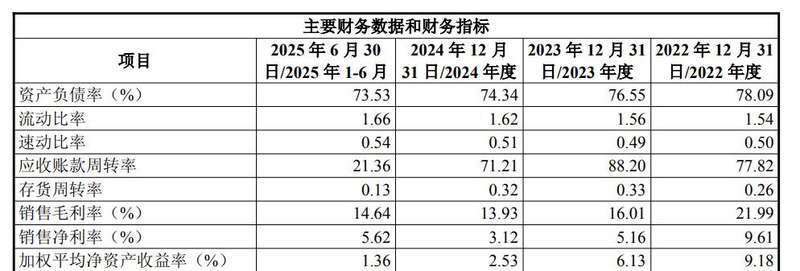
Core Viewpoint - Poly Developments, a leading real estate company, has announced a financing plan totaling up to 15 billion yuan to address debt repayment, enhance liquidity, support project construction, and acquire real estate projects [1][5]. Financing Details - The company plans to issue corporate bonds not exceeding 15 billion yuan, with a face value of 100 yuan per bond and a maximum term of 10 years [2]. - The average cost of new interest-bearing liabilities for Poly Developments has decreased to 2.71% in the first half of the year, with a comprehensive financing cost of 2.89%, positioning it favorably within the industry [2]. - If the current financing plan is approved, the total financing scale for the year could approach 40 billion yuan, marking a potential record high [2]. Financial Performance - As of June 30, 2025, the company's debt-to-asset ratio stands at 73.53%, with a current ratio of 1.66 and a quick ratio of 0.54, indicating a stable liquidity position [4]. - The company reported a total revenue of 116.9 billion yuan in the first half of 2025, a year-on-year decrease of 16.08%, with a net profit of 2.71 billion yuan, down 63.5% compared to the previous year [6]. Debt Structure and Management - As of mid-2025, Poly Developments has short-term borrowings of 4.8 billion yuan and non-current liabilities due within one year totaling 68.8 billion yuan, with total short-term debts amounting to 73.6 billion yuan [5]. - The company has maintained a significant public debt financing scale, with direct financing reaching 35.9 billion yuan in 2024 [3]. Strategic Expansion and Challenges - Poly Developments has established 17 new subsidiaries in key cities and acquired two companies in the first half of 2025, while also divesting from several others [3]. - The company has been actively expanding, with land acquisition costs reaching 50.9 billion yuan in the first half of 2025, a 304% increase year-on-year, indicating a strong competitive position in the industry [5][6]. - To improve profitability, the company is focusing on optimizing its debt structure and enhancing project turnover, particularly in first and second-tier cities [6].

West Pharmaceutical Services (NYSE:WST) 2025 Conference Transcript
2025-09-24 16:07
Summary of West Pharmaceutical Services Conference Call Company Overview - **Company**: West Pharmaceutical Services (NYSE: WST) - **Date**: September 24, 2025 - **Speakers**: Eric Green (CEO), Bob McMahon (CFO) Key Industry Insights - **Market Dynamics**: The pharmaceutical sector is experiencing a normalization in ordering patterns after a period of destocking, particularly in small molecules and biologics [4][7][9] - **High Value Products**: High value product components constitute approximately 47% of West's business, with Q2 growth of around 8% driven by biologics and GLP-1s [4][5][18] - **Regulatory Changes**: Regulatory changes in Europe (Annex One) are facilitating a shift from standard products to high value products, enhancing revenue potential [5][37][42] Financial Performance - **Growth Trajectory**: The company anticipates a return to growth rates in the high single to low double digits for high value product components for the remainder of 2025 [13][16] - **Revenue Contribution**: GLP-1s account for about 8% of total revenues in high value components and 40% in contract manufacturing [18] - **Margin Expansion**: The transition to high value products is expected to improve gross margins significantly, with high value products achieving margins of around 45% compared to mid to high 20% for standard products [40] Customer Engagement and Forecasting - **Improved Visibility**: The company has enhanced its visibility into customer ordering patterns, allowing for better forecasting and planning [10][12] - **Customer Conversations**: Ongoing discussions with customers regarding future forecasts and supply chain stability have been prioritized [10][11][69] Contract Manufacturing Updates - **Transition of Contracts**: The company is transitioning from two major contracts, with expectations of filling the capacity with higher margin opportunities [28][33] - **Pipeline of Opportunities**: A robust pipeline exists for new contracts, with potential for margin accretion as the company moves up the value chain [28][33] Regulatory and Market Trends - **Annex One Impact**: The regulatory change is expected to drive a significant shift in product offerings, with a potential for 150 basis points of revenue growth per year [42][44] - **Long-term Growth Strategy**: The company is focused on leveraging its existing assets and capabilities to support customer transitions and capture market share [49][50] Challenges and Mitigation Strategies - **Tariff Impact**: The gross impact of tariffs is estimated at $15 million to $20 million for 2025, but the company has implemented surcharges and cost-reduction strategies to mitigate this [59][60] - **Reshoring Trends**: Customers are increasingly interested in reshoring, and West is aligning its manufacturing strategy to support this trend [63][64] Future Outlook - **Optimistic Growth**: The leadership expresses optimism about the growth potential in the healthcare injectable medicine space, particularly in biologics and GLP-1s [79][80] - **Innovation Pipeline**: There is excitement about the innovation pipeline and the ability to support complex molecules in the market [80] Additional Insights - **Dual Sourcing**: The concept of dual sourcing has gained traction post-COVID, with customers seeking security of supply through multiple sourcing strategies [68][69] - **Strategic Pricing**: The company is exploring strategic pricing opportunities to enhance value capture across its product portfolio [53][54] This summary encapsulates the key points discussed during the conference call, highlighting the company's strategic direction, market dynamics, and financial outlook.

观酒|旺季来临,白酒销量反弹,能填第二季度的“坑”吗?
Nan Fang Du Shi Bao· 2025-09-17 00:05
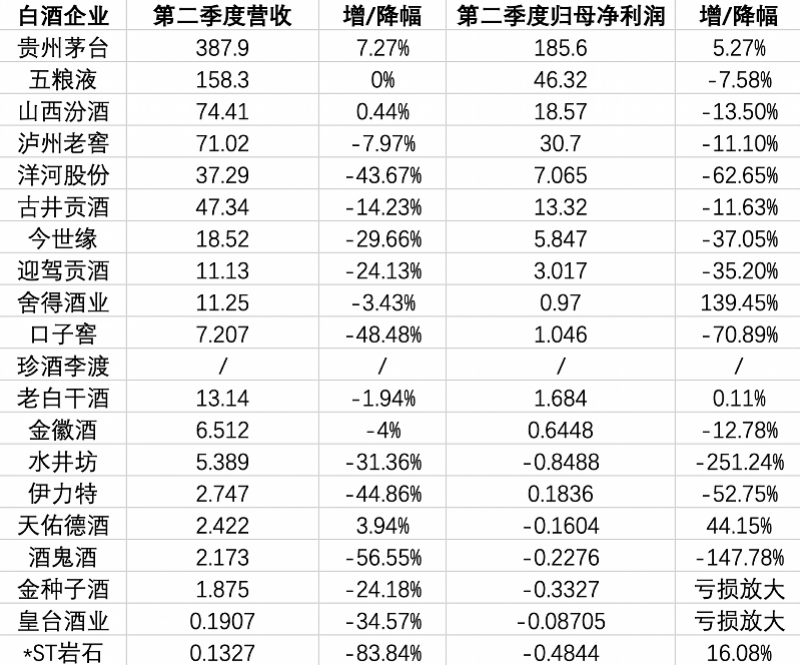
Core Viewpoint - The Chinese liquor industry, particularly the baijiu sector, is experiencing signs of recovery after a prolonged period of adjustment, with sales and distribution showing improvement in August due to seasonal demand and price adjustments [1][8]. Industry Performance - After nearly three months of downward adjustment, the baijiu circulation and sales have shown signs of recovery, with a 0.3% month-on-month increase in food and beverage prices in August [1]. - The sales volume and revenue in August significantly increased compared to July, with major companies like Kweichow Moutai reporting a notable rebound in sales [1][8]. - The second quarter of the year saw a deep adjustment phase for the baijiu industry, with 20 listed companies reporting that 13 experienced declines in both revenue and net profit [3][4]. Company Performance - In the second quarter, only Kweichow Moutai and Tianyoude Liquor reported year-on-year revenue growth, while most other companies, including Yanghe and Gujing Gongjiu, faced significant declines [4][5]. - The second quarter is typically a slow season for baijiu companies, but this year, the "off-season effect" returned due to high channel inventory and ineffective sales strategies [6]. - The impact of policy changes, such as the "ban on alcohol" for official receptions, has also contributed to the decline in performance for many companies [6][7]. Market Trends - The baijiu market is currently in a "clearing inventory" phase, with ongoing price reductions leading to increased sales volume, particularly in the mid-range and popular price segments [9]. - Despite the recent sales rebound, the overall market is still expected to decline compared to last year, with analysts predicting a double-digit decrease during the upcoming Mid-Autumn and National Day holidays [9][10]. - The baijiu sector has seen a significant rebound in stock prices over the past month, with the index rising by 12.32% from August 1 to September 16, although it remains below last year's peak [10][12]. Future Outlook - Analysts suggest that the upcoming holiday season may provide a window for price stabilization and potential recovery for premium liquor brands, but the overall industry may still face challenges [11][12]. - The current market sentiment is driven by a combination of low valuations and speculative investments, rather than a genuine recovery in industry health [12].





泸州老窖(000568):2025年中报点评:控制库存,轻装上阵
Changjiang Securities· 2025-09-14 04:45
Investment Rating - The investment rating for the company is "Buy" and is maintained [6]. Core Views - The company reported a total revenue of 16.454 billion yuan for the first half of 2025, a year-on-year decrease of 2.67%. The net profit attributable to the parent company was 7.663 billion yuan, down 4.54% year-on-year, while the net profit excluding non-recurring items was 7.650 billion yuan, a decline of 4.3% year-on-year [2][4]. - In Q2 2025, the company achieved total revenue of 7.102 billion yuan, a year-on-year decrease of 7.97%. The net profit attributable to the parent company was 3.07 billion yuan, down 11.1% year-on-year, and the net profit excluding non-recurring items was 3.055 billion yuan, a decline of 11.24% year-on-year [2][4]. - The company has effectively managed inventory reduction, which is expected to allow for a more agile operational approach moving forward. The company is assisting distributors in inventory clearance, showing positive results [9]. Summary by Sections Financial Performance - For H1 2025, the company’s mid-to-high-end liquor segment generated revenue of 15.048 billion yuan, a decline of 1.09% year-on-year, with sales volume of 24,100 tons, an increase of 13.33% year-on-year, and an average selling price of 623,900 yuan per ton, down 12.72% year-on-year [9]. - The ordinary liquor segment reported revenue of 1.350 billion yuan, a decrease of 16.96% year-on-year, with sales volume of 24,800 tons, down 6.89% year-on-year, and an average selling price of 54,400 yuan per ton, down 10.82% year-on-year [9]. - The company's net profit margin decreased by 0.91 percentage points to 46.57%, and the gross margin fell by 1.48 percentage points to 87.09% [9]. Future Outlook - The company is expected to achieve earnings per share (EPS) of 8.44 yuan and 8.86 yuan for 2025 and 2026, respectively, corresponding to a price-to-earnings (PE) ratio of 17 and 16 times [9].
国内市场保持去库存趋势 不锈钢期货追空需谨慎
Jin Tou Wang· 2025-09-10 07:09
Core Viewpoint - Stainless steel futures are experiencing fluctuations, with the main contract slightly down by 0.08% to 12,920.00 CNY/ton as of September 10 [1] Industry Summary - As of September 9, the total scrap steel inventory across 300 representative steel mills in China is 4.912 million tons, a decrease of 0.71 thousand tons or 0.14% from the previous day. The inventory turnover days are 7.7 days, down by 0.2 days, with a daily consumption of 567 thousand tons, a slight decrease of 0.09% from the previous day. Daily arrivals total 559.9 thousand tons, down by 0.85% [2] - On September 9, the Shanghai Futures Exchange reported a decrease in stainless steel warehouse receipts to 98,534 tons, down by 422 tons from the previous trading day [2] - The Tangshan steel billet index is at 3,020.0, with the settlement price for Tangshan Qian'an ordinary billet at 3,000 CNY, a weekly average of 2,980 CNY, and a monthly average of 3,019.33 CNY. Current market prices from traders are around 3,050 CNY [2] Company Insights - New Lake Futures indicates that downstream demand for stainless steel remains weak, despite some production cuts by domestic stainless steel enterprises. Inventory levels remain high, and with nickel prices declining and speculative trading cooling off, stainless steel prices are returning to fundamentals. Both stainless steel and nickel prices are currently at relatively low levels, suggesting caution in short-selling [3] - Ruida Futures notes that the Indonesian government's PNBP policy has increased nickel resource supply costs, but nickel pig iron production is recovering significantly, leading to a notable decline in nickel pig iron prices, which reduces raw material cost support. On the supply side, steel mill production profits have improved due to rising steel prices and weaker raw material cost increases, suggesting an increase in production in August. On the demand side, the end of the traditional consumption off-season is approaching, with optimistic expectations for the "golden September and silver October" period, alongside favorable domestic fiscal investment policies. Measures to reduce internal competition are expected to improve the supply-demand balance, with market purchasing intentions recovering and previously accumulated orders being released. Additionally, holders are willing to sell, maintaining a trend of inventory reduction in the domestic market, with stable spot prices [3]
房地产企业正从“规模为王”到“品质为王”
Huan Qiu Wang· 2025-09-07 02:08
Core Viewpoint - The real estate industry in China is transitioning from a high-debt, high-leverage model to a new phase focused on "survival quality" and "new model exploration," indicating a shift from mere scale expansion to quality and service enhancement [1] Group 1: Market Consensus and Divergence - There is a consensus that the market has largely bottomed out, with limited room for further decline due to supportive policies like "guaranteeing delivery" and reduced down payments [2] - Divergence is evident among cities, with first-tier and strong second-tier cities showing resilient demand, while third and fourth-tier cities face high inventory and weak demand [2] - Financially stable state-owned and quality private enterprises are gaining market share, while heavily indebted firms struggle for survival, leading to increased industry consolidation [2] Group 2: Challenges and Solutions - The execution of supportive policies faces delays, with local fiscal pressures hindering timely implementation of incentives, and buyer confidence remains low, complicating inventory reduction efforts [3] - Inventory clearance is a significant challenge, especially in third and fourth-tier cities where the clearance cycle exceeds 24 months, necessitating innovative approaches from local governments [3] Group 3: Strategic Transformation - Real estate companies are restructuring strategies around reducing debt, ensuring cash flow, improving efficiency, and enhancing product quality, transitioning from developers to operators and service providers [4] - Companies like Longfor and China Jinmao are focusing on financial stability and optimizing land reserves in core cities to mitigate market risks [4] - Enhancing operational efficiency through asset divestment, light asset operations, and digital optimization is a priority for firms aiming to improve overall effectiveness [4] Group 4: Product Quality as a Competitive Focus - The industry is entering a phase where product quality becomes the ultimate competitive focus, with various companies establishing robust product systems to enhance living quality and sustainability [5] - The collaboration between policy and market dynamics is expected to strengthen, leading to a healthier and more sustainable real estate model that prioritizes quality over rapid growth [5]