资产配置

Search documents
险资支持科技创新:从“财务投资者”到“战略赋能者”
Jin Rong Shi Bao· 2025-11-05 01:29
Core Viewpoint - The insurance capital is evolving from a purely financial investor to a strategic investor that deeply understands industries and actively empowers value creation in supporting technological innovation [1][2]. Group 1: Role of Insurance Capital in Technological Innovation - Insurance capital is becoming an indispensable force in supporting technological innovation, characterized by its large scale, long duration, and stable sources [1]. - The investment landscape of insurance capital now covers key sectors of new productive forces, including advanced manufacturing, artificial intelligence, semiconductors, new energy, biomedicine, and high-end equipment [1]. - Insurance asset management is constructing a multi-layered, comprehensive "investment toolbox" and "industrial ecosystem" to support the entire lifecycle of technology enterprises [2]. Group 2: Investment Strategies and Tools - The insurance capital industry has evolved from being a simple capital provider to a resource integrator and strategic enabler [2]. - There is a combination of direct and indirect investments, with insurance funds injecting capital into high-quality tech companies through direct equity investments and participating in venture capital and private equity as limited partners [2]. - The insurance capital supports technology finance through a variety of asset classes, including equity investments, bonds, and alternative assets, to meet the diverse financing needs of tech companies [2]. Group 3: Balancing Stability and Innovation - The insurance capital industry faces the challenge of balancing the high risks and uncertainties of technological innovation with the need for safety and stability in fund management [3][4]. - A "core + satellite" strategy is commonly adopted, where approximately 80% of funds are allocated to low-risk, stable-return assets, while a portion is invested in high-growth, high-volatility assets to enhance long-term returns [4]. Group 4: Risk Management Framework - A comprehensive risk management system is established, covering the entire investment process from pre-investment to post-investment [4]. - The pre-investment phase involves rigorous due diligence, while the investment phase emphasizes diversification to mitigate individual risks [4]. - Post-investment, insurance institutions provide strategic consulting and market connections to enhance the value of invested companies [4]. Group 5: Future Outlook and Challenges - The strategic position of the insurance asset management industry in supporting technological innovation is expected to become more prominent, although it faces new challenges and higher demands [7]. - There is a need for continuous improvement in research capabilities and early project identification in cutting-edge technology fields [7]. - Recommendations include restructuring organizations to focus on macro analysis, asset allocation, risk management, and selecting excellent managers, as well as enhancing research capabilities in emerging industries [7][8].
1.17亿买自家楼盘!马来西亚首富之子上海购豪宅背后,原来是这些原因
Sou Hu Cai Jing· 2025-11-05 00:42
Core Insights - The transaction involving the purchase of a luxury apartment by the chairman of Kerry Properties has stirred significant interest in the real estate sector, highlighting the ongoing demand for high-end properties in Shanghai [1][3]. Market Phenomenon Analysis - The sale of the apartment occurred shortly after the launch of the second phase of the Jinling Huating project, which set a record for new home prices in Shanghai at 326,800 RMB per square meter for a duplex unit [3]. - In September, 14 new luxury residential projects were launched in Shanghai, with a total supply of 1,619 units and an overall absorption rate of 72% [3]. - The market shows a stark contrast in performance, with some projects experiencing over 400% subscription rates while others struggle to attract buyers, indicating a unique operational logic in the high-end residential market [3]. Product Value Analysis - The Jinling Huating project, located in Huangpu District, represents a significant investment of 22.1 billion RMB by Kerry Properties, covering a total development area of 655,000 square meters [5]. - The average price for the second phase of the project reached 205,000 RMB per square meter, reflecting a notable premium over surrounding second-hand properties [6]. - Buyers are increasingly attracted to the project's rare location and future development potential, with limited available land for development around the Bund area [6]. Buyer Demographics - Among the 227 effective subscriptions for the second phase, 31.7% of buyers are local to Shanghai, with a significant portion also coming from the Yangtze River Delta region and some international clients [6]. - The changing asset allocation needs of high-net-worth individuals are reshaping the transaction logic in the luxury housing market, with buyers prioritizing liquidity and value retention over mere residential functionality [6]. Corporate Strategy - Since taking over as chairman in 2022, the chairman has been actively advancing Kerry Properties' strategic positioning in Shanghai, with substantial investments in key projects [8]. - The company has made significant land acquisitions, including a 13.3 billion RMB purchase for the Jinling Road project and an additional 8.783 billion RMB for related land [8]. Market Mechanism Analysis - The luxury housing market in Shanghai remains active despite a general decline in the national real estate market, with a reported 12% year-on-year decrease in sales area for commercial housing nationwide [10]. - The trend of high-end properties becoming a safe haven for capital is emerging, as investors seek stability amid uncertain returns in stock and bond markets [10]. Regional Value Analysis - Huangpu District is a focal point for urban renewal, with new developments adhering to a "retain, modify, and demolish" approach that preserves historical architecture while introducing modern amenities [11]. - The area is recognized for its historical significance and is undergoing significant urban renewal efforts, enhancing the overall value of new projects [11]. Industry Impact Assessment - The performance of the luxury market is influencing real estate developers' strategic choices, with many firms indicating a shift towards high-end products in prime locations [13]. - The competitive landscape for land acquisition in core urban areas remains robust, while suburban land has seen instances of sales at minimum prices, reflecting a structural adjustment in the industry [13]. - The contrasting dynamics between the luxury and ordinary residential markets raise questions about the rationality of property valuations and the implications of capital concentration in the real estate sector [13].


香港楼市“触底”了?内地人已花近千亿在港买房
阿尔法工场研究院· 2025-11-05 00:07
Core Viewpoint - The future trajectory of the Hong Kong real estate market in the next six months may depend on the unemployment rate in Hong Kong, with indications of a market recovery observed recently [4][20]. Market Recovery Indicators - Real estate agents in Hong Kong report an increase in client activity and transactions, suggesting signs of recovery in the market [4][5]. - The CCL index from Centaline Property, which reflects Hong Kong property prices, has shown a recovery from a low of 135 points in May 2023 to 141 points currently [5][7]. - New home sales have increased significantly, with the third quarter of 2023 recording 5,530 transactions worth over 610 billion HKD, marking a 7.5% increase in volume and a 30.3% increase in sales value compared to the previous quarter [7]. Mainland Buyers' Influence - Mainland buyers have shown renewed interest in the Hong Kong property market, with nearly 1,000 billion HKD spent on properties in the first nine months of 2023 [7][9]. - In the third quarter, mainland buyers accounted for 38.7% of new home purchases, with a total expenditure of 500 billion HKD, nearing 70% of the half-year total [9][10]. - The trend indicates that over 80% of luxury properties sold in October were purchased by mainland buyers, highlighting their dominance in the high-end market [10][11]. Luxury Market Dynamics - The luxury property market is increasingly driven by younger mainland buyers, with many transactions occurring for properties priced over 50 million HKD [11][12]. - The "Tian Yu" project has been particularly popular among mainland buyers, with significant sales recorded in October [12][13]. - The shift in buyer demographics is attributed to local wealthy individuals being constrained by declining commercial property values, leading to a "blood transfusion" in the luxury market [15][16]. Economic Factors and Future Outlook - The overall sentiment in the market is optimistic, with expectations of continued rental price increases and a favorable rental yield attracting investors [18]. - The stock market's performance has positively influenced the real estate market, with the Hang Seng Index reaching new highs [19]. - However, there remains a divergence of opinions regarding whether the market has truly bottomed out, with some analysts suggesting that the unemployment rate will be a critical factor in determining future market conditions [20].

中国财险(02328.HK):承保盈利改善 投资收益提升
Ge Long Hui· 2025-11-04 20:47
Core Insights - China Pacific Insurance (CPIC) demonstrated strong performance in the first three quarters of 2025, with insurance service revenue reaching 385.92 billion yuan, a year-on-year increase of 5.9% [1] - The company achieved total revenue of 423.01 billion yuan, up 7.8% year-on-year, and net profit soared to 40.27 billion yuan, reflecting a significant growth of 50.5% [1] - Original insurance premium income was 443.18 billion yuan, marking a 3.5% increase year-on-year, with a notable surge in profitability in the third quarter driven by improvements in both underwriting and investment [1] Group 1: Cost and Profitability - The overall combined ratio (COR) for the first three quarters was 96.1%, a decrease of 2.1 percentage points year-on-year [2] - In the auto insurance segment, premium income grew by 3.1% year-on-year, with the COR declining by 2.0 percentage points to 94.8%, indicating effective cost control through refined management [2] - Non-auto insurance turned profitable, with the COR dropping from 100.5% to 98.0%, achieving underwriting profitability, supported by the implementation of the "reporting and operation integration" policy [2] Group 2: Investment Performance - Total investment income surged to 53.59 billion yuan, a year-on-year increase of 33.0%, with an annualized total investment return rate of 5.4%, up 0.8 percentage points [3] - The company increased its allocation to high-quality equity assets, benefiting from a recovering capital market, which significantly contributed to the net profit growth [3] - The financial investment scale reached 5.65 trillion yuan, a 13.3% increase year-on-year, with fair value changes yielding 10.17 billion yuan, up 38.2% [3] Group 3: Future Outlook - The "reporting and operation integration" policy is expected to provide long-term benefits to leading companies like CPIC, enhancing their profitability due to scale, brand, and data advantages [3] - The company emphasizes a stable and high-dividend investment strategy, providing a safety net for medium to long-term investment stability [3] - Earnings per share (EPS) forecasts for 2025 to 2027 have been raised to 1.87, 1.99, and 2.11 yuan per share, respectively, with the current price-to-book (P/B) ratios at 1.41, 1.35, and 1.30 times [3]
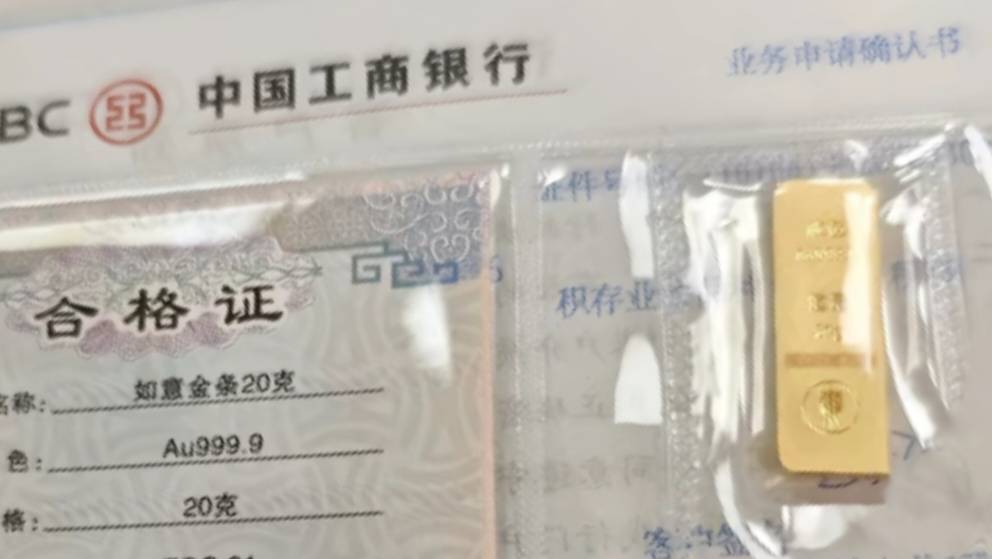
金价跌上热搜!手持黄金的怎么办?没有的该不该买?一篇给你讲透
Sou Hu Cai Jing· 2025-11-04 18:24
Core Viewpoint - The recent decline in gold prices is attributed to short-term factors, while long-term support remains intact, indicating potential investment opportunities despite current volatility [3]. Group 1: Short-term Factors - The gold price drop is driven by three main short-term factors: excessive prior gains leading to profit-taking, easing geopolitical risks prompting withdrawal of safe-haven investments, and reduced expectations for Federal Reserve interest rate cuts resulting in higher 10-year Treasury yields [3]. - The recent drop in gold prices saw a single-day decline of 12%, the largest in 12 years, highlighting the volatility in the market [3]. Group 2: Long-term Support - Long-term support for gold remains strong, with global central banks expected to purchase over 1,000 tons of gold by 2025, and major countries like China and Poland continuing to increase their gold reserves [3]. - The U.S. debt, amounting to $37.9 trillion, raises concerns about the long-term credibility of the dollar, maintaining gold's appeal as a risk-hedging asset [3]. Group 3: Investment Strategies for Current Holders - For holders of physical gold, the recommendation is to assess the "break-even point" and consider the purpose of the gold before deciding to sell, especially if it is investment-grade bullion with low premiums [6]. - Investors holding gold ETFs or funds should evaluate their positions based on their allocation; those with heavy exposure may consider reducing their holdings if prices continue to decline [6][8]. - For those with leveraged gold products, immediate stop-loss measures are advised to prevent significant losses [6]. Group 4: Recommendations for New Investors - New investors are advised to remain patient and avoid impulsive buying; a two-step approach is recommended: first assess the need to buy, then determine the timing and type of gold to purchase [8]. - It is suggested to focus on low-premium, easily liquidated products such as bank investment gold or gold ETFs, while avoiding high-premium jewelry or leveraged derivatives [8]. - A gradual investment strategy is encouraged, with a focus on maintaining a small portion of overall assets in gold to mitigate risks associated with market volatility [9].

Apollo Management(APO) - 2025 Q3 - Earnings Call Transcript
2025-11-04 14:30
Financial Data and Key Metrics Changes - The company reported adjusted net income of $1,400,000,000 or $2.17 per share, up 17% year over year [4] - Fee-related earnings (FRE) increased by 23% year over year, with management fee growth of 22% year over year [6] - The company expects full-year SRE growth of approximately 8% year over year, exceeding the mid-single-digit target previously provided [6][56] Business Line Data and Key Metrics Changes - Asset management generated record AUM of $908,000,000,000, up 24% year over year [51] - The company achieved $75,000,000,000 in origination for the quarter, marking a 40% increase year over year [38] - Retirement services saw gross inflows of $23,000,000,000, contributing to a year-to-date total of $69,000,000,000 [30][53] Market Data and Key Metrics Changes - The average spread on origination was stable at 350 basis points over treasuries, with an average rating of BBB [7] - The company reported robust inflows of $82,000,000,000 for the quarter, with $59,000,000,000 from asset management and $23,000,000,000 from retirement services [8] Company Strategy and Development Direction - The company is focused on three strong fundamentals: financing the global industrial renaissance, addressing the retirement crisis, and providing alternatives to public markets [10][11][12] - The company anticipates significant growth in private assets, driven by increasing demand from various investor classes [15][16] - The outlook for asset management is bright, with expectations of over 20% FRE growth in 2026 [28][57] Management's Comments on Operating Environment and Future Outlook - Management expressed confidence in the company's ability to navigate the current credit environment, emphasizing disciplined underwriting and risk management [35] - The company expects SRE growth of 10% in 2026, supported by strong organic growth and origination capabilities [58] - Management highlighted the importance of innovation in asset management and retirement services as a key driver for future growth [27][59] Other Important Information - The company closed the acquisition of Bridge, which is expected to contribute approximately $300,000,000 of annual fee-related revenues [52] - The company executed over $350,000,000 in share repurchases during the quarter, reflecting opportunistic capital management [61] Q&A Session Summary Question: Discussion around origination targets - Management acknowledged the strong origination performance but stated it would be premature to change the five-year estimates at this time [63][64] Question: Wealth market trajectory - Management indicated that the wealth market is on pace with previous estimates and highlighted the importance of expanding product offerings and partnerships [68][70] Question: Concerns about private letter ratings - Management defended Athene's credit quality, stating that less than 8% of assets are rated by private letter ratings and emphasized the importance of strong underwriting practices [78][80] Question: Demand for yield as rates decline - Management addressed concerns about rotation risk, emphasizing that private lending remains a strong business despite changing market conditions [90][92]

1000亿蒸发!一场潜在的全球危机即将爆发?
大胡子说房· 2025-11-04 11:21
Core Viewpoint - The recent bank failures in the U.S. highlight a significant macroeconomic issue, specifically a liquidity crisis in the dollar, which could impact global asset prices and wealth [1][2]. Group 1: Bank Failures - Two regional banks in the U.S., Zion Bank and Western Alliance Bank, reported significant bad debts due to loan fraud, amounting to approximately $50 million and $99 million respectively [1]. - The exposure of these bad debts led to a loss of over $100 billion in market capitalization for 74 major U.S. banks in a single day [1]. Group 2: Dollar Liquidity Crisis - The liquidity crisis is evidenced by the decline in the U.S. banking system's reserves, which have fallen below $3 trillion, indicating that banks are increasingly using their emergency funds [2]. - The SOFR (Secured Overnight Financing Rate) has risen above the banks' benchmark rates, indicating a severe cash shortage among banks, with the overnight rate reaching 4.3% compared to a benchmark of 4.11% [3]. Group 3: Impact of Non-Dollar Assets - Non-dollar assets, particularly gold, have absorbed a significant amount of dollars, with gold's market value exceeding $30 trillion, making it comparable to U.S. Treasury securities [4][6]. - The rise of cryptocurrencies, with a market value of approximately $3 trillion, has also contributed to the depletion of dollar liquidity [6]. Group 4: Federal Reserve's Role - The Federal Reserve has been reducing its balance sheet for nearly four years, decreasing from $9 trillion to about $6.7 trillion, which has significantly reduced market liquidity [7]. - Despite recent interest rate cuts, the liquidity crisis persists, and the Fed has not provided a clear timeline for transitioning from balance sheet reduction to expansion [7]. Group 5: Global Economic Risks - The liquidity crisis in the dollar could lead to a global financial crisis, as historical patterns suggest that such crises often precede significant banking failures in the U.S. [8]. - The potential for systemic risks in the global economy is heightened by ongoing geopolitical tensions and economic policies [8].

黄金税改的影响与启示|迎接黄金ETF的“黄金时代”
Sou Hu Cai Jing· 2025-11-04 11:03
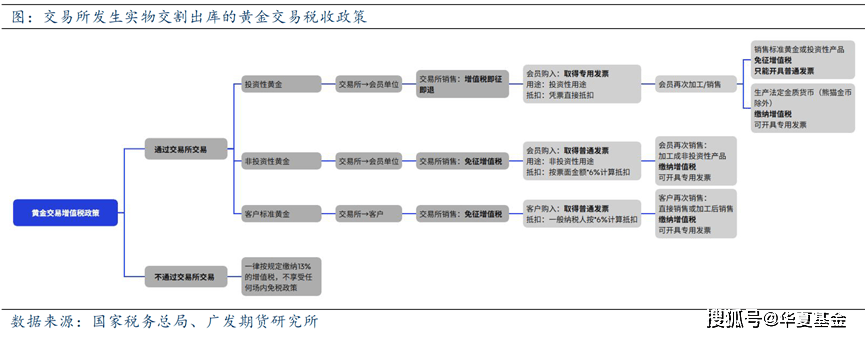
Core Viewpoint - The new tax regulations on gold in China are reshaping the investment logic in the gold market, particularly affecting the trading of physical gold and promoting alternatives like gold ETFs [1][3]. Policy Changes - The new tax policy, effective from November 1, 2025, introduces a dual classification management system for gold transactions, categorizing them into on-market and off-market, both subject to a 13% value-added tax (VAT) [4][6]. - The policy distinguishes between investment gold (e.g., gold bars with purity over 99.95%) and non-investment gold (e.g., jewelry and industrial gold) [6][7]. - The new regulations impose stricter VAT collection on physical gold, reducing the tax credits available to businesses, which may lead to increased costs passed on to consumers [7][8]. Market Impact - For investment gold, institutions can still obtain tax-deductible invoices when purchasing from gold exchanges, but the sales to downstream dealers will only allow for regular invoices, reducing their tax deduction capabilities [8][11]. - For jewelry purchases, the input tax deduction drops from 13% to 6%, potentially increasing costs by 60-70 yuan per gram of gold, which could lead to higher retail prices [12][13]. - The new tax structure aims to curb speculative behaviors in the gold market and promote orderly trading practices [16][17]. Investment Strategy - The long-awaited tax reform signals a shift in asset allocation strategies, encouraging investors to consider gold ETFs and futures instead of physical gold, which may become less attractive due to rising costs [15][17]. - The long-term value of gold as a hedge against macroeconomic uncertainties remains intact, with gold ETFs providing a more accessible and cost-effective investment vehicle [24][28]. Gold ETF Advantages - Gold ETFs allow investors to trade gold like stocks, with lower entry costs and no stamp duty, making them a favorable option in the current tax environment [30][31]. - The structure of gold ETFs addresses common pain points for retail investors, such as high storage costs and complex purchasing processes associated with physical gold [31][32]. - The shift towards gold ETFs reflects a broader understanding of gold's role in asset allocation, moving away from the notion that physical gold is the only form of investment [33][34].
新进270家上市公司十大流通股名单,险资前三季度加大权益投资
Hua Xia Shi Bao· 2025-11-04 09:58
Core Viewpoint - The A-share market has shown a strong upward trend in Q3 2023, driven by favorable policies and capital inflows, with insurance funds playing a crucial role in market dynamics [2] Group 1: Insurance Fund Investment Strategies - Insurance funds have maintained a strong preference for traditional "anchor" bank stocks, demonstrating a commitment to stable returns and high dividend assets [2][4] - There has been a significant increase in the allocation towards technology growth sectors such as electronics and computers, indicating a strategic shift towards economic transformation and industrial upgrading [2][8] - The "cash flow and growth" strategy reflects the asset allocation wisdom of insurance funds in the current market environment, potentially revealing future capital flows and market style preferences [2] Group 2: Performance and Holdings of Insurance Companies - Major insurance companies like China Life, China Ping An, and China Pacific have reported an increase in total investment returns, ranging from 5.2% to 8.6% year-on-year [4] - By the end of Q3, insurance funds were among the top ten shareholders in 633 A-share listed companies, with a total holding value exceeding 650 billion yuan, marking a growth of over 6% from mid-2023 [4][5] - The overall number of shares held by insurance funds in bank stocks increased significantly by 8.36 billion shares, with a market value growth of over 6.4 billion yuan despite a decline in the bank sector index [5][6] Group 3: Specific Stock Movements - Postal Savings Bank emerged as a standout stock for insurance funds in Q3, with a notable increase of 2.189 billion shares held by Ping An Life, making it one of the top ten shareholders [5][6] - Other banks like Industrial and Commercial Bank of China and Nanjing Bank also saw increased holdings from insurance funds, reflecting a trend of deepening investment in the banking sector [5][6] - Insurance funds are not only increasing their stakes but also seeking deeper involvement in governance, as seen with Hongkang Life's nomination of a director candidate at Su Nong Bank [6] Group 4: Focus on Technology Growth Stocks - The electronics sector saw the largest increase in holdings by insurance funds, with a rise of nearly 11.8 billion yuan and an increase of 15.6 million shares [8] - The number of computer industry companies in which insurance funds are among the top ten shareholders rose from 17 to 23, with a market value increase of over 1.2 billion yuan [9] - The investment in technology stocks is seen as a response to the macroeconomic environment and a strategic move to capture future growth potential, particularly in the context of the AI wave [9][10] Group 5: Adjustments in Other Sectors - Insurance funds have significantly reduced their holdings in sectors such as public utilities, construction materials, and transportation, indicating a reassessment of traditional cyclical industries [10] - This reduction reflects insurance funds' judgment on the economic outlook and policy impacts on certain sectors, showcasing their role as long-term investors and value discoverers in the capital market [10]




金价跌到550元/克,是抄底良机还是陷阱?投资者该何去何从?
Sou Hu Cai Jing· 2025-11-04 07:16
Core Viewpoint - The international gold price experienced significant volatility in 2025, reaching historical peaks before a sharp decline, leading to uncertainty among investors regarding future trends and strategies [1][3]. Price Fluctuations - In 2025, international gold prices surged past $4100, $4200, and $4300 per ounce, but on October 21, a historic drop occurred with a single-day decline of 5.74%, causing prices to fall below $4000 [1][3]. - Domestic gold prices also reflected this volatility, with the price of gold jewelry dropping from 1294 yuan per gram to below 1200 yuan [1]. Influencing Factors - The Federal Reserve's monetary policy played a crucial role, with multiple interest rate cuts in 2025, but hawkish comments from Chairman Powell increased market volatility [3]. - Geopolitical developments, particularly statements from Ukrainian President Zelensky about ending the Russia-Ukraine conflict, reduced safe-haven demand, leading to capital withdrawal from precious metals [3]. - A strengthening dollar further pressured gold prices, as it increased the cost of purchasing gold for investors holding other currencies [3]. Investor Sentiment - The dramatic fluctuations in gold prices have caused significant distress among investors, with reports of substantial losses within short time frames [4]. - The volatility has even impacted personal decisions, such as marriage plans, due to the uncertainty surrounding gold purchases [4]. Institutional Perspectives - Despite the recent price corrections, many financial institutions remain optimistic about gold's long-term prospects, with UBS predicting a rebound to $4200 per ounce by year-end [5]. - Conversely, Citibank analysts express caution, suggesting a potential drop to $3800 within the next three months, while Bloomberg's commodity strategists foresee a possible 20% to 30% correction [5]. Investment Strategies - Experts recommend a cautious and strategic approach to gold investment, emphasizing the importance of asset allocation and long-term planning [6]. - Suggestions include maintaining a gold allocation of 5% to 10% of total assets, with varying strategies based on risk tolerance, such as physical gold for low-risk investors and gold ETFs for medium-risk investors [6][7].