
贸易顺差

Search documents
贸易顺差首超万亿美元折射了什么
Sou Hu Cai Jing· 2025-12-11 21:42
海关总署公布了今年前11个月的外贸数据,我国货物贸易顺差首次突破1万亿美元大关,创历史新高。 在外部环境风高浪急、脱钩断链噪音不绝于耳的背景下,中国外贸非但没有如某些西方观察者预言 般"断崖式下跌",反而逆势上扬、稳中有进。这一历史性成绩的取得,不是偶然的运气,而是全球市场 规律与中国产业韧性共同作用的必然结果。 从更长的历史维度看,全球贸易中心与制造高地的转移从未停止:从19世纪的欧洲,到20世纪的北美, 再到今天的东亚,制造能力的集聚始终是生产力演进的客观结果。中国今天拥有的顺差,并非谁的恩 赐,更不是依靠所谓"掠夺",而是在深度嵌入全球分工体系之后,凭借比较优势实现资源优化配置的自 然产物。全球买家持续把订单投向中国,这本身就是市场经济规律使然。 如果说此前的顺差更多依靠汗水经济,那么今天的突破,则更清晰地标注了中国产业由大变强的升级轨 迹。万亿美元顺差正是产业体系能力长期积累后的一次集中呈现。细看这份顺差的结构变化,整体附加 值持续攀升,以电动汽车、锂电池、太阳能电池为代表的"新三样"正在成为关键支撑。这也同样表明中 国外贸的竞争逻辑从依赖价格与规模转向技术迭代、产业配套和交付确定性。作为世界上唯一拥 ...


7.2万亿,美国关税失效?没按住中国,还让中国交了最好成绩单
Sou Hu Cai Jing· 2025-12-11 17:26
Core Viewpoint - The U.S. tariffs intended to suppress China's manufacturing have backfired, resulting in a record trade surplus of 7.2 trillion yuan for China, indicating a failure of the U.S. strategy [1][18]. Group 1: U.S. Tariff Strategy - Four years ago, the U.S. imposed high tariffs on Chinese goods and restricted high-tech exports to China, believing it would halt China's manufacturing growth [3]. - The U.S. encouraged companies to relocate to countries like Vietnam and Thailand to create a supply chain independent of China, underestimating China's ability to adapt [5]. - The costs of tariffs have primarily impacted U.S. consumers and small businesses, leading to increased prices for everyday goods [7][25]. Group 2: China's Response and Market Adaptation - Instead of negotiating with the U.S., Chinese companies sought new markets, focusing on ASEAN and Africa, and tailored products to local needs [9][11]. - China's industrial upgrades have led to advancements in technology and manufacturing precision, allowing for a shift from low-value exports to high-tech products [13][18]. - The complete industrial system in China enables rapid production of new technologies without reliance on foreign supply chains [15]. Group 3: Global Trade Dynamics - The trade landscape has shifted, with countries no longer solely adhering to U.S. standards; instead, they are recognizing China's cooperative approach [27][30]. - Countries like Vietnam and Thailand have become extensions of China's supply chain, importing components from China for their manufacturing [28]. - The increasing acceptance of the renminbi in global trade reflects a shift towards more stable and cooperative economic relationships [34][36]. Group 4: Future Outlook - China's economic resilience is attributed to adaptation and innovation rather than confrontation, with a focus on high-tech and high-end manufacturing [38][39]. - The U.S. faces challenges due to inconsistent policies, making long-term strategic planning difficult for businesses [41][44]. - The resumption of U.S.-China trade talks indicates a recognition that cooperation is essential for global economic stability [44].
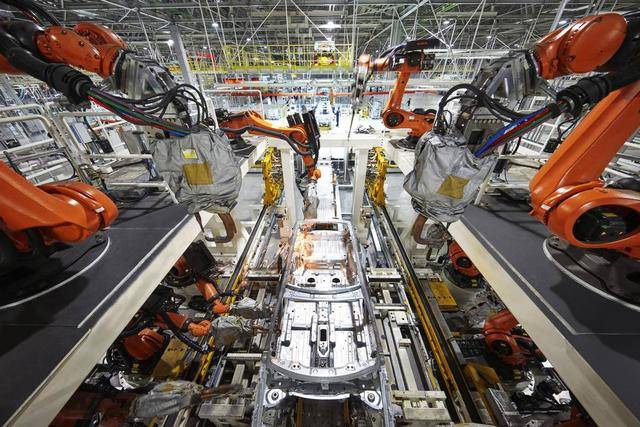
贸易顺差1万亿美元!中国率先完成历史性突破,马克龙:不可接受
Sou Hu Cai Jing· 2025-12-11 14:54
出口总额3.68万亿美元,进口总额2.6万亿美元,顺差部分主要来自对东盟、欧盟等地区的出口增长,对美出口下降19%但被其他市场弥补。人民币汇率走低 也帮了忙,让出口产品在国际上更有竞争力。西方媒体称这是中国出口主导地位的体现。 法国总统马克龙刚结束访华,就在12月7日接受回声报采访时直言,这个顺差规模不可接受,如果中国不调整,欧盟可能被迫加征关税。他说中国几乎不再 从欧洲进口商品,这会杀死欧洲制造商。他试图向中方解释,顺差不可持续,但中方回应强调贸易基于市场规则。 欧盟已经在电动车领域征收额外关税,大众安徽工厂产品加20.7%税率。这数据不是凭空来的,海关总署每月都公布,11月单月顺差1116.8亿美元,创历史 第三高。全球经济背景下,美国通胀高企,美联储加息,中国出口填补了部分供给缺口。 顺差资金部分用于增持黄金,央行连续13个月增加储备,分散风险。企业也把钱投向一带一路项目,买资源、建基础设施。美元回流美国推高物价,形成循 环。制造业优势是关键,中国有联合国工业分类全门类,供应链完整,工程师多,每年几百万理工毕业生进场。 光伏、电动车出口领跑,光伏价格降到白菜价,电动车占全球一半市场。美国想迁链到东南亚, ...

商品贸易改善带动美国单月逆差回落 全年赤字压力未减
Xin Hua Cai Jing· 2025-12-11 14:18
Core Viewpoint - The latest data from the U.S. Department of Commerce indicates a narrowing of the trade deficit in September, driven primarily by a reduction in the goods trade deficit, although cumulative trends show ongoing pressure on the overall trade balance [1] Trade Data Summary - In September, U.S. exports of goods and services reached $289.3 billion, an increase of $8.4 billion month-over-month [1] - Imports for the same month totaled $342.1 billion, with a slight increase of $1.9 billion [1] - The overall trade deficit for September narrowed to $52.8 billion, marking the smallest level since mid-2020 [1] Goods and Services Breakdown - The goods trade deficit decreased by $7.1 billion to $79 billion in September, which was the main driver behind the overall deficit reduction [1] - The services trade surplus slightly narrowed by $600 million to $26.2 billion [1] Cumulative Trends - From the beginning of 2025 to date, the overall trade deficit has expanded by $112.6 billion compared to the same period in 2024, representing a 17.2% increase [1] - Total exports have grown by 5.2% year-over-year, reaching $125.1 billion, while total imports increased by 7.7% to $237.7 billion [1] Market Influences - The growth in September exports may have benefited from a rebound in certain manufacturing and energy product sales, while the sluggish growth in imports could be attributed to corporate inventory adjustments and changes in consumer spending patterns [1] - Despite the positive signals in monthly data, the structural imbalance in U.S. foreign trade remains unresolved [1]
贸易历史首次突破一万亿美元顺差,这背后藏着什么秘密?
Sou Hu Cai Jing· 2025-12-11 08:16
Group 1 - China's historic trade surplus reached $1 trillion in the first 11 months of 2025, marking the first time in history that a country achieved an annual trade surplus exceeding $1 trillion, translating to a daily net gain of nearly $33 million [1] - The composition of exports has shifted significantly, with electromechanical products now accounting for over 60% of total exports, indicating a transition from low-value goods to high-tech, high-value products [3] - Despite a 19% year-on-year decline in exports to the U.S. and a 28.6% drop in November, China's flexible global market strategy has allowed for a diversified export approach, mitigating risks associated with reliance on a single market [4] Group 2 - The high trade surplus is accompanied by a 0.6% decline in total imports, particularly in key categories like steel, wood, and automobiles, reflecting ongoing challenges in domestic demand and economic conditions [6][7] - The surplus is partly driven by domestic economic pressures, with consumers hesitant to spend due to stagnant housing prices and slow income growth, leading to increased reliance on exports [8] - The current economic environment is characterized by deflationary pressures, with the Consumer Price Index (CPI) around 0% and the Producer Price Index (PPI) declining for 37 consecutive months, raising concerns about long-term economic stability [9][12] Group 3 - The trade surplus has led to rising tensions with trading partners, particularly the EU, where significant trade imbalances have prompted calls for tariffs and other trade restrictions [10] - The reliance on external demand for economic growth is highlighted by the fact that exports account for over 10% of GDP, while domestic consumption only makes up 38% of GDP, indicating a need for structural economic adjustments [10][15] - Future opportunities may lie in domestic demand recovery, with potential for growth in consumer spending and income levels, which are crucial for a healthier economic structure [15]
智利十一月贸易顺差创七个月新高
Shang Wu Bu Wang Zhan· 2025-12-10 18:23
Group 1 - Chile's trade surplus in November reached $1.898 billion, the highest level since April 2025, exceeding Reuters' forecast of $1.5 billion [1] - The trade surplus increased by 46.2% year-on-year, marking the highest year-on-year growth in thirteen months [1] - Total exports in November amounted to $5.162 billion, reflecting a year-on-year increase of 12.6% [1] Group 2 - Copper exports, a major product, totaled $4.282 billion, with a year-on-year growth of 4.6% [1] - Exports of agricultural, forestry, and fishery products were particularly strong, totaling $555 million, which is a year-on-year increase of 60%, the largest growth since December 2024 [1] - November imports were $7.09 billion, the lowest level since February 2024, with a slight year-on-year decline of 0.2%, indicating a slowdown in domestic demand [1]
7.2万亿,美国关税失效?美媒感叹:中国居然交了全球最好成绩单
Sou Hu Cai Jing· 2025-12-10 17:09
Core Insights - China's trade surplus has surpassed $1 trillion for the first time, despite the U.S. imposing historically high tariffs on Chinese goods, highlighting China's robust trade performance [1][3]. Trade Performance - In the first 11 months of 2025, China's goods trade surplus reached $1.08 trillion, marking a historical record [3]. - Exports to the U.S. fell by 28.6% year-on-year, continuing a downward trend for eight consecutive months, while overall exports increased by 5.9% [3]. - Exports to the EU rose by 8.1% to $508.05 billion, exports to ASEAN increased by 13.7% to $599.03 billion, and exports to Africa surged by 26.3% [3]. Structural Changes - The shift in China's trade dynamics is evident as manufacturers diversify their markets in response to U.S. tariffs [3][5]. - Private enterprises have become the backbone of China's foreign trade, accounting for 57.1% of total trade value, showcasing their agility and competitiveness [3][5]. Export Composition - In the first 11 months, mechanical and electrical products constituted 60.9% of total exports, with integrated circuits and automobiles seeing growth rates of 25.6% and 17.6%, respectively [5]. - The "new three types" of products, including electric vehicles, lithium batteries, and solar panels, continue to lead export growth [5]. Market Dynamics - The EU market has shown significant changes, with exports to the EU growing by 14.8% in November, and the trade surplus expected to exceed €350 billion [8]. - Africa has emerged as a new growth highlight, contributing approximately 1.3% to total export growth, a significant increase from 0.2% the previous year [8]. E-commerce Growth - Cross-border e-commerce has also seen rapid growth, with imports and exports reaching 2.06 trillion yuan, a 6.4% increase [8]. Import Trends - The increase in trade surplus is partly due to falling prices of major imports like crude oil, coal, and natural gas, which have seen price declines of 12.1%, 23.9%, and 9.4%, respectively [9]. U.S.-China Trade Relations - The U.S. tariffs imposed since 2018 have not resulted in increased employment in related industries, and the trade deficit with China has reached $1.06 trillion, significantly higher than pre-trade war levels [11]. - A recent agreement between the U.S. and China led to the cancellation of 91% of the imposed tariffs, indicating a potential thaw in trade relations [11]. Manufacturing Sector - China's manufacturing output grew by 7% compared to the same period in 2024, with a projected trade surplus of $2 trillion for 2025 when excluding raw material imports [6][12]. - The high-tech manufacturing sector has shown a 9.5% increase in value-added output, contributing 23.3% to overall industrial growth [12]. Industry Development - By 2025, China has cultivated 1,557 manufacturing champions and over 140,000 specialized small and medium enterprises, which are crucial for high-quality industrial development [14].
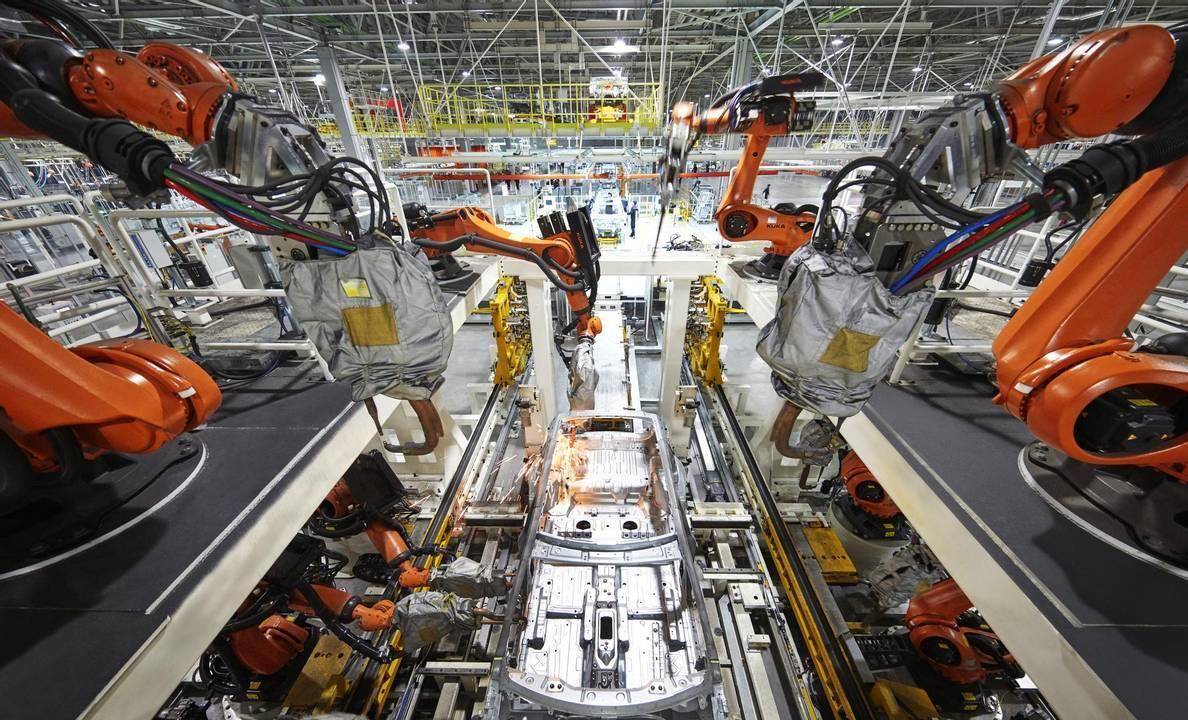
西方“脱钩”声浪下,中国外贸顺差为何突破一万亿?
Sou Hu Cai Jing· 2025-12-10 15:56
Core Insights - China's foreign trade has achieved a historic milestone with a trade surplus exceeding 1 trillion USD for the first time, driven by a significant increase in exports compared to a minimal rise in imports [4][11] - The total value of China's goods trade reached 41.21 trillion RMB, reflecting a year-on-year growth of 3.6% [3][4] Export and Import Dynamics - Exports amounted to 24.46 trillion RMB, growing by 6.2%, while imports were 16.75 trillion RMB, with a mere increase of 0.2% [4][5] - The export structure has shifted fundamentally, with electromechanical products accounting for 60.9% of total exports, and notable growth in integrated circuits and automobiles at 25.6% and 17.6%, respectively [4][11] - In contrast, traditional labor-intensive product exports have declined by 3.5% [4][11] Market Restructuring - ASEAN has become China's largest trading partner, with a trade value of 6.82 trillion RMB, up 8.5%, while trade with the EU reached 5.37 trillion RMB, growing by 5.4% [5][11] - Trade with the US has decreased by 16.9%, now accounting for only 8.9% of total trade [5][11] - Trade with countries involved in the Belt and Road Initiative totaled 21.33 trillion RMB, reflecting a growth of 6% [5] Role of Private Enterprises - Private enterprises have emerged as a key driver of trade surplus, with their total trade reaching 23.52 trillion RMB, a 7.1% increase, representing 57.1% of total foreign trade [5][6] - These enterprises are not only dominant in scale but also excel in innovation, with high-tech product exports reaching nearly 1 trillion RMB, including significant growth in industrial robots and high-end machine tools [5][6] Import Trends - The sluggish growth in imports, at only 0.2%, has contributed to the expanding trade surplus, aided by falling international commodity prices [7][8] - The average import price of major commodities like iron ore, crude oil, and coal has decreased by 9.4%, 12.1%, and 23.9%, respectively [7] Sustainability of Trade Surplus - Experts express cautious views on the sustainability of the large trade surplus, suggesting that expanding imports will be a crucial focus moving forward [9] - The current trade surplus is accompanied by a structural deficit in service trade, particularly in intellectual property and travel services [9][10] Future Strategies - Proposed strategies for addressing the challenges of the trade surplus include diversifying international market structures and promoting the integration of domestic and foreign trade [10] - Specific measures include leveraging RCEP for regional trade and enhancing cooperation through the Belt and Road Initiative [10]

贸易顺差超7万亿,美国关税完全失灵,美媒罕见承认,输得很惨
Sou Hu Cai Jing· 2025-12-10 14:12
Core Insights - The article highlights that despite the U.S. imposing tariffs on Chinese goods, the expected negative impact on China's manufacturing sector has not materialized, leading to a significant trade surplus for China in 2025 [1][3][5]. Trade Performance - As of November 2025, China's trade surplus exceeded $1 trillion, approximately 7.2 trillion yuan, and could reach $2 trillion when excluding energy and food imports, which is equivalent to Russia's annual national income [3][5]. - The U.S. efforts to weaken China's economy and supply chains have been largely ineffective, as evidenced by China's record trade surplus and manufacturing output [3][5]. Manufacturing Sector Growth - China's manufacturing sector has shown robust growth, with record production levels in automobiles and chemicals, indicating a comprehensive expansion beyond low-end products to high-tech and high-value goods [8][10]. - The shift in China's export structure from low-end goods to electric vehicles, lithium batteries, and advanced chemical materials is particularly alarming for the U.S. [8][10]. Supply Chain Dynamics - The U.S. strategy of "friend-shoring" has inadvertently resulted in increased costs while still relying on Chinese components, demonstrating that the core profits remain within China [10][12]. - China's manufacturing output increased by 7%, showcasing its unparalleled industrial capacity and resilience [10][12]. Long-term Implications - The article suggests that the U.S. is struggling to establish a competitive industrial policy due to its political instability and short-term focus, which hampers long-term investments necessary for rebuilding its manufacturing base [14][15]. - The $1 trillion trade surplus serves as a lesson for the U.S., illustrating that in the era of economic globalization, control over manufacturing equates to survival and competitive advantage [17].

我国贸易顺差首次超1万亿美元
Sou Hu Cai Jing· 2025-12-10 05:45
Core Insights - China's trade surplus has exceeded $1 trillion for the first time in the first 11 months of the year, with private enterprises accounting for 57.1% of the total foreign trade value [1] - The resilience of China's foreign trade is attributed to its comprehensive advantages in manufacturing and global trade, as well as the optimization of trade and industrial structures [1][3] Group 1: Trade Performance - China's position as the world's largest trading and manufacturing country is further emphasized, with a significant portion of industrial products ranking at the top globally [1] - The trade structure has been diversified, with emerging markets becoming key growth drivers, particularly in trade with ASEAN and the EU [1] - Despite a decline in exports to the U.S., China's overall trade surplus has increased, indicating a strengthening of trade relationships with other countries [3] Group 2: Trade Structure Changes - The trade structure between China and the EU has shifted significantly, with a 14.8% increase in exports to the EU in November, and the trade surplus expected to exceed €350 billion [4] - The similarity in the top ten export products between China and the EU suggests a transition from vertical to horizontal division of labor, which may lead to increased trade friction [4] - To mitigate potential trade tensions, China aims to enhance imports from the EU and increase investments to balance trade relations [4] Group 3: Economic Policy Adjustments - Future economic policies will focus on counter-cyclical and cross-cyclical adjustments, utilizing structural policy tools such as tax, financial, and credit measures [6] - This approach aims to provide targeted support to market participants and enterprises rather than relying on large-scale fiscal stimulus [6]