全球化

Search documents
终于明白,90天不是给别国缓冲,而是给美国续命,撕开最后遮羞布
Sou Hu Cai Jing· 2025-05-06 02:11
Group 1 - The U.S. government's tariff policies are causing significant harm to its own economy, with analysts suggesting that these measures are more detrimental than beneficial [1][3] - The U.S. national debt has reached an alarming $10.8 trillion, with interest payments consuming 24% of the federal budget, highlighting the financial strain on the government [3] - The recent tariff policies have led to retaliatory tariffs from other countries, adversely affecting U.S. industries and leading to job losses, particularly in the Midwest [3][7] Group 2 - The 90-day delay in tariff implementation is framed as a grace period for trade partners, but it is actually a desperate measure to buy time for the U.S. government amid a debt crisis [5] - Core inflation in the U.S. has surged to 6.2%, with food prices rising dramatically, indicating a growing cost-of-living crisis for American households [5] - The U.S. is pressuring other countries to increase investments in the U.S. as part of the tariff delay conditions, reflecting a sense of economic desperation [5] Group 3 - China's response to U.S. tariffs, such as halting soybean purchases from the U.S., is significantly impacting American farmers and industries reliant on Chinese imports [7][8] - The trade war has led to increased prices for consumer goods, with examples such as hair products and sports shoes seeing substantial price hikes due to tariffs [7][15] - The ongoing trade conflict is revealing the limitations of the "America First" policy, as the U.S. becomes increasingly dependent on global supply chains [8] Group 4 - The Federal Reserve's interest rate policies are creating tension between the Trump administration and the central bank, with potential implications for inflation and national debt management [9][11] - If interest rates are lowered as requested, inflation could exceed 9%, complicating the government's ability to manage its debt and social welfare programs [11] Group 5 - The impact of tariffs is being felt by ordinary Americans, with rising prices for essential goods leading to financial strain on households [13][15] - The narrative of American workers suffering due to trade policies is underscored by personal stories of increased costs and job losses in various sectors [13][15] Group 6 - The global response to U.S. tariffs includes countries forming new trade agreements and financial systems, indicating a shift towards a multipolar world economy [17][19] - The ongoing globalization trend is emphasized by the growth of cross-border e-commerce, demonstrating that trade is fundamentally about mutual benefit rather than zero-sum competition [19]

关税大礼包让全球分裂?13国联手反击:这届韭菜不干了!
Sou Hu Cai Jing· 2025-05-05 17:51
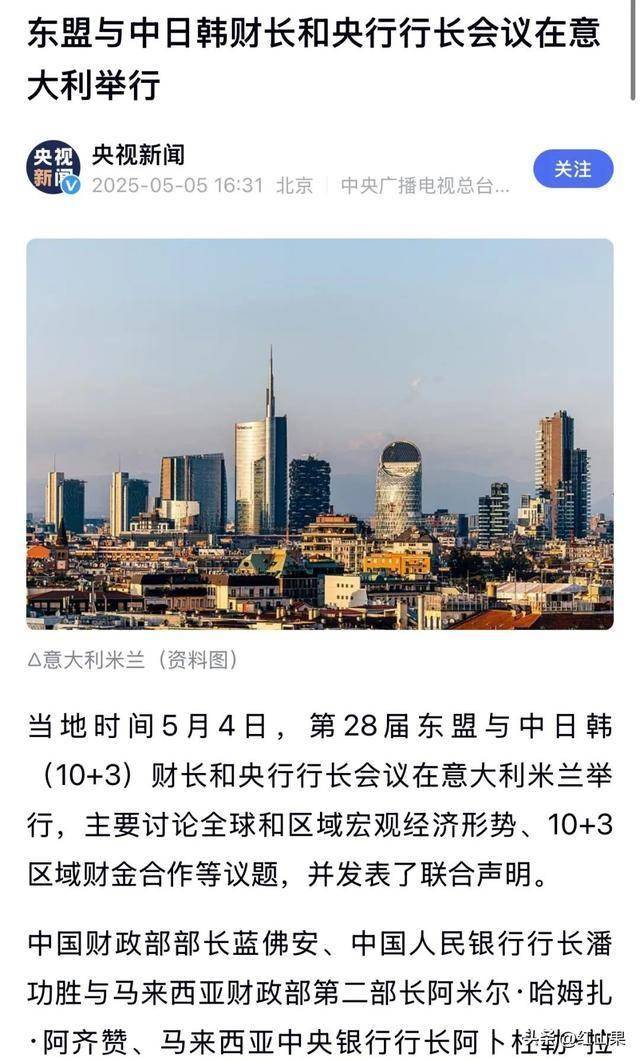
据《日本经济新闻》5月5日报道,第28届东盟与中日韩(10+3)财长和央行行长会议4日在意大利米兰 举行。会议发表联合声明说,"贸易保护主义加剧将成为全球贸易的重负,导致经济分裂",并对美国特 朗普政府的关税政策表示警惕。 当地时间5月4日,第28届东盟与中日韩 (10+3) 财长和央行行长会议在意大利米兰举 行,主要讨论全球和区域宏观经济形势、10+3 区域财金合作等议题,并发表了联合声明。 中国财政部部长蓝佛安、中国人民银行行长潘 功胜与马来西亚财政部第二部长阿米尔 ·哈姆扎 · 阿齐赞、马来西亚中央银行行长阿卜杜勒呼婷 东盟与中日韩财长和央行行长会议在意 大利举行 央视新闻 2025-05-05 16:31 北京 中央广播电视总台 ... △意大利米兰(资料图) 全球经济被"关税游戏"玩坏了 要说特朗普的关税哲学,简直魔幻。按他的逻辑,只要给进口商品贴上"25%起步价",美国工厂就能原 地复活,就业岗位立马上涨。可现实呢?还没等到产业复活,先等到了美国农业部门遭受巨大损失。联 合国秘书长古特雷斯都忍不住吐槽:"贸易战没有赢家,这是全球经济的灾难"。 更绝的是特朗普式的反复横跳,今天豁免韩国钢铁,明天威胁 ...
2025上海车展总结
Soochow Securities· 2025-05-05 14:31
Investment Rating - The report does not explicitly provide an investment rating for the automotive industry Core Insights - The 2025 Shanghai Auto Show highlighted robots as the main attraction, with a focus on smart technology and globalization as strategic priorities, while electrification has reached maturity [2] - The competition in the large six-seat SUV segment is intensifying, with many new models launched, but some popular models were absent from the show [3] - The report emphasizes the increasing homogeneity of new electric vehicles, indicating a highly competitive market landscape [5] Summary by Sections Vehicle Launch Summary - Numerous flagship SUV models were showcased, including Zeekr 9X, BYD Dynasty-D, and GAC Trumpchi S9, focusing on comfort, multi-screen intelligence, and advanced driver assistance [3][10] - Key new models include the P7+ from Xiaopeng, which features a 5C supercharging battery and AI chassis, priced between 186,800 to 208,800 yuan [23][25] - The report notes that several significant models, such as Xiaomi YU7 and Li Auto i8, did not appear at the show, limiting new vehicle information [3][10] Intelligent Component Launch Summary - Third-party autonomous driving suppliers are actively launching new solutions, with Huawei announcing the commercialization of L3 scenarios and new technology routes [5][6] - The report highlights the emergence of various players in the domain controller and chassis sectors, with collaborations among major Tier 1 suppliers [6] - The report mentions the introduction of new intelligent driving solutions tailored to different automaker needs, indicating a growing ecosystem of partnerships [6] Company-Specific Highlights - **Huawei**: Launched the ADS 4.0 system with significant upgrades, including a new architecture and enhanced safety features [20][21] - **Xiaopeng**: Achieved strong global market performance with a Q1 delivery of 94,000 units, leading among new force brands [23] - **Li Auto**: Introduced the L6 with significant upgrades in appearance and intelligent driving capabilities [31] - **NIO**: Emphasized the importance of smart driving chips and operating systems in enhancing user experience and safety [32] - **BYD**: Showcased new concept cars and advanced technologies, including the cloud-riding system [38][42] - **Great Wall**: Focused on global expansion and technological advancements in smart driving systems [43][45] - **Changan**: Committed to advancing electric and intelligent technologies while expanding globally [46][47] - **Geely**: Integrated battery businesses and launched the Zeekr 9X with advanced intelligent driving features [50][51] - **SAIC**: Implemented a "Glocal" strategy to enhance its global presence while maintaining local relevance [54][56] - **GAC**: Introduced the first mass-produced L4 autonomous vehicle, showcasing advanced sensor technology [61][67]





愈演愈烈!董明珠遭大量海归围攻,法学专家建议欧美同学会起诉
Xin Lang Cai Jing· 2025-05-05 14:26
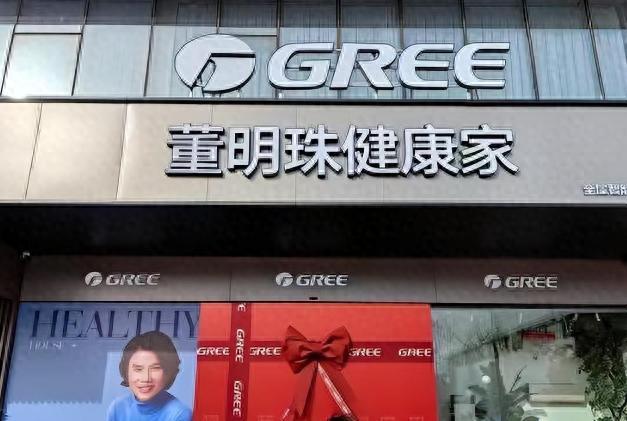
Core Viewpoint - The controversy surrounding Dong Mingzhu's comments on "returnees" being potentially untrustworthy has sparked significant backlash from the overseas Chinese community and legal experts, highlighting a clash between local and overseas talent perspectives in the context of globalization [3][14][30]. Group 1: Incident Background - Dong Mingzhu made a statement during an internal meeting at Gree, suggesting that returnees could be spies, which quickly drew public outrage as it undermined the contributions of this group to China's modernization [3][5]. - The backlash was swift, with organizations like the Shanxi Returned Overseas Chinese Association demanding an apology and correction from Dong Mingzhu, emphasizing that talent should not be discriminated against based on their background [5][10]. Group 2: Public Reaction - Legal experts have pointed out that Dong's comments may violate employment laws that prohibit discrimination based on nationality or ethnicity, suggesting that the Overseas Chinese Association should take legal action [10][12]. - Influencers and netizens have rallied against Gree, sharing their experiences and achievements to counter the "spy" narrative, with calls for a boycott of Gree products gaining traction [12][14]. Group 3: Talent Strategy Implications - Gree's talent strategy, which heavily favors domestic talent while rejecting overseas returnees, is seen as a significant deviation from global trends where companies like Lenovo and Huawei actively recruit international talent [19][30]. - The company's low overseas revenue share, consistently below 20%, is attributed to this restrictive talent strategy, contrasting sharply with competitors like Midea and Haier, which have over 40% of their revenue from international markets [19][30]. Group 4: Leadership and Governance Concerns - The concentration of power in Dong Mingzhu's hands has raised concerns about Gree's succession planning and the potential chaos that could ensue in the absence of her leadership [21][32]. - The need for a more balanced governance structure is emphasized, as reliance on a single leader could jeopardize the company's future, especially in a globalized market [32][34]. Group 5: Future Directions - The incident serves as a wake-up call for Gree to reassess its talent acquisition strategy, balancing local development with the inclusion of international talent to enhance its global competitiveness [30][34]. - Moving forward, Gree must cultivate an inclusive corporate culture that respects diverse backgrounds and experiences to thrive in the global marketplace [34].

2024、2025Q1总结:板块景气度上行,龙头盈利能力修复
GOLDEN SUN SECURITIES· 2025-05-05 11:30
Investment Rating - The report maintains an "Overweight" rating for the passenger car sector [4] Core Insights - The passenger car sector is experiencing an upward trend in profitability, particularly among leading companies, driven by policies such as the vehicle replacement subsidy and the introduction of advanced driving systems [1][2][3] - The industry is expected to continue its upward trajectory due to a low base in Q2 2024 and the launch of new models from major manufacturers [2][3] Summary by Sections 1. Q4 2024 & Q1 2025 Review - The transition to vehicle replacement policies has been smooth, with significant benefits from the introduction of advanced driving systems in Q1 2025 [1][9] - The total number of vehicles scrapped and replaced in 2024 is projected to exceed 2.9 million and 3.7 million respectively, significantly boosting the sector's stock performance [12] 2. 2024 & Q1 2025 Financial Summary - The financial performance of leading companies has shown significant recovery, with a marked divergence in results among different manufacturers [2][22] - BYD, Geely, and Xiaomi have seen substantial sales growth and improved profitability, while joint venture brands face pressure on both sales and profits [22][24] 3. Investment Recommendations - The report suggests focusing on strong models from companies like Geely, Xiaopeng, BYD, and Changan, as well as Huawei-affiliated brands like Seres and SAIC [3][22] - Short-term attention should be given to the implementation of vehicle replacement policies and the delivery schedules of key new models [3] 4. Market Trends - The passenger car sector has seen a surge in new model launches, covering various price segments, which has intensified competition [16][18] - The industry discount rates have remained high but are expected to stabilize as consumer demand is released through replacement policies [18] 5. Export Outlook - Passenger car exports are projected to maintain levels between 370,000 and 410,000 units in Q1 2025, with a favorable outlook for overseas demand [19][23]



贸易战无赢家:从美国青年困境看中国的大国定力与全球担当
Sou Hu Cai Jing· 2025-05-05 06:25
Group 1 - The trade war initiated by the Trump administration has resulted in significant economic repercussions for young Americans, who are now facing increased living costs and reduced consumer choices due to tariffs [3][4] - Data indicates that the poorest American households spend three times more of their income on clothing compared to wealthier families, highlighting the disproportionate impact of tariffs on low-income groups [3] - A notable shift in public opinion has occurred, with disapproval of Trump among the 18 to 29 age group rising by 14 percentage points within four months, reflecting the adverse effects of trade policies on this demographic [3][5] Group 2 - China has responded to U.S. tariffs with strategic measures, including rare earth export controls and expanding free trade agreements, demonstrating its commitment to maintaining economic stability and countering protectionism [4][6] - Chinese e-commerce platforms like Temu and Shein are effectively meeting global consumer demands, showcasing the resilience and competitiveness of China's digital economy in the face of geopolitical tensions [4][5] - The global economic contribution of China remains significant, with over 30% of global growth attributed to the country in 2023, emphasizing its role in promoting an open world economy [5][6] Group 3 - The backlash from young Americans against trade policies reflects a broader discontent with the manipulation of globalization benefits for political gain, indicating a potential shift in consumer behavior and political support [6] - The ongoing challenges in the global economy, such as climate change and technological advancements, necessitate international cooperation, particularly between major economies like the U.S. and China [6] - The narrative suggests that closing off markets will not yield future benefits, reinforcing the idea that collaboration and mutual benefit are essential for navigating economic uncertainties [6]

耶伦也坐不住了,称美国正被中国“捏着短板”,关税战是自己打自己
Sou Hu Cai Jing· 2025-05-05 05:33
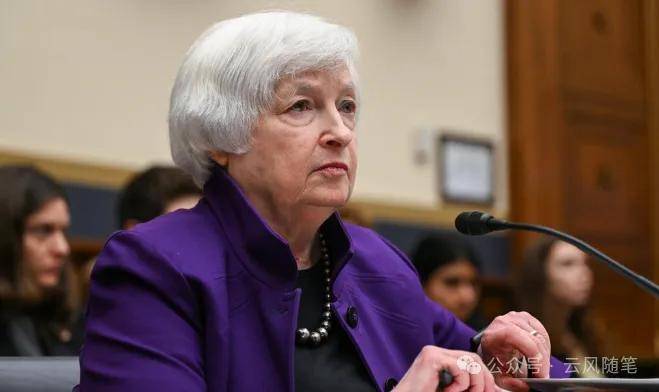
Core Insights - Former US Treasury Secretary Yellen highlighted that the US is vulnerable to China, particularly in the context of the ongoing tariff war, which she described as self-sabotaging for the US economy [1] Group 1: Dependence on Chinese Resources - The US defense supply chain relies on China for over 1,900 critical minerals used in weapon systems, including essential rare earth elements for advanced military equipment like the F-35 fighter jet and nuclear submarines [3] - China controls 90% of global rare earth refining capacity, making it difficult for the US to establish an independent supply chain despite significant investments [3] Group 2: Impact on Clean Energy Technology - The tariff war has adversely affected US clean energy technology, as China is the largest exporter of rare earths and a key producer of solar panels and lithium batteries, holding over 70% of global solar panel production capacity [5] - US companies face a potential 30% increase in costs if they attempt to bypass Chinese supply chains, leading to halted solar projects and delayed clean energy transition plans [5] Group 3: Economic Consequences of Tariffs - Since the escalation of US-China trade tensions in 2018, American households have seen an average annual increase of 7% in consumption costs, largely due to tariffs on Chinese goods [7] - Approximately 40% of imported products are used for domestic production, meaning tariffs have raised manufacturing costs, resulting in layoffs and reduced investments [8] - The US GDP experienced a 0.3% decline in Q1 2025, marking the worst performance since the pandemic recovery, underscoring the negative impact of the tariff war on the economy [8] Group 4: China's Resilience - China has shifted from an export-oriented model to a dual-circulation development strategy, allowing it to maintain a robust internal market and a complete industrial chain, giving it an advantage in the tariff conflict [9] Group 5: US Economic Policy Challenges - The US has misjudged globalization, benefiting from low-cost goods through offshoring while neglecting the fragility of its supply chains, leading to significant costs when attempting to decouple from China [8] - Yellen's warnings suggest that unilateralism will isolate the US further, and a cooperative approach is essential for economic recovery [8]
德国做了一个违背祖宗的决定,把化工搬到中国
Sou Hu Cai Jing· 2025-05-05 01:19
Core Viewpoint - The article discusses the significant shift of the German chemical industry, particularly BASF, towards China due to various economic pressures, including the impact of the Russia-Ukraine conflict and the rising demand in the Chinese market [21][39]. Group 1: Historical Context of German Chemical Industry - Germany was once the third-largest economy globally and the second-largest trading nation, with a strong chemical industry led by giants like Bayer, BASF, and Degussa [1]. - The Asian and South American economic crises in 1998 severely impacted Germany's chemical exports, prompting a strategic pivot towards China [1][10]. - BASF, founded in 1865, has a long history of innovation in the chemical sector, becoming a leader in synthetic dyes and later expanding into fertilizers and plastics [3][5][8]. Group 2: BASF's Investment in China - From 2004 to 2005, BASF invested $2.6 billion to establish an integrated petrochemical base in Nanjing, capable of producing 1.7 million tons of high-quality chemicals annually [13]. - In 2022, BASF announced a massive investment of €10 billion in the Zhanjiang integrated base, which will become its third-largest production site globally [17]. - The company has also focused on digital transformation in China, establishing a digital center in Nanjing to enhance its capabilities [15]. Group 3: Impact of the Russia-Ukraine Conflict - The Russia-Ukraine conflict led to a significant financial downturn for BASF, reporting a net loss of €1.376 billion in 2022 due to disrupted operations in Russia [21][23]. - Energy costs surged by €2.2 billion in Europe, despite a 12% increase in sales revenue, highlighting the financial strain on BASF [24]. - The conflict forced BASF to reduce its production scale in Europe, with plans to cut annual costs by €500 million by 2024, impacting its Ludwigshafen plant [30]. Group 4: Competitive Pressure from China - The shift of German chemical manufacturing to China has revitalized the local industry, attracting German experts and fostering innovation [32][35]. - China has surpassed Germany in chemical product research and development since 2014, becoming the second-largest exporter of chemical products globally [35][37]. - By 2030, China's investment in chemical and pharmaceutical R&D is expected to account for nearly 15% of global total investment, further widening the gap with Germany [37]. Group 5: Future Implications - The decision to relocate chemical manufacturing to China reflects a broader trend of globalization and market changes, indicating a potential loss of innovation capability for Germany [39][40]. - This strategic pivot is seen as both a necessary adaptation to current economic realities and a significant departure from traditional manufacturing practices in Germany [39].


“股神”巴菲特重磅发声:贸易不应成武器,美国需警惕保护主义陷阱
Sou Hu Cai Jing· 2025-05-04 18:05
这位投资界传奇人物直言:"贸易不应该是武器",并警告保护主义政策可能对美国经济造成长期负面影 响。 当地时间2025年5月3日,94岁的"股神"沃伦·巴菲特在伯克希尔·哈撒韦年度股东大会上,以一贯的犀利 风格向美国政府的贸易政策"开炮"。 巴菲特多次强调"他国繁荣≠美国受损"的逻辑,试图打破零和博弈的思维定式。" 自由贸易VS保护主义:巴菲特的"天平" 巴菲特用历史与现实对比,阐释贸易的本质。他提到,250年前的美国凭借烟草、棉花等产业崛起为工 业强国,正是依托开放的市场和全球分工。 如今,美国若自诩优越、以关税为武器疏远他国,则是"巨大错误"——"当75亿人对美国心怀不满,而3 亿人还在自鸣得意时,这种态度既不正确也不明智"。 他进一步用经济逻辑拆解关税的代价:"加征关税本质是向商品征税,最终埋单的是普通消费者。"这一 观点直指特朗普政府频繁动用关税手段的后果——通货膨胀压力加剧,企业供应链动荡。 数据显示,伯克希尔2025年一季度经营利润同比暴跌63.59%,财报直言关税政策带来"重大不确定性"。 繁荣的悖论:全球共赢为何遭质疑? 如果世界更富庶且无人牺牲,美国也会更繁荣、更安全。"他以伯克希尔的全球化布 ...

巴菲特接班人首次披露投资密码!3条颠覆性策略曝光!
Sou Hu Cai Jing· 2025-05-04 10:44
Core Insights - Warren Buffett announced his retirement as CEO of Berkshire Hathaway, passing the leadership to Greg Abel by the end of the year, marking the end of an era and reflecting the company's strategic adjustments in response to global economic changes [1][3] Group 1: Leadership Transition - The transition from Buffett to Abel signifies a shift from a "heroic individual" model to a "systematic governance" approach within Berkshire Hathaway [3] - Abel's leadership style is expected to differ from Buffett's, focusing on practical operations and potentially steering the company towards deeper investments in industrial sectors, particularly in renewable energy [4] Group 2: Cash Reserves Strategy - Berkshire Hathaway's cash reserves reached a record high of $347.7 billion, equivalent to one-eighth of Apple's market value or one-quarter of Mexico's GDP for 2024 [5] - Buffett explained the high cash reserves as a strategic patience due to the scarcity of investment opportunities in a high-valuation market, with a focus on maintaining a safety margin [5] - The company is utilizing short-term U.S. Treasury bonds to generate an annualized return of 5%, showcasing a robust "cash plus fixed income" strategy [5] Group 3: Global Investment Insights - Buffett's investment in Japanese trading companies has been highly successful, with a market value of $23.5 billion and annual dividend income of $812 million, achieved through currency, governance, and geopolitical arbitrage [6][7] - In contrast, Berkshire's cautious approach to China reflects concerns over regulatory uncertainties, with potential future investments in Hong Kong stocks or special purpose vehicles [7] Group 4: Policy Critique - Buffett criticized trade protectionism, arguing that trade should not be weaponized, emphasizing the economic, strategic, and moral implications of such policies [8] - The company is diversifying its operations globally, with investments in renewable energy projects in the Middle East and Australia, and insurance ventures in India [8] Group 5: Evolution of Value Investing - The transition of leadership does not signify the end of value investing but indicates a subtle evolution, maintaining core principles like long-termism and safety margins while integrating technology and ESG factors into investment decisions [9] - Abel's focus on renewable energy aims for over 60% of the energy portfolio to be from sustainable sources by 2030, reflecting a shift towards incorporating environmental considerations [9] Group 6: Lessons for Investors - The transition highlights the importance of institutional frameworks over individual charisma in sustaining great enterprises [10] - Cash is viewed as a strategic asset in uncertain times, emphasizing liquidity's value [10] - Companies need to develop resilient networks in a geopolitical landscape characterized by competition and uncertainty [11]