供需失衡

Search documents
黑色建材日报:短期供给受限,双焦易涨难跌-20250813
Hua Tai Qi Huo· 2025-08-13 07:59
Report Industry Investment Rating No relevant content provided. Core Viewpoints - Short - term supply of coking coal and coke is limited, making their prices prone to rise and hard to fall; the macro sentiment for glass and soda ash is positive, with soda ash prices rising significantly; steel prices are continuously rebounding, and ferroalloys are oscillating and consolidating [1][3] - Glass prices are expected to oscillate, and soda ash prices are also expected to oscillate; silicon manganese and silicon iron prices are expected to maintain an oscillating trend [2][5] Summary by Related Catalogs Glass and Soda Ash Market Analysis - Glass: The glass futures market showed a strong and oscillating trend yesterday. In the spot market, downstream procurement sentiment was cautious, with demand mainly for immediate needs [1] - Soda Ash: The soda ash futures market rose significantly yesterday. In the spot market, downstream transactions were stable, with a wait - and - see attitude [1] Supply - Demand and Logic - Glass: As market sentiment subsided, glass pricing returned to its fundamental logic. Currently, glass supply has not been effectively cleared, speculative demand has weakened, supply - demand remains relatively loose, and spot prices have declined. The previous premium in the futures market provided good opportunities for spot - futures arbitrage, and the rapid increase in registered glass warehouse receipts suppressed the price of the 09 contract. Attention should be paid to the impact of macro - policies on glass supply and demand [1] - Soda Ash: The market is again worried that stricter environmental inspections in Qinghai will affect local soda ash production capacity elimination. Since Qinghai has a large proportion of soda ash production capacity, if affected, it will improve the supply - demand imbalance to some extent. Currently, soda ash production is continuously increasing with further growth expected, while consumption may weaken further, and inventory growth pressure is high. Therefore, soda ash prices are easily stimulated by news in the short term, but long - term supply - demand contradictions will still suppress prices [1] Strategy - Glass: Oscillating [2] - Soda Ash: Oscillating [2] Silicon Manganese and Silicon Iron Market Analysis - Silicon Manganese: As steel prices continued to rebound, the silicon manganese futures market oscillated. In the spot market, the final pricing of mainstream steel procurement is still under negotiation. The price of 6517 silicon manganese in the northern market is 5800 - 5900 yuan/ton, and in the southern market, it is 5820 - 5920 yuan/ton [3] - Silicon Iron: The silicon iron futures market oscillated and consolidated yesterday. In the spot market, the market is waiting for HBIS's pricing. The ex - factory price of 72 - grade silicon iron natural lumps in the main production areas is 5400 - 5500 yuan/ton, and the price of 75 - grade silicon iron is 5750 - 5900 yuan/ton [3] Supply - Demand and Logic - Silicon Manganese: As market sentiment stabilized, the futures market returned to the fundamentals of the commodity. Currently, silicon manganese production and demand have slightly increased, and manufacturers' inventory has decreased month - on - month, being at a medium level compared to the same period. The quotation of manganese ore to China has slightly increased, causing the cost of silicon manganese to rise slightly, which supports the spot price. The 09 contract still has a certain discount, which also supports the futures price. However, considering the continuous increase in manganese ore port inventory, the cost support is weak, and the silicon manganese industry has an obvious supply surplus. A certain degree of loss is needed to suppress production release. It is expected that silicon manganese prices will continue to oscillate. Attention should be paid to manganese ore cost support, silicon manganese inventory, and manganese ore shipments in the future [3] - Silicon Iron: Currently, silicon iron production has rapidly increased, demand has slightly increased, and manufacturers' inventory has increased month - on - month, being at a relatively high level compared to the same period. The increase in chemical coke prices has driven up the cost of silicon iron, which supports the spot price. However, considering that the futures market is slightly at a premium, and the silicon iron industry has an obvious supply surplus, a certain degree of loss is needed to suppress production release. It is expected that silicon iron prices will continue to oscillate. Attention should be paid to cost support and the impact of industrial policies on the black sector in the future [4] Strategy - Silicon Manganese: Oscillating [5] - Silicon Iron: Oscillating [5]
油价暴跌5%金价却飙升,这周全球市场到底发生了什么
Sou Hu Cai Jing· 2025-08-12 22:10
Group 1 - The recent volatility in investment markets is highlighted by a significant drop in international oil prices by over 5% in a week, marking the largest decline since late June, while gold prices rose by 2.69%, indicating contrasting market trends [1][4] - The rise in gold prices is attributed to expectations of a potential interest rate cut by the Federal Reserve, as well as supply constraints from Swiss gold refineries reducing or halting exports to the U.S., which signals a tightening supply in the gold market [2][4] - The decline in oil prices is primarily driven by easing geopolitical risks, particularly the potential for a meeting between U.S. and Russian leaders, which could reduce uncertainties surrounding the Russia-Ukraine conflict, alongside OPEC's announcement of increased production [4][6] Group 2 - The divergence in oil and gold prices reflects deeper changes in the global economic and political landscape, suggesting a potential shift in global liquidity and investment strategies [4][8] - The current market conditions emphasize the importance of diversification in investment portfolios, as the contrasting movements of oil and gold highlight the need to manage overall investment risk effectively [6][8] - Investors are encouraged to maintain sensitivity to market dynamics, as critical information often lies within seemingly minor news events, such as changes in Federal Reserve personnel and adjustments in Swiss refinery exports [6][8]


邓正红能源软实力:地缘溢价与供需失衡博弈 短期油价反弹缺支撑维持盘整状态
Sou Hu Cai Jing· 2025-08-10 04:09
Core Viewpoint - The current oil market is experiencing a tug-of-war between geopolitical premiums and supply-demand imbalances, with bearish sentiment increasing as summer demand ends, and potential further pressure on oil prices if tariff stalemates or supply surpluses worsen [1][2]. Group 1: Market Dynamics - The oil market is in a phase of soft power consolidation, relying on the reactivation of geopolitical premiums, while hard power remains unchanged, leading to continued volatility [1][2]. - Geopolitical events, such as attacks by Houthi forces on commercial ships, inject risk premiums into oil prices, but do not result in actual supply disruptions, with OPEC's idle capacity (approximately 5 million barrels per day) still able to buffer risks [2][3]. - The oil price fluctuation range (e.g., NY crude at $58-$72 per barrel) is driven by environmental adaptability, reflecting market adjustments to geopolitical conflicts and policy risks [2]. Group 2: Supply and Demand Factors - Non-OPEC countries are increasing supply significantly (e.g., Brazil and Iraq adding 450,000 barrels per day), outpacing demand growth, with potential daily surpluses reaching 950,000 barrels by 2025 [3]. - The end of summer demand has exacerbated bearish sentiment, with consumption weakening post-peak travel season and compounded by U.S. tariff increases, leading to a decline in oil prices of over 7% since August [3]. - The uncertainty surrounding tariff policies and supply surpluses may trigger further declines in oil prices, with daily demand potentially reduced by 150,000 to 200,000 barrels due to suppressed global trade activities [2][3].

价格暴涨80%,一天一个价的柠檬咋成了水果刺客?
东京烘焙职业人· 2025-08-07 08:33
Core Viewpoint - The article discusses the significant price increase of lemons in China, driven by supply-demand imbalances due to adverse weather conditions affecting production, both domestically and globally [3][11][13]. Group 1: Price Increase and Market Dynamics - In July, the national wholesale average price of lemons surged by 80.67% year-on-year, reaching 14.08 yuan per kilogram, with prices in Sichuan's Anju area rising from 3-4 yuan per jin to 8-10 yuan per jin, marking a three-year high [3][11]. - The price surge has impacted tea beverage businesses, with costs for lemon water skyrocketing, leading to situations where some businesses effectively offer it for free to customers due to high costs and discounts [5][16]. - The supply of lemons is heavily reliant on last year's inventory, as adverse weather conditions led to a 40% decrease in the fruit-bearing rate and a 52% reduction in production this year [11][12]. Group 2: Global and Domestic Production Challenges - Global lemon production has also faced challenges, with Turkey halting lemon exports due to frost damage, and other regions like South Africa and Argentina experiencing reduced harvests due to severe weather [13][14]. - Anju, which supplies 70% of China's lemons, has been particularly affected by extreme weather, compounding the supply issues [8][11]. Group 3: Future Market Outlook - The domestic demand for lemons is expected to continue increasing, with projections indicating that the market size for the lemon industry in China will reach 580 billion yuan by 2025, growing by 70 billion yuan from 2024, with a year-on-year growth rate of 13.7% [15]. - The price of lemons is unlikely to return to normal levels this year, as ongoing extreme heat conditions are expected to further impact production [18][19].


【期货热点追踪】马棕油期货两连跌,供需失衡数据坐实,短期利空数据与中期看多逻辑激烈碰撞,市场在多空交织中,将如何走出下一步行情?
news flash· 2025-07-28 11:03
Group 1 - Palm oil futures have experienced two consecutive declines, indicating a supply-demand imbalance [1] - Short-term bearish data clashes with mid-term bullish logic, creating a complex market environment [1] - The market is currently navigating through a mix of bullish and bearish sentiments, raising questions about the next market direction [1]
银行业零售资产业务:特征剖析与应对之策|银行与保险
清华金融评论· 2025-07-26 09:38
Core Viewpoint - The retail asset business of commercial banks in China is currently underperforming, which is seen as a temporary phenomenon. Strategies are suggested to better understand the business logic of retail assets and to focus on risk management models that emphasize the primary repayment source [1][14]. Summary by Sections Performance of Retail Asset Business - The retail asset business, which includes housing mortgage loans, personal consumption loans, personal business loans, and credit card services, is facing significant pressure in 2024, characterized by a slowdown in personal loan growth, declining yields, and rising non-performing loan (NPL) ratios. The growth rate of personal loans dropped from over 10% before 2021 to 4.89% in 2022 and further to 3.69% in 2024. The average NPL ratio for personal loans increased from below 1% before 2021 to 1.10% in 2022 and 1.51% in 2024, marking a rise of over 65% compared to 2021 [2][3][5]. Characteristics of Retail Asset Business - Retail asset business is characterized by light capital attributes, risk diversification advantages, and weak cyclical features. The light capital nature is reinforced by new regulations effective from 2024, which lower risk weights for various types of retail loans. The risk diversification is due to the broad customer base, minimizing the impact of individual defaults. The weak cyclical nature allows retail assets to provide stability during economic fluctuations, as evidenced by historical data from the U.S. banking sector [8][9][10]. Underperformance as a Temporary Phenomenon - The underperformance of retail asset business since 2022 is attributed to a supply-demand imbalance in the economy. The real estate market's downturn and weak consumer demand have led to reduced consumer confidence and spending. This imbalance has persisted for over a year, affecting the performance of personal business loans and consumption loans, particularly for small and micro enterprises [13][14][16].

成本端压力提升 包装纸行业月内连发四轮涨价函
Zheng Quan Ri Bao· 2025-07-24 16:07
Core Viewpoint - The packaging paper industry is experiencing a price increase, with major companies like Nine Dragons Paper and Lee & Man Paper announcing a price hike of 30 yuan/ton for corrugated paper and recycled kraft paper starting August 1, driven by rising raw material costs and tightening supply [1][2]. Group 1: Price Trends - July has seen the fourth round of price increases in the paper industry, with a consistent rise in various types of raw paper prices, each time by 30 yuan/ton [1]. - As of July 21, the market price for waste yellow board paper reached 1475 yuan/ton, an increase of 15 yuan/ton compared to June 30 [1]. Group 2: Supply and Demand Dynamics - The increase in waste yellow board paper prices is attributed to overall limited supply and heavy rainfall affecting local waste paper trading, leading to a decrease in market supply [2]. - Major paper companies have been steadily raising their procurement prices for waste yellow board paper, which has contributed to a bullish sentiment in the waste paper market and provided cost support for finished paper price increases [2]. Group 3: Industry Performance - In the first half of the year, the corrugated and box board paper markets continued to experience a supply-demand imbalance, with average prices declining: corrugated paper at 2682 yuan/ton (down 2.44% year-on-year) and box board paper at 3616 yuan/ton (down 3.42% year-on-year) [3]. - The gross profit margins for the corrugated paper industry and box board paper industry were 9.97% and 18.96%, respectively, both showing a decline compared to the previous year [3]. - The overall profitability of the industry remains under pressure due to the supply exceeding demand, with expectations of a price recovery in the second half of the year, although it may not fully offset the declines seen in the first half [3].

欧晶科技: 中证鹏元关于关注内蒙古欧晶科技股份有限公司2025年半年度业绩预亏的公告
Zheng Quan Zhi Xing· 2025-07-23 11:15
Core Viewpoint - The company, Inner Mongolia Oujing Technology Co., Ltd., is facing significant financial challenges, with projected net losses for the first half of 2025, primarily due to supply-demand imbalances in the photovoltaic industry and low product prices [1][2]. Financial Performance - The company expects a net loss of between 86 million yuan and 70 million yuan for the first half of 2025, compared to a loss of 125.75 million yuan in the same period last year [1]. - As of March 31, 2025, the company's debt-to-asset ratio was 52.13%, with total debts amounting to 846 million yuan and cash assets totaling 801 million yuan [2]. Credit Rating - The credit rating agency, Zhongzheng Pengyuan, has maintained the company's credit rating at AA- and the rating for its convertible bonds at AA-, while placing both ratings on a watch list [2][5]. - The balance of the "Oujing Convertible Bonds" as of July 23, 2025, was 469 million yuan, with a maturity date of November 23, 2029 [2]. Industry Context - The photovoltaic industry continues to experience supply-demand imbalances, which has adversely affected the company's production capacity utilization and pricing [1].

7月茅台散飞价格很离谱!750一瓶,经销商卖惨:已经不敢收酒了
Sou Hu Cai Jing· 2025-07-23 03:35
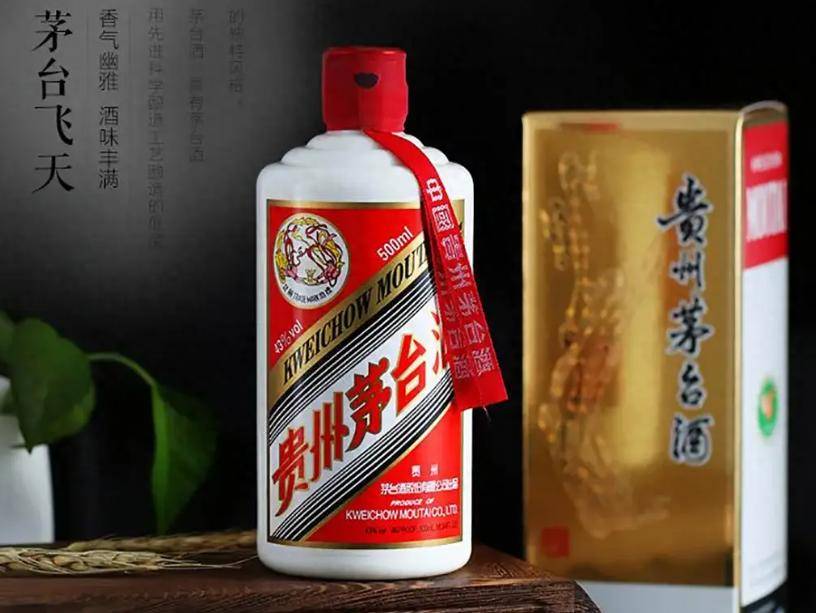
Core Viewpoint - The price of Moutai has plummeted due to a supply-demand imbalance, leading to significant economic pressure on distributors and a broader industry shock [1][3]. Supply and Demand Dynamics - The wholesale price of 43-degree Moutai has dropped to 750 yuan, below the cost for some distributors, causing financial strain [1]. - Social inventory of Moutai exceeds 120 million bottles, accounting for 73% of annual production, with turnover days surpassing 900 [3]. - Demand has shrunk significantly, with high-end liquor no longer being a staple for business socializing, leading to a 30% drop in sales for upscale restaurants [4]. Price Trends and Financial Impact - The wholesale price of 53-degree Moutai has decreased over 20% from 2400 yuan at the beginning of the year to 1870 yuan [1][4]. - Distributors are facing losses, with the cost of 53-degree Moutai exceeding 1800 yuan while selling for only 1870 yuan, resulting in a loss of nearly 550 yuan per bottle sold [6]. - Approximately 30% of small distributors are at risk of closing due to the ongoing price war and financial pressures [8]. Distributor Strategies and Market Adjustments - Distributors are adapting by shifting to live-stream sales and introducing lower-priced liquor options to attract younger consumers [6]. - Moutai Group is attempting to stabilize prices by repurchasing shares and reducing the allocation of Moutai to manage inventory [7]. - The company is also adjusting its product line to target the mid-range market, positioning Moutai 1935 and series liquors in the 300-500 yuan price range [7].

7月18日油价大变脸,汽油最新价格行情有啥猫腻?
Sou Hu Cai Jing· 2025-07-20 03:18
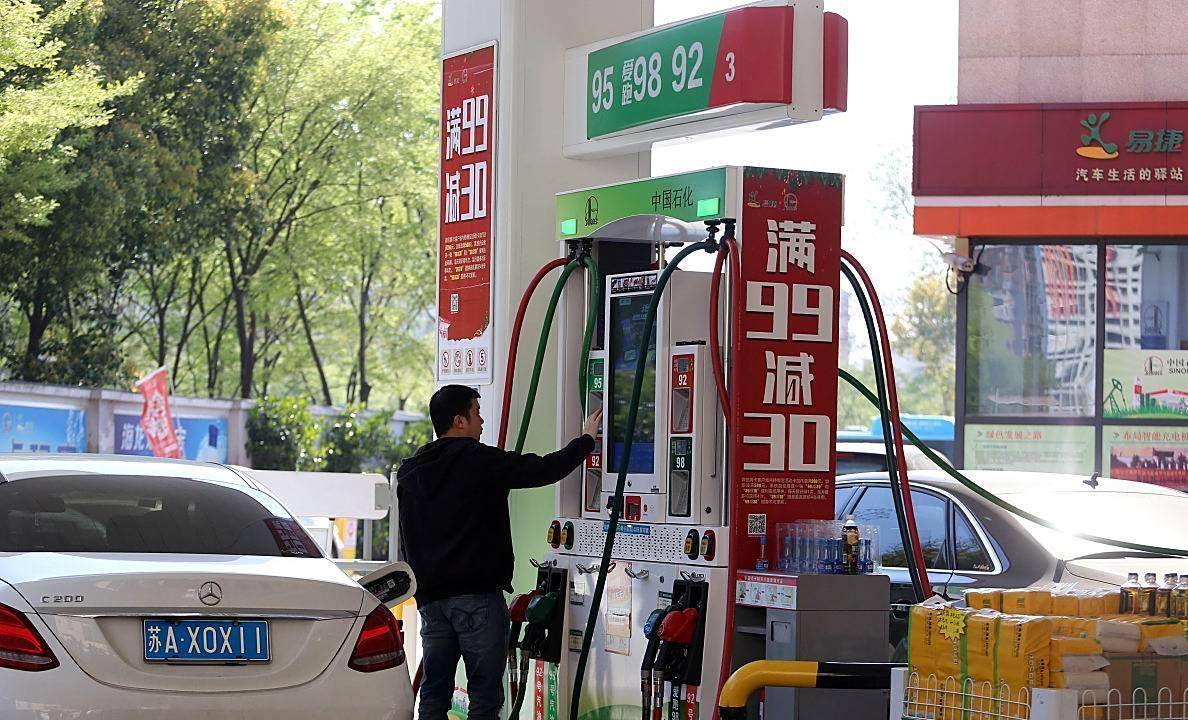
Group 1 - The upcoming price adjustment window on July 29 is seen as a potential turning point in the oil price battle, which may tilt the balance in favor of consumers for the first time this year [1][6] - Recent fluctuations in international oil prices have led to a significant drop in domestic oil prices, with a reduction of 130 yuan/ton easing the pressure from previous increases of nearly 835 yuan/ton [1][3] - The current situation in the oil market reflects a supply-demand imbalance, with OPEC's unexpected production increase and rising U.S. gasoline inventories contributing to a decline in Brent crude prices below $68 per barrel [2][4] Group 2 - If international oil prices drop by another $0.5 in the next week, it could lead to the first consecutive price drop of the year, potentially bringing 92-octane gasoline back to the "6 yuan era" [3][6] - The competitive landscape among gas stations is intensifying, with promotions such as "member day discounts" and "nighttime fuel discounts" being introduced to attract customers [3] - The price variations across different regions for 95-octane gasoline highlight the competitive dynamics, with prices ranging from 7.53 yuan in Xinjiang to 8.89 yuan in Hainan [2]