
美联储货币政策

Search documents
有色金属日报-20260210
Wu Kuang Qi Huo· 2026-02-10 01:00
Group 1: Report Industry Investment Rating - No relevant content provided Group 2: Report Core Views - The overall sentiment in the market is relatively warm in the short - term. The prices of some metals are expected to show different trends, such as copper and aluminum may rise, while others like lead and zinc have complex influencing factors and their future trends need further observation. [5][7] - For different metals, specific strategies are proposed, including reference price ranges and trading suggestions like waiting and seeing or taking long - position at low prices. [5][7][12] Group 3: Summary by Metal Category Copper - **Market Data**: The LME copper 3M closed up 0.96% to $13,185/ton, and the Shanghai copper main contract closed at 102,450 yuan/ton. LME copper inventory increased by 1,025 to 184,300 tons. The domestic electrolytic copper social inventory decreased, and the bonded - area inventory increased slightly. The Shanghai spot copper had a premium of 35 yuan/ton over the futures, while the Guangdong spot had a discount of 105 yuan/ton. The spot import loss was about 700 yuan/ton, and the refined - scrap copper price difference was 3,090 yuan/ton. [3][4] - **Strategy**: Due to factors such as a strong US stock market, plans for key mineral reserves, and a better - than - expected US consumer confidence index, the short - term sentiment is positive. Although the new Fed Chairman's monetary policy is slightly hawkish, the interest - rate cut trend remains. The copper mine supply is tight, but the domestic refined copper supply is growing strongly. It is expected that the copper price will fluctuate strongly. The reference range for the Shanghai copper main contract is 101,000 - 104,000 yuan/ton, and for LME copper 3M is $13,000 - 13,400/ton. [5] Aluminum - **Market Data**: The LME aluminum closed up 0.64% to $3,130/ton, and the Shanghai aluminum main contract closed at 23,625 yuan/ton. The Shanghai aluminum weighted contract's open interest increased by 16,000 to 667,000 lots, and the futures warehouse receipts increased by 9,000 to 165,000 tons. The domestic aluminum ingot and aluminum rod inventories increased, and the aluminum rod processing fee declined. The LME aluminum inventory decreased by 2,000 to 489,000 tons. [6] - **Strategy**: The domestic aluminum inventory is accumulating, and the downstream demand is weak in the off - season. However, the LME aluminum inventory is relatively low, and the US aluminum spot premium is high, providing strong support for the aluminum price. With the stabilization of the US stock market and precious metals, the aluminum price is expected to rise. The reference range for the Shanghai aluminum main contract is 23,300 - 23,900 yuan/ton, and for LME aluminum 3M is $3,080 - 3,160/ton. [7] Lead - **Market Data**: The Shanghai lead index closed up 0.29% to 16,602 yuan/ton, and the LME lead 3S rose by 9.5 to $1,958.5/ton. The SMM1 lead ingot average price was 16,425 yuan/ton, and the refined - scrap lead price difference was at par. The domestic lead ingot social inventory increased by 4,000 tons to 49,900 tons on February 9th compared to February 5th. [8] - **Strategy**: The lead ore's visible inventory has slightly decreased but is still higher than in previous years, and the lead concentrate processing fee remains low. The scrap battery inventory is rising. The smelter's operating rate has seasonally declined. The lead ingot social inventory is accumulating, and the domestic industrial situation is weak. Whether the lead price can stabilize depends on the downstream battery enterprises' restocking willingness after the Spring Festival. [9] Zinc - **Market Data**: The Shanghai zinc index closed up 0.34% to 24,567 yuan/ton, and the LME zinc 3S rose by 76 to $3,361.5/ton. The SMM0 zinc ingot average price was 24,660 yuan/ton. The domestic zinc ingot social inventory increased by 9,800 tons to 128,100 tons on February 9th compared to February 5th. [10] - **Strategy**: The zinc ore's visible inventory accumulation has slowed down, and the zinc concentrate TC has stopped falling. The domestic zinc ingot social inventory has started to accumulate, and the downstream enterprises' operating performance is average. The finished - product inventory of die - casting zinc alloy and zinc oxide enterprises has risen rapidly. Although the domestic zinc industry is weak, short - term funds are greatly affected by macro - sentiment, and strong US PMI may drive the zinc price to rise with the non - ferrous metal sector. [11] Tin - **Market Data**: On February 9th, the tin price slightly decreased, and the Shanghai tin main contract closed at 384,180 yuan/ton, down 7.61%. The supply is difficult to increase significantly in the short - term due to factors such as high - level but stagnant smelter operating rates in Yunnan and low production in Jiangxi due to scrap tin shortages. The demand has not shown strong improvement, and the downstream pre - holiday restocking willingness is not obvious. [12] - **Strategy**: The short - term precious metal price has shown signs of stabilization, and the tin price may rebound. Although the tin price has a long - term upward trend, in the short - term, there is pressure for a sharp rise under the background of a marginal relaxation in supply - demand and a steady increase in inventory. It is recommended to wait and see, with the domestic main contract reference range of 350,000 - 410,000 yuan/ton and the overseas LME tin reference range of $46,000 - 50,000/ton. [12] Nickel - **Market Data**: On February 9th, the nickel price slightly declined, and the Shanghai nickel main contract closed at 134,463 yuan/ton, down 2.03%. The spot market's brand premiums and discounts were stable, and the nickel ore price was stable. The nickel - iron price fluctuated upward. [13] - **Strategy**: After the second decline of precious metals and risk assets, there is a short - term demand for rebound, but the nickel price still faces fundamental pressure. It is expected to fluctuate widely, with the Shanghai nickel price reference range of 120,000 - 150,000 yuan/ton and the LME nickel 3M contract reference range of $16,000 - 18,000/ton. [14] Lithium Carbonate - **Market Data**: The Wuganglian lithium carbonate spot index (MMLC) closed at 136,322 yuan, up 3.21%. The battery - grade lithium carbonate was quoted at 134,200 - 139,200 yuan, with an average increase of 4,200 yuan (3.17%), and the industrial - grade lithium carbonate was up 3.47%. The LC2605 contract closed at 137,000 yuan, up 3.07%. [16] - **Strategy**: The market's pessimistic sentiment has eased. If the resumption of a major mine in Jiangxi fails to materialize, the supply - demand pattern of lithium carbonate will remain tight after the Spring Festival, and the inventory will continue to decline. The downstream has basically completed pre - holiday restocking. The futures position of lithium carbonate has reached a six - month low, and it is likely to fluctuate within a range. The reference range for the Guangzhou Futures Exchange's lithium carbonate 2605 contract is 129,000 - 147,000 yuan/ton. [17] Alumina - **Market Data**: On February 9th, the alumina index rose 1.62% to 2,869 yuan/ton, and the trading volume decreased. The Shandong spot price was 2,555 yuan/ton, at a discount to the main contract. The overseas MYSTEEL Australia FOB price was $304/ton, and the import loss was 75 yuan/ton. The futures warehouse receipts increased by 24,600 tons to 242,600 tons. The ore prices in Guinea and Australia remained stable. [19] - **Strategy**: Workers at a mine in Guinea's Boké region have launched an indefinite strike. The alumina smelting capacity is in an over - supply situation in the short - term, and the inventory is accumulating. It is recommended to wait and see, and the future price trend depends on whether the Guinea mine disruption will materialize and whether the high domestic supply pressure can be effectively alleviated. The reference range for the domestic main contract AO2605 is 2,750 - 3,000 yuan/ton, and key factors to watch include domestic supply contraction policies, Guinea's ore policies, and the Fed's monetary policy. [20] Stainless Steel - **Market Data**: The stainless - steel main contract closed at 13,735 yuan/ton on Monday, up 0.48%. The spot prices in Foshan and Wuxi markets were stable. The raw material prices were also stable. The futures inventory increased, and the social inventory increased to 914,200 tons, with the 300 - series inventory up 2.49%. [22] - **Strategy**: From the supply side, although the raw material supply has recovered, the agents' sales rhythm has slowed down due to the steel mill's price - limit policy. The demand is restricted by the pre - Spring Festival off - season, and the market's purchasing willingness is weak. The steel mills will collectively cut production in February, and the supply is expected to tighten. It is recommended to maintain the strategy of going long at low prices, with the main contract reference range of 13,500 - 13,900 yuan/ton. [23] Cast Aluminum Alloy - **Market Data**: The cast aluminum alloy price rebounded, and the main AD2604 contract closed slightly up 0.54% to 22,165 yuan/ton. The weighted contract's open interest and trading volume remained high, and the warehouse receipts increased. The domestic mainstream ADC12 average price increased by 100 yuan/ton, and the import price was stable. The domestic three - place aluminum alloy inventory decreased. [25] - **Strategy**: The cost of cast aluminum alloy has increased. Although the demand is average, the price is strongly supported in the short - term due to continuous supply - side disruptions and seasonal tightness in raw material supply. [26]
How Much Higher Will Gold Go?
Yahoo Finance· 2026-02-09 16:20
Core Viewpoint - Investors are shifting capital from volatile growth stocks to safer assets like gold, which has seen significant price increases in recent months [1][2]. Group 1: Gold Price Trends - Gold's spot price increased by 26% in Q4 2025 and 65% over the entire year [1]. - As of early 2026, gold is trading just below $5,000 per ounce, indicating strong investor interest [2]. Group 2: Factors Driving Gold Prices - Gold prices are influenced by macroeconomic factors, particularly uncertainties regarding the Federal Reserve's monetary policy and persistent inflation [3]. - Economists predict potential further reductions in interest rates by the Fed, enhancing gold's appeal as a hedge against inflation and currency devaluation [4]. Group 3: Sovereign Demand for Gold - Geopolitical tensions and changing tariff policies have led central banks to increase their gold reserves, contributing to rising demand [5]. - This sovereign demand is creating a price floor for gold, as the strength of the U.S. dollar becomes more uncertain [6]. Group 4: Investment Considerations - The long-term price of gold will be influenced by interest rates and perceptions of fiat currency risk, with potential for price pullbacks during strong economic growth [7]. - In periods of rising yields, gold may become less attractive compared to other investment vehicles [8].
市场波动增加,黄金震荡收涨
Dong Zheng Qi Huo· 2026-02-08 11:12
1. Report Industry Investment Rating - The investment rating for gold is "Oscillation" [1] 2. Core Viewpoints of the Report - Gold prices ended higher in an oscillating market, with London gold rising 1.4% to $4,964 per ounce. The 10 - year U.S. Treasury yield dropped to 4.21%, inflation expectations were at 2.32%, and real interest rates slightly decreased to 1.89%. The U.S. dollar index rose 0.66% to 97.6, and the S&P 500 index fell 0.1%. The RMB ended higher in an oscillating market, and the domestic - foreign price difference fluctuated more [1]. - Precious metals continued to be highly volatile. Gold's volatility declined to around 30, while silver's volatility remained at 80%. Gold outperformed silver overall, and the gold - silver ratio continued to rise. The market digested the negative news from Kevin Warsh, but the gold price found support at around the 60 - day moving average where bargain - hunting funds entered. The Fed is in a wait - and - see stage in the short term, and there is a lack of positive factors in short - term monetary policy. U.S. economic data is mixed, with the January ADP new employment of 22,000 falling short of expectations, but the January ISM manufacturing and service PMI both better than expected, and inflation pressure remaining [2]. - Geopolitical risks have marginally eased but not completely disappeared. The U.S. and Iran restarted negotiations, and Sino - U.S. leaders had a phone call. U.S. President Trump plans to visit China in April, which has cooled short - term risk - aversion sentiment. China's gold reserves increased by 1.2 tons in January, and the central bank's gold - buying direction remains unchanged [3]. - As the Chinese Spring Festival holiday approaches, it is difficult for funds to continuously flow into gold. The gold price has entered an oscillating stage. After the volatility declines, attention should be paid to long - position allocation opportunities [4] 3. Summary by Directory 3.1 Gold High - Frequency Data Weekly Changes - The domestic basis (spot - futures) decreased by 46.7% to 1.37 yuan/gram. The domestic - foreign futures price difference (domestic - foreign) decreased by 135.3% to - 22.98 yuan/gram. The Shanghai Futures Exchange gold inventory increased by 1.0% to 104,052 kilograms, while the COMEX gold inventory decreased by 1.06% to 35,370,105 ounces. The SPDR ETF holding volume decreased by 1.00% to 1076.23 tons. The CFTC gold speculative net long position decreased by 23.0% to 93,438 lots. The U.S. Treasury yield decreased by 0.9% to 4.22%, the U.S. dollar index rose 0.51% to 97.61, the SOFR remained unchanged at 3.65%, the U.S. 10 - year break - even interest rate decreased by 0.53% to 2.3287%, the S&P 500 index decreased by 0.1% to 6,932, the VIX volatility index rose 1.8% to 17.8, the gold cross - market arbitrage trading decreased by 7.7% to 6.8, and the U.S. 10 - year real interest rate decreased by 2.5% to 1.88% [12] 3.2 Financial Market - Related Data Tracking 3.2.1 U.S. Financial Market - The U.S. dollar index rose 0.66%, and the U.S. Treasury yield dropped to 4.21%. The S&P 500 index fell 0.1%, and the VIX index rose to 17.7. The U.S. overnight secured financing rate was 3.65%, and oil prices fell 2.3% while U.S. inflation expectations were 2.33% [16][19] 3.2.2 Global Financial Markets - Stocks, Bonds, Currencies, and Commodities - Most developed - country stock markets rose, but the S&P 500 index fell 0.1%. Developing - country stock markets had mixed performance, with the Shanghai Composite Index falling 1.27%. Real interest rates slightly decreased to 1.88%, and the gold price rose 1.4%. The spot commodity index ended lower, and the U.S. dollar index rose 0.66%. U.S. and German bonds slightly decreased, with the U.S. - German interest rate spread at 1.36%. The UK Treasury yield was 4.51%, and the Japanese bond yield was 2.23%. The euro depreciated 0.31%, the pound depreciated 0.55%, the yen depreciated 1.58%, and the Swiss franc depreciated 0.39%. The U.S. dollar index rose 0.66% to 97.6, and non - U.S. currencies had mixed performance [23][24][30] 3.3 Gold Trading - Level Data Tracking - Gold speculative position data is presented. The SPDR gold ETF holding volume slightly decreased to 1076 tons. The RMB's trend was oscillating, and the domestic - foreign price difference fluctuated more. Gold ended higher while silver tumbled, and the gold - silver ratio rose to 63.7 [36][39] 3.4 Weekly Economic Calendar - Monday: China's December financial data to be released. Tuesday: U.S. December retail sales. Wednesday: China's January CPI and PPI, U.S. January non - farm payrolls. Thursday: U.S. January PPI and initial jobless claims. Friday: U.S. January CPI [41]
周观:债市震荡格局如何打破?(2026年第6期)
Soochow Securities· 2026-02-08 10:16
Report Industry Investment Rating No information provided in the content. Core Views of the Report - This week (2026.2.2 - 2026.2.6), the yield of the 10 - year Treasury active bond 250016 dropped from 1.81% last Friday to 1.802% this Friday, a decrease of 0.8bp. The bond market oscillated within a very narrow range, with 1.8% becoming the invisible lower limit of the 10 - year Treasury yield. It is recommended to add duration cautiously to avoid the disturbances brought by the recovery of production demand after the Spring Festival and the goals of the Two Sessions in March [1][9][14]. - The significant fluctuations of overseas assets in the early stage have been repaired this week. The market's divergence is significantly increasing, and the previous structured market is undergoing "destructuring". It is expected that at least in the first half of 2026, the technology growth will maintain its momentum. The subsequent interest rate path is still dominated by fundamental data [15]. - The number of initial jobless claims in the US fluctuates in the short - term, and the number of continued claims declines. The unemployment rate steadily rises, and the labor participation rate fluctuates weakly, indicating the structural pressure in the employment market. The year - on - year increases of the US CPI and core CPI continue to narrow, and the inflation pressure is further alleviated. The Fed has pressed the "pause button" on interest rate cuts, and the global monetary policy shows significant "diversification" characteristics [16][18][19]. Summary According to the Directory 1. One - Week Views - **Analysis of the Bond Market's Narrow - Range Oscillation**: This week, the yield of the 10 - year Treasury active bond 250016 decreased. The bond market oscillated in a narrow range. The central bank's net purchase of Treasury bonds in the open - market in January 2026 was 100 billion yuan, the highest since the resumption of Treasury bond trading last October, but more restrained compared with 2024. The reasons are that it can supplement the liquidity gap at the beginning of the year and reduce the bank's liability cost, and the central bank tends to maintain a reasonable and sufficient liquidity [1][9][14]. - **Analysis of the Future Trend of US Treasury Yields**: Overseas asset fluctuations have been repaired. The technology growth is expected to maintain its momentum in the first half of 2026. The Fed's policy signal has turned dovish this week, and the expectation of interest rate cuts has increased. The subsequent interest rate path depends on fundamental data [15]. - **Analysis of US Economic Data**: The US labor market has a "low - hiring, low - firing" pattern, and the employment market has structural pressure. The inflation pressure in the US is further alleviated, and the manufacturing shipment volume and inventory total expand synchronously. The Fed has paused interest rate cuts, and the global monetary policy shows "diversification" [16][18][19]. 2. Domestic and Overseas Data Summary 2.1 Liquidity Tracking - **Open - Market Operations**: From 2026/2/2 to 2026/2/6, the total net investment in the open - market was - 756 billion yuan, indicating a net withdrawal of funds [29]. - **Interest Rate Comparison**: The money - market interest rates, including R, DR, and SHIBOR, showed different degrees of decline this week compared with last week [34]. 2.2 Domestic and Overseas Macroeconomic Data Tracking - **Commodity Price Changes**: Steel prices and LME non - ferrous metal futures official prices have all declined. The prices of coking coal and thermal coal, vegetable price indices, RJ/CRB commodity price indices, and South China industrial product price indices have shown different trends [52]. - **Stock and Bond Market Performance**: The VIX panic index led the increase, while the Shanghai Composite Index and the Shanghai Stock Index led the decline. The short - end and long - end of the US Treasury yield curve have both risen [62][68][71]. 3. One - Week Review of Local Government Bonds 3.1 Primary Market Issuance Overview - **Issuance Scale**: This week, 90 local government bonds were issued in the primary market, with a total issuance amount of 579.673 billion yuan, a repayment amount of 300 million yuan, and a net financing amount of 579.373 billion yuan, mainly invested in the comprehensive field [81]. - **Regional Issuance**: 15 provinces and cities issued local government bonds, and the top five in terms of total issuance amount were Jiangxi, Guangdong, Henan, Jiangsu, and the Guangxi Zhuang Autonomous Region. 11 provinces and cities issued local special refinancing special bonds for replacing hidden debts, and the top five in terms of total issuance amount were Jiangsu, Henan, Jiangxi, the Guangxi Zhuang Autonomous Region, and Chongqing [85][89]. - **Early Redemption of Urban Investment Bonds**: The total early redemption scale of urban investment bonds this week was 3.6 billion yuan, all from Anhui Province. Since November 15, 2024, the total early redemption scale of national urban investment bonds has been 121.007 billion yuan, with Chongqing having the highest redemption scale [91][95]. 3.2 Secondary Market Overview - **Trading Volume and Turnover Rate**: The stock of local government bonds this week was 55.89 trillion yuan, the trading volume was 437.52 billion yuan, and the turnover rate was 0.78%. The top three provinces with active local government bond trading were Guangdong, Zhejiang, and Shandong. The top three trading - active terms were 30Y, 10Y, and 20Y [99]. - **Yield Changes**: The maturity yields of local government bonds showed a differentiated trend this week [102]. 3.3 Local Government Bond Issuance Plan for This Month The issuance plans of local government bonds in some provinces and cities such as Zhejiang, Yunnan, Shaanxi, Shanxi, Hunan, Hebei, Guangdong, and Beijing from February 9 to February 11, 2026, are presented [106]. 4. One - Week Review of the Credit Bond Market 4.1 Primary Market Issuance Overview - **Overall Issuance**: This week, 440 credit bonds were issued in the primary market, with a total issuance amount of 358.206 billion yuan, a total repayment amount of 102.182 billion yuan, and a net financing amount of 256.024 billion yuan, an increase of 100.335 billion yuan compared with last week [107]. - **By Bond Type**: Urban investment bonds had a net financing amount of 57.856 billion yuan, and industrial bonds had a net financing amount of 198.167 billion yuan. By bond type, short - term financing bonds had a net financing amount of 35.325 billion yuan, medium - term notes had a net financing amount of 88.497 billion yuan, enterprise bonds had a net financing amount of - 2.186 billion yuan, corporate bonds had a net financing amount of 124.115 billion yuan, and private placement notes had a net financing amount of 10.273 billion yuan [108][114]. 4.2 Issuance Interest Rates The issuance interest rates of short - term financing bonds increased by 6.61bp, medium - term notes decreased by 14.33bp, and corporate bonds increased by 3.54bp [124]. 4.3 Secondary Market Trading Overview The total trading volume of credit bonds this week was 561.09 billion yuan, with different trading volumes for each bond type [125]. 4.4 Maturity Yields The maturity yields of national development bonds declined across the board this week. The yields of short - term financing bonds and medium - term notes showed a differentiated trend, the yields of enterprise bonds generally declined, and the yields of urban investment bonds showed a differentiated trend [124][126][127][128]. 4.5 Credit Spreads The credit spreads of short - term financing bonds and medium - term notes increased across the board, the credit spreads of enterprise bonds generally increased, and the credit spreads of urban investment bonds generally increased [130][132][134]. 4.6 Grade Spreads The grade spreads of short - term financing bonds, medium - term notes, enterprise bonds, and urban investment bonds showed a differentiated trend [137][141][145]. 4.7 Trading Activity The top five most actively traded bonds in each bond type are listed, and the industrial sector had the largest weekly trading volume of bonds, followed by public utilities, finance, materials, optional consumption, and daily consumption [149][151]. 4.8 Changes in Subject Ratings There were no bonds with upgraded ratings or outlooks this week [152].
外汇期货周度报告:风险偏好波动回升,美元走向震荡-20260208
Dong Zheng Qi Huo· 2026-02-08 09:15
Report Industry Investment Rating - The rating for the US dollar is "oscillating" [5] Core View of the Report - The market risk preference fluctuates and rebounds. The stock market mostly rises, bond yields mostly rise slightly, and the US bond yield slightly drops to 4.21%. The US dollar index rises by 0.66% to 97.6, non - US currencies show mixed performance, the gold price rises by 1.4% to $4,964 per ounce, the VIX index rebounds to 17.7, the spot commodity index falls, and Brent crude oil drops by 2.3% to $71 per barrel [1][5][9] Summary by Directory 1. Global Market Overview This Week - Market risk preference wavers. Most stock markets rise, most bond yields rise slightly, and the US bond yield slightly drops to 4.21%. The US dollar index rises by 0.66% to 97.6, non - US currencies show mixed performance, the gold price rises by 1.4% to $4,964 per ounce, the VIX index rebounds to 17.7, the spot commodity index falls, and Brent crude oil drops by 2.3% to $71 per barrel [1][5][9] 2. Market Trading Logic and Asset Performance 2.1 Stock Market - Global stock markets mostly rise, while the US and A - share markets fall. The S&P 500 index drops by 0.1%, the Shanghai Composite Index drops by 1.27%, the Hang Seng Index drops by 3.02%, and the Nikkei 225 index rises by 1.75%. The stock market is gradually digesting the negative impact of Kevin Warsh's potential election as the Fed Chairman, with weak overall sentiment. Tech company earnings reports have an increasing impact on the market. Geopolitical risks cool marginally. The Fed is in a wait - and - see stage, and the US stock market is in the earnings season with potential for increased volatility. Economic data is mixed, and the domestic stock market is expected to be volatile [10][11][13] 2.2 Bond Market - Global bond yields mostly rise slightly, and the 10 - year US bond yield slightly drops to 4.21%. The US bond yield stops falling and rebounds due to the unchanged US fiscal refinancing scale. Developed - country bond yields are prone to rise. The 10 - year Chinese government bond yield slightly drops to 1.808%, and the Sino - US interest rate spread inverts and slightly drops to 239bp. The domestic bond market is expected to be volatile before the Spring Festival [14][18][21] 2.3 Foreign Exchange Market - The US dollar index rises by 0.66% to 97.6, and non - US currencies show mixed performance. The offshore RMB rises by 0.41%, the euro drops by 0.31%, the pound drops by 0.55%, the yen drops by 1.58%, the Swiss franc drops by 0.39%, the Canadian dollar, Thai baht, Malaysian ringgit, and Indian rupee fall, while the Australian dollar, South African rand, Brazilian real, and Mexican peso rise [25][27][28] 2.4 Commodity Market - Spot gold rises by 1.4% to $4,964 per ounce, and the VIX index rebounds to 17.7. Brent crude oil drops by 2.3% to $71 per barrel. The spot commodity index falls. Precious metals and non - ferrous metals correct, and commodities are under short - term pressure and expected to be volatile [29][30][31] 3. Hotspot Tracking - Market risk preference fluctuates and rebounds. The latest ISM manufacturing PMI exceeds expectations, but the US ADP employment is below expectations, and the labor market shows a weakening trend. The market short - term trades a recession - related liquidity withdrawal scenario, but the risk preference stabilizes on Friday. Geopolitical risks continue to ferment, and the US dollar index may peak in the short term [32][34][35] 4. Next Week's Important Event Tips - Monday: China's December financial data to be released; Tuesday: US December retail sales; Wednesday: China's January CPI and PPI, US January non - farm payrolls; Thursday: US January PPI and initial jobless claims; Friday: US January CPI [36]
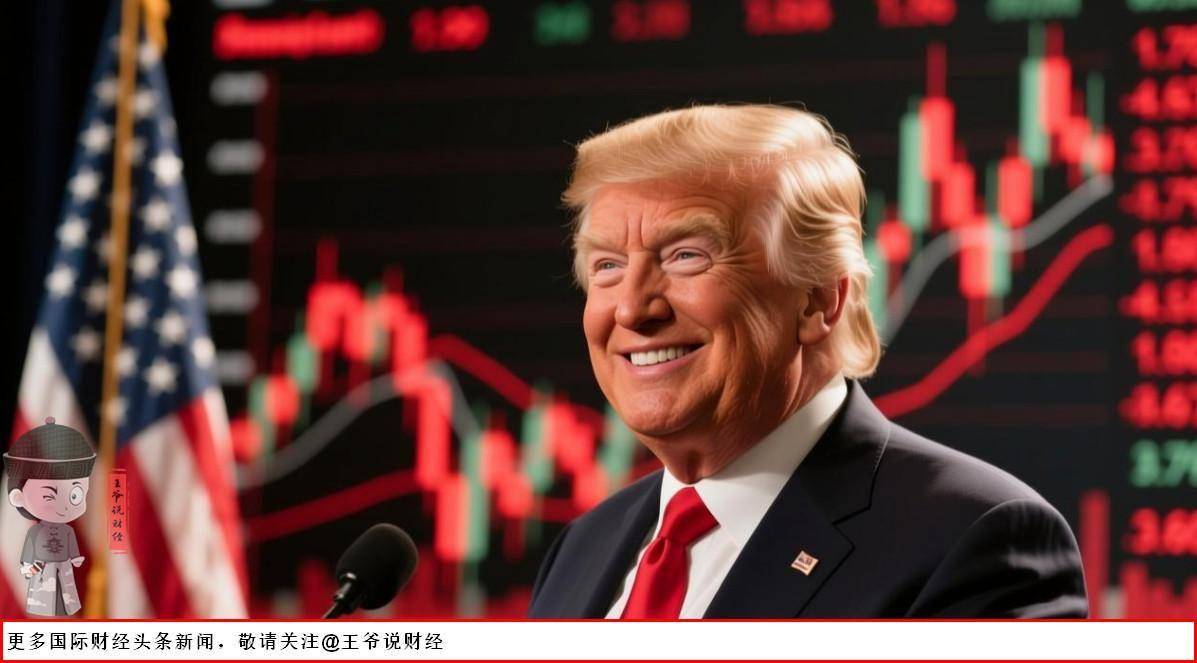
历史第一次:道指突破5万点!特朗普开始自夸,还扬言任期结束将突破10万点!你觉得可能吗?
Sou Hu Cai Jing· 2026-02-07 15:14
Group 1 - The Dow Jones Industrial Average (DJIA) has surpassed the 50,000 points mark for the first time, closing at this historic high on February 6, marking a significant milestone since its inception in 1884 [2][3]. - President Trump has claimed credit for this achievement, predicting that the DJIA will reach 100,000 points by the end of his term, which raises skepticism regarding the feasibility of such a prediction [2][5]. Group 2 - The surge in the DJIA can be attributed to several key factors: 1. The Federal Reserve's monetary policy, which has signaled a pause in interest rate cuts, encouraging investment in the stock market [8]. 2. Positive economic data, including an increase in the consumer confidence index to 57.3 and a decrease in inflation expectations to 3.5%, boosting consumer spending and corporate profits [9]. 3. Trump's recent sanctions on countries doing oil business with Iran, which have led to rising oil prices and boosted energy stocks within the DJIA [10][11]. 4. Market expectations regarding Trump's policies, which have historically aimed to boost the stock market to gain voter support [12]. Group 3 - The potential for the DJIA to reach 100,000 points is considered highly unlikely, as historical data shows that it took three years to rise from 40,000 to 50,000 points, and the challenges of economic downturns and inflation must be navigated [15][17]. - The current economic growth rate suggests that doubling the DJIA would require 8-10 years, far exceeding the duration of Trump's term [17][18].

金价:大家不必继续等待了!接下来,金价有可能会重演历史!
Sou Hu Cai Jing· 2026-02-06 17:32
Core Viewpoint - The gold market experienced significant volatility on February 5, with international gold prices fluctuating over $200 in a single day, closing at $4901.26 per ounce, down 0.91% [1][3]. Market Reactions - The immediate trigger for the volatility was the nomination of Kevin Walsh as the new Federal Reserve Chairman, which led to a sharp decline in gold prices, with a nearly 10% drop on January 30, marking the largest single-day decline in 13 years [3][5]. - The Shanghai Gold Exchange reported a closing price of 1108.6 yuan per gram for gold T D, down 1.84%, with further declines noted on February 6 [3]. Technical Factors - The Shanghai Gold Exchange increased margin requirements for common gold contracts, leading to more cautious short-term speculative trading and triggering some high-leverage fund liquidations [5]. - The U.S. private sector employment data for January fell short of expectations, reinforcing market bets on a potential interest rate cut by the Federal Reserve in 2026 [5]. Central Bank Actions - Global central banks have not reduced their gold holdings, with net purchases reaching 863 tons in 2025, maintaining a historically high level [7]. - The People's Bank of China has increased its gold reserves for 14 consecutive months, adding 41 tons in 2025 [7]. Long-term Outlook - Major investment banks like UBS and JPMorgan predict that gold prices could reach $6200 and $6300 per ounce, respectively, in 2026, indicating a potential upside of 30% from current levels [9]. - Historical analysis shows that gold is currently in its third major bull market since 1971, with significant price increases and volatility expected to continue [10]. Market Sentiment - Analysts suggest that the recent price drop may be a natural cooling of an overheated gold market rather than a panic sell-off [5][9]. - The current market is characterized by a lack of clear directional drivers, leading to increased emotional trading and volatility [5]. Investment Strategies - Investors are advised to consider a long-term structural approach to gold investment, especially in light of potential political pressures on the Federal Reserve and rising inflation expectations [19]. - Regular investment strategies, such as dollar-cost averaging, are recommended to mitigate market volatility impacts [19].

中国黄金行业展望
Zhong Cheng Xin Guo Ji· 2026-02-06 09:40
Investment Rating - The report rates the overall credit quality of the gold industry as "stable improvement" for the next 12 to 18 months, indicating a positive outlook compared to the previous year's "stable" status [4]. Core Insights - The report highlights that geopolitical risks, weakening dollar credit, and uncertainties in monetary and fiscal policies will significantly influence gold prices, which are expected to rise further in 2026. This will enhance the profitability and cash flow of gold enterprises, although increased debt levels may arise from mergers and acquisitions and inventory demands [4][6]. - The gold industry's overall performance is improving, with rising gold prices leading to increased profits and cash flow for most gold companies, thereby enhancing their debt repayment capabilities and overall credit levels [6][36]. Summary by Sections Analysis Approach - The analysis focuses on the credit fundamentals of the gold industry by examining gold price trends and the factors affecting supply and demand, concluding that gold's financial attributes will have a more significant impact on prices amid economic uncertainties [7]. Industry Fundamentals - Gold prices have surged over 60% since 2025 due to factors like tariff frictions and geopolitical tensions, with expectations for continued upward movement in 2026. The demand for gold as a safe-haven asset is strong, driven by central banks increasing their gold reserves [8][12]. - The report notes that gold supply is relatively stable, with limited increases in mine production and a slowdown in recycled gold supply growth due to high price expectations [16][20]. Financial Performance - The financial performance of gold companies has improved significantly, with total revenues for sample companies increasing by 11.48% and 22.49% year-on-year in 2024 and the first nine months of 2025, respectively [40]. - The net profit for sample companies reached 632.82 billion yuan in the first three quarters of 2025, reflecting a 57.89% increase year-on-year, driven by rising gold prices and production levels [43]. - Operating cash flow has also seen substantial growth, with a 38.30% increase in 2024 and a 38.45% increase in the first nine months of 2025, indicating strong cash generation capabilities [45]. Conclusion - The report concludes that the gold industry is experiencing a favorable environment with rising prices, improved profitability, and enhanced cash flow. However, the ongoing pursuit of mergers and acquisitions may increase financial pressure on companies. The outlook for gold prices remains positive due to geopolitical risks and economic uncertainties [52][53].
2026年白银是否还会涨价 全面解析
Sou Hu Cai Jing· 2026-02-06 06:32
Core Conclusion Summary - The silver market is expected to remain strong in 2026, with significant price increase potential driven by supply-demand shortages, loose liquidity, and rising risk aversion. Silver prices may reach $120 per ounce, with global silver demand growth rates of 1.4%, 2.6%, and 1.6% from 2024 to 2026, while supply growth rates are projected at 1.0%, 2.8%, and 2.8% respectively, indicating a persistent supply-demand gap [2] Silver Price Dynamics - Silver prices are influenced by both commodity and financial attributes, primarily driven by supply-demand relationships, dollar trends, liquidity environments, and risk aversion. Industrial demand (solar, electronics) and jewelry demand dominate the demand side, while supply is constrained by the nature of silver mining [3] - Historical data shows that silver price volatility is significantly greater than that of gold, with geopolitical conflicts and liquidity easing often leading to substantial price increases. The current geopolitical risks and liquidity expectations align with historical price surge drivers, providing strong reference value for 2026 [4] Key Factors Influencing Silver Price in 2026 - The global silver market is expected to maintain a long-term supply shortage, with the photovoltaic sector being a core growth driver. The CAGR for silver demand in the photovoltaic sector from 2023 to 2026 is projected at 5.7%, while supply growth is limited due to mining constraints [5] - The global economic growth rate for 2026 is estimated to be between 2.7% and 3.1%, with emerging economies showing strong performance, which will boost industrial silver demand. However, developed economies face stagnation risks, potentially increasing risk aversion and driving demand for silver as a safe-haven asset [6] - The Federal Reserve's monetary policy is a key variable, with expectations of interest rate cuts that could lower the cost of holding silver and drive prices up. However, inflationary pressures could lead to a policy shift, impacting silver prices [7] - Geopolitical factors and trade environments will also affect silver prices through risk aversion and industrial demand. Increased geopolitical tensions and a recovering global trade environment may support silver demand, although trade protectionism could pose challenges [8] Investment Decision Signals for Silver in 2026 - Key signals to monitor include supply-side indicators such as lower-than-expected growth in mining output and ongoing inventory depletion, demand-side indicators like exceeding photovoltaic installation expectations, financial indicators such as Fed rate cuts, and sentiment indicators related to geopolitical tensions [9]
2026年白银是否还会涨价
Sou Hu Cai Jing· 2026-02-06 05:57
Core Conclusion Summary - The silver price in 2026 is expected to exhibit a "strong first half, weak second half" trend, driven by explosive demand from the photovoltaic industry and an expanding global supply-demand gap. The macroeconomic environment will be significantly influenced by the Federal Reserve's monetary policy and global economic growth rates. Goldman Sachs predicts silver prices may reach $120 per ounce in Q2, while UBS expects prices to hit $100 per ounce in the first half and decline to $75 per ounce by year-end. Short-term trading structure adjustment risks should be monitored, but long-term industrial demand presents structural opportunities [1]. Understanding Phase: Key Drivers and Basic Information - The core drivers of the silver price increase in 2026 include explosive industrial demand, an expanding supply-demand gap, and macroeconomic support. The photovoltaic industry is the main growth driver, with global installed photovoltaic capacity expected to grow over 25% year-on-year, leading to an 18% increase in silver demand in this sector, which accounts for 32% of total industrial demand. On the supply side, silver production growth is limited, with only a 1.9% increase expected in 2026, while London deliverable stocks have fallen to 233 tons, sufficient for only 15 days of industrial consumption [2]. - The relationship between silver prices and macroeconomic factors is strong. The global economic growth rate is projected to decline to 2.6% in 2026, affecting industrial demand for silver. If the economy underperforms, safe-haven demand may temporarily support silver prices. Monetary policy from the Federal Reserve and other central banks will also significantly impact silver prices, with potential dollar index fluctuations influencing market dynamics [3]. Analysis Phase: Supply-Demand Dynamics and Institutional Predictions - The supply-demand gap for silver is expected to continue widening. Supply growth is rigid, with a projected 0.6% decline in silver production in 2025 and a 1.9% increase in 2026. Industrial demand is anticipated to exceed 60%, primarily driven by the photovoltaic sector, with significant increases in silver consumption per unit of energy produced [5]. - Major institutions have differing short-term and long-term views on silver prices. Goldman Sachs expects silver prices to surge to $120 per ounce in Q2 2026 due to industrial demand, while UBS predicts a peak of $100 per ounce in the first half, followed by a decline to $75 per ounce in the second half. Both institutions caution about the volatility of silver compared to gold and the risks associated with capital withdrawal [6]. Decision-Making Phase: Investment Opportunities and Risk Management - Key investment opportunities in 2026 are concentrated in the first half due to the photovoltaic supply replenishment cycle and potential short-term gains from geopolitical tensions and Federal Reserve rate cuts. The silver demand explosion in the photovoltaic supply chain presents opportunities for silver futures and ETFs. Additionally, if global inflation rebounds, silver's anti-inflation properties may enhance its appeal as a hedge [9]. - The main risks include macroeconomic policy risks, demand shortfalls, and short-term trading risks. If U.S. inflation remains sticky, the Federal Reserve may delay rate cuts, leading to a stronger dollar and suppressed silver prices. A decline in photovoltaic installation growth or advancements in silver alternatives could also weaken industrial demand [10]. Practical Phase: Investment Products and Timing - Mainstream investment products for silver include silver futures, ETFs, physical silver, and silver stocks, each catering to different investor needs. Silver futures are suitable for high-risk investors due to their leverage and volatility, while silver ETFs offer a more stable investment for medium-risk investors. Physical silver is ideal for long-term value retention, and silver stocks are linked to silver prices and company performance [12]. - Entry points for investment should focus on the photovoltaic supply replenishment period in early 2026 and the timing around Federal Reserve rate cuts. Exit strategies should be aligned with institutional target prices and risk signals, with gradual profit-taking recommended as prices approach $95-$100 per ounce [14].