生态共赢

Search documents
民生银行携手吉祥航空打造“金融+航空”服务新体验
Zhong Guo Min Hang Wang· 2025-10-30 04:28
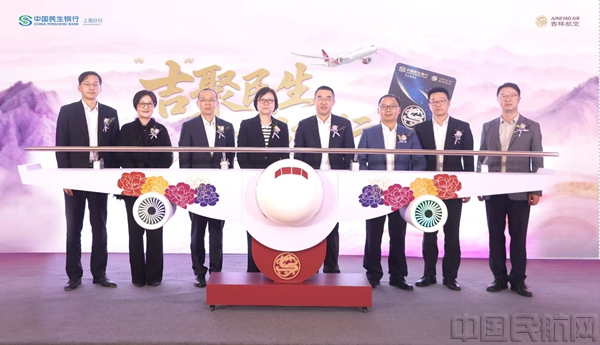
Core Insights - The collaboration between China Minsheng Bank and Juneyao Airlines aims to enhance the "financial + aviation" service experience for travelers, contributing to the development of Shanghai as an international shipping center [1][4] - Juneyao Airlines, established in 2006, operates 103 aircraft, serves nearly 100 domestic and international cities, and transports over 20 million passengers annually [2] - The co-branded debit card offers exclusive benefits for cardholders in Shanghai, including new customer points, monthly vouchers, access to domestic VIP lounges for 1 yuan, ticket discounts, and cabin upgrades [3][4] Company Collaboration - The partnership is based on a shared service philosophy, with Minsheng Bank providing robust financial support through innovative product offerings [2] - Juneyao Airlines' assistant president highlighted the bank's role as an innovator in finance, establishing a solid foundation for a long-term strategic partnership [3] - Both companies plan to deepen their collaboration by optimizing the co-branded card benefits and expanding their product offerings to enhance travel quality [4]



2025凤凰之星最佳创新上市公司:阿里巴巴
Feng Huang Wang Cai Jing· 2025-09-23 11:18
Group 1 - The "2025 Phoenix Star Listed Company Awards" ceremony was held in Guangzhou, recognizing companies across nine key categories including innovation, shareholder return, social responsibility, and global contribution [1][2] - The "Best Innovative Listed Company" award focuses on core technology breakthroughs and innovation ecosystems, using metrics such as R&D intensity, patent conversion rates, and the proportion of research talent [2] - Alibaba Group won the "Best Innovative Listed Company" award, highlighting its strategic focus on "user-first, AI-driven" initiatives that have led to accelerated growth in core business areas [2][4] Group 2 - Alibaba's innovation strategy is characterized by a three-dimensional evaluation framework that includes hard technology breakthroughs, model innovation, and ecological collaboration [2] - The company has made significant advancements in cloud computing and generative AI, positioning itself as a leading public cloud service provider and enhancing its role in the digital economy [6] - Alibaba's evolution from an e-commerce platform to a digital economy infrastructure service provider exemplifies the transformation of China's digital technology landscape from follower to leader [7]


刘强东亲自下厨,“人间烟火气”背后的京东商业哲学
Guan Cha Zhe Wang· 2025-09-22 06:45
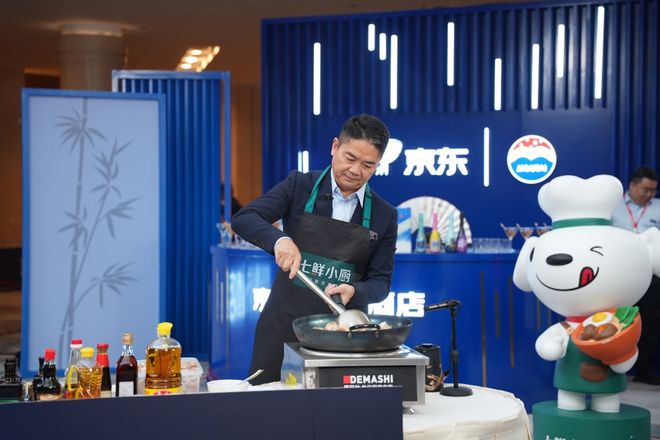
Core Viewpoint - Liu Qiangdong, the founder of JD.com, is re-entering the restaurant and hotel market with a focus on quality and integrity, aiming to create a better ecosystem for both consumers and service providers [4][5][10]. Group 1: Business Strategy - JD.com is launching a new hotel development plan to avoid price wars that could degrade service quality and profit margins in the hospitality industry [3][4]. - The company aims to innovate in the food delivery sector by reducing high commission rates that traditional platforms impose, which can reach up to 25% [4][12]. - JD.com is implementing the "Three Mao Five" theory, where it retains 70% of profits while leaving 30% for partners, ensuring a fair distribution of profits [10][12]. Group 2: Market Positioning - JD.com is focusing on quality food delivery and creating a positive ecosystem for merchants, as evidenced by the success of its "Seven Fresh Kitchen" initiative, which has seen a 30% increase in orders for local businesses [5][12]. - The company is also exploring partnerships with hotels to provide quality takeaway services, enhancing the consumer experience [13][12]. Group 3: Employee Welfare - JD.com has over 150,000 full-time delivery personnel receiving comprehensive benefits, reflecting the company's commitment to employee welfare [7][16]. - The workforce has grown to 900,000 employees, indicating rapid expansion and a focus on providing better treatment and respect for workers [7][16]. Group 4: Social Responsibility - JD.com emphasizes a business model that prioritizes social responsibility and ethical practices, aiming to create a respectful and trustworthy corporate image [17][19]. - The company believes in the importance of creating value beyond profits, focusing on the well-being of employees and the broader community [18][19].

新能源车险如何走向“生态共赢
Zhong Guo Jing Ji Wang· 2025-09-16 03:28
Core Insights - The new energy vehicle insurance sector is transitioning from a state of continuous losses to profitability, indicating a positive shift in the market dynamics [1][2] - Regulatory support and industry collaboration have played a crucial role in this transformation, with initiatives aimed at reducing costs and enhancing product innovation [1][2] - The increasing adoption of advanced technologies in risk assessment and vehicle safety is contributing to lower accident rates and insurance risks [2][3] Group 1: Market Dynamics - Several leading property insurance companies have reported underwriting profits in the new energy vehicle insurance sector, suggesting a departure from the previous high loss ratios [1] - The introduction of regulatory guidelines and industry standards has provided a framework for sustainable growth in the new energy vehicle insurance market [1][3] - The shift in user demographics from high-frequency users to family-oriented consumers has resulted in lower claim rates, further supporting profitability [2] Group 2: Technological Advancements - The use of artificial intelligence, big data, and smart underwriting is enhancing the ability of insurance companies to accurately assess risks and manage claims [2] - Vehicle manufacturers are leveraging insurance claim data to improve vehicle design and reduce failure rates, creating a beneficial feedback loop between the insurance and automotive industries [3] Group 3: Future Challenges and Opportunities - Despite the positive trends, the rapid expansion of the new energy vehicle insurance market may lead to increased competition and potential pricing wars reminiscent of the traditional fuel vehicle insurance market [3] - The commercial vehicle segment within the new energy insurance market continues to face challenges, with ongoing losses and rising cost pressures [3] - To ensure sustainable profitability, insurance companies must maintain rational pricing strategies and invest in long-term technological advancements [3][4]
五界十车”亮相成都车展,鸿蒙智行打响“体系战
2 1 Shi Ji Jing Ji Bao Dao· 2025-08-31 22:41
Core Insights - The Chengdu Auto Show in 2025 featured a notable absence of ultra-luxury brands, with the highlight being the debut of Huawei's Hongmeng Zhixing showcasing its full lineup of vehicles [1] - Hongmeng Zhixing's booth was the most crowded, covering 3,000 square meters and presenting ten models across various market segments, demonstrating a comprehensive strategy to address the competitive automotive market [1][2] - Huawei's commitment to an "altruistic win-win" ecosystem is evident as it leverages its extensive ICT expertise to empower partners, enhancing their operational quality and efficiency [1][2] Product Launch and Market Strategy - Hongmeng Zhixing's new models, including the Zhijie S7 and R7, received over 10,000 orders within 24 hours of pre-sale, while the Shangjie H5 surpassed 50,000 orders in 18 hours, indicating strong market demand [2] - The company has adopted a "difficult first, easy later" strategy, establishing a reputation in the high-end market before expanding to broader segments, contrasting with traditional manufacturers' approaches [2][3] - R&D investment is a cornerstone of this strategy, with Huawei's R&D expenses reaching 96.95 billion yuan, accounting for 22.7% of revenue in the first half of 2025 [2] Brand Positioning and Consumer Trust - The trust premium derived from technological leadership allows Hongmeng Zhixing to penetrate broader markets, with a focus on understanding core consumer needs in the sub-200,000 yuan segment [3] - Both Huawei and SAIC express strong confidence in the market potential of the Shangjie brand, leveraging supply chain management and self-developed technology to enhance brand competitiveness [3][4] - The differentiation of Hongmeng Zhixing lies in its ability to respond to diverse consumer needs through technology, creating a comprehensive product ecosystem [3][4] Ecosystem and Competitive Advantage - The "Five Realms" strategy is designed to systematically cover various user travel needs, utilizing Huawei's technology to define products and experiences accurately [4][5] - The company targets different market segments, with the Zhijie and Shangjie brands appealing to younger consumers, while the Xiangjie and Zunjie brands focus on luxury and ultra-luxury experiences [5][6] - Hongmeng Zhixing's rapid product matrix expansion is supported by a complete systemic capability, distinguishing it from traditional automakers [6][7] Technological Integration and Future Outlook - The automotive industry's competitive focus has shifted from mechanical specifications to intelligent capabilities, with Hongmeng Zhixing redefining the value system of smart vehicles [6][7] - The company has established a unified architecture that integrates smart cockpit, assisted driving, and electric drive systems, enhancing user experience and facilitating rapid iterations [8][9] - Continuous updates to technologies like the Hongmeng cockpit and HUAWEI ADS are expected to further enhance the user experience, positioning Hongmeng Zhixing as a leader in the evolving automotive landscape [9]
推客崛起之路:从新浪商标到千万推客生态的爆发历程
Sou Hu Cai Jing· 2025-08-20 02:41
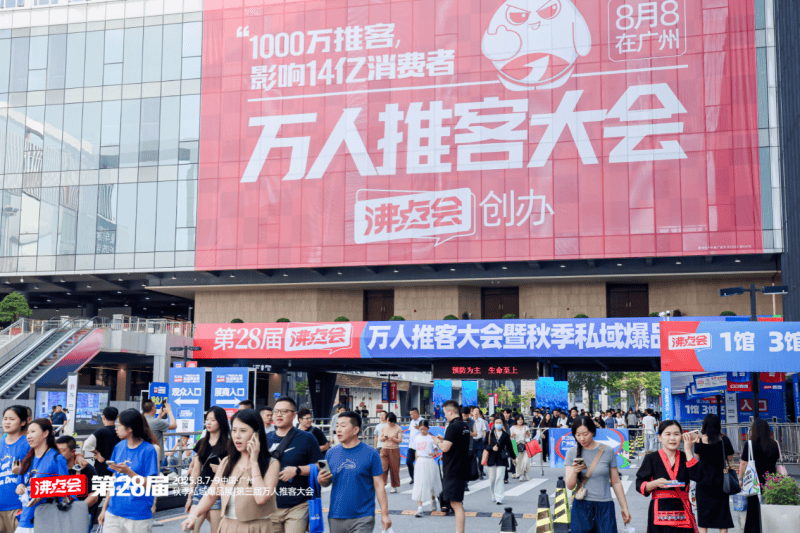
Group 1 - The term "推客" (Tuike) emerged as a hot model in the private domain ecosystem of e-commerce in 2025, representing a culmination of over a decade of collaboration between internet giants and industry forces [1] - Sina registered the "推客" trademark on August 27, 2009, becoming the first company in China to have a legal designation for the term, laying the foundation for future developments [2][3] - In 2018, Suning launched the "Suning Tuike" platform, focusing on "self-purchase savings and promotion earnings," which served as the initial model for modern Tuike commercial practices, validating the feasibility of social promotion [2] Group 2 - 2025 marked a critical turning point for the explosion of the Tuike model, driven by two major engines: WeChat's strategic enhancement and the launch of the "沸点会" (Fengdianhui) ecosystem [5] - WeChat announced the deep integration of Tuike into its "WeChat Small Store" ecosystem on January 9, 2025, and established an e-commerce product department to strengthen transaction infrastructure [5] - The "沸点会" initiated the first Tuike conference on March 3, 2025, and set ambitious goals to launch 2,000 Tuike mini-programs and cultivate 10 million Tuike promoters by the end of the year [5] Group 3 - The explosion of the Tuike model is attributed to a synergistic effect of multiple forces, including technological infrastructure, platform strategy, and industry promotion [7] - WeChat's mature ecosystem, including mini-programs and payment systems, provided essential support for the Tuike model [7] - The success of Tuike illustrates that sustainable new business paradigms require open collaboration, robust infrastructure, and ecosystem co-construction, rather than isolated innovations [7]

美团、淘宝闪购、饿了么、京东,集体表态→
Sou Hu Cai Jing· 2025-08-01 07:53
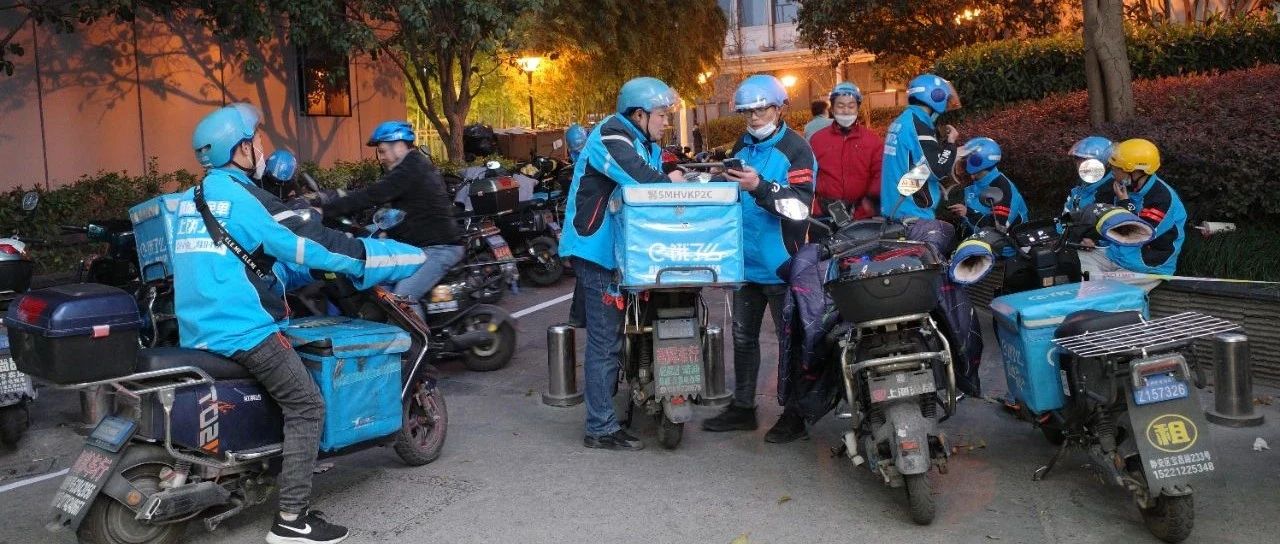
Core Viewpoint - The recent focus on delivery platform subsidies has prompted major players in the industry, including Meituan, Ele.me, and JD, to commit to regulating promotional activities and fostering a fair competitive environment to ensure mutual benefits for all parties involved [1][3][5]. Group 1: Company Commitments - Meituan emphasizes the importance of adhering to laws and regulations regarding subsidies, ensuring that merchants have the autonomy to set prices without coercion [1]. - Ele.me and Taobao Shanguo pledge to resist malicious competition and focus on rational subsidy distribution based on consumer and merchant needs [3]. - JD commits to a transparent subsidy mechanism, resisting "0 yuan purchase" promotions and focusing on quality and service rather than just subsidies [6][7]. Group 2: Industry Collaboration - All companies are calling for industry-wide cooperation to build a healthy ecosystem, with initiatives like listening sessions to address core issues such as merchant participation and rider rights [3][8]. - JD aims to enhance service quality and promote responsible consumption by encouraging customers to order appropriately, thereby reducing food waste [7][8]. - The industry is collectively working towards creating a win-win situation for consumers, merchants, and delivery personnel, ensuring a sustainable and positive cycle within the delivery ecosystem [8].

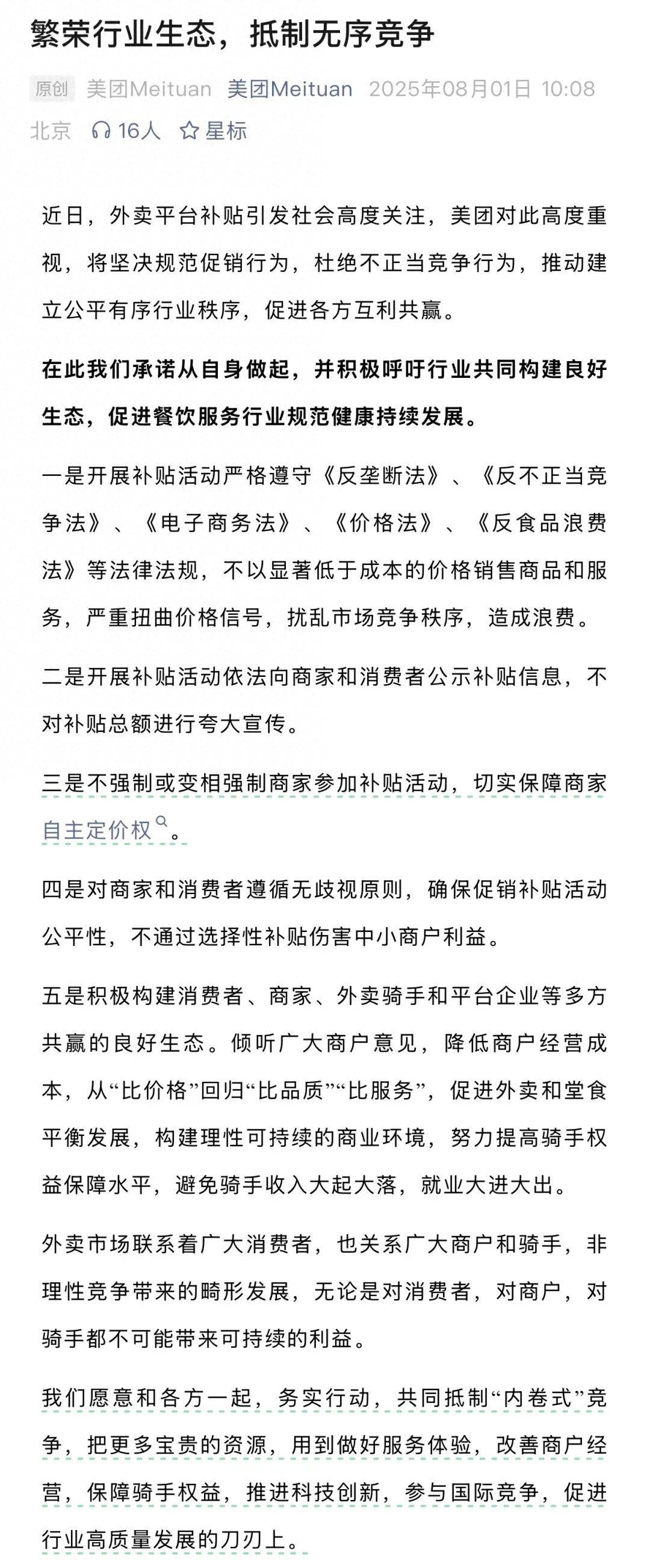
美团、淘宝闪购、饿了么同日发文抵制恶性竞争,阿里、美团股价盘中涨超2%
Xin Lang Cai Jing· 2025-08-01 03:49
Core Viewpoint - Major companies in the food delivery and e-commerce sectors, including Meituan, Taobao, and Ele.me, have united to resist disorderly competition and promote fair industry practices, aiming for a sustainable and healthy development of the restaurant service industry [1][2]. Group 1: Company Commitments - Meituan has committed to adhering to various laws and regulations, including the Anti-Monopoly Law and the Electronic Commerce Law, to avoid selling goods and services at prices significantly below cost, which distorts market signals [1]. - Meituan will ensure transparency in subsidy activities by publicly disclosing subsidy information to merchants and consumers, avoiding exaggerated claims about total subsidies [1]. - Meituan will not force or indirectly compel merchants to participate in subsidy activities, thereby safeguarding merchants' pricing autonomy [1]. - The company emphasizes a non-discriminatory approach to merchants and consumers, ensuring fairness in promotional subsidy activities and protecting the interests of small and medium-sized businesses [1]. - Taobao and Ele.me have pledged to respect merchants' rights and establish a mechanism for strict oversight and governance regarding subsidy distribution [2]. Group 2: Industry Collaboration - Taobao and Ele.me aim to actively eliminate unfair competition and stimulate consumer potential in emerging markets while respecting market operation rules and ensuring merchants' profitability [2]. - The companies plan to enhance service quality continuously and collaborate with various stakeholders to maintain a healthy operating order in the offline market [2]. - A feedback system has been established to address core issues such as merchant participation, product quality, and rider rights, with ongoing discussions taking place across different regions [2]. Group 3: Market Reaction - Following the announcement on August 1, Meituan's stock price rose nearly 3%, while Alibaba's stock price increased by over 3% [3]. - The market regulatory authority had previously engaged with Meituan, Ele.me, and JD.com, urging them to comply with relevant laws and promote rational competition [3].
淘宝饿了么:坚决抵制恶性竞争
Di Yi Cai Jing Zi Xun· 2025-08-01 02:57
Core Viewpoint - Taobao and Ele.me jointly announced their commitment to resist malicious competition and promote ecological win-win cooperation, outlining four key areas of focus for future operations [1] Group 1: Key Initiatives - The companies will plan and distribute subsidies based on consumer and merchant needs [1] - They will actively eliminate unfair competition practices and avoid irrational promotional activities such as large-scale "0 yuan purchase" campaigns [1] - Continuous improvement of service quality will be prioritized, including the provision of diverse consumption scenarios and enhanced delivery network efficiency [1] - A "listening-consulting-optimizing-feedback" system has been established to address core issues such as merchant participation, product quality, and rider rights, with multiple discussion meetings being held across various locations [1]
淘宝饿了么:坚决抵制恶性竞争
第一财经· 2025-08-01 02:51
Core Viewpoint - The article emphasizes the commitment of Taobao and Ele.me to resist malicious competition and promote ecological win-win cooperation, outlining four key areas of focus for future operations [1] Group 1: Key Initiatives - The companies will plan and distribute subsidies based on consumer and merchant needs [1] - There is a strong commitment to resist malicious competition, with a focus on eliminating unfair practices and stimulating consumption potential in emerging markets [1] - Continuous improvement of service quality is a priority, including the enhancement of diverse consumption scenarios and the efficiency of the delivery network [1] - The companies aim to foster ecological win-win cooperation by establishing a feedback system that addresses core issues such as merchant participation, product quality, and rider rights [1]