财政赤字

Search documents
特朗普全球关税被推翻!美最高法院裁定违法,超1750亿税收或将退还
Sou Hu Cai Jing· 2026-02-22 00:32
这些钱本来被用来填去年税收法案的窟窿——减税造成的赤字,靠关税补。 现在退税潮一来,财政窟窿不仅补不上,还可能裂得更大。 美国最高法院一纸判决,直接把特朗普政府赖以支撑财政和贸易战略的核心工具打成了非法。 总统想靠《国际紧急经济权力法》收关税?法院说不行。 1977年通过的IEEPA,根本没给总统单方面加征关税的权限——哪怕打着"国家安全"或"对等报复"的旗号。 六位大法官投了赞成票,包括首席大法官罗伯茨,还有特朗普自己任命的戈萨奇和巴雷特。 自由派那三位自然也站在多数方,但真正致命的是,连特朗普亲手提拔的人也没护着他。 裁决书里写得干脆:"IEEPA并未授权总统征收关税。" 国会要是真想放权,会明说,会设限,可这次,它什么都没做。 所以,总统越权了。 这不是第一次判他输。早在去年,纽约的国际贸易法院就认定,援引IEEPA征税违法。十二个州和一批小企业主联手告赢了。 联邦巡回上诉法院后来以7比4维持原判。 现在,最高法院盖棺定论,等于把整套基于IEEPA的关税体系连根拔起。 所谓"芬太尼关税"、全球范围的"对等关税",统统失去法律基础。 白宫嘴上强硬,说有备选方案,但具体怎么操作,一个字没透露。 官员私下嘀咕 ...

别为美最高法推翻特朗普关税高兴太早?华尔街预计市场反应或昙花一现
Hua Er Jie Jian Wen· 2026-02-20 21:32
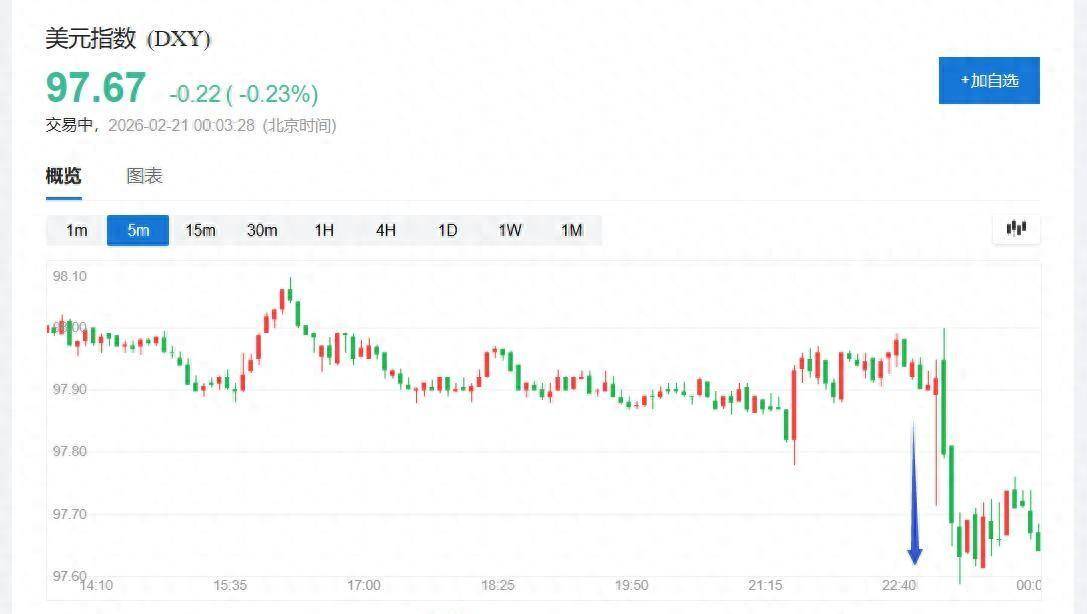
Core Viewpoint - The U.S. Supreme Court ruled that the global tariffs implemented by the Trump administration under the International Emergency Economic Powers Act (IEEPA) were unlawful, leading to asset price volatility and a focus on alternative legal measures for tariff implementation by the White House [1][2]. Group 1: Market Reactions - Following the Supreme Court's decision, the dollar index fell, U.S. Treasury prices dropped, and major U.S. stock indices saw limited gains, indicating a relatively mild market reaction [1]. - The market's positive response to the ruling is expected to be short-lived, as many market participants had anticipated this outcome [3]. - The ruling is seen as a temporary relief, reducing uncertainty but not ending the tariff narrative, as alternative legal avenues for tariffs remain [3][6]. Group 2: Fiscal Concerns - The ruling is expected to negatively impact the U.S. bond market, as the elimination of tariff revenue could exacerbate the federal budget deficit, potentially increasing it by $1.8 trillion [2][4]. - The absence of tariff revenue may lead to a higher issuance of bonds to cover the fiscal gap, contributing to upward pressure on long-term Treasury yields [4][5]. Group 3: Political Uncertainty - The focus has shifted to the political implications of the ruling, with Trump having multiple legal tools available for tariff implementation, though these may take longer to enact [6]. - The uncertainty surrounding potential alternative tariffs could impact U.S. economic growth prospects in the short term [6].
2026年1月美国关税收入激增超3倍,美国关税暴增背后的喜与忧
Sou Hu Cai Jing· 2026-02-19 00:34
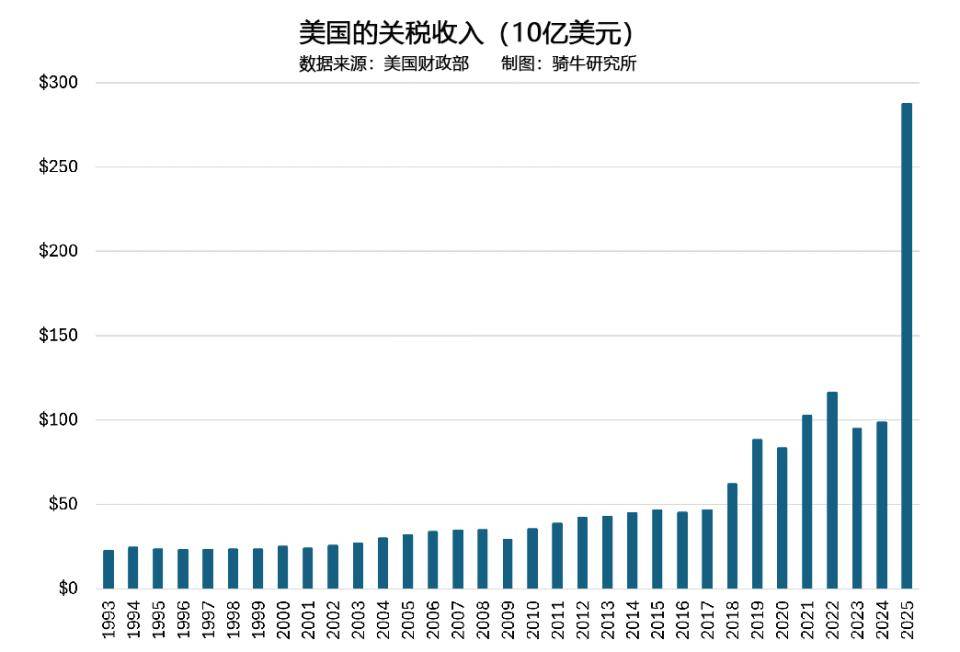
Core Insights - In January 2026, U.S. tariff revenue surged by 304% year-on-year, reaching $30 billion, with a total of $124 billion collected in the first four months of the fiscal year, significantly slowing the growth of the federal deficit [1][3][4] Tariff Revenue Impact - The substantial increase in tariff revenue has provided a crucial buffer for the U.S. federal budget, helping to reduce the deficit, which was approximately $95 billion in January, down 26% from the previous year [7][10] - The total deficit for the first four months of 2026 was $697 billion, a 17% decrease compared to the same period last year [7] Legal and Political Implications - The legality of the tariff policy is under scrutiny, with the U.S. Supreme Court set to rule on whether the Trump administration had the authority to impose such high tariffs without Congressional approval [11][12] - A ruling against the government could require the return of hundreds of billions of dollars in tariffs already collected, posing a significant risk to the federal budget [11][12] Global Trade Dynamics - The situation highlights the increasing politicization and legal complexities surrounding trade policies, with supporters arguing that tariffs correct unfair trade practices, while critics warn of potential negative impacts on global supply chains and consumer costs [14][15] - The outcome of the Supreme Court's decision will influence not only U.S. fiscal policy but also global trade rules and corporate strategies [15][17]
国际货币基金组织向日本发出三重警示
Yang Shi Xin Wen· 2026-02-18 07:33
Core Viewpoint - The International Monetary Fund (IMF) warns the Japanese government to maintain the independence of the Bank of Japan and control fiscal expansion, advising against reducing consumption tax to address living costs [2] Monetary Policy - The IMF emphasizes that the independence and credibility of the Bank of Japan are crucial for stabilizing inflation expectations [2] - The report suggests that the Bank of Japan should continue to exit monetary easing, aiming for the policy interest rate to reach neutral levels by 2027 [2] Fiscal Policy - The IMF advises against further fiscal loosening in the short term, which contradicts the campaign promise of "responsible active fiscal policy" proposed by the current administration [2] - While Japan has some fiscal space, the IMF stresses the need for fiscal restraint to solidify fiscal buffers and maintain the ability to respond to shocks [2] - The IMF predicts that Japan's government fiscal deficit will widen in the long term, with increasing spending pressures and a further rise in total public debt [2] - The IMF highlights that high debt levels, combined with deteriorating fiscal conditions, pose a series of shocks to the Japanese economy [2] Consumption Tax - Regarding the proposed two-year "zero food consumption tax" campaign promise, the IMF explicitly states that reducing consumption tax should be avoided, as it would compress fiscal space and increase fiscal risks [2]

【环球财经】IMF向日本发出三重警示
Xin Hua Cai Jing· 2026-02-18 04:37
Group 1 - The IMF warns the Japanese government to maintain the independence of the Bank of Japan and control fiscal expansion, avoiding tax cuts as a response to livelihood issues [1][2] - The IMF emphasizes that the independence and credibility of the Bank of Japan are crucial for stabilizing inflation expectations, recommending a continued exit from monetary easing with a target policy rate reaching neutral levels by 2027 [1] - The IMF expects the Bank of Japan to raise interest rates twice this year and again in 2027 [1] Group 2 - The IMF predicts that Japan's fiscal deficit will widen, with increasing spending pressures and public debt remaining among the highest in major economies [2] - Interest payments on Japan's debt are expected to double by 2031 compared to 2025 due to higher yields on existing debt [2] - The IMF advises against the proposed two-year "zero food consumption tax" campaign promise, stating that such non-targeted tax cuts would compress fiscal space and increase financial risks [2]
国际货币基金组织预测摩洛哥2026年经济增长4.9%
Shang Wu Bu Wang Zhan· 2026-02-14 15:50
Core Viewpoint - The International Monetary Fund (IMF) projects strong economic growth for Morocco in 2025, driven by robust performance in agriculture, construction, and services, despite external uncertainties [1] Economic Growth - Morocco's economy is expected to grow significantly in 2025, supported by ample rainfall and increasing investments in agriculture and economic development [1] - The growth trend is anticipated to continue into 2026 [1] Inflation - The overall inflation rate in Morocco is projected to be controlled at 0.8% in 2025, aided by lower food inflation [1] - The IMF forecasts that inflation will gradually rise to around 2% by mid-2027 as economic momentum strengthens and previous interest rate cuts take effect [1] Monetary Policy - The current robust monetary policy in Morocco remains applicable, with encouragement for banks to transition towards greater flexibility in exchange rate policies to better manage inflation [1] External Economic Factors - The current account deficit is expected to widen slightly due to increased imports driven by public investment, although growth in tourism revenue and foreign direct investment will provide a buffer [1] - Morocco's foreign exchange reserves are currently adequate, but caution is advised regarding potential impacts from economic slowdowns in the Eurozone and fluctuations in commodity prices [1] Fiscal Performance - Tax revenue as a percentage of GDP has reached 24.6% due to tax reforms and improved tax management [1] - The fiscal deficit has narrowed to 3.5%, better than the previously anticipated 3.8% [1] - The IMF recommends increasing investments in human capital in the health and education sectors [1]
高市早苗胜选打消“财政赤字”恐慌,日元有望创2024年来最佳单周表现
Hua Er Jie Jian Wen· 2026-02-13 02:51
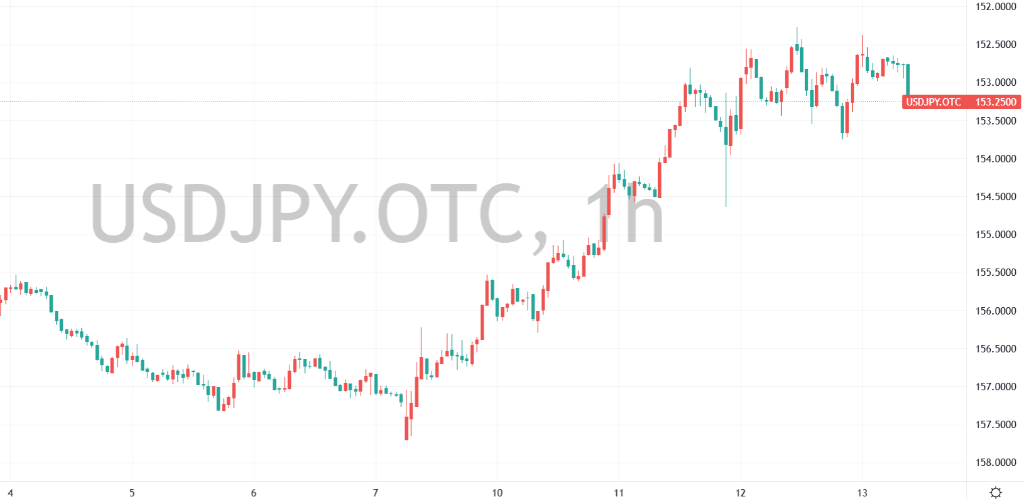
Core Viewpoint - The market anticipates that Prime Minister Fumio Kishida's victory will enable him to expand fiscal stimulus while maintaining confidence in financial markets, leading to a potential significant weekly appreciation of the yen since November 2024 [1]. Group 1: Yen Appreciation - The yen rose over 0.3% on Thursday, marking its fourth consecutive day of gains, with a cumulative appreciation of approximately 2.8% for the week [1]. - The demand for safe-haven assets, amid ongoing sell-offs in risk assets, has also supported the yen [1]. Group 2: Political Stability and Fiscal Policy - Analysts interpret Kishida's victory as a reduction in political uncertainty and a decrease in the worst-case fiscal scenario risks, contributing to the yen's strength and a decline in Japanese government bond yields from recent highs [3]. - Kishida acknowledged market concerns regarding a two-year food consumption tax cut plan and reiterated that this measure would not be financed through bond issuance, alleviating fears of fiscal deterioration [4]. - Following the overwhelming victory of the Liberal Democratic Party, the easing of fiscal concerns and expectations of a Bank of Japan interest rate hike have driven the yen's strengthening trend, with a 78% probability of a rate hike in April indicated by overnight index swaps [4]. Group 3: Market Speculation on Government Intervention - The heightened vigilance of Japan's top currency official regarding foreign exchange trends has sustained market speculation about potential government intervention, which in turn limits the yen's downside [5]. - On January 23, the yen experienced a maximum intraday increase of approximately 1.75%, the largest since August of the previous year, prompting widespread speculation about possible government intervention in the currency market [5]. Group 4: International Relations and Currency Policy - U.S. Treasury Secretary Janet Yellen stated that the U.S. maintains a strong dollar policy and will "absolutely not" intervene in the currency market to support the yen, while Japan's Finance Minister Katsunobu Kato emphasized close communication with Yellen regarding their shared responsibility to maintain stability in the USD/JPY exchange rate [7]. - Morgan Stanley's forex strategist noted that Yellen's comments do not rule out additional verbal or actual intervention, but emphasized the importance of establishing the correct fundamentals for the foreign exchange market in the long term [7]. Group 5: Upcoming Economic Indicators - Investors are expected to focus on the remarks of Bank of Japan's hawkish board member Naoki Tamura and U.S. CPI data to assess the outlook for the interest rate differential between the U.S. and Japan, as well as the direction of the yen [8].
美国CBO预测2036财年赤字升至3.1万亿美元 财政赤字推高市场利率水平
Sou Hu Cai Jing· 2026-02-13 00:30
Core Insights - The U.S. Congressional Budget Office predicts that the federal deficit will continue to expand over the next decade, with interest payments increasingly comprising a larger share of total government spending, thereby raising current market interest rates [1] Group 1: Deficit Projections - By fiscal year 2036, the annual federal deficit is expected to reach $3.1 trillion, accounting for 6.7% of GDP, while for the fiscal year ending September 30, 2026, the deficit is projected to be approximately $1.9 trillion, or 5.8% of GDP [1] - The need for the Treasury to finance through the issuance of government bonds, treasury bills, and notes arises when government spending consistently exceeds tax revenue, leading to increased debt supply that often requires higher yields to attract investors [1] Group 2: Market Reactions and Interest Rates - If the market had more confidence in the U.S. government's ability to control spending, reduce the deficit, and curb inflation, the Federal Reserve's target policy rate could be approximately 100 basis points lower than the current range of 3.5% to 3.75% [2] - The current yield on the 10-year U.S. Treasury bond is relatively controlled, partly due to the Treasury's increased reliance on short-term treasury bills to manage financing costs [2] Group 3: Impact on Affordability and Public Services - The expanding fiscal deficit and rising interest costs may undermine the affordability goals emphasized by the Trump administration, as higher borrowing costs increase personal financing costs for mortgages and auto loans, directly impacting housing and daily consumption affordability [3] - The Treasury's need to continuously increase bond supply could lead to uncontrolled yield increases if investor demand weakens, further raising overall financing costs and affecting the affordability of housing and living expenses [3]
高市早苗继续执政,日本危险了? 专家称:日本未来或将面临两重隐忧
Xin Lang Cai Jing· 2026-02-12 15:26
2月8日,日本第51届众议院选举落下帷幕。高市早苗带领下的执政联盟以压倒性优势拿下了超过三分之 二的议席,不仅守住了"日本首位女首相"的相位,更开启了自民党内的"高市一强"时代。高市早苗为何 能赢得这场选举?这场充满了戏剧张力的选举,将给日本经济、外交带来什么样的深远影响?对此,西 北大学国际战略研究中心主任、央视特约评论员王晋分析称,高市早苗赢得选举后,日本未来或将面临 通货膨胀和财政赤字等经济风险,还将刺激日本右翼团体重新崛起,引发周边国家和地区进一步担忧。 审核 康乐群 张建成 编辑:张娟 起点新闻记者 李卓然 ...
Jobs report trounces expectations, but 2025 revisions muddy picture
Youtube· 2026-02-12 08:36
Economic Data and Labor Market - The January non-farm payrolls figure showed a headline number of 130,000, which is the strongest growth in over a year and more than double the Dow Jones prediction of 55,000 [2] - Job creation for the previous year was revised down to just over 15,000 per month, with the last six months resulting in a net loss of 1,000 jobs [2] - The unemployment rate decreased to 4.3%, contrary to expectations of holding at 4.4%, which may shift focus back to inflation concerns [3] Federal Reserve Outlook - Expectations for a rate cut at the next Federal Reserve meeting have decreased, with the CME's Fed Watch tool indicating a 1 in 20 chance of a rate reduction, down from a 1 in 5 chance [3] - Forecasts suggest no rate cuts until mid-year, with potential cuts of 50 basis points as inflation decreases [4] - There is a belief that the data will support the Fed chair in persuading the committee to implement additional cuts later in the year [6][7] Fiscal Concerns - The Congressional Budget Office has indicated that the deficit is projected to worsen through 2036, raising concerns about fiscal policy [10] - The focus on fiscal issues is significant as central banks have reduced their bond holdings, leading to scrutiny of fiscal management [11] - The Fed's balance sheet dynamics are discussed, with implications for how it may manage its portfolio in relation to economic growth [12][13]