美元信用

Search documents
美联储独立性受质疑 “助攻”黄金飙涨?
Sou Hu Cai Jing· 2025-10-12 11:16
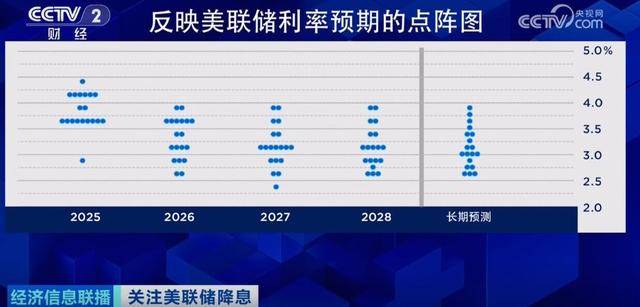
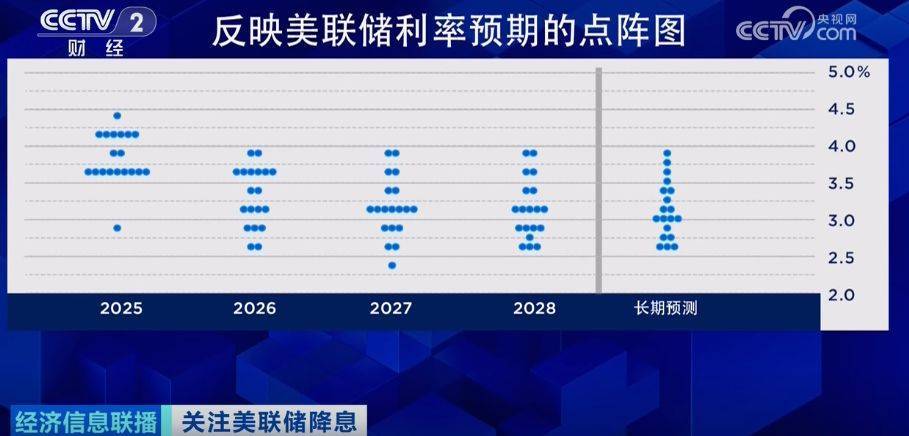
Core Insights - The recent surge in gold prices is driven by expectations of Federal Reserve interest rate cuts, global central bank gold purchases, and ongoing geopolitical risks [1][2] - Concerns about the independence of the Federal Reserve, particularly due to pressure from President Trump, are influencing market perceptions and driving up gold prices [1][2] Federal Reserve Independence - The independence of the Federal Reserve is under scrutiny, with potential implications for gold prices as any perceived intervention could increase risk aversion and weaken the US dollar, making gold more attractive [1][2] - Despite external pressures, the Federal Reserve's independence has not been fundamentally undermined, as evidenced by the recent decision to cut rates with a strong majority vote [2][5] - The latest dot plot indicates a division among Federal Reserve officials regarding future rate cuts, with some expecting additional cuts this year [2][4] Global Economic Context - The shift in international relations, particularly the US's "reciprocal tariffs" policy, is leading to a loss of credibility for the US as a core participant in the international monetary system, which in turn is driving demand for gold as a safe-haven asset [6][10] - The loss of the US's AAA credit rating by major rating agencies has raised questions about the sustainability of the dollar as a reserve currency [6][10] Central Bank Gold Purchases - Since 2016, the pricing of gold has shifted from being driven by "transaction value" to "reserve value," indicating a growing preference for gold among central banks as they seek to diversify away from dollar assets [11][13] - A recent survey indicates that 95% of central banks expect to increase their gold reserves in the next 12 months, the highest percentage since the survey began in 2019 [13][16] - The proportion of gold in central bank reserves has risen to 26.8%, surpassing the share of US Treasury securities for the first time since 1996 [16] Long-term Outlook for Gold - The ongoing issues with the US dollar's creditworthiness and the strategic value of gold are expected to support gold prices in the long term [11][16] - The combination of increasing gold purchases by central banks and the unresolved challenges facing the dollar's credit system suggests a potential long-term bull market for gold [11][16]

美联储独立性受质疑,“助攻”黄金飙涨?
Sou Hu Cai Jing· 2025-10-12 06:07
Group 1 - The recent surge in gold prices is driven by expectations of Federal Reserve interest rate cuts, global central bank gold purchases, and ongoing geopolitical risks, leading to increased market risk aversion [1][2] - Concerns about the independence of the Federal Reserve have emerged due to President Trump's public pressure and attempts to reshape its decision-making body, which some believe is a key factor behind the rise in gold prices [1][3] - Analysts suggest that if the Federal Reserve's independence is compromised, it could weaken the US dollar and enhance the attractiveness of gold, thereby driving up its price [2][3] Group 2 - Despite external pressures, the Federal Reserve's independence has not been significantly undermined, as evidenced by its recent decision to cut interest rates with a strong majority vote [3][5] - The divergence within the Federal Reserve regarding future interest rate cuts indicates that its independence remains intact, with a likelihood of further rate cuts in the near term [5] - The erosion of US credibility in the international monetary system, particularly following the removal of its AAA credit rating, raises questions about the sustainability of the dollar as a reserve currency, leading to increased interest in gold as a safe-haven asset [6][7][10] Group 3 - The shift in gold pricing from being driven by "transaction value" to "reserve value" since 2016 suggests a long-term bullish trend for gold prices, especially as the cracks in the dollar's credibility continue to expand [11][13] - Central banks have significantly increased their gold purchases, with 95% of surveyed central banks indicating plans to boost their gold reserves in the next 12 months, reflecting a growing preference for gold over dollar assets [13][15] - The ongoing issues with the US dollar's credit risk and the uncertainty surrounding US fiscal policies under the Trump administration are prompting central banks to enhance their gold reserves as a strategic asset allocation move [13][15]
贵金属月报:现货驱动明显,等待价格充分回调-20251010
Wu Kuang Qi Huo· 2025-10-10 15:19
1. Report Industry Investment Rating No relevant content provided. 2. Core View of the Report - In the context of significant impact on the US dollar credit and the ongoing Fed rate - cut cycle, a medium - term long - position strategy for precious metals is recommended, with particular attention on silver with tight overseas spot supply. However, due to the recent decline after both gold and silver prices hit record highs, short - term correction risks should be monitored. It is advisable to hold existing long positions and open new long positions after sufficient price corrections. The reference operating range for the main contract of Shanghai gold is 867 - 950 yuan/gram, and for the main contract of Shanghai silver is 10646 - 11600 yuan/kilogram [11]. 3. Summary by Relevant Catalogs 3.1 Monthly Assessment and Market Outlook - **Market Performance**: From September 2 to October 9, the price of the COMEX silver main contract rose 16.83% to $47.655 per ounce, hitting a record high of $49.965 per ounce. The price of the COMEX gold main contract rose 13.45% to $3991.1 per ounce, with a record high of $4081 per ounce. During the same period, the price of the Shanghai gold main contract rose 12.72% to 901.26 yuan/gram, reaching a record high of 921.4 yuan/gram, and the Shanghai silver main contract price rose 13.28% to 11073 yuan/kilogram, hitting a record high of 11490 yuan/kilogram [11]. - **Driving Factors**: The credit of the US dollar was affected by the US government shutdown, and the Fed started the rate - cut cycle. Overseas silver spot was in short supply, driving the London silver price to break through the record high first [11]. - **Technical Analysis**: The Shanghai gold index broke upward at the end of the triangular convergence, showing a strong upward trend. After the holiday, the gap - up rise was not accompanied by an increase in positions, and it is expected to fluctuate at a high level, with short - term attention on the integer support around 900 yuan/gram. The Shanghai silver index also showed a trend of upward movement. After hitting a record high on October 10, trading volume increased, and positions did not recover. It is expected to have room for further increase after consolidation [14][18]. 3.2 Market Review - **Price and Position Changes**: From September 2 to October 9, COMEX silver and gold main contract prices rose significantly. Affected by the domestic holiday, the external gold and silver positions were relatively strong. COMEX gold total positions increased 19.16% to 528,800 lots, and COMEX silver total positions increased 4.52% to 165,800 lots. Shanghai gold total positions decreased 3.38% to 426,900 lots, and Shanghai silver total positions decreased 7.86% to 784,100 lots [11][31][35]. - **ETF Positions**: As of October 9, the total position of gold ETFs within the Reuters statistical scope was 2292.75 tons, and the total position of external silver ETFs was 28125.13 tons, with the total position of gold and silver ETFs continuing to rise [40]. 3.3 Interest Rates and Liquidity - **Interest Rate Indicators**: The Fed's monetary policy shows a trend of rate cuts. The market expects a 25 - basis - point rate cut in October and another 25 - basis - point cut in December, with the terminal rate in 2025 reaching 3.50% - 3.75%. - **Fed Balance Sheet**: This month, the balance of the US Treasury TGA account increased, the deposit reserve scale decreased, and the US dollar liquidity tightened [59]. 3.4 Macroeconomic Data - **CPI and PCE**: In August, the US CPI year - on - year was 2.9%, in line with expectations and higher than the previous value of 2.70%. The seasonally - adjusted CPI month - on - month was 0.4%, higher than the expected 0.30% and the previous value of 0.20%. The un - seasonally - adjusted core CPI year - on - year was 3.1%, and the seasonally - adjusted core CPI month - on - month was 0.3%, in line with expectations and the previous value [64]. - **Employment Situation**: As of the week ending September 20, the number of initial jobless claims in the US was 218,000, lower than the expected 235,000 and the previous value of 232,000. The latest weekly jobless claim data has not been released due to the US government shutdown [67]. - **PMI and PPI**: In September, the US ISM manufacturing PMI was 49.1, higher than the expected 49 and the previous value of 48.7; the ISM non - manufacturing PMI was 50, lower than the expected 51.7 and the previous value of 52 [70]. - **New Housing Data**: In August, the annualized number of new housing sales in the US was 800,000, significantly higher than the previous value of 664,000. The annualized value of building permits was 1.33 million, and the annualized value of new housing starts was 1.307 million [73]. 3.5 Precious Metal Spreads - **Gold Basis**: The gold TD - SHFE basis is presented in a graph, showing the price difference between gold TD and SHFE gold [76]. - **Silver Basis**: The silver TD - SHFE basis is presented in a graph, showing the price difference between silver TD and SHFE silver [79]. - **Internal - External Spreads**: The internal - external spreads of gold and silver are presented in graphs, showing the price differences between domestic and foreign gold and silver [83][85]. 3.6 Precious Metal Inventories - **Silver Inventories**: Graphs show the silver inventories of the Shanghai Gold Exchange, Shanghai Futures Exchange, and COMEX, as well as the inventories of the Shanghai Futures Exchange and Shanghai Gold Exchange, COMEX, and LBMA [90][92]. - **Gold Inventories**: Graphs show the gold inventories of COMEX and LBMA [94].
百利好晚盘分析:美元强势反弹 金价迎来回调
Sou Hu Cai Jing· 2025-10-10 10:09
Gold Sector - The ongoing U.S. government shutdown and geopolitical tensions, including the potential transfer of U.S. military capabilities to Ukraine, are increasing market risk aversion, which may support gold prices [1] - As of the end of September, China's central bank's gold reserves reached 74.06 million ounces (approximately 2,303.523 tons), marking a month-on-month increase of 40,000 ounces and continuing a trend of 11 consecutive months of gold accumulation [1] - In the first three quarters of this year, gold ETF inflows reached $64 billion, with $26 billion in the third quarter alone, and a record inflow of $17.3 billion in September [1] - Short-term expectations of a correction in gold prices may arise due to internal disagreements within the Federal Reserve regarding future interest rate cuts, although the long-term outlook remains bullish [1] - Technical analysis indicates a bearish engulfing pattern, suggesting potential further declines in gold prices, with a key resistance level at $4,005 [1] Oil Sector - The overall sentiment in the oil market is pessimistic, with the potential escalation of the Russia-Ukraine conflict being a significant bullish factor for oil prices [2] - However, the risk of oversupply remains high, as OPEC+ plans to increase production by 137,000 barrels per day starting in October, gradually unwinding a previous reduction agreement [2] - The end of the U.S. demand season and weaker economic data suggest that demand recovery may not meet expectations, increasing the likelihood of oversupply in the fourth quarter and into 2026 [2] - Technical indicators show a bearish trend, with resistance at $62.78 and support at $60 [2] U.S. Dollar Index - There are differing views among Federal Reserve officials regarding future interest rate cuts, which may dampen market optimism for significant rate reductions and negatively impact the dollar [3][4] - Recent changes in Japan's government have led to a depreciation of the yen, which has somewhat supported the dollar index, although further upside for the dollar may be limited [4] - Technical analysis shows a bullish trend for the dollar index, with a key support level at 99 [4] Nikkei 225 - The Nikkei 225 index has been consolidating at high levels, with a potential downward correction on the horizon [5] - The index remains above the 20-day moving average, indicating that the overall bullish trend is still intact [5] - Key support level to watch is at 47,200 [5] Copper Sector - Recent trading in copper has shown strength, with the potential for further upward movement [6] - The market is currently in a phase of oscillating upward movement, supported by bullish indicators [6] - Key support level to monitor is at $4.98 [6] Market Overview - The U.S. Treasury has announced sanctions against over 50 entities related to Iranian oil [7] - The U.S. Treasury Secretary has confirmed a $20 billion currency swap agreement with Argentina [7] - The Federal Reserve's recent comments indicate a continued moderate tightening of policy following the September rate cut, with expectations for more rate cuts as part of risk management [7] Upcoming Data/Events - Key upcoming economic indicators include the U.S. October inflation expectations and the Michigan consumer sentiment index [8]

贵金属日报2025-10-09-20251009
Wu Kuang Qi Huo· 2025-10-09 01:01
Report Industry Investment Rating - No relevant content provided Core Viewpoints - In the context of significant setbacks to the US dollar's credit and the maintained expectation of the Federal Reserve's interest rate cuts, a medium - term bullish view on precious metals should be maintained. Although the current prices of foreign - market gold and silver are at relatively high levels and there is a risk of short - term price corrections, price pullbacks present good entry opportunities for long positions. The reference operating range for the main contract of Shanghai gold is 867 - 950 yuan/gram, and for the main contract of Shanghai silver is 10646 - 11600 yuan/kilogram [3] Summary by Related Catalogs Market Information - In the morning session, COMEX gold fell 0.80% to $4037.70 per ounce, and COMEX silver fell 1.57% to $48.23 per ounce. The US 10 - year Treasury yield was 4.13%, and the US dollar index was 98.83. During the National Day holiday, multiple overseas risk events occurred, further impacting the US dollar's credit, leading to a trend of rising precious metal prices. The US government is facing a "shutdown" crisis due to budget constraints, and the non - farm payrolls and unemployment rate data originally scheduled for release last Friday were not released on time, which further impacted the US dollar's credit and was the main reason for the breakthrough rise in gold prices. The Fed meeting minutes released early today showed that Fed officials have greater differences regarding the subsequent interest rate path, and most officials believe that further easing policies are appropriate this year. Although many Fed officials think the US labor market will not continue to weaken, the weakening of the labor market cannot be disproven due to the lack of non - farm and unemployment rate data, and the market still expects further interest rate cuts by the Fed [2] Strategy Views - Maintain a medium - term bullish view on precious metals. There is a short - term risk of price corrections in gold and silver. Price pullbacks are good opportunities to enter long positions. The reference operating range for the main contract of Shanghai gold is 867 - 950 yuan/gram, and for the main contract of Shanghai silver is 10646 - 11600 yuan/kilogram [3] Key Data - **Gold**: The closing price of COMEX gold (active contract) was $4060.60 per ounce, up 1.31% from the previous day; the trading volume was 334,200 lots, up 15.87%; the open interest was 528,800 lots, up 2.43%; the inventory was 1247 tons, down 0.12%. The closing price of London gold was $4040.05 per ounce, up 1.53%. The closing price of Au(T + D) was 871.40 yuan/gram, up 1.03% [4][7] - **Silver**: The closing price of COMEX silver (active contract) was $48.44 per ounce, up 1.65%; the open interest was 165,800 lots, up 1.75%; the inventory was 16428 tons, down 0.41%. The closing price of London silver was $49.01 per ounce, up 1.15%. The closing price of Ag(T + D) was 10,857.00 yuan/kilogram, down 0.19% [4][7] - **Other Data**: The US 10 - year Treasury yield was 4.13%, down 0.01 percentage points; the US dollar index was 98.8490, up 0.27%; the offshore RMB exchange rate was 7.2545, down 0.49% [4]
主题报告 | 人民币汇率波动与美联储政策预期
Sou Hu Cai Jing· 2025-10-07 13:12
Core Viewpoint - The seminar focused on the fluctuations of the Renminbi (RMB) exchange rate and the expectations of the Federal Reserve's policies, highlighting the interplay between U.S.-China economic relations and currency movements [1][3]. Group 1: RMB Exchange Rate Trends - Since April 2022, the RMB has been under pressure, depreciating from around 6.3 to below 7.3, with a stabilization around 7.3 in the second half of 2023 [4][5]. - The depreciation of the RMB post-2022 is attributed to the divergence in economic cycles and monetary policies between China and the U.S., leading to a negative interest rate differential [5][6]. - The RMB's exchange rate is not significantly deviating from its equilibrium level, with both upward and downward factors present, suggesting a need for a risk-neutral market approach [3][4]. Group 2: Factors Influencing RMB's Strength - The RMB's recent strength against the dollar is driven by the weakening of the "American exceptionalism" narrative, improvements in the Chinese economy, and a thawing in U.S.-China trade relations [3][9]. - Historical context shows that during Trump's first term, tariffs led to a depreciation of the RMB, but the current environment suggests a potential for appreciation due to various factors, including market sentiment and economic recovery [10][12]. - The RMB's appreciation is also supported by the Chinese government's proactive measures to mitigate external shocks and improve economic conditions [19][20]. Group 3: Federal Reserve Policy Outlook - The Federal Reserve is expected to continue with two more rate cuts in 2025, with the nature of these cuts being crucial for the dollar's performance [22][24]. - The Fed's independence is under threat due to political pressures, particularly from the Trump administration, which could impact its policy decisions and market perceptions [25][27]. - The Fed's dual mandate of managing employment and inflation is becoming increasingly complex, with rising inflation and a weakening labor market posing challenges [26][28]. Group 4: Implications for the Dollar and Global Markets - The weakening of the dollar is influenced by Trump's policies, which disrupt traditional economic cycles and could lead to a rebalancing of global assets favoring non-U.S. assets [32][33]. - The current environment suggests that the RMB may benefit from a weaker dollar, especially if U.S.-China trade relations stabilize and economic conditions improve in China [38][39].

中国抛售美债引发关注,巴菲特持债超3000亿,民间持仓占比超半数
Sou Hu Cai Jing· 2025-10-01 22:39
Core Viewpoint - The ongoing narrative surrounding U.S. Treasury bonds in 2025 reflects a complex interplay of global trust and the credibility of the U.S. dollar, with China being a focal point of discussion [1][5]. Group 1: U.S. Treasury Bonds Market Dynamics - U.S. Treasury bond prices remain strong and liquid, countering the narrative that selling U.S. debt equates to a financial catastrophe [1]. - The U.S. Treasury's data release in March sparked speculation about China's potential liquidation of U.S. bonds, igniting discussions on social media [1][2]. - The majority of U.S. Treasury bonds are held by domestic entities, including households, pension funds, and insurance companies, rather than foreign investors [2][3]. Group 2: China's Role in the U.S. Treasury Market - China ranks third globally in U.S. Treasury holdings, below Japan and the UK, holding less than one-tenth of the total [3]. - The perception of China as a "disruptor" in the U.S. Treasury market is misleading; it is more accurately described as a significant "player" rather than a dominant force [3][5]. - Speculation about China "dumping" U.S. bonds often overlooks the market's inherent liquidity and depth, which would require substantial domestic investor panic to trigger a significant downturn [3][5]. Group 3: Middle Eastern Investment Behavior - Middle Eastern investors prefer equity, real estate, and technology ventures over U.S. Treasury bonds due to religious prohibitions against fixed interest products [4]. - The notion that Middle Eastern funds are abandoning U.S. bonds is inaccurate; their investment strategies are guided by specific financial principles rather than market trends [4]. Group 4: Market Sentiment and Reactions - The fear surrounding U.S. Treasury bonds is not easily swayed by any single investor's actions, including potential large-scale sell-offs by China [5]. - The complexity of global capital flows and the underlying trust in the U.S. dollar play a crucial role in the stability of the U.S. Treasury market [5]. - The narrative of a potential "financial bomb" due to China's actions is oversimplified; a deeper understanding of the market's structure and the U.S.'s own financial mechanisms is necessary [5].
突破3800美元!黄金成最大赢家,但隐藏着三大风险
Sou Hu Cai Jing· 2025-10-01 02:06
Core Viewpoint - The surge in gold prices, reaching a historic high of over $3,800 per ounce, is driven by a combination of political instability in the U.S., expectations of interest rate cuts by the Federal Reserve, and systemic gold purchases by global central banks [1][2][4]. Group 1: Market Dynamics - The political deadlock in Washington, particularly the breakdown of negotiations between the Trump administration and congressional leaders, has heightened risk aversion in capital markets, propelling gold prices [1]. - The London gold market is experiencing a rare phenomenon where traders are rapidly transporting gold bars from the Bank of England to New York to fill physical gaps in the COMEX futures market, indicating deep-seated anxieties about the credibility of the U.S. dollar [1][3]. - The gold ETF market in China has seen a significant increase, with total assets reaching 160 billion yuan, reflecting strong investor confidence in gold as a financial asset [3]. Group 2: Influencing Factors - Strong expectations for interest rate cuts by the Federal Reserve are a key driver, with market predictions showing a 90% chance of a cut in October and a 65% chance in December, reducing the opportunity cost of holding gold [2]. - Geopolitical risks, including potential tariffs on Canada and Mexico, have shifted gold's demand from short-term hedging to long-term strategic allocation [2]. - Central banks globally are increasing their gold reserves, with a projected net purchase of 1,089.4 tons in 2024, indicating a structural shift in gold's role from an investment asset to a strategic reserve [2]. Group 3: Supply and Demand Imbalances - The global supply of gold is constrained, with new discoveries limited and recycling of gold affected by high prices, leading to a structural gap between demand and supply [4]. - The total demand for gold is expected to reach a record 4,974 tons in Q4 2024, while supply is only projected to grow by 1.2%, exacerbating the price increase [4]. - A significant movement of gold worth $82 billion from London to New York has led to a spike in gold leasing rates, indicating tight physical supply [3][4]. Group 4: Market Sentiment and Technical Indicators - The market sentiment is mixed, with institutional investors showing strong confidence in gold, as evidenced by hedge funds holding a record net long position of $73 billion, while some retail investors are taking profits [3]. - Technical indicators suggest that gold is in an overbought territory, with the 14-day Relative Strength Index (RSI) reaching 78, indicating potential for a correction if prices fall below $3,165 per ounce [4]. - The divergence in views on gold's future, with some believing its safe-haven properties are diminished while others see long-term support from central bank purchases, reflects the complex dynamics at play in the market [5].
山金期货资讯周报-20250930
Shan Jin Qi Huo· 2025-09-30 11:27
1. Report Industry Investment Rating No relevant content provided. 2. Core Viewpoints of the Report - Since 2025, precious metals have continued to rise, but gold and silver have shown divergence. Gold has repeatedly reached new historical highs, while silver has followed up slowly and faced pressure to fall back. The main driving factors include increased risk - aversion sentiment, expectations of interest rate cuts, and central banks' continued gold purchases. The current bull market in precious metals differs significantly from previous ones in terms of driving logic, amplitude, and the role of central banks. [4][5][7] - Looking ahead, before the Fed hints at the end of interest rate cuts around mid - 2026, precious metals may continue to rise. However, after the interest rate cuts enter the second half, attention should be paid to the risk of a rapid decline in precious metal prices due to profit - taking, and the overall volatility of precious metals may further increase. [64] 3. Summary by Relevant Catalogs 3.1. Market Review - Since 2025, gold has reached new highs, with London gold reaching a maximum of $3057.14 per ounce, Comex gold reaching $3065.2 per ounce, and domestic Shanghai gold reaching a maximum of 711.24 yuan per gram. Silver has followed up slowly, with London silver reaching a maximum of $34.224 per ounce and domestic Shanghai silver reaching a maximum of 8444 yuan per kilogram. [4] - The main logics for the rise of precious metals since the beginning of the year are: increased risk - aversion sentiment due to global economic and political restructuring, expectations of interest rate cuts, and central banks' continued gold purchases. [5][7] - This bull market in precious metals differs from previous ones in terms of driving logic (from "cyclical" to "structural"), amplitude and breadth (unprecedented global general increase), and the role of central banks (from "participants" to "leading forces"). [9][10] - The bull market in silver also differs from previous ones in terms of driving logic (from "investment - led" to "investment + industrial demand dual - driven"), breadth and synchronicity (global value re - evaluation), and the relationship with gold (from "following" to "potentially leading"). [12][13] 3.2. Evolution Logic of Safe - Haven Attribute - The world is in the process of transitioning to a new order, with the US no longer the dominant power. There are risks of trade wars, government shutdowns, and potential geopolitical conflicts, which may increase the demand for safe - haven assets. Trump's policy expectations affect precious metal prices through multiple channels, and in the short term, risk - aversion sentiment may support precious metal prices, while in the long term, trade frictions may increase inflation or lead to economic recession, making precious metals more attractive. [14][16] - The volatility of the US stock market may rise, which will increase the safe - haven value of precious metals. [19] 3.3. Evolution Logic of Monetary Attribute - In 2025, US inflation may experience "re - inflation", and the eurozone is close to achieving its anti - inflation target, but trade war risks pose pressure on future interest rate cuts. The Fed has adjusted its monetary policy framework, which may lead to potential changes in US dollar liquidity and have different impacts on various countries. [23] - The US employment situation may continue to weaken, and Trump's new policies may accelerate the decline in employment. Non - farm payroll data has a significant impact on the Fed's interest rate decisions and precious metal prices. [32][35] - The Fed is expected to continue to cut interest rates in 2025, with a total interest rate cut of about 50 basis points and the process expected to be completed around mid - 2026. The CME FedWatch Tool can help investors predict the Fed's interest rate trends. [41][42] - Global central bank monetary policies have shown significant divergence in recent years. The difference in interest rate cut expectations between the US and non - US countries is crucial. Later, the Fed's larger interest rate cut space may put pressure on the US dollar index. [45] 3.4. Evolution Logic of Commodity Attribute - In 2024, the global gold supply increased steadily, but demand declined. In 2025, demand is expected to continue to show structural divergence. Jewelry demand is suppressed by high gold prices, but official and private gold purchases offset some negative impacts. Gold ETFs, bars, and coins have strong demand, while gold jewelry demand shows a tonnage - consumption divergence. [51] - The World Silver Association predicts that in 2025, the global silver supply - demand gap will narrow by 21% to 117.6 million ounces (about 3658 tons) due to a 1% decline in demand and a 2% increase in total supply. [56] 3.5. Technical Analysis - London gold has been in an upward trend since 2000. After reaching a high in 2011 and then falling back, it has started a new upward trend since 2016. In 2025, it has accelerated its upward movement. It is expected to continue to rise before the Fed hints at the end of interest rate cuts around mid - 2026. Attention should be paid to the pressure levels of $3750 - 4000 (about 850 - 910 yuan for Shanghai gold) and the support level of $3400 (about 770 yuan for Shanghai gold). [58][59] - London silver has followed a similar trend to gold since 1994. Since 2016, it has oscillated upward along the 20 - year line. The recent rebound in global silver industrial demand may drive its price up. Attention should be paid to the pressure range of $49.8 - 55 (about 11780 - 13000 yuan for Shanghai silver) and the support level of $37.9 (about 8960 yuan for Shanghai silver). [62] 3.6. Future Market Development Direction from the Perspective of Long - Short Game - The reconstruction of the global economic and political system promotes the reconstruction of the monetary system. The safe - haven demand under global economic uncertainty and policy game are complexly intertwined. The continuous gold purchases by global central banks, the long - term Sino - US game, and repeated geopolitical conflicts still support the precious metal market. Before the Fed hints at the end of interest rate cuts around mid - 2026, precious metals may continue to rise, but attention should be paid to the risk of a rapid decline. [64] 3.7. Overview of the Domestic Precious Metal Industry Chain - In the first half of 2025, domestic raw material gold production was 179.083 tons, a year - on - year decrease of 0.31%. After including imported raw material gold, the total gold production was 252.761 tons, a year - on - year increase of 0.44%. Key gold mine projects are advancing rapidly, and large - scale gold enterprises' overseas mine production has increased. [67][68] - In the first half of 2025, domestic gold consumption was 505.205 tons, a year - on - year decrease of 3.54%. Gold jewelry consumption was suppressed by high prices, while demand for gold bars and coins increased, and industrial and other gold uses also increased. [69]
关税+降息+金卡,特朗普新政看似凌乱,实则是给美国财政填坑
Sou Hu Cai Jing· 2025-09-29 19:52
Group 1 - The core issue is that the U.S. government is facing a significant fiscal deficit, with interest payments on national debt projected to rise from $432.6 billion in 2016 to nearly $1.13 trillion by August 2025, an increase of $700 billion in just a few years [1][3] - The total national debt has reached $37.3 trillion, an increase of $17.3 trillion since the end of 2016, averaging an annual increase of $2 trillion [3] - The government has attempted to address the deficit through tariffs and spending cuts, expecting to raise $200 billion from tariffs and save $200 billion from optimized spending, but actual savings only amounted to $100 billion, leaving a $400 billion gap [5] Group 2 - Trump’s strategy to pressure the Federal Reserve into lowering interest rates is insufficient, with estimates suggesting that even a 200 basis point cut would only save $1.93 trillion, far from closing the $400 billion gap [7] - The pressure on the Federal Reserve to lower rates undermines its independence, which is crucial for managing inflation and employment [8] - The potential for investors to lose confidence in the U.S. dollar could lead to higher long-term interest rates, creating a negative feedback loop [10] Group 3 - The recent U.S. fiscal maneuvers may create opportunities for non-U.S. assets, particularly Chinese assets, as the depreciation of the dollar and lower interest rates could lead to capital outflows from the U.S. [13][15] - Foreign capital is likely to flow into Chinese markets, starting with Hong Kong stocks, which benefit from the stability of the Chinese economy and the potential appreciation of the renminbi [15][17] - The Chinese market, particularly in sectors like automotive and renewable energy, is positioned for growth due to its global competitive advantages and supportive government policies [17][19]