
美国就业市场

Search documents
美国温和通胀数据背后的隐忧
2 1 Shi Ji Jing Ji Bao Dao· 2025-06-12 09:45
Group 1 - The new tariff policies announced by the Trump administration have raised concerns among financial institutions and businesses about potential inflation, despite recent CPI reports indicating manageable inflation levels [1][2] - The May CPI report showed a nominal inflation increase of 0.1% month-on-month and a year-on-year increase of 2.4%, slightly above April's 2.3% [1] - Core inflation, excluding food and energy, remained stable at 2.8%, but was below market expectations of 2.9% [1] Group 2 - The employment market has shown a downward trend, with average monthly job additions from January to May at 123,800, lower than the previous year's average of 179,600 [2][3] - The service sector has been the primary source of job growth, while manufacturing and federal government sectors have seen job losses [3] Group 3 - The U.S. federal debt has reached $36.97 trillion, with a recent bill increasing the debt ceiling by $4 trillion, raising concerns about fiscal sustainability [3][4] - Investor confidence in U.S. Treasury bonds is declining, as evidenced by a high issuance rate of 5.047% for 30-year bonds in May, indicating increased risk perception [4] Group 4 - The recent surge in cryptocurrency prices and the depreciation of the dollar suggest a growing distrust in U.S. fiscal policy and the dollar's stability [5] - The impact of tariff policies on the global supply chain is significant, with reduced cargo volumes at several ports and rising production costs affecting economic growth [5][6] Group 5 - The stock market has returned to previous levels, but there are concerns about whether inflated stock prices can be supported by upcoming earnings reports [6] - The concentration of market value in the top ten stocks of the S&P 500, which account for 40% of the index, poses a serious risk to market stability [6]
就业韧性,令美联储仍可“按兵不动”——5月美国非农就业数据点评
Changjiang Securities· 2025-06-08 00:20
Employment Data Summary - In May 2025, the U.S. added 139,000 non-farm jobs, exceeding the forecast of 126,000, while the previous month's figure was revised down to 147,000[4] - The seasonally adjusted unemployment rate remained stable at 4.2%, with a slight increase of 0.06 percentage points month-over-month[6] - Job growth in the goods sector declined, with mining, construction, and manufacturing losing 3,000, 3,000, and 13,000 jobs respectively, while the service sector added 145,000 jobs[6] Wage and Inflation Insights - Private sector hourly wages increased by 0.4% month-over-month, surpassing the expected 0.3%, and year-over-year growth remained at 3.9%, above the forecast of 3.7%[6] - Core service inflation pressures are rising, indicating potential inflation risks in the economy[27] Federal Reserve Outlook - The resilience in employment data suggests that the Federal Reserve can afford to maintain its current monetary policy stance without immediate rate cuts[6] - Market expectations indicate a low probability of interest rate cuts in June 2025, with the market pricing in a 99.9% chance of no rate change[26] Economic Risks - There is a risk of inflation exceeding expectations, particularly due to the impact of tariffs and the potential for a rebound in inflation rates, which could complicate future monetary policy decisions[27]
就业降温趋势不变——5月美国非农数据解读
CAITONG SECURITIES· 2025-06-07 13:25
Employment Data Summary - In May, the U.S. non-farm payrolls increased by 139,000, continuing a downward trend from previous months[2] - The combined downward revision for March and April was 95,000, indicating a potential overestimation of current employment levels[2][5] - The unemployment rate remained stable at 4.2%, while the labor force participation rate decreased by 0.2 percentage points to 62.4%[2][10] Sector Analysis - Job growth in May was primarily driven by the service sector, which added 145,000 jobs, while government employment decreased by 22,000[8] - Manufacturing jobs saw a decline of 13,000, influenced by tariff policies[2][8] - The federal government has reduced employment by 59,000 since January, reflecting ongoing layoffs[5][8] Wage and Hour Trends - Average hourly earnings increased by 0.4% month-over-month, maintaining a year-over-year growth rate of 3.9%[13] - The average workweek remained steady at 34.3 hours, suggesting stable wage growth may support consumer spending[13] Market Expectations - Following the release of the May non-farm data, market expectations for Federal Reserve rate cuts have slightly adjusted to two potential cuts within the year, with the earliest possible in September[21] - Despite the overall stability in unemployment rates, the declining labor force participation and continuous downward revisions in employment data suggest a cooling job market[21] Risks - Potential risks include unexpected inflation increases, tighter monetary policy from the Federal Reserve, and a downturn in the U.S. economy[25][26]
就业降温趋势不变——5月美国非农数据解读【陈兴团队·财通宏观】
陈兴宏观研究· 2025-06-07 06:11
报 告 正 文 就业前值再下修。 5月新增非农就业人数下降至13.9万人,同时3月和4月合计下修9.5万人。今年以来,新增非农就业人数持续下调,或意味着 当前就业水平存在一 定程度的高估。分行业来看,新增就业主要来源从政府转向服务业。 5月服务业新增就业较上月提升,政府裁员影响仍在持续显现,5月联邦政府就业减少2.2万 人,自1月以来已减少5.9万人。而制造业更容易受到关税政策的影响,新增就业较上月减少1.3万人。 劳动参与率下降。 5月失业率维持在4.2%,不过,劳动参与率下降0.2个百分点至62.4%,同时25-54岁黄金年龄群体的劳动参与率也有下行,永久退出劳动力市场的 人增加。6月初纽约联储报告显示,关税正在推高企业定价并影响招聘决策。此外,随着联邦政府削减开支,未来或减少对承包商、大学等工作岗位的需求。整体 来看,就业降温趋势不变。 新增非农就业放 缓 。 5月新增非农就业人数降至13.9万人,较上月延续减少。从长期趋势来看,新增就业人数基本走平,就业市场仍然保持较好势头。不过,3月 和4月新增非农就业人数均有下调,较上次报告合计下修9.5万人。年初以来,就业人数前值不断下修,意味着当前就业水平或被 ...


美国就业市场暗藏隐忧 专家警告增长动能或难持续
Zhi Tong Cai Jing· 2025-06-06 23:30
Group 1 - The U.S. job market remains stable, but there are emerging cracks that could pose significant challenges in the coming months [1] - In May, the U.S. added 139,000 jobs, slightly above market expectations but below April's 147,000 [1] - The unemployment rate held steady at 4.2%, with the underemployment rate remaining at 7.8% [1] Group 2 - Job growth is primarily driven by the healthcare, leisure and hospitality, and social assistance sectors, but these industries face potential growth limitations due to proposed policy changes [2] - The proposed spending bill includes a $700 billion cut to federal Medicaid spending and increased costs for ACA enrollment, which could severely impact the healthcare sector that has contributed about 30% of new jobs over the past three years [2] - The leisure and hospitality sector may also be affected by new tariff policies, potentially leading to reduced consumer spending and job impacts [2] Group 3 - Job seekers' confidence is declining, with about 40% of job seekers lacking confidence in the current job market, and nearly one-third expecting fewer job opportunities in the next six months [2] - There is a growing disparity in the job market, where those already employed are faring better than new job seekers, particularly recent graduates [3] - Knowledge-based job growth in sectors like finance, marketing, and software development is weak, while professional and business services are cutting positions [3] Group 4 - The Federal Reserve's latest Beige Book indicates a contraction in overall economic activity, with businesses and households becoming increasingly cautious in their decision-making [3] - Recruitment levels are stable, but low employee turnover suggests that companies remain cautious about adding new positions [3]
深夜,利好!全线大涨!
券商中国· 2025-06-06 15:46
Group 1 - The core point of the article is that the U.S. non-farm payroll report for May shows an increase of 139,000 jobs, exceeding expectations, which alleviates concerns about a significant slowdown in the labor market [1][2][10] - The unemployment rate for May stands at 4.2%, matching market expectations and remaining unchanged from the previous month [3][15] - The report indicates a continued upward trend in employment in healthcare, leisure, hospitality, and social assistance sectors, while manufacturing jobs decreased by 8,000, marking the largest drop of the year [7][14] Group 2 - Average hourly earnings increased by 0.4% month-over-month and 3.9% year-over-year, surpassing expectations, with the average hourly wage reaching $36.24 [8][14] - Following the release of the non-farm data, the market reduced bets on interest rate cuts by the Federal Reserve, with the probability of three or more cuts dropping from 36% to 25% [1][11] - The report has led to a significant rise in the U.S. dollar index, which increased by 0.51% [12]

【环球财经】美国初请失业金人数升至八个月新高
Xin Hua Cai Jing· 2025-06-05 14:12
Group 1 - The number of initial jobless claims in the U.S. unexpectedly increased to 247,000, exceeding market expectations of 235,000, marking the highest level since October 2024 [1] - The four-week average of initial jobless claims rose to 235,000, indicating a prolonged reemployment period for unemployed individuals [1] - Employers announced 93,816 layoffs in May, a 12% decrease from April but a 47% increase compared to the same month last year, reflecting economic pressures on companies [1] Group 2 - The U.S. non-farm labor productivity in Q1 decreased by 1.5% year-on-year, a larger decline than the previously reported 0.8%, marking the first decline since Q2 2022 [2] - Unit labor costs rose by 6.6% year-on-year in Q1, higher than the previously reported 5.7%, indicating increased labor costs for businesses [2] - Economic uncertainty due to tariffs is causing companies in sectors like airlines, retail, and automotive to withdraw or not issue financial guidance for 2025 [2]
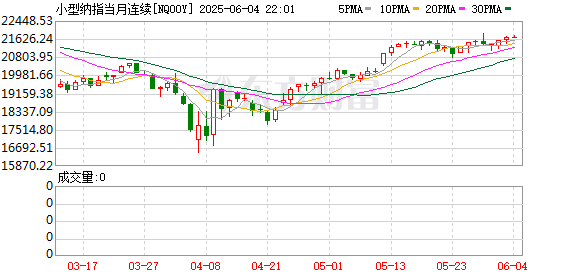
美国就业数据爆冷 美股盘前直线跳水!特朗普怒了!
Zhong Guo Ji Jin Bao· 2025-06-04 14:01
Group 1 - The core point of the article highlights a significant slowdown in U.S. hiring, with the private sector adding only 37,000 jobs in May, the lowest level in over two years, indicating weakened labor demand [1][2] - The report shows that the goods-producing sector lost 2,000 jobs, with notable declines in natural resources and mining (5,000 jobs lost) and manufacturing (3,000 jobs lost), while construction added 6,000 jobs [1][2] - In the services sector, leisure and hospitality added 38,000 jobs, and financial activities increased by 20,000, but professional and business services decreased by 17,000, and education and health services dropped by 13,000, contributing to the overall decline [2] Group 2 - Year-over-year wage growth for retained employees was 4.5%, while job switchers saw a 7% increase, indicating stable wage levels [3] - Recent economic data presents mixed signals regarding the job market, with job openings increasing unexpectedly in April, but surveys indicating a decline in hiring intentions [3] - Federal Reserve officials express optimism about the economy but voice concerns over uncertainties related to inflation and employment impacts from tariff policies [3] Group 3 - Following the release of the ADP employment data, President Trump urged Federal Reserve Chairman Jerome Powell to lower interest rates to stimulate economic growth [4] - The stock market reacted negatively, with major U.S. stock index futures dropping sharply in pre-market trading [5]
美国5月ADP报告速评
news flash· 2025-06-04 12:29
美国5月ADP就业人数增加3.7万人,创两年新低,且低于预期值11.4万人,前值由6.2万人修正为6万 人。数据显示,美国企业招聘速度放缓至两年来的最低水平,表明雇佣需求减弱。"今年开局强劲,但 招聘势头正在减弱。"ADP首席经济学家Nela Richardson周三在一份声明中表示。 ...
美国4月职位空缺意外上升 就业市场依然强劲
智通财经网· 2025-06-03 14:53
Group 1 - The U.S. job market showed unexpected resilience in April, with job openings rising from a revised 7.2 million to 7.39 million, exceeding economists' expectations of 7.1 million [1] - The increase in job vacancies primarily came from the private sector, particularly in professional and business services, as well as healthcare and social assistance [1] - Despite a reduction in job openings in local and state government education systems, federal job vacancies increased [1] Group 2 - The number of hires in April reached its highest level in nearly a year, indicating that companies continue to absorb labor [2] - Conversely, the number of layoffs rose to the highest point since October of the previous year, while the number of people voluntarily quitting their jobs decreased, suggesting a decline in confidence regarding job switching [2] - The ratio of job openings to unemployed individuals is currently at 1.0, returning to pre-pandemic levels, compared to a peak of 2.0 in 2022, indicating a shift in labor market dynamics [2]