
悦己消费

Search documents
新消费牛股 接连报喜
Shang Hai Zheng Quan Bao· 2025-08-13 15:37
Core Viewpoint - The new consumption sector in the Hong Kong stock market has shown strong performance in the first half of the year, with several companies reporting significant profit growth, leading to renewed optimism from investment institutions regarding the sector's future trajectory [1][6]. Group 1: Company Performance - Hong Kong-listed company Mao Geping expects a net profit of 665 million to 675 million yuan for the first half of the year, representing a year-on-year growth of 35% to 37% [1][4]. - Pop Mart announced a net profit growth of no less than 350% for the first half of the year, driven by increased global brand recognition and diverse product offerings [3][6]. - Lao Pu Gold anticipates a net profit increase of 279% to 288%, with expected revenues between 12 billion to 12.5 billion yuan, reflecting a year-on-year growth of 241% to 255% [3][4]. - Up Beauty expects a revenue of 4.09 billion to 4.11 billion yuan, with a profit growth of 30.9% to 35.8% [4][6]. - The food and beverage sector, represented by Guoquan, reported a revenue of 3.24 billion yuan, with a net profit growth of 122.5% [5][6]. Group 2: Market Trends and Analyst Insights - The new consumption sector has seen a surge in stock prices, with Lao Pu Gold up 220.12%, Pop Mart up 200.17%, and Up Beauty up 170.65% from January 1 to August 13 [2][6]. - Analysts express optimism about the new consumption sector, citing a shift in consumer preferences towards experiential and social consumption, which is driving demand for products in categories like trendy toys, tea drinks, and luxury jewelry [6][7]. - The current new consumption trend is characterized by structural growth driven by policy support, demographic changes, and technological advancements, with a focus on innovative products that meet evolving consumer needs [7][8].
周大福(1929.HK):同店继续改善 定价产品高增
Ge Long Hui· 2025-08-13 11:00
Core Viewpoint - The company reported a decline in overall retail value for Q2 2025, with a year-on-year decrease of 1.9%, driven by a 3.3% drop in mainland China, while Hong Kong and Macau markets showed a positive growth of 7.8% [1] Sales Performance - Overall retail value decreased by 1.9% year-on-year, with mainland China down 3.3% and Hong Kong and Macau up 7.8% [1] - Same-store sales in mainland China fell by 3.3%, with same-store sales volume down 11.1%, while Hong Kong and Macau saw a 2.2% increase in same-store sales, despite an 8.8% drop in same-store sales volume [1] - E-commerce retail value in mainland China grew by 27% year-on-year, contributing 7.6% to retail value and 16.9% to sales volume during the quarter, driven by strong demand from IP collaborations and the 618 shopping festival [1] Product Analysis - Retail sales of gold jewelry improved, with a year-on-year decline of 3.6% in mainland China and a positive growth of 11.4% in Hong Kong and Macau [2] - The share of priced gold products in mainland China increased from 15.8% to 19.8%, with a year-on-year growth of 20.8% [2] - Jewelry and inlaid products achieved positive growth, with mainland China retail value up 0.5% and Hong Kong and Macau up 4.8% [2] Brand Transformation - The company initiated a brand transformation journey in FY25, focusing on product optimization and opening new image stores, with plans to continue this in FY26 [2] - A new high-end jewelry series "Timeless Harmony" was launched in Hangzhou, with plans for exhibitions in major cities [2] - Collaborations with trendy brands, such as the 周大福 x CLOT series, target the younger generation [2] Store Network Optimization - The company reduced its store count from 6,644 to 6,337, with a net decrease of 307 stores, including a reduction of 310 周大福 jewelry stores [3] - The company continues to selectively open high-productivity stores while optimizing its store network [3] Investment Outlook - The gold jewelry industry is expected to enter a low base growth phase starting Q2 2025, with strong performance anticipated [3] - The company is projected to benefit from the trend of self-consumption and the increasing share of priced products, with revenue growth estimates of 3.3%, 5.5%, and 4.2% for FY26-28 [3] - Expected net profit growth rates are 19%, 16%, and 7% for the same period, with EPS estimates of 0.71, 0.83, and 0.89 HKD per share [3]

消费观察|鲜果吃冻的,干果吃鲜的?这届年轻人更愿为“新鲜、健康、悦己”买单
Sou Hu Cai Jing· 2025-08-12 14:25
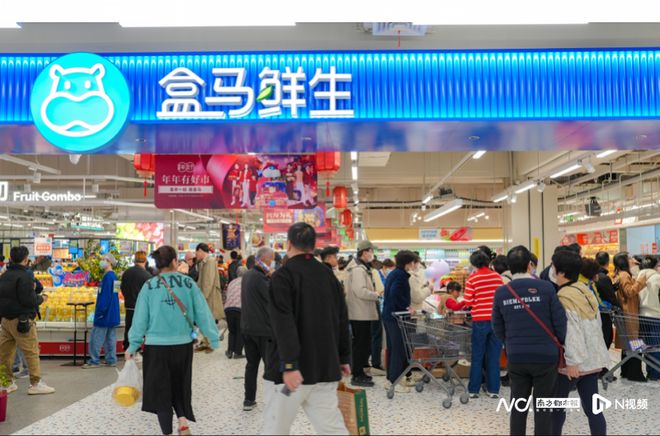
Core Insights - The report from Hema's 10th anniversary highlights that "fresh, healthy, and self-indulgent" are the three major directions for future consumption trends, with frozen fruits and fresh nuts becoming popular among young consumers [1][12]. Group 1: Frozen Fruits - Frozen fruits have emerged as a new social trend this summer, with various platforms showcasing recipes and tutorials, making bananas, mangoes, and watermelons popular choices [3][6]. - Hema offers a range of specialized frozen fruits, including mixed berries and tropical fruit cups, which are convenient for consumers looking for healthy meal options [3][9]. - The nutritional value of frozen fruits is comparable to fresh fruits, and they are considered healthier than high-sugar ice creams, with industrial freezing techniques preserving their quality better than home methods [6][12]. Group 2: Fresh Nuts - Fresh nuts, particularly fresh walnuts and macadamia nuts, are gaining traction as a new trend, with consumers appreciating their unique flavors when eaten fresh [5][11]. - The supply chain for fresh nuts involves advanced technology, such as low-oxygen storage and rapid processing to maintain freshness [9][11]. Group 3: Consumer Trends - The current consumer demographic favors "no-mess," "single-serving," and "lazy" consumption styles, reflecting a shift towards refined, health-conscious eating habits [11][14]. - The report indicates that young consumers are increasingly interested in DIY food options and are willing to explore new eating methods, which is driving demand for innovative products in retail [11][12]. Group 4: Supply Chain and Innovation - Over the past decade, Hema has established a robust supply chain network with multiple centers and direct sourcing bases, allowing for fresh produce to be delivered nationwide and internationally [12][14]. - The company is continuously updating its standards for freshness and quality across various product categories, including fruits and beverages [12][14].


周大福(01929):同店继续改善,定价产品高增
China Post Securities· 2025-08-12 10:59
Investment Rating - The investment rating for Chow Tai Fook (1929.HK) is "Buy" and is maintained [5][12][18] Core Views - The company reported a 1.9% year-on-year decline in overall retail value for the period from April to June 2025, with a 3.3% decline in mainland China, while Hong Kong, Macau, and other markets saw a 7.8% increase [5][7] - Same-store sales in mainland China decreased by 3.3%, with same-store sales volume down by 11.1%. In Hong Kong and Macau, same-store sales increased by 2.2%, with a same-store sales volume decline of 8.8% [5][7] - The company continues to benefit from the growth of priced products and low base effects, leading to improved same-store sales [6][12] Company Overview - In mainland China, the same-store sales decline narrowed to 3.3%, while franchise store same-store sales remained flat [7] - In Hong Kong and Macau, same-store sales grew by 2.2%, with Hong Kong increasing by 0.2% and Macau by 9.5% [7] - E-commerce retail value in mainland China grew by 27% year-on-year, contributing 7.6% to retail value and 16.9% to sales volume during the quarter, driven by IP collaborations and strong demand during the 618 shopping festival [7] Product Analysis - Retail sales growth for gold jewelry continues to improve, with a 20.8% year-on-year increase in priced gold products in mainland China, rising from 15.8% to 19.8% of total sales [9] - Both jewelry and embedded products achieved positive growth, with mainland retail value increasing by 0.5% and Hong Kong and Macau by 4.8% [9] - The company is undergoing a brand transformation, optimizing products and opening new image stores to meet high-end customer demands [9][10] Store Network - The company reduced its store count from 6,644 to 6,337, closing 307 stores, with Chow Tai Fook jewelry stores decreasing from 6,423 to 6,113 [10][11] - The company continues to close underperforming stores while selectively opening high-productivity stores [10] Investment Recommendations and Profit Forecast - Short-term growth in the gold jewelry industry is expected due to a low base effect starting from Q2 2025, with strong performance anticipated [12] - Long-term trends indicate a growing demand for self-consumption in gold jewelry, benefiting leading companies with strong product capabilities [12] - Revenue growth rates for the fiscal years 2026-2028 are projected at 3.3%, 5.5%, and 4.2%, with net profit growth rates of 19%, 16%, and 7% respectively [12][14]
小商品城(600415):“全球数贸中心”开业在即市场化定价有望大幅增厚公司业绩
Guolian Minsheng Securities· 2025-08-12 08:26
Investment Rating - The investment rating for the company is "Buy" (maintained) [6] Core Views - The "Global Trade Center" is expected to significantly enhance the company's performance in the next 2-3 years, with a trial operation scheduled for October 2025. The project includes five functional areas: market, office buildings, digital brain, commercial street, and apartments [4][12] - The market segment is projected to generate substantial revenue from "site selection fees" and "merchant usage fees," with over 5,200 merchant spaces available [13][19] - The company anticipates revenue growth of 24.53%, 30.26%, and 17.92% for the years 2025, 2026, and 2027, respectively, with corresponding net profits of 40.73 billion, 64.41 billion, and 74.80 billion yuan [14][38] Summary by Sections Global Trade Center Overview - The Global Trade Center encompasses five main functional areas with a total construction area of 1.25 million square meters and an estimated total investment of 8.3 billion yuan [18] - The project layout features a central digital brain and includes a market area of approximately 410,000 square meters [12][18] Market Segment Revenue - The market segment's revenue sources include site selection fees and merchant usage fees, with bidding prices for various industries ranging from 82,000 to 138,000 yuan per square meter [13][22] - The expected revenue from site selection fees alone is estimated to be between 11.7 billion and 20 billion yuan [35] Financial Projections - Revenue projections for the company are as follows: 19.6 billion yuan in 2025, 25.5 billion yuan in 2026, and 30.1 billion yuan in 2027, with respective growth rates of 24.53%, 30.26%, and 17.92% [15][40] - The projected net profit for the same years is 40.73 billion yuan, 64.41 billion yuan, and 74.80 billion yuan, with growth rates of 32.50%, 58.15%, and 16.12% [14][38] Investment Recommendation - The report maintains a "Buy" rating based on the expected performance of the market segment and the potential for profit release from the foreign trade ecosystem [14][41]

夏日经济新活力系列报道 避暑游让这个夏天更清凉
Ren Min Wang· 2025-08-12 06:09
Group 1 - The core viewpoint of the articles highlights the rising trend of "cooling tourism" as a response to the summer heat, with a significant increase in search volumes for related travel options [1][2][3] - The total search volume for "cooling tourism" has increased by nearly 200% month-on-month and by 45% year-on-year, indicating a strong consumer interest in summer travel to cooler destinations [1] - High latitude and high altitude regions, such as Northeast China and Qinghai, are becoming popular tourist spots due to their cooler climates and diverse natural landscapes [2] Group 2 - The popularity of artificial cooling projects, such as water activities and indoor snow parks, has also surged, with outdoor water-related comments increasing by nearly 90% and indoor surfing searches rising over 70% [3] - The growth in demand for cooling tourism reflects an upgrade in consumer preferences, emphasizing the importance of tourism quality and its positive impact on domestic consumption [3] - Experts suggest the need for integrating ecological education, cultural immersion, and technological experiences to foster sustainable new business models in the cooling tourism sector [3]
减糖、低GI成零售商流量密码,盒马商品力建设调至三大方向
Nan Fang Du Shi Bao· 2025-08-11 09:14
Core Insights - The article discusses the strategic shift of Hema in enhancing its product offerings from a focus solely on "fresh" to a broader emphasis on "fresh, healthy, and self-indulgent" products as outlined in their "Ten-Year Consumer Trend Insight" report [1] Group 1: Consumer Trends - There has been a significant change in consumer demands and preferences over the past decade, particularly in the post-pandemic era, with a surge in demand for healthy food options that feature clean ingredient lists [3] - The trend of self-indulgent consumption is rising, especially among younger consumers who are increasingly willing to pay for emotional satisfaction, making emotional consumption a necessity [3] - Consumers are becoming more rational and cautious, demanding a balance between quality and cost-effectiveness [3] Group 2: Product Development Strategy - Hema has adjusted its product development strategy in response to changing consumer preferences, moving from a focus on fresh products to a more concentrated effort on product strength [3] - The company has streamlined its operations to focus on two main formats: Hema Fresh and Hema NB, which has led to improved efficiency and profitability while allowing for more targeted investment in product development [3] Group 3: New Product Categories - Hema is actively expanding into low glycemic index (GI) products, which have shown a 40% year-on-year sales increase due to energy certification and labeling initiatives for items like light salads and sandwiches [4] - The introduction of proprietary low GI product lines has resulted in significantly higher repurchase rates compared to standard products, with a 150% year-on-year increase in the number of traditional health water products [4] - The flower category has also seen rapid growth driven by self-indulgent consumption, with prices dropping nearly 30% since the introduction of flowers in 2021 and a 40% increase in product variety [6] Group 4: Future Outlook - Hema's Chief Product Officer emphasized that product strength is a key driver for the company, and they will continue to adopt a "zero-supply co-creation" approach to provide high-quality, unique, and diverse products [6] - The company aims to enhance its product development and innovation capabilities to better meet the needs of health-conscious consumers, with plans for accelerated expansion to serve a larger customer base [6]
从“功能刚需”到“悦己消费” 京东服饰《科学选文胸白皮书》解析文胸新趋势
Sou Hu Cai Jing· 2025-08-11 05:06
Core Insights - The core focus of the event was the launch of the "Scientific Bra Selection White Paper" by JD Fashion, aimed at providing a systematic guide for female consumers on bra selection and revealing current fashion trends [1][4][8] Group 1: White Paper and Consumer Guidance - The white paper addresses the shift in women's lingerie consumption from "functional necessity" to "self-pleasure," emphasizing the importance of emotional experience alongside functionality [4] - It offers professional advice on bra selection based on various factors such as size measurement, fabric choice, dressing scenarios, and age [4][6] - The initiative aims to promote a scientific and standardized approach to lingerie selection, enhancing consumer awareness and industry standards [4][8] Group 2: Industry Collaboration and Innovations - The event featured discussions with industry leaders from brands like Aimer, Anlifang, and Xinxian, focusing on user needs, industry development, and women's health [7] - Innovations highlighted include the use of aerospace-grade memory foam in bra design for better support and comfort, as well as eco-friendly production practices [7] - Solutions for specific consumer needs were presented, such as designs that visually slim larger busts and enhance the appearance of smaller busts [7] Group 3: Promotions and Consumer Engagement - During the event, JD Fashion launched the "88 Bra Festival," offering significant discounts and a "discomfort return" service for bras that do not meet consumer expectations [3] - The return policy allows for the return of uncomfortable items within 30 days, with a focus on sustainability through the destruction of returned items [3]


英大证券晨会纪要-20250811
British Securities· 2025-08-11 02:22
Market Overview - The market is currently experiencing a phase of consolidation, with the Shanghai Composite Index reaching new highs but failing to maintain those gains, indicating a need for time and space to digest recent movements [3][4][5] - The market sentiment is cautious, with a notable divergence between indices, particularly a stronger Shanghai index compared to weaker Shenzhen and ChiNext indices, reflecting internal market discrepancies [4][20] - Trading volume has decreased, with a total turnover of approximately 1.7 trillion, suggesting a lack of enthusiasm for chasing higher prices, which may hinder the ability to initiate a new upward trend [4][20] Sector Performance - Traditional sectors such as cement, engineering machinery, and hydropower have shown strong rebounds, while AI application sectors have collectively declined, negatively impacting market sentiment [3][19] - The military industry has seen significant gains, with a notable increase in stock prices, supported by government policies and geopolitical tensions that may act as catalysts for further growth [11][12] - The robotics sector has also experienced substantial growth, with a 60% increase in related stocks since early January, although a recent pullback suggests caution is warranted [12] - Precious metals have risen due to factors such as the onset of a rate-cutting cycle by the Federal Reserve and increased geopolitical tensions, which have driven demand for gold as a safe-haven asset [14] - The semiconductor sector remains a focal point for investment, with expectations of continued growth driven by government support and rising global demand for AI and high-performance computing [16] Investment Strategy - The report emphasizes the importance of selecting stocks with high certainty in performance and reasonable valuations, particularly those benefiting from policy support or industry trends [5][21] - Investors are advised to focus on sectors with structural opportunities, such as semiconductors, AI, and healthcare, while being cautious of stocks that have risen significantly without strong fundamental backing [5][21] - The outlook for the A-share market suggests a "slow bull" trend, with structural opportunities requiring enhanced stock-picking skills and timing [5][21]
“立秋奶茶”走红背后的消费新动向
Zheng Quan Ri Bao· 2025-08-10 16:40
Group 1 - The core phenomenon of "the first cup of milk tea in autumn" reflects the vibrant and potential-filled consumer market, showcasing new models and business formats [1] - The promotion led to overwhelming demand, with some stores experiencing order backlogs exceeding 1,000 cups, and delivery platforms facing system crashes [1] Group 2 - Personalized and diversified consumption trends, such as self-rewarding and emotional consumption, are on the rise, with consumers seeking unique products that cater to their individual needs [2] - The milk tea market exemplifies this trend, with innovative cup designs and sizes catering to diverse consumer preferences [2] Group 3 - There is a growing emphasis on quality and sustainability in consumer choices, with consumers preferring high-quality, well-crafted products and being mindful of environmental and social responsibility [3] - The shift towards healthier options, such as reduced sugar choices and innovative flavors, indicates a demand for fresh and appealing products [3] - The transition in consumer attitudes is driving businesses to focus on product quality and environmental performance, fostering sustainable market development [3]