
积极财政政策

Search documents
新华社快讯:财政部表示明年将扩大财政支出盘子
Xin Hua Wang· 2025-12-28 04:15
新华社快讯:财政部部长蓝佛安在12月27日至28日举行的全国财政工作会议上表示,明年将继续实 施更加积极的财政政策。"更加积极"既体现在资金规模上,更体现在提高资金使用效益上。其中,明年 将扩大财政支出盘子,确保必要支出力度;优化政府债券工具组合,更好发挥债券效益。 【纠错】 【责任编辑:施歌】 ...
国信期货软商品月报:郑棉上行消化利多,关注消费反应-20251228
Guo Xin Qi Huo· 2025-12-28 02:13
Group 1: Report Industry Investment Rating - The report does not mention the industry investment rating. Group 2: Core Viewpoints of the Report - In the domestic cotton market, short - term fundamentals have limited support. The price increase is driven by the potential long - term benefit of reduced domestic cotton planting area. But the long - term benefit has been factored into the price, and the rapid rise in upstream cotton prices will increase downstream pressure [1][28][29]. - In the international market, the adjustment in the USDA monthly report is limited. U.S. cotton exports are generally weak, but the widening price difference between Chinese and U.S. cotton has increased Chinese purchases, boosting U.S. cotton exports. Indian cotton prices are supported by concerns about a shortage of high - grade cotton. Overall, international cotton prices lack upward momentum but have limited downside in the short term [1][29]. - The operation suggestion is to adopt a bearish trading strategy for Zhengzhou cotton [2][30]. Group 3: Summary by Relevant Catalogs 1. Market Review - In December, Zhengzhou cotton fluctuated slightly before rising, with a gain of over 1,000 yuan/ton, driven by expectations of a significant reduction in new - year cotton planting area and continuous capital inflow [3]. - In December, the international cotton market oscillated at a low level. After the positive news of the Fed's interest rate cut was realized, the USDA report was bearish, and U.S. cotton exports were weak. However, short - covering at low prices and a significant increase in U.S. cotton export data at the beginning of December led to a price rebound [3]. 2. Domestic Market Analysis 2.1 New - year Supply Tightening Expectations - There are strong expectations of a reduction in Xinjiang's cotton planting area and output in 2026. It is rumored that the target planting area for the 2026/27 Xinjiang cotton target price policy will be about 36 million mu, a reduction of 5 - 7 million mu (over 10%) from the previous year. Some cotton - growing areas in southern Xinjiang are prohibited from winter and spring irrigation, increasing uncertainty [5]. - In 2026, cotton planting enthusiasm has been affected. The actual subsidy for the 2025/26 Xinjiang cotton target price may not meet farmers' expectations, which will lead to a reduction in the sown area in 2026. As of December 14, 2025, the cumulative public inspection volume of lint cotton in the 2025/26 season reached 5.3736 million tons, a year - on - year increase of 13.76%. Due to the increase in production, farmers' expected subsidy income may decline, and some cotton - planting entities may face losses [6]. 2.2 Narrowing Export Decline - In November 2025, China's textile and clothing exports showed a narrowing decline. Textile exports increased year - on - year, and the decline in clothing exports eased. The total export of textile and clothing in November was $23.87 billion, a year - on - year decrease of 5.1%, 7 percentage points narrower than in October. Clothing exports were $11.59 billion, a year - on - year decrease of 10.9%, with the decline narrowing by 5 percentage points. Textile exports were $12.28 billion, a 1% year - on - year increase [8]. - After the China - U.S. summit in November 2025, the U.S. reduced tariffs on Chinese goods, and China adjusted counter - tariffs. The market is optimistic about cotton product export orders to the U.S. and the EU in December 2025 and the first quarter of 2026 [9]. 2.3 Short - term Weakening of Downstream and Limited Demand Support - As of December 19, the operating rate of textile enterprises was 47.2%, a week - on - week decrease of 0.4 percentage points, and that of weaving enterprises was 48.7%, a week - on - week decrease of 0.3 percentage points. The operating rates of both types of enterprises have declined, providing limited support for raw materials [12]. - The downstream finished - product inventory has increased, especially in weaving enterprises. As of December 19, the cotton yarn inventory of textile enterprises was 29 days, up 1 day from late November, and the finished - product inventory of weaving enterprises was 34.7 days, up 2.2 days from late November. The inventories of both are at relatively high levels in the past five years [15]. 2.4 Positive Policies and Some Support for Long - term Consumption - The Politburo meeting on December 8, 2025, proposed to continue implementing a more proactive fiscal policy. In 2025, China significantly increased the fiscal deficit rate and the issuance of special bonds, expanding fiscal expenditure and promoting economic stability [17]. - In November 2025, the retail sales of clothing, footwear, and textiles were 154.2 billion yuan, a year - on - year increase of 3.5%. From January to November, the cumulative retail sales were 1359.7 billion yuan, a year - on - year increase of 3.5%. With policy support, consumption in 2026 may have some support [19]. 3. International Market Analysis 3.1 Limited Adjustment and Slight Increase in Global Inventory - The USDA's December cotton supply - demand report showed limited changes compared with November. Global cotton production, consumption, and trade volume were slightly adjusted, and the global ending inventory increased slightly by more than 40,000 bales. The reduction in production in Francophone African countries was offset by an increase in U.S. production. Consumption decreased in Brazil, the U.S., and some Central American countries, and trade volume decreased by over 250,000 bales [22]. 3.2 Overall Weak U.S. Cotton Exports with a Stronger Start in December - As of December 2025, the total signed sales volume of U.S. upland and Pima cotton in the 2025/26 season was 444,700 tons, accounting for 55% of the annual forecast export volume. The cumulative export shipment volume was 605,100 tons, accounting for 42% of the total signed volume [26]. - U.S. cotton exports were weak in November but strengthened in early December. In the week ending December 11, the net increase in U.S. cotton export sales was 304,700 bales, a 99% increase from the previous week and a 95% increase from the average of the previous four weeks. The increase was mainly due to increased Chinese purchases [26].
西藏2025年财政收入将突破300亿元,支出超3000亿元
Xin Lang Cai Jing· 2025-12-27 06:23
Group 1 - The core viewpoint of the news is that Tibet Autonomous Region has achieved significant fiscal performance in 2025, with local general public budget revenue, tax revenue, and general public budget expenditure all ranking first in the country for the first 11 months [1] - In the first 11 months of 2025, the region's general public budget revenue reached 28.718 billion yuan, an increase of 14.6%, while tax revenue was 19.334 billion yuan, growing by 19.7%, accounting for 67% of the total budget revenue [1] - The general public budget expenditure for the same period was 271.561 billion yuan, reflecting a growth of 7.8%, with expectations for the total fiscal revenue to exceed 30 billion yuan and expenditure to surpass 300 billion yuan by the end of the year [1] Group 2 - The region has increased efforts in employment, education, and social security, combining investments in physical infrastructure and human capital to stimulate domestic demand [2] - As of now, over 2.47 million people are enrolled in basic pension insurance, and 3.46 million in basic medical insurance, with 298,300 individuals receiving basic living assistance [2] - The region allocated a record 197.2 billion yuan in transfer payment funds to support local financial needs, alongside 18.7 billion yuan for 28 key livelihood projects, which have received positive feedback from the public [2] Group 3 - In 2025, the region introduced the "Tibet Autonomous Region Government Procurement Work Guidelines (2025 Edition)" to enhance the professionalism of government procurement [3] - A new working mechanism was established to coordinate government leadership, finance, and departmental participation, with pilot reforms in unified accounting for administrative units in several districts [3] - A mechanism for reporting typical cases of violations in government procurement was created, promoting legal awareness and implementing a credit management system that restricts violators across the board [3]
【机械】11月工程机械内需持续复苏,海外增长加速——工程机械行业2025年11月月报(陈佳宁/夏天宇/汲萌)
光大证券研究· 2025-12-27 00:04
Core Viewpoint - The domestic excavator sales in China continue to grow, indicating a recovery in the internal demand cycle, with significant increases in various types of construction machinery sales, particularly in the excavator segment [4][5][6]. Group 1: Excavator Sales and Market Trends - In November 2025, China's excavator sales (including exports) reached 20,027 units, a year-on-year increase of 13.9%, with domestic sales at 9,842 units, up 9.1% [4]. - From January to November 2025, total excavator sales were 212,162 units, reflecting a 16.7% year-on-year growth, with domestic sales at 108,187 units, increasing by 18.6% [4]. - The non-excavator construction machinery segment shows a notable recovery, with loader sales up 29.4%, grader sales up 24.7%, truck crane sales up 25.8%, crawler crane sales up 102.0%, and truck-mounted crane sales up 36.4% in November 2025 [4]. Group 2: Future Demand Drivers - The ongoing replacement cycle of construction machinery is expected to drive sales, with a projected compound growth rate of around 30% for replacement demand in the coming years [5]. - The export of used construction machinery to developing countries is reducing the domestic machinery inventory, further supporting new machine sales [5]. Group 3: Policy and Investment Impact - The Central Economic Work Conference emphasized the continuation of a proactive fiscal policy in 2026, which is expected to stimulate infrastructure investment and subsequently boost demand for construction machinery [7]. - The upcoming large-scale Yarlung Tsangpo River hydropower project, with an estimated total investment of approximately 1.2 trillion yuan, is anticipated to significantly increase demand for construction machinery, with potential equipment needs reaching 120 to 180 billion yuan [10]. Group 4: Export Performance - In November 2025, excavator exports totaled 10,185 units, marking an 18.8% year-on-year increase, while the total export value of construction machinery reached $5.23 billion, up 16.6% [8]. - From January to November 2025, excavator exports amounted to 103,975 units, a 14.9% increase, with total export value at $53.76 billion, reflecting a 12.4% growth [8]. Group 5: Electrification Trends - Electric loader sales in November 2025 reached 2,935 units, a remarkable year-on-year increase of 192.0%, with an electrification rate of 25.7%, up 14.1 percentage points [9]. - From January to November 2025, electric loader sales totaled 27,049 units, a 160.9% increase, with an electrification rate of 23.4%, up 12.9 percentage points [9].


前11个月广义财政支出超收入近10万亿
Di Yi Cai Jing Zi Xun· 2025-12-26 02:31
Core Viewpoint - The article discusses the performance of China's broad fiscal revenue and expenditure in the first 11 months of the year, highlighting a slight decline in revenue but an increase in expenditure, reflecting a proactive fiscal policy aimed at stabilizing economic growth and expanding domestic demand [2][5]. Fiscal Revenue - In the first 11 months, broad fiscal revenue reached 24,079 billion yuan, showing a year-on-year decline of approximately 0.2% [2]. - The general public budget revenue increased by 0.8% compared to the same period last year, slightly better than the initial forecast of 0.1% [5]. - The decline in government fund revenue was 4.9%, significantly lower than the expected growth of 0.7%, primarily due to a 10.7% drop in local government land use rights transfer income [6]. Fiscal Expenditure - Broad fiscal expenditure amounted to 34,066 billion yuan, with a year-on-year increase of about 4.5%, aligning closely with the economic growth rate of around 5% [2][7]. - The expenditure growth rate was lower than the initial official forecast, which anticipated a 9.3% increase for the year [7]. - To maintain fiscal expenditure levels, the central government allowed local governments to issue an additional 500 billion yuan in bonds in the fourth quarter to support local financial capacity and major project construction [7]. Government Debt - Net financing from government bonds reached 1.315 trillion yuan in the first 11 months, an increase of 361 billion yuan year-on-year [8]. Fiscal Policy Focus - The fiscal expenditure structure has been optimized, with increased focus on social welfare and public services, such as a 1 billion yuan childcare subsidy [9]. - Experts predict that the fiscal deficit rate for 2026 may be set around 4%, with an expected increase in government debt issuance to support fiscal spending [9].

前11个月广义财政支出超收入近10万亿
第一财经· 2025-12-26 02:25
Core Viewpoint - The article discusses the performance of China's broad fiscal revenue and expenditure in the first 11 months of the year, highlighting a slight decline in revenue and an increase in expenditure, reflecting a proactive fiscal policy aimed at stabilizing economic growth and expanding domestic demand [3][5]. Fiscal Revenue - In the first 11 months, broad fiscal revenue reached 24,079 billion yuan, showing a year-on-year decline of approximately 0.2% [3]. - The national general public budget revenue increased by 0.8% year-on-year, slightly better than the initial forecast of 0.1%, driven by stable economic performance and active capital markets [5]. - Government fund revenue decreased by 4.9% year-on-year, falling short of the initial forecast of 0.7%, primarily due to a sluggish real estate market and lower land transfer income [5]. Fiscal Expenditure - Broad fiscal expenditure amounted to 34,066 billion yuan, with a year-on-year increase of about 4.5%, which is lower than the expected growth rate of 9.3% for the year [6]. - The government allowed local governments to issue an additional 500 billion yuan in bonds in the fourth quarter to support local financial capacity and major project construction [6][7]. - The fiscal expenditure structure has been optimized, with increased focus on social welfare and public services, such as social security and education, which grew faster than average expenditure growth [9]. Government Debt - Net financing of government bonds reached 1.315 trillion yuan in the first 11 months, an increase of 361 billion yuan year-on-year [8]. - Experts anticipate that the fiscal deficit rate for 2026 will be set around 4%, with total government debt expected to exceed 12 trillion yuan, potentially reaching between 13 trillion and 16 trillion yuan [9].

前11个月广义财政支出超收入近10万亿,原因有哪些
Di Yi Cai Jing· 2025-12-25 12:25
Group 1 - The core viewpoint of the articles highlights the optimization of fiscal expenditure structure in China, with a focus on investing in people and ensuring the well-being of the population [1][8] - In the first 11 months of this year, the broad fiscal revenue reached 24,079 billion yuan, showing a year-on-year decline of approximately 0.2%, while broad fiscal expenditure was 34,066 billion yuan, reflecting a year-on-year increase of about 4.5% [1][4] - The broad fiscal expenditure exceeded revenue by 99,872 billion yuan, which is a year-on-year increase of approximately 17.9%, indicating a more proactive fiscal policy aimed at stabilizing growth and expanding domestic demand [1][6] Group 2 - The broad fiscal revenue is close to the initial official expectations for the year, with a projected growth of about 0.2% for 2025, aligning with the current year-to-date performance [4] - The general public budget revenue increased by 0.8% year-on-year in the first 11 months, slightly better than the initial forecast of 0.1%, driven by stable economic performance and increased tax revenues from a vibrant capital market [4] - However, government fund revenue remains below initial expectations, primarily due to a sluggish real estate market and lower-than-expected land transfer income, which decreased by 10.7% year-on-year [5] Group 3 - The growth rate of broad fiscal expenditure is lower than the initial official forecast, with an actual increase of 4.5% compared to an expected 9.3% for 2025, largely due to underperformance in land transfer income [6] - To maintain fiscal expenditure levels, the central government has allowed local governments to issue an additional 500 billion yuan in bonds in the fourth quarter to support local financial capacity and major project construction [6] - The total investment from new policy financial tools has reached approximately 7 trillion yuan, focusing on digital economy, artificial intelligence, and urban infrastructure projects [6][8] Group 4 - The net financing of government bonds reached 1.315 trillion yuan in the first 11 months, an increase of 361 billion yuan year-on-year [7] - The central economic work conference has called for continued implementation of a more proactive fiscal policy next year, with expectations for the fiscal deficit rate to be set around 4% for 2026 [9] - The anticipated increase in government debt issuance, including long-term special bonds and local government bonds, is expected to exceed 12 trillion yuan in 2025, potentially reaching between 13 trillion and 16 trillion yuan [9]

宏观纵览 | 明年一季度地方计划发债超万亿,积极财政政策靠前发力
Sou Hu Cai Jing· 2025-12-23 10:57
Core Viewpoint - Local governments are preparing to issue government bonds early next year to support major project construction, which will lay a solid foundation for economic growth in 2026 and ensure a good start for the "14th Five-Year Plan" [1][5] Group 1: Bond Issuance Plans - At least 14 provinces and cities have publicly disclosed plans to issue government bonds in the first quarter of next year, with a cumulative issuance scale nearing 1.2 trillion yuan [1][3] - Jiangsu plans to issue a total of 105.6 billion yuan in government bonds in the first quarter, including 70 billion yuan in new bonds and 35.6 billion yuan in refinancing bonds [3] - Ningbo is set to issue 32.6 billion yuan in new special bonds and 1 billion yuan in new general bonds in early January [6] Group 2: Fiscal Policy and Debt Management - The central government has authorized the early issuance of next year's local government debt limits to facilitate timely bond issuance and support major projects [3][4] - The new local government debt limit for 2025 is set at 5.2 trillion yuan, with the early issuance for 2026 not exceeding 3.12 trillion yuan, adhering to a 60% cap [4] - The Ministry of Finance plans to issue 2 trillion yuan in refinancing bonds in 2026 to replace existing hidden debts, aiming to alleviate local government debt risks [8] Group 3: Investment and Economic Impact - The central economic work conference emphasized the need for a more proactive fiscal policy in 2026 to stabilize investment and promote economic recovery [5] - The early issuance of bonds is expected to effectively drive social investment and amplify investment effects, significantly contributing to economic growth [8] Group 4: Optimization of Bond Management - The National Development and Reform Commission plans to optimize the management of local government special bonds, allowing for more flexibility and autonomy in project approval [9] - Pilot programs for "self-examination and self-issuance" of special bond projects have been implemented in several provinces to enhance issuance efficiency [9]
干预风险上升!日本财务大臣释放最强烈警告:日元大跌与基本面不符 若有必要将采取大胆行动
智通财经网· 2025-12-23 06:50
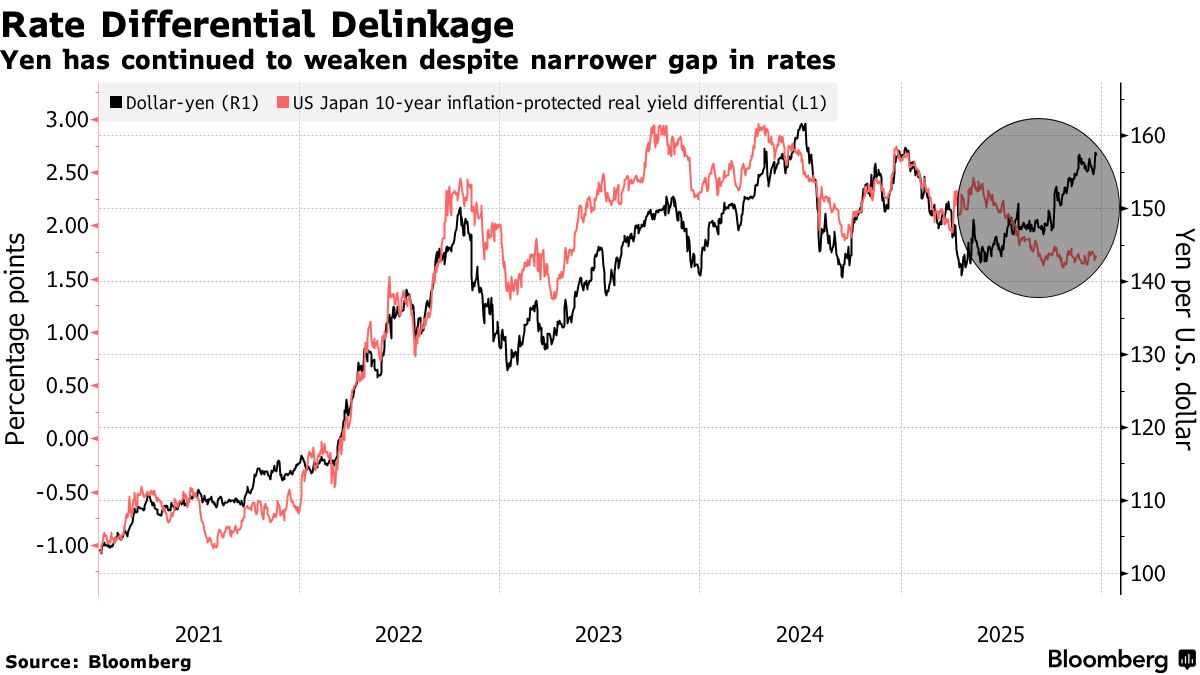
智通财经APP获悉,在日本央行加息后日元仍持续走弱之际,日本财务大臣片山皋月(Satsuki Katayama)发出迄今为止对投机者最强烈的警告,称如果货币走 势与基本面不符,日本当局"有绝对的自由"采取大胆行动。 日本央行在上周五如期加息25个基点,将基准利率上调至30年来的最高水平0.75%。然而,由于交易员对日本央行未能就未来货币紧缩的时机给出明确指引 感到失望,日元在上周五大幅贬值。 与此同时,日本政府拟于本周五最终敲定2026财年预算草案。草案显示,该国2026财年年度预算总规模将首次突破122万亿日元,创下历史新高。支出增长 主要受两大因素驱动:一是社会福利成本持续攀升,二是政府为缓解生活成本上涨对家庭与企业造成的冲击,计划推出新一轮财政支持措施。 日本政府届时还将公布日本国债的发行计划。市场参与者越来越担心,日本当局可能提高十年期日本国债发行量,以帮助填补财政缺口。而随着利率上升, 日本庞大的公共债务融资成本显著增加,引发外界对日本政府财政可持续性的担忧。 日本财务省预计,日本10年期国债收益率到2028年将升至2.5%,债务利息将从去年的7.9万亿日元增加到2028年的16.1万亿日元。而根据 ...
吉富星:加大政府债券投资于人力度
Jing Ji Ri Bao· 2025-12-23 00:03
接下来,政府债券需统筹兼顾供给与需求、消费与投资,进一步优化投向、提升效率,将重点更加 聚焦投资于人,为投资于物锚定新方向,持续优化债券的额度、投向及运作模式。 一方面,在现有政策框架基础上扩大民生领域专项债、国债等资金的额度,并加强项目谋划与储 备,确保资金有效落地。维持较高的政府债券规模以增强财力,腾出更多资金用于解决群众急难愁盼的 民生项目和人力资本领域。此外,延续特别国债支持以旧换新政策,促进消费与投资的良性循环,并加 快布局数字、绿色、智能等新型消费领域的政府债券项目。可利用政府债券资金作为项目资本金、"债 券资金+社会资本"等杠杆撬动或引导模式,吸引社会资本参与民生、消费领域的项目投资运营。 另一方面,应积极拓展政府债券使用范围、创新政府债券品种,允许部分政府债券投向符合条件的 民生或人力资本。例如,可借鉴国外经验设立人力资本债券、社会债券、可持续发展债券等新品种,专 门用于育儿、教育、医疗、养老等特定领域。继续强化财政与金融的协同,如通过政府债券补充银行资 本金、设立产业引导基金、"政府债券+市场化融资"等方式,支持相关领域发展。在此过程中,需充分 调动各方主体的积极性,既要关注人的能力提升和潜 ...