货币政策

Search documents
研究所日报-20260225
Yintai Securities· 2026-02-25 01:51
Monetary Policy - The central bank will conduct a 600 billion MLF operation today, with 300 billion MLF maturing this month, marking the 12th consecutive month of increased operations, though the scale is smaller than last month's 700 billion[3] - The February LPR is set at 3.0% for 1-year and 3.5% for 5-year loans, remaining unchanged for 9 months[3] - The capital market is stable, with short-term monetary policy in an observation phase, and the central bank is leaning towards using OMO to adjust market liquidity[3] Global Trade and Tariffs - The U.S. has officially begun imposing a 10% global tariff, with plans to increase it to 15%, affecting various industries including large batteries and industrial chemicals[3] - China is closely monitoring the situation and may adjust its countermeasures regarding tariffs on U.S. products, including fentanyl[3] Market Performance - On February 24, the Shanghai Composite Index rose by 0.87%, and the Shenzhen Component Index increased by 1.36%, with total trading volume reaching 22,020.62 billion, an increase of 2,193.82 billion from the previous trading day[4] - The U.S. stock market saw gains, with the Dow Jones up 0.76%, S&P 500 up 0.77%, and Nasdaq up 1.04%[4] Bond and Interest Rates - The yield on the 10-year government bond is at 1.8053%, with a change of +0.92 BP[4] - The average rates for R001 and R007 are 1.4518% and 1.6102%, respectively[4] Sector Performance - The top-performing sectors include petroleum and petrochemicals (+5.53%), building materials (+3.71%), and basic chemicals (+3.45%), while media, computers, and retail sectors saw declines[4]
如何理解LPR“按兵不动”
Jin Rong Shi Bao· 2026-02-25 01:22
Group 1 - The Loan Prime Rate (LPR) for 1-year is maintained at 3.0% and for 5-year at 3.5%, unchanged from the previous month, indicating stability in the monetary policy environment [1] - Analysts suggest that the stability in LPR is due to unchanged pricing fundamentals and the current low interest rate levels, which reduce the urgency for banks to lower LPR further [1][3] - The weighted average interest rate for corporate loans in January 2026 is approximately 3.2%, down 2.4 percentage points from the peak during the current rate cut cycle in the second half of 2018, reflecting a low financing cost environment [2] Group 2 - The current low financing costs are seen as a result of effective monetary policy, providing relief to enterprises and stimulating market vitality [2] - The economic outlook remains positive, with expectations of strong exports and growth in high-tech manufacturing, supporting the current monetary policy stance [2] - The urgency for further interest rate cuts is low, as the financing costs are already relatively low, and the pace of any adjustments will depend on the recovery of credit demand [3]
央行今日开展6000亿元中期借贷便利操作
Sou Hu Cai Jing· 2026-02-25 01:15
Group 1 - The People's Bank of China (PBOC) conducted a 600 billion yuan Medium-term Lending Facility (MLF) operation to maintain liquidity in the banking system, with a one-year term [1] - This operation results in a net injection of 300 billion yuan for the month, marking the 12th consecutive month of increased MLF issuance [1] - The continued net injection of liquidity indicates a supportive monetary policy stance, which is expected to encourage banks to increase credit issuance and stabilize market expectations [1] Group 2 - The PBOC plans to issue 50 billion yuan in central bank bills in Hong Kong, with 30 billion yuan for the first issue and 20 billion yuan for the second issue [2] - The issuance aims to enrich the high-credit-quality RMB financial products in Hong Kong and improve the RMB yield curve [2]
宏观金融类:文字早评2026/02/25-20260225
Wu Kuang Qi Huo· 2026-02-25 01:11
1. Report's Industry Investment Rating No information about the industry investment rating is provided in the report. 2. Core Viewpoints of the Report - In the context of the US - Iran conflict affecting global risk appetite, the reversal of US tariff policies, the strong appreciation of the RMB exchange - rate driving foreign capital inflows, and the release wave of large models and the popularity of robots, stock indices are expected to show a strong performance [4]. - The unchanged LPR in February meets market expectations. Although there is potential inflation pressure on the bond market, the economic recovery momentum needs further observation. With a loose capital - market environment and strong bond - market allocation power, the bond market is expected to fluctuate with a slight upward trend [6][7]. - Gold is likely to maintain a high - level oscillation due to factors such as the strength of the US dollar and market uncertainty. Future trends depend on US macro - economic data, Fed officials' speeches, and US tariff policies [9]. - For non - ferrous metals, different metals have different trends. For example, copper prices are expected to turn to oscillation, aluminum prices may rise slightly in the short - term, and nickel prices are expected to rise with a contraction in supply [12][14][19]. - In the black building materials sector, the black series is in a bottom - game stage with multiple factors at play, and it is likely to continue to oscillate weakly in the short - term [31]. - In the energy - chemical industry, different products have different strategies. For example, crude oil is recommended for mid - term layout, and methanol is suggested to be bought at low prices in the mid - term [57][60]. - In the agricultural products sector, the supply - demand situation of various products varies. For example, the pig market has an oversupply situation in the short - term, while the sugar market is not suitable for excessive short - selling due to potential production - ratio adjustments in Brazil in the future [80][90]. 3. Summary by Relevant Catalogs 3.1 Macro - financial Category Stock Indices - **Market Information**: The US imposed a 10% tariff on relevant goods, the central bank carried out a 600 billion yuan MLF operation, Musk proposed a satellite - launching plan, and a four - legged robot was released [2]. - **Strategy Viewpoint**: Stock indices are expected to perform strongly in the short - term [4]. Treasury Bonds - **Market Information**: Bond contract prices had slight changes, relevant entities were added to the export - control list, the LPR remained stable, and the central bank had a large - scale net capital withdrawal [5]. - **Strategy Viewpoint**: The bond market is expected to fluctuate with a slight upward trend [6][7]. Precious Metals - **Market Information**: Gold and silver prices had different trends, and the COMEX precious - metal inventory decreased [8][9]. - **Strategy Viewpoint**: Gold will maintain a high - level oscillation, and a wait - and - see strategy is recommended [9]. 3.2 Non - ferrous Metals Category Copper - **Market Information**: Copper prices rose, LME and domestic inventories changed, and the spot - futures basis and import losses also changed [11]. - **Strategy Viewpoint**: Copper prices are expected to turn to oscillation in the short - term [12]. Aluminum - **Market Information**: Aluminum prices rebounded, and domestic and LME inventories changed [13]. - **Strategy Viewpoint**: Aluminum prices are expected to rise slightly in the short - term [14]. Zinc - **Market Information**: Zinc prices rose, and inventory and basis data changed [15]. - **Strategy Viewpoint**: The domestic zinc industry is weak, but zinc prices may follow the rise of copper and aluminum prices [16]. Lead - **Market Information**: Lead prices fell, and inventory and basis data changed [17]. - **Strategy Viewpoint**: The lead industry is in a weak state, but strategic stockpiling by battery enterprises may support prices in the short - term [18]. Nickel - **Market Information**: Nickel prices rose, and the cost and price of related products were stable [19]. - **Strategy Viewpoint**: Nickel prices are expected to rise, and a long - position strategy at low prices is recommended [19]. Tin - **Market Information**: Tin prices rebounded, and supply and demand had certain characteristics [20]. - **Strategy Viewpoint**: Tin prices are expected to oscillate widely, and a wait - and - see strategy is recommended [20]. Lithium Carbonate - **Market Information**: Lithium carbonate prices rose [21]. - **Strategy Viewpoint**: The fundamental situation of lithium carbonate may tighten after the Spring Festival, and attention should be paid to downstream restocking and production - recovery progress [21][22]. Alumina - **Market Information**: Alumina prices fell, and relevant data such as inventory and basis changed [23]. - **Strategy Viewpoint**: A wait - and - see strategy is recommended in the short - term, and future price trends depend on ore - supply disturbances and supply - pressure relief [24]. Stainless Steel - **Market Information**: Stainless - steel prices rose, and inventory and production - related data changed [25]. - **Strategy Viewpoint**: The price has strong support at the bottom, and a long - position view is maintained [26]. Cast Aluminum Alloy - **Market Information**: Cast - aluminum - alloy prices rose, and inventory and trading - volume data changed [27]. - **Strategy Viewpoint**: Prices are expected to stabilize in the short - term [29]. 3.3 Black Building Materials Category Steel - **Market Information**: Steel prices fell, and relevant data such as inventory and position changed [31]. - **Strategy Viewpoint**: The black series is in a bottom - game stage and is likely to oscillate weakly in the short - term [31]. Iron Ore - **Market Information**: Iron - ore prices fell, and relevant data such as inventory and basis changed [32]. - **Strategy Viewpoint**: Iron - ore prices will mainly oscillate, and attention should be paid to domestic terminal - demand start - up and policy guidance [33]. Coking Coal and Coke - **Market Information**: Coking - coal and coke prices fell, and relevant data such as inventory and basis changed [34]. - **Strategy Viewpoint**: In the short - term, the upward impetus for coking coal is not strong, and there is a risk of price correction. In 2026, coking coal may have a good upward trend from June to October [36][37]. Glass and Soda Ash - **Market Information**: Glass prices rose slightly, and soda - ash prices also rose slightly, with corresponding inventory and position data changes [38][41]. - **Strategy Viewpoint**: Glass is expected to oscillate, and soda - ash is expected to oscillate weakly and steadily in the short - term [40][42]. Manganese Silicon and Ferrosilicon - **Market Information**: Manganese - silicon and ferrosilicon prices fell, and the technical form was in an oscillating state [43]. - **Strategy Viewpoint**: The market may enter an oscillating and volatility - reducing cycle. The future market of manganese silicon and ferrosilicon depends on the black - market trend, cost - push factors, and supply - contraction expectations [44][45]. Industrial Silicon and Polysilicon - **Market Information**: Industrial - silicon prices rose slightly, and polysilicon prices fell. Relevant data such as inventory and basis changed [47][49]. - **Strategy Viewpoint**: Industrial - silicon prices are expected to be weak, and polysilicon prices are expected to oscillate weakly. Attention should be paid to production changes in upstream and downstream enterprises and demand feedback [48][50]. 3.4 Energy - Chemical Category Rubber - **Market Information**: Rubber prices rose, and relevant data such as production - capacity utilization and inventory changed [52][53]. - **Strategy Viewpoint**: Short - term trading on the disk is recommended, and a hedging strategy of buying NR and selling RU2609 is suggested [55]. Crude Oil - **Market Information**: Crude - oil and related product prices rose [56]. - **Strategy Viewpoint**: A mid - term layout for crude oil is recommended, waiting for the end of geopolitical risks [57]. Methanol - **Market Information**: Methanol prices changed [59]. - **Strategy Viewpoint**: A mid - term strategy of buying at low prices is recommended [60]. Urea - **Market Information**: Urea prices changed, and the basis data was provided [61]. - **Strategy Viewpoint**: A short - position strategy is recommended [62]. Pure Benzene and Styrene - **Market Information**: Pure - benzene and styrene prices rose, and relevant data such as production - capacity utilization, inventory, and profit changed [63]. - **Strategy Viewpoint**: Profits from non - integrated styrene production have been repaired, and a profit - taking strategy is recommended [64]. PVC - **Market Information**: PVC prices rose, and relevant data such as production - capacity utilization, inventory, and cost changed [65][66]. - **Strategy Viewpoint**: The domestic PVC market has a situation of strong supply and weak demand. Short - term factors support prices, and attention should be paid to changes in production capacity and start - up [67]. Ethylene Glycol - **Market Information**: Ethylene - glycol prices rose, and relevant data such as production - capacity utilization, inventory, and profit changed [68]. - **Strategy Viewpoint**: There is a need to increase production cuts to improve the supply - demand pattern. There is a risk of price rebound [69]. PTA - **Market Information**: PTA prices rose, and relevant data such as production - capacity utilization, inventory, and profit changed [70]. - **Strategy Viewpoint**: The PTA inventory - accumulation cycle is about to end, and there is a mid - term opportunity to buy at low prices [71]. p - Xylene - **Market Information**: p - Xylene prices rose, and relevant data such as production - capacity utilization, inventory, and profit changed [72]. - **Strategy Viewpoint**: p - Xylene is expected to maintain an inventory - accumulation pattern in the short - term, and there are mid - term opportunities to buy at low prices following crude - oil trends [73]. Polyethylene (PE) - **Market Information**: PE prices rose, and relevant data such as production - capacity utilization, inventory, and basis changed [74]. - **Strategy Viewpoint**: The downward space for PE valuation exists, and the supply - demand situation is in a seasonal off - peak period [75]. Polypropylene (PP) - **Market Information**: PP prices rose, and relevant data such as production - capacity utilization, inventory, and basis changed [76]. - **Strategy Viewpoint**: The supply - demand situation is weak, and there is a long - term opportunity to buy the PP5 - 9 spread at low prices [77]. 3.5 Agricultural Products Category Hogs - **Market Information**: Hog prices fell, and the supply - demand situation was unbalanced [79]. - **Strategy Viewpoint**: The spot market is expected to be weak, and attention should be paid to the support at the bottom in the medium - term [80]. Eggs - **Market Information**: Egg prices were stable with slight fluctuations, and the supply - demand situation was normal [81]. - **Strategy Viewpoint**: The spot price is expected to have limited decline, and a wait - and - see or short - term trading strategy is recommended [82]. Soybean and Rapeseed Meal - **Market Information**: US soybean export data, Brazilian soybean harvest data, and domestic soybean and meal inventory data were provided [83]. - **Strategy Viewpoint**: Protein - meal prices are expected to oscillate in the short - term [85]. Oils and Fats - **Market Information**: Malaysian palm - oil production, export, and inventory data, as well as domestic and Indian oil inventory data were provided [86]. - **Strategy Viewpoint**: The oil price is currently weak, but a long - position strategy is recommended at low prices in the medium - term [87]. Sugar - **Market Information**: Sugar production data from Brazil, India, Thailand, and China, as well as import data were provided [88]. - **Strategy Viewpoint**: It is not advisable to be overly bearish on the global sugar market. In the short - term, a wait - and - see strategy is recommended for the domestic market, and there may be a rebound after the end of the sugar - pressing season [90]. Cotton - **Market Information**: US cotton export data, domestic cotton inventory and production - capacity utilization data, and relevant policy information were provided [91]. - **Strategy Viewpoint**: US cotton prices rebounded, and a long - position strategy at low prices is recommended for domestic cotton, with attention to downstream start - up [92].
日韩股指创新高, 三星电子市值逼近万亿美元,起亚汽车涨超12%
2 1 Shi Ji Jing Ji Bao Dao· 2026-02-25 01:03
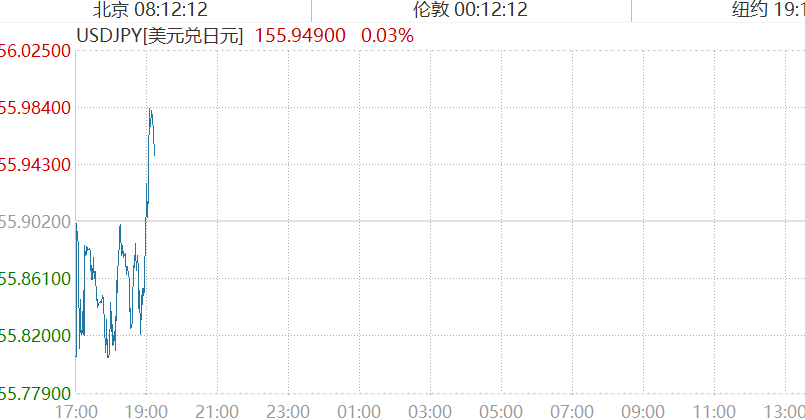
Market Performance - Japanese and South Korean stock markets reached historical highs, with the Nikkei 225 index touching 58,000 points, up approximately 1.2% [1] - The KOSPI index in South Korea opened with a 1% increase, surpassing the 6,000 points mark for the first time [1] Company Highlights - Samsung Electronics' stock rose about 1%, reaching a new historical high, with a market capitalization nearing $1 trillion. Analysts from Morgan Stanley, Citigroup, and Macquarie have collectively raised their target prices, predicting a strong price cycle for DRAM and NAND lasting at least two years, with net profits expected to grow tenfold from 2025 to 2028 [1] - SK Hynix's market capitalization is approximately $480 billion, with a slight increase of about 0.2% [2] - South Korean automotive stocks also performed well, with Kia Motors rising over 12% and Hyundai Motors increasing nearly 6% [3] Currency and Economic Policy - The Japanese yen experienced significant depreciation, with a drop of over 1% against the US dollar on February 24, leading to increased pressure on the yen's value [6] - Concerns regarding further interest rate hikes were communicated by Japanese Prime Minister Fumio Kishida to Bank of Japan Governor Kazuo Ueda, as investors reassess the central bank's monetary policy path [8] - The likelihood of a rate hike by the Bank of Japan in April is increasing, but the country faces challenges such as economic contraction, rising inflation, and declining real wages [8]

美联储巴尔金:AI将温和提升生产率 难引经济剧变
Sou Hu Cai Jing· 2026-02-25 00:25
转自:新华财经 针对外部政策扰动,巴尔金指出,美国最高法院对特朗普关税的裁决"增加了经济的不确定性",但他认 为当前货币政策"处于应对风险的有利位置",具备足够灵活性以应对潜在冲击。 编辑:崔凯 在通胀方面,巴尔金态度谨慎。他承认"整个经济中都能看到通胀放缓迹象",但也明确指出"通胀数据 一直持续高于目标水平"。他强调:"希望通胀能回落至2%,但希望数据能清晰显示这一点",表明美联 储仍需更多确凿证据才会转向宽松。 劳动力市场方面,巴尔金观察到"有明显迹象表明就业市场已趋宽松",但同时坦言"很难精准判断劳动 力供应状况",反映出在移民、退休及参与率变动等多重因素交织下,就业数据解读存在复杂性。值得 注意的是,他引述企业反馈称"其定价权非常有限",暗示成本传导能力减弱,或为未来通胀降温提供支 撑。 新华财经北京2月25日电 里士满联储主席托马斯·巴尔金(Thomas Barkin)就人工智能、通胀前景及货 币政策立场发表最新观点,强调当前经济正经历结构性调整,但不会因技术变革而剧烈动荡。 巴尔金表示,"预计人工智能不会导致经济出现剧烈变化",但他同时指出,AI有望成为"推动生产率提 高的额外动力"。尽管如此,他 ...
【美联储理事警告:美联储货币政策可能无法应对AI引发的失业潮 】库克称,AI已引发美国劳动力市场的代际更迭,可能导致失业率上升,美联储可能无法以降息应对,货币政策可能陷入两难——降息既无法有效应对结构性失业,又可能推高通胀;AI或先推高、后压低中性利率;生产率统计数据或需五到十年才体现AI...
Sou Hu Cai Jing· 2026-02-25 00:14
Core Viewpoint - The Federal Reserve faces challenges in addressing potential unemployment caused by AI advancements, as monetary policy may not effectively respond to structural unemployment while also risking inflation [1] Group 1: Federal Reserve's Monetary Policy - The Federal Reserve's monetary policy may be caught in a dilemma, where lowering interest rates could fail to address structural unemployment caused by AI and may also lead to increased inflation [1] - AI is expected to initially raise and then lower the neutral interest rate over time [1] Group 2: Labor Market Impact - AI is causing a generational shift in the U.S. labor market, potentially leading to an increase in unemployment rates [1] - Productivity statistics may take five to ten years to reflect the impact of AI on the labor market [1] Group 3: Diverging Opinions - Federal Reserve Governor Waller believes that a report by Citrini, which triggered a significant drop in software and other industry stocks, exaggerates the potential impact of AI on employment [1] - Waller emphasizes that AI is a tool and will not replace human workers [1]

美联储柯林斯:AI提升效率而非替代劳工 或助力去通胀
Sou Hu Cai Jing· 2026-02-25 00:08
Core Viewpoint - Boston Federal Reserve President Susan Collins signals a commitment to maintaining stable interest rates while focusing on data validation regarding the U.S. economic outlook and monetary policy path [1]. Group 1: Monetary Policy - Collins indicates that it is likely to maintain the current interest rate level for some time, emphasizing a patient and cautious approach to monetary policy [1]. - She describes the current policy stance as "slightly restrictive" and suggests it may be close to the neutral interest rate level, but more evidence is needed to confirm inflation is consistently returning to the 2% target [1]. Group 2: Inflation and Productivity - Collins expresses a desire for greater confidence in the easing of inflation and reiterates that the Federal Reserve seeks to confirm the process of inflation slowdown [1]. - She includes high productivity growth in the framework for observing inflation, noting that AI's role is primarily to enhance work efficiency rather than replace workers, which she views with cautious optimism as a potential indirect means to alleviate price pressures [1]. Group 3: Labor Market - Recent labor market data is described as encouraging, with a slowdown in employment growth potentially reflecting a combination of productivity improvements and increased uncertainty [1]. - Collins points out that the labor market may exhibit more stability amidst its vulnerabilities [1]. Group 4: External Disturbances - Collins assesses that recent tariff news has not significantly altered the outlook expectations, indicating that the Supreme Court's ruling on tariffs and proposed new tariffs by Trump have not shaken the Federal Reserve's core judgment of the fundamentals [2].
国际金融市场早知道:2月25日
Sou Hu Cai Jing· 2026-02-24 23:57
Group 1: U.S. Economic Policies and Market Reactions - The U.S. Customs and Border Protection announced a 10% temporary tariff on six categories of products, effective from February 24, 2026, until July 24, 2026, independent of previous tariffs set by the Trump administration [1] - Federal Reserve Governor Lisa Cook warned that artificial intelligence could accelerate generational changes in the labor market, potentially leading to increased structural unemployment, and emphasized that monetary policy may have limited effectiveness in addressing such shocks [1] - Atlanta Fed President Bostic stressed the importance of monitoring inflation even with improving productivity, warning against sacrificing long-term stability for short-term solutions [2] Group 2: International Economic Relations - Japanese Economy Minister Akira Amari indicated that U.S. tariffs could impose additional burdens on Japanese companies, and he has requested assurances from the U.S. to maintain Japan's treatment at levels agreed upon in previous agreements [2] - Japanese Prime Minister Suga expressed strong opposition to further interest rate hikes during a meeting with the Bank of Japan Governor, indicating a shift in stance compared to previous discussions [2] - Japan's Finance Minister stated that Japan and the U.S. are maintaining close communication regarding exchange rate movements, raising expectations of potential joint intervention in the yen [2] Group 3: Market Performance and Indicators - The Dow Jones Industrial Average rose by 0.76% to 49,174.5 points, while the S&P 500 increased by 0.77% to 6,890.07 points, and the Nasdaq Composite climbed by 1.04% to 22,863.68 points [4] - The COMEX gold futures fell by 1.25% to $5,160.50 per ounce, while silver futures increased by 0.57% to $87.07 per ounce [4] - U.S. wholesale sales grew by 1% year-on-year, and the Conference Board's consumer confidence index surged to 91.2, exceeding expectations and reaching a multi-month high [3]
LPR连续9个月持稳 货币政策仍处观察期
Bei Jing Shang Bao· 2026-02-24 23:37
Core Viewpoint - The Loan Prime Rate (LPR) remains unchanged for the ninth consecutive month, with the 1-year LPR at 3% and the 5-year LPR at 3.5%, indicating stability in monetary policy and economic conditions [1][3]. Group 1: LPR Stability - The LPR rates have not changed since May 2025, when they were both lowered by 10 basis points [1]. - The stability in LPR is attributed to consistent policy rates and a lack of motivation for banks to lower LPR quotes due to historical low net interest margins [3]. Group 2: Economic Influences - Strong export performance and rapid development in high-tech manufacturing are supporting the macroeconomic stability, allowing for the achievement of annual growth targets despite external pressures [3]. - The People's Bank of China is expected to implement a package of structural monetary policies in January 2026 to support key sectors like technology and small enterprises [3]. Group 3: Future Expectations - Analysts suggest a significant possibility of LPR reduction within the year, with potential for both reserve requirement ratio (RRR) and interest rate cuts [4]. - The second quarter of 2026 may see downward pressure on the economy due to uncertainties in U.S. tariff policies, prompting possible counter-cyclical adjustments [4]. - The first quarter of 2026 shows stable credit and social financing data, indicating a supportive monetary policy stance [4]. Group 4: Real Estate Market - There is an expectation for regulatory measures to stabilize the real estate market, potentially leading to a significant reduction in the 5-year LPR to lower mortgage rates and stimulate housing demand [5].