
场景营销

Search documents
从-86℃咖啡到布达拉宫观景位,小众咖啡馆们都在抢场景入场券?
Hu Xiu· 2025-07-27 00:26
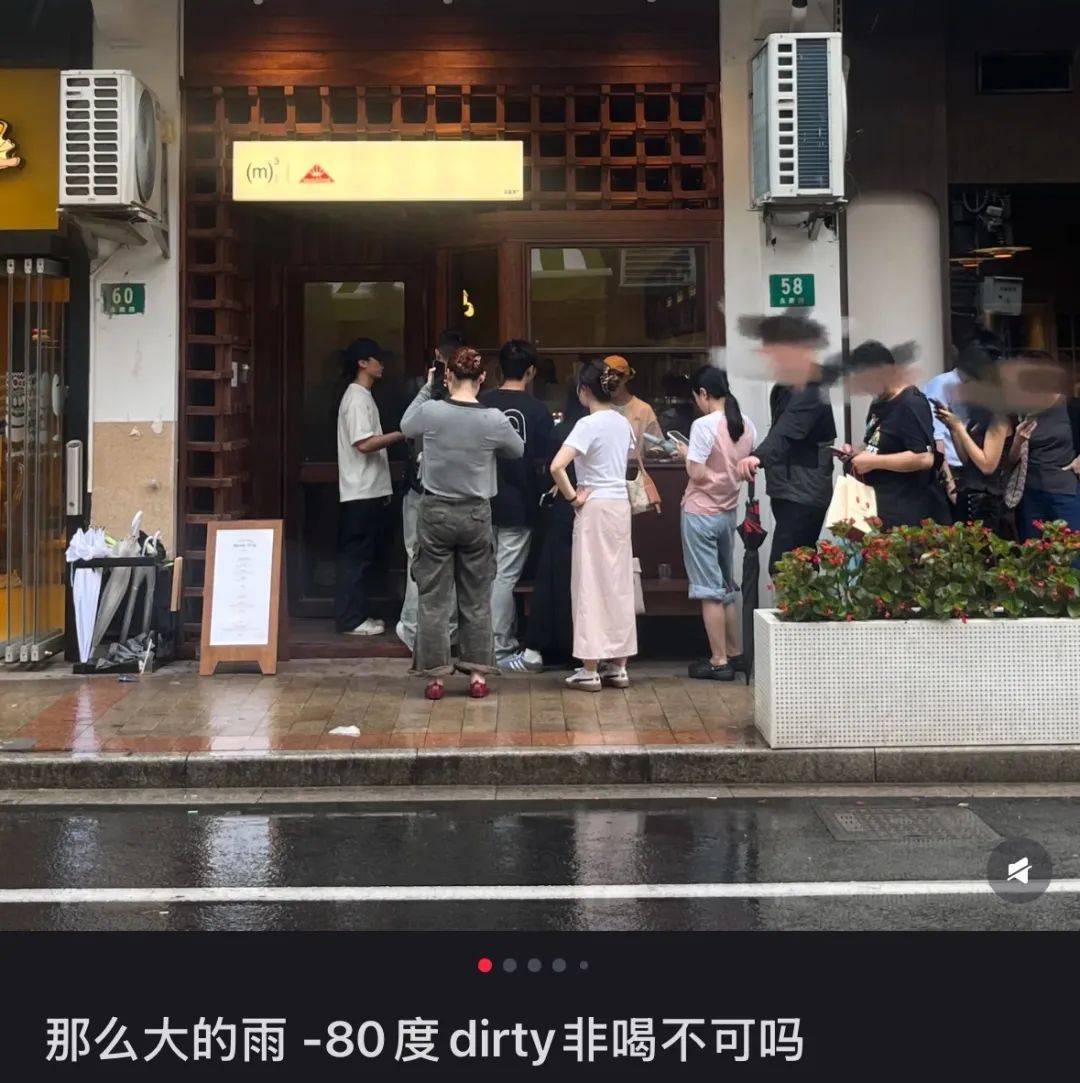
Core Viewpoint - The emergence of the -86℃ coffee trend, initiated by the "三立方丨Mahlkönig Dirty" store, highlights a shift in consumer behavior where the experience and social media appeal of the product outweigh its taste [1][21]. Group 1: Product and Experience - The -86℃ coffee is created using laboratory-grade freezing technology, which enhances the visual appeal and creates a unique drinking experience [3][14]. - The optimal tasting period for the coffee is limited to 30-40 seconds after the milk is poured, emphasizing the urgency and experiential aspect of consumption [4][21]. - Consumers are primarily drawn to the experience of taking photos and sharing on social media rather than the taste itself, indicating a shift towards experiential consumption [12][49]. Group 2: Market Response and Competition - Following the popularity of the -86℃ coffee, various coffee shops across China have introduced similar products, indicating a trend towards unique and experiential offerings in the coffee market [7][20]. - Pricing for the -86℃ coffee varies by region, with Shanghai's "三立方" offering it at 26 yuan, while other cities like Beijing and Chengdu have higher prices, reflecting regional market dynamics [11][12]. - The -86℃ coffee trend is not unique to "三立方," as similar products were previously introduced by other brands, but they did not gain significant traction until now [8][20]. Group 3: Brand Strategy and Positioning - "三立方" was established in 2021 with a focus on affordable coffee, successfully capturing market share through low pricing strategies [23][26]. - The brand differentiates itself through unique design elements and a strong product line, including over 100 merchandise items that enhance customer engagement [30][32]. - The operational model of "三立方" relies on a low-cost structure and a small store footprint, allowing for rapid expansion and competitive pricing against larger chains [35][38]. Group 4: Consumer Behavior and Trends - The trend indicates that coffee is becoming a secondary product in the experience-driven market, where consumers prioritize unique experiences over traditional product attributes [20][49]. - The rise of experiential coffee shops suggests a broader shift in consumer preferences towards niche markets and personalized experiences, as seen in various themed coffee shops [52][69]. - The success of coffee shops is increasingly tied to their ability to create memorable experiences and social media-worthy moments, rather than just the quality of the coffee itself [69].

当全民聊健康,品牌如何成为 “第一联想”?
3 6 Ke· 2025-07-23 03:32
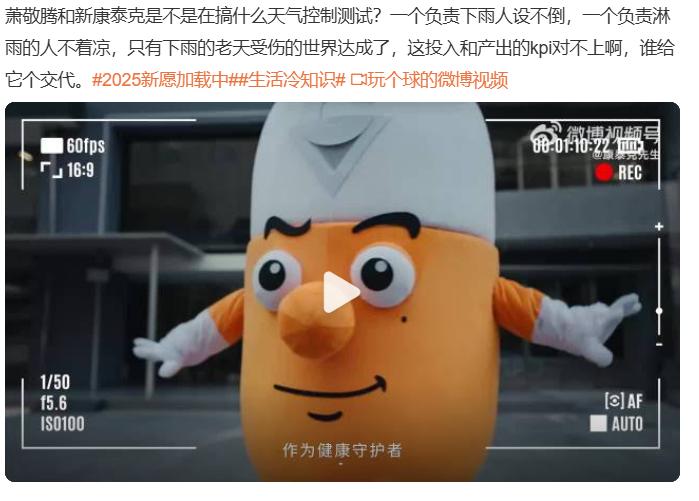
Core Insights - China is experiencing a consumption upgrade centered around health, shifting from merely treating illness to preventing it and living healthier lives [1][20] - The government has initiated actions to promote health consumption, with 70% of respondents prioritizing health in their purchasing decisions [1][14] - Brands must transition from merely selling products to becoming integral parts of consumers' health journeys [2][13] Industry Trends - The health market in China has surpassed 5.5 trillion yuan and is expected to reach 11 trillion yuan by 2030, with an annual growth rate exceeding 10% [14][19] - The national health literacy rate has significantly increased from 11.58% in 2016 to 29.7% in 2023, indicating a growing awareness of health issues among the population [14][19] Marketing Strategies - Brands should leverage data to identify health trends and position themselves as solutions before consumers recognize their needs [15][19] - Establishing credibility through professional endorsements and creating relatable, scenario-based marketing can enhance brand trust [16][19] - Encouraging user-generated content and fostering community engagement can amplify brand presence and create a positive feedback loop [18][19] Case Studies - New Kantek effectively integrated health messaging into its marketing by associating its product with weather changes and preventive health tips [5][13] - 999 Cold Medicine utilized a fashion show to link warmth with health, significantly increasing its market share and user engagement [7][13] - Purple Bamboo Pharmaceuticals focused on social issues and education to reshape its brand image as a reliable partner in women's health [9][10][13] Conclusion - The health sector's explosive growth is a result of a combination of consumer awareness and market dynamics, necessitating brands to actively engage and provide value [20][21] - Successful brands in the health space will be those that understand consumer needs and transform professional knowledge into emotional connections [20][21]
深圳22家Mall Q2首展首发:高奢巡展、ACGN、IP应援、自然疗愈集结亮相
Sou Hu Cai Jing· 2025-07-17 10:58
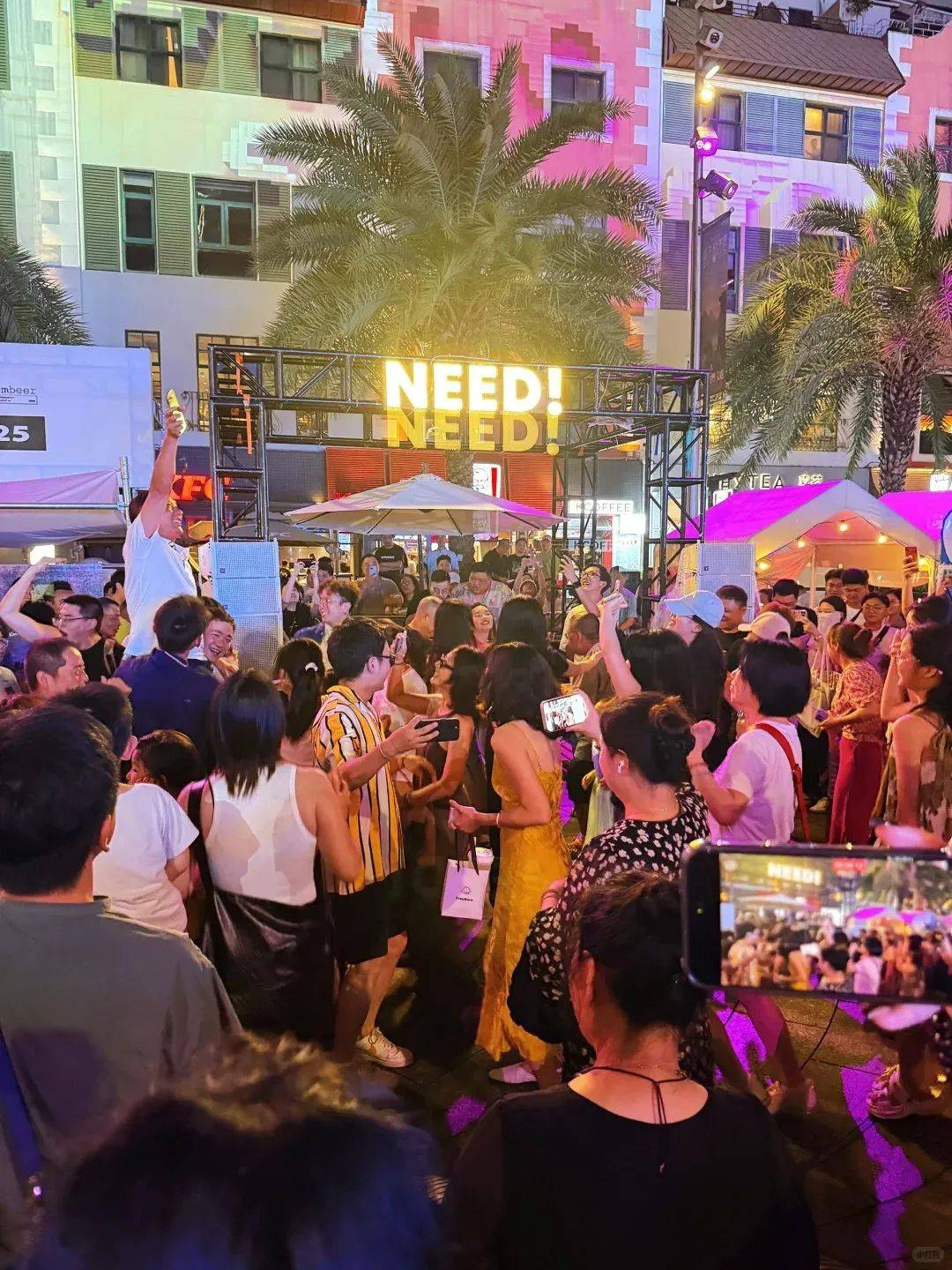
Group 1 - The core idea of the article emphasizes the importance of high-quality events in shopping centers to attract consumers and enhance their shopping experience [2][3] - Shopping centers in Shenzhen hosted 53 premiere and exclusive events in Q2 2025, showcasing a variety of brands and products [11][12] - These events serve to create emotional connections with consumers, stimulating their interest and encouraging purchases [3][6] Group 2 - High-quality premiere events can significantly enhance the image and recognition of shopping centers, showcasing their unique style and innovation [5][6] - Collaborations with well-known brands or popular IPs for these events can leverage their influence to boost the shopping center's profile and achieve mutual benefits [6][8] - Engaging events can extend consumer dwell time in shopping centers, leading to increased spending and higher sales [6][7] Group 3 - Premiere events provide opportunities for commercial innovation, allowing shopping centers to explore new business models and operational strategies [7] - Successful events can become city landmarks, enhancing the city's cultural development and attracting tourism and investment [8] - The events primarily focus on retail, dining, entertainment, and cultural arts, catering to consumers' emotional and experiential needs [14][21] Group 4 - The majority of the events were centered around beauty, fashion, and sports brands, with a notable presence of cultural and entertainment activities [14][31] - Various unique events, such as the "Starbucks Mayday Theme Store" and "Need! Micro-drunk Paradise," were well-received and widely discussed on social media [34][36] - The events not only provided fresh content for consumers but also enhanced the overall commercial vitality and competitiveness of the city [14][21]
传瑞幸大股东竞购星巴克中国;奥乐齐中国去年销售额翻倍;LV 美妆中国首店将落户南京德基丨品牌周报
36氪未来消费· 2025-07-13 09:26
Group 1: Starbucks China Acquisition - Luckin Coffee's major shareholder, Dazhong Capital, is considering acquiring Starbucks China, amidst a competitive relationship between the two companies [2][3] - Starbucks has received multiple acquisition proposals for its China business, with most investors aiming for a controlling stake, while Starbucks prefers to retain 30% ownership [2] - The valuation of Starbucks China has surpassed $10 billion for the first time, leading to a 3% increase in Starbucks' stock price, reaching a market cap of $107.8 billion [2] Group 2: Aolezi's Growth in China - Aolezi's sales in China doubled to 2 billion yuan in 2024, despite a slow increase in store count, indicating improved single-store efficiency [5] - The company has adopted aggressive pricing strategies to attract customers, offering significantly lower prices on various products [5] - Aolezi plans to accelerate its store openings, expanding beyond Shanghai to other regions, with a total of 78 stores expected by July 2025 [5][6] Group 3: Liangpinpuzi's Control Change - Liangpinpuzi announced a potential change in control, with its major shareholder planning significant changes that may affect the company's direction [7][8] - The company has faced declining revenue and profits, with a reported revenue of 7.159 billion yuan in the previous year, down 11.02% [7] - The competitive landscape in the snack industry has intensified, prompting Liangpinpuzi to consider strategic changes [7] Group 4: LV Beauté's Entry into China - LV Beauté, a brand under LVMH, is entering the Chinese market with its first store in Nanjing, focusing on high-end beauty products [9][10] - The store will feature a range of products and a custom experience area, capitalizing on Nanjing's strong luxury market [9] - LVMH's expansion into beauty aligns with the growing demand for beauty products and aims to enhance brand engagement with younger consumers [10][11] Group 5: The Ordinary's AI Flagship Store - The Ordinary has launched its first AI-powered flagship store on Tmall, enhancing the shopping experience with personalized skincare recommendations [22] - The brand is known for its effective products and aims to leverage AI technology to improve customer engagement and product selection [22] Group 6: IPO of Plant Doctor - Plant Doctor has submitted its IPO application to the Shenzhen Stock Exchange, aiming to raise nearly 1 billion yuan for various projects [24][25] - The company specializes in high-altitude plant skincare products and has been in operation since 1994, predating several current leading beauty companies [25] Group 7: ECCO's Outdoor Expansion - ECCO is expanding into the outdoor apparel market, launching a new store format focused on outdoor and sports products [21] - The brand has opened 20 ACTIVE LIFESTYLE stores in China and plans to continue expanding in economically vibrant cities [21]

22.8元一袋冰,山姆新晋刺客诞生了
36氪· 2025-07-09 10:00
Core Viewpoint - The article discusses the pricing controversy surrounding a 2-kilogram bag of ice sold by Sam's Club for 22.8 yuan, highlighting the debate over consumer perception, pricing strategies, and brand positioning in the market [5][6][13]. Pricing Controversy - The ice product, "Farmer Spring Pure Transparent Edible Ice," is priced at 22.8 yuan, which is nearly three times the cost of the water used to make it, raising questions about its value [8][11]. - Comparatively, similar products from other brands, such as a 1 yuan ice cup from Mixue and a 22.89 yuan 3-kilogram product from Metro, highlight the significant price difference [12][13]. - The pricing strategy is justified by the use of deep lake water from Qiandao Lake and a unique 24-32 hour slow freezing process, which is claimed to reduce melting speed by 20% [14][16]. Market Dynamics - Despite the controversy, the ice product has seen high sales, with some stores experiencing temporary shortages, indicating strong consumer demand [23]. - The ice market is projected to grow significantly, with a forecasted market size exceeding 63 billion yuan by 2026, driven by a 39% growth rate in instant retail channels [40]. Brand Strategy - Farmer Spring is not new to the ice market, having previously launched a 160-gram ice cup priced at 4.4 yuan, indicating a strategic move towards premium pricing [27]. - The introduction of the bagged ice product represents an extension from convenience store offerings to family and outdoor consumption, capitalizing on cost control and repurchase potential [30][31]. Consumer Behavior - The target demographic for Sam's Club includes high-spending members who prioritize convenience and quality over price, suggesting a shift in consumer preferences towards premium products [36]. - The article emphasizes that the value of the ice product is ultimately determined by consumer behavior and perception, reflecting broader trends in consumption and lifestyle [57].


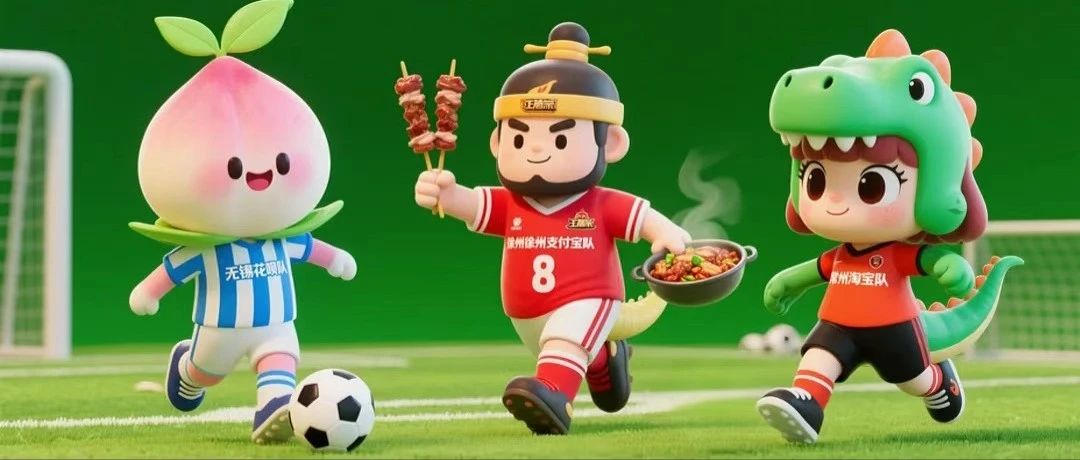
淘宝闪购冠名常州队,花呗支持无锡(息)队,阿里德比将在苏超上演
首席商业评论· 2025-07-01 04:00
Group 1 - The core viewpoint of the article highlights the significant commercial opportunities created by the Suzhou Super League (苏超), which has attracted a diverse range of sponsors and brands, transforming the landscape of sports marketing in China [1][27]. - The number of sponsors for the Suzhou Super League has increased from 6 to 26, with a five-tier sponsorship system established, indicating a robust commercial interest in grassroots sports events [2][27]. - Brands are employing innovative marketing strategies, such as localized sponsorships and interactive fan engagement, to deepen their connection with consumers and enhance brand visibility [4][10][30]. Group 2 - Major brands like Kia and Heineken are entering the Suzhou Super League sponsorship scene, showcasing a shift from traditional sponsorships to more localized and experiential marketing approaches [6][8]. - The economic impact of the Suzhou Super League extends beyond the matches, driving local tourism and increasing sales for local products, demonstrating a successful integration of sports and commerce [27][30]. - The sponsorship model has evolved, with initial sponsorship amounts ranging from 200,000 to 1.5 million RMB, now escalating to 3 million RMB due to heightened interest, reflecting the league's growing popularity [35][36]. Group 3 - The article identifies three key elements for successful brand marketing in the context of the Suzhou Super League: deep cultural engagement, user-friendly participation mechanisms, and precise integration of consumer experiences [37][40][41]. - Brands are encouraged to leverage cultural symbols and local narratives to resonate with consumers, moving away from generic marketing messages [38]. - The article emphasizes the importance of transforming spectators into active participants, fostering a sense of community and loyalty among consumers [40][46].
让啤酒不止于啤酒:青岛啤酒瞄上了“欢聚”场景的触达共生
Di Yi Cai Jing· 2025-06-19 03:15
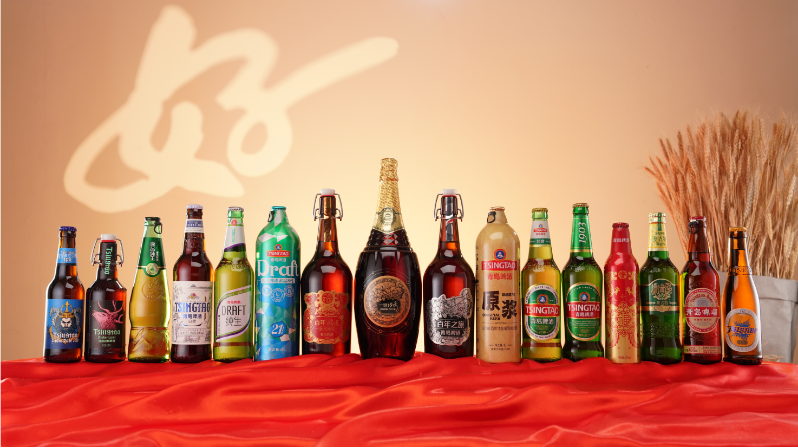
Core Insights - Qingdao Beer has successfully created a unique consumer experience with its giant intelligent beer pillar, attracting over 10,000 visitors daily and achieving a sales volume of 1.2 million milliliters per day, equivalent to 2,400 cups of beer [1][4] - The brand has been recognized for its value of 280.355 billion yuan, maintaining its position as the industry leader, driven by consumer appreciation and engagement [3][5] - Qingdao Beer is actively redefining its brand presence through various events and partnerships, aiming to connect with consumers in a more meaningful way in the new consumption era [3][7] Consumer Engagement - The Qingdao Beer Trading Center features an automated sales system and a stock trading pricing model, enhancing the consumer experience and making it a popular social media spot [4][5] - During the Dragon Boat Festival, the foot traffic at the trading center reached 2.245 million visitors, with significant online engagement on platforms like Douyin [5][6] - The brand's innovative approach to consumer interaction is seen as a successful attempt to create social value and fun experiences in beer consumption [4][7] Strategic Marketing - Qingdao Beer is leveraging various cultural and sporting events to enhance its brand visibility, including partnerships with the Chinese Super League and participation in major film awards [7][8] - The brand is focusing on creating immersive experiences for consumers, such as beer-themed carnivals and collaborations with popular events, to deepen emotional connections [8][11] - The introduction of new products targeting emerging consumer demographics, such as women, reflects the brand's adaptability to changing market trends [8][12] Market Trends - The beer industry is witnessing a shift towards more diverse and fragmented consumption patterns, with younger consumers seeking emotional and experiential value [13][14] - Qingdao Beer is responding to these changes by creating new consumption scenarios, such as cruise experiences and sports events, to meet evolving consumer demands [14][15] - The brand's strategy emphasizes the integration of technology and innovative marketing to enhance consumer engagement and satisfaction [15]
酒商面临“生死拐点”,如何应对?丨智业观酒
Sou Hu Cai Jing· 2025-06-17 14:33
Core Viewpoint - The liquor distribution industry is at a critical turning point, facing challenges such as weak market demand, inventory reduction, and the rise of e-commerce and price wars, which are pressuring distributors [2] Group 1: Industry Challenges - Traditional sales models relying on a multi-level distribution system are becoming less effective, leading to a shift in the roles of distributors [2] - Distributors are increasingly being relegated to the role of product "delivery agents," as manufacturers explore direct-to-store models [2] Group 2: Strategic Adjustments for Distributors - Distributors need to shift their focus from merely selling liquor to managing customer relationships, emphasizing trust and service [3] - There is a need to adjust product offerings by incorporating non-liquor items, with an initial target of 10-20% of total products [3] - Organizational changes are necessary, including redefining employee roles and maintaining proactive relationships with existing customers [3] Group 3: Implementation Measures - Distributors should visit long-term inactive customers to strengthen relationships and gather competitive intelligence [4] - Establishing connections with neighboring stores can enhance customer traffic, while also focusing on attracting walk-in customers [4] - Innovative marketing strategies should be employed, such as pairing liquor with various types of water and other products to create a "liquor plus" marketing approach [4] Group 4: Expanding Business Opportunities - There is potential to innovate in the banquet liquor business by offering free consultation services and enhancing customer engagement [5] - Broadening the scope of business projects by analyzing customer needs can lead to new opportunities in various sectors, such as home delivery services and insurance [5] - The industry is experiencing a shift from "channel dominance" to "consumer sovereignty," necessitating distributors to adapt their business models to remain relevant [5]

营销新风向:生活和情感,成为新的破局点
3 6 Ke· 2025-06-03 13:16
Group 1 - The core viewpoint emphasizes the increasing importance of emotional value in marketing, particularly in the fast-moving consumer goods (FMCG) sector, where brands are shifting towards creating deeper emotional connections with consumers [4][6][28] - In 2024, Bawang Tea Ji invested 1.1 billion in marketing, resulting in a significant increase in brand awareness and public recognition [1] - The consumer industry is experiencing a polarization trend, with one side focusing on practical value and cost-effectiveness, while the other side seeks emotional value and experiential consumption [4][5] Group 2 - Brands are encouraged to create a sense of aspiration and companionship with consumers, moving away from being perceived as distant entities to becoming "life partners" [8][6] - User-generated content (UGC) plays a crucial role in fostering emotional connections, as seen in the example of McDonald's engaging with its fans through social media [10][12] - The case of Huang Tian E and Heinz's "Tomato Scrambled Eggs" campaign illustrates how brands can leverage cultural and emotional ties to enhance consumer engagement and sales [13][15] Group 3 - The significance of life scenarios in marketing is highlighted, with brands needing to adapt to consumer lifestyles and preferences [18][20] - The rise of innovative media forms is essential for brands to create discussions and social interactions, which can lead to increased brand value [24][26] - The challenges of implementing innovative marketing strategies include regulatory hurdles and the need for brands to invest significant effort and resources [27][28]

一财社论:场景营造是未来企业的核心竞争力
Di Yi Cai Jing· 2025-05-28 14:10
Group 1 - The essence of business is demand satisfaction, as demonstrated by the recent craze for a plush toy from China in Europe and America, highlighting a new commercial paradigm for Chinese manufacturing and enterprises competing in a saturated market [2][3] - Pop Mart is redefining manufacturing and understanding of business by creating open scenarios that foster collaboration between producers and consumers, exploring a new business model where production is consumption [2][3] - The shift from a focus on cost-effectiveness to a deeper understanding of consumer preferences is crucial for China's economic and social advancement, marking a transition from a goods-based economy to a service-oriented one [3][4] Group 2 - The consumer craze for Pop Mart reveals that the core of consumption is not ownership but satisfaction, achieved through participatory scene marketing that transforms products into collaborative environments for expressing individual preferences [4][5] - The value of any product or service ultimately translates to the time consumers spend online and in-person, indicating a trend where traditional goods are increasingly integrated into service solutions [4][5] - China's consumption-driven strategy is reflected in Pop Mart's industry logic, emphasizing that true commercial success lies in genuinely reflecting and satisfying consumer preferences rather than merely selling products [5]
